
Women-Friendly Travel in Athens
The Athens women-friendly travel guide places explicit women-friendly and family confidence signals first, while keeping uncertain details visible for review.
Athens
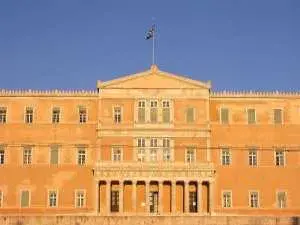
Old Parliament
This was built in 1838 and its original purpose was to stand as the Royal Palace, home to the monarch. The most unique feature of this building is the change in its color throughout the day; from white to gold to mauve. Don't miss the changing of the Guard at the Tomb of the Unknown Soldier which takes place daily.
Athens
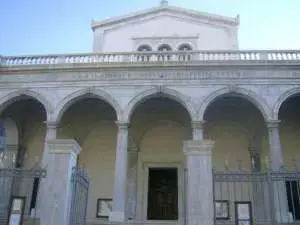
The Numismatic Museum
This museum was home to famed archaeologist Schliemann whose excavation of Troy made him a well known figure around the world. On display are over 50,000 Greek coins made of bronze, silver and gold. These are intricate pieces of art and worth looking at.
Athens
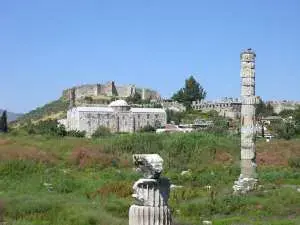
The Sanctuary of Eleusis
This sanctuary is connected with Greek mythology. It was built to commemorate Demeter's daughter Persephone being abducted by the god of the underworld, Hades. The temple of Demeter [Telesterion] is located here along with the temple of Artemis and the triumphal Arches built in honor of the Greek goddesses. Tourists get a good sense of Greek mythology and its protagonists and antagonists.
Athens
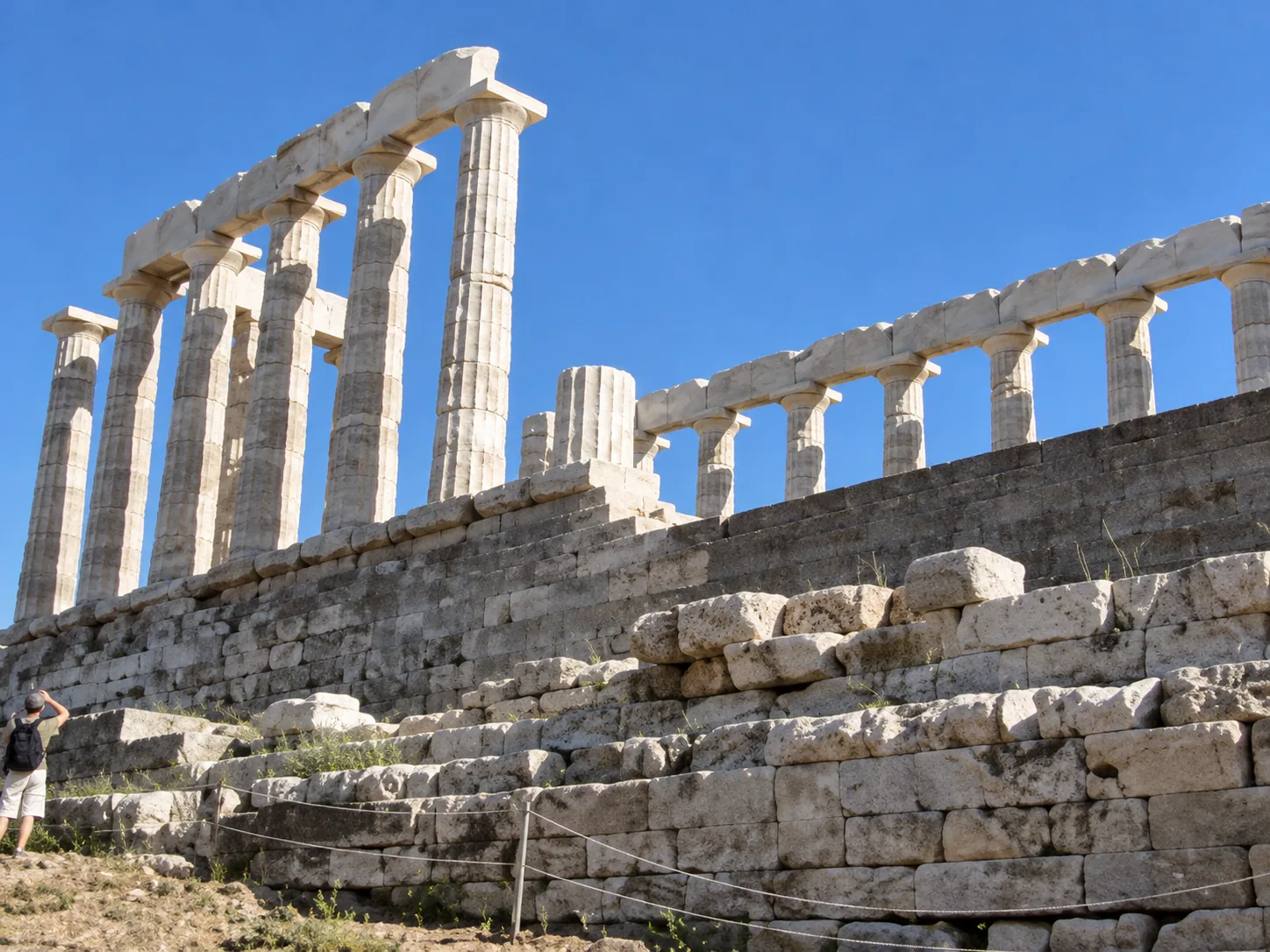
The Temple of Poseidon
The temple of Poseidon is also not to be missed. Originally the temple consisted of 34 columns. Today 15 of these original columns are still standing. In ancient times, the temple of Poseidon, the god of the sea, was a relief when viewed by sailors who were now assured that their voyage was about to conclude and that they were soon to arrive on land. The Aegean Sea is beautiful to look out on. It takes its name after Aegeus the King who drowned himself falsely believing his son Theseus had died at Crete.
Athens
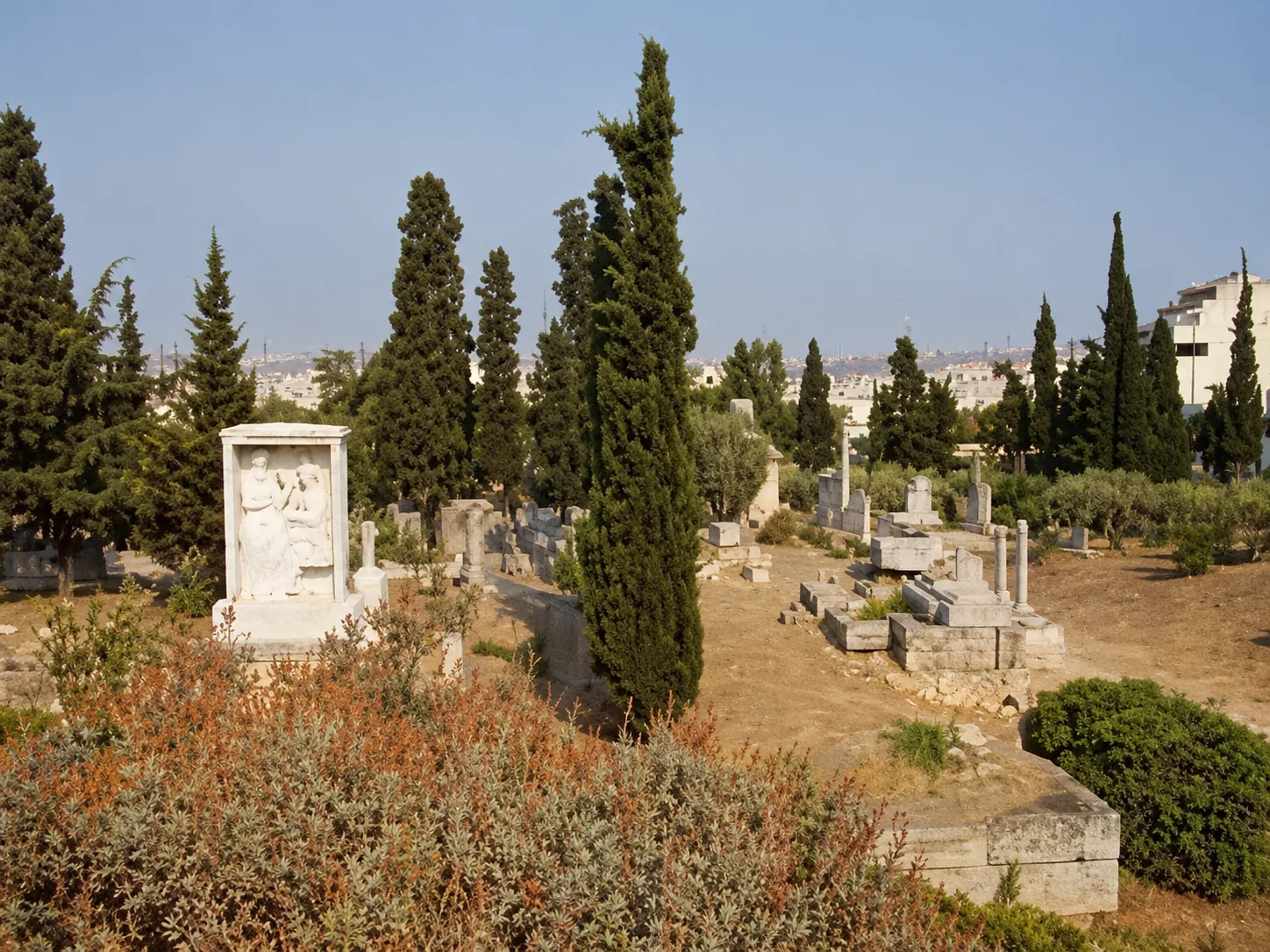
Kerameikos Cemetery
This is a very important cemetery and the most well known in Greece. Located just outside the city, this is where Athenian soldiers killed during the Peloponnesian War were buried along with others. The Oberlaender Museum is also located here which displays archaeological finds from this cemetery which include pottery, vases, and figurines. Ruins of the Dipylon Gate and the Sacred Gate also remain through which Athenians would proceed through on their journey to Parthenon.
Athens
Marathon Battlefield and Burial Mound
This is the place where the Persian army of 24,000 men fought against and were defeated by the Athenian Army comprising of just 1000 men. The battle is famed for soon after a messenger was dispatched who ran all the way to Athens to inform the people of victory. After the long run the messenger could only sum up the energy to say: "Victory"after which he died. The 192 Athenians killed were cremated and buried in this mound which was excavated in the late 1800s. The Marathon museum located some distance away houses relics and other finds from this site.
Athens
Hadrian's Library
Built before 130 A.D by the famed Roman emperor when Athens was under Roman rule, this is a splendid architectural site. Of the 100 columns of marble that supported this structure, only eight now remain.
Athens
The Parthenon
The Parthenon is the most important religious shrine on the Acropolis. You will be astounded by the size of this Doric temple, which once housed the giant statue of Athena. Its 46 columns are masterfully designed to negotiate the natural landscape. Unfortunately, visitors are not allowed to enter the building, both for preservation purposes and to allow restoration projects under way to continue uninterrupted.