
Women-Friendly Travel in New Delhi
The New Delhi women-friendly travel guide places explicit women-friendly and family confidence signals first, while keeping uncertain details visible for review.
New Delhi
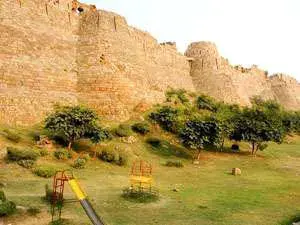
Tughluqabad
The immense and brutal fortifications of Tughluqabad are an impressive monument to the militarism of the Tughluqs, an antidote to any idea that the Delhi Sultans were merely effete builders of mosques and palaces. Nowadays, the only living things that visitors are likely to see at the vast, barren, sun-scorched site are goats, donkeys and the occasional archaeologist, although in the 14th century, the citadel, the third city of
New Delhi
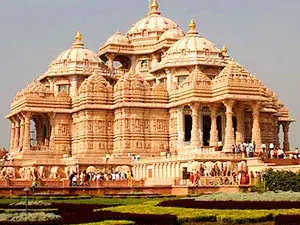
South Delhi
In South Delhi you may be amazed by the grandeur of the houses, for it is where the rich and famous reside. For instance, areas known for their poshness are the Greater Kailash, Sainik Farms, Vasant Vihar, and West End. However, unlike North Delhi, South Delhi offers some great markets and shops. This neighborhood is deifinitely worth a visit.
New Delhi
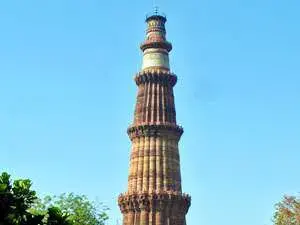
Qutb Minar
Built between 1193 and 1369, the Qutb Minar is the largest brick minaret in the world and a UNESCO world heritage site.
New Delhi
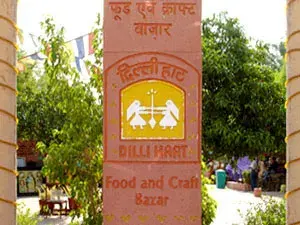
Dilli Haat
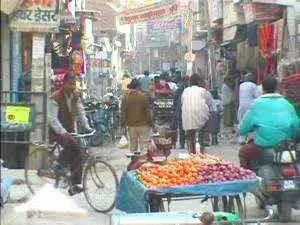
If you only have time to visit one shopping area in Delhi, then the Dilli Haat must be the shopping locale of choice. This bazaar hosts several craft stalls, with most of them rotating every two weeks. The best part of Dili Haat, however, is that you can buy goods directly from the craftspeople themselves, rather than buying these items at an inflated price from brand name stores.
New Delhi
East Delhi
This area boasts nothing spectacular. Thus, it would only be worth a visit if you want to really see the grit of New Delhi and observe how the average Jane and Joe go about their day.

New Delhi
West Delhi
West Delhi is most famously known for being home to the noveau rich and wealthy business individuas. Yet, this neighborhood gets a bad rep because its residents are stereotyped to be tacky and garish.
New Delhi
National Museum
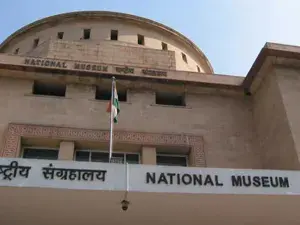
To truly appreciate India's past, you first must make sure you have a few hours to spare before diving into the National Museum's rich exhibitions. The more interesting displays include the carved pillars and statues from the Maryan empire (250 BC), sandstone figures from Pallava temples, Naga models and masks, excavations from the Indus Valley civilizations, Gupta terracottas dating from AD400, stone and bronze Buddhist statues, silk paintings from Central Asia, Tibetan manuscripts, and Mughal clothing, weapons, tapestries and various other Mughal items.
New Delhi
Rasthrapati Bhavan
Known as â€Å“King’s Way,” Rajpath is the most important road in India because it is littered with governmental buildings including the parliament house of India. The road runs from Rashtrapati Bhavan to the National Stadium and has a lovely floral view with several lawns, trees, and ponds found along the sides. However, the most delight full of views is the sight of Rashtrapati Bhavan, which is now the official residence of the President of India (before India’s independence it was known as the viceroy’s residence). Rashtrapati Bhavan’s is a majestic and grand palace that some have argued is larger than Versailles.