
Women-Friendly Travel in Tokyo
The Tokyo women-friendly travel guide places explicit women-friendly and family confidence signals first, while keeping uncertain details visible for review.
Tokyo
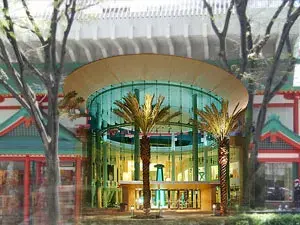
Oriental Bazaar
Tourists are advised to pick up souvenirs of the city of Tokyo from here. A number of products are available from kimonos, to chopsticks, fans, dolls, and jewelry and furniture items.

Tokyo
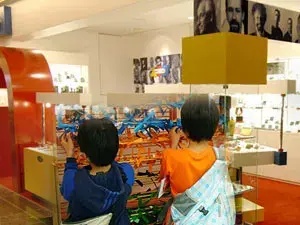
Tower Records and Books
This is a six floor “tower” housing a vast collection of books and music. Prices are reasonable. Classical and contemporary literature (including books, magazines, and journals) and music is available here. Address: 1-22-14 Jinnan Tel: 03-3496-3661
Tokyo
Tatsumi
Kimonos are sold here at more than reasonable prices. Address: 1-39-11 Asakusa, Taito-ku Tel: 03-3843-7606 Website:
Tokyo
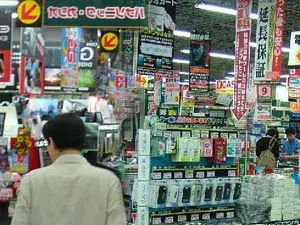
Yodobashi Camera
This center sells a variety of camera and other electronics at reasonable prices that can be further brought down by a bit of bargaining. Japan is famed for the excellent quality electronics it churns out. For those who love gadgets this is the place to be. Address: 1-11-1 Nishi Shinjuku Tel: 03-3346-1010
Tokyo
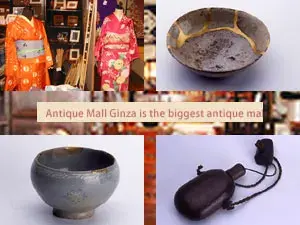
Antique Mall Ginza
This mall is huge. Tourists should reserve a few hours of their time to satisfactorily check out the wares sold here. Kimonos, traditional jewelry, furniture items, pottery, ceramics and porcelain both from Japan and other regions around the globe have found their home here. Address: 1-13-1 Ginza, Chuo-ku Tel: 03-3535-2115 Website: www.antiques-jp.com
Tokyo
Kurodaya
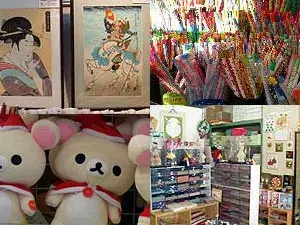
This shop has been around since the 19th century. It specializes in paper objects. Japan is famed for the origami masks, boxes and kites made entirely from folded paper. These can be found here in a variety of wonderful designs. Address: 1-2-5 Asakusa, Taito-ku Tel: 03-3844-7511

Tokyo
Hakuhinkan Toy Park
This is a famous toy shop of Tokyo spanning four floors and including a gaming arcade. Address: 8-8-11 Ginza, Chuo-ku Tel: 03-3571-8008

Tokyo
HMV
This UK based store specializes in music. Music lovers ought to pay HMV a visit. Up and coming Japanese pop is available here in addition to other tunes and various genres- classical, opera, dance, rock and jazz. Address: 24-1 Udagawacho, Shibuya-ku Tel: 03-5458-3411
Tokyo
Kyugetsu
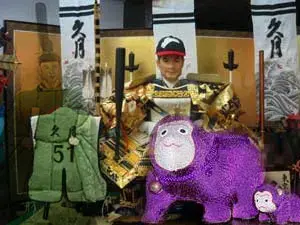
This is a wonderful store selling delightful Japanese dolls both traditional as well as contemporary. These dolls are primarily porcelain, though some are wooden too. The dolls are dressed and draped in beautiful silk. Address: 1-20-4 Yanagibashi, Taito-ku Tel: 03-5687-5176
Tokyo
Asakura Choso Museum
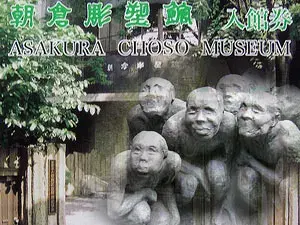
This house turned museum belonged to famous Japanese sculptor Asakura Fumio known for his carvings of famous personalities. The house is wonderful in itself- antiques adorn various rooms. The house comprises a courtyard, a tea room, a rooftop garden and a library. A delight to visit. Timings: Tues- Thurs & Sat-Sun 9 30 A.M- 4 30 P.M
Tokyo
East Garden
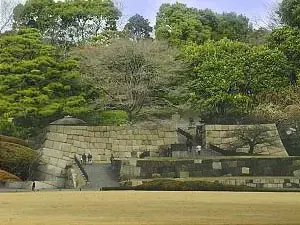
This is one of Tokyo’s most gorgeous gardens. It is located near the Imperial Palace and spread across over 50 acres of land. Traditionally known as Higashi Gyoen, the garden looks splendid when cherry blossoms, irises and other beautiful flowers and trees are in full bloom. Like other traditional Japanese gardens; ponds, cobblestone pathways, winding tracks dot the garden. Honmaru or the inner citadel is the site at which the Edo castle: once the highest building in Tokyo and from where the Shogun ruled the rest of Edo. Timings: Daily, except Monday and Friday 9 A.M- 5 P.M
Tokyo
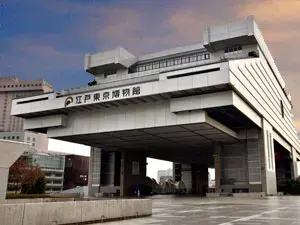
Edo-Tokyo Museum
This museum showcases the evolution of the city of Tokyo through the ages; in particular from 1590- 1964 spanning almost four centuries from the era in which Tokyo was made the capital by the Shogun to when the Olympics were held in this amazing city. The history, geography, culture and social life of the city are showcased here. Edo literally means Old Tokyo and the Museum shows how the city as it is today radiated from the nucleus that was Old Tokyo. The Nihombashi Bridge which connects the old and new parts of the city and a model of this very bridge is presented in the museum. Exhibits educated visitors as to how the different strata of Japanese society- the Shoguns, Merchant class, feudal lords and the common people lived. Others showcase the great earthquake of 1923 and its aftermath, yet others showcase the air raids during WWII. This museum makes for a very interesting afternoon indeed. Timings: Tues- Sun 9 30 A.M- 5 30 P.M
Tokyo
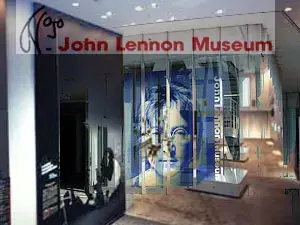
John Lennon Museum
For the Beatles and John Lennon fans in particular this museum will be a rare treat. Opened in 2000 under the patronage of Lennon’s wife Yoko Ono- the Museum showcases the life of this musician; his personal life as a husband and father, as well as his life as a musician and as a protestor. Pieces include lyrics hand-written by Lennon himself, his jacket, passport, his glasses and guitars.
Tokyo
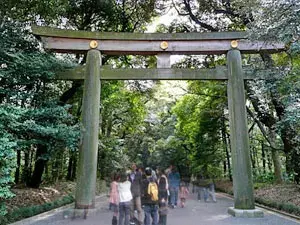
Meiji Jingu Shrine
This shrine was built in honor of the Emperor and Empress Meiji in 1920. These royals were credited with making Japan more extroverted and opening it up to foreigners. This Shinto shrine is magnificent- the gates leading to the shrine known as Torii in Japanese are 1700 years old and are made of extravagant cypress. The structure itself is also composed of Japanese cypress with green copper roofs sitting atop the temple. The gardens contained within the gates are beautiful- trees, shrubs, and beautiful flowers adorn the gardens. Timings: Daily, sunrise-sunset
Tokyo
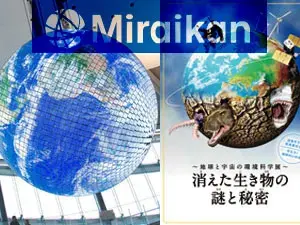
Miraikan National Museum of Emerging Science and Innovation
This museum is very interesting and caters to all age groups. It is fascinating in terms of the technologies that are showcased here- ultra-modern, revolutionary, and environmentally friendly. Moreover, most exhibits are interactive. Visitors can engage with robots and embark on virtual reality rides. They can also use touch screens to learn more about nanotechnology and genetic engineering. This visit will be both educational and a great deal of fun.
Tokyo
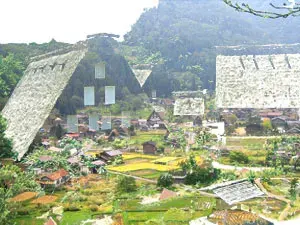
Open Air Folk House Museum
This museum, located only half an hour away from Tokyo, is delightful. It showcases the architecture of the past rural Japan. The setting is beautiful; historic/traditional houses are perched amidst or atop of wooded hilly areas. The houses are simple and often comprise of thatched roofs. Interesting features of this museum include a gate to the home of a Samurai, a Kabuki stage and a water wheel from centuries ago.

Tokyo
Panasonic Center
Japan is famed for the rapid technological advances it has made and the high-quality electronics that its numerous factories churn out. The Panasonic Center allows tourists to witness firsthand the sheer progress Japan has made in this department. Visitors are allowed to interact and use the various exhibits including Nintendo games on gigantic TV screens, checking out various cameras, camcorders, and other gadgets. The tour can also be quite educational and visitors can learn/ are shown environmentally friendly technologies being developed and how they work. RiSuPia is a kind of museum within the center allowing visitors to indulge in various fascinating activities including playing air hockey scoring only in prime numbers, a pillows puzzle, probability-based games, computerized artwork, and many more. The Eco and Ud House is the most interesting exhibit of all which showcases an ultramodern household with ultra-modern gadgets that use energy efficiently. Timings: Tues- Sun 10 A.M- 6 P.M
Tokyo
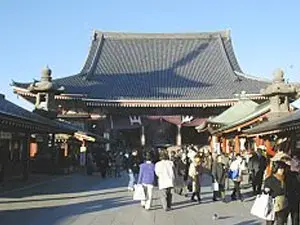
Sensoji Temple
This is arguably Tokyo’s most popular temple. It has stood at this very location since 628 A.D. despite having been destroyed during WWII in 1945 during a bombing raid, it was rebuilt soon after. The myth surrounding this temple is that two fishermen catching fish in the Sumida river caught instead a golden statue of the goddess of Mercy and Happiness namely Kannon. The temple is said to house this priceless statue in whose honor the temple was erected. Thousands pay tribute to the goddess daily praying for good fortune.
Tokyo
Tokyo National Museum
Tokyo National Museum is a grand museum and is well worth a visit. It showcases the marvelous history and culture of Japan. The pieces on display are stunning, some archaic all allowing visitors to appreciate the richness of Japanese heritage. The museum comprises the Japanese gallery which contains Japanese arts and crafts; Samurai swords and armory, ceramics, Buddhist sculptures, textiles and calligraphy. The Asian gallery contains archaeological finds from all over Asia especially China but also from Cambodia, Vietnam, India, Iran, Turkey even Egypt. These relics include some statues of Buddha, some jewelry, paintings, frescoes and ceramics. Some objects date as far back as 2000 B.C. The Heiseikan gallery showcases archaeological finds from within Japan itself with relics dating back to various periods in Japans history including the Jomon Period and Yayoi period, therefore displaying pieces dating as far back as 10000 B.C. The Horyuji Treasures gallery showcases Buddhist statues and ornaments from the Horyuji temple in Nara. A fifth building of the museum known as the Hyokeikan houses special exhibitions.
Tokyo
The National Museum of Modern Art
This museum showcases Japanese art- both traditional and Western styles. Exhibits include paintings, sculptures and prints. All art pieces date back to the 1900s i.e. the Meiji period. Timings: Tues-Sun 10 A.M- 5 P.M
Tokyo
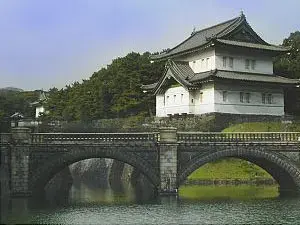
The Imperial Palace
Much of the palace is closed, however, tourists can stroll the grounds of the palace where the once magnificent Edo Castle stood. The palace houses the royal family and the foundations of the castle are open to public viewing. Edo Castle became in effect the ruling seat of the Shogun in the early 1600s. Nearly 300 years later when the Shogunate fell and imperial rule was restored the royal family moved here. A lot of Japan’s history is embodied in this building, from the years of the Shogun to Imperial rule to the fate suffered by the Palace much of which was razed during WWII. Timings: Daily; all day