
Women-Friendly Travel in Beijing
The Beijing women-friendly travel guide places explicit women-friendly and family confidence signals first, while keeping uncertain details visible for review.
Beijing
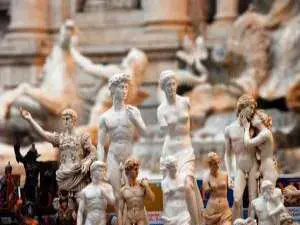
Haoyuan Market
In addition to a lot of Mao memorabilia lots of other souvenirs are available as well.

Beijing
Guang Han Tang
This is the best store to buy antiques- though pricey their antiquity and authenticity are guaranteed. Many of these antiques consist of wooden boxes, carvings, etc.

Beijing
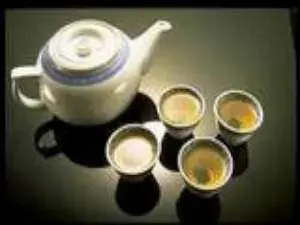
Malian Dao
This market consists of a number of stalls selling tea- there is a diverse range of these and an even more diverse range of flavors. Chinese tea is world famous and visitors should definitely take some back with them.
Beijing
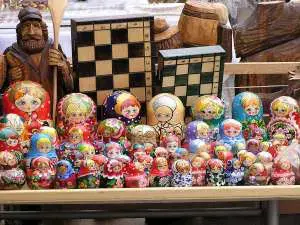
Shengtang Xuan
Toys are the specialty here. These are not just any toys but traditional Chinese ones made of wood and ceramic. They reflect the hard work and talent of local artisans.
Beijing
Ri Tan Shangwu Lou
This kind of plaza consists of over 50 shops selling excellent quality traditional and contemporary women's and men's clothing.
Beijing
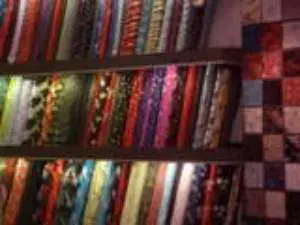
Ruifuxiang Choubu Dian
Beautiful Chinese silk fabrics with wonderful designs famous the world over are available here. This is a must stop.
Beijing
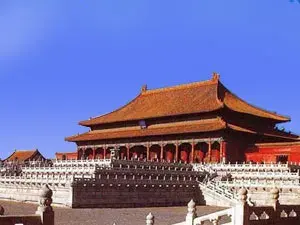
Museum of Ancient Architecture
This museum should definitely be visited as it houses some of the most magnificent ruins and remnants of famed Chinese architecture. The halls which store these treasures are themselves historically significant as they were once part of the Altar of Agriculture where Chinese emperors came to pray during plantation and harvesting season and performed rituals pertaining to these. The Hall of Jupiter is amazing and should not be missed.
Beijing
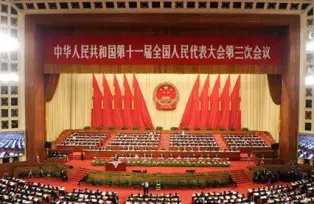
Great Hall of the People
The Great Hall of the People is one of ten buildings (creatively known as the Ten Great Buildings) constructed to honor the tenth anniversary of the People’s Republic of China in 1959. All are around today – among them the National Museum of China, the Beijing Railway Station, and the Chinese People’s Revolutionary Military Museum. All were built in the modernist style, heavily influenced by Soviet architecture. The most important of these is the Great Hall of the People, home to the National People’s Congress, China’s top legislative body.
Beijing
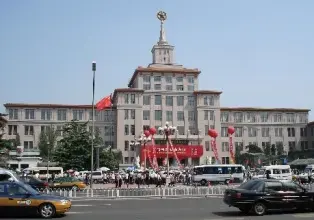
Military Museum of the People's Revolution
This fascinating museum dedicated to China’s military and its history first opened in 1960. The building’s edifice is a striking example of Socialist Realism. Even before entering the museum, there’s no doubt that it’s related to the military. Outside is a row of artillery cannons and a decommissioned boat. Once you get inside, the main hall is filled with tanks, planes, and a rocket.
Beijing
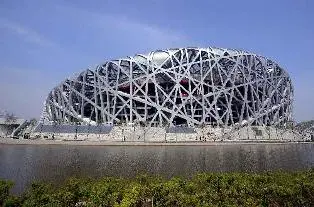
Olympic Park
The 2008 Summer Olympics signified China’s return as a global economic power. It’s hard to forget the spectacular opening ceremony. Three years on, the Olympic Park is still there and open to the public. The centerpiece of the park is the Beijing National Stadium, better known as the Bird’s Nest. Its edifice is unmistakable. Though no teams call the Bird’s Nest home, and few concerts or sporting events are held there, it still manages to be profitable thanks to the steady stream of visitors who want to relive Olympic glory.
Beijing
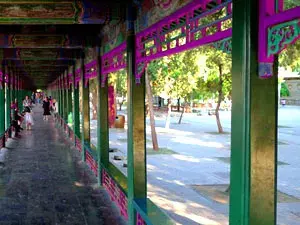
Summer Palace
When the Hailingwang Emperor of the Jin Dynasty moved the capital back to Beijing, he needed a new palace to escape the sweltering summers. The site he chose was on Gold Mountain (now Longevity Hill), about 12km northwest of Beijing. The Qianlong Emperor of the Qing Dynasty renovated the palace and the gardens in the 18th century. Kunming Lake was expanded to resemble the famous West Lake in Hangzhou. During the Second Opium War in 1860, the palace was destroyed by British and French forces. Under the Empress Dowager Cixi, the palace was subsequently rebuilt in 1893, only to be destroyed once again during the Boxer Rebellion in 1900. The Summer Palace we see today was the product of another restoration in 1903 (also by Cixi). It was open to the public during the Republic of China and eventually turned into a park.
Beijing
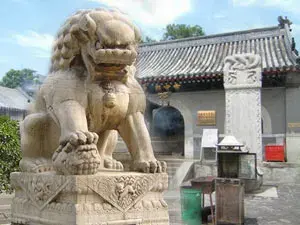
White Cloud Temple [Baiyun Guan]
This magnificent and massive temple dates back to 739 A.D. Followers of the Daoist religion come to worship here. Chinese monks in traditional costume also can be seen here. This is an interesting temple to visit.
Beijing
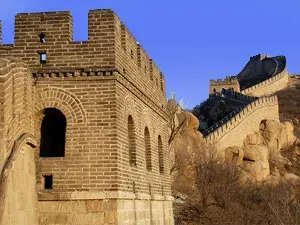
The Great Wall
Contrary to popular belief, the Great Wall is not visible from the moon, or even Earth’s orbit. Nevertheless, it is one of mankind’s great engineering achievements. The various kingdoms of ancient China had been no stranger to walled fortifications, and when the Qin Dynasty was established in 221 BC, Emperor Qin Shi Huang ordered several existing walls to be merged together. Succeeding dynasties continued expanding the wall and renovating existing sections.
Beijing
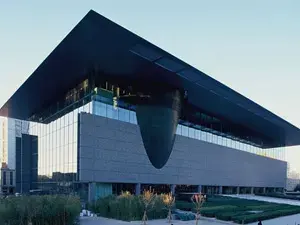
Capital Museum
The Capital Museum is one of Beijing’s newest. It first opened in 1981, and moved into its current location in 2005. Initially, it wasn’t much more than a storehouse, completely overshadowed by Beijing’s other museums. Now it stands as one of its best, thank to the new building, which is an attraction in its own right. With more than 60,000m² of floor space and room for 13 concurrent exhibitions, it’s now Beijing’s second largest museum. Inside the huge entrance hall rises all the way to the ceiling. The exhibits are housed across five stories.
Beijing
What to do with kids in tow
Beijing Aquarium This is an inland aquarium which exhibits numerous species of under water creatures. Dolphin shows take place daily and are a highlight of this aquarium. A panda house is located nearby as well.
Beijing
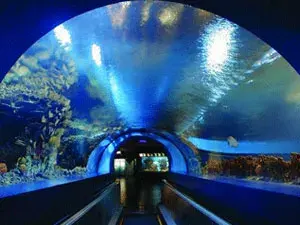
Beijing Aquarium
This is an inland aquarium which exhibits numerous species of under water creatures. Dolphin shows take place daily and are a highlight of this aquarium. A panda house is located nearby as well.
Beijing
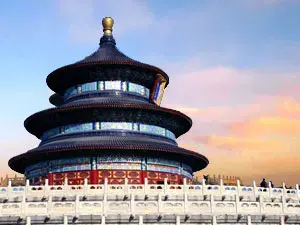
Hall of Prayer for Good Harvests
This has to be one of the most stunning edifices in all of Beijing if not in all of China. The hall dates back to the early 1400s. It is made of wood and the roof is absolutely fantastic consisting of blue tiles in intricate design. The pillars that hold it up are also wooden and the number of these is significant since they symbolize time in terms of the number of seasons and the number of months in the year. This imperial structure was burnt to the ground when lightning struck it in the late 1880s but it was rebuilt the following year. This structure is especially dazzling because of the fact that it is approximately 125 feet high and has been built without a single nail being hammered into it!
Beijing
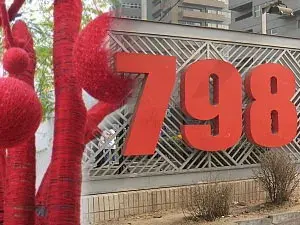
Factory 798
This former weapons factory has now become the hub of Chinese art and culture. This 'factory' comprises of several galleries and rooms showcasing contemporary fashions; art pieces by local and international artists; some stellar photography and some very beautiful hand painted textiles. Viewing these various exhibits is a treat indeed.
Beijing
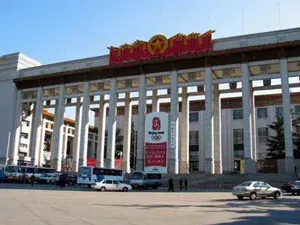
National Museum of China
The National Museum of China is at the tail end of a renovation which will modernize the museum and more than triple its exhibition space. The world’s largest collection of Chinese antiquities is housed here. The museum covers Chinese history up until the end of the end of the Qing Dynasty. The oldest item on display is the remains of Yuanmou Man, dating back 1.7 million years.
Beijing
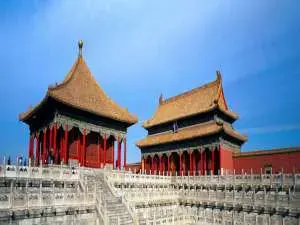
Forbidden City
No trip to China would be complete without a visit to the Forbidden City. The imperial palace built by the Ming dynasty is the symbol of China. When the Yongle Emperor moved the capital from Nanjing to Beijing, he ordered the construction of a massive 180 acre palace complex. Construction began in 1406 and lasted 15 years. One million laborers and 100,000 artisans worked on the Forbidden City. It was home to 24 emperors throughout the Ming and Qing Dynasties. The monarchy finally fell for good in 1925, at which time the Palace Museum was established to administer the site.
Beijing
Gate of Heavenly Peace
This is one of the most important features of what was formerly known as the Imperial City. A portrait of General Mao, Chinese communist hero, now stands mounted above the central door via which the Chinese emperor in ancient times would enter through. This gate is especially famous since it is the site where in 1949 Mao declared China to be the People's Republic of China. The columns are beautiful, lions stand atop it wreathed with dragons and clouds. Passing through the gate, one is at Tiananmen Square built by Mao- the largest of its kind the world over. Be sure to look at the beautiful four lions on each of its 4 corners.
Beijing
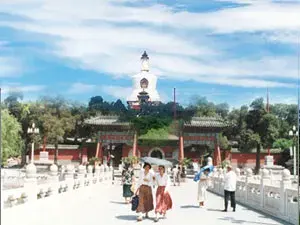
Bei Hai Park
Beihai is Chinese for “northern sea” and the park is named for the manmade lake that covers most of its 170 acres. It is more than a thousand years old, dating back to the Liao Dynasty in the tenth century. Successive dynasties modified and renovated it into the park we see today. It was part of the Forbidden City until 1925, when the last emperor abdicated. The park has been open to the public ever since.
Beijing
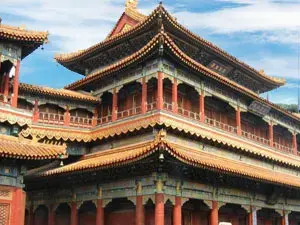
Lama Temple
This temple dates back to the 1690s. Traditionally it belonged to the next Yongzheng Emperor but after the seat of the empire was shifted to the Forbidden City in the 1740s this building was converted into a temple. They are some magnificent incense burners located here in addition to statues of some significant protagonists of Tibetan Buddhism. The most beautiful amongst these is the statue of Maitreya or Buddha which is about 60 feet tall and carved from, so it is said, a single piece of white sandalwood. This is one of China's most famed and important temples and so a must stop for all tourists.