What to do with kids in tow
Beijing Aquarium This is an inland aquarium which exhibits numerous species of under water creatures. Dolphin shows take place daily and are a highlight of this aquarium. A panda house is located nearby as well.

Beijing, capital to the People's Republic of China is one of the largest metropolises in the world with an ever-growing population. Beijing is a place where life is constantly on the move- a fact which is reflected in the constant construction- the building and the rebuilding of restaurants, offices and shopping malls ever so often. It is a perfect fusion of ancient meets modern. Juxtaposed with the temples and royal halls built as early as the 8th Century and other historic structures such as the Museums and the Royal grounds, are other recently built modern structures such as the numerous skyscrapers and high-rise buildings. Beijing is quit
Beijing Aquarium This is an inland aquarium which exhibits numerous species of under water creatures. Dolphin shows take place daily and are a highlight of this aquarium. A panda house is located nearby as well.
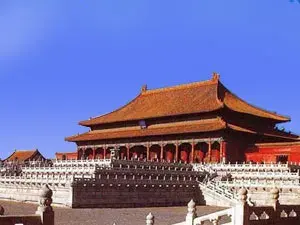
This museum should definitely be visited as it houses some of the most magnificent ruins and remnants of famed Chinese architecture. The halls which store these treasures are themselves historically significant as they were once part of the Altar of Agriculture where Chinese emperors came to pray during plantation and harvesting season and performed rituals pertaining to these. The Hall of Jupiter is amazing and should not be missed.
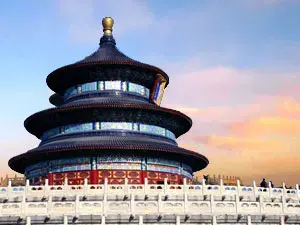
This has to be one of the most stunning edifices in all of Beijing if not in all of China. The hall dates back to the early 1400s. It is made of wood and the roof is absolutely fantastic consisting of blue tiles in intricate design. The pillars that hold it up are also wooden and the number of these is significant since they symbolize time in terms of the number of seasons and the number of months in the year. This imperial structure was burnt to the ground when lightning struck it in the late 1880s but it was rebuilt the following year. This structure is especially dazzling because of the fact that it is approximately 125 feet high and has been built without a single nail being hammered into it!
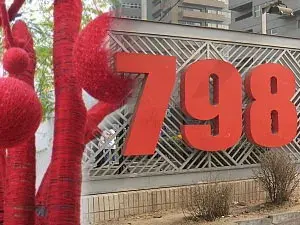
This former weapons factory has now become the hub of Chinese art and culture. This 'factory' comprises of several galleries and rooms showcasing contemporary fashions; art pieces by local and international artists; some stellar photography and some very beautiful hand painted textiles. Viewing these various exhibits is a treat indeed.
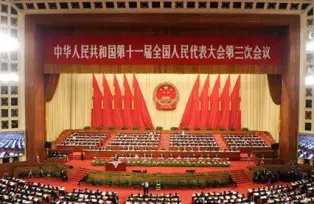
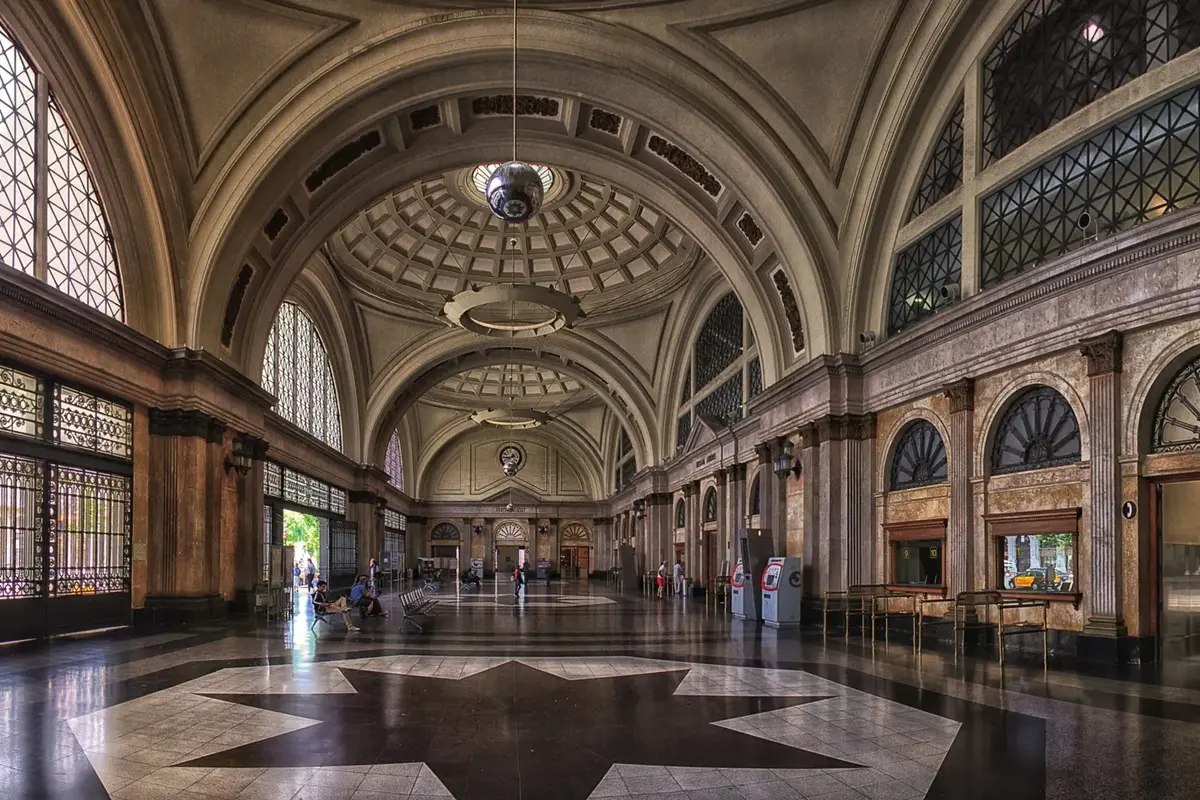
The Great Hall of the People is one of ten buildings (creatively known as the Ten Great Buildings) constructed to honor the tenth anniversary of the People’s Republic of China in 1959. All are around today – among them the National Museum of China, the Beijing Railway Station, and the Chinese People’s Revolutionary Military Museum. All were built in the modernist style, heavily influenced by Soviet architecture. The most important of these is the Great Hall of the People, home to the National People’s Congress, China’s top legislative body.
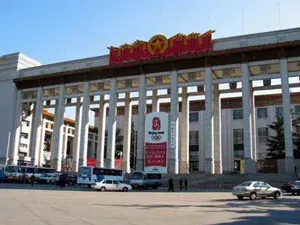
The National Museum of China is at the tail end of a renovation which will modernize the museum and more than triple its exhibition space. The world’s largest collection of Chinese antiquities is housed here. The museum covers Chinese history up until the end of the end of the Qing Dynasty. The oldest item on display is the remains of Yuanmou Man, dating back 1.7 million years.
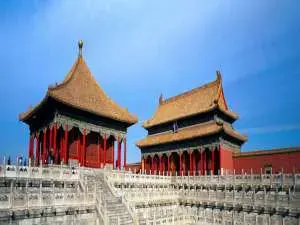
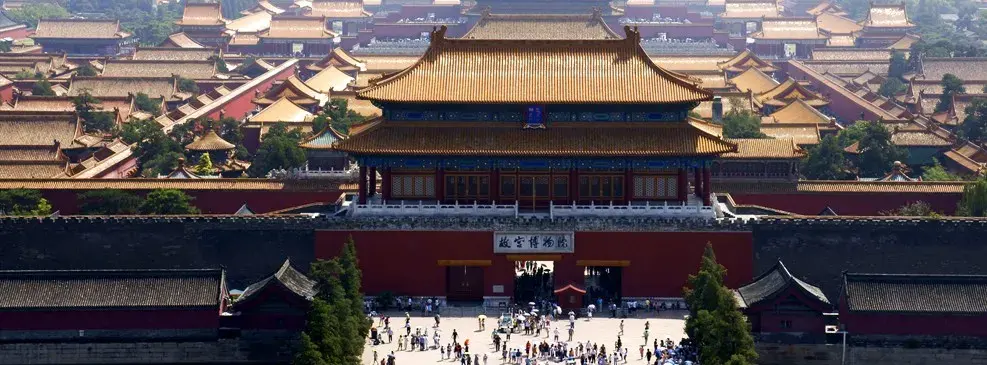
No trip to China would be complete without a visit to the Forbidden City. The imperial palace built by the Ming dynasty is the symbol of China. When the Yongle Emperor moved the capital from Nanjing to Beijing, he ordered the construction of a massive 180 acre palace complex. Construction began in 1406 and lasted 15 years. One million laborers and 100,000 artisans worked on the Forbidden City. It was home to 24 emperors throughout the Ming and Qing Dynasties. The monarchy finally fell for good in 1925, at which time the Palace Museum was established to administer the site.
This is one of the most important features of what was formerly known as the Imperial City. A portrait of General Mao, Chinese communist hero, now stands mounted above the central door via which the Chinese emperor in ancient times would enter through. This gate is especially famous since it is the site where in 1949 Mao declared China to be the People's Republic of China. The columns are beautiful, lions stand atop it wreathed with dragons and clouds. Passing through the gate, one is at Tiananmen Square built by Mao- the largest of its kind the world over. Be sure to look at the beautiful four lions on each of its 4 corners.
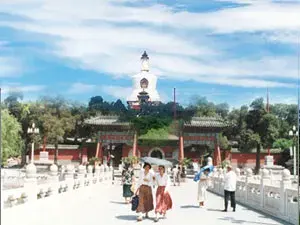
Beihai is Chinese for “northern sea” and the park is named for the manmade lake that covers most of its 170 acres. It is more than a thousand years old, dating back to the Liao Dynasty in the tenth century. Successive dynasties modified and renovated it into the park we see today. It was part of the Forbidden City until 1925, when the last emperor abdicated. The park has been open to the public ever since.
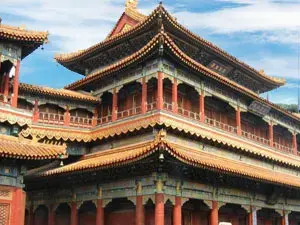
This temple dates back to the 1690s. Traditionally it belonged to the next Yongzheng Emperor but after the seat of the empire was shifted to the Forbidden City in the 1740s this building was converted into a temple. They are some magnificent incense burners located here in addition to statues of some significant protagonists of Tibetan Buddhism. The most beautiful amongst these is the statue of Maitreya or Buddha which is about 60 feet tall and carved from, so it is said, a single piece of white sandalwood. This is one of China's most famed and important temples and so a must stop for all tourists.
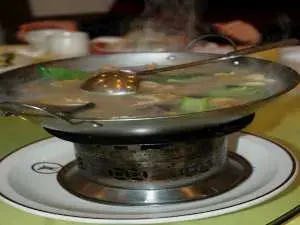
Set amidst a beautiful man-made forest guests, will be paying more for the ambience and not necessarily the food. The décor and the furnishings are traditionally Chinese. The place is luxuriant and quality food is to be expected. The sea food dishes are exceptionally good.
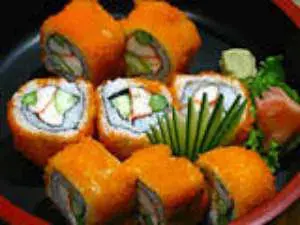
This is an extremely posh restaurant. The décor and interior are minimalist, contemporary, chic and stylish. The menu has listed on it eclectic and diverse dishes from sushi to beef to chicken. The deserts too are delectable. Customers will not regret eating here.
Decadent best describes the interior of this restaurant. The Sea food dishes are marvelous and the deserts are to die for.
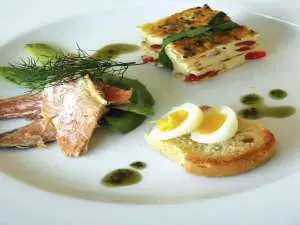
The dishes served here are absolutely divine; furthermore, there is a vast array of them to choose from. The setting is magnificent- whilst the exterior is distinctly Chinese the décor inside is unarguably contemporary.
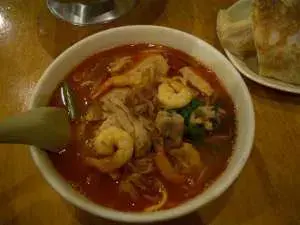
This restaurant provides outstanding service and offers a vast array of dishes to choose from. Sea food is the specialty and all kinds of it- lobster to crab to shrimp to trout are excellently cooked. The vegetarian dishes are also delicious.
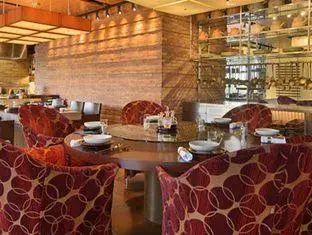
Located in the grand Hyatt Hotel, Made in China offers a variety of authentic Chinese specialties, including Peking duck. As you might expect in such a nice hotel, the décor is opulent and the food delicious. The service is good and the staff is attentive too. If you want the duck, call in advance.
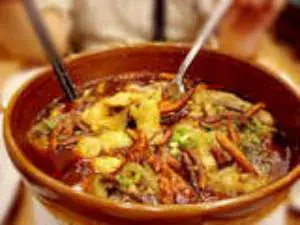
Homely best describes the ambience of this restaurant- Chinese and other families love to come here. The food is delicious and there is a diverse range of dishes to choose from. The sea- food, the lamb, the chicken and the vegetarian dishes are all excellent.
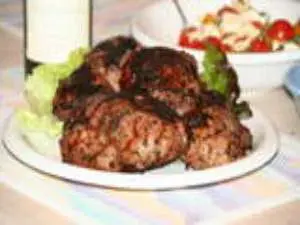
This restaurant offers quality food at affordable prices. Lamb is the specialty here.
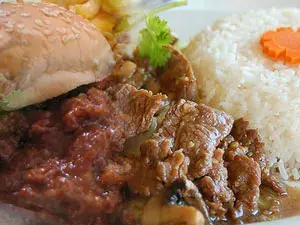
'Down to earth' best describes the atmosphere inside this restaurant. Unpretentious delicious food coupled with reasonable prices makes this a stop worth making. Sea food lovers and vegetarians will both be satisfied by the dishes listed on this menu. The pastas as in any Italian restaurant are delectable.
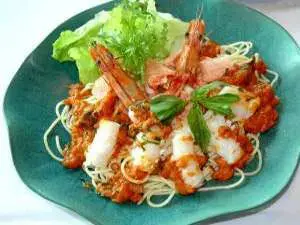
Quality Chinese food is served here. The sea food dishes are exceptionally good but there is much else to choose from. The interior is uncluttered and simple- all in all a delectable meal at affordable prices.
Loading local prayer times…
Calculated times. Confirm congregation times with your local masjid.
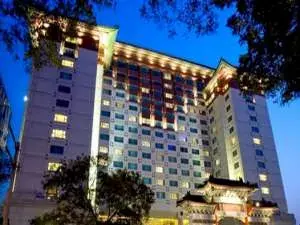
This hotel is arguably the best in town- it is both extravagant and luxurious. The location is perfect - it is situated in Dongcheng, the centre of the city. The service is impeccable as the facilities available here. In room facilities include satellite TV, AC, 42 inch Plasma TV, DVD player, wireless internet, a mini-bar, a hair dryer and a safe. Hotel facilities include babysitting services, car rental service, restaurants, a swimming pool and Jacuzzi, a health spa, massage services, laundry service, 24 hour room service and dry cleaning, saunas, and a shopping arcade.
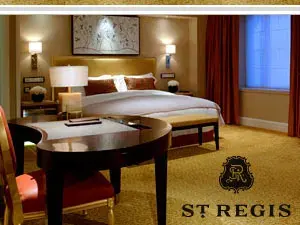
This hotel is located in Chaoyang district. It has a wonderful ambience; the hotel staff is extremely helpful. Rooms and bathrooms are spacious with lovely furnishings. The restaurants serve fantastic quality food. In room facilities include a mini-bar, a hair dryer, a safe, an AC, a DVD Player and a TV. Hotel facilities include restaurants, swimming pool, a gym, squash courts, billiard rooms, a health spa, a salon, laundry service, 24 hour room service, dry cleaning and a shopping mall.
This hotel is located in the Choayang District. The location is excellent. The rooms and bathrooms are tastefully furnished and more than comfortable and the service is outstanding. In room facilities include a mini-bar, a hair dryer, a safe, an AC and a TV along with broadband internet. Hotel facilities include restaurants, swimming pool, tennis courts, a health spa, a salon, laundry service, 24 hour room service, dry cleaning, and a shopping mall.
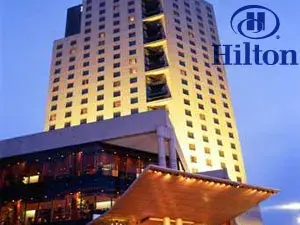
This hotel is located in northeast Chaoyang. Hilton is famous worldwide for its service which fails to disappoint. The décor of the rooms and bathrooms is both chic and stylish. In room facilities include a mini-bar, a hair dryer, a safe, an AC and satellite TV. Hotel facilities include restaurants, swimming pool and Jacuzzi, squash courts, a tennis court, a health spa, massage services, a salon, laundry service, 24 hour room service, dry cleaning, babysitting services and a car rental service.
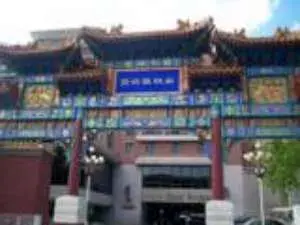
This hotel was built in 1990. The location is excellent and rooms look out on to the Forbidden City. Rooms and bathrooms are spacious enough with elegant furnishings. In room facilities include a mini-bar, a hair dryer, a safe, an AC and Satellite TV along with broadband internet. Hotel facilities include restaurants, swimming pool and Jacuzzi, a health spa, a gym, massage services, a shopping mall, 24 hour room service, laundry service and dry cleaning.
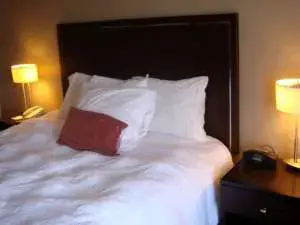
This small hotel has been erected on the site of the house of a senior military officer belonging to the Qing Dynasty. The decor is fantastic- the detailing is intricate and Chinese culture, traditions and styles are paid tribute to. Room facilities include an AC and TV and hotel facilities include restaurants, internet access and laundry service.
This hotel is located in the Dongcheng District. The interior of this restaurant is both quirky and at the same time interesting. As the name suggests communist China features strongly as far as the décor goes. The hotel has some beautiful courtyards as well furnished in styles characterizing the Qing Dynasty Period. In room facilities include a safe, an AC and satellite TV. Hotel facilities include laundry services, a bar and a cigar lounge.
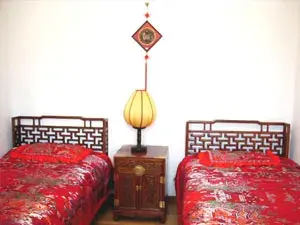
This hotel has a good location. It is a renovated house belonging to the Qing Period. The décor keeps in mind the style of that time- lanterns, statues of lions, canopies and courtyards are all to be found. Rooms are quite comfortable. In room facilities include a fridge, AC and satellite TV and a hair dryer. Hotel facilities include a restaurant, internet access, laundry service and dry cleaning.
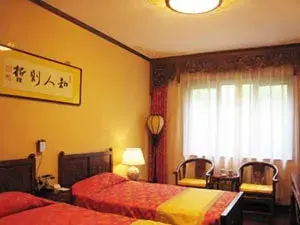
This is a famous courtyard hotel of Beijing popular amongst tourists. It has a very good location being situated in the Dongcheng District. The décor is very traditional with traditional Chinese furniture, lanterns, courtyards, bamboo shades etc being made use of for decorating the place. Rumor has it that this was the house of an important eunuch during the rule of the Qing dynasty. In room facilities include a fridge, an AC and satellite TV. Hotel facilities include a restaurant, bar, salon, laundry service and dry cleaning.
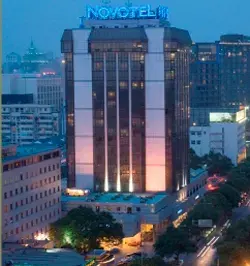
This hotel enjoys a central location being situated in the Dongcheng District. Prices are more than reasonable and the rooms and bathrooms are comfortable. In room facilities include a mini-bar, a hair dryer, a safe, an AC Satellite TV. Hotel facilities include restaurants, a bakery a pool and Jacuzzi, a gym, a sauna, laundry service, dry cleaning and 24 hour room service.
Visa Information Beijing
When to go Beijing
Location:: Beijing is located in the North China plain- it is surrounded by mountains to the North, Northwest and West; Area:: 16,800 sq km; Dialing code:: +86/010
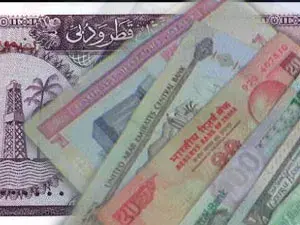
The currency used in China is the China Yuan Renminbi (CNY).
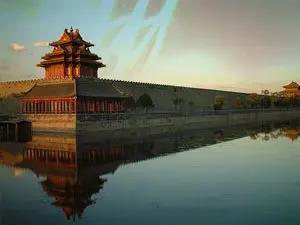
Public Holiday Beijing
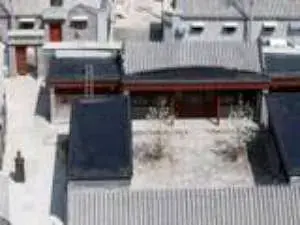
Beijing Residents Beijing
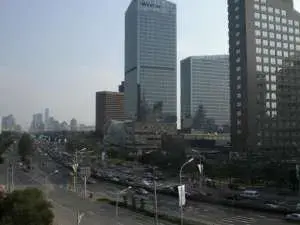
Beijing Today Beijing
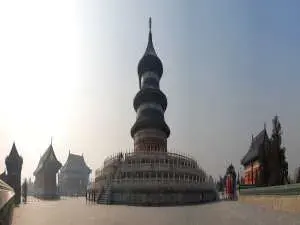
Beijing back then Beijing

Annual Temperature Beijing
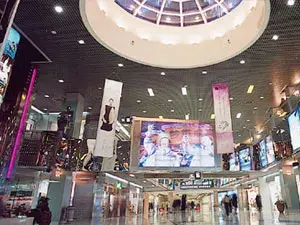
This massive shopping center is arguably the most famous of Beijing's shopping centers. There are several clothes and shoe shops and many designer labels are housed under this roof. A huge Sony shop is also located here.
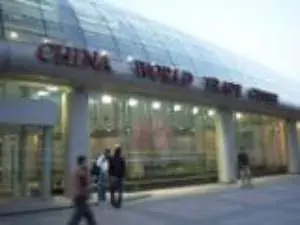
This is another of Beijing's famous shopping malls. A range of international brands have set up shop here including Louis Vuitton. The food court is also very good and there is a Starbucks located here too.
While much of what is sold here is over priced and readily available in other shopping areas, a few of the Arts and Crafts shops are worth the visit. In addition there are a number of wonderful boutiques that have set up shop here- a look at the clothes is worth it. A bookstore and supermarket is also located here.
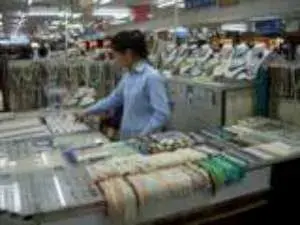
This market is famous for the jewelers who have set up stall here exhibiting their pearl and jade pieces which though pricey are a good buy.
This is a fantastic market consisting of hundreds of stalls and an array of products ranging from jewelry to ceramics, art to antiques, clothes to shoes and bags, Ming and Qing style furniture and goods to religious icons and statues of Buddha etc.
For fashion lovers this is definitely the place to head to. Beautiful tops and smart jackets are available here and these clothes reflect a perfect fusion of East meets west. Whilst the cuts are contemporary the look is distinctly Chinese.
This department store is varied in the shops that have set up and the products that are sold. Locally produced good quality clothes and shoes are available here at extremely reasonable prices.
A lot of knock offs of designer goods are available here. A variety of clothes and shoes are sold here.
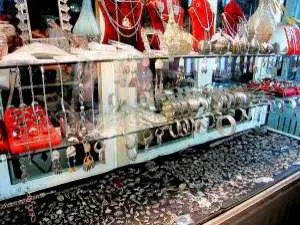
Address: Gongti Bei Lu 58
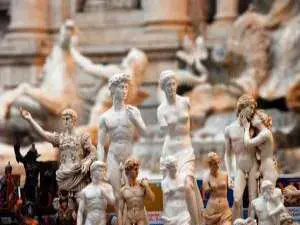
In addition to a lot of Mao memorabilia lots of other souvenirs are available as well.
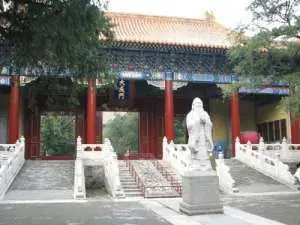
This is a significant temple since it was built in 1306 to honor revered Chinese philosopher and thinker Confucius. The temple houses some ancient musical instruments worth looking at [Confucius thought music was key to self- development]; apart from that they are about 190 stele with Confucius' Classics inscribed on them. In the courtyard of the temple are inscribed the names of those students who secured top marks in the imperial examination during the different dynasties [the imperial exams were of prime significance since it was key to improving your position in society]. Students still come to burn incense and pray during the exam periods over here.
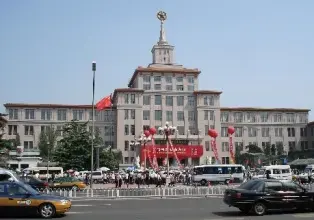
This fascinating museum dedicated to China’s military and its history first opened in 1960. The building’s edifice is a striking example of Socialist Realism. Even before entering the museum, there’s no doubt that it’s related to the military. Outside is a row of artillery cannons and a decommissioned boat. Once you get inside, the main hall is filled with tanks, planes, and a rocket.
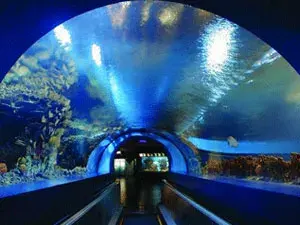
This is an inland aquarium which exhibits numerous species of under water creatures. Dolphin shows take place daily and are a highlight of this aquarium. A panda house is located nearby as well.
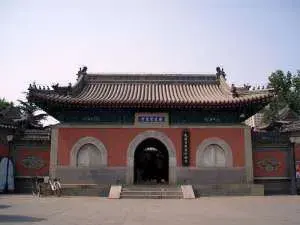
Dating back to the 1700s this temple was used by Buddhists to pray for rain. It now houses the biggest bell [over 20 feet wide] built by any Chinese emperor as well as other bells dating back to the Yuan and Ming dynasties.
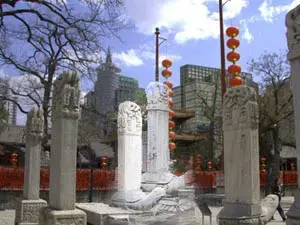
This is one of the finest temples dedicated to Daoism. This was built in the early 1320s to honor the god Dong Yue thought to reside in the mountain known as Tai Shan. This god's duties entailed looking after the different levels of hell as well as after the over 70 departments each of which were dedicated to a specific cause such as accumulating wealth, pity/ sympathy, etc. Believers come to beseech the god to fulfill every wish of theirs and bring along with them various offerings.
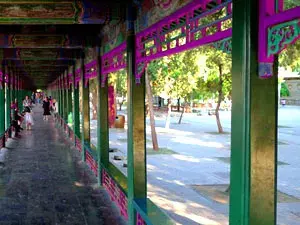
When the Hailingwang Emperor of the Jin Dynasty moved the capital back to Beijing, he needed a new palace to escape the sweltering summers. The site he chose was on Gold Mountain (now Longevity Hill), about 12km northwest of Beijing. The Qianlong Emperor of the Qing Dynasty renovated the palace and the gardens in the 18th century. Kunming Lake was expanded to resemble the famous West Lake in Hangzhou. During the Second Opium War in 1860, the palace was destroyed by British and French forces. Under the Empress Dowager Cixi, the palace was subsequently rebuilt in 1893, only to be destroyed once again during the Boxer Rebellion in 1900. The Summer Palace we see today was the product of another restoration in 1903 (also by Cixi). It was open to the public during the Republic of China and eventually turned into a park.
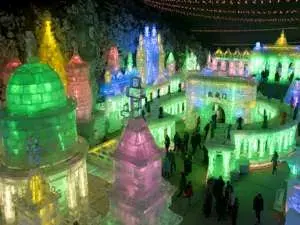
January - February: This annual event is held in Longqing Gorge in Yanqing county 80kms North of Beijing. Excited and enthusiastic locals take part in the festivities surrounding this festival which features fireworks, the making of beautiful ice sculptures and ice fishing. Massive blocks of ice are sculptured into animals and figures of various shapes and sizes. Lanterns made of ice with light glowing within are displayed creating a fairy tale ambience.
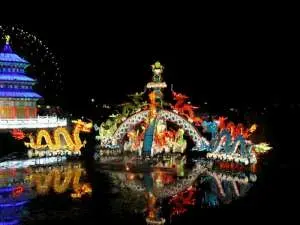
On the fifteenth day after the spring festival, i.e. the fifteenth day of the first lunar month is the lantern festival which celebrates the warmth of the sun after the cold winters. Colorful lanterns of all sizes and shapes are sold in the markets. The bright colors represent joy and festivity. Decoration of houses and streets, offerings and prayers to the deity and lavish feasting are an important part of this festival. The residents of Beijing walk the streets with beautiful lamps. The streets well lit up provide a stunning view. Dancing and music are also part of the festivities. The dragon dance and the lion dance are most popular. People with painted faces roaming the street are a common sight during this festival.
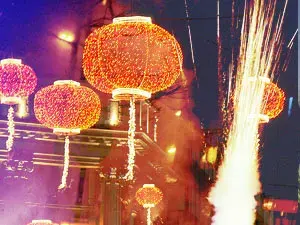
The Chinese New Year is celebrated on the first day of the first lunar month of the year and is an important festival for the people of Beijing. This event occurs annually and the time is not fixed as it is planned on the basis of the lunar calendar. Loved ones are visited and special traditional food is cooked and eaten. Children are given gift money by the elders. Vibrant celebrations which are held across the city carry on for a week. Fireworks displays are held across the city.
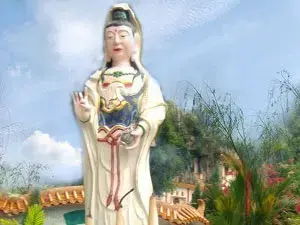
This festival celebrated on the 19th day of the second lunar month, honors Guan Yin, one of the most popular deities in China, revered by Buddhists and Taoists alike. She is seen as an embodiment of the virtues of kindness and compassion and is worshipped by merchants, farmers, sailors and women seeking to bear children. Devotees flock to temples and shrines and make offerings of fruit and vegetables. Traditionally vegetarian noodles are eaten on this day.
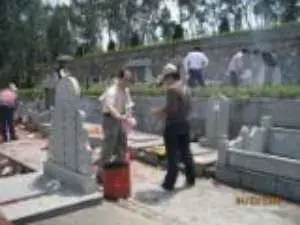
Qingming Festival, or Tomb Sweeping Day is an important event that occurs annually on either April 4th of 5th of the Gregorian calendar. It is a time for people to pay their respects to their ancestors who have passed away. Their graves are visited and washed clean. Some indulge in burning ghost money thought to be needed by their dead loved ones in the afterlife.
These operators offer a variety of package deals that vary in terms of which sights will be visited and which vary as to the length of each tour. Usually tours last from anywhere between half a day and one whole day. They also arrange excursions to sections of the Great Wall of China. Prices vary accordingly but fall within the range of 300 to 500 Yuans. The city's main attractions are visited by bus.
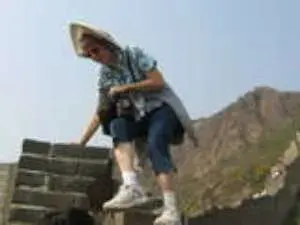
This is an excellent tour operator. They arrange 3 day long trips and arrange for visitors to go sightseeing- Beijing's main attractions as well hiking along the Great Wall are a part of this tour. Prices are exorbitant but worth it as the guides are excellent and well versed in the history of China. The three day tour including stays in luxury hotels totals around 6000 Yuans.
These tour operators organize tours which last either half a day, one whole day or a number of days depending on which package is opted for. They have an interesting approach and are different from other tour operators as they go in depth into describing Chinese culture by holding interactive discussions.
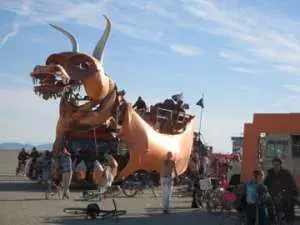
These operators offer a variety of package deals that vary in terms of which sights will be visited and which vary as to the length of each tour. Usually tours last from anywhere between half a day and one whole day. Prices vary accordingly but fall within the range of 300 to 500 Yuans. The city's main attractions are visited by bus. One tour comprises of the Forbidden City, Tiananmen Square, the Temple of Heaven and Summer Palace at 380 Yuans. Another comprises of Lama temple, Summer Palace and a Hutong for about the same price. Excursions to the great wall are also arranged costing around 300 Yuans.
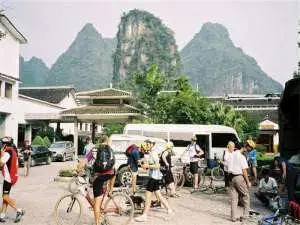
These are 3 hour long interesting tours around Beijing's main attractions on bikes. The cost comes to about 150 Yuans per person.
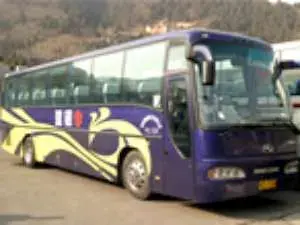
The downside of these operators is the exorbitant prices that they charge. The advantage is that as they are custom made tourists can decide which sights to include in the tour and which not to.
Address: Nandouya Hutong 15, Dongcheng
Address: 80 Huashi Dajie, Chongwen
Address: 7 Shazikou Dongli, Chongwen
Address: 158 Balizhuang, Chaoyang
Address: Yangzha village, Guanzhuan, Chaoyang
Address: 49 Chedian Street, Nanyuan town, Fengtai
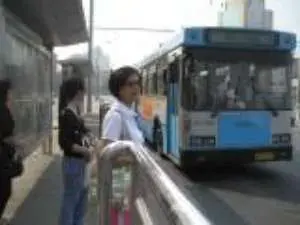
It is not advisable to travel by bus as prices vary depending on how far the passengers destination is, whether the bus is air conditioned or not etc. Moreover, the signs are all in Chinese making it difficult for passengers who don't understand the local language.
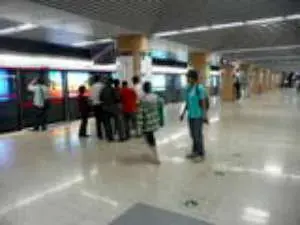
The underground rail is the most efficient means of transportation in Beijing. Whilst tubes are not as fast as those found in other parts of the world, it is still preferable over the other modes of travel. This network has extensive coverage. Most of Beijing's attractions are covered by the circle line, line 1 and line 13. More lines have opened to cater to visitors during the Beijing Olympics 2008. There are now a total of 8 lines.

Beijing's streets are dotted with red Fukangs, green Xiandais and other cabs. Most taxi operators are ventures between Chinese and foreign companies. Taxis are not as efficient a means of transport because of the frequent traffic jams. Make sure you take a metered taxi to avoid later arguments with the taxi driver. Rates vary depending on the time of the day [rates are significantly higher during rush hours] and the distance travelled.
From the airport Beijing
Drivers should carry with them at all times an International Driving License. They should have at least one year driving experience. Drivers must also be able to read Mandarin Traffic signs. Lastly they should have on them documents pertaining to the car at all times.
Health And Safty Beijing