
Women-Friendly Travel in Lisbon
The Lisbon women-friendly travel guide places explicit women-friendly and family confidence signals first, while keeping uncertain details visible for review.
Lisbon
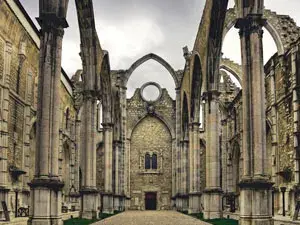
Convento do Carmo & Museu rqueologico
All but destroyed completely by the earthquake, its crushed pillars and fragile arches, exposed to the weather, are all that remain of this place. The Museu Arqueologico nearby houses objects such as 14th century carved tombs, Palaeolithic flint stones and even a trio of mummies: one Egyptian and two quite freaky Peruvian ones.

Lisbon
Museu do Chiado
This gallery has a permanent art collection of 19th-20th century pieces from Rodin, Jorge Vieira and Jose de Almada Negreiros. Check the website for upcoming exhibitions.
Lisbon
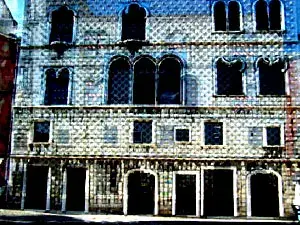
Casa dos Bicos (House of Points)
It’s not called House of Points for nothing; some 1125 pyramid shaped stones punctuate the sky. The former 16th century home of the viceroy to India, it now houses a private organisation but if the lobby is open pop in to see remnants of the old Moorish city wall.
Lisbon
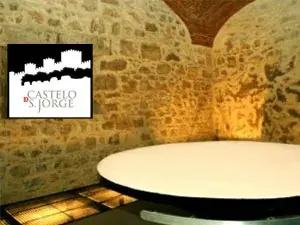
Castelo de Sao Jorge (St George’s Castle)
Towering over Lisbon, this castle has seen much of history: Moors in the 9th century, Christians in the 12th century, royals ranging from 14th to the 16th century and convicts from every century. If you walk inside the Ulysses Tower you’ll find a camera obscura which offers a unique view of the city. Near the castle entrance is Olisiponia (9am-5:30pm Nov-Feb, 9am-8pm Mar-Oct) which offers a multilingual exhibition about Lisbon’s history.

Lisbon
Museu do Fado
The music of fado is at the heart of Alfama’s history and this museum traces its history from the working class to its international exposure. There is even a re-created guitar workshop and you can
Lisbon
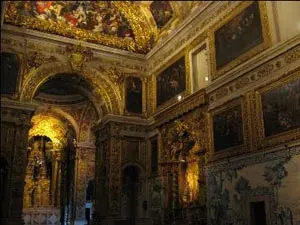
Museu Nacional do Azulejo (National Tile Museum)
If you must see only one museum in Lisbon make it this one. Housed in a 16th century convent, this place pays homage to one of Portugal’s most famous exports the azulejo (tile). The exhibits cover everything, from the azulejo’s beginnings in the Ottoman empire to the present. Star attractions include a 36m panel depicting a pre-earthquake Lisbon and a gold-bedecked baroque chapel. The cafe also gets into the azulejo spirit by serving food inspired azulejos.

Lisbon
Panteao Nacional (National Pantheon)
While intended to be a church, this structure now pays homage to the heroes and heroines of Portugal including explorer Vasco da Gama and fadista Amalia Rodrigues. While the outside of the structure is porcelain white, the dome within, being all pink marble and gold lining, resembles a Faberge egg. Like most of Lisbon’s attractions, this one also boasts a brilliant view of the river.
Lisbon
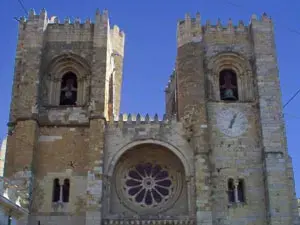
Se (cathedral)
Built on the site on a mosque in 1150 by the Crusaders, this place is one of the biggest icons in Lisbon. While the medieval outside may look imposing, the inside is very Romanesque with a beautiful rose tinted window. There is a treasury that houses religious jewels and apparently the burial place of Lisbon’s patron saint, St Vincent. The Gothic cloister has items from archaeological excavations which include 6th century stonework and the original Islamic foundations. Entry to both treasury and cloister costs €2.50.