
Women-Friendly Travel in Rio de Janeiro
The Rio de Janeiro women-friendly travel guide places explicit women-friendly and family confidence signals first, while keeping uncertain details visible for review.

Rio de Janeiro
Hippie Fair
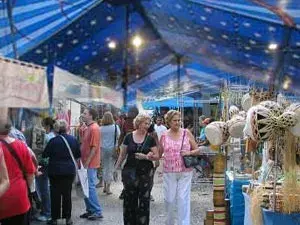
Hippie Fair (Feira de Arte de Ipanema): Artwork, jewellery handicrafts, leather goods and even furniture are for sale here. In the southeast corner of the plaza sells North-eastern cuisine. Location: Praca General Osorio, Ipanema Opening Times: 9am-5pm Sunday
Rio de Janeiro
Babilonia Feira Hype
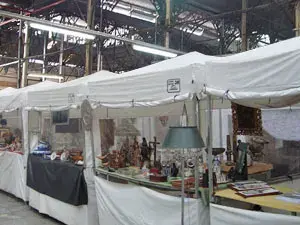
Clothing, sunglasses and jewellery stalls attract a younger crowd here; you can also find fortune tellers and henna tattooists. Live bands perform here and there are many food stalls.
Rio de Janeiro
Praca do Mercado Feira de Antiguidades
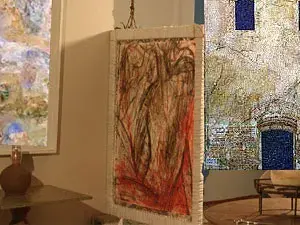
Next to the Niteroi ferry terminal; this fair has a large variety of antiques: silverware, carpets, jewellery, typewriters, art-deco and art-nouveau. In fact it’s quite the browser’s paradise, you’ll find anything here.
Rio de Janeiro
O Sol
This place is run by a non-profit organisation and has displays of regional artists’ work. Baskets, woven rugs and Brazilian folk art in pottery, wood and porcelain can be bought here.

Rio de Janeiro
No Meio do Caminho
This shop has over two floors of Brazilian pottery, vases, ceramics and woodwork with some of the pieces looking like decorative artwork. The owners will ship your goods anywhere.
Rio de Janeiro
Ars Braillis
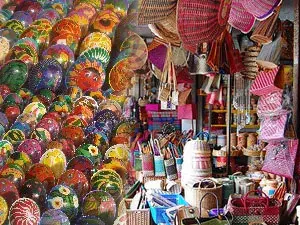
You’ll find colourful handicrafts from the Minas Geris and Northeast regions here with the friendly shopkeepers also occasionally serving cuisine from Minas Geris.

Rio de Janeiro
Modern Sound
One of the largest music stores in Brazil, you’ll find an impressive selection including Rio artists and imports. The staff can help with recommendations and live shows are staged here on most days at the Allegro Bistro Musical.

Rio de Janeiro
Letras e Expressoes
Location: Rua Visconde de Piraja 276, Ipanema Tel: 2521 6110 Opening Times: 8 am-midnight
Rio de Janeiro
Copacabana Palace
The most famous hotel in Rio, which has hosted a variety of foreign dignitaries, rock stars and famous personalities, dates back to the 1920s when it’s white facade became a symbol of the city. There are 245 rooms and suites in total, all are divided into different wings depending on the views it offers. There are two restaurants, two bars, a spa and hair salon, a swimming pool and service fit for royalty (some of the British royals have stayed here).
Rio de Janeiro
Copacabana Praia Hotel
A four-star establishment with a swimming pool, solarium and restaurant, which is located, near the beach. The building is 11 stories and all rooms have their own balconies – the top floor rooms have partial sea views.

Rio de Janeiro
Rio Water Planet
Address: Estrada das Bandeirantes 24,000, Recreio dos Bandeirantes Tel: 2428 9000 Admission: US$14 Opening Times: 10am-5pm Sat, Sun and holidays

Rio de Janeiro
Terra Encantada
Address: Av Ayrton Senna 2800, Barra da Tijuca Tel: 2421 9444 Admission: adult/child US$12/14 Opening Times: 2-9pm Thu-Sun, noon-9pm Sun

Rio de Janeiro
Mini Rio
Address: 1st floor, Barra Shopping, Av das Americas, Barra da Tijuca Opening Times: 10am-10pm

Rio de Janeiro
Jardim Zoologico
Address: Rua Paula e Silva, Sao Cristovao Tel: 2569 2024 Admission: US$2 Opening Times: 9am-4:30pm Tue-Sun
Rio de Janeiro
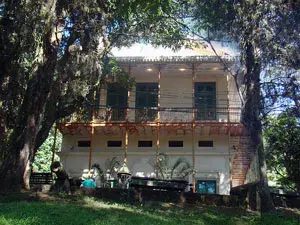
Parque da Cidade & Museu Historico da Cidade
Opening Time: 7am-6pm Admission: Free
Rio de Janeiro
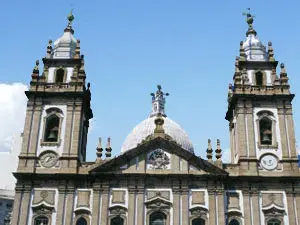
Ingreja de NS de Candelaria
The original design of this church (dating back to the 16th century) was originally commissioned by a sea captain who had almost been lost at sea and, upon his safe return, decided to build a church. The design was later revised which led to its present day grandeur. This church is one of the wealthiest and largest churches of Brazil. The design itself is a combination of the Baroque and Renaissance styles, with six panels on the ceiling depicting the story of the captain and the subsequent building of the church. Mass is read at 9am, 10am and 11am on Sunday.

Rio de Janeiro
Ipanema and Leblon Beaches
While on first look the beaches of Ipanema and Leblon seem to be just one long beach, there are posts along it that subdivide it into sections appropriate for the diverse crowds that come here. Posto 9 is where you’ll find Rio’s coolest and gorgeous people hang out. That area is also called Cemeterio dos Elefantes because of the old leftists, hippies and artists who go there as well. The beach in front of Rua Farme de Amoedo (called Bolsa de Valores or Crystal Palace) is the gay section while Posto 8 is primarily the domain of favela children. Arpoador, located between Ipanema and Copacabana is Rio’s most popular surfing spot.

Rio de Janeiro
Lagoa Rodrigo de Freitas
Considered to be one of the most beautiful spots in the city, this lake has a 7.2lm cycling/walking track around it. Bikes and paddle boats are available from the Parque Brigadeiro Faria Lima which is nearby. Kiosks dotted around the lake have lovely alfresco dining, serving caipirinhas (sugarcane spirit and crushed citrus) while accompanied by music.

Rio de Janeiro
Jardim Botanico
This botanical garden, that’s the symbol of the suburb it is named after, houses over 5000 species of plant. Designed by order of Prince Regent Dom Joao in 1808, it’s a quiet place on weekdays but busier on weekends when families come and there is an outdoor cafe.

Rio de Janeiro
Parque Lage
English style gardens and lakes are to be found here as well as the Instituto Nacional de Belas Artes, which often houses art exhibitions.

Rio de Janeiro
Copacabana and Leme Beaches
As with Ipanema, there are signposted areas designating which groups occupies which part of the beach. Leme beach is frequented by the favela children and older residents; while the area between the Copacabana Palace and Rua Santa Clara is where young footballers hold court while Posts 5 and 6 are a mix of favela children and Carioca residents. The beach is lit at night and there are police but it is not wise to walk on the sand at night. Av NS de Copacabana can also be dangerous so watch out on weekends when few locals are around.

Rio de Janeiro
Pao de Acucar
Sunset on a clear day is the best time to visit this mountain, which from its peak offers the best view of Rio de Janeiro. Try to avoid going around 10-11am and 2-3pm which is when the tourist buses arrive. There are two cable cars that connect to the summit. The first ascends 220m to Morro da Urca which has its own restaurant, souvenir shops, a playground and outdoor theatre. The second cable car goes up Pao de Acucar; when you get to the top you can experience the views of Corcovado and Christo Rendentor to the west and Copacabana beach to the south. The cable cars depart every 30 minutes.

Rio de Janeiro
Museu Carmen Miranda
Famous during the 1940s and 50s, Brazil’s most famous singer may be forgotten in Hollywood but she is still revered here. The museum has recordings of her singing and photographs of her everywhere but the big attraction is the starlet’s iconic costumes and jewellery.

Rio de Janeiro
Corcovado and Christo Redentor
Sitting atop Corcovado (710m) is Christo Rendentor, or Christ the Redeemer, the most famous landmark in all of Rio de Janeiro. He gazes out over Rio, open armed and standing tall at 38m and 1145 tons, when lit at night he is visible from every part of the city. The view itself from Corcovado (‘hunchback’ in Portuguese) is spectacular. To get here you can take taxis (who charge a US$20 fee for a return trip with waiting time) but the best way is to take the cog train which departs every 30 minutes.