Rio Water Planet
Address: Estrada das Bandeirantes 24,000, Recreio dos Bandeirantes Tel: 2428 9000 Admission: US$14 Opening Times: 10am-5pm Sat, Sun and holidays


Rio continues to enjoy its status as one of the must-see destinations and is perhaps the most visited city in the southern hemisphere. The city is always buzzing with creative energy and development projects taking shape. One of these is the controversial Favela-Bairrio Project which aims to bring the favelas into the city by providing basic sanitation and planning health clinics, schools and community centres. Some of the city’s colonial infrastructure is being given a lease on life and the coup-de-tat will be the city playing host to the 2016 Summer Olympics and the 2014 FIFA World Cup.
Address: Estrada das Bandeirantes 24,000, Recreio dos Bandeirantes Tel: 2428 9000 Admission: US$14 Opening Times: 10am-5pm Sat, Sun and holidays

Address: Av Ayrton Senna 2800, Barra da Tijuca Tel: 2421 9444 Admission: adult/child US$12/14 Opening Times: 2-9pm Thu-Sun, noon-9pm Sun

Address: 1st floor, Barra Shopping, Av das Americas, Barra da Tijuca Opening Times: 10am-10pm

Address: Rua Paula e Silva, Sao Cristovao Tel: 2569 2024 Admission: US$2 Opening Times: 9am-4:30pm Tue-Sun
Opening Time: 7am-6pm Admission: Free
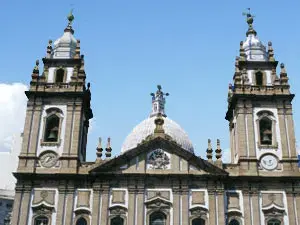
The original design of this church (dating back to the 16th century) was originally commissioned by a sea captain who had almost been lost at sea and, upon his safe return, decided to build a church. The design was later revised which led to its present day grandeur. This church is one of the wealthiest and largest churches of Brazil. The design itself is a combination of the Baroque and Renaissance styles, with six panels on the ceiling depicting the story of the captain and the subsequent building of the church. Mass is read at 9am, 10am and 11am on Sunday.
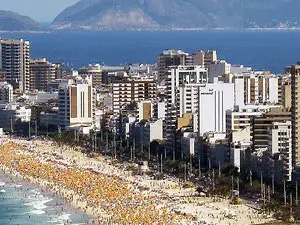
While on first look the beaches of Ipanema and Leblon seem to be just one long beach, there are posts along it that subdivide it into sections appropriate for the diverse crowds that come here. Posto 9 is where you’ll find Rio’s coolest and gorgeous people hang out. That area is also called Cemeterio dos Elefantes because of the old leftists, hippies and artists who go there as well. The beach in front of Rua Farme de Amoedo (called Bolsa de Valores or Crystal Palace) is the gay section while Posto 8 is primarily the domain of favela children. Arpoador, located between Ipanema and Copacabana is Rio’s most popular surfing spot.

Considered to be one of the most beautiful spots in the city, this lake has a 7.2lm cycling/walking track around it. Bikes and paddle boats are available from the Parque Brigadeiro Faria Lima which is nearby. Kiosks dotted around the lake have lovely alfresco dining, serving caipirinhas (sugarcane spirit and crushed citrus) while accompanied by music.
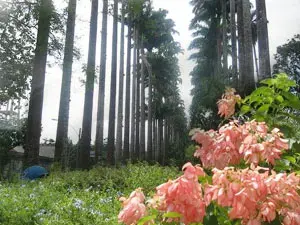
This botanical garden, that’s the symbol of the suburb it is named after, houses over 5000 species of plant. Designed by order of Prince Regent Dom Joao in 1808, it’s a quiet place on weekdays but busier on weekends when families come and there is an outdoor cafe.

English style gardens and lakes are to be found here as well as the Instituto Nacional de Belas Artes, which often houses art exhibitions.
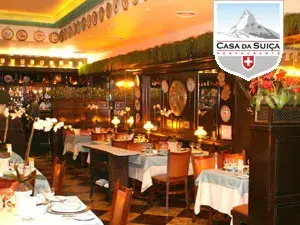
A slice of Switzerland in Latin America, you’ll find flambes, fondues and constantly changing menu.
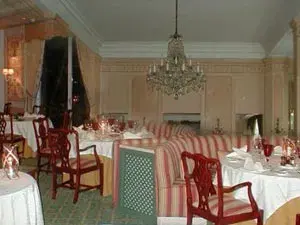
Italian food is served in this candlelit setting which caters to a well-dressed crowd.
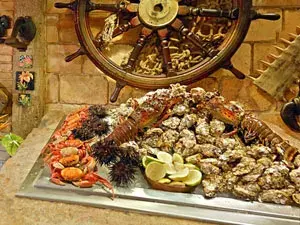
An all-you-can-eat seafood buffet with waiters working the room with delicious platters of tuna, salmon, lobster, mussels and scallops.
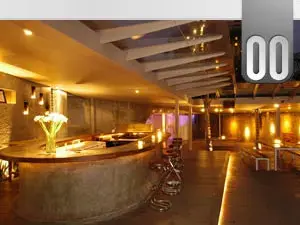
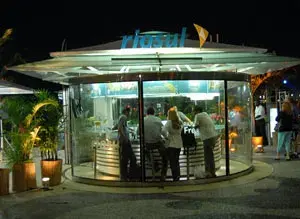
Found inside the Planetarium, 00 is a sleek restaurant that serves Brazilian dishes with Mediterranean and Asian touches. Some of Rio’s best DJs spin tracks here so stick around with a cocktail at the bar.
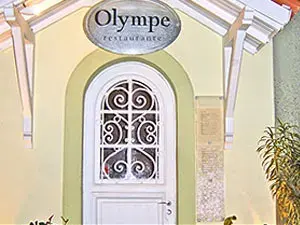
Address: Rua Custodio Serrao 62, Lagoa Tel: 2539 4542 Opening Times: 7pm-12:30am Mon-Thu and Sat, noon-4pm and 7pm 12:30am Fri

Address: Rua Dias Ferreira 256, Leblon Opening Times: Noon-4pm and 7pm-1:30am Mon-Fri, 1:30 til last customer Saturdays and Sundays

Address: Rua Rainha Guilhermina 95B, Leblon Tel: 2259 2962 Opening Times: 7pm until last customer Tues-Fri, noon til last customer Sat, to 10pm Sun

Address: Rua Farme de Amoedo 43, Ipanema Opening Times: 9am-8pm Sun and Mon, 8am-11:30pm Tues-Sat

Address: Rua Visonde de Piraja 572, Ipanema Opening Times: 9am-midnight Mon-Sat, 1pm-midnight Sun
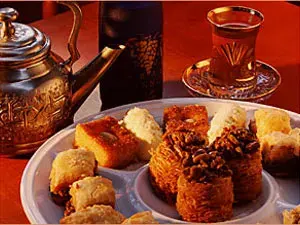
Address: Rua Ronald de Arvalho 55C, Copacabana Tel: 2275 5596 Opening Times: Closed Sundays
Loading local prayer times…
Calculated times. Confirm congregation times with your local masjid.
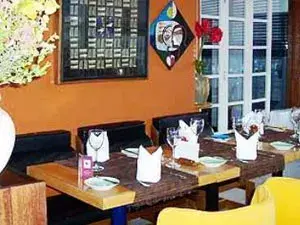
One block away from the beach, Everest Park is very opulent with the Grill 360° Restaurant providing beautiful views of Ipanema Beach and Christ the Redeemer statue, while serving beef and seafood dishes. The rooms themselves are comfortable and the multilingual staff can help in organizing outdoor activities and tours. There are also laundry services, Wi-Fi access to all rooms and an airport shuttle.
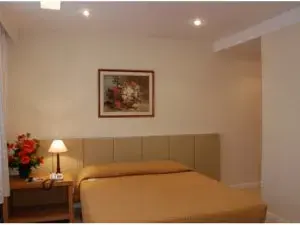
The most famous hotel in Rio, which has hosted a variety of foreign dignitaries, rock stars and famous personalities, dates back to the 1920s when it’s white facade became a symbol of the city. There are 245 rooms and suites in total, all are divided into different wings depending on the views it offers. There are two restaurants, two bars, a spa and hair salon, a swimming pool and service fit for royalty (some of the British royals have stayed here).
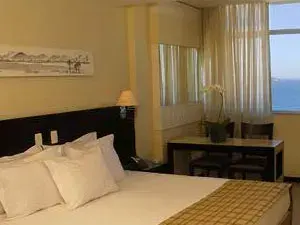
This hotel is not hard to miss – a 15-storey white building, right on Ipanema Beach. The rooms are comfortable; all come with WI-FI, personal security box and cable TV among other things. The hotel facilities include a meeting room, a swimming pool, a lobby bar, beauty parlour, and restaurant which serves international cuisine.
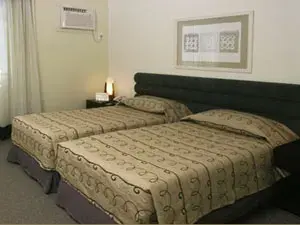
The new kid on the block, the Oral has style and space with a wide choice of rooms, all come with a fridge, free WI-FI access, cable TV, air conditioning and safe deposit box. On the rooftop you’ll find a pool, sauna, and fitness centre.

While the website is a bit hard to navigate, the Sofital has 388 rooms with terraces, one of the few hotels with them. The facilities include a solarium, two pools, saunas, a fitness centre and massage. There is also an art gallery, florist, gift shop and the staffs are multi-lingual with Arabic, Spanish, English, Italian, German and French being spoken.
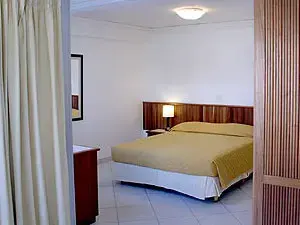
The rooms are simple but nice with en-suites. Each room comes with its own personal safety box, TV with cable, mini-bar and phone. The staff is multi-lingual and the hostel is near the beach.
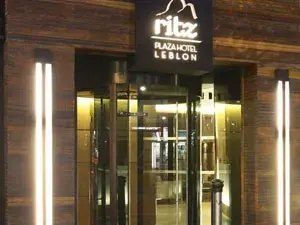
A very chic establishment, this hotel is located in a quiet part of Leblon. All rooms have kitchens, balconies – some have minimal ocean views – cable TV, telephone and private safe. The hotel itself offers a fitness centre, pool with a terrace, sauna, tropical bar and continental restaurant.

This establishment is a collection of comfortable apartments that the owners rent out by the night, week or month. They all have their own bathroom, kitchen and living room; some have a TV, DVD player and Internet connection. The building itself has a swimming pool and small fitness room and there is a grocery store across the road.
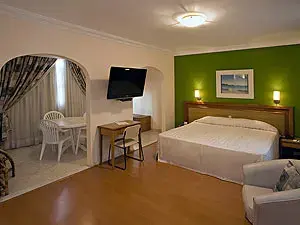
This place has 110 rooms and 12 suites, all of which are comfortable and clean. The hotel has facilities including a bar and cafe with high speed Internet, a breakfast room and a concierge.
A four-star establishment with a swimming pool, solarium and restaurant, which is located, near the beach. The building is 11 stories and all rooms have their own balconies – the top floor rooms have partial sea views.

Rio continues to enjoy its status as one of the must-see destinations and is perhaps the most visited city in the southern hemisphere. The city is always buzzing with creative energy and development projects taking shape. One of these is the controversial Favela-Bairrio Project which aims to bring the favelas into the city by providing basic sanitation and planning health clinics, schools and community centres. Some of the city’s colonial infrastructure is being given a lease on life and the coup-de-tat will be the city playing host to the 2016 Summer Olympics and the 2014 FIFA World Cup.
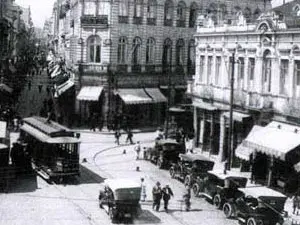
The city earned its name through the ignorance of Portuguese explorer and sailor, Gaspar de Lemos. He entered the huge bay (that would become known as ‘Baia de Guanabara’) in January 1502 and, thinking he’d sailed into a river, named the area Rio de Janeiro (January River). The Tamoio, natives of that area, were originally living there. The French became the first settlers of the area, establishing a colony in 1555. The Portuguese, wanting to keep their claim over the area, eventually kicked them out in 1567, despite the French alliance with the Tamoio who hated the Portuguese for their cruelty. The Portuguese stayed on, eventually expelling the Tamoio in a succession of devastating battles. Building their empire through sugar plantations and the slave trade; the Portuguese settlement would grow during the Minas Gerais gold rush of the 18th century. The result of this expansion was that the Tamoio tribe was wiped out, those not taken into slavery dying of disease or being sent to be ‘pacified’ by the Jesuits in settlement camps. By 1763 the population reached 50,000 people and Rio became the colonial capital of Brazil. By the time the 20th century began, with an economic surge in coffee and mass immigration from Europe, Rio had reached 800,000 residents. The 1920s to 1950s are considered to be Rio’s Golden Age, with the city becoming a romantic, exotic destination for international aristocrats. Brasilia would eventually take over as Brazil’s political capital in 1960 but Rio continues to be the cultural capital of the country. In 1992 it was chosen as the host of Eco, the United Nations Conference on Environment and Development.
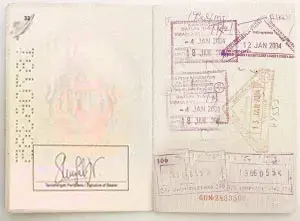
Requirements for a visa include your passport being valid for six months from date of issue, a passport photograph and your travel documents (or legitimate copies). If your don’t have travel documents then proof of financial support – such as credit cards and financial statements – are acceptable. The fee for a visa is reciprocal – usually between US$40 and US$60.

The country of Brazil is a melting pot of racial populations: 55% white, 6% black, 38% mixed and 1% other. Rio de Janeiro is no exception with Portuguese, Indian and African lineages also mixing things up along with the immigration of Italians, Spaniards, Germans and Japanese just to name a few. The Brazilian spirit seems to be a split personality at times, celebration life to full during Carnaval then drowning in nostalgic melancholy of saudade. However what is constant is kindness and patience, something that Brazilians have no shortage of. Residents of Rio are called ‘Cariocas’ and are one of the many Brazilian groups that make up the kind hearted yet complicated soul of the country. Cariocas welcome everyone to their city and it’s hard not get caught up in their free-spiritedness and sensuality. Having said that, Brazil has a reputation of having one of widest gaps of income between the rich and the poor and you won’t find that more obvious then in Rio. Dating as far back as the mid-19th century, mass immigration has given birth to favelas (urban slums) that surround major cities in Brazil. Dwellings are nothing more than a few boards put together and access to fresh water, sewage, schools and healthcare is almost non-existent. Crime is rampart in the favelas and drug lords control the streets.

December to March is the peak tourist season in Rio de Janeiro so it is best to book accommodation in advance (especially if you intend to go during Carnaval). Prices rise during this period and crowds are everywhere but this is Brazil’s festival season after all, so it is worth the bustle and noise. The low season is during the winter which is May to September (Brazil is on the other side of the equator, so summer and winter months are opposite from ours); this period is the cheapest and least crowded time to visit, with the exception of July which is school holiday month.
-Location:: Southeast of Brazil -Dialing code: country +55 (Brazil) city 21 -Emergency numbers –Please include the following:; Police:: 190; Fire:: 193

Brazilian currency is the Reais. Coins are of 1, 5, 10, 25 and 50 cents and banknotes are of 100, 50, 10, 5 and 1 Brazilian Real
• Ano Novo (New Year’s Day): January 1st • Carnaval: Friday to Tuesday, preceding Ash Wednesday, February to March. • Paixao and Pascoa (Good Friday and Easter Sunday): dates vary, March/April • Tirandentes: April 21st • Dia do Trabalho (May Day/Labour Day): May 1st • Corpus Christi: 60 days after Easter, Sunday in May/June • Dia da Independencia (Independence Day): September 7th • Dia da Nossa Senhora de Aparecida (Day of our Lady of Aparecida): October 12th • Finados (All Soul’s Day): November 2nd • Proclamacao da Republica (Proclamation of the Republic Day): November 15th • Natal (Christmas Day): December 25th

Month Average High Average Low January 33°C 24°C February 34°C 25°C March 33°C 24°C April 31°C 22°C May 30°C 20°C June 29°C 19°C July 28°C 18°C August 29°C 19°C September 30°C 20°C October 31°C 21°C November 31°C 22°C December 32°C 23°C

Location: Av das Americasa 4666, Barra de Tijuca The largest shopping mall in the Barra district, it has over 500 shops, 42 restaurants and 5 cinema screens.

Location: Estrada da Gavea 899, Sao Conrado Upscale boutiques are what you’ll find here.

Location: Av das Americas 7770, Barra da Tijuca A stylish, up-scale place where you’ll find chic home furnishings and gorgeous decorative pieces.

Well-known for selling some of Brazil’s most beautiful art, you’ll find this place hidden behind a small shopping centre. Works are produced by local Brazilian artists including jewellery, vases, instruments and baskets.
Location: Rua Lauro Muller 116, Botafogo The most centrally located shopping mall in Botafogo.

Location: Av NS de Copacabana, Copacabana One of the busiest strips in the city, this avenue is always packed with shops selling everything from chocolates to soccer balls. Street vendors are quite pushy here so be prepared to be beckoned to come over and have a look at their shops.
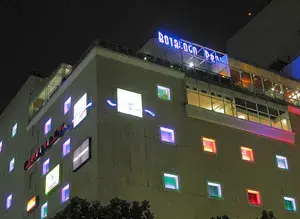
Location: Praia de Botafogo 400, Botafogo A popular shopping mall in Botafogo.

A gallery, thrift shop and cafe all rolled into one, Favela Hype has fashions from the 50s, 60s and 70s. There are also avant-garde fashions from local designers and kitsch furniture. The art gallery has regular exhibitions and the cafe has delicious sandwiches and caipirinhas.
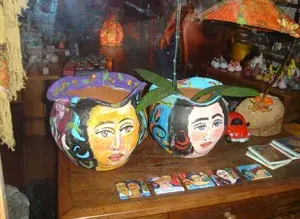
Brazilian handicrafts and pieces from local artists you’ll find here with selections of pottery, furniture, paintings, handmade dolls and old prints of Saint Teresa offered. Location: Rua Almirante Alexandrino 428, Santa Teresa Tel: 2222 1848
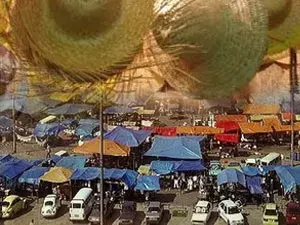
The biggest fair in Rio, measuring 32,000 sq metres with 658 stalls, you should not miss this. You’ll find second-hand clothes, hammocks and North Eastern gifts such as leather cowboy hats. The food stalls are some of the best in Rio with Bahian dishes as well as beer and cachaca (sugarcane spirit) stalls. Bands also play samba beats and there are comedy acts that perform along with capoeira groups who show off their skills in Afro-Brazilian martial arts/dance.
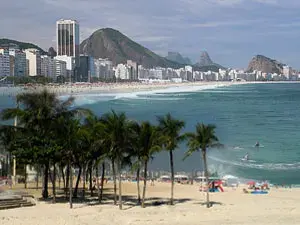
As with Ipanema, there are signposted areas designating which groups occupies which part of the beach. Leme beach is frequented by the favela children and older residents; while the area between the Copacabana Palace and Rua Santa Clara is where young footballers hold court while Posts 5 and 6 are a mix of favela children and Carioca residents. The beach is lit at night and there are police but it is not wise to walk on the sand at night. Av NS de Copacabana can also be dangerous so watch out on weekends when few locals are around.

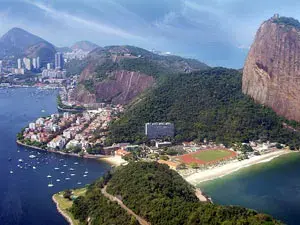
Sunset on a clear day is the best time to visit this mountain, which from its peak offers the best view of Rio de Janeiro. Try to avoid going around 10-11am and 2-3pm which is when the tourist buses arrive. There are two cable cars that connect to the summit. The first ascends 220m to Morro da Urca which has its own restaurant, souvenir shops, a playground and outdoor theatre. The second cable car goes up Pao de Acucar; when you get to the top you can experience the views of Corcovado and Christo Rendentor to the west and Copacabana beach to the south. The cable cars depart every 30 minutes.

Famous during the 1940s and 50s, Brazil’s most famous singer may be forgotten in Hollywood but she is still revered here. The museum has recordings of her singing and photographs of her everywhere but the big attraction is the starlet’s iconic costumes and jewellery.

Sitting atop Corcovado (710m) is Christo Rendentor, or Christ the Redeemer, the most famous landmark in all of Rio de Janeiro. He gazes out over Rio, open armed and standing tall at 38m and 1145 tons, when lit at night he is visible from every part of the city. The view itself from Corcovado (‘hunchback’ in Portuguese) is spectacular. To get here you can take taxis (who charge a US$20 fee for a return trip with waiting time) but the best way is to take the cog train which departs every 30 minutes.
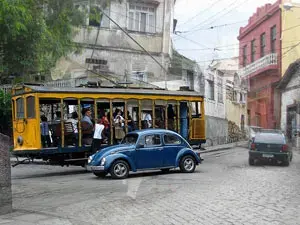
The bonde (tram) that travels from Centro up to Saint Teresa is the last of the original historic streetcars that once went thought the city. The bonde travels over the Arcos do Lapa and up Rua Joaquim Murtinho before reaching Largo do Guimaraes. From there one line takes a north-western route before terminating at Largo das Neves. There is a longer route which continues Largo do Guimaraes uphill and southward before terminating at Dois Irmaos Although a policeman does accompany the tram on occasion, favelas still frequent it so be aware. Tours on the tram depart every Saturday at 10am, cost US$3.50.
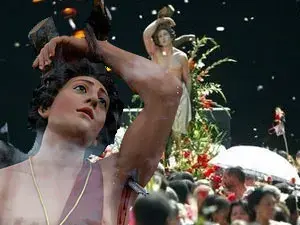
Date: January 20th This festival commemorates the patron saint of the city. A procession carries his image from the Igreja de Sao Sebastiao dos Capuchinos in Tijuca to the Catedral Metropolitana. When it arrives at the Catedral it is blessed in a Mass celebrated by the archbishop of Rio de Janeiro.
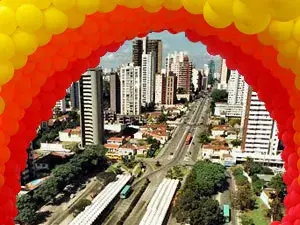
Date: March 1st This festival celebrates the founding of the city by Estacio de Sa in 1565, with a Mass in the church of its patron saint Sao Sebastiao.
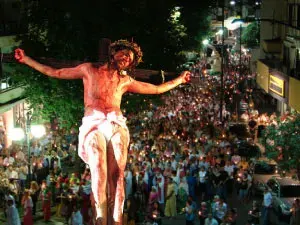
Date: March or April Celebrated throughout the city, this festival is all about Good Friday. A re-enactment of the Stations of the Cross under the Arcos do Lapa is carried out by more than 100 actors.

Date: officially from the Friday to the Tuesday preceding Lent (Ash Wednesday is the close of the festival) This festival is what you come to Rio for!
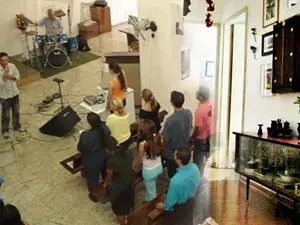
Date: one weekend in March and November Portas Albertas is a semi-annual festival where the artists of Saint Teresa open their studios to the public and neighbourhoods become living art installations. Dates vary so stop by the Cama e Cafe or Parque das Ruinas for current information.
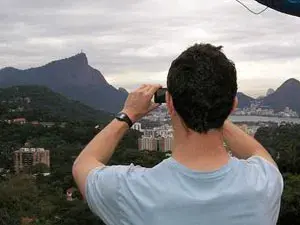
Tel: 3322 2727/9989 0074 Price: US $20 per person
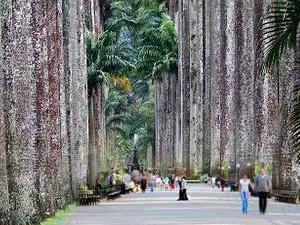
Tel: 3322 4872/9911 3829 Duration: 4hr tour Price: US $50 per person

Tel: 2259 5532
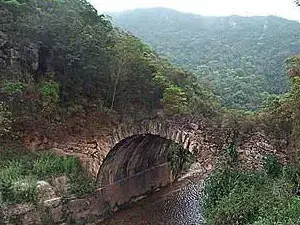
Tel: 2232 9710 In existence since 1992, Pedro Novak leads excursions around the city and further out; there are also jeep tours to Tijuca and Praia de Grumari. He is multi-lingual speaking English, French, Italian, Spanish and Portuguese.

Address: Av Niemeyer 121, Leblon Tel: 2512 9919 Price: per person US$30

Address: Av NS de Copacabana 534, Copacabana Tel: 2235 1989 September-February or March

Tel: 2589 0883 Duration: 4hr tour including hotel pick-up and drop-off per person Fee: US$40
Address: Rua Codne de Lages 44s 1001, Gloria Tel: 2224 6990 Times: 9:30-11:30am Tuesday to Sunday

Address: Rua Gonzaga Bastos, 77, Tijuca, Rio de Janeiro RJ Tel: (021) 2224-1079
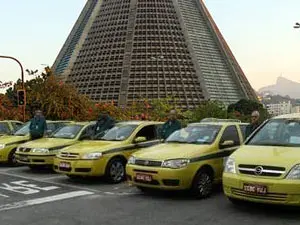
Rio’s taxis are quite fast and handy for getting around the city. Metered taxis start at R$4.30 flat rate with R$3 for each kilometre – they are usually a little more expensive at night and on Sundays. Radio taxis are 30% more expensive but are considered safer. Some radio taxis listed here are: Centraltáxi (2593 2598), Coopatáxi (3899 4343), JB (2501 3026) and Transcoopass (2560 4888).
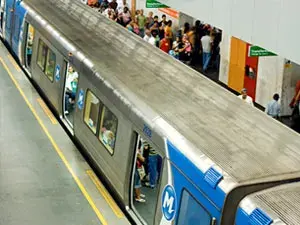
Rio has a two line system which is one of the fastest ways to get around the city. The metro is open from 6am to 11pm, Monday to Saturday. The main line, with the first stop Copacabana to the last stop Saens Pena, has 17 stops in between. The first 14, from Copacabana to Estacio are shared with the second line which then deviates northward from Estacio to Sao Cristovao, Maracana and beyond. A ride costs US$0.70 and there are single, returns and 10-ride tickets available. Subway maps are available at most stations and they are for free.

Fast, frequent and cheap, buses in Rio are a good way to get around as long as you are vigilant (see Health and Safety). Given Rio is long and narrow, it’s easy to find the right bus and it’s not a problem if you get the wrong one as most buses going south will pass through Copacabana and vice versa. Bus conductors sit at the back requiring you to get on from the back and exit from the front. The money collectors sit at a turnstile in the back, where the fare will be displayed.

A small four-seat car usually costs around US$40 a day with unlimited kilometres; if you take the car for five days you may get sixth or seventh day at no extra cost. Requirements include being 25 years or older (21 with some firms including Avis), have a valid credit card in your name and driver’s licence (not just your IDP one). There is not much in the way of good deals though some of the more established companies like Avis have promotional rates – they are also less likely to keep charging your account, long after you’ve returned the car! It is also advised that you take out as much insurance as you can!

Rio’s airport is the Aeroporto Galeao (GIG) and is located on Ilha do Governador, 15km north of the city centre. Real Auto Bus (0800 240 850) operates from the international airport, either outside the arrivals floor of Terminal 1 or the ground floor of Terminal 2. All buses are safe and air-conditioned and have routes to Rodoviaria Novo Rio, Av Rio Branco (Centro), Aeroporto Santos Dumont, southward of Gloria, Flamengo and Botafogo and along the beaches of Copacabana, Ipanema and Leblon to Barra da Tijuca (and all vice versa). Buses run every 30minutes, from 5:20am to 12:10am and will stop wherever you ask. Fares start from around US$2. If you are heading back to the airport then the Real Auto Bus service from in front of the major hotels and along the major beaches but you have to look aware and flag them down hard.

• Your home-country’s licence is valid in Brazil but given that local authorities will not recognise it, it is advisable to get an International Driver’s Permit (IDP). • Gasoline costs around US$1 a litre but unleaded fuel is not sold in Brazil so check when you rent a car that it can take ordinary gasoline. Also check that you can get spare parts for your vehicle if it has the misfortune to break down. • Roads are poorly-kept can be very dangerous in Brazil, especially the Rio-Sao Paulo corridor. • At night motorists don’t stop at red lights, they merely slow down. This is because of the fear of robbery at stops. So in the big cities keep an eye out a stop signs and lights and keep your doors locked and windows up. • Speed bumps are everywhere, always slow down as you enter the city. • Poor signposting is as common as is impossible one-way systems • Flat tires are common but there are borracheiros – tyre repair shops – stationed at regular intervals along the roads.

While the majority of visitors can enjoy Rio’s charm and excitement without incident, it is worth keeping in mind that Rio is one of the most densely populated cities in the world. Hence be aware of pickpockets, especially in crowded areas and on transport. Buses are well-known for being targets for thieves so avoid using them after dark and take taxis instead. Purse and bag-snatching is also common around the beaches at Copacabana and Ipanema, especially during the summer when the beaches are crowded so don’t take valuables to the beach. Extra caution is advised at night; do not visit the beaches if you can help it and try to keep of the sand. Avoid the backstreets between Copacabana Palace and Rua Figueiredo de Magalhaes and while the areas around Saint Teresa are a lot safer, walking around them and the streets near Largo das Neves should be done with caution. Scams are also known in the beach area. A common one is for a thief to approach you on one side for the time or cigarettes. While you’re distracted, another thief will try to grab your bag from the other side. If you do have the misfortune to be robbed, hand over your valuables; thieves in this city are only too willing to use their weapons to get their point across. Rio has Tourist Police (Av Afranio de Melo Franco 159, Leblon, 3399 7170, available 24hrs), who are helpful, multilingual and efficient should you need assistance; all main tourist areas are patrolled by them.