
 Area
AreaWestminster
London
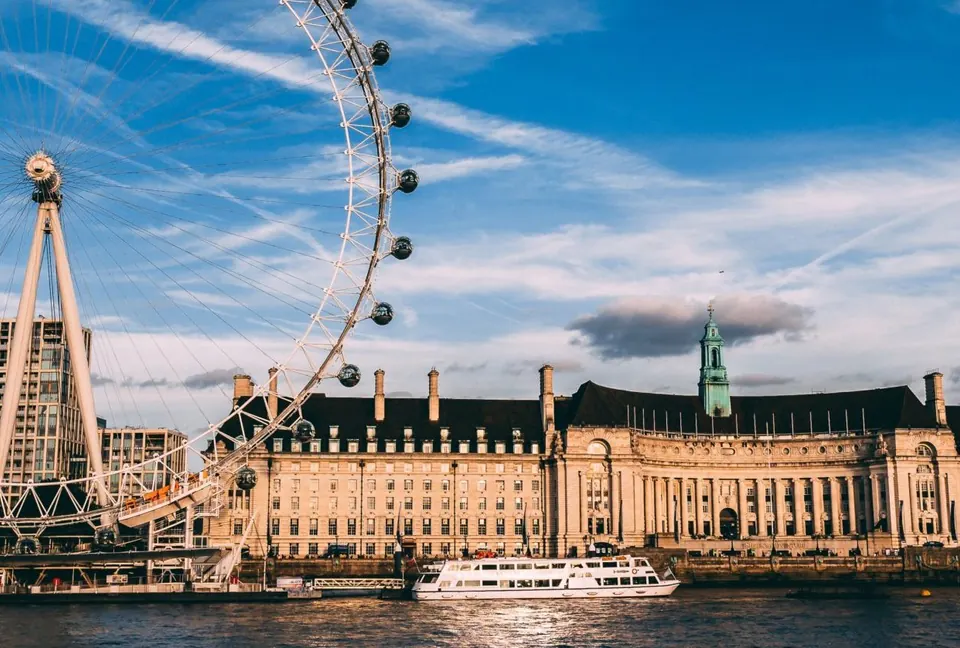
Westminster is included as a London borough live-discovery layer for halal restaurants, masjids and prayer rooms. Use the map links for current branch-level discovery, then verify venue status before publication.
Search results for “halal”
Search across city guides, halal restaurants, hotels, sights, prayer spaces, and itineraries.
Search across city guides, halal restaurants, hotels, sights, prayer spaces, and itineraries.
AreaLondon
Westminster is included as a London borough live-discovery layer for halal restaurants, masjids and prayer rooms. Use the map links for current branch-level discovery, then verify venue status before publication.
 Area
AreaDubai
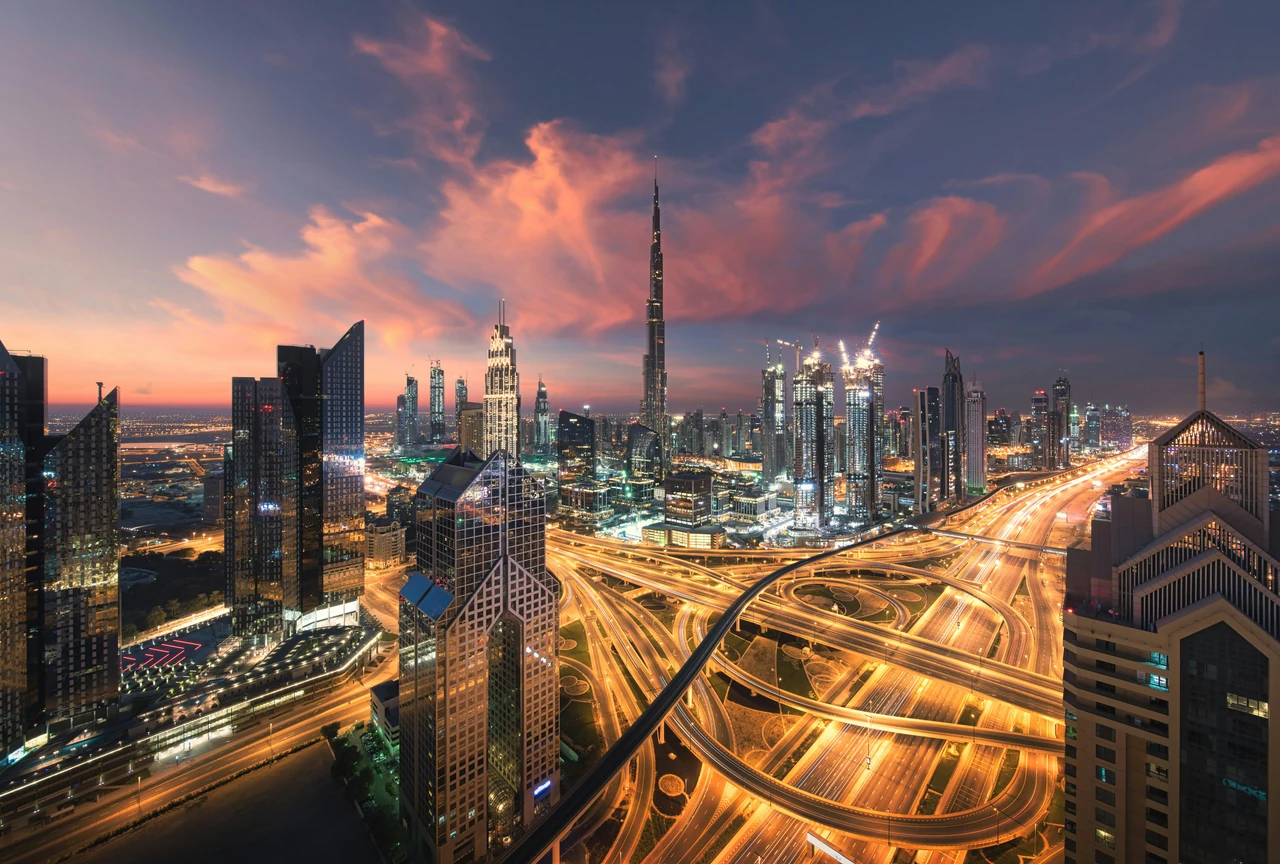
Al Satwa matters because it gives travelers a more lived-in, street-level Dubai than the city’s glass-and-marble districts. Visit Dubai positions it as one of the emirate’s oldest neighbourhoods, known for affordable shopping, casual eateries, and dense low-rise urban fabric that still feels close to everyday community life. ([visitdubai.com](https://www.visitdubai.com/en/explore-dubai/dubai-neighbourhoods/satwa?utm_source=openai)) For Muslim travelers, Satwa is useful as a practical base or food stop: it sits close to Sheikh Zayed Road, has easy bus links, and is known for simple, value-driven dining rather than polished destination restaurants. Visit Dubai also highlights nearby parks, tailors, perfumeries, bakeries, and the Plant Street flower corridor, which makes the area useful for errands and last-minute travel shopping. ([visitdubai.com](https://www.visitdubai.com/en/explore-dubai/dubai-neighbourhoods/satwa?utm_source=openai)) The best way to use Satwa is to pair it with Jumeirah, City Walk, or Downtown on the same day. 2nd December Street is the easiest orientation line, and the district rewards slow wandering rather than checklist sightseeing. It is especially good for travelers who want budget dining, textile shopping, or a local contrast to Dubai Marina and Downtown. ([visitdubai.com](https://www.visitdubai.com/en/explore-dubai/dubai-neighbourhoods/satwa?utm_source=openai))
AreaDubai
Bur Dubai and Al Seef belong together in a traveller’s mental map. Visit Dubai places Al Seef on the shores of Dubai Creek, spanning the redeveloped stretch by Al Fahidi in Bur Dubai, while its Bur Dubai guide and the Textile Souk page both anchor the area in the city’s older commercial and cultural core. ([visitdubai.com](https://www.visitdubai.com/en/explore-dubai/dubai-neighbourhoods/al-seef?utm_source=openai)) This is the best district for visitors who want Dubai’s heritage without losing practical comfort. You get creek-side walks, souks, traditional textures, dining, and easy access to museums and abra-style movement, which makes the area especially strong for Muslim travellers who want slower-paced sightseeing and family-friendly cultural stops. ([visitdubai.com](https://www.visitdubai.com/en/explore-dubai/dubai-neighbourhoods/al-seef?utm_source=openai)) Al Seef adds a polished waterfront layer to that old-city experience: Visit Dubai notes its mix of heritage styling, boutiques, galleries, food outlets and more than 70 restaurants and cafés, with sunset recommended for the views across the creek. The broader Bur Dubai base sits around 25.26038, 55.29891, making it a highly practical starting point for a heritage day that can be paired with Deira, the Gold Souk, or a museum-heavy itinerary. ([visitdubai.com](https://www.visitdubai.com/en/explore-dubai/dubai-neighbourhoods/al-seef?utm_source=openai))
 Area
AreaAbu Dhabi
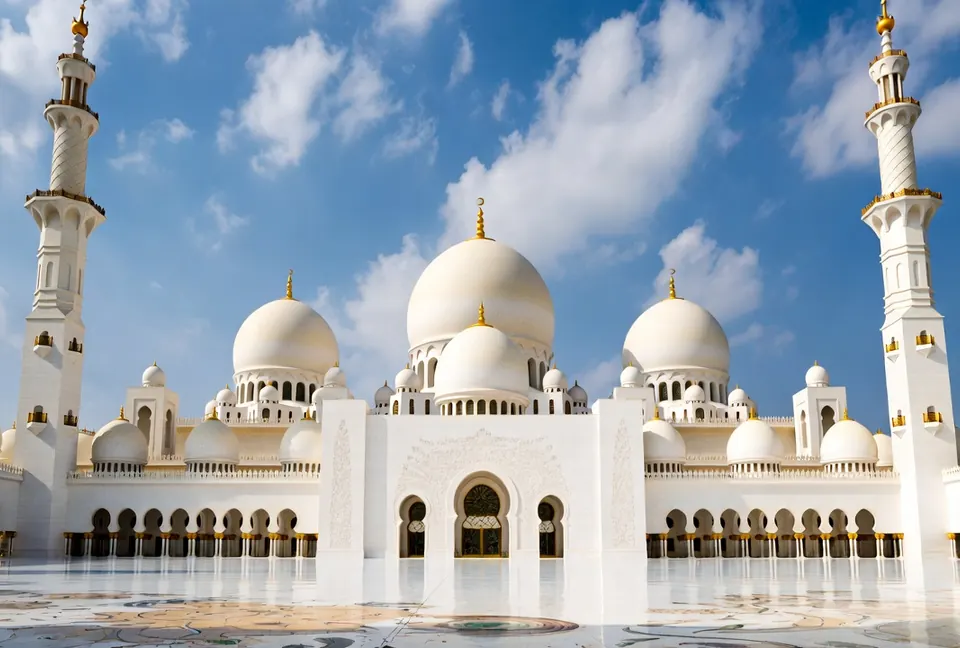
Best for business trips, luxury shopping, waterfront dining and short polished stays. Use The Galleria as the practical anchor for shopping, dining, parking and cooling down in summer. Check hotel and restaurant policies individually for alcohol service and family suitability. Good base if your trip splits time between meetings, Saadiyat museums and Corniche evenings.
AreaDubai
Al Quoz is one of Dubai’s most interesting urban districts because it has shifted beyond its industrial roots. Visit Dubai highlights the area’s growing dining scene and features The Courtyard as a tucked-away escape, showing how Al Quoz now works as both a cultural and lifestyle destination. ([visitdubai.com](https://www.visitdubai.com/en/articles/al-quoz-hotspots?utm_source=openai)) For travellers, Al Quoz matters less as a conventional sightseeing district and more as a place where Dubai feels creative and local. Its warehouse fabric supports galleries, design spaces, cafés, and destination restaurants, which makes it especially useful on hot days when you want a mostly indoor half-day without falling back into a mall-only programme. ([visitdubai.com](https://www.visitdubai.com/en/places-to-visit/the-courtyard-al-quoz?utm_source=openai)) Muslim travellers will find Al Quoz useful because it slots neatly into a family or couple itinerary: start with a late breakfast or art stop, move through galleries or design spaces, and finish with dinner nearby. The district’s value is strategic rather than iconic, so it is best paired with nearby Jumeirah, Al Safa, or Sheikh Zayed Road routes instead of standing alone. ([visitdubai.com](https://www.visitdubai.com/en/places-to-visit/the-courtyard-al-quoz?utm_source=openai)) Choose Al Quoz when you want contemporary Dubai with fewer crowds and more originality. It is one of the city’s strongest choices for travellers who like art, architecture, and café culture, and it becomes especially valuable during summer when indoor planning matters most. ([visitdubai.com](https://www.visitdubai.com/en/places-to-visit/the-courtyard-al-quoz?utm_source=openai))
 Area
AreaKarachi
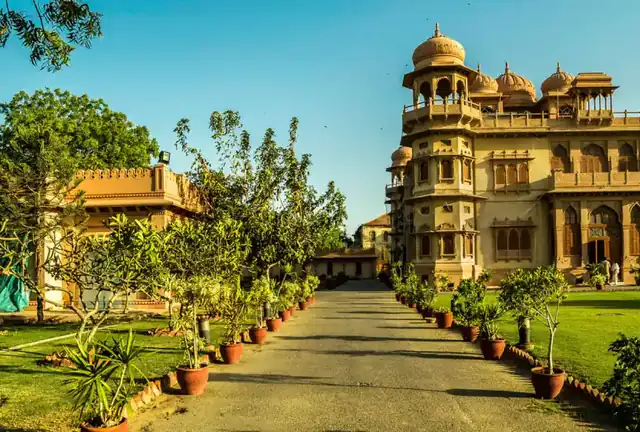
Bahadurabad is a food, sweets and shopping hub area in Karachi. Best for Char Minar roundabout, dining, boutiques.
AreaKarachi
Boat Basin is a late-night food strip area in Karachi. Best for Tea, BBQ, family restaurants, easy Clifton access.
AreaDubai
Dubai Design District, usually called d3, matters because it gives Dubai a focused creative identity rather than only a retail or business one. Visit Dubai describes it as a purpose-built community where designers, entrepreneurs, galleries, concept boutiques, and artists cluster together, making it a strong half-day stop for travelers who like contemporary urban culture. ([visitdubai.com](https://www.visitdubai.com/en/explore-dubai/dubai-neighbourhoods/dubai-design-district?utm_source=openai)) For Muslim travelers, d3 is useful because it is easy to combine with Downtown Dubai, the Dubai Canal area, and Business Bay in one itinerary loop. The district is a good place for design shopping, exhibitions, and café stops without the beach-club atmosphere of Marina or JBR, so it fits travelers who want a more restrained and family-friendly city feel. ([visitdubai.com](https://www.visitdubai.com/en/explore-dubai/dubai-neighbourhoods/dubai-design-district?utm_source=openai)) Visit Dubai also notes that d3 hosts major events such as Dubai Design Week and Sole DXB, while still operating as a dining hub with a mix of restaurants and casual stops. That makes it strategically useful in a Dubai guide: not a pure sightseeing district, but a place where shopping, art, and meal planning can all happen in one compact area. ([visitdubai.com](https://www.visitdubai.com/en/explore-dubai/dubai-neighbourhoods/dubai-design-district?utm_source=openai))
AreaKarachi
Gulistan-e-Jauhar is a large residential-food district area in Karachi. Best for Restaurants, apartments, airport side access.
AreaDubai
Jumeirah Lakes Towers, usually shortened to JLT, is a dense mixed-use district beside Sheikh Zayed Road and opposite Dubai Marina. Visit Dubai describes it as a skyline of more than 2.5 kilometres of towers, with the area framed by First Al Khail Street on one side and Al Sarayat Street on the other. ([visitdubai.com](https://www.visitdubai.com/en/explore-dubai/dubai-neighbourhoods/jumeirah-lakes-towers?utm_source=openai)) For visitors, JLT matters because it is one of Dubai’s most practical urban bases. It gives you easy metro and road access, a huge range of restaurants, and a more affordable day-to-day rhythm than the resort belt, which is useful for business trips, long stays, and travellers who want marina access without paying full Marina prices. ([visitdubai.com](https://www.visitdubai.com/en/explore-dubai/dubai-neighbourhoods/jumeirah-lakes-towers?utm_source=openai)) The neighbourhood also works well for Muslim travellers who want a simple planning structure: dining, accommodation, errands, and evening walks can all stay within the same district. Because JLT is built as a cluster of towers and lakes, it feels walkable by Dubai standards, and its scale makes it easy to combine meals, meetings, and short leisure breaks. ([visitdubai.com](https://www.visitdubai.com/en/explore-dubai/dubai-neighbourhoods/jumeirah-lakes-towers?utm_source=openai)) Use JLT when you want a strategic base rather than a headline attraction. It pairs especially well with Dubai Marina, Bluewaters, and the wider JBR waterfront, while also staying convenient for Sheikh Zayed Road movements to Downtown, Expo City, and the airport corridor. ([visitdubai.com](https://www.visitdubai.com/en/explore-dubai/dubai-neighbourhoods/jumeirah-lakes-towers?utm_source=openai))
 Area
AreaJakarta
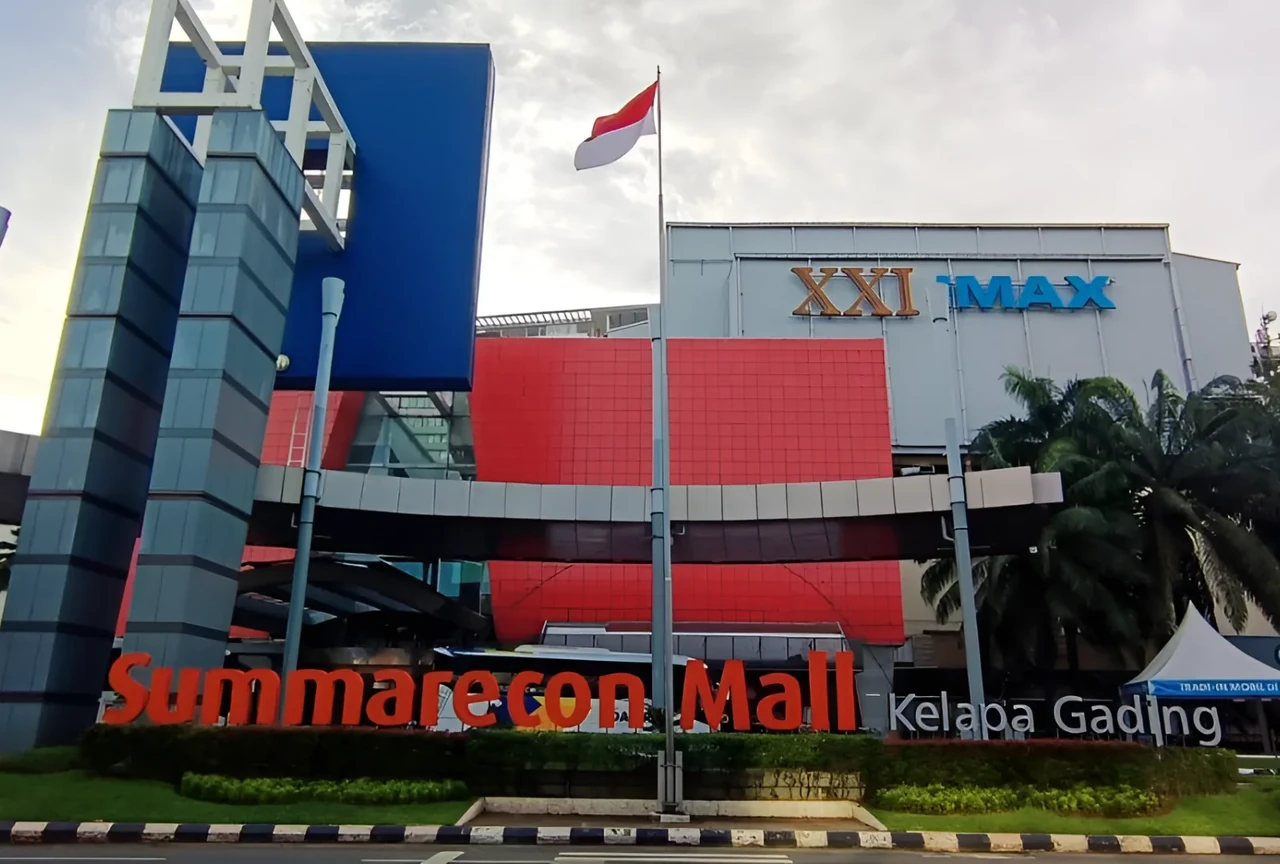
Kelapa Gading is a North Jakarta shopping and food district anchored by Mall Kelapa Gading, La Piazza, and Mall of Indonesia. It works well for travelers staying in the north or visiting family nearby. The malls provide food halls, casual restaurants, prayer rooms, supermarkets, and indoor space during rain. **Family note:** It is not the fastest base for Monas or South Jakarta, so use it as a local comfort district rather than a citywide launchpad.
 Area
AreaJakarta
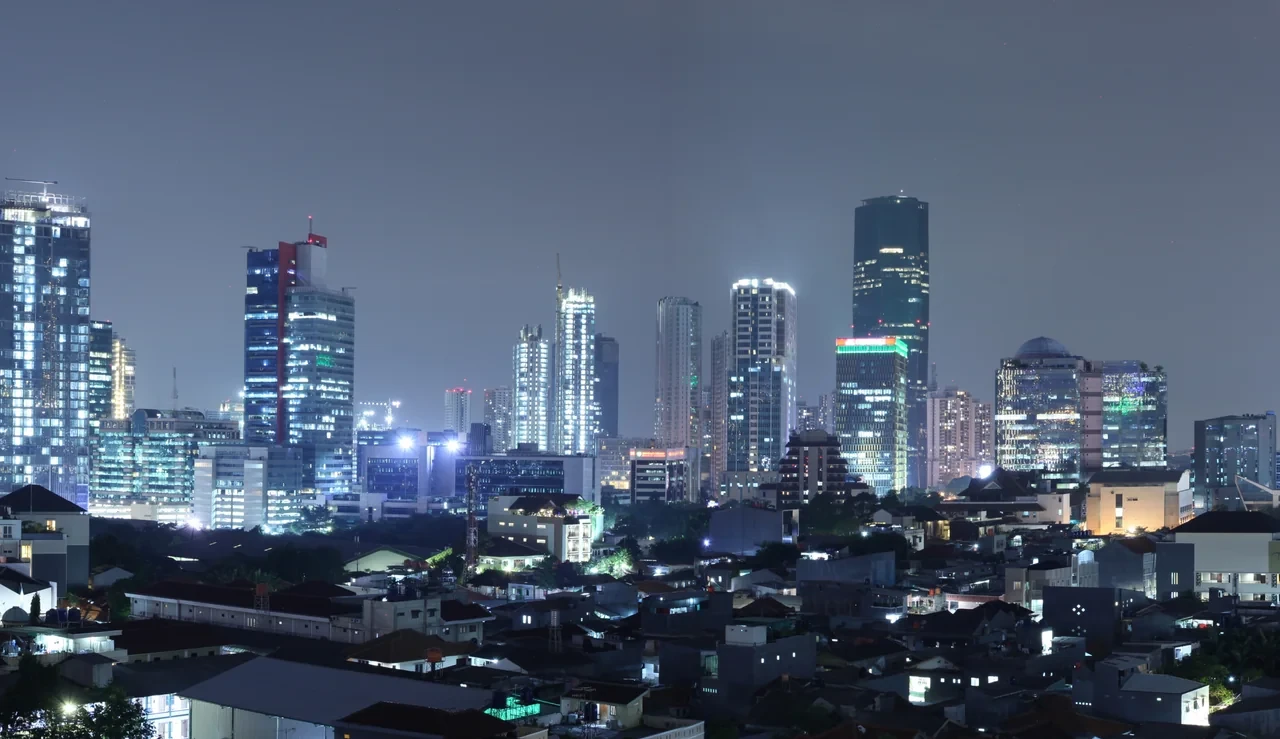
Kuningan and Mega Kuningan are practical for embassies, business towers, Lotte Shopping Avenue, Kota Kasablanka, and Middle Eastern dining. Gulf business travelers often find this district efficient because hotels, offices, restaurants, and malls sit close together. Al Nafoura, Pagi Sore, Restoran Garuda, and hotel dining give several meal styles without crossing town. **Family note:** Families should choose a hotel near a mall if evenings will be spent locally.
 Area
AreaBoston
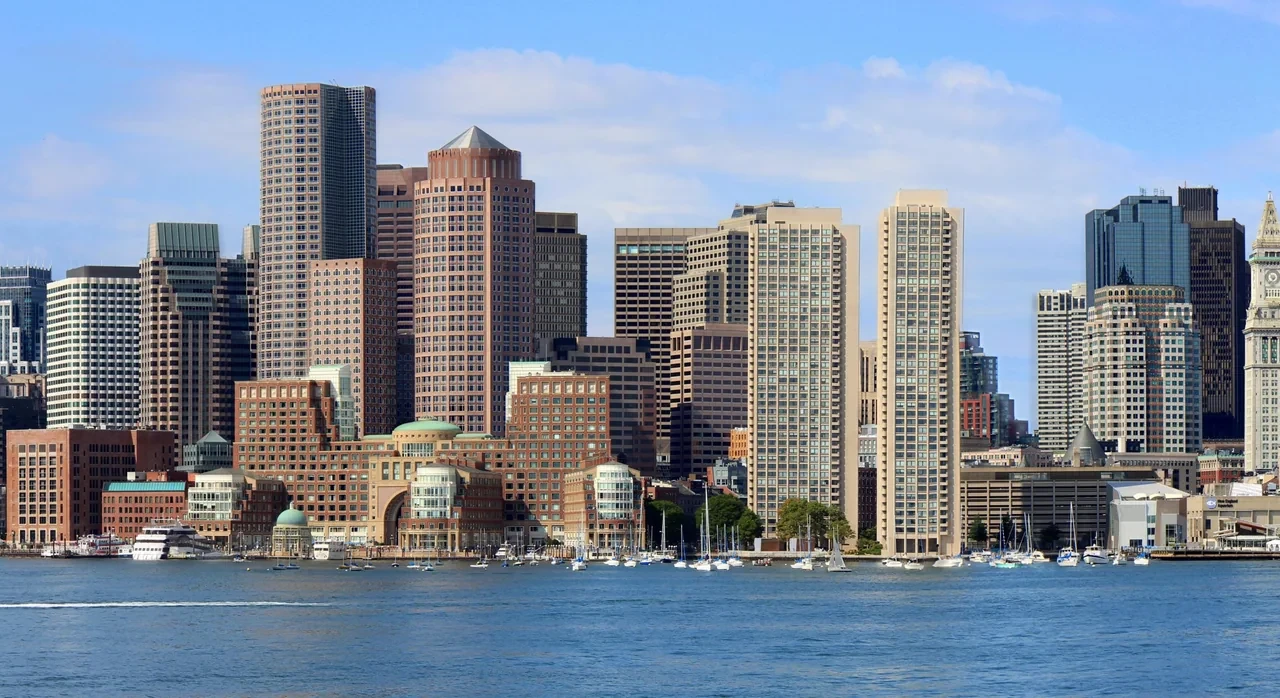
Boston's oldest residential quarter is its most atmospheric: narrow lanes, laundry lines, espresso bars, and a wall of Italian restaurants along Hanover and Salem Streets. The Freedom Trail threads through it past the Paul Revere House and Old North Church, so most visitors arrive on foot mid-trail - ideal timing for a pastry break at the rival institutions Mike's Pastry and Modern Pastry (cannoli are vegetarian-friendly; check fillings). For Muslim diners the North End needs navigation rather than avoidance: pork (prosciutto, pancetta) is embedded in many menus and wine is near-universal, but seafood pastas and fish mains are widespread, and several venues will confirm preparation details when asked. Evenings in July and August bring saints' feast processions that turn the streets festive. Come hungry, come in the evening, and book popular restaurants ahead.
 Area
AreaJakarta
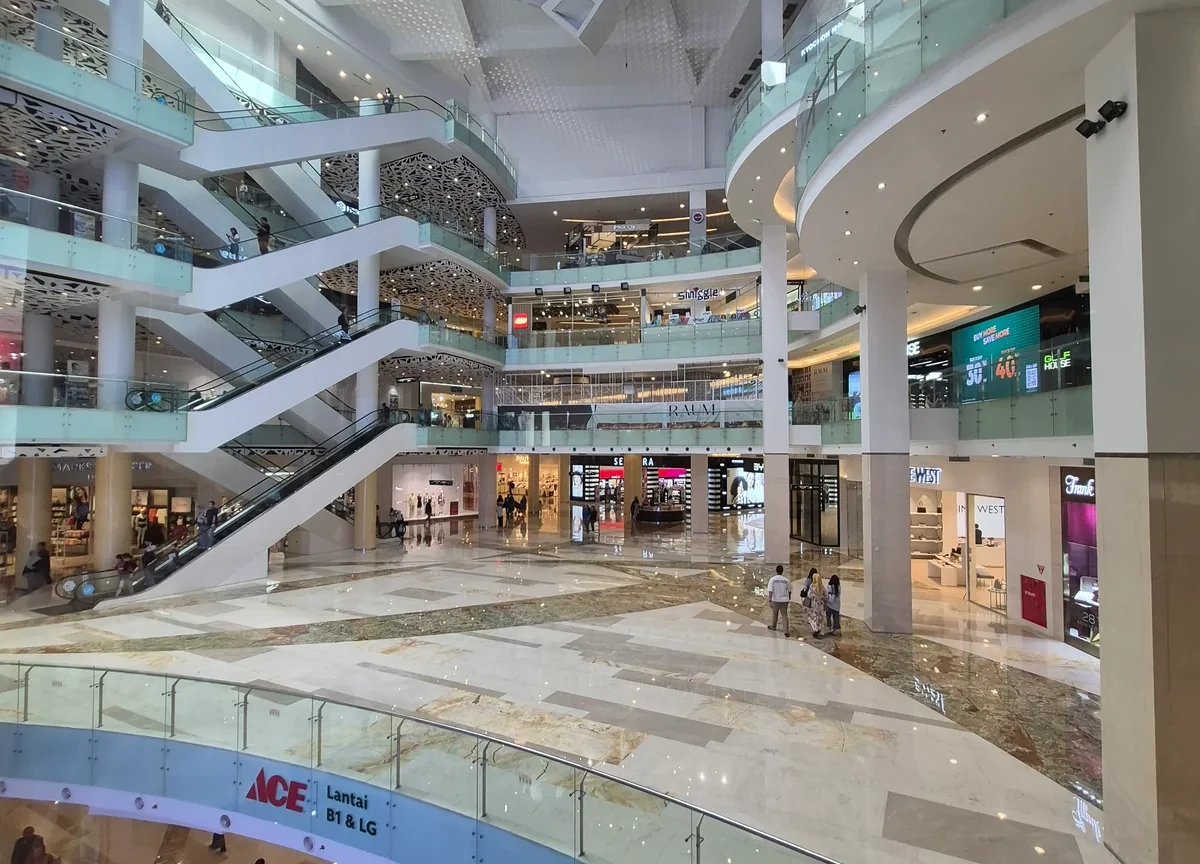
The Fatmawati and Cilandak corridor is useful for MRT access, South Jakarta homes, local restaurants, and routes toward Ragunan or Setu Babakan. Choose it when your plans sit in the south rather than the central business core. It works for repeat visitors who want local food, mall stops, and less formal sightseeing. **Family note:** Families should cluster around MRT stations or malls; long cross-town runs to Ancol are better left for another day.
 Area
AreaJakarta
Tebet is a South Jakarta local district with neighborhood restaurants, mosques, rail access, and Tebet Eco Park. It is good for repeat visitors, residents’ guests, and families wanting a green break rather than a formal tourist landmark. Tebet Eco Park works best in the morning or late afternoon. **Family note:** Malls are not the main draw, so plan prayer and food around local mosques and known restaurants.