sultanahmet
Hagia Sophia Grand Mosque
Former Byzantine cathedral and Ottoman imperial mosque, now a working mosque with layered history visible in every corner.

Istanbul is one of the world's richest cities for Muslim travelers: Ottoman mosques, Bosphorus ferries, bazaars, halal dining corridors, family neighborhoods and layered Byzantine-Ottoman history all reward careful area planning.
Former Byzantine cathedral and Ottoman imperial mosque, now a working mosque with layered history visible in every corner.
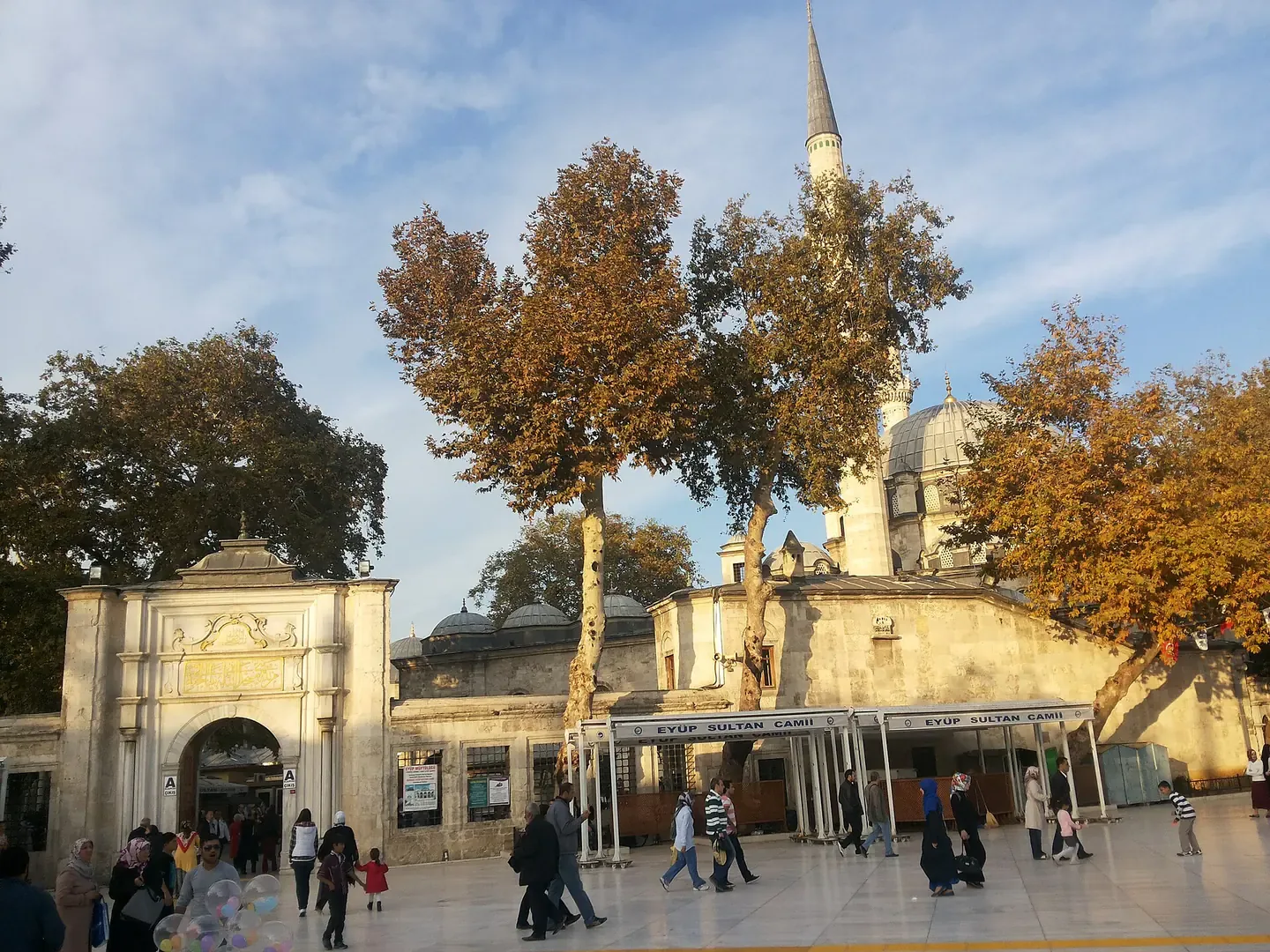
One of Istanbul’s holiest sites, the mosque and adjacent tomb draw pilgrims and visitors seeking quiet reflection amid Ottoman architecture and golden-horn views.
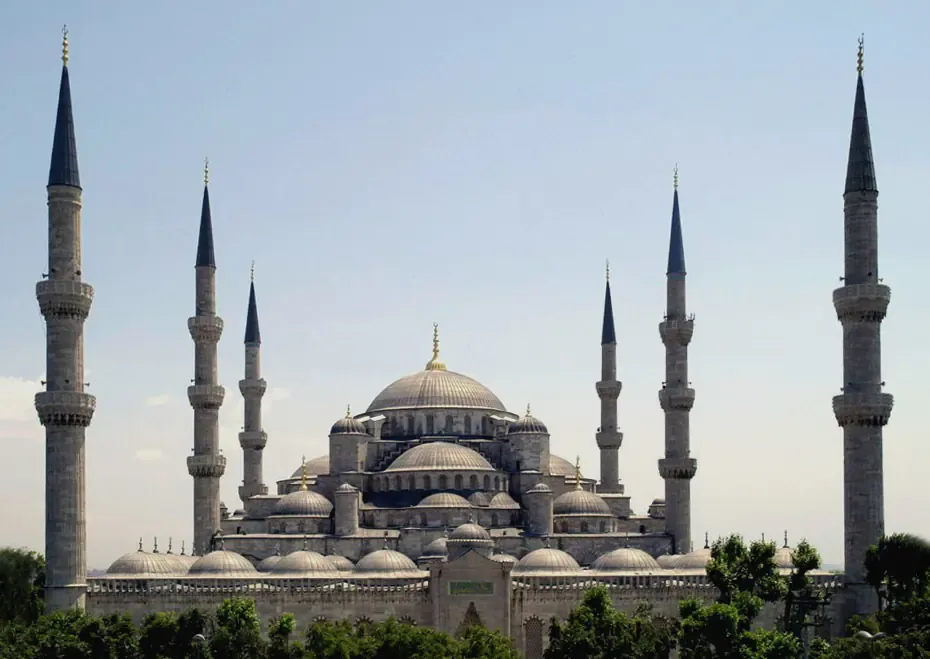
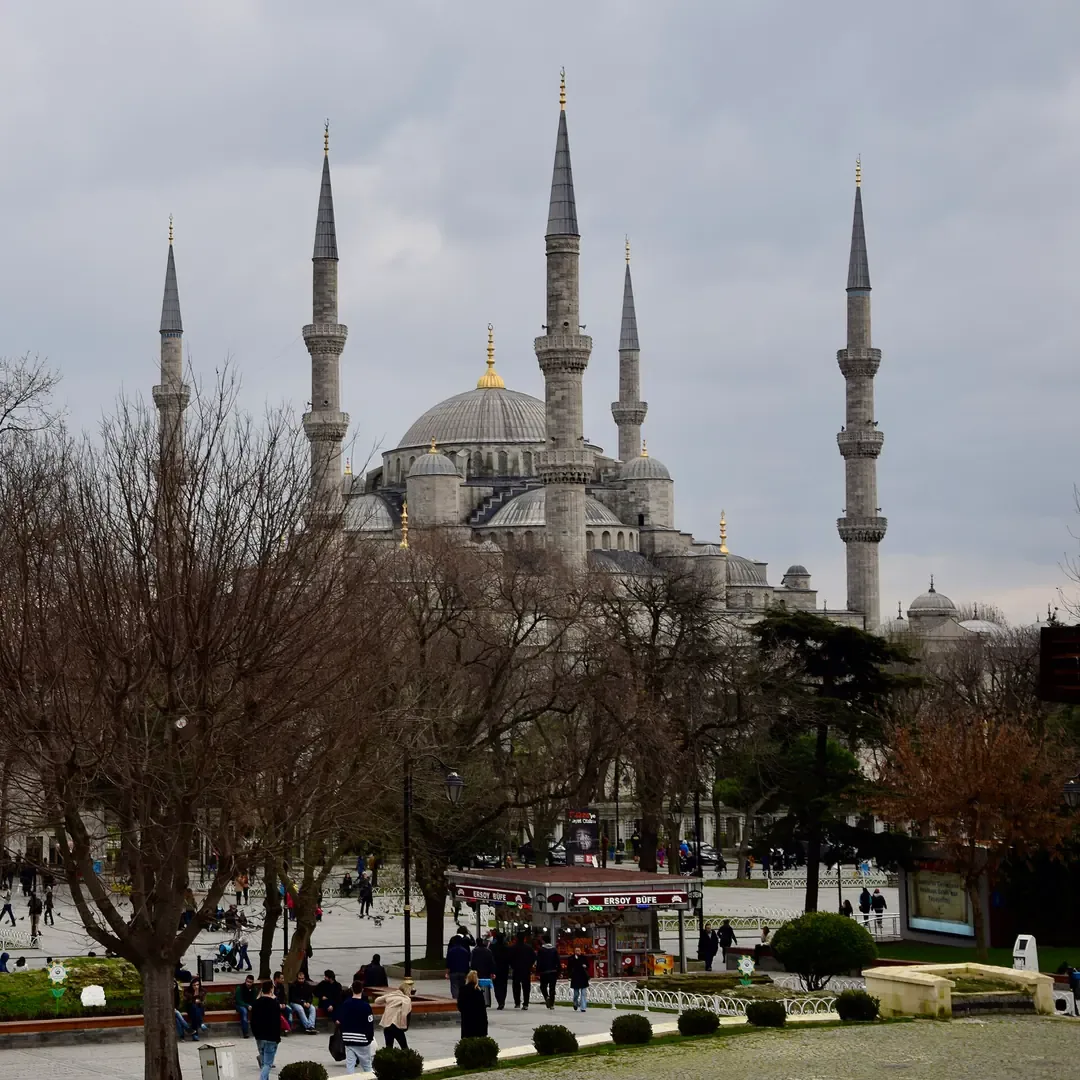
Ottoman imperial mosque famous for its blue Iznik tiles and six minarets, still an active place of worship.
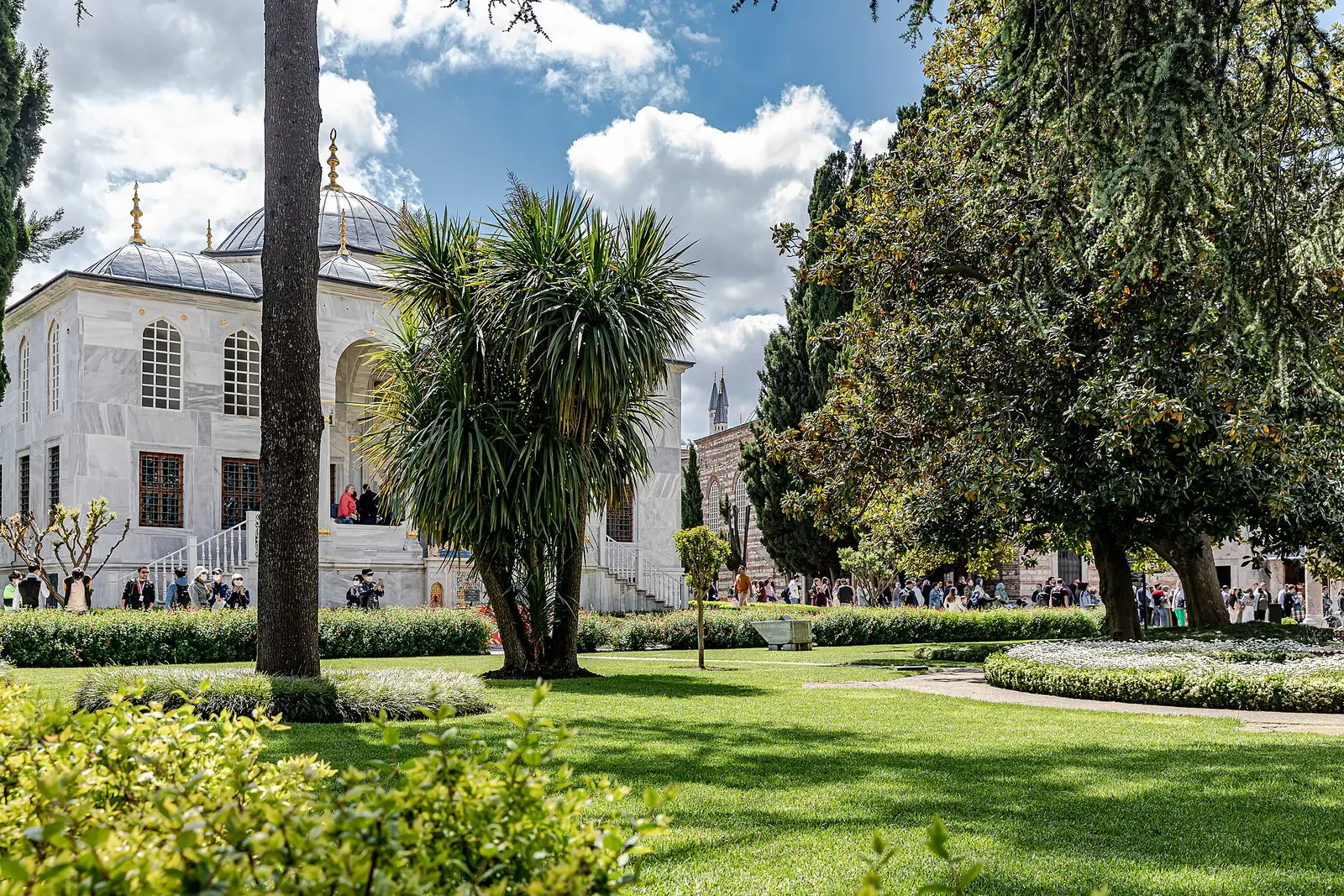
Ottoman imperial residence and administrative center for nearly 400 years, now a museum complex with treasury and harem sections.
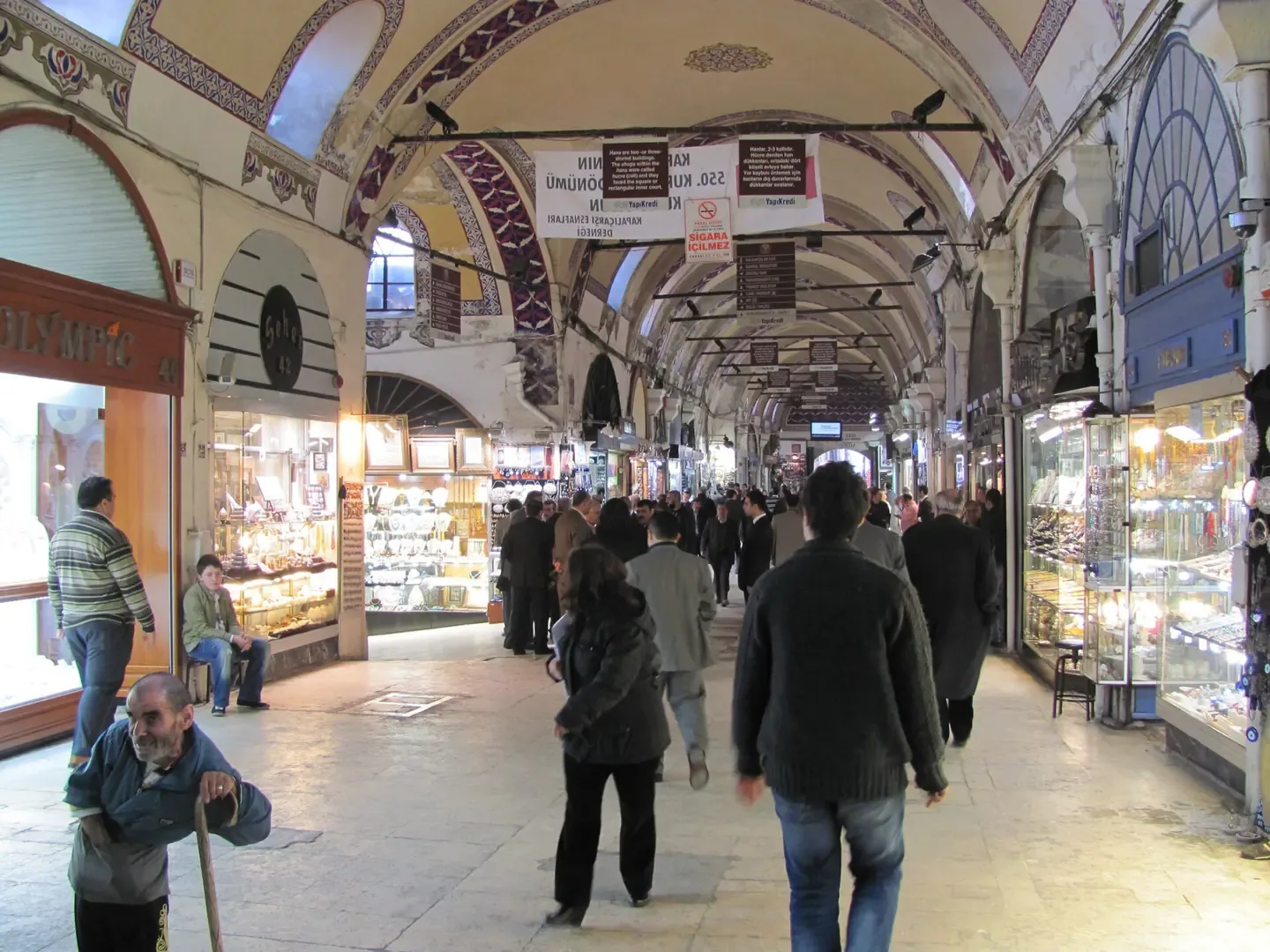
One of the world's oldest and largest covered markets with over 4,000 shops selling carpets, spices, jewelry, and textiles.
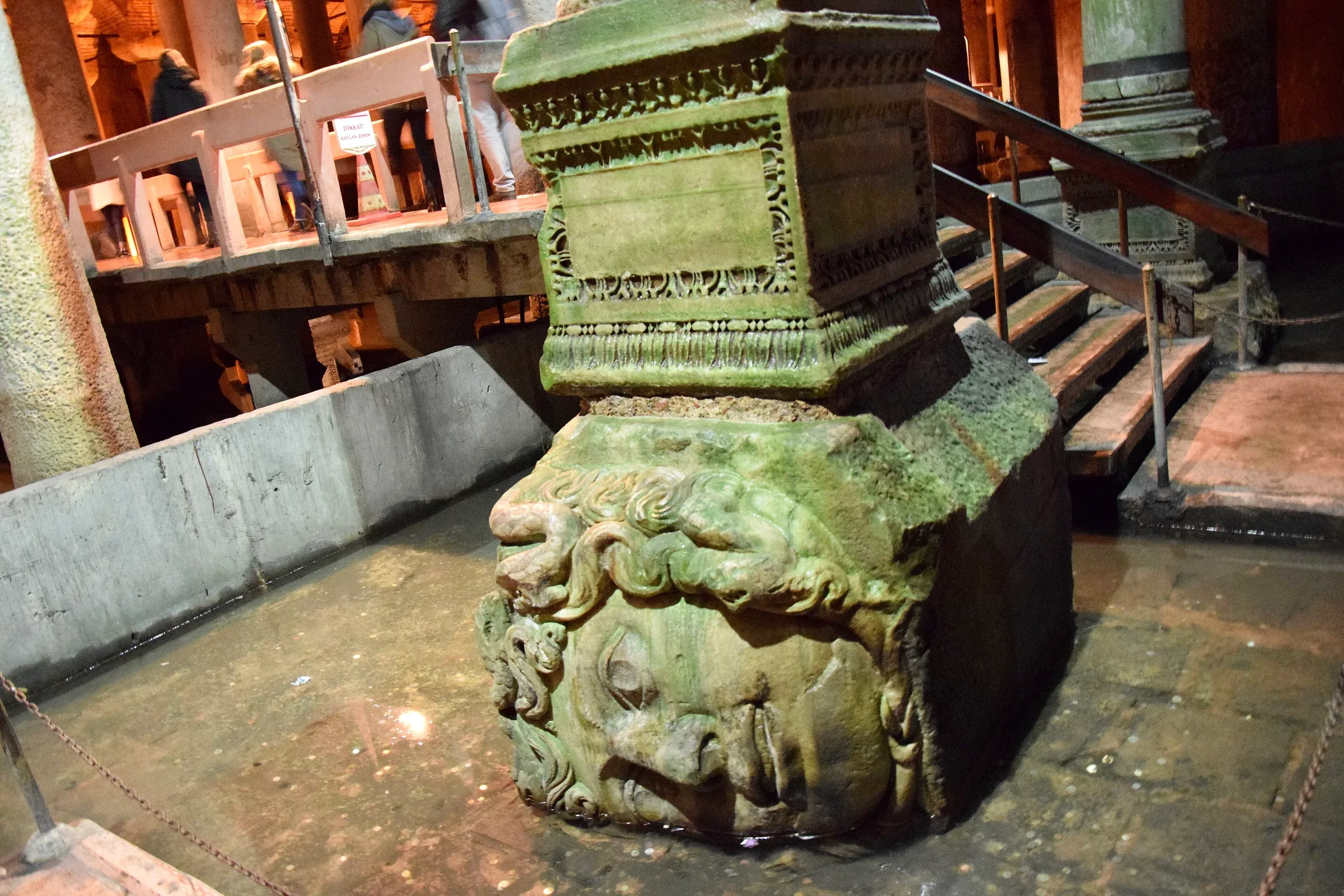
Subterranean Byzantine reservoir with 336 marble columns and Medusa-head capitals, offering a cool, atmospheric contrast to Istanbul’s sunlit monuments.
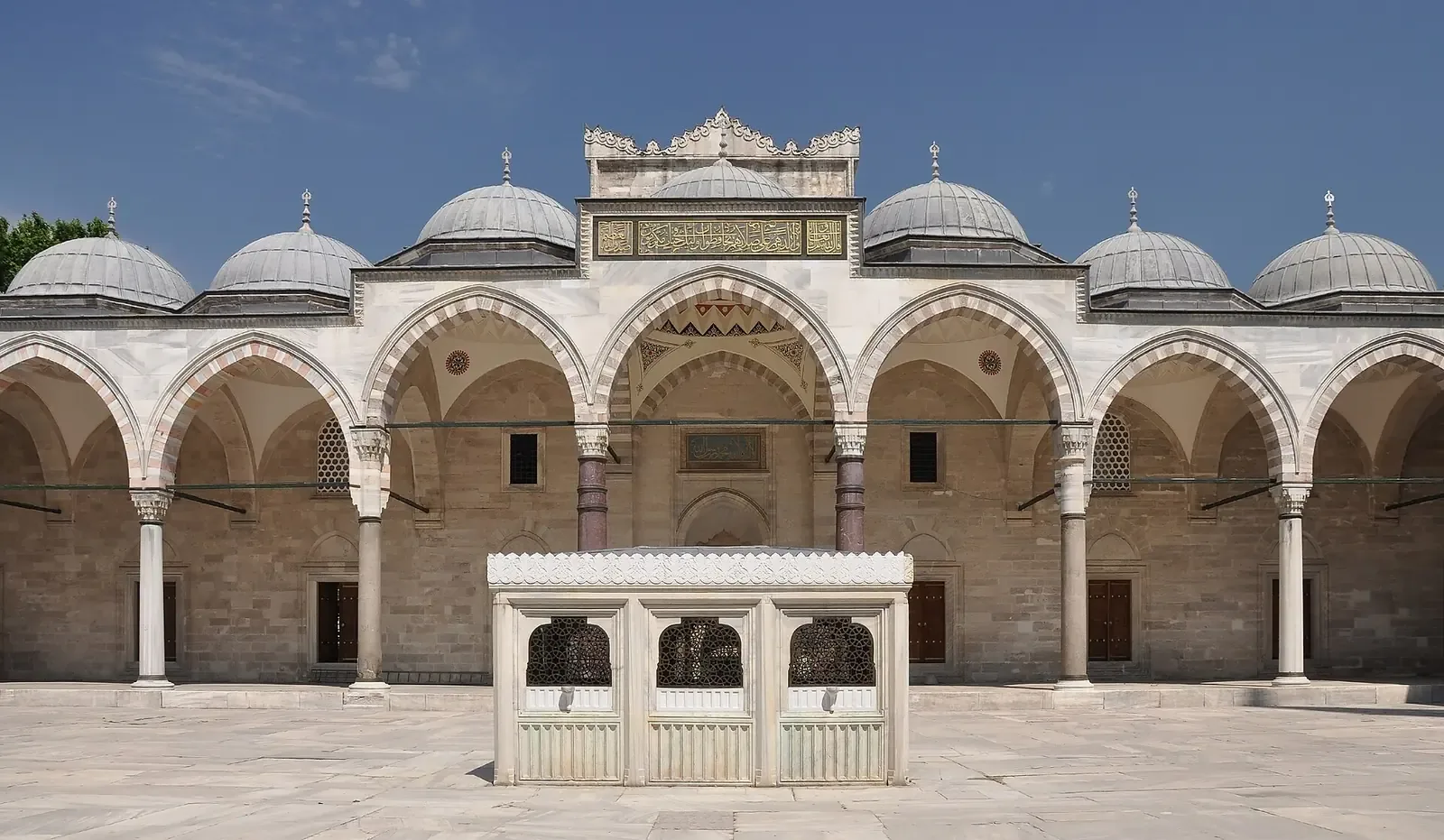
Ottoman imperial mosque complex by Mimar Sinan, offering sweeping views over the Golden Horn and a quieter prayer experience than the Blue Mosque.
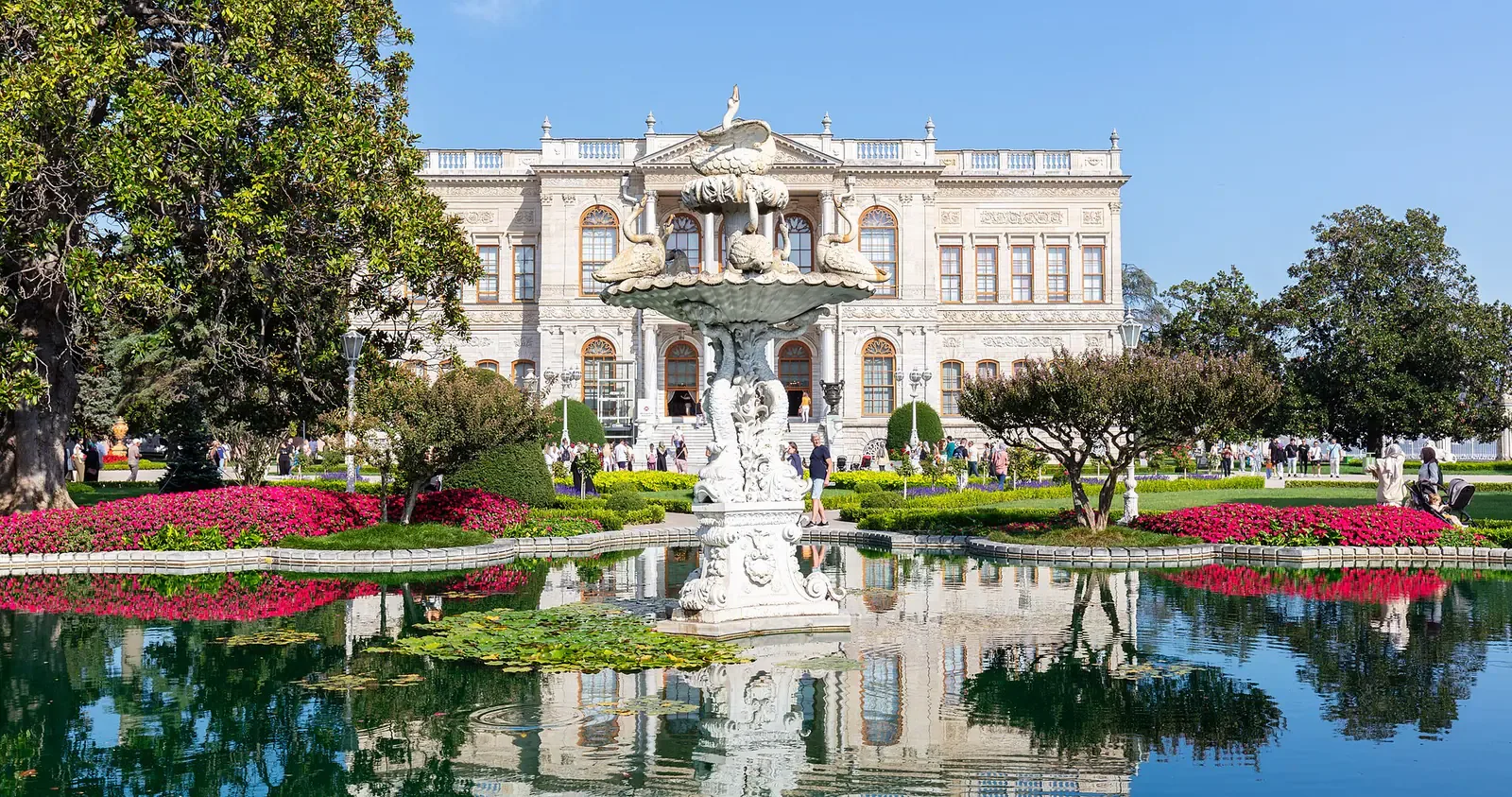
19th-century Ottoman palace on the Bosphorus, last residence of the sultans, featuring crystal chandeliers and lavish European-style interiors.
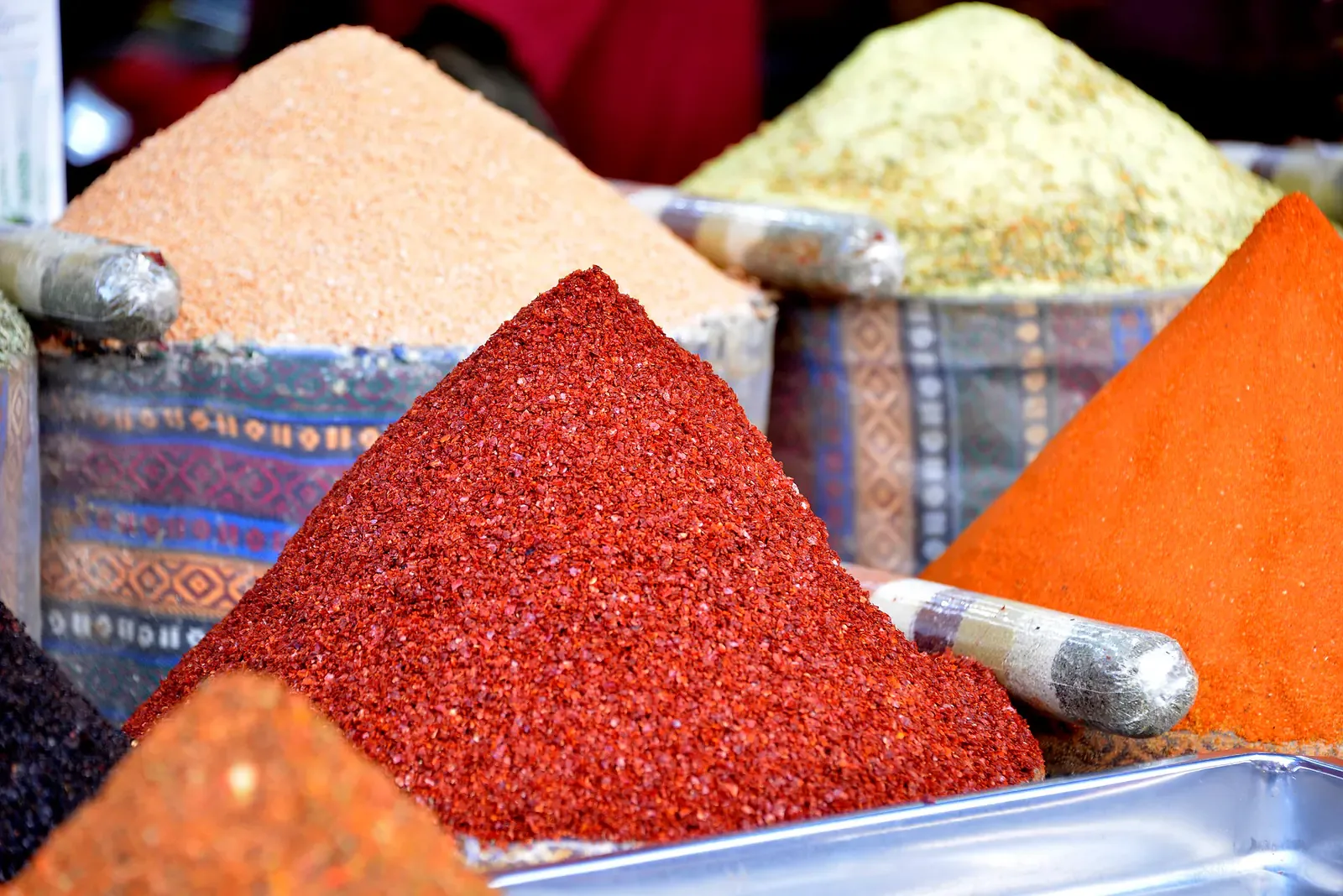
L-shaped Ottoman market hall specializing in spices, dried fruits, nuts, Turkish delight, and souvenirs, located beside the New Mosque in Eminönü.
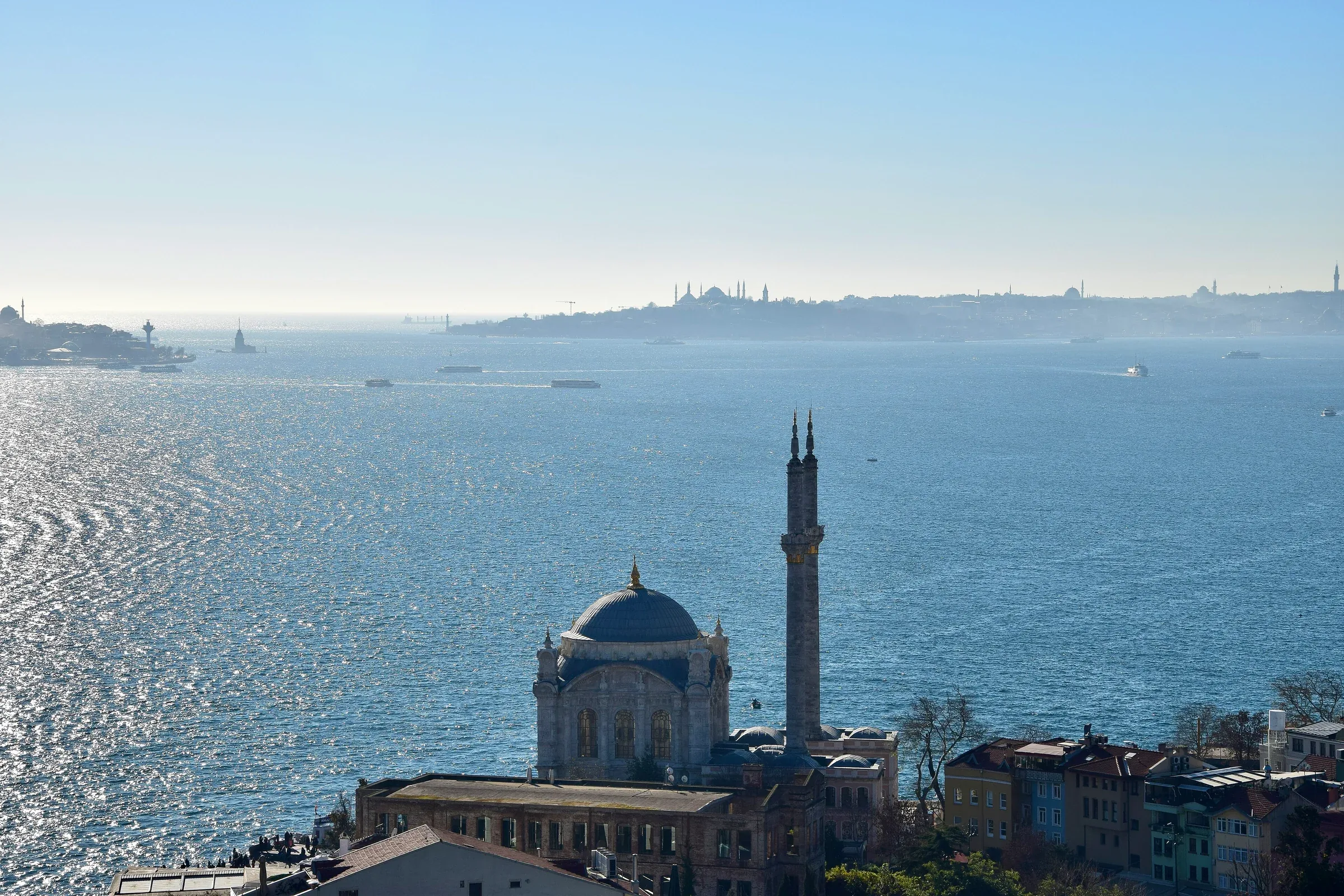
Striking waterfront mosque at the base of the Bosphorus Bridge, offering elegant Ottoman architecture and direct views of passing ferries and the Asian shore.
A four-day route built around major mosques for regular and congregational prayers, paired with modest clothing markets and family-friendly textile districts that cater to conservative dress codes.
Three-day route capturing Istanbul’s dramatic skyline, minarets, and Bosphorus vistas with golden-hour timing, ferry rides, and built-in prayer windows for Muslim travelers.
Four focused days linking the city's greatest Ottoman mosques with its historic covered markets, timed around prayer windows and halal dining corridors.
Four-day focus on Istanbul's major markets paired with reliable halal dining, prayer access, and family-friendly pacing across the historic peninsula, Beyoğlu, Bosphorus waterfront, and Asian side.
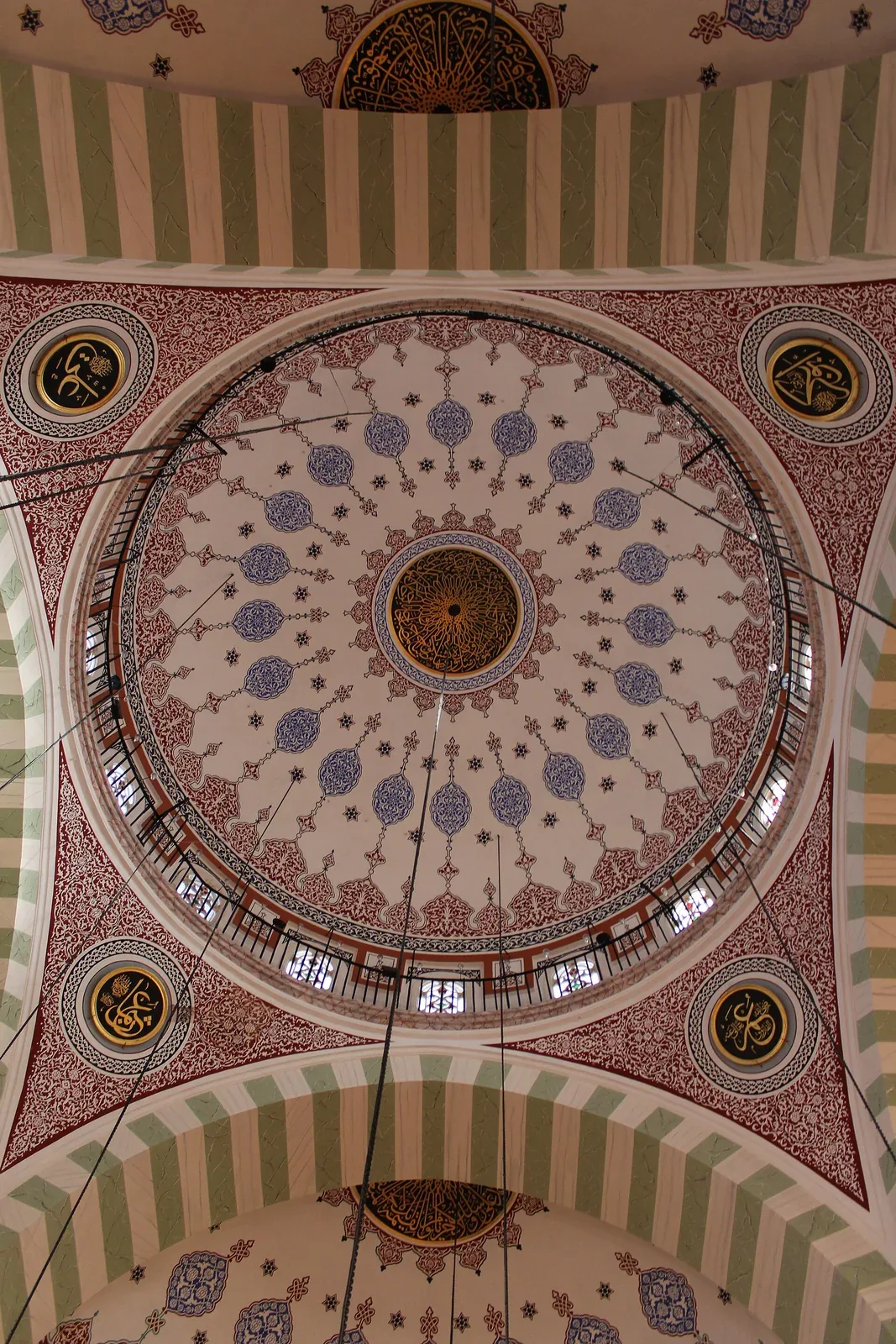
Cross the Bosphorus by ferry to explore Üsküdar’s historic mosques, Kadıköy’s vibrant markets, and the Asian waterfront corridor with practical prayer and family pacing.
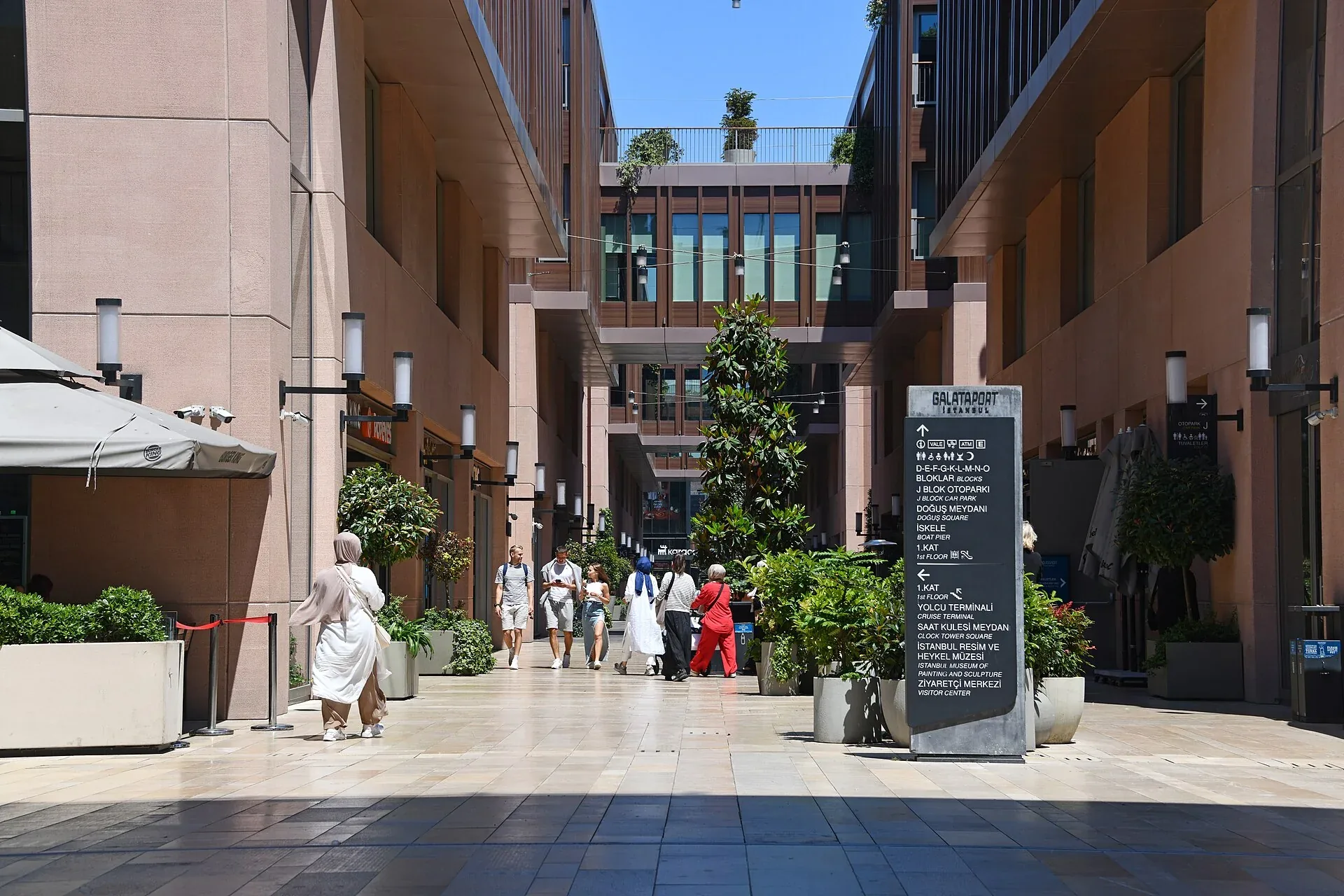
Four-day exploration of Istanbul's European and Asian shores by ferry, focusing on waterfront mosques, historic neighborhoods, and practical Muslim-traveler logistics across the strait.
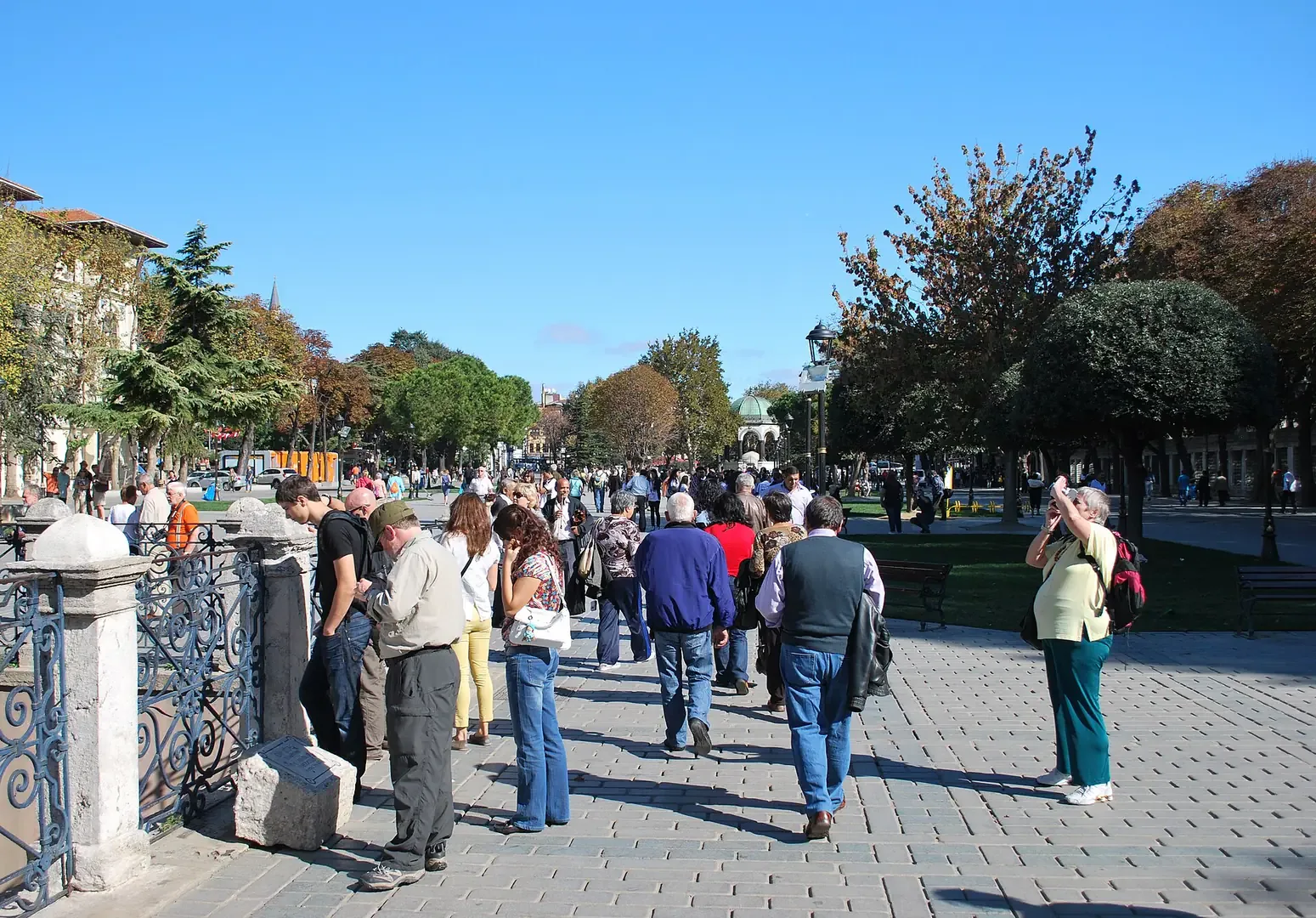
A five-day itinerary designed for Muslim families, balancing iconic heritage sites with practical prayer access, ferry rides that respect modest pacing, halal dining corridors, and shaded rest stops across both sides of the Bosphorus.
A four-day introduction to Istanbul’s layered Ottoman and Byzantine core, centered on Sultanahmet and Eminönü with deliberate pacing for prayer windows, ferry timing, and modest-dress comfort.
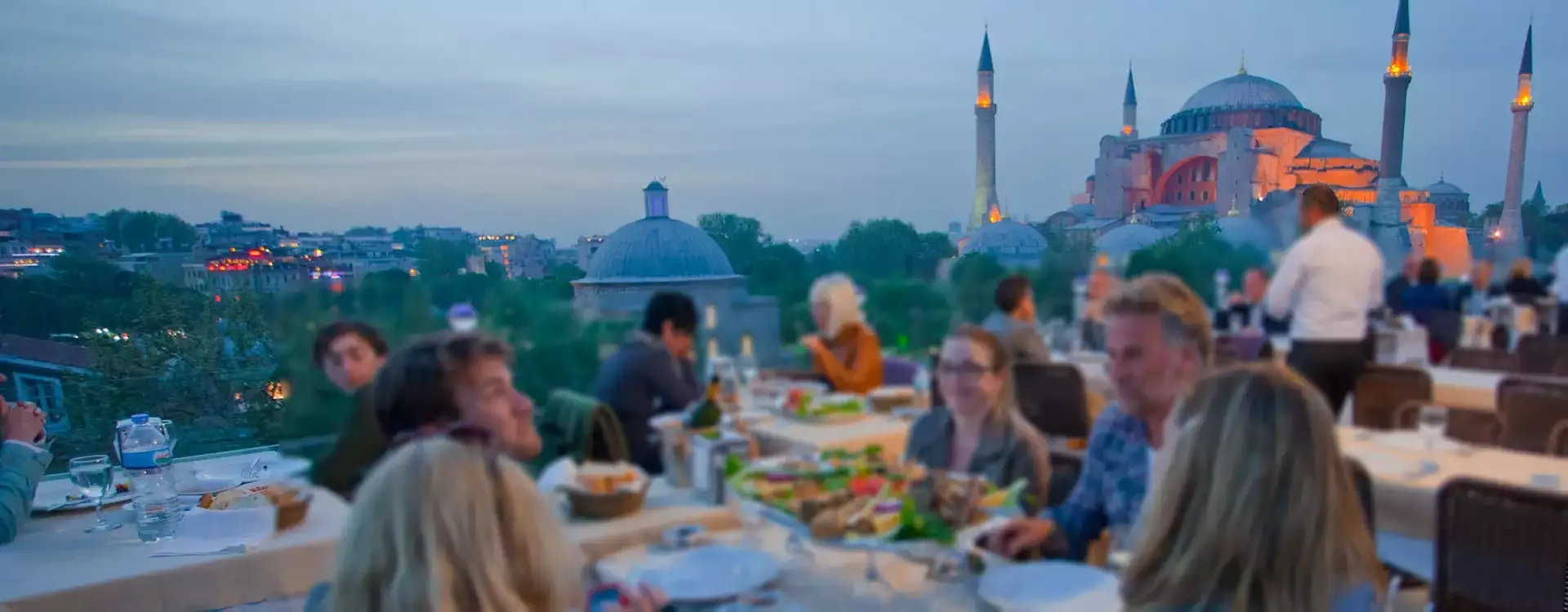
Panoramic terrace dining overlooking Hagia Sophia and the Blue Mosque, serving fresh Turkish seafood and mezes in Sultanahmet.
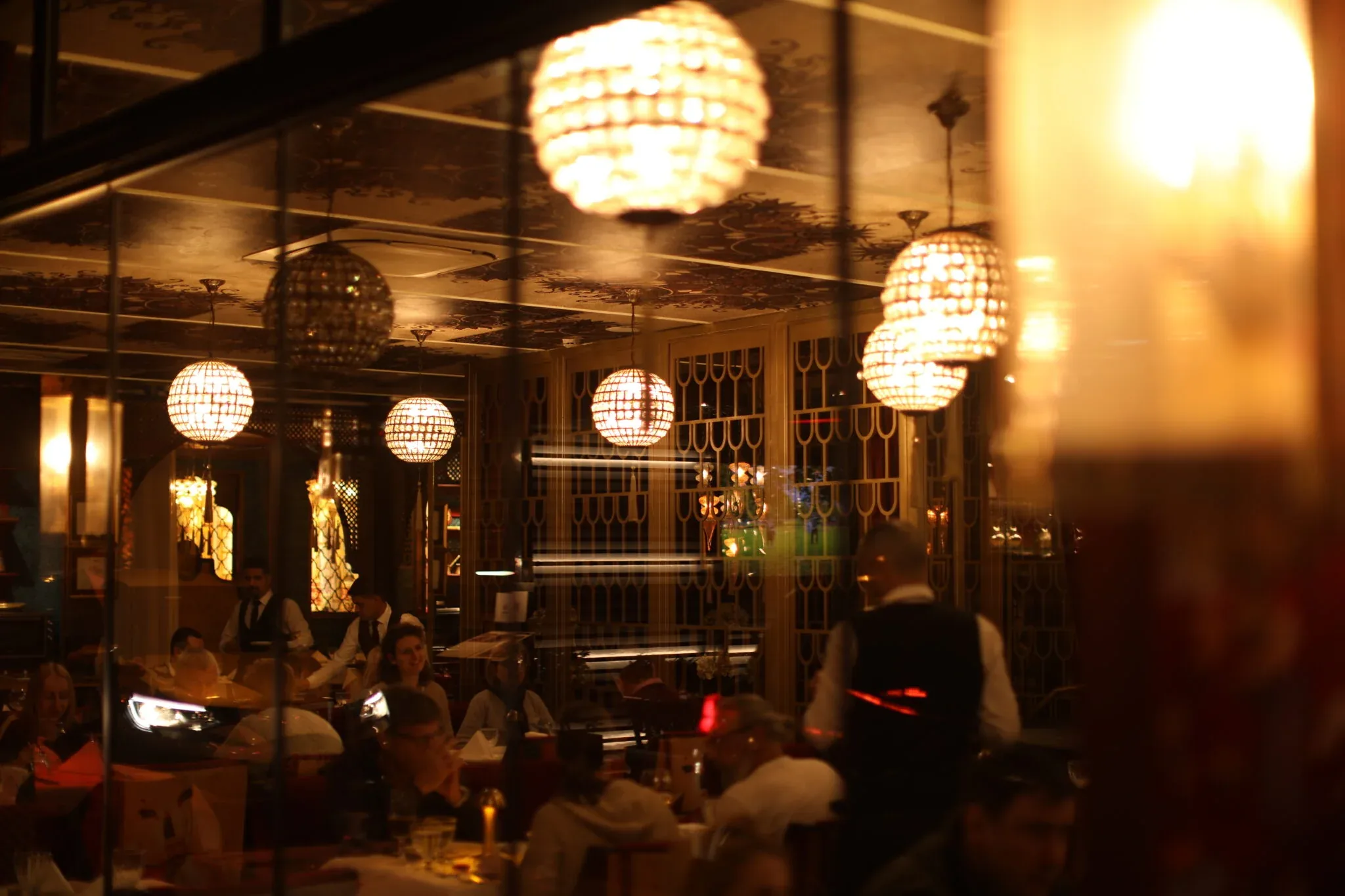
Historic Ottoman recipes served in earthenware in the heart of Sultanahmet, ideal for cultural dining near major mosques.
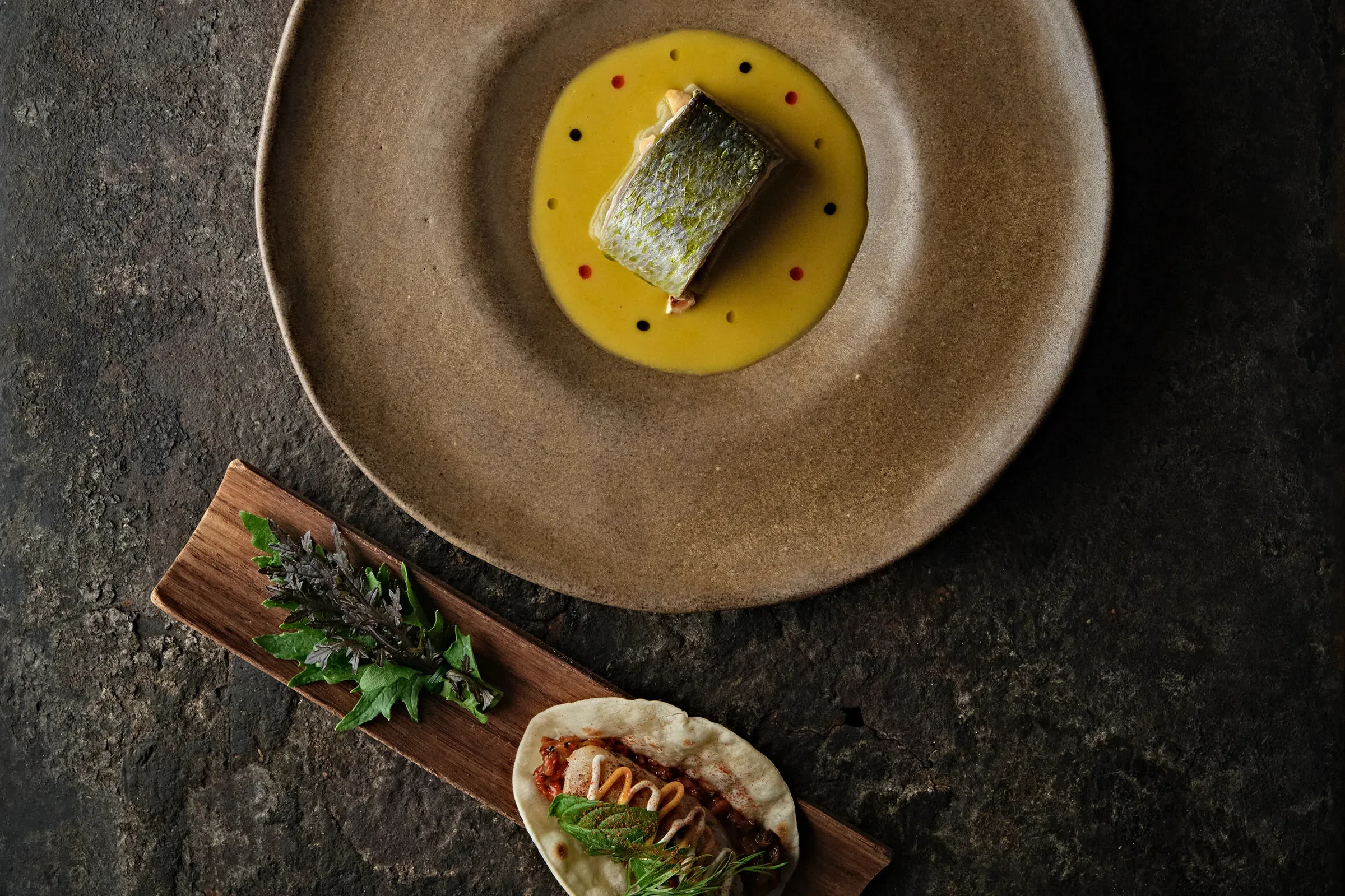
Modern Turkish tasting menus in a historic bank building in Karaköy, suited for upscale yet halal-conscious dining near Galata.
Regional southeastern Turkish specialties in a welcoming setting near Taksim, popular with locals and families for generous shared platters.
Historic patisserie and light-meal spot famous for Turkish delight, baklava, and savory pastries steps from the Spice Bazaar.
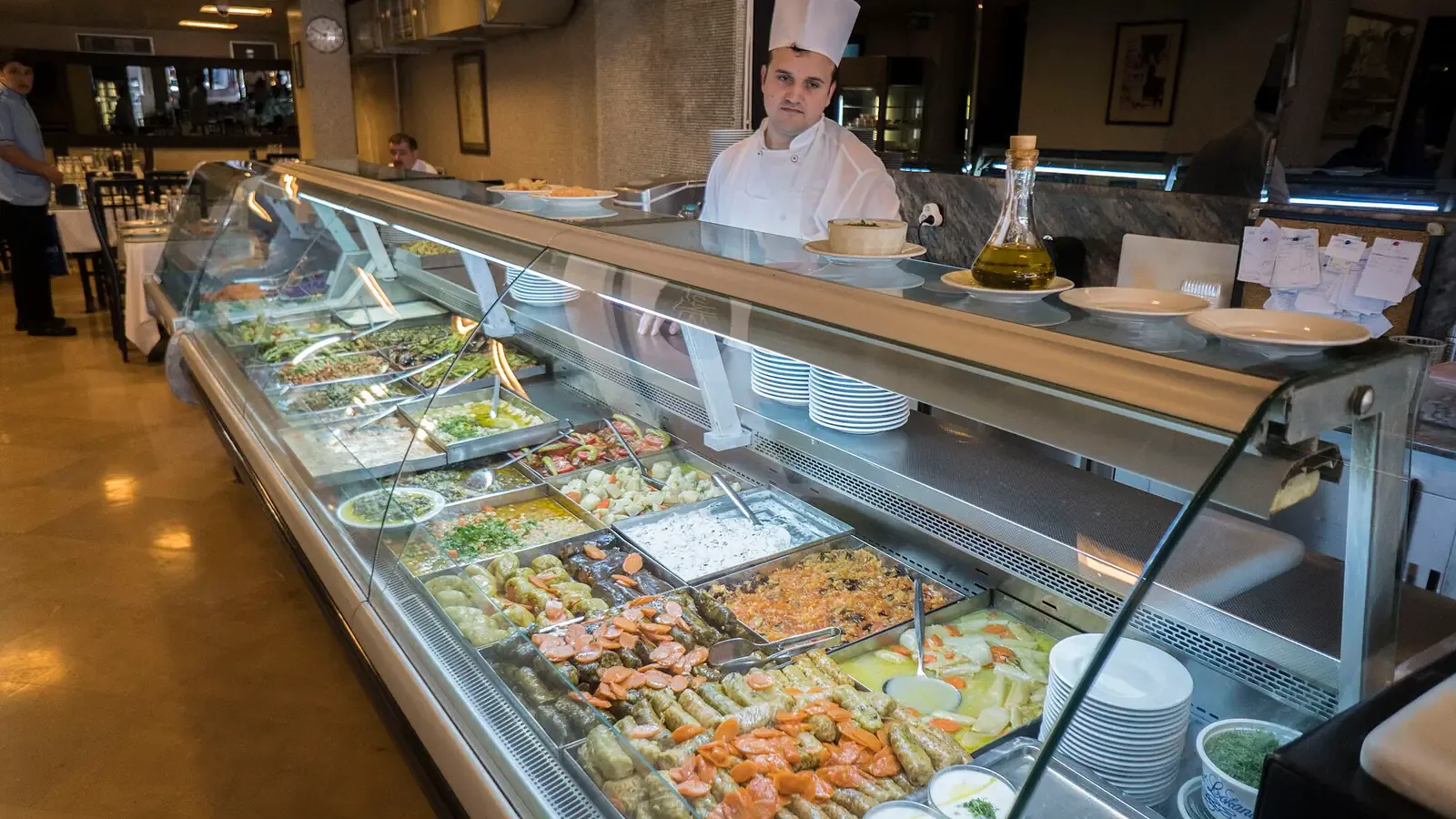
Traditional Üsküdar lokanta serving reliable home-style Turkish dishes in a spacious, no-frills setting ideal for families and quick halal meals between ferry rides.
Historic restaurant perched above the Spice Bazaar serving refined Ottoman-Turkish classics with Bosphorus views, suited for special meals near Eminönü ferry terminals.
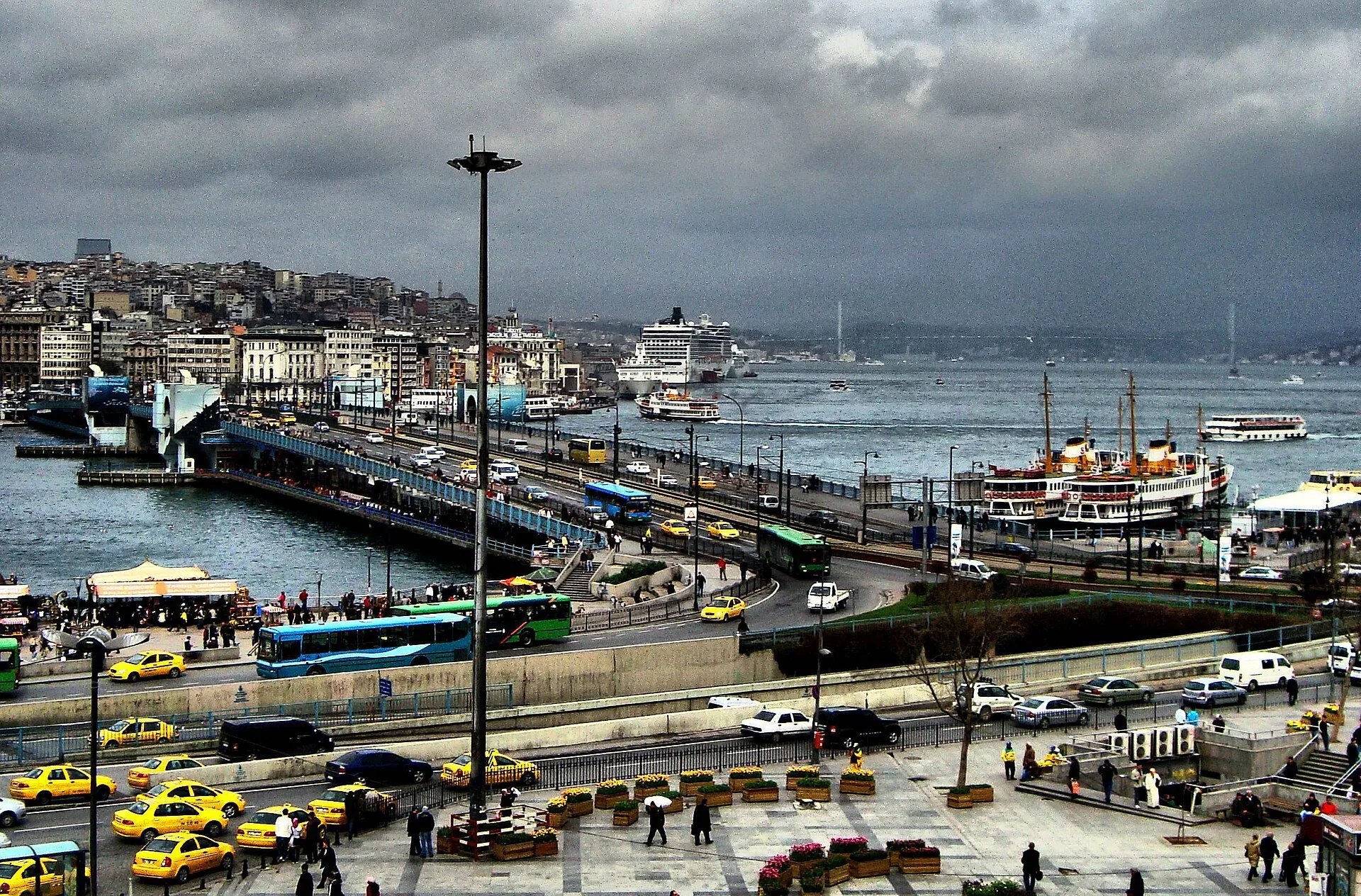
Hamdi Restaurant is a restaurant in eminonu-and-sirkeci for Istanbul travellers who want a clearer plan around location, timing, Muslim-friendly practicalities and nearby route pairings.
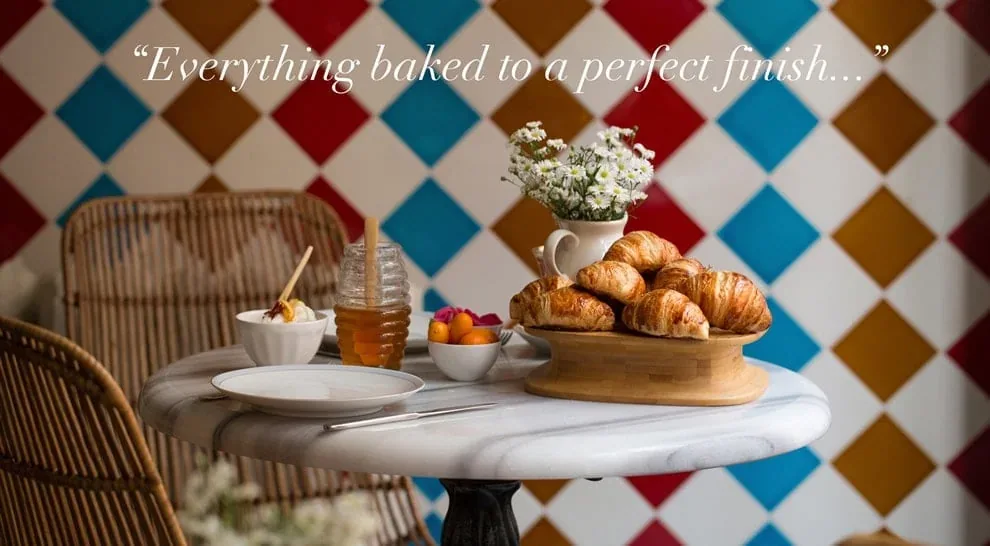
Wood-fired pide and lahmacun specialist in the heart of historic Balat, drawing locals and visitors for fresh, affordable Anatolian flatbreads.
Anatolian regional specialties in Kadıköy, ideal for extended Asian-side exploration with family groups.
Loading local prayer times…
Calculated times. Confirm congregation times with your local masjid.
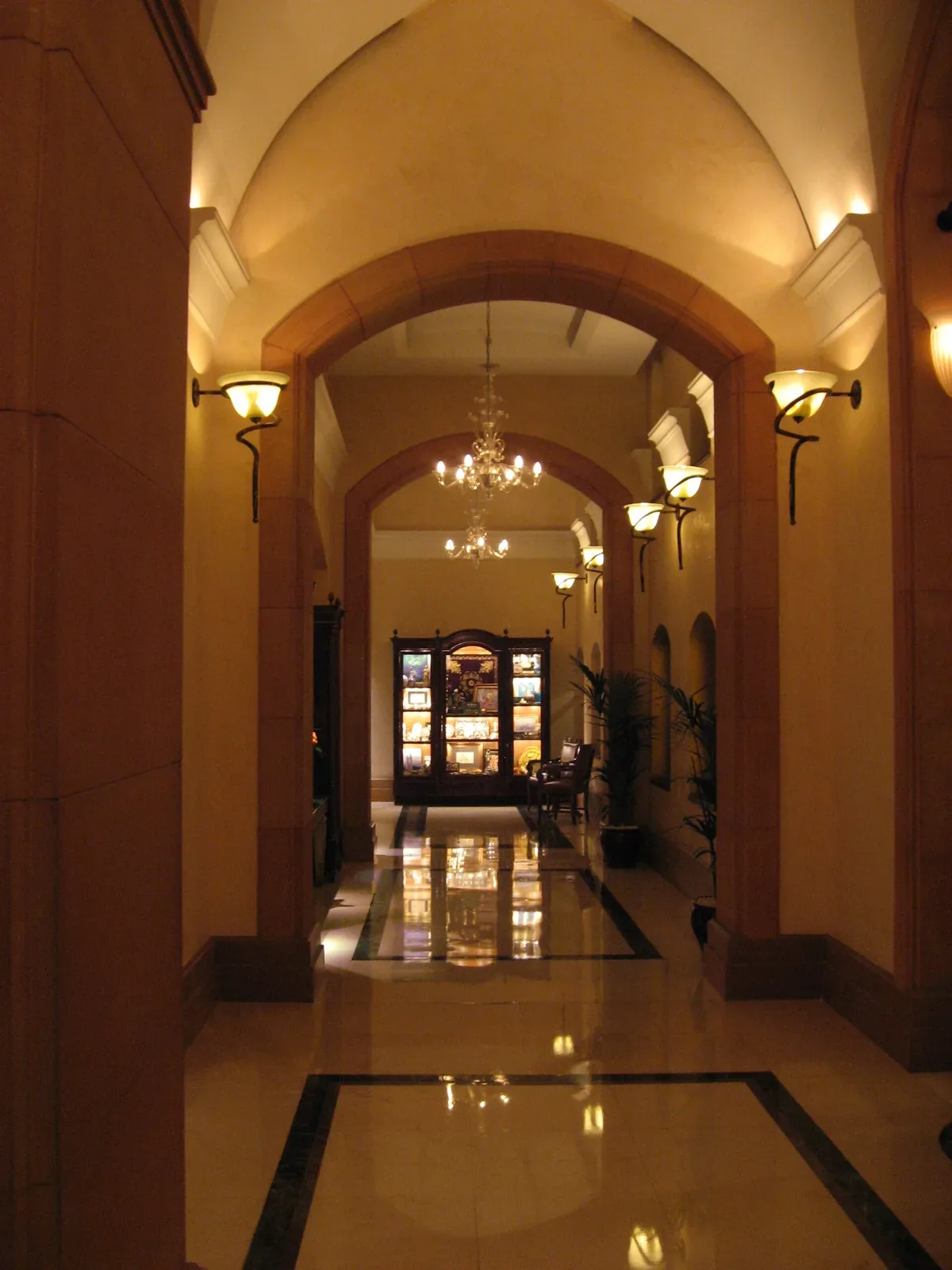
Converted neoclassical former prison turned intimate luxury hotel steps from the Blue Mosque and Hagia Sophia, ideal for first-time visitors prioritizing location and heritage access.
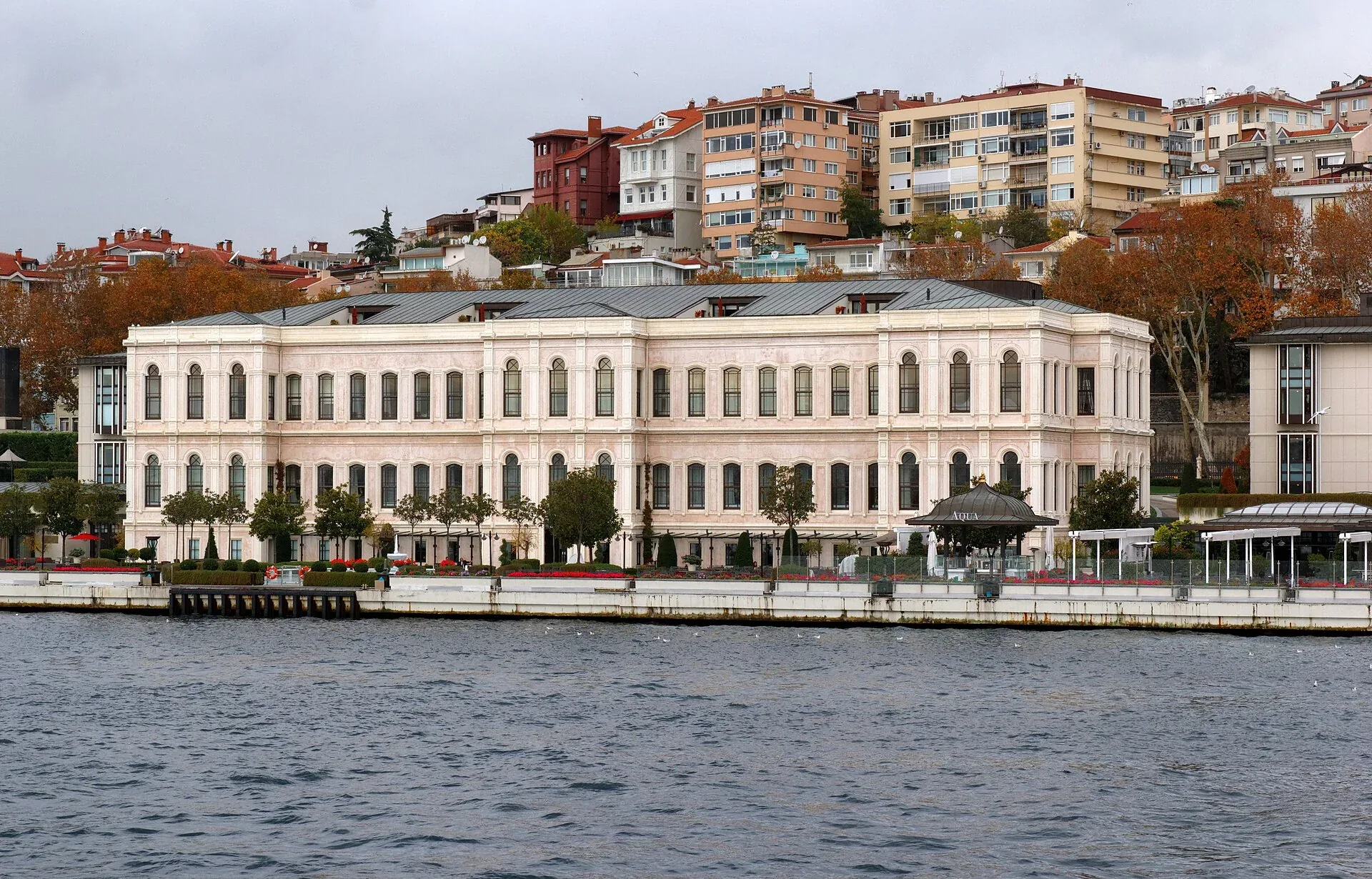
Converted 19th-century Ottoman palace on the European Bosphorus shore in Beşiktaş, offering 170 rooms with direct waterfront access and palace gardens.
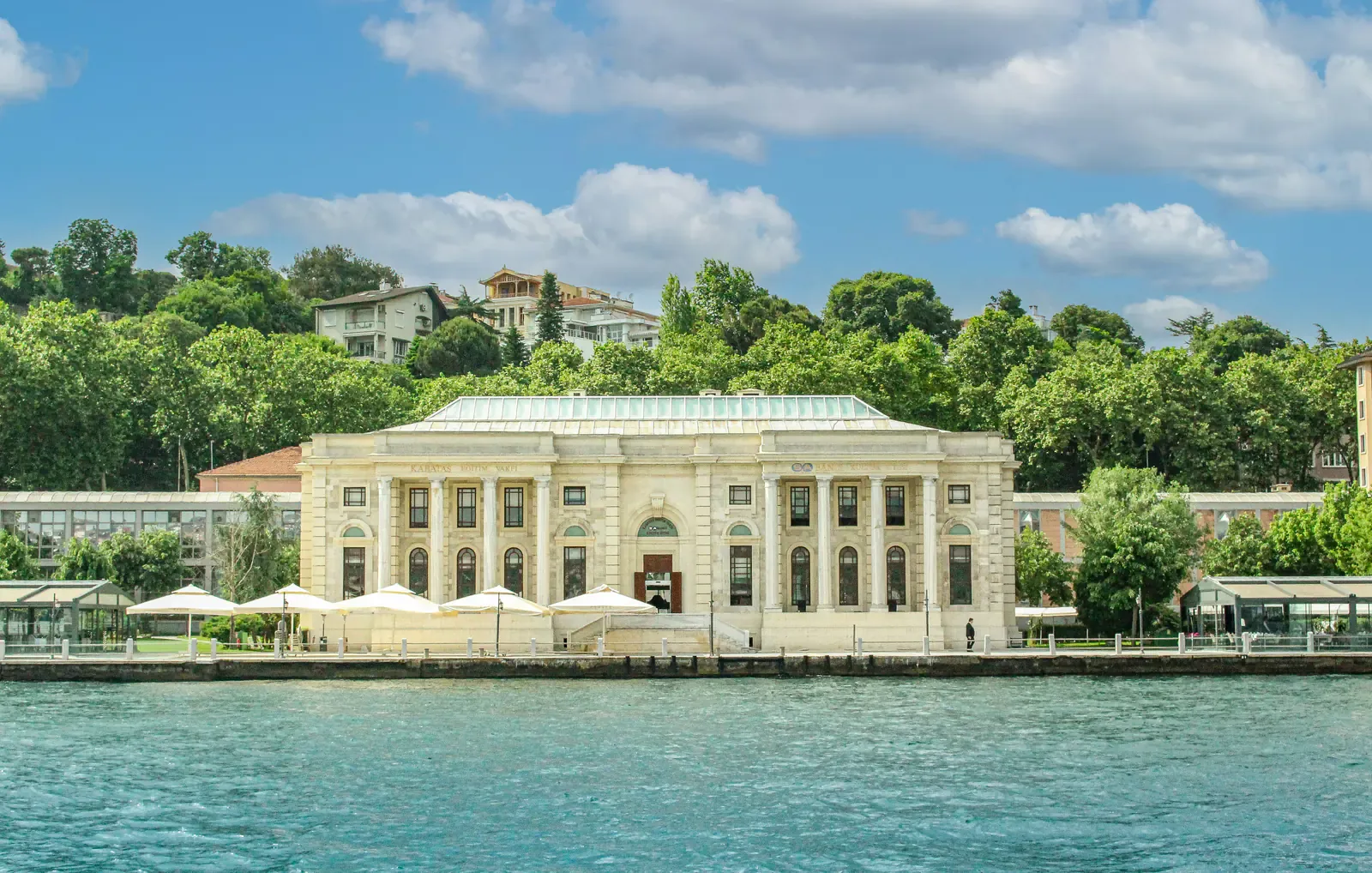
A restored 19th-century Ottoman palace turned luxury hotel on the Bosphorus in Beşiktaş, offering imperial scale, waterfront gardens, and direct access to Ortaköy Mosque for Muslim travelers seeking heritage with modern comfort.
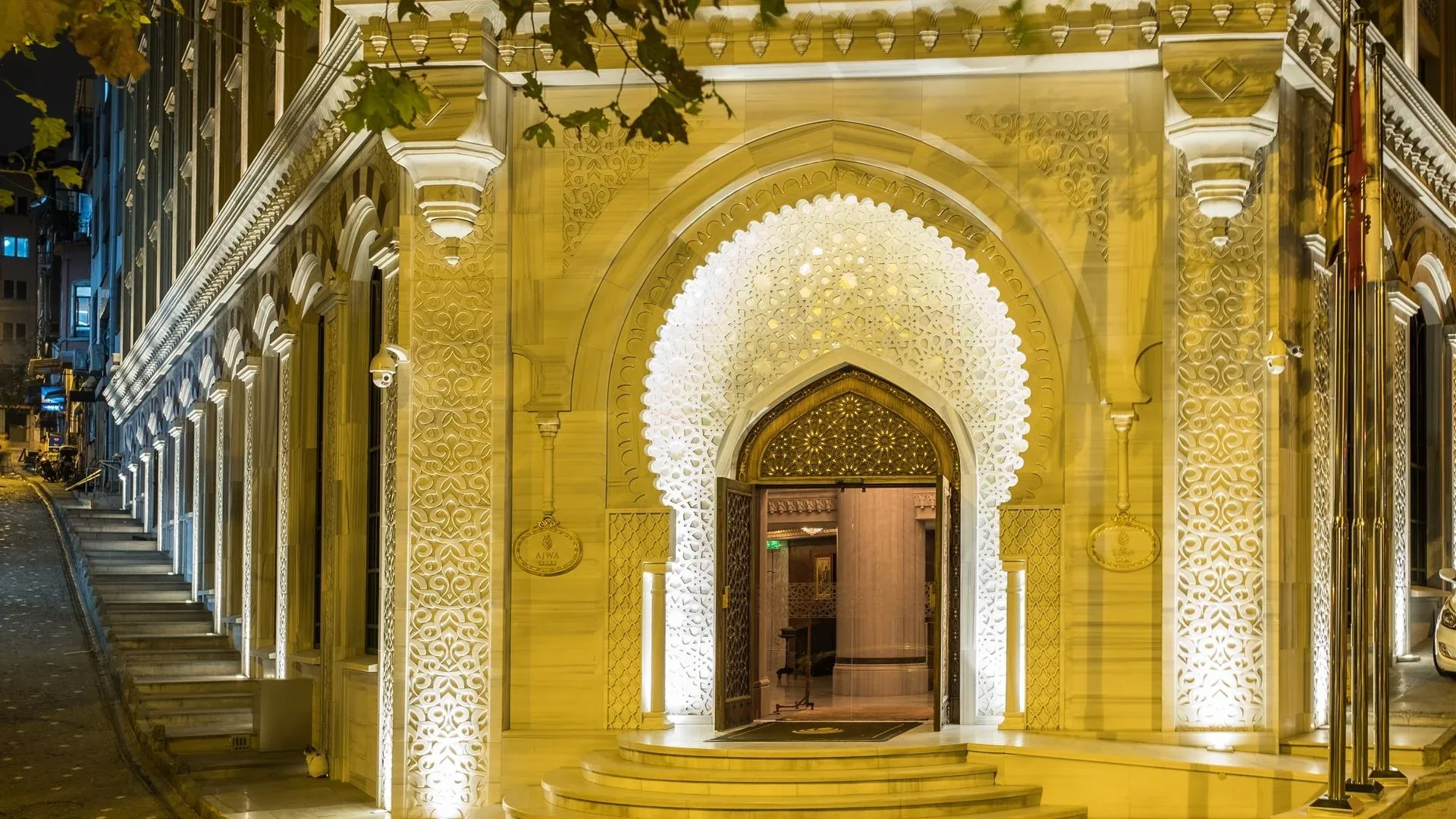
Boutique five-star property in the historic peninsula offering sea views and explicit Muslim-friendly policies including no-alcohol minibars and gender-separated spa hours.
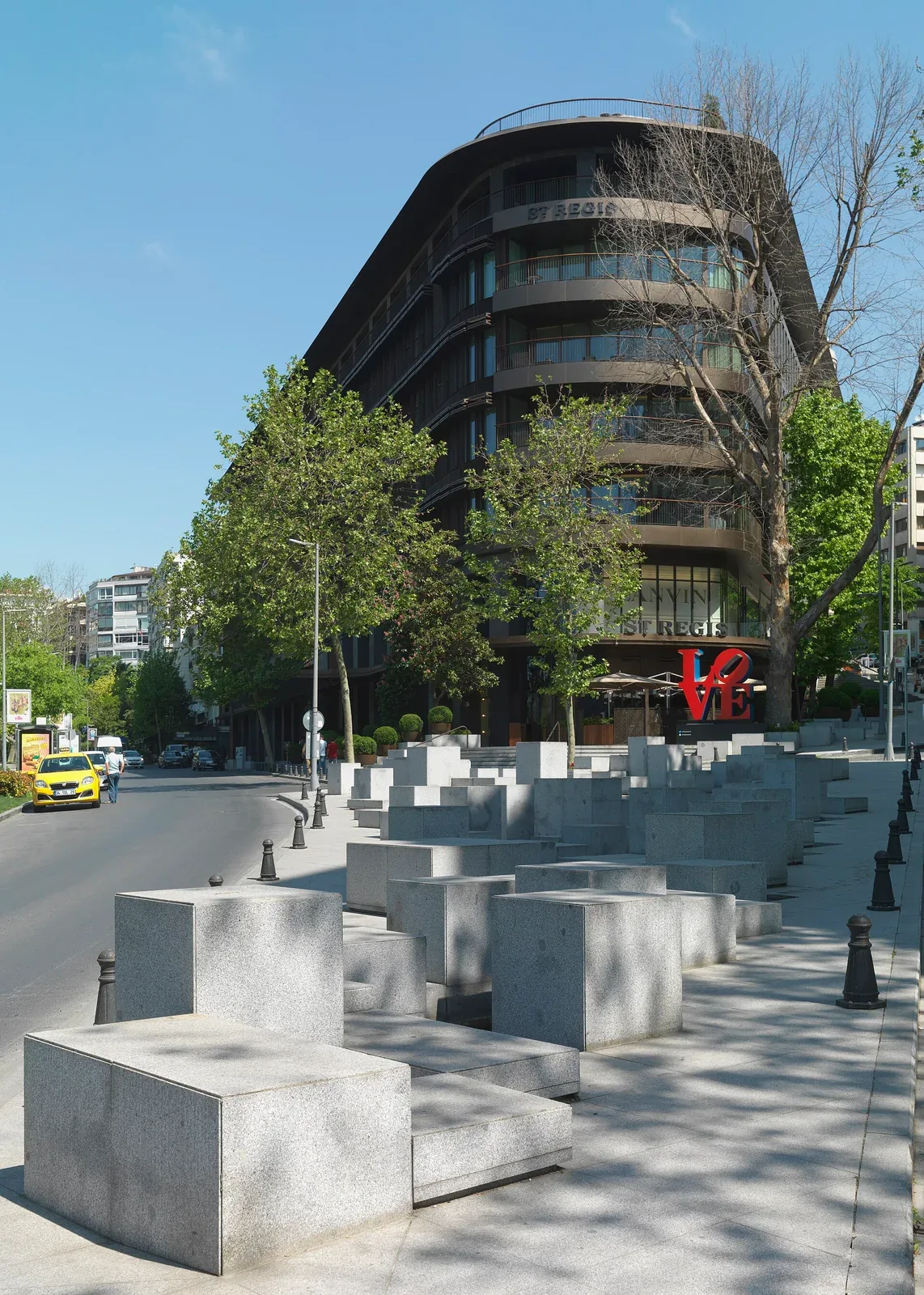
Art Deco-inspired 5-star property in upscale Nişantaşı with 118 rooms and signature St. Regis butler service.
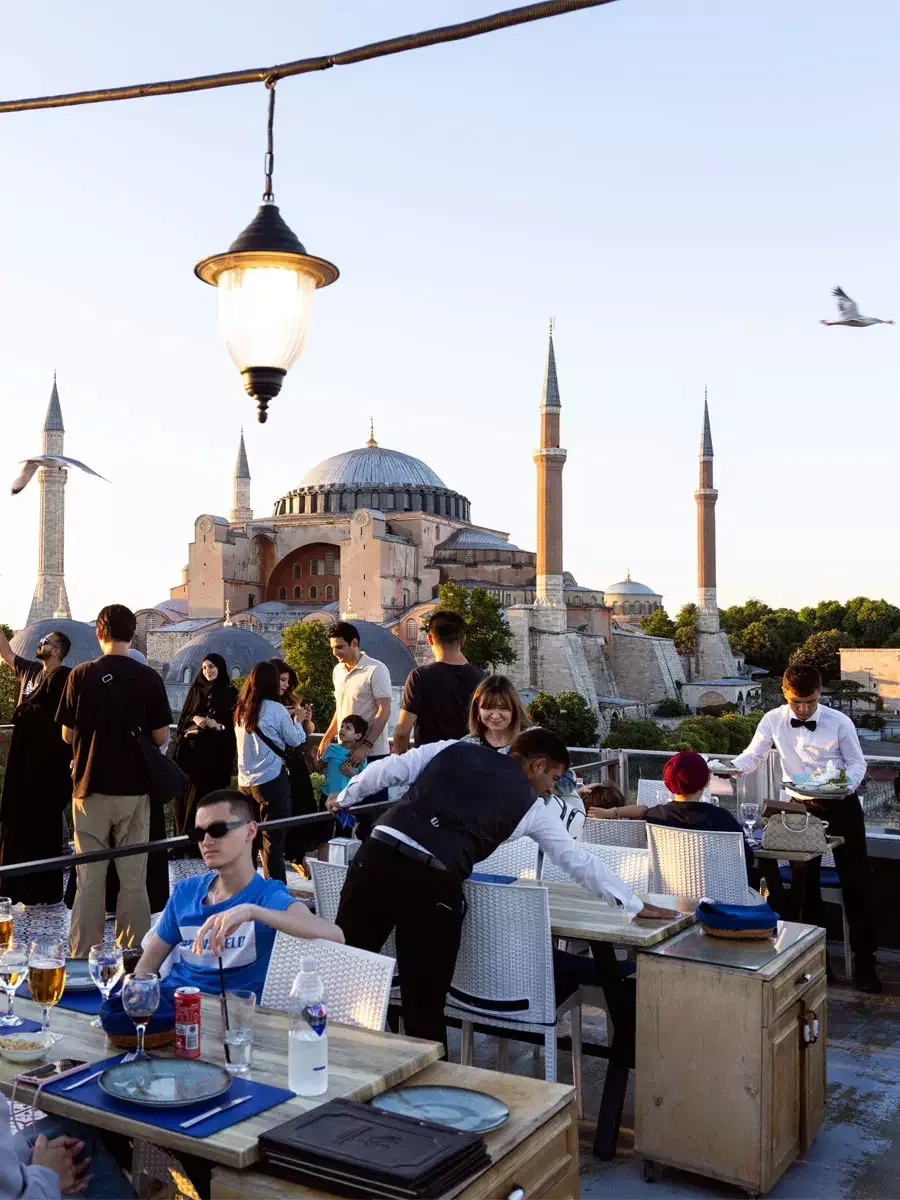
Boutique hotel in Sultanahmet delivering panoramic views of the historic peninsula from a compact, technology-equipped property popular with photographers and repeat visitors.
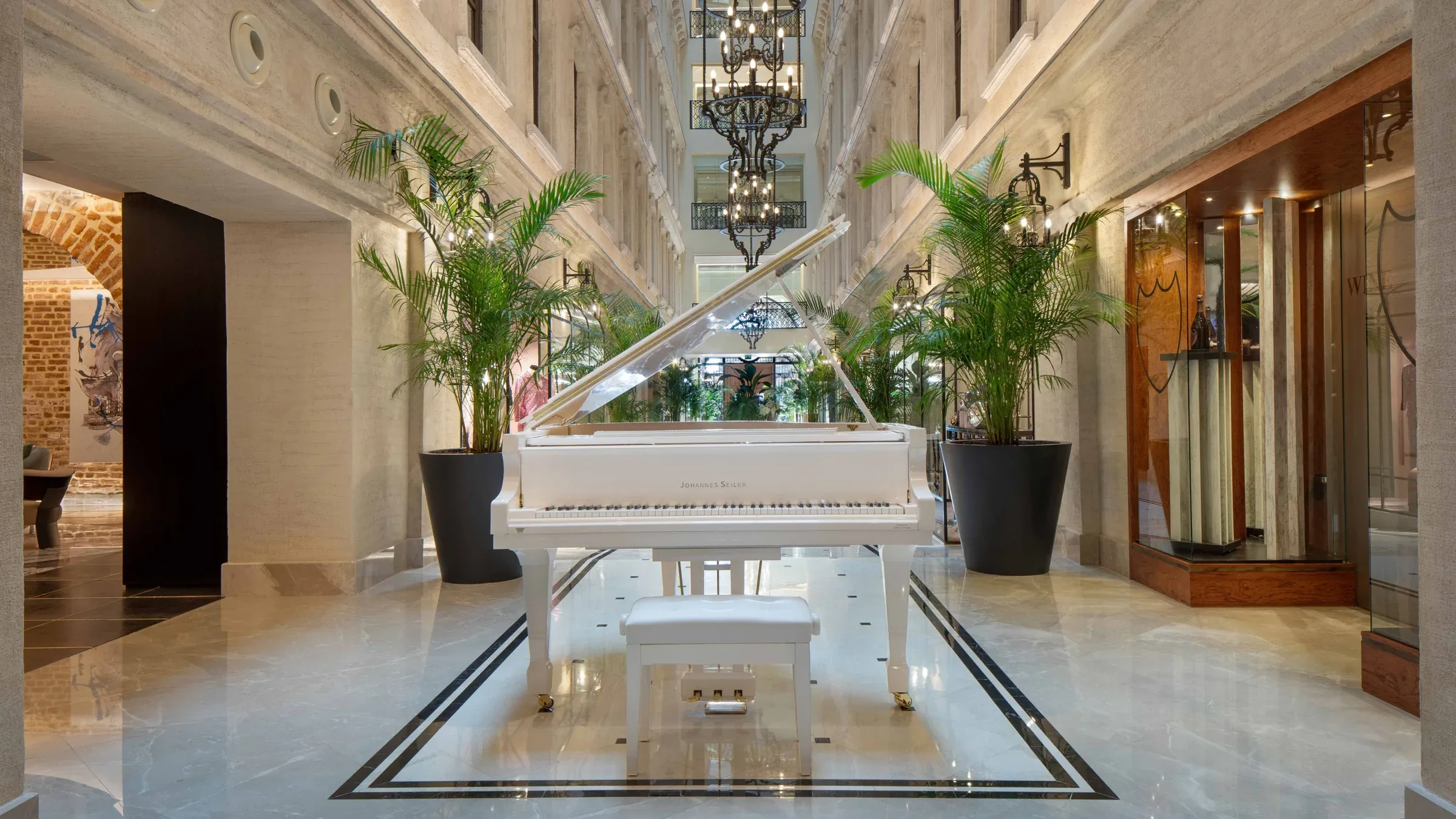
130-room 5-star hotel in historic Karaköy building beside Galataport with Bosphorus views and eight dining concepts.
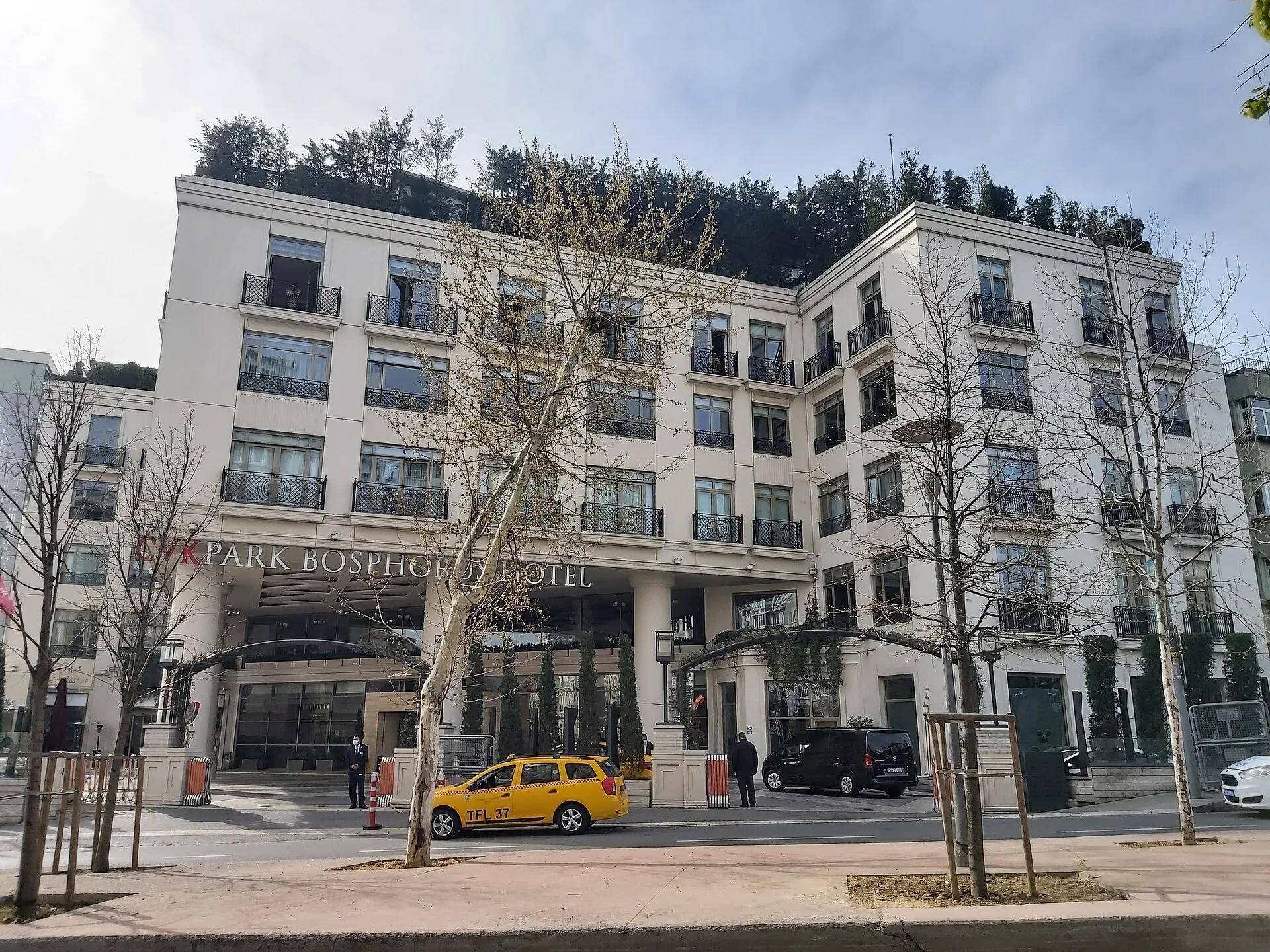
Large modern five-star hotel on the European Bosphorus shore with extensive spa, halal dining options, and convenient access to both historic sites and contemporary districts.
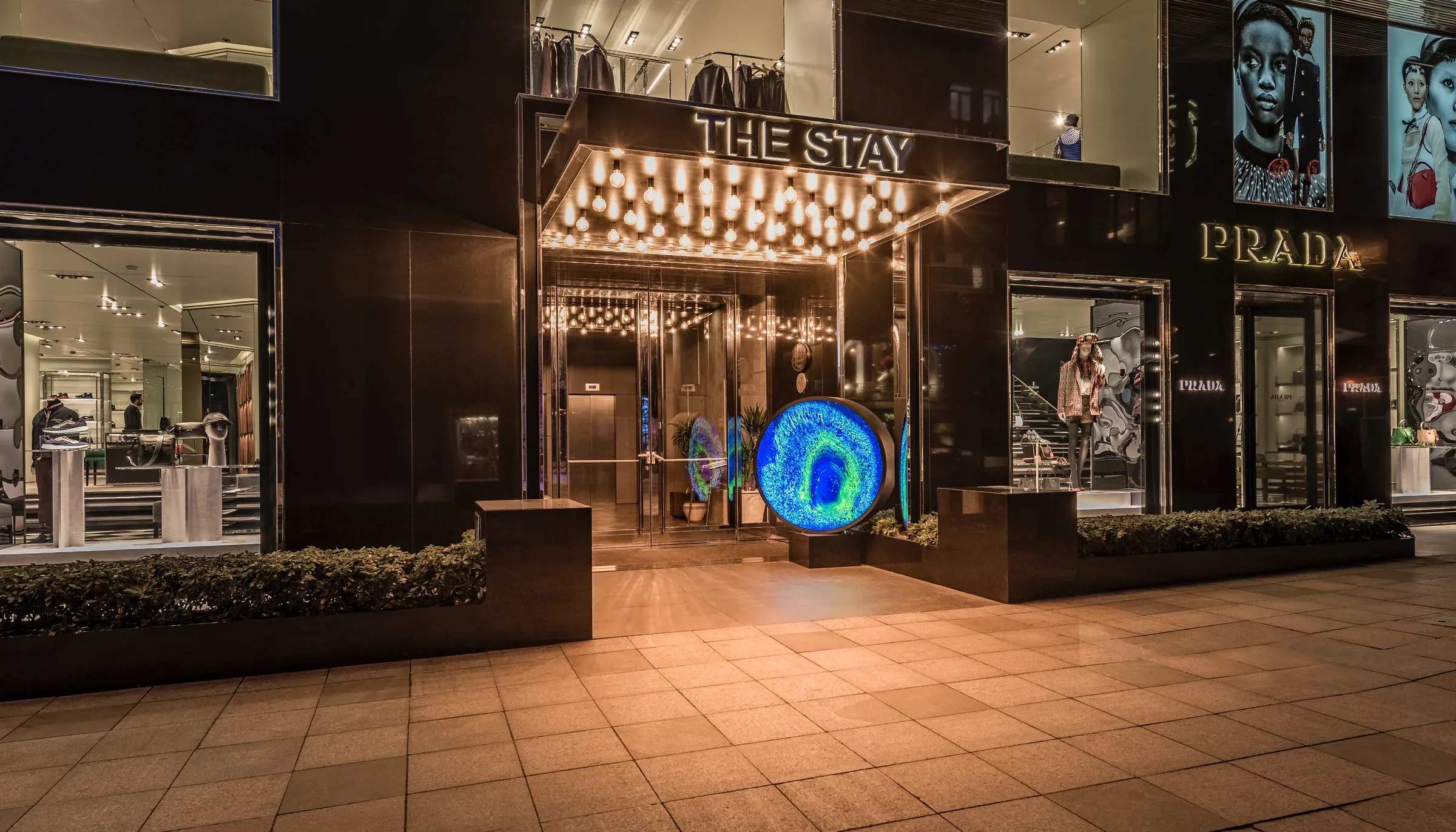
Boutique residential-style hotel in trendy Nişantaşı with 60 rooms, local art collection, and Autoban-designed interiors.
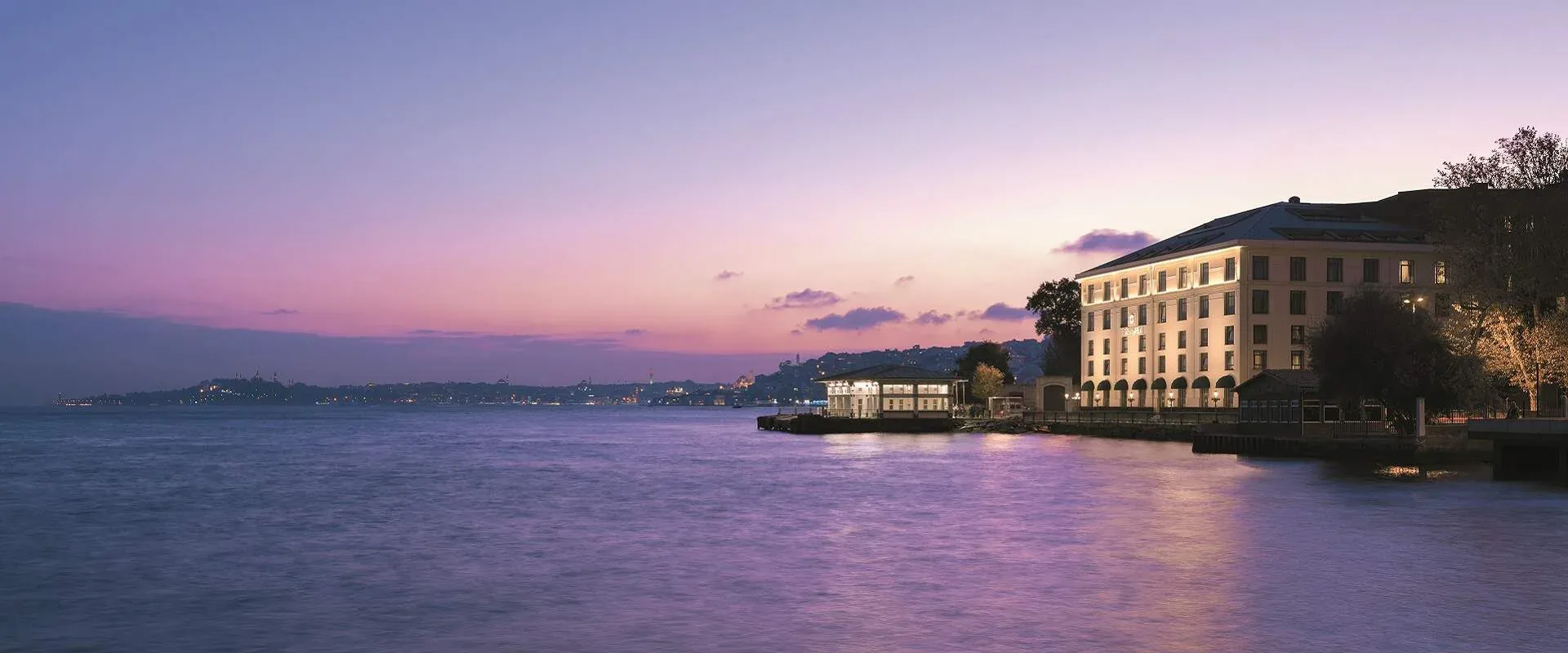
Intimate five-star hotel in Beşiktaş between Dolmabahçe Palace and the Naval Museum, delivering refined Bosphorus views and polished service ideal for couples or families prioritizing waterfront access.

Istanbul today is Türkiye's largest city and one of the world's richest urban experiences for Muslim travelers, linking Sultanahmet, the Golden Horn, Galata, the Bosphorus and the Asian side through ferries, tram lines and dense neighborhood life.
Istanbul was Constantinople, capital of the Eastern Roman Empire, before the Ottoman conquest in 1453 turned it into the imperial center of a major Muslim power.
Istanbulites move through a city of ferries, steep streets, mosque courtyards, bazaars, apartment neighborhoods, universities and office districts.
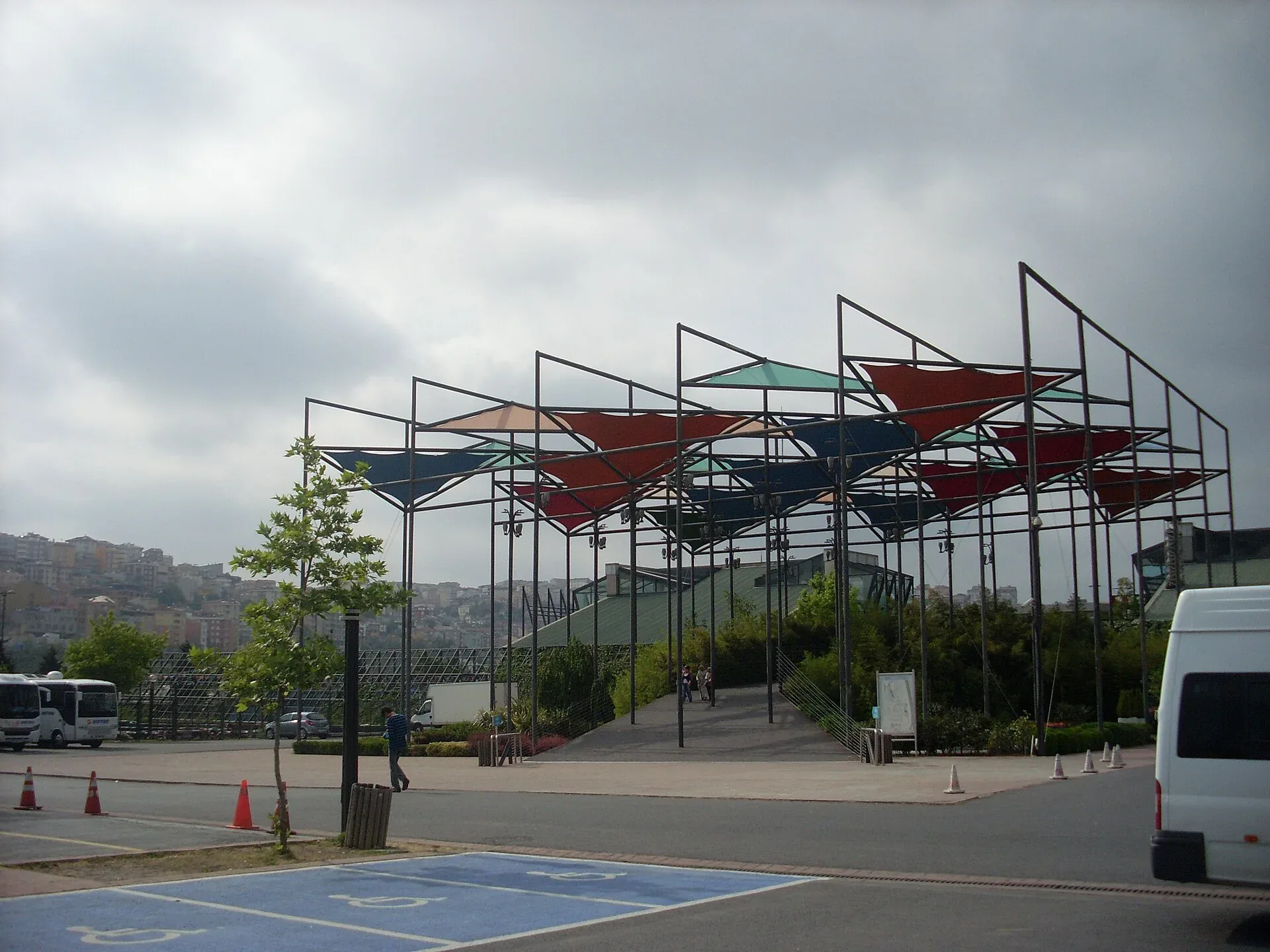
Outdoor miniature park showcasing scaled replicas of Turkey’s landmarks, with playgrounds, a toy train and boat rides that keep children engaged for two hours or more.
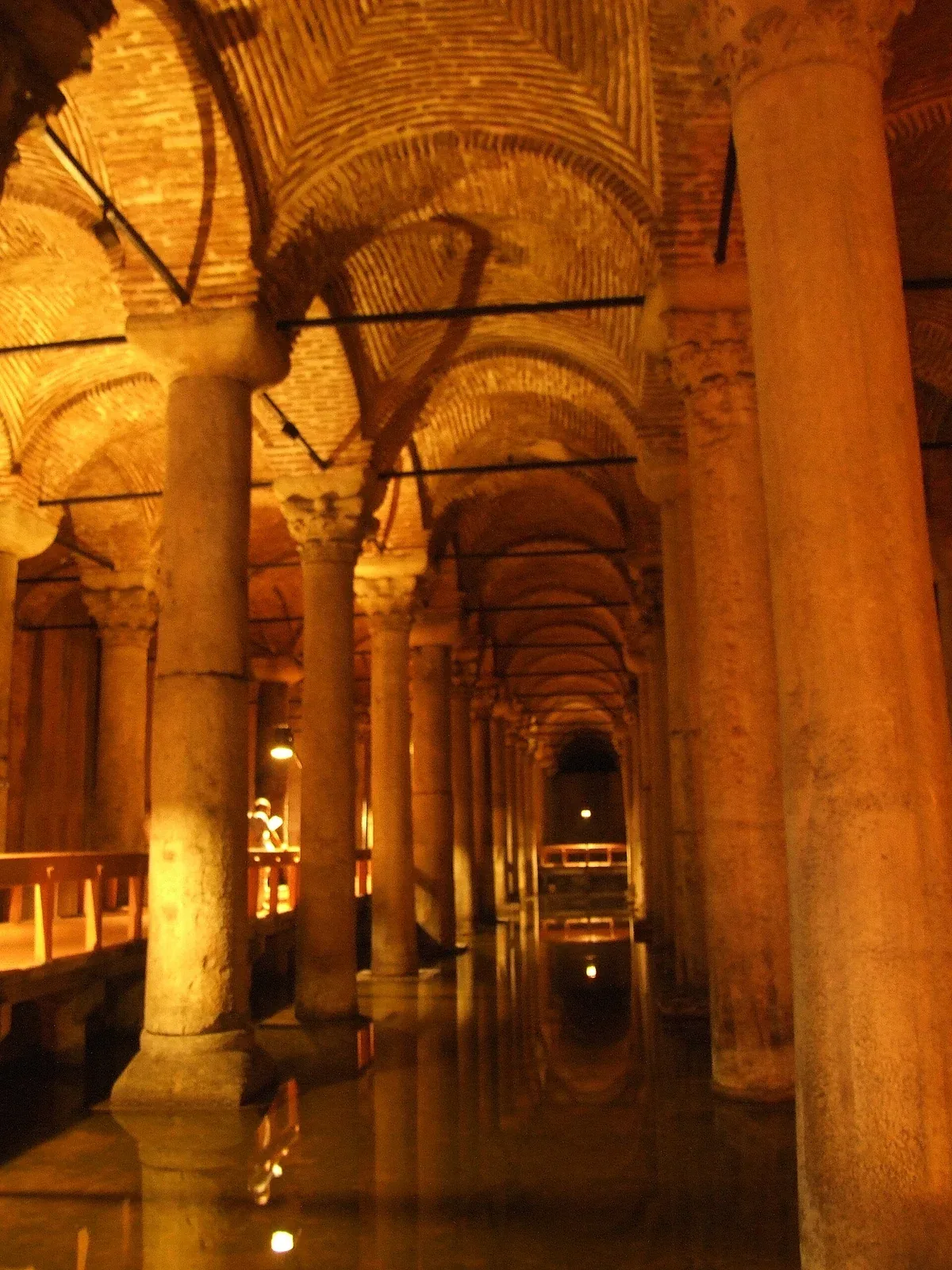
Underground Byzantine reservoir with dramatic columns, moody lighting, and shallow water that fascinates children while staying cool and contained.
Ottoman imperial complex with courtyards, treasures, and gardens that give families room to explore at their own pace.
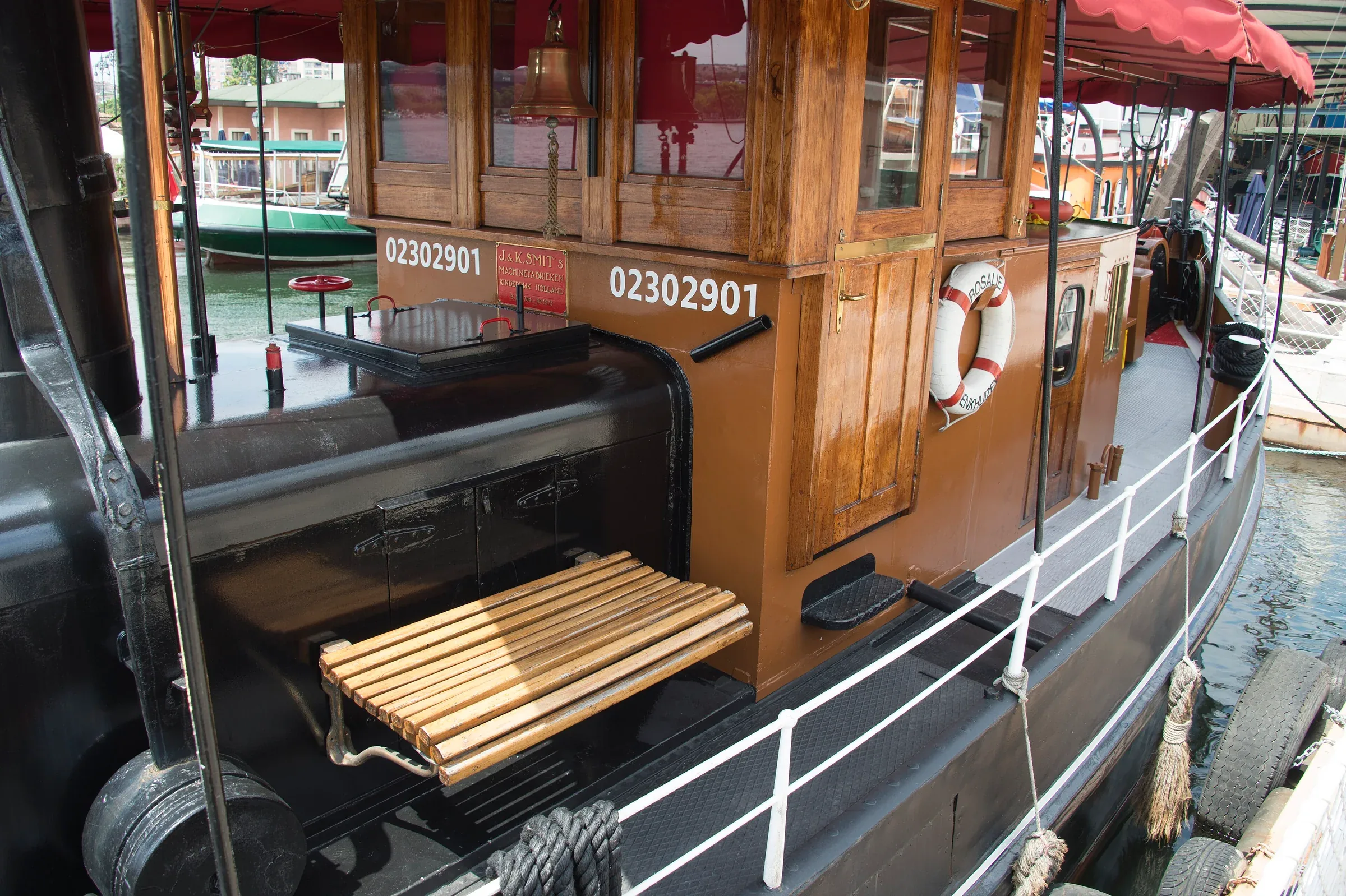
Industrial-heritage museum on the Golden Horn featuring historic trains, boats, cars and interactive machinery exhibits that appeal to curious children and parents alike.
Large indoor aquarium on the Marmara Sea coast with themed tunnels, touch pools and over 10,000 marine creatures that provide a full-afternoon family outing.
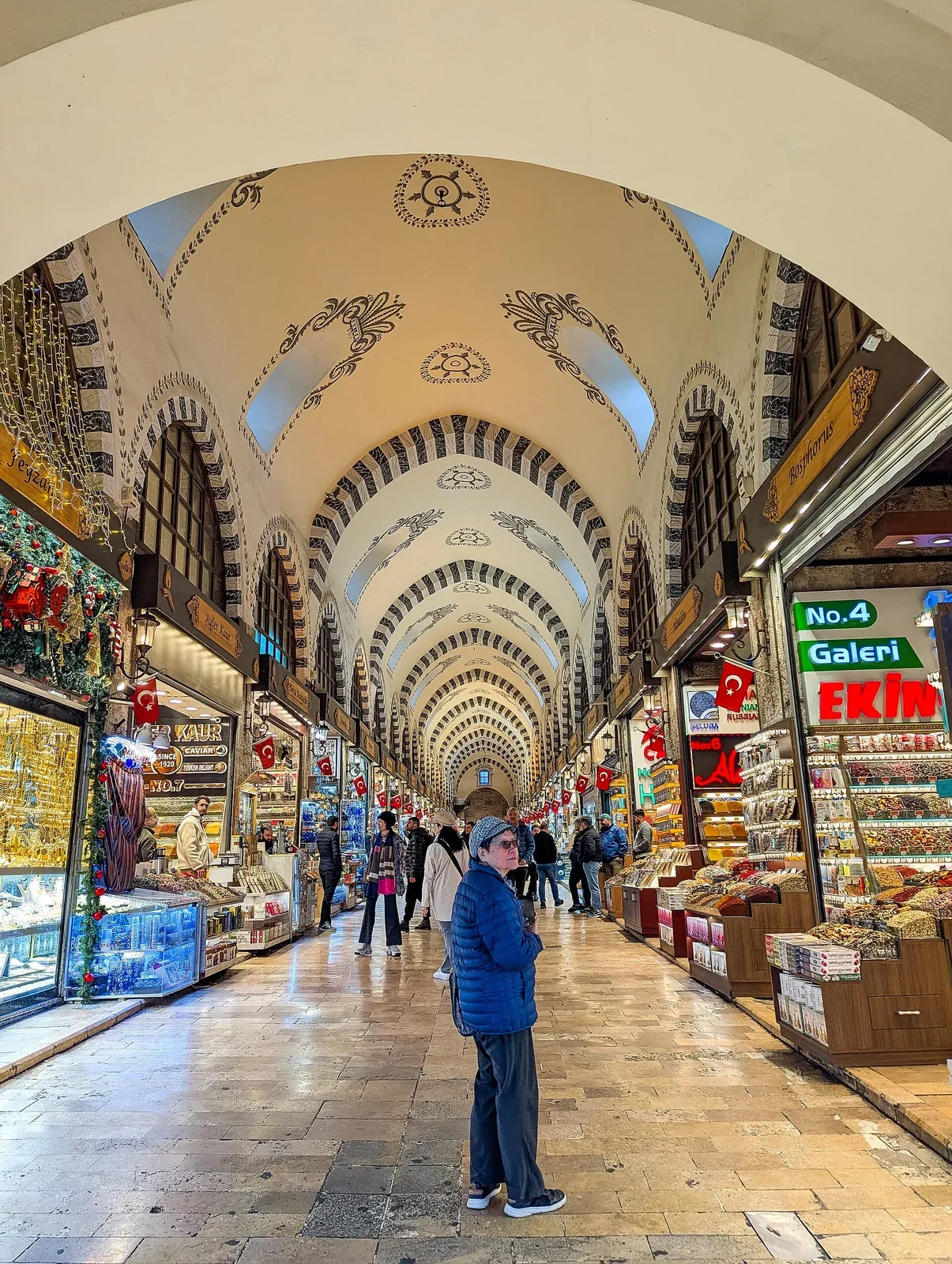
Colorful historic market filled with spices, sweets, and souvenirs where children can smell, taste samples, and practice small purchases.
Car-free island escape reachable by public ferry, offering beaches, bike rentals, horse-drawn carriages and relaxed seaside pacing ideal for families seeking a break from city traffic.
Historic stone tower with panoramic city views reached by elevator, offering a quick, memorable highlight for families.
Underground Byzantine cistern with dramatic lighting and columns that fascinates children while staying cool and calm for families.
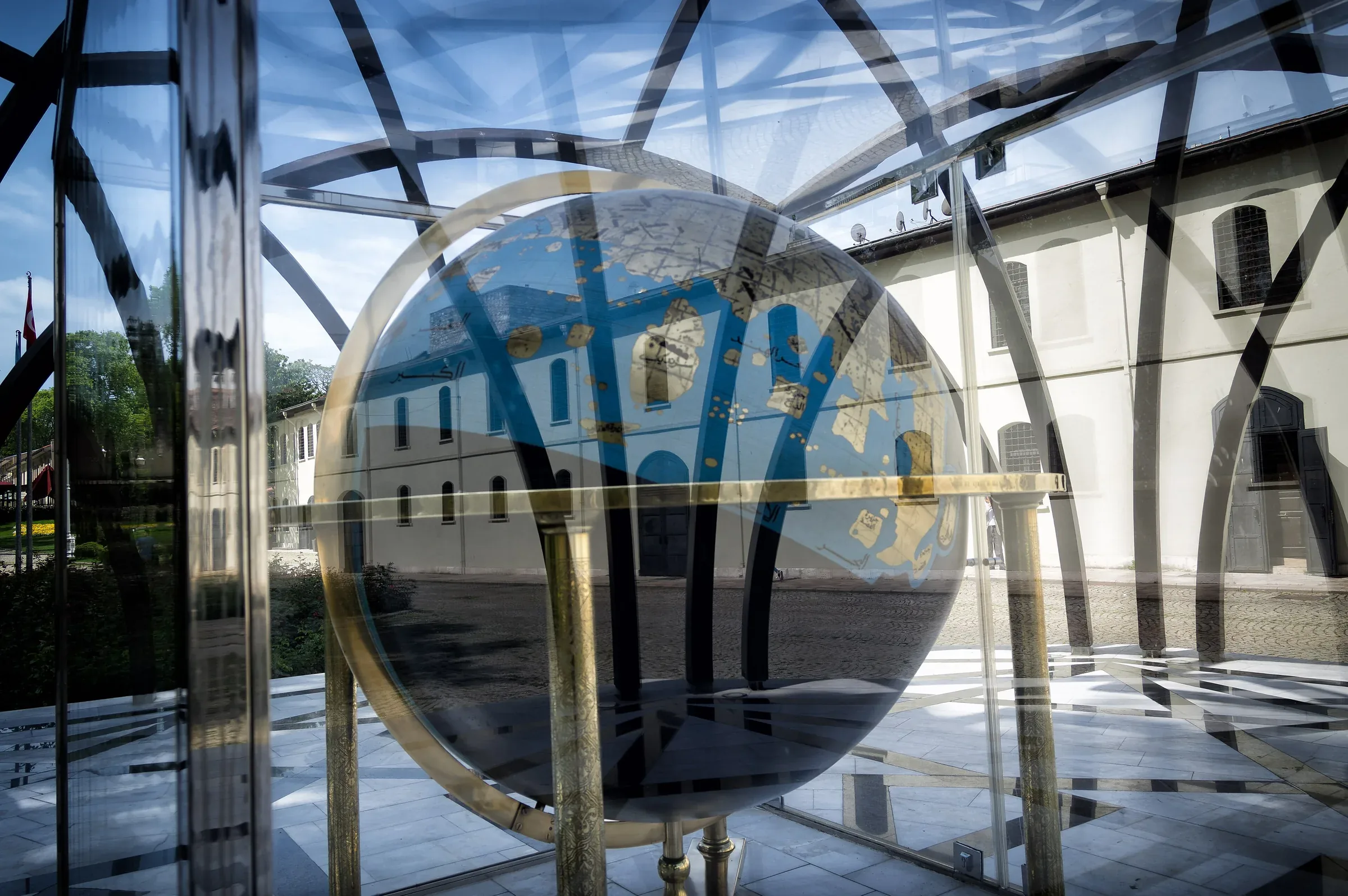
Historic park beside Topkapı Palace with wide lawns, playgrounds, and Bosphorus views perfect for family picnics and letting children run.
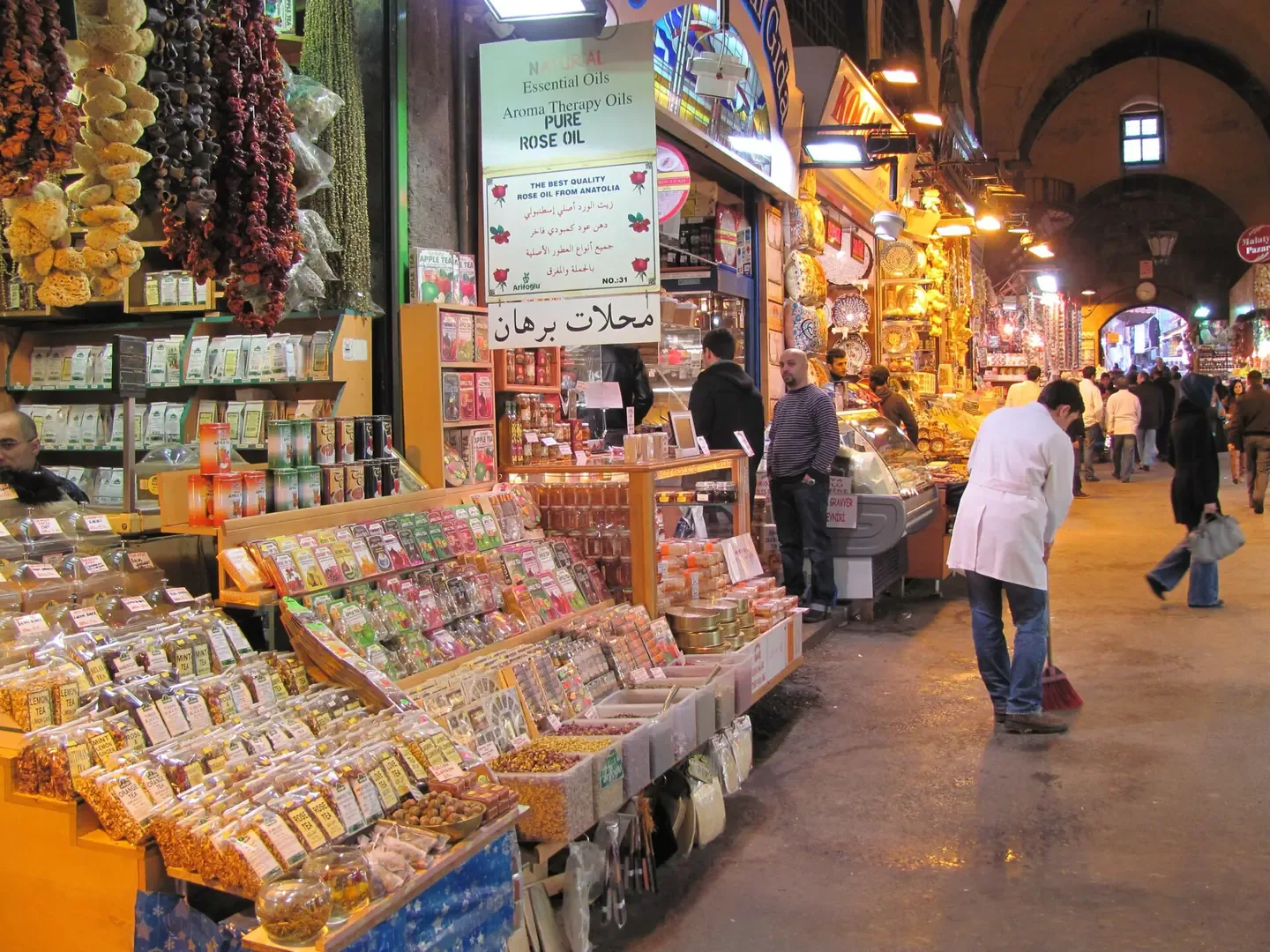
One of the world’s oldest and largest covered markets with over 4,000 shops selling carpets, jewelry, ceramics, spices, and textiles.
Historic covered market beside the New Mosque specializing in spices, Turkish delight, dried fruits, nuts, and teas.

1.4 km pedestrian boulevard in Beyoğlu lined with boutiques, historic passages, modern malls, and street life.
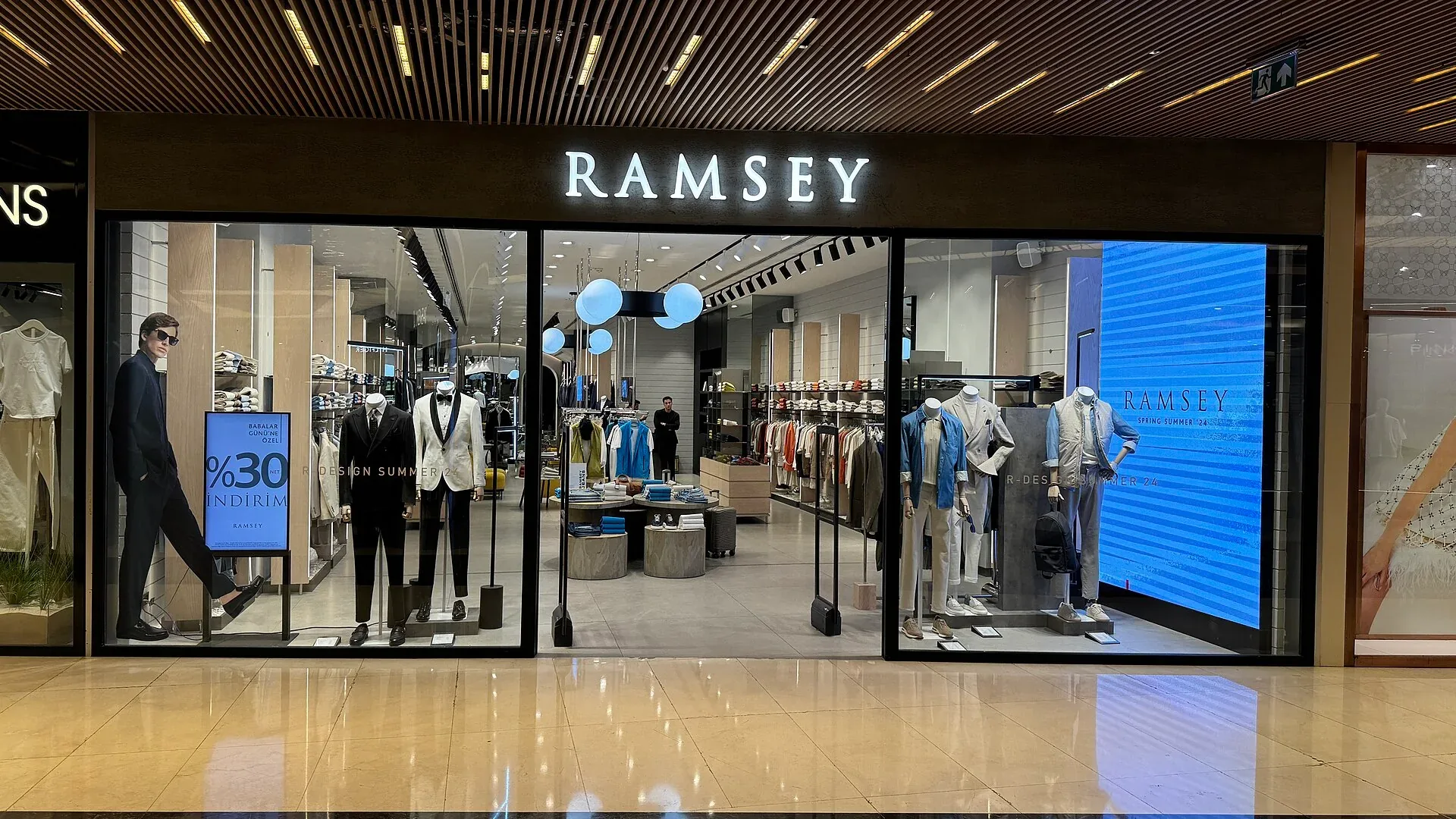
Upscale mixed-use complex in Beşiktaş offering over 200 luxury and international stores plus an Apple flagship in a modern waterfront-adjacent setting.
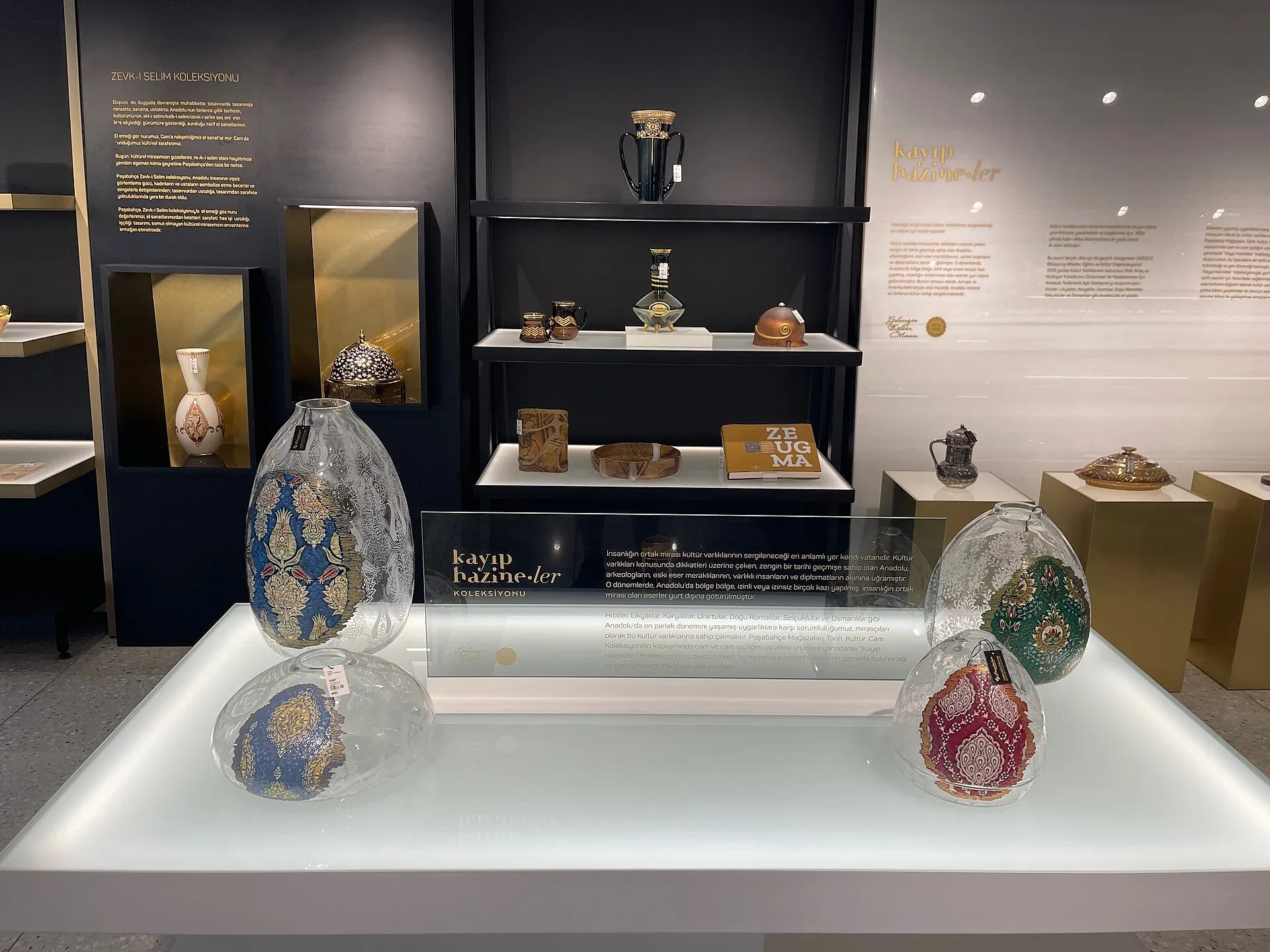
14-kilometre upscale outdoor shopping street on the Asian side lined with boutiques, department stores, and cafés popular with locals and visitors alike.
Upscale shopping district featuring luxury boutiques, designer stores, and high-end department stores in a refined residential neighborhood.
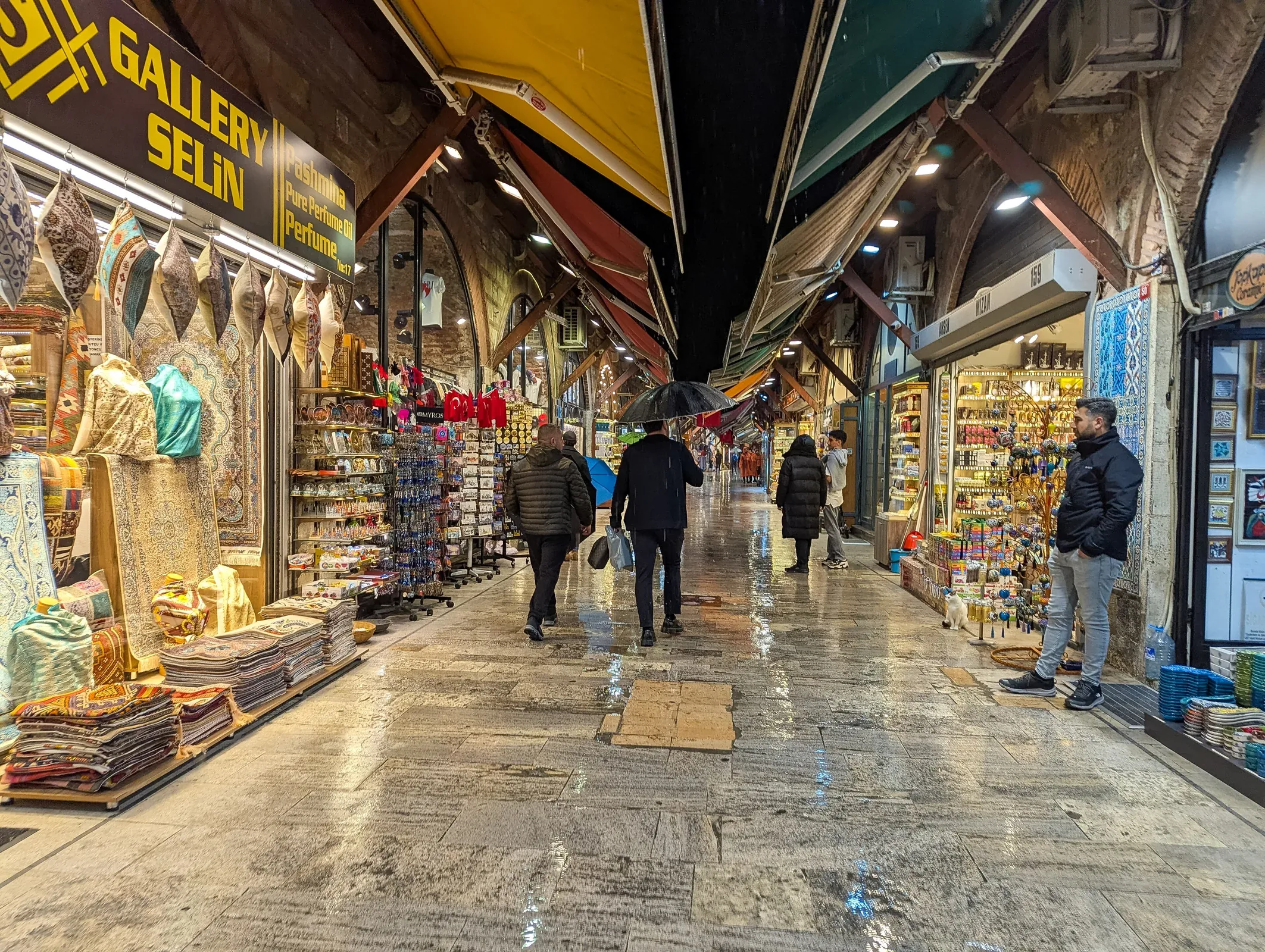
Smaller, upscale covered bazaar adjacent to the Blue Mosque offering carpets, jewelry, textiles, and souvenirs with less pressure than larger markets.
Istanbul’s dedicated modest-fashion mall offers over 130 boutiques focused on hijabs, abayas, dresses and accessories tailored for conservative Muslim women.
Sahaflar Çarşısı (Old Book Bazaar) is a shopping in Eminönü for Istanbul travellers who want a clearer plan around location, timing, Muslim-friendly practicalities and nearby route pairings.
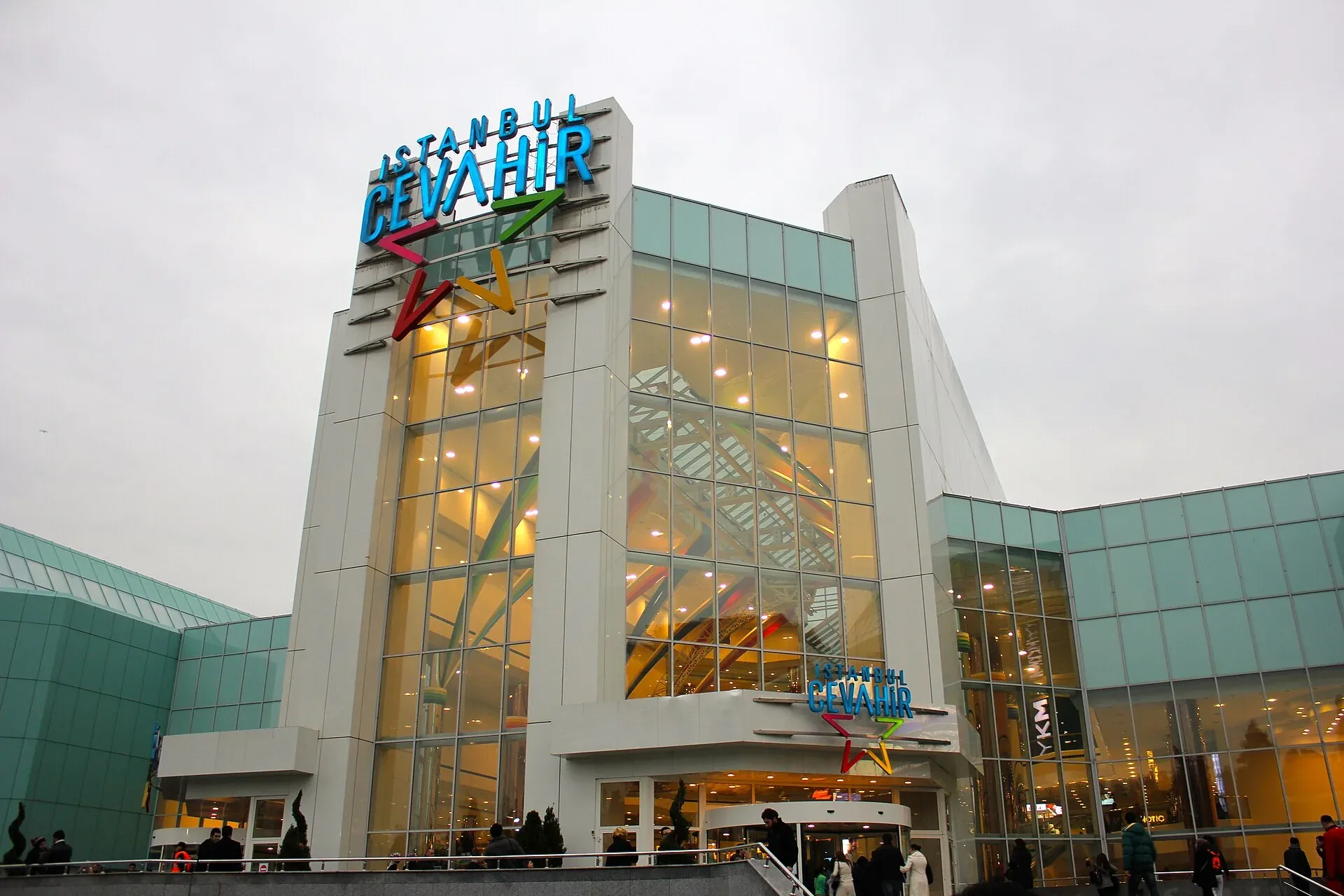
One of Europe’s largest malls with more than 340 stores, cinemas and extensive dining, located in Şişli on the European side.
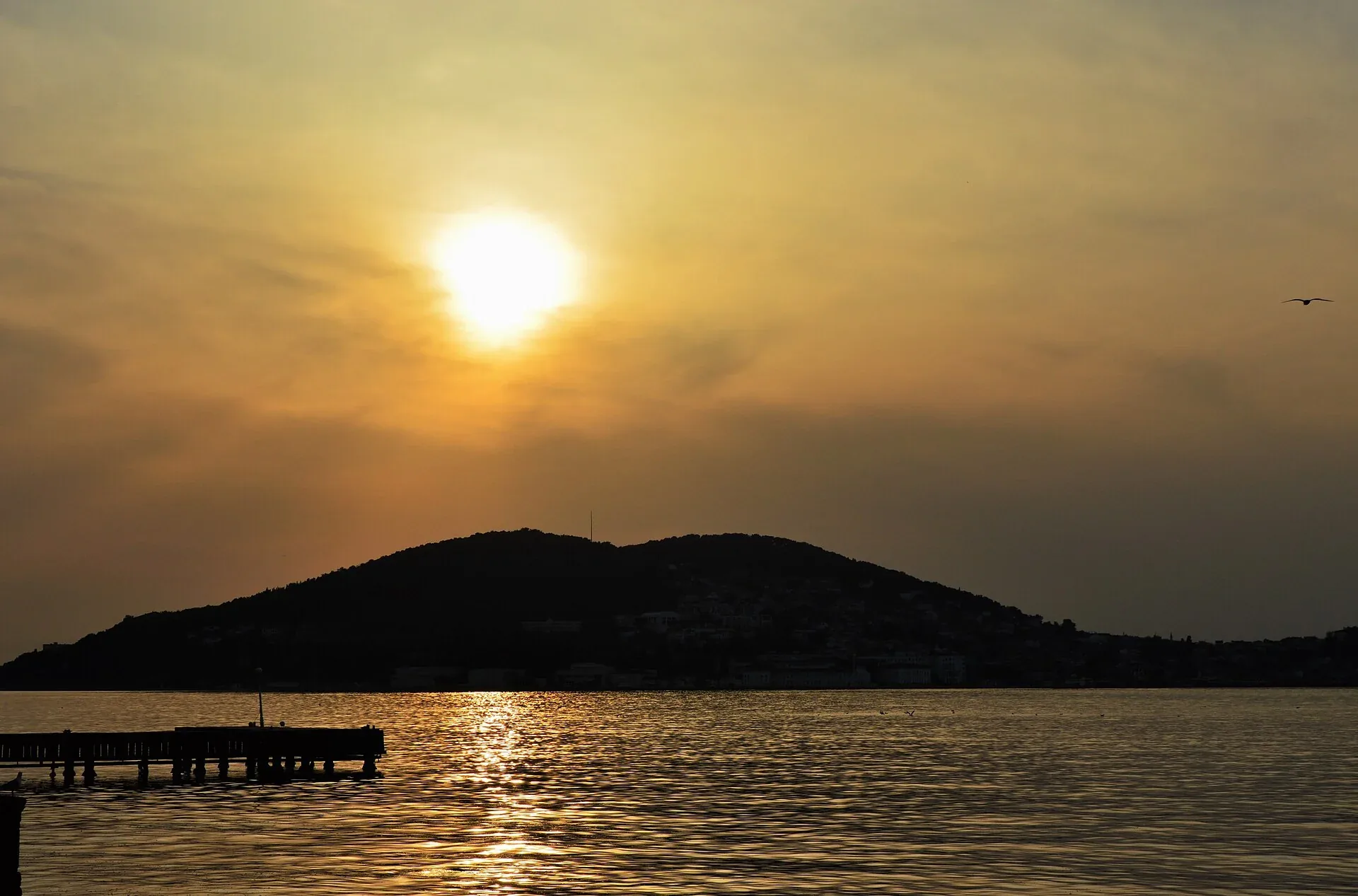
Ferries depart from Eminönü and Kadıköy; Büyükada is the main stop Island mosques provide prayer facilities; beaches open seasonally

Sarıyer ferry terminal connects to multiple Bosphorus routes Local mosques open for visitors; prayer times posted at piers
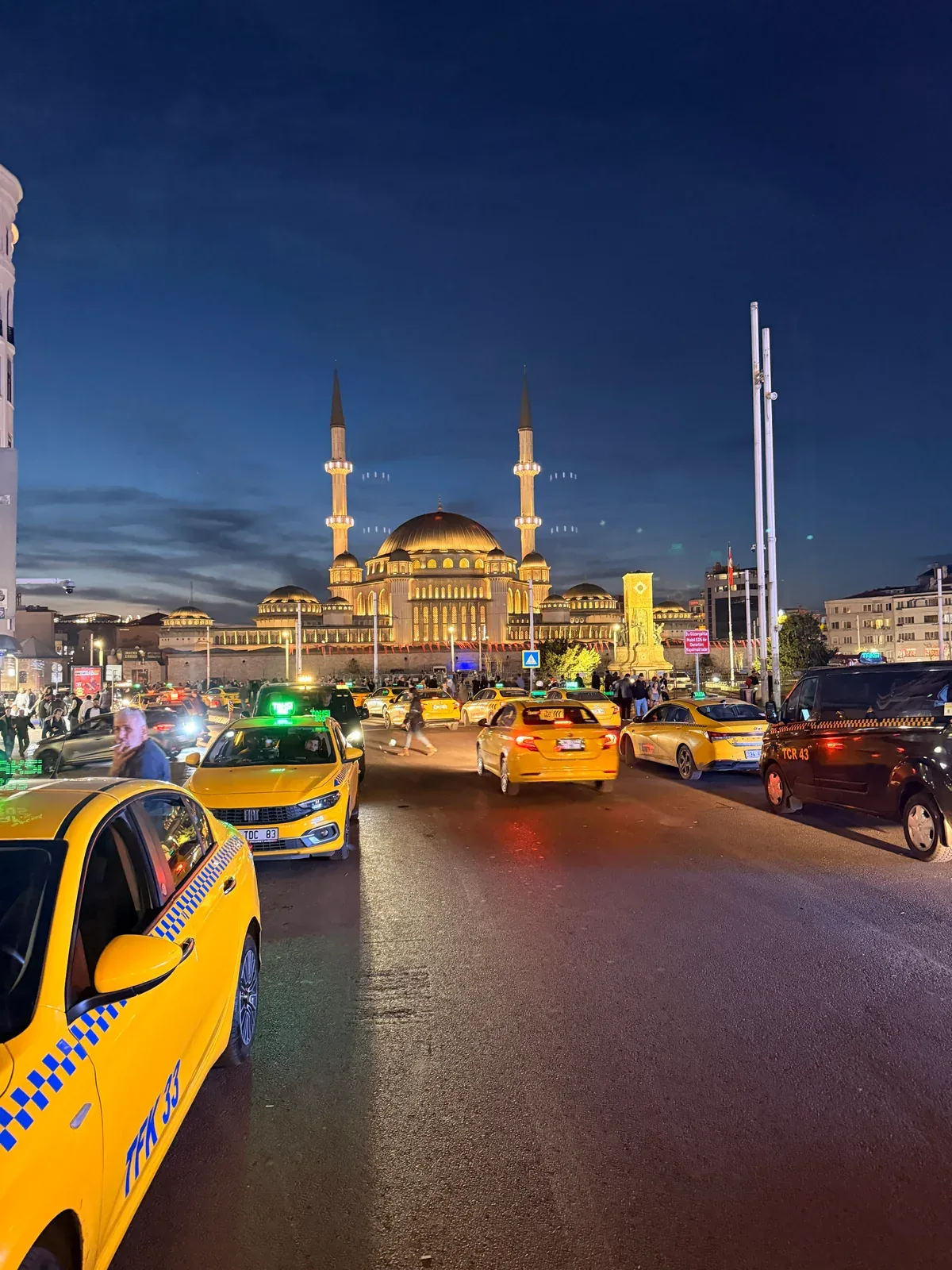
Metro M2 line connects directly to airport and old city Prayer space available at Taksim Mosque and smaller nearby options
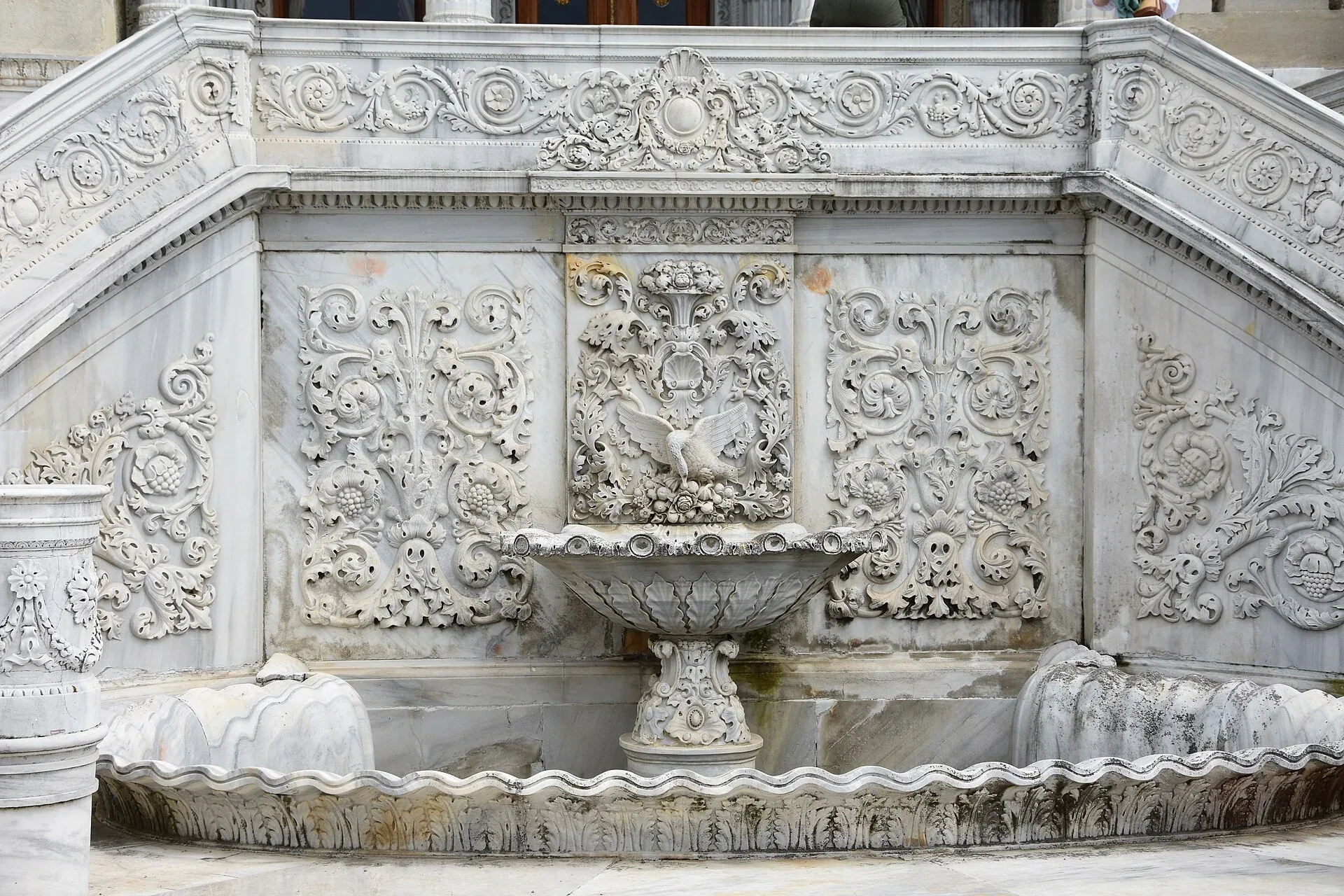
Ferry piers at Üsküdar and Beylerbeyi serve European connections frequently Mosques such as Mihrimah Sultan and Yeni Valide open for visitors outside prayer times
Use Şehir Hatları ferries from Beşiktaş or Sarıyer piers for quick crossings Prayer times available at local mosques; most open 24 hours for individual visits
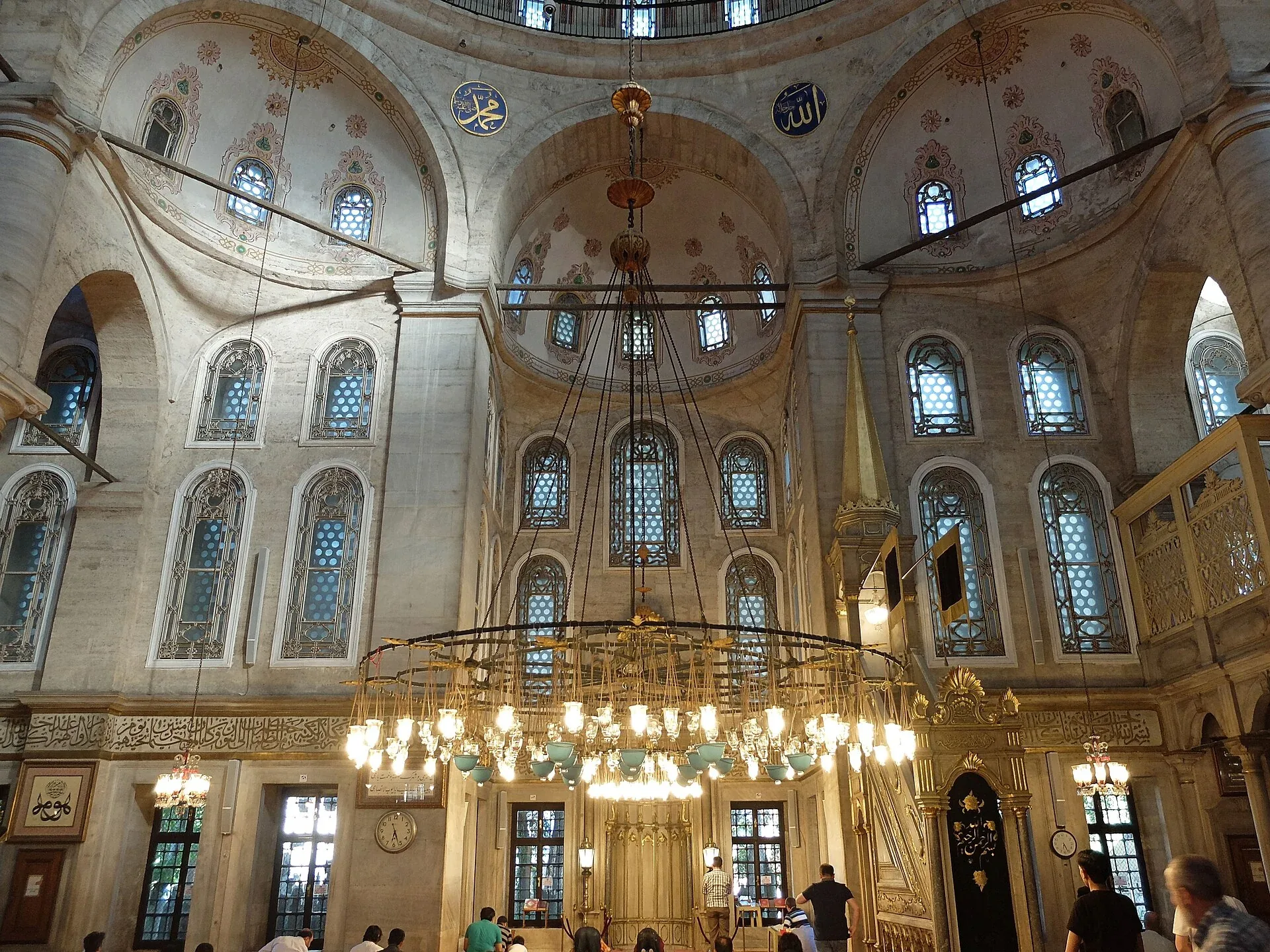
Eyüp Sultan Mosque complex open 24 hours for prayer; women’s section separate. Cable car operates daily from 8:00 to 22:00; queues form on weekends. Golden Horn waterfront path connects to Balat in approximately 30 minutes on foot.
Metro M2 line serves Şişli and Bomonti stations with frequent service to Taksim and Levent. Major hotels cluster around the metro exits; most provide prayer rooms or nearby mosque access. Bomonti’s side streets host newer independent restaurants with varying alcohol policies.
Main streets best explored on foot; limited vehicle access in the historic core. Greek Orthodox Patriarchate in Fener open to respectful visitors outside service times. Ferry or bus connections at Ayvansaray link to Eyüp and the European side.
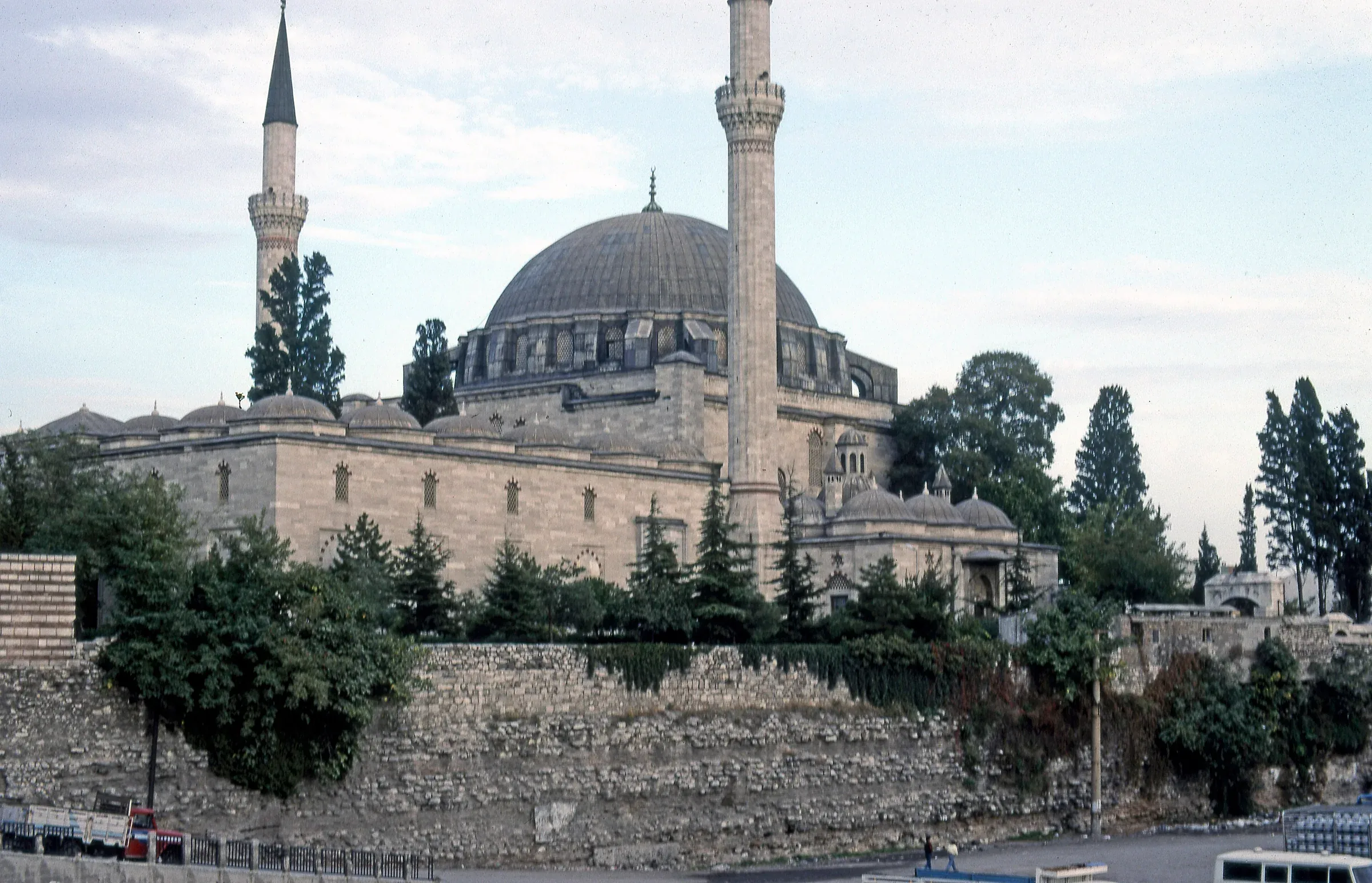
Fatih Mosque complex open daily; women’s section accessible via side entrance. Tram line T1 stops at Fatih and connects to Sultanahmet and Eminönü in under 15 minutes. Local restaurants along Fevzi Paşa Caddesi offer consistent halal options with no alcohol service.

Produce market operates daily from early morning; busiest on weekends. Ferry pier directly serves European-side terminals every 15–30 minutes during daylight. Multiple mosques within five-minute walk of the main square provide reliable prayer access.
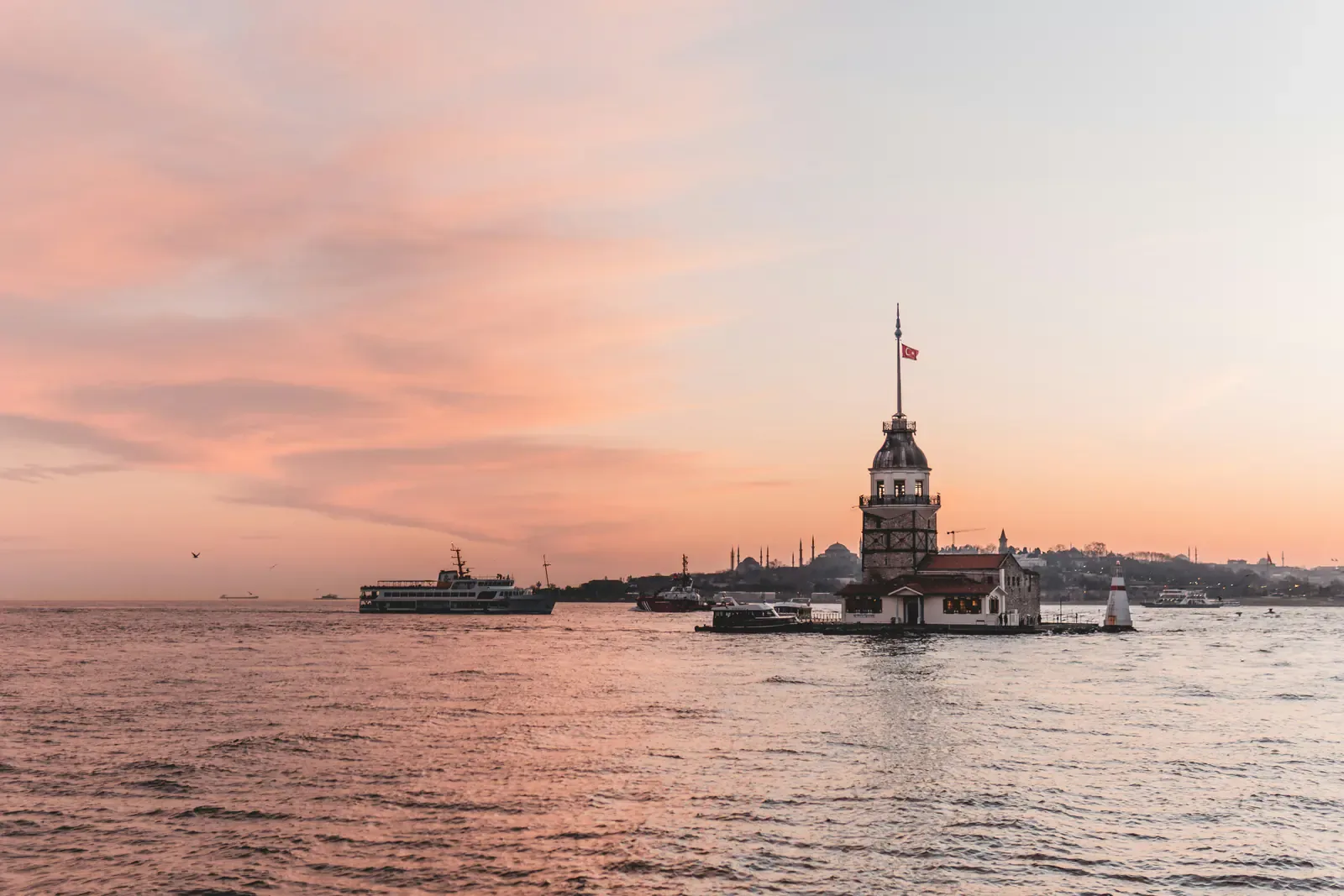
Iconic lighthouse tower on a tiny Bosphorus islet, restored and reopened with a museum, café, and panoramic 360-degree views of both shores.
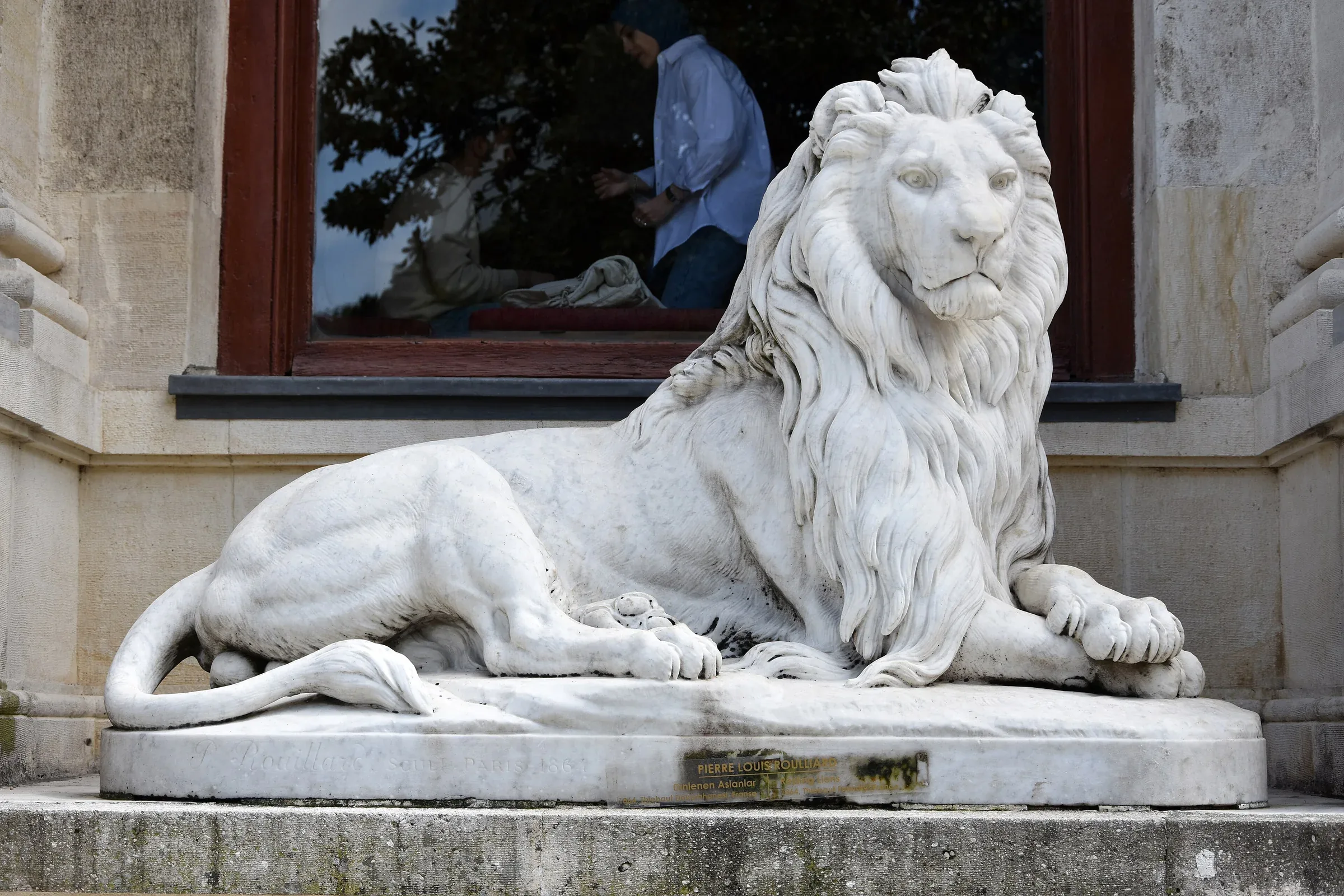
19th-century Ottoman imperial summer palace on the Asian shore, featuring lavish interiors, formal gardens, and a quiet contrast to the busier European-side palaces.

Former Byzantine church turned mosque, renowned for its glittering 14th-century mosaics and frescoes depicting the life of Christ and the Virgin Mary.
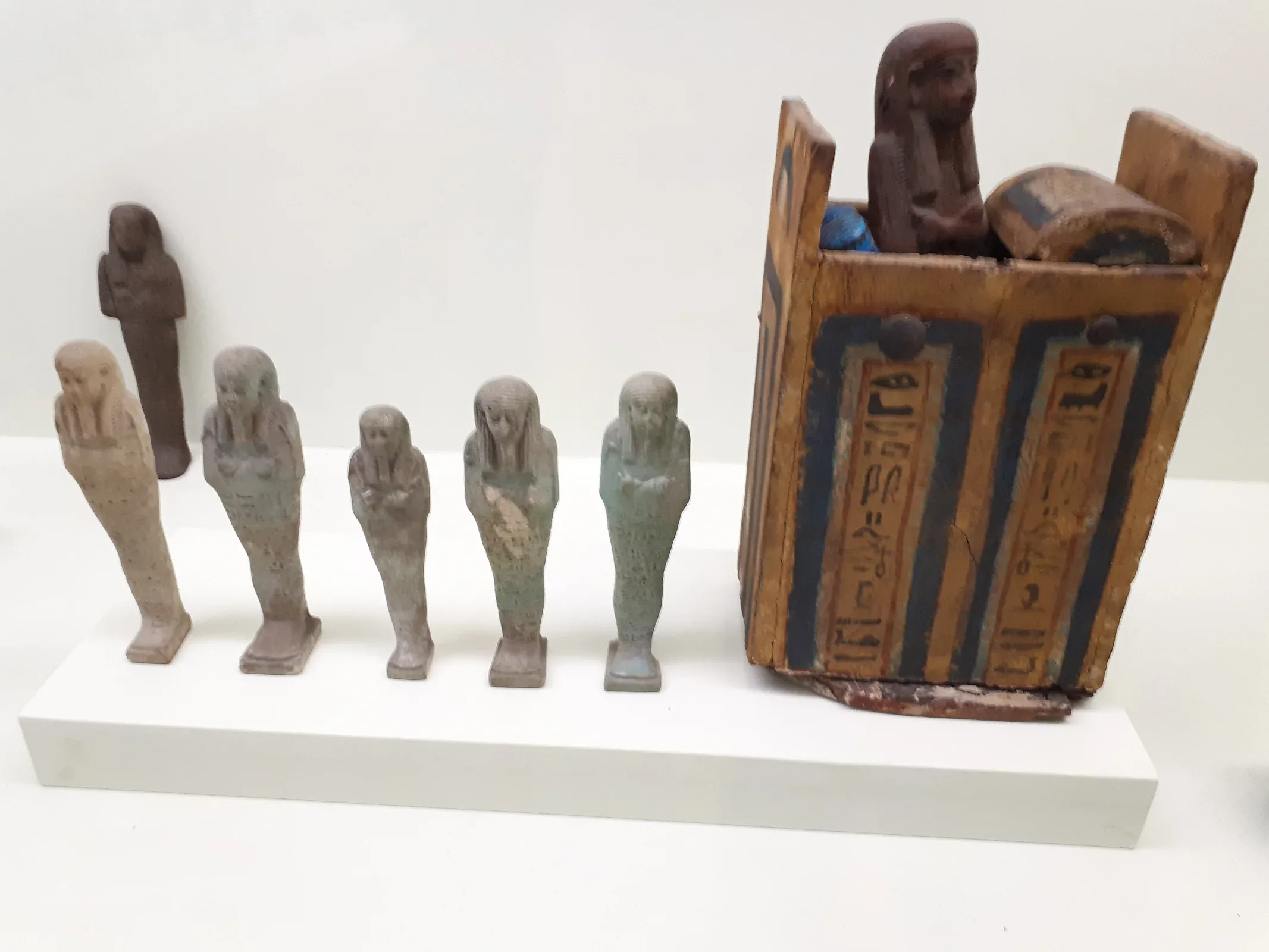
Three-museum complex housing 1.5 million artifacts spanning Ottoman, Byzantine, and ancient Near Eastern civilizations, steps from Topkapı Palace.

Striking 4th-century Roman aqueduct slicing through the Fatih district, offering a tangible link to Byzantine water engineering amid everyday city life.
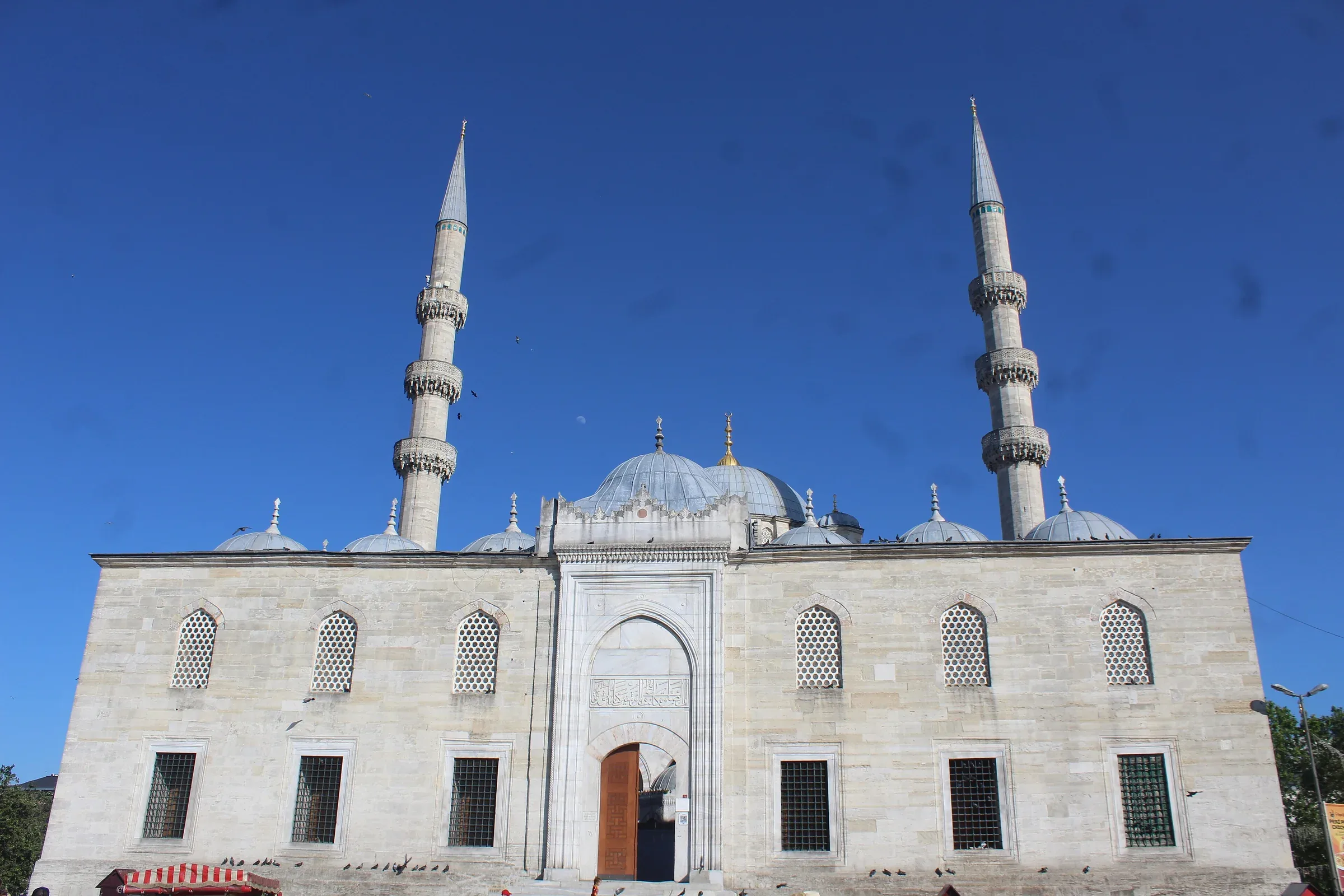
A 17th-century Ottoman mosque dominating Eminönü waterfront with intricate Iznik tiles and commanding views over the Golden Horn.
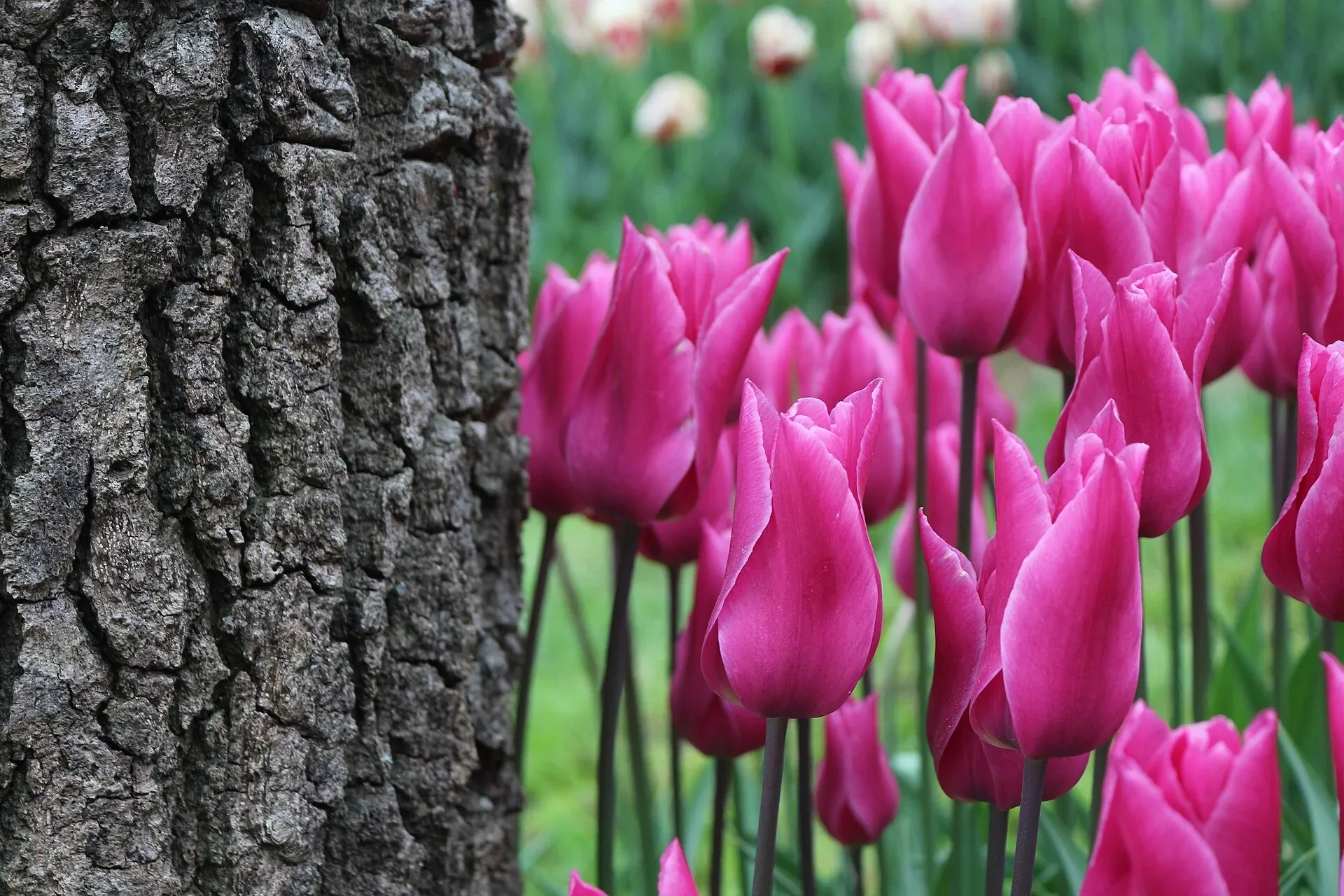
Citywide spring display of millions of tulips in parks and public spaces, celebrating Ottoman heritage and family outings.
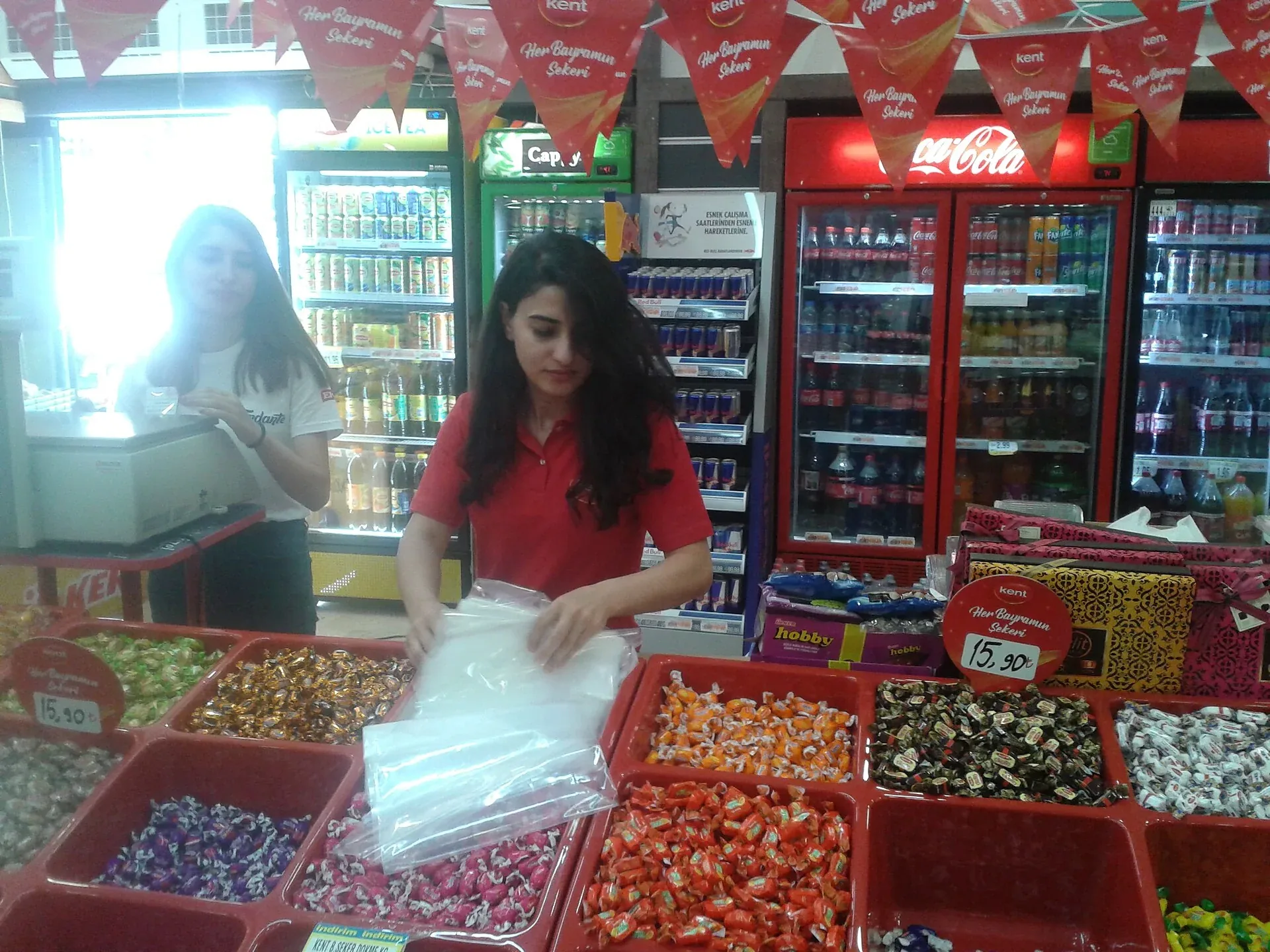
Citywide celebration marking the end of Ramadan with family visits, sweets, mosque illuminations, and communal prayers.
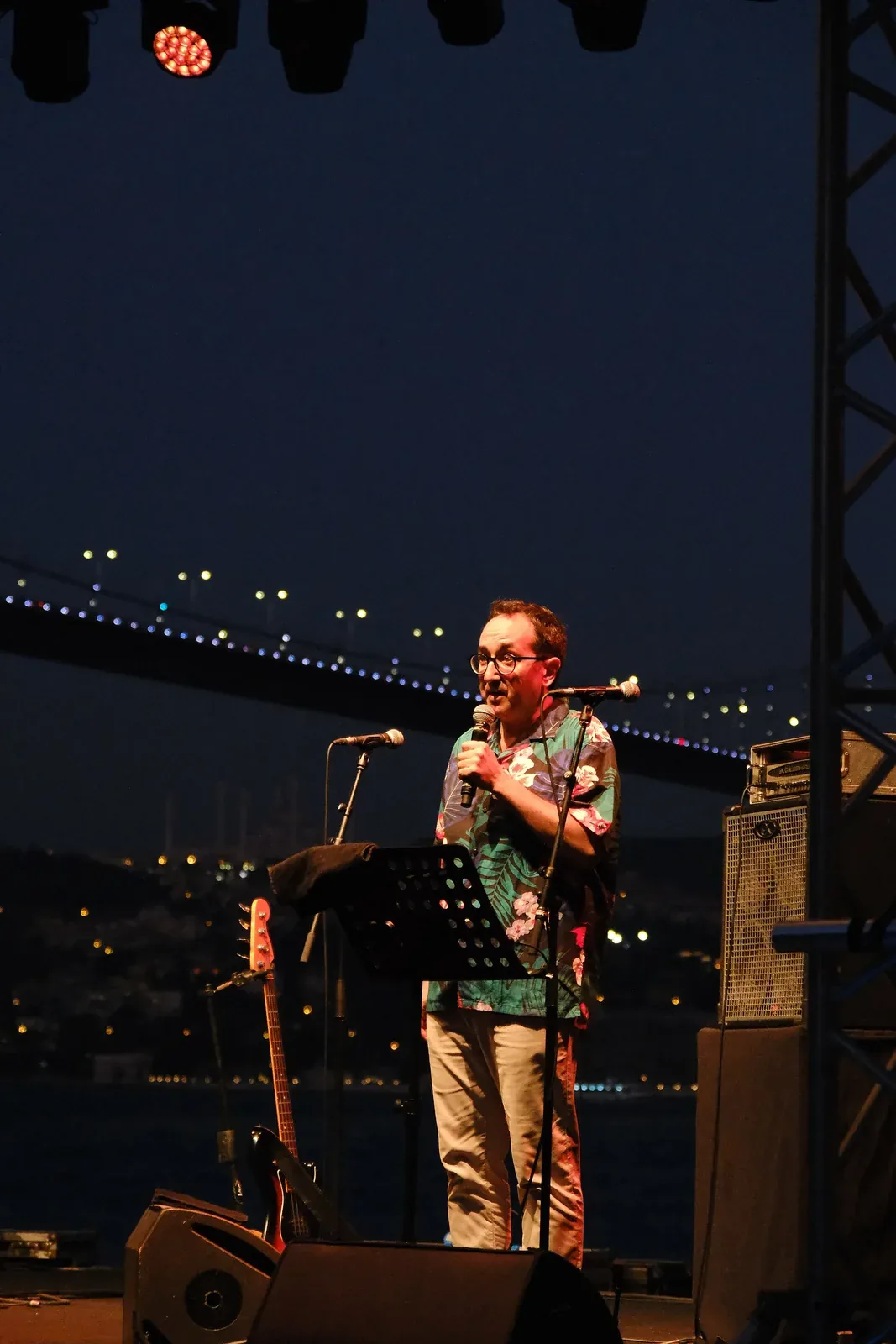
Major summer music event with international and Turkish jazz artists across multiple venues, drawing diverse crowds for live performances and late-night sets.
Classical and contemporary music series presenting orchestras, soloists and new commissions at historic and modern halls across the city.
Traditional spring celebration with music, fire-leaping, and folk rituals centered in Ahirkapi near Sultanahmet.
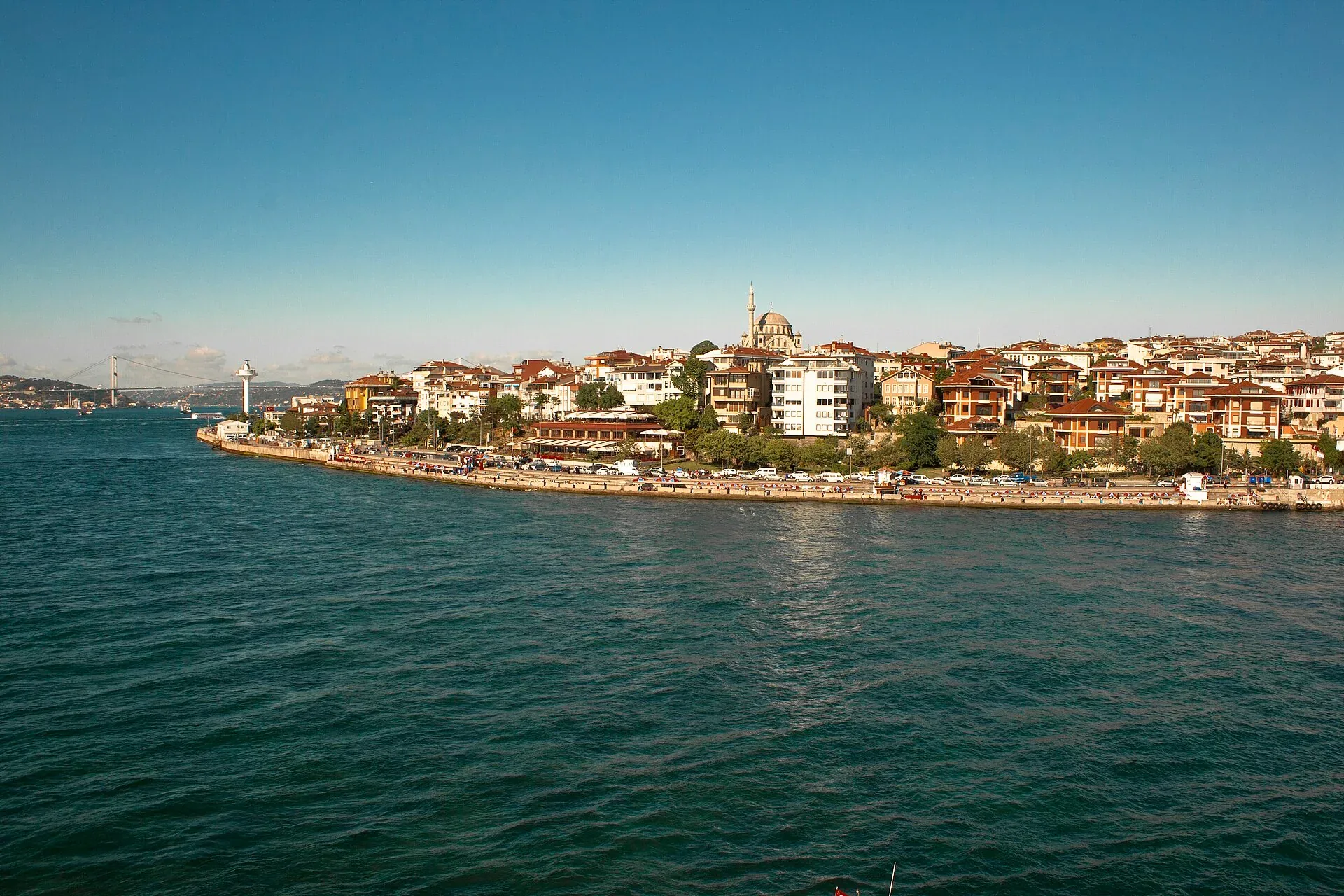
Public and private options let visitors cross two continents in under two hours while passing Ottoman palaces, fortresses and waterfront mosques.
A guided walk through the seven hills linking Hagia Sophia, Topkapı Palace, the Blue Mosque and the Grand Bazaar with built-in prayer and halal-meal breaks.
Timed entry and context tour of the former cathedral turned imperial mosque, now functioning mosque, with emphasis on prayer etiquette and architectural layers for Muslim visitors.
Full guided visit to the 19th-century Ottoman palace on the European shore, covering the lavish interiors, clock tower, and gardens with direct relevance to Muslim-traveler interest in late Ottoman heritage.
Private or small-group tour of the Ottoman imperial complex with focused access to the Harem quarters and sacred relics chamber.
Car-free islands in the Sea of Marmara offering pine forests, wooden mansions and quiet beaches reachable by 60-90 minute public ferry from Kabataş or Bostancı.
Small-group evening walk sampling street foods, Ottoman palace sweets and spice-market staples across Eminönü and Karaköy with confirmed halal vendors.
Two-hour guided tasting walk through the Egyptian Bazaar and surrounding Eminönü stalls focusing on Turkish spices, lokum, and halal street foods with practical prayer timing built in.
Half-day guided walk focused on the Blue Mosque’s Ottoman design, adjacent Hagia Sophia, and practical prayer windows for Muslim visitors.
Three-hour guided exploration of the Grand Bazaar with stops at trusted halal vendors and a nearby han for lunch.
Iconic 17th-century imperial mosque in Sultanahmet with six minarets and vast Iznik tilework; active worship site where visitors must time arrivals between the five daily prayers.
Former Byzantine cathedral and Ottoman mosque, reconverted to active mosque in 2020; layered history with vast interior where prayer continues alongside controlled visitor access.
Masterwork of Mimar Sinan with one of the largest domes in Ottoman architecture; serene hilltop setting and active prayer life make it a quieter alternative to Sultanahmet crowds.
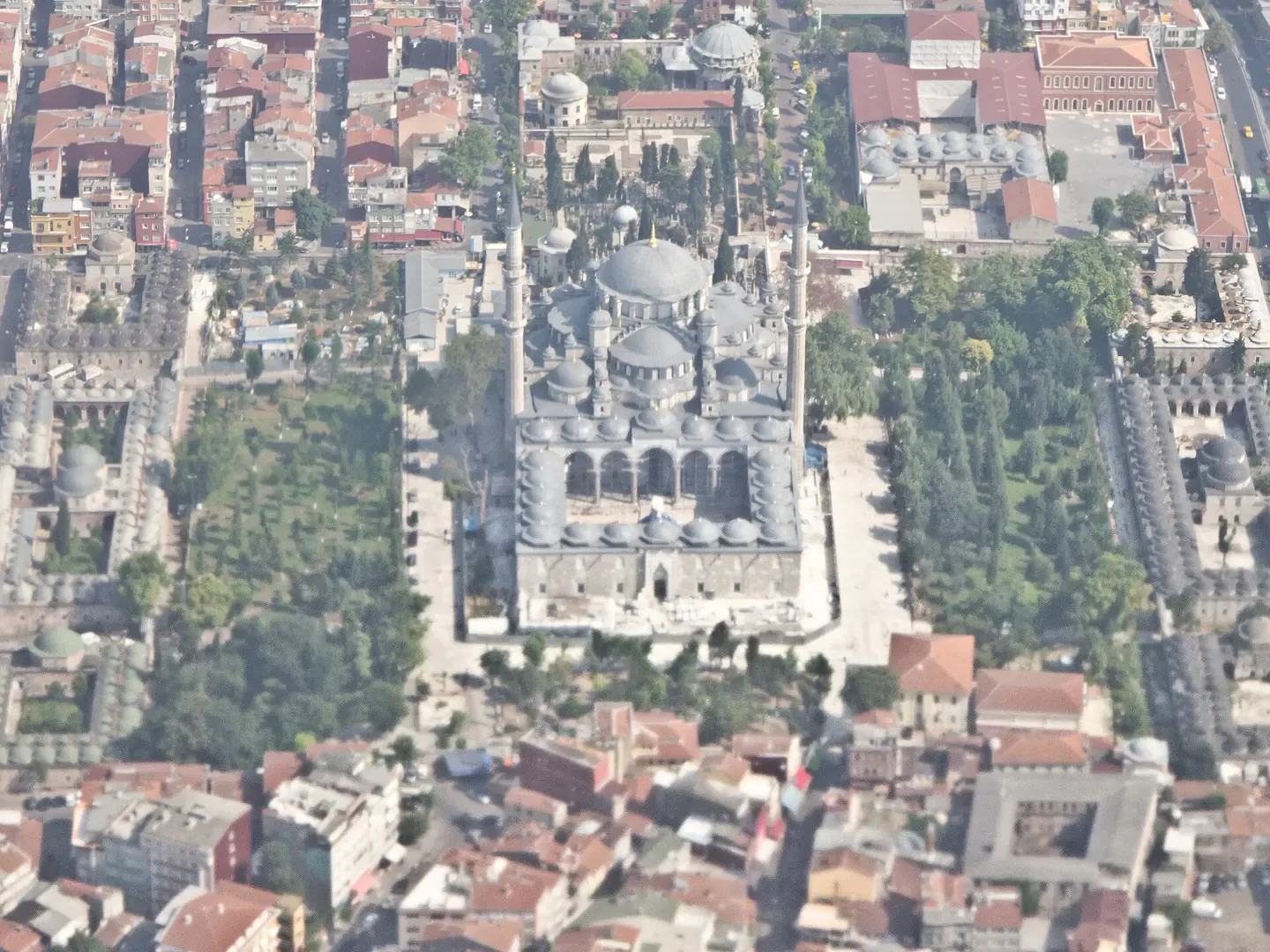
A commanding Ottoman complex built by Mehmed the Conqueror, offering spacious prayer halls, historic madrasas, and reliable access for travelers exploring Fatih and the old city.
One of Istanbul’s holiest sites, built around the tomb of Abu Ayyub al-Ansari; popular pilgrimage destination on the Golden Horn with strong spiritual resonance for Muslim visitors.
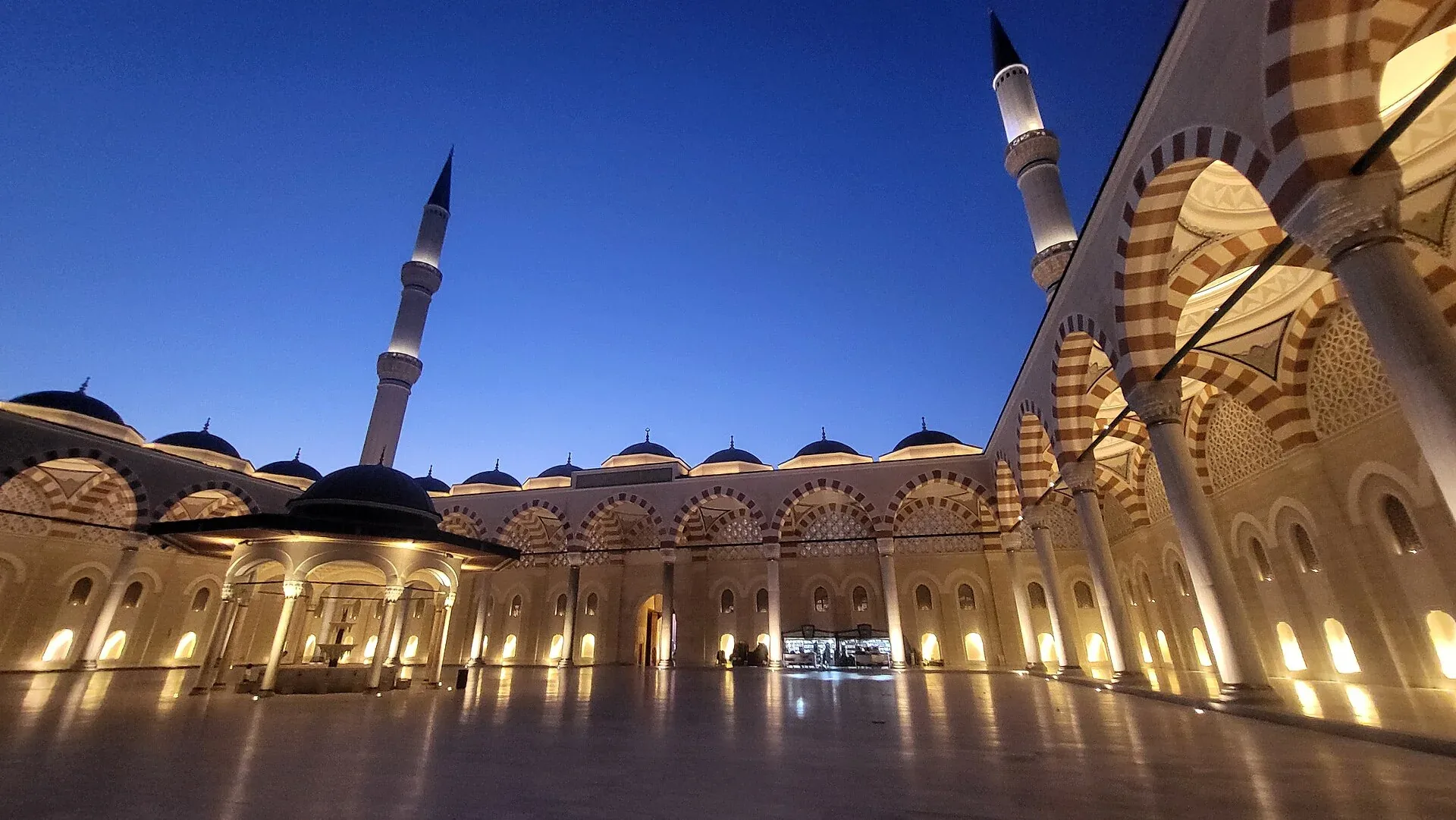
Turkey’s largest mosque, opened in 2019 on Çamlıca Hill with capacity for 63,000 worshippers; modern Ottoman-Seljuk design and sweeping Bosphorus views.
Istanbul Airport (IST) and Sabiha Gökçen Airport (SAW) are on opposite sides of the metropolitan area. Official airport taxis, municipal or contracted airport buses, metro links where operating, car hire and pre-arranged hotel transfers are available. Choose by final district and arrival time rather than airport distance alone; a hotel in Sultanahmet, Beyoğlu, Kadıköy or Üsküdar can have very different crossing times.
Istanbul's integrated network includes Metro Istanbul rail lines, trams, funiculars, Marmaray, municipal buses and Şehir Hatları ferries. Istanbulkart is the practical payment tool for many services; check current fares, operating hours, transfer rules and service notices on the official operator sites because tariffs and closures change. Ferries are both transport and a useful way to pace a day between European and Asian districts.
Istanbul taxis are metered and operate from airports, hotels, squares and marked ranks; approved ride-hailing and taxi-booking apps can help with pickup details. Confirm the vehicle, plate, meter and destination before leaving, keep the hotel address in Turkish, and use a receipt or in-app record when available. Never accept an unsolicited airport or street offer that bypasses the official rank.
Entry to Türkiye depends on nationality, passport type, travel purpose and permitted stay. Some visitors are visa-exempt, while others must obtain an e-Visa or apply through a Turkish mission; the official e-Visa system is valid for tourism or commerce only. Check your nationality on the Ministry of Foreign Affairs and e-Visa websites before paying any third-party service.
April to May and September to October are usually the most balanced periods for Istanbul's historic peninsula, Bosphorus ferries, neighbourhood walks and family itineraries. June can be pleasant but busy, while July and August bring stronger heat, humidity and peak demand. Ramadan and Eid can change dining rhythms, mosque visitation patterns and evening traffic; verify dates and venue notices each year.
Istanbul has a transitional climate influenced by the Black Sea and the Sea of Marmara. Summers are generally warm and humid, winters are cool with regular rain and occasional snow, and spring and autumn can change quickly within a single day. Pack layers, comfortable waterproof shoes, sun protection and a light outer layer for mosques, ferries and heavily air-conditioned interiors.
Istanbul uses the Turkish lira (TRY). Cards and contactless payments are common in hotels, modern restaurants, malls and ticketed attractions, while cash remains useful for small bakeries, market stalls, tips, local ferries and contingency purchases. Exchange rates and foreign-card charges depend on your bank; compare the final amount and decline unrequested dynamic currency conversion when your card provider offers a better rate.
Istanbul is Türkiye's largest city, divided by the Bosphorus between European and Asian districts. Turkish is the official language, Istanbul uses Türkiye Time (UTC+3), and the principal international gateways are Istanbul Airport (IST) and Sabiha Gökçen Airport (SAW). The historic peninsula, Beyoğlu, Beşiktaş, Kadıköy and Üsküdar are different planning zones connected by rail, buses, ferries and bridges.
Türkiye's public holidays include national days and religious holidays whose Gregorian dates move each year. Ramadan and Eid can change meal hours, mosque attendance, family schedules and evening traffic, while Republic Day and other national holidays can increase demand at major museums, squares and transport hubs. Check the official annual holiday calendar before fixing a museum-heavy itinerary.
Istanbul is a busy, highly visited city where ordinary precautions matter most around crowded tram platforms, bazaars, ferry queues, nightlife streets and transport interchanges. Keep passports and phones secure, use licensed taxis, stay alert to unsolicited guiding or bill changes, and keep children close near water, steep streets and traffic. Respect mosque dress, photography and worship boundaries, and follow current official security notices.
Istanbul's food culture makes halal dining widely accessible, especially in traditional Turkish restaurants, neighbourhood lokantas, bakeries and restaurants around major mosques. Irhal lists halal venues, but a Muslim-majority city is not a substitute for checking the specific restaurant: ask about certification or sourcing, shared equipment, pork, alcohol and imported ingredients when those details matter to you.
Türkiye uses 112 as the single emergency number for ambulance, police, fire and other urgent response services. Give the operator the exact hotel, street, landmark, station or ferry location and a callback number; if language is difficult, ask hotel staff or a trusted local service to help explain the address. For non-urgent assistance, use official police, hospital, airport or tourism-information channels.