Downtown Dubai
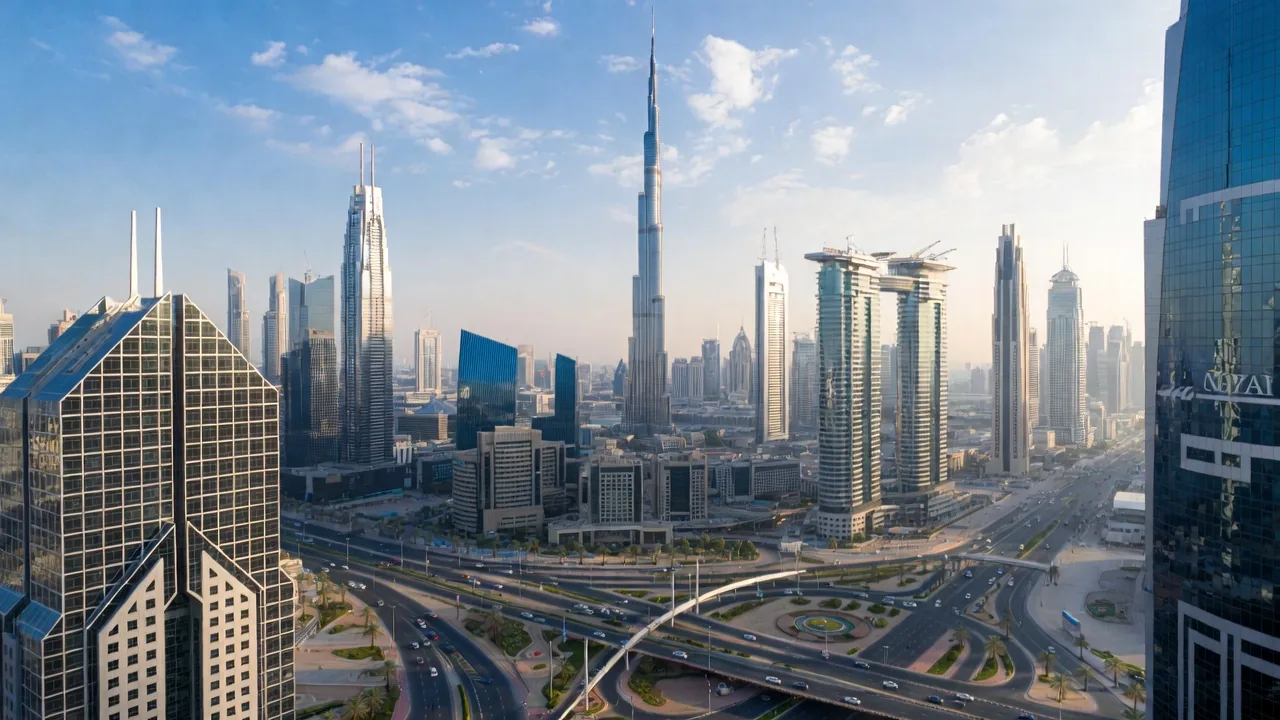
Burj Khalifa
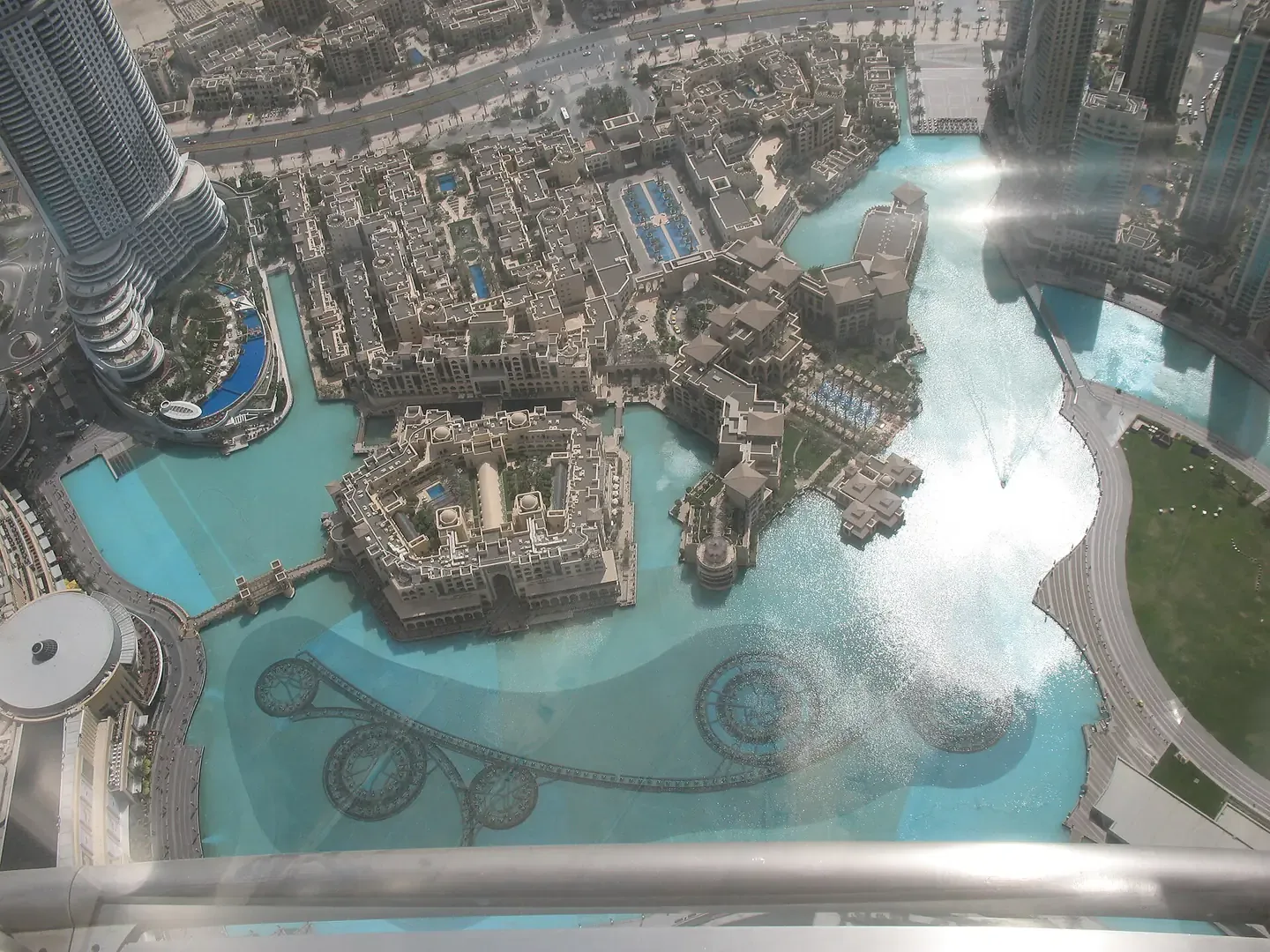
Dubai’s signature skyline landmark and the city’s strongest first stop for a high-level orientation. It pairs naturally with Dubai Fountain, Dubai Mall and Downtown Dubai for a compact, family-friendly half-day.


Dubai is the Gulf's easiest city for first-time Muslim travelers: halal dining is widely available, shopping and family attractions are deep, and the city rewards smart area planning across Downtown, the creek, beaches, Palm Jumeirah and Dubai Marina.
Dubai’s signature skyline landmark and the city’s strongest first stop for a high-level orientation. It pairs naturally with Dubai Fountain, Dubai Mall and Downtown Dubai for a compact, family-friendly half-day.
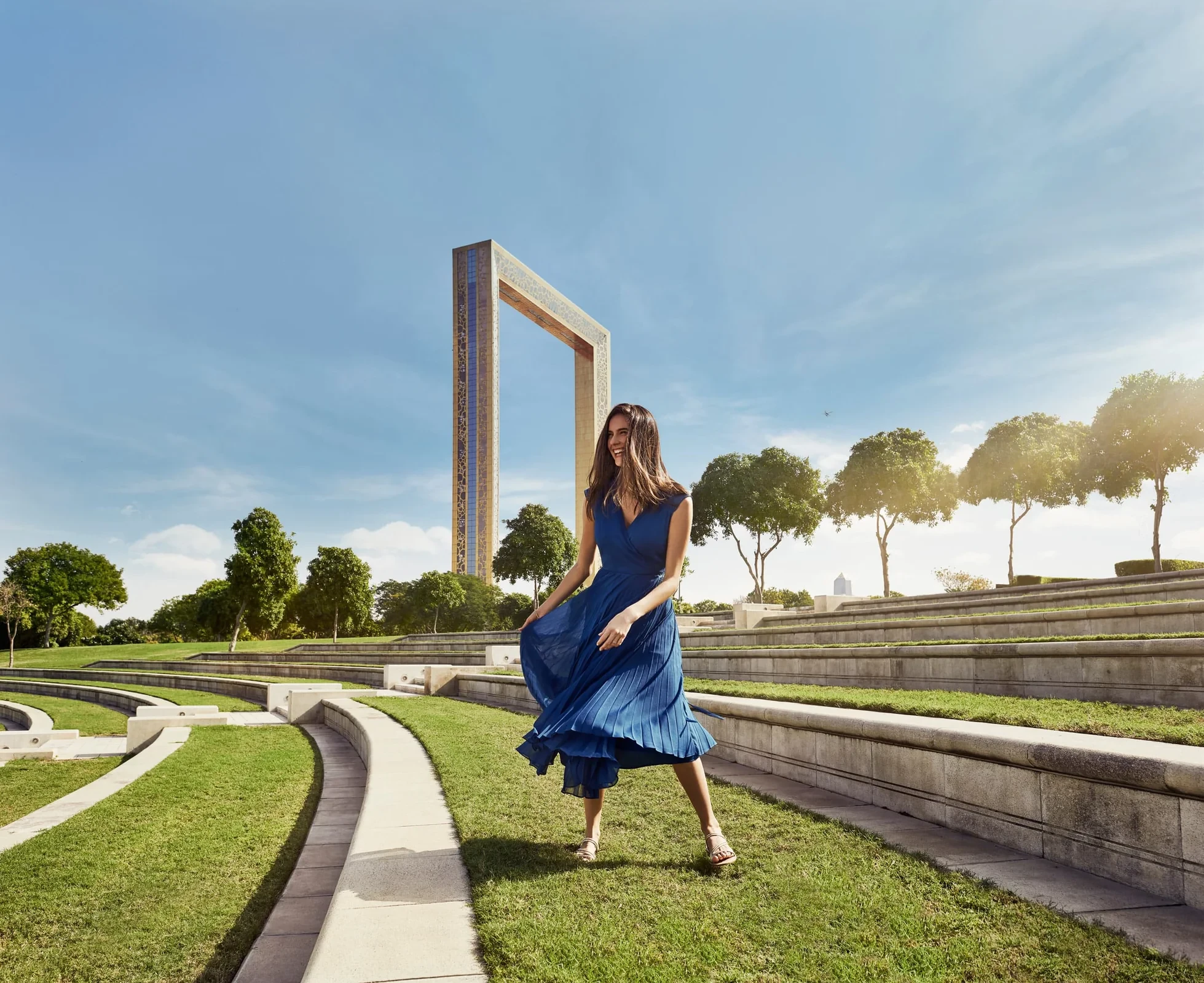
A landmark that tells Dubai’s story from creekside roots to skyline spectacle, with a glass bridge and one of the clearest panoramas in the city.
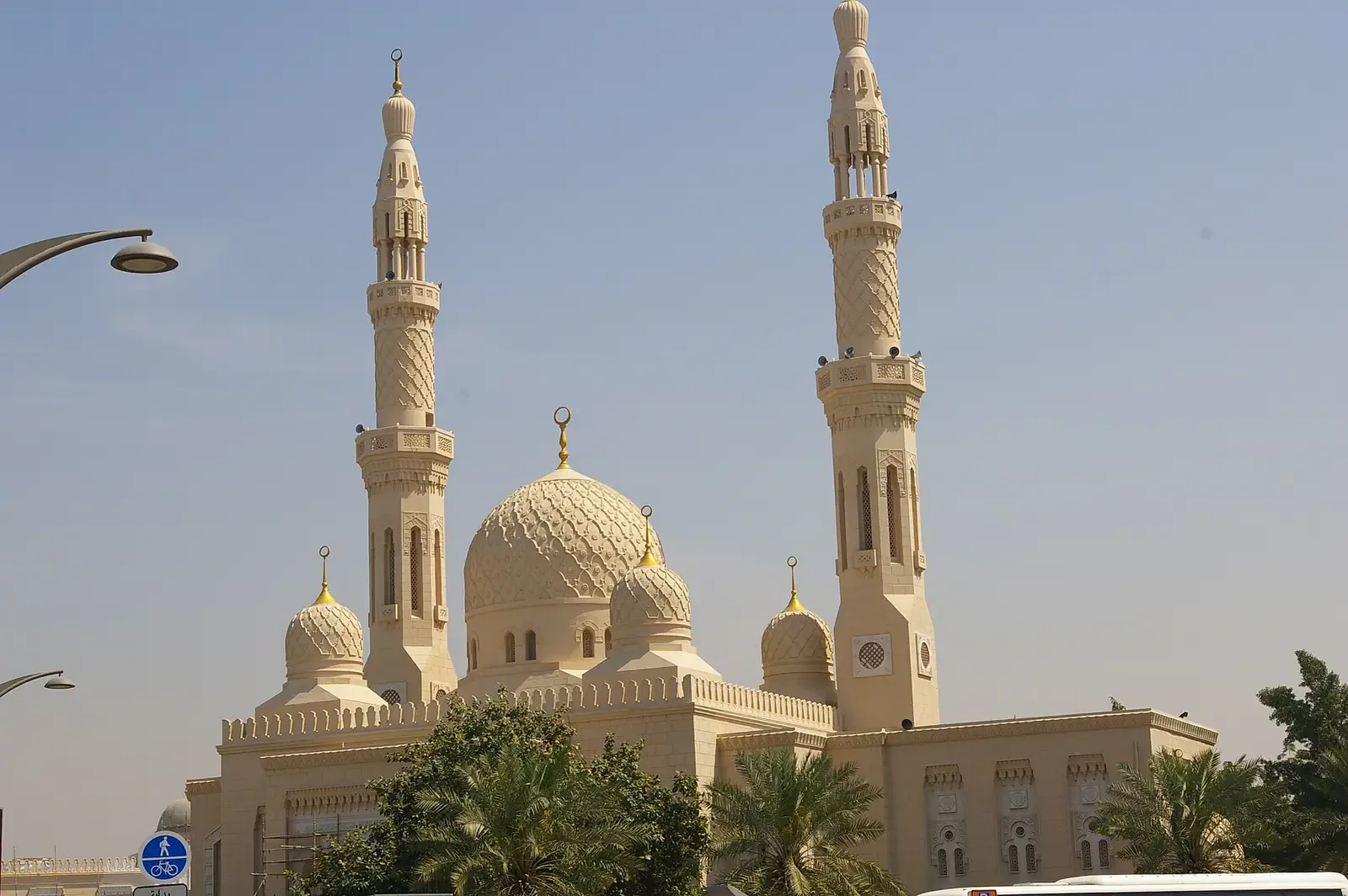
Dubai’s most welcoming mosque visit, and one of the strongest first stops for Muslim and non-Muslim travelers who want cultural context without sacrificing dignity or ease.
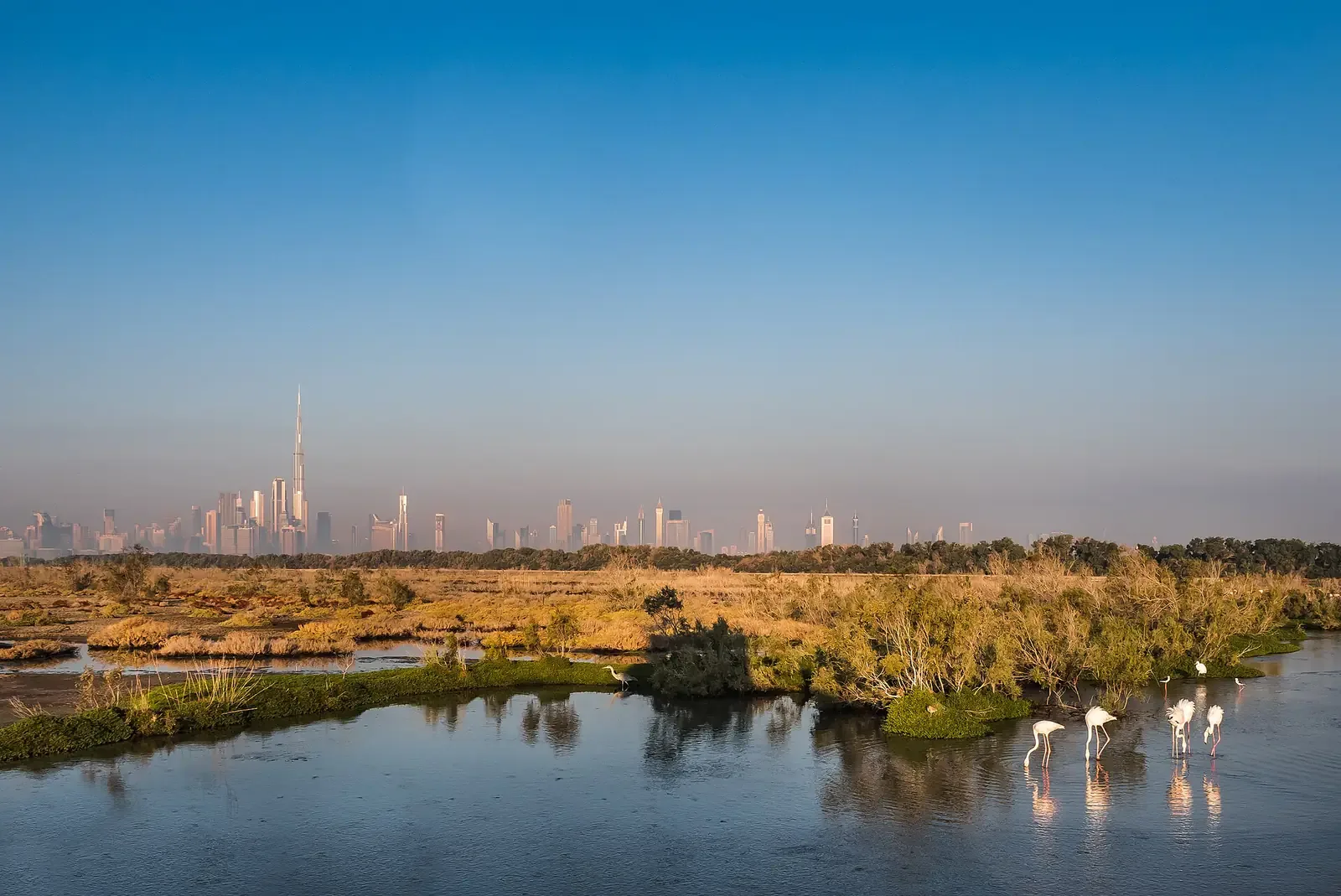
Dubai’s best easy wildlife break, with flamingos and wetland birdlife close to the city centre.
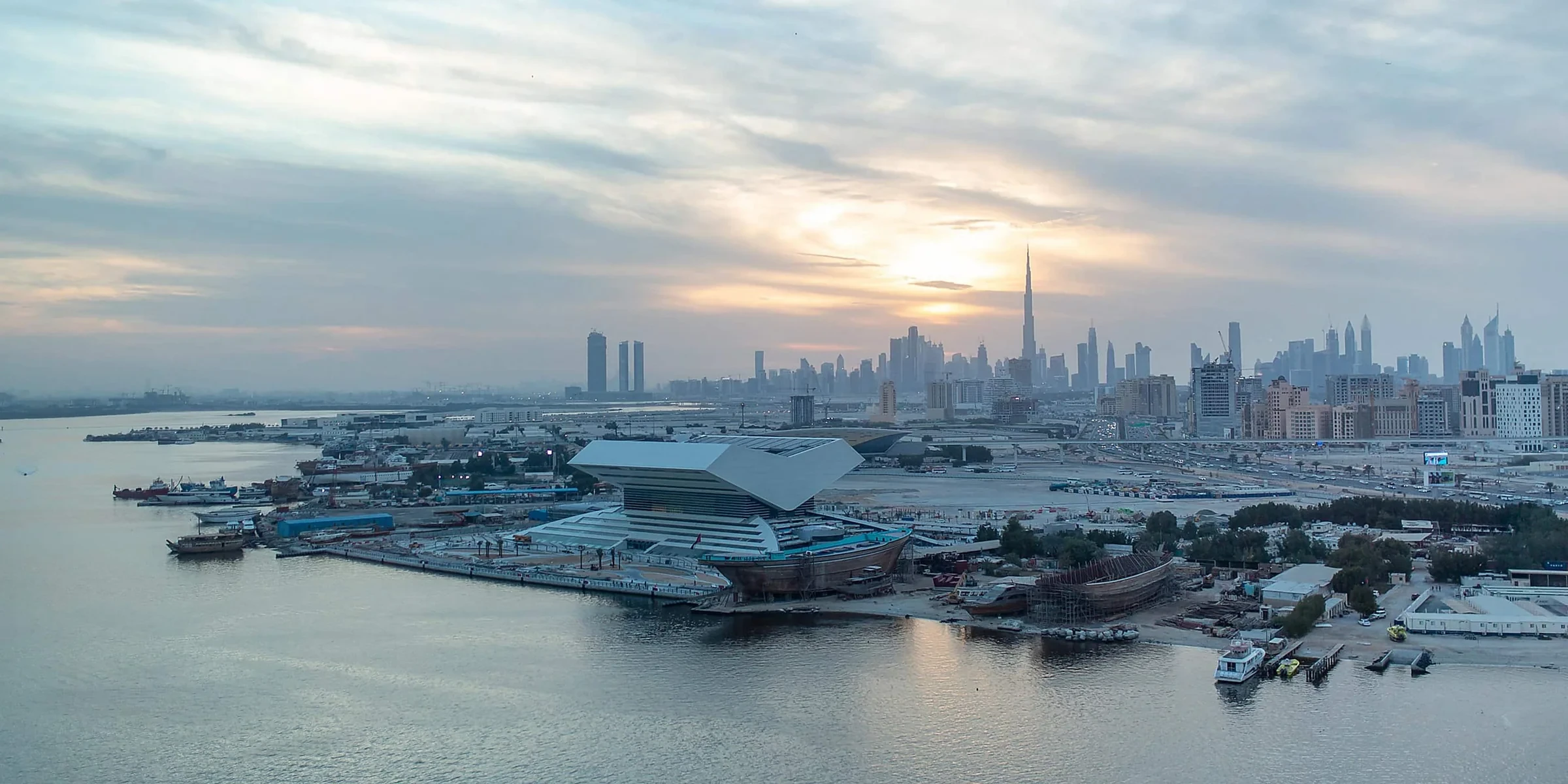
Dubai’s flagship public library is one of the city’s best indoor culture stops, especially for travellers who want architecture, quiet time, and an easy Creek-side pairing.
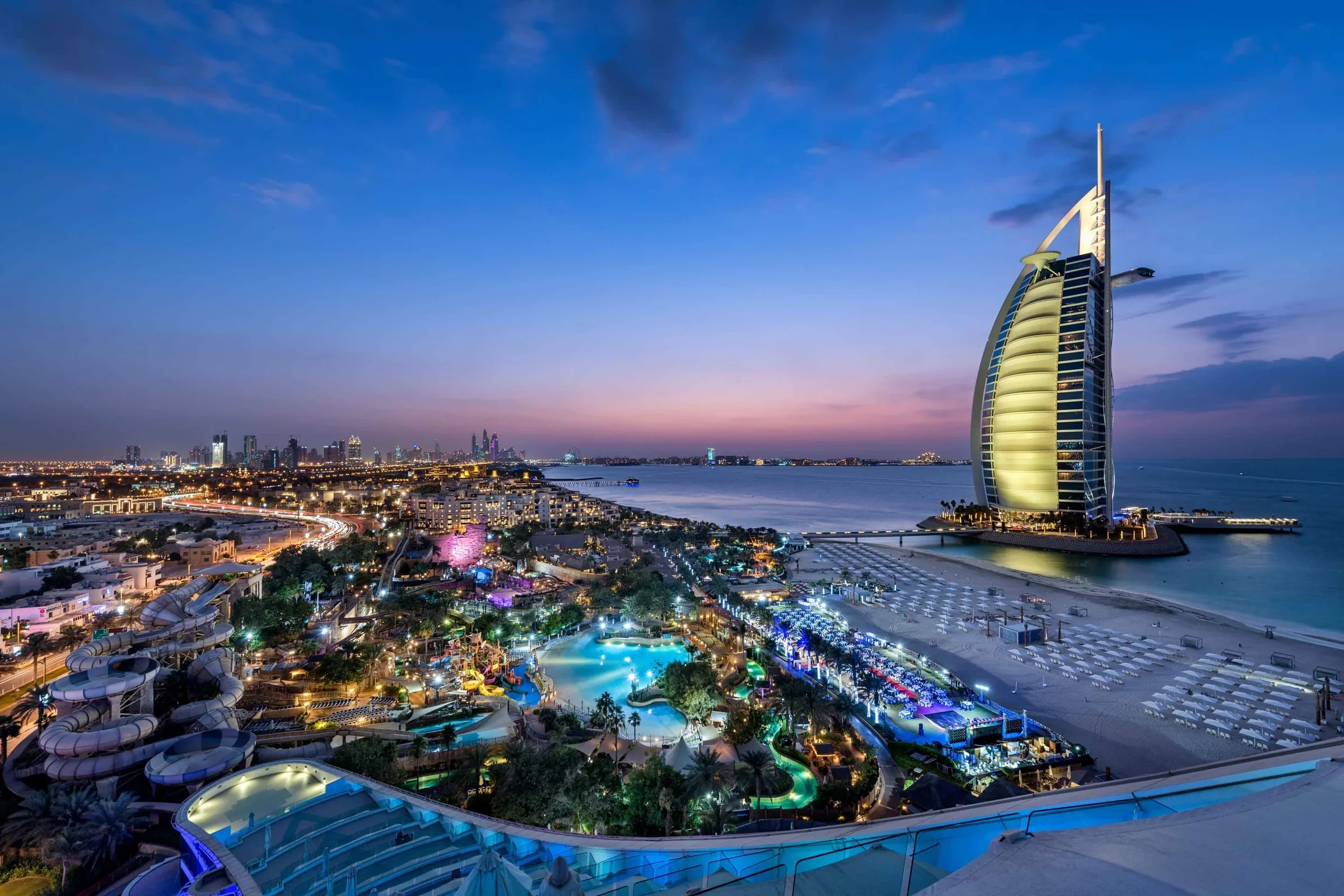
Dubai’s sail-shaped icon is still one of the city’s defining luxury landmarks, but it is currently closed for restoration until October 2027. For Muslim travelers, the value is as much in the skyline experience and nearby coastal pairing as in the building itself: this is a place to understand Dubai’s modern luxury identity, then combine it with Jumeirah and Umm Suqeim beach time.
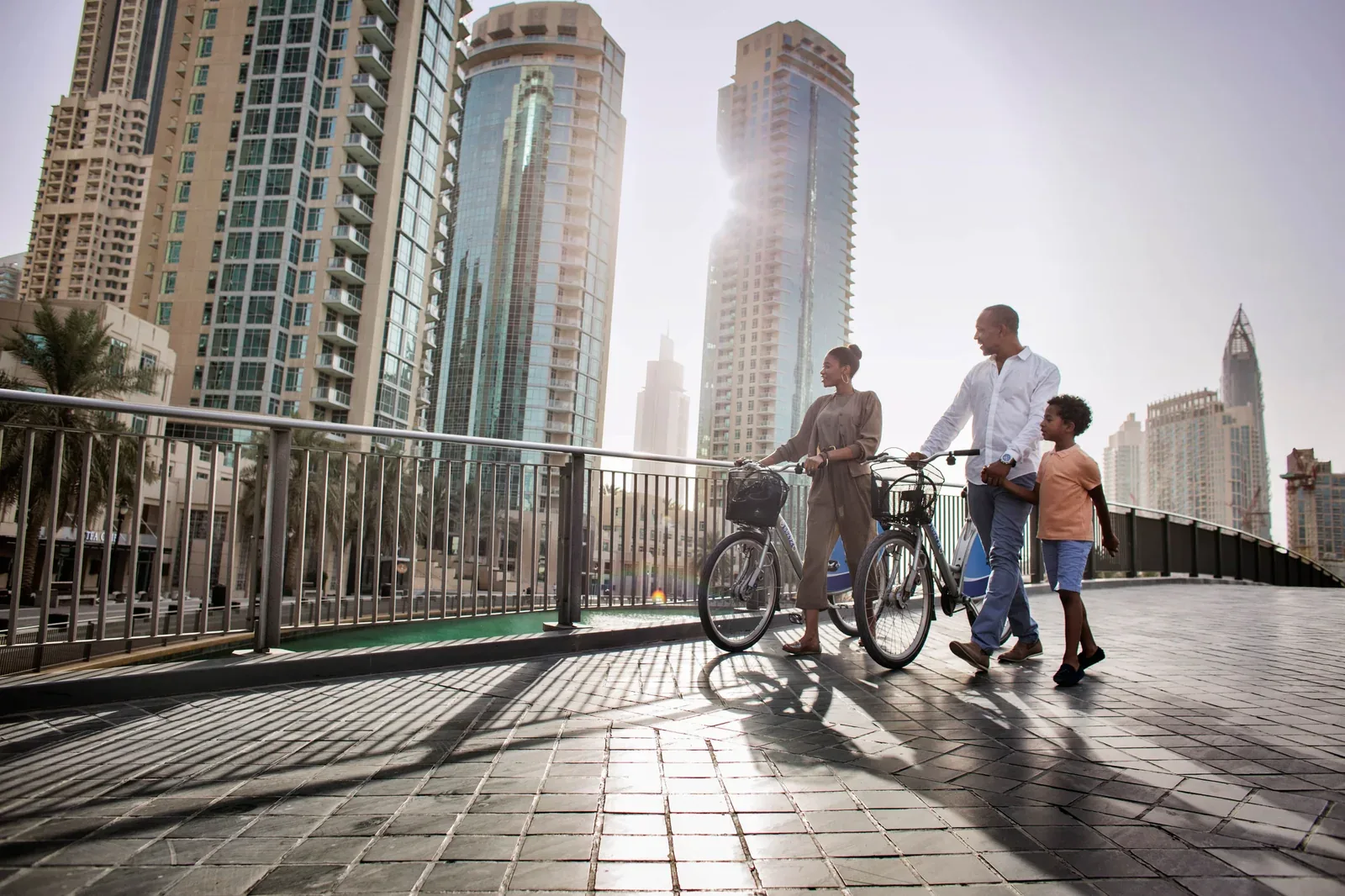
A seven-kilometre waterfront promenade that works as an easy, high-impact Dubai day or evening plan for visitors who want skyline views, casual dining, and a stroll-friendly setting.
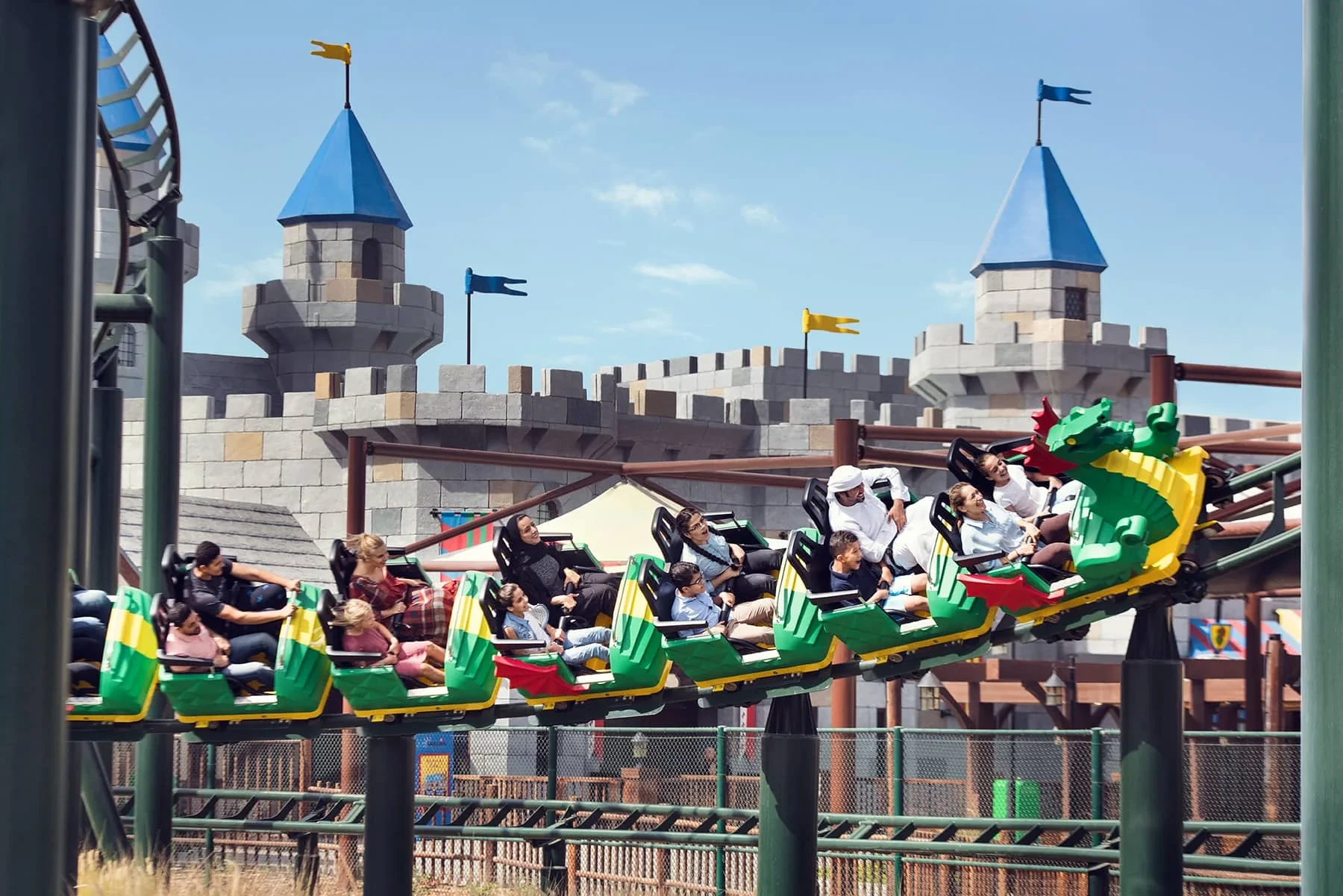
Dubai’s largest theme-park district in one ticketed cluster, best for families who want a full day or two of indoor-outdoor entertainment with easy parking, shuttle logic, and a strong concentration of food options.
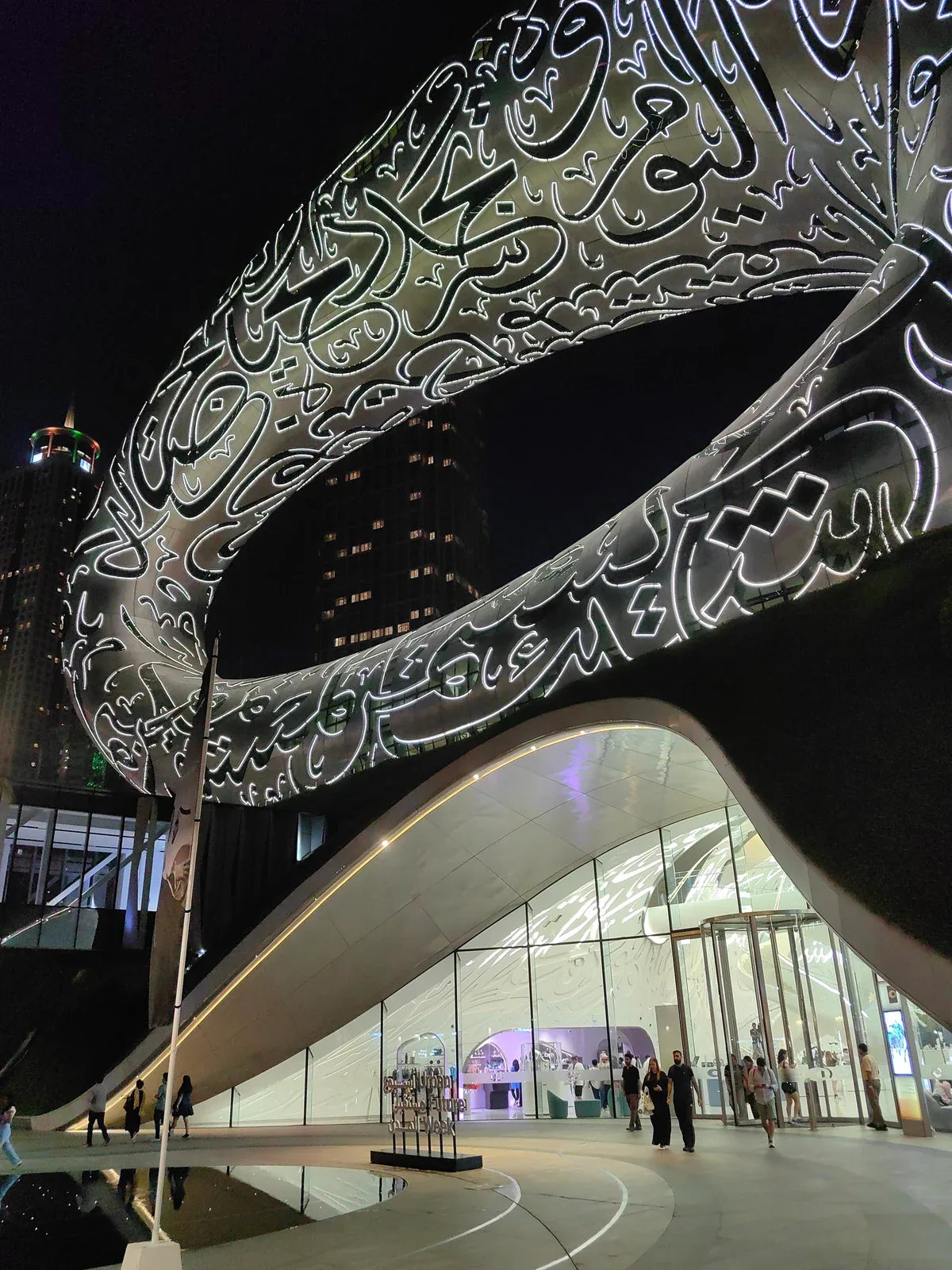
Dubai’s most important contemporary museum for visitors who want one landmark that feels current, photo-worthy and easy to reach by Metro.
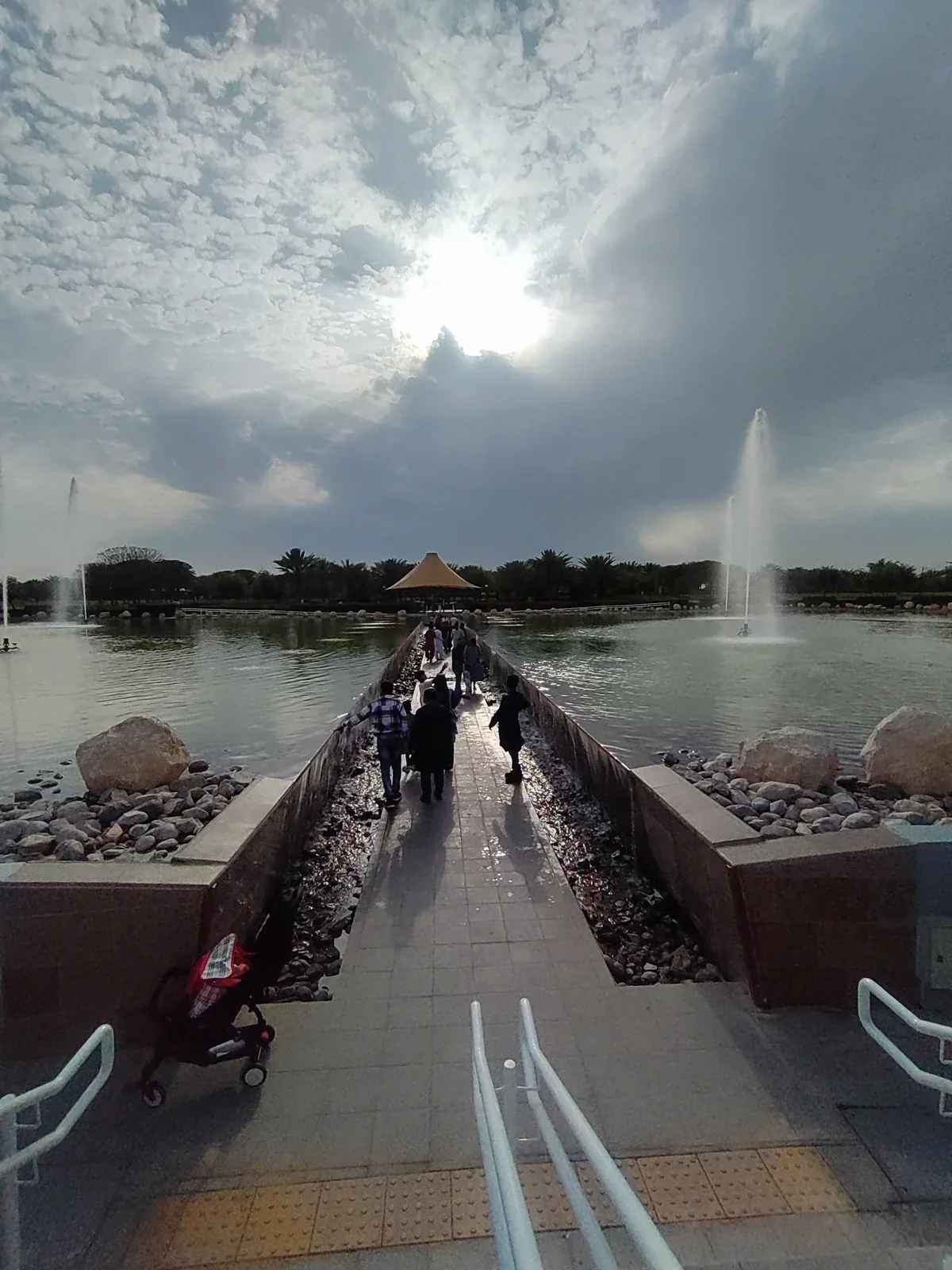
Dubai’s most useful Islamic-themed family park, with low-cost learning, gardens, and two paid indoor experiences.
A short Dubai route for travelers who need the skyline, creek and one cultural layer in two days without pretending a stopover can cover the whole city.
A coast-led Dubai route for travelers who want beach time, Jumeirah culture, Palm resort stops, Marina evenings and enough dining structure to avoid long late transfers.
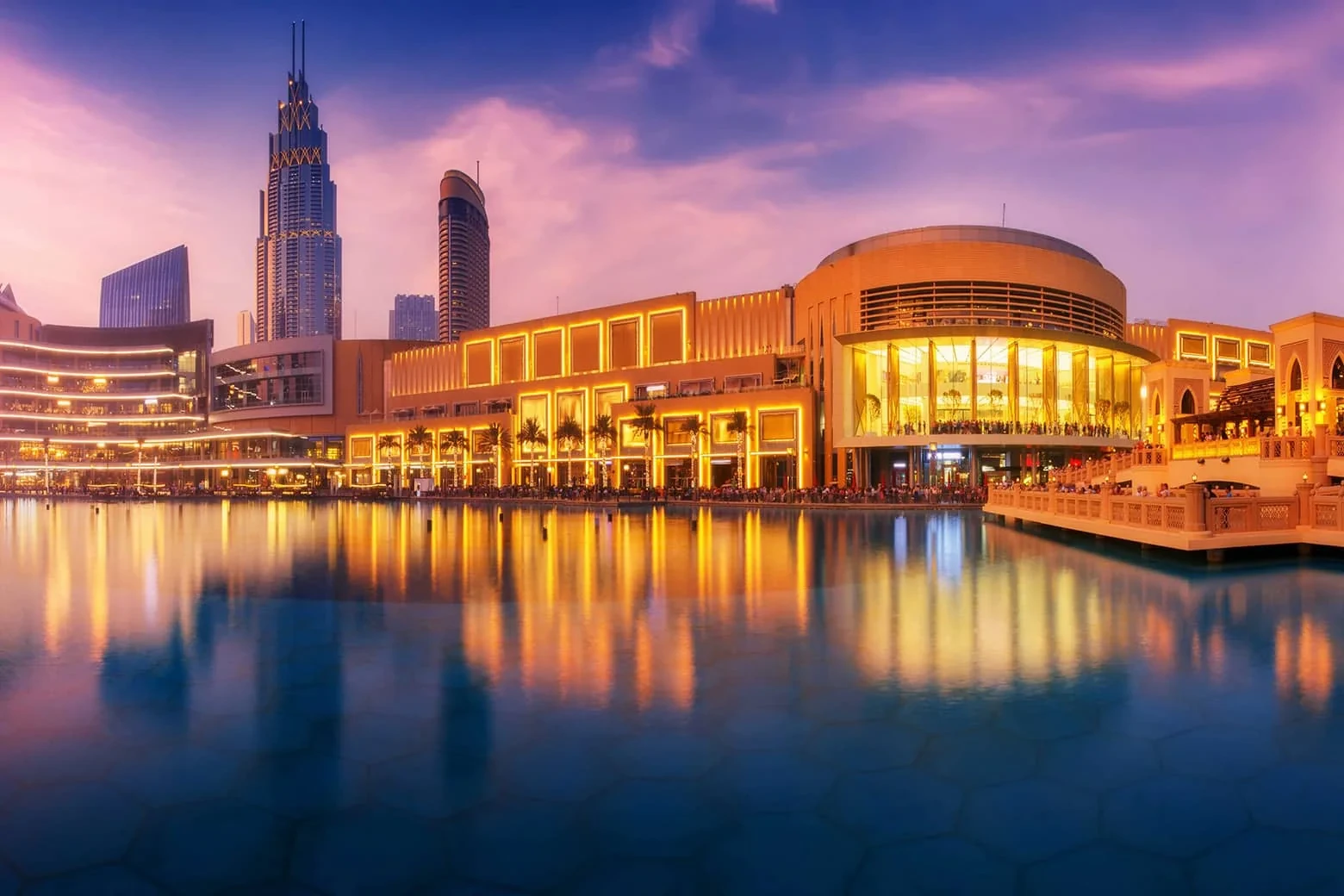
A shopping-heavy Dubai weekend that balances Dubai Mall, Mall of the Emirates, outlet-style browsing, souks and waterfront evenings instead of repeating the same mall experience.

A hot-weather Dubai route built around indoor attractions, malls, museums, family facilities and short evening outdoor windows instead of punishing midday transfers.
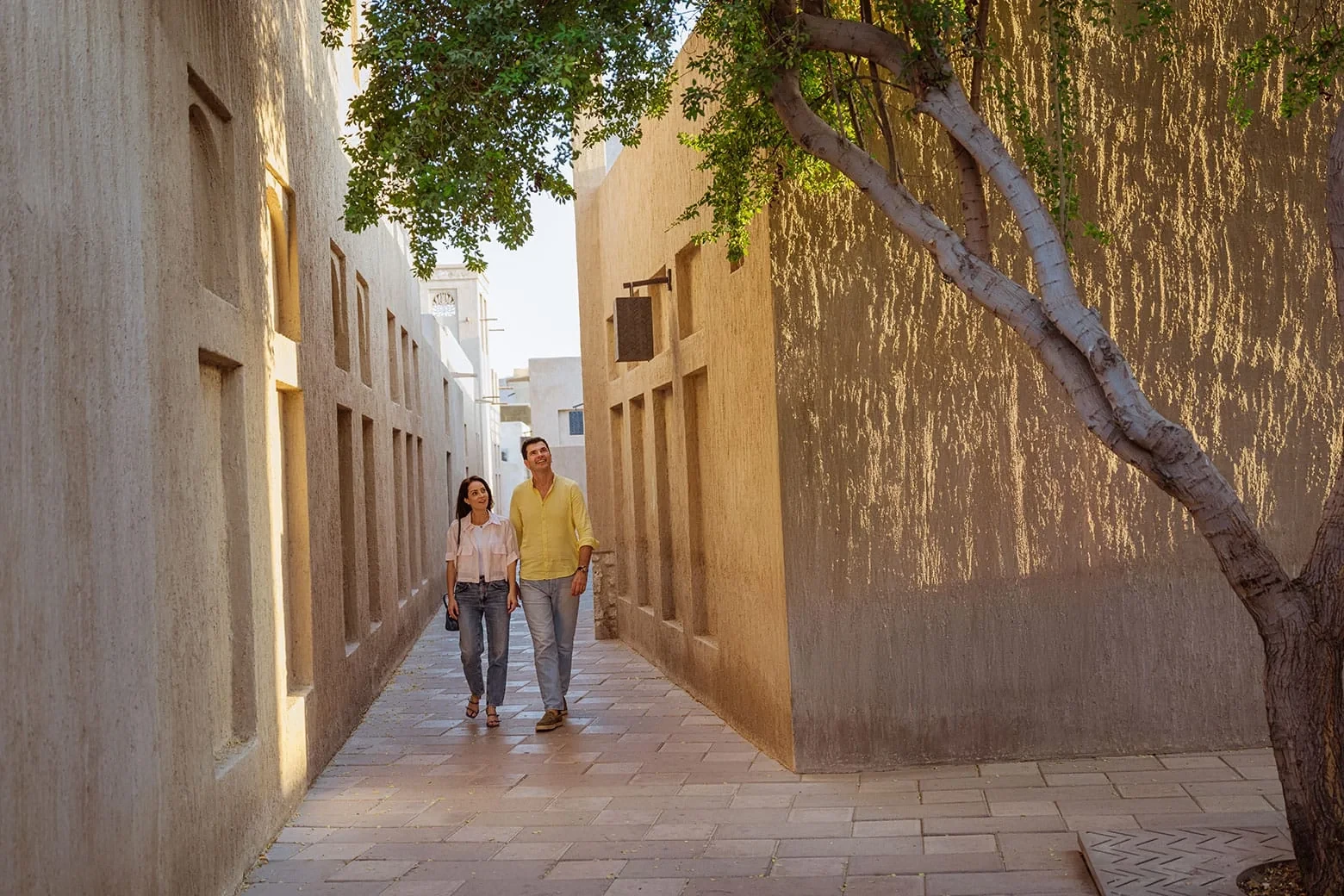
A slower creek-focused route for travelers who care more about Al Fahidi, Shindagha, abra crossings, souks, Emirati food and cultural context than tower-hopping.
A premium Dubai route for travelers who want design-led hotels, serious dining, skyline views, Palm resort energy and enough cultural grounding to avoid a hotel-only trip.
A family-first Dubai route with indoor comfort, clear prayer and washroom convenience, culture stops, beach time and theme-park choices without overloading each day.
A first Dubai route for travelers who want the headline skyline, old creek districts, Jumeirah culture and Palm/Marina without repeating the same day twice.
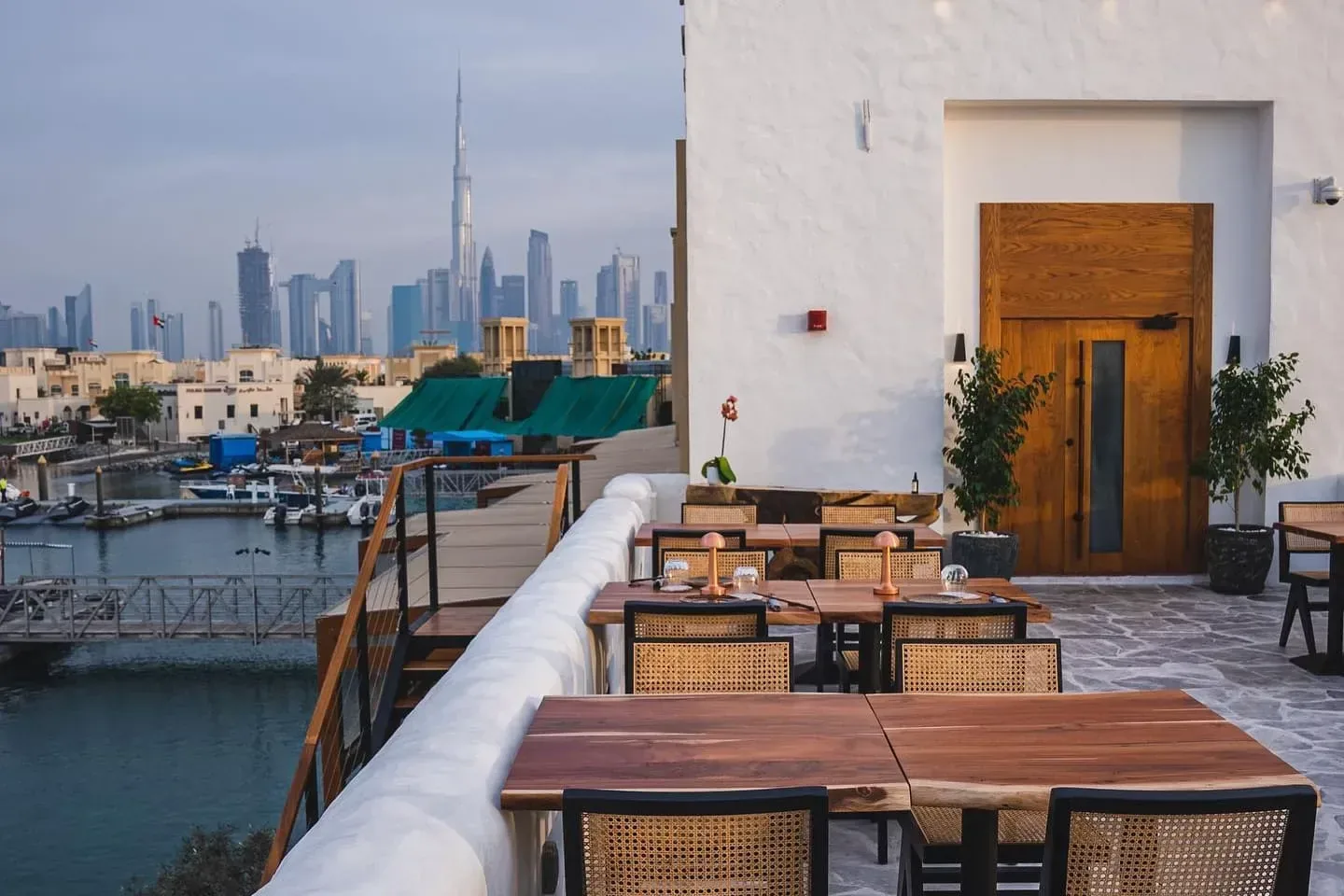
A harbour-side Japanese-inspired dining room that has become one of Dubai’s most sought-after tables for travellers who want serious food without a resort setting.

Dubai’s most talked-about homegrown tasting-counter address for travelers who want contemporary Emirati-led creativity without the hotel-brasserie gloss.
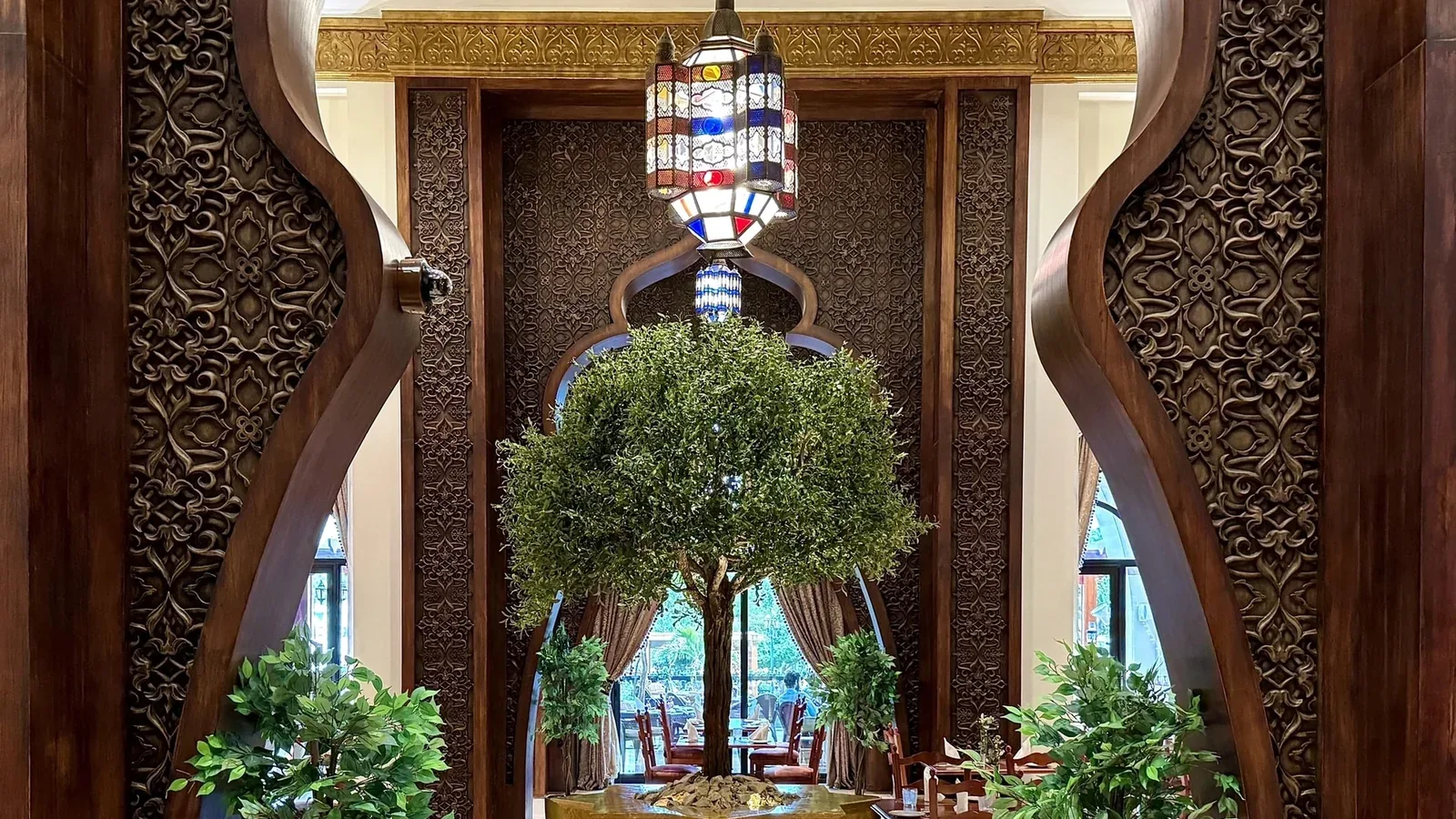
A polished Lebanese dining room on the Palm side of Dubai, Al Nafoorah is one of the city’s strongest choices when you want a formal Arabic meal with resort-level service, a scenic setting, and an easy fit for family gatherings or guest hosting.
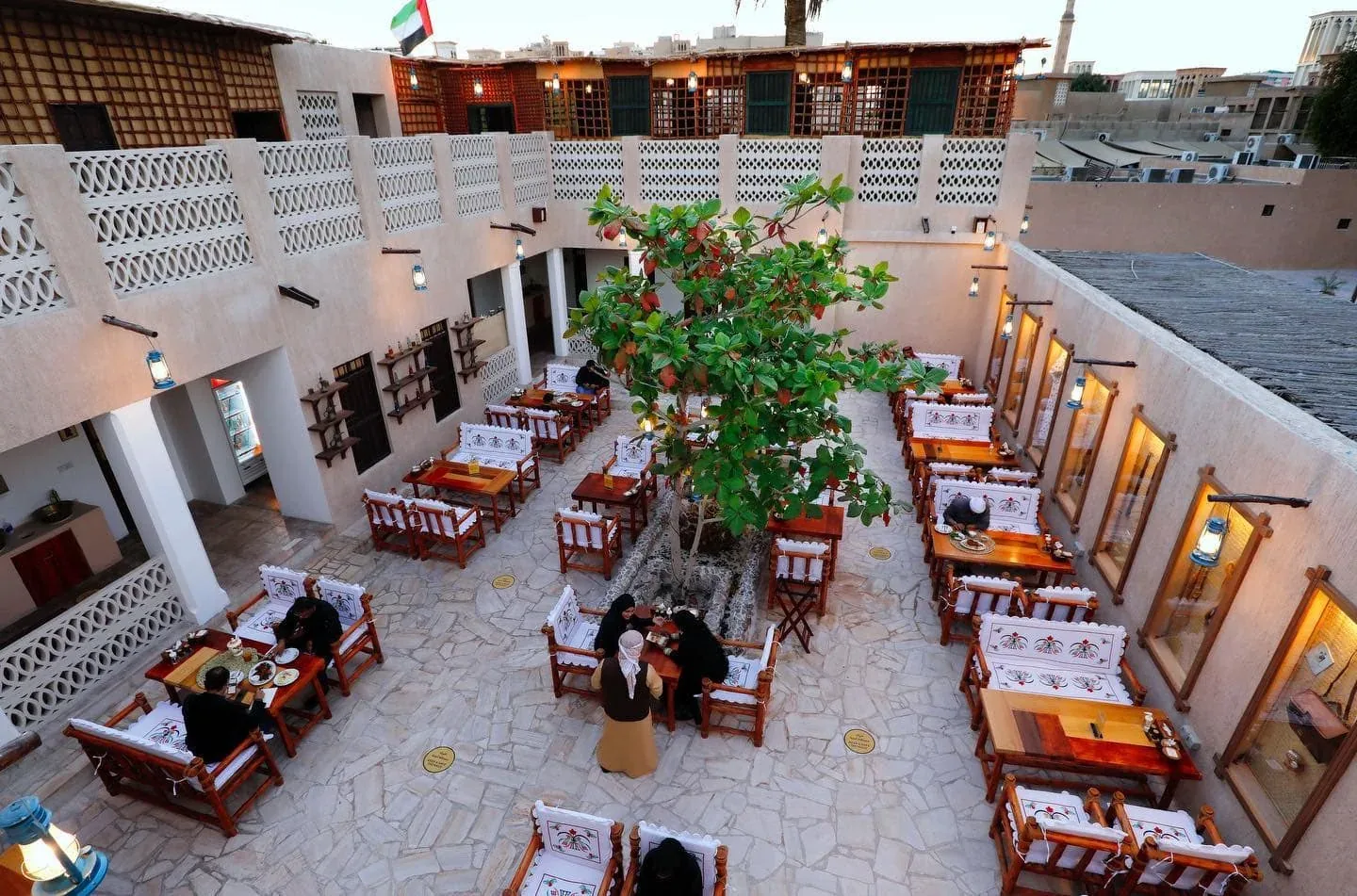
A polished Emirati heritage stop in Old Dubai that pairs a proper meal with a sense of place, making it especially useful for first-time Muslim travelers who want local food, a heritage setting, and an easy pairing with Al Fahidi and Al Seef.
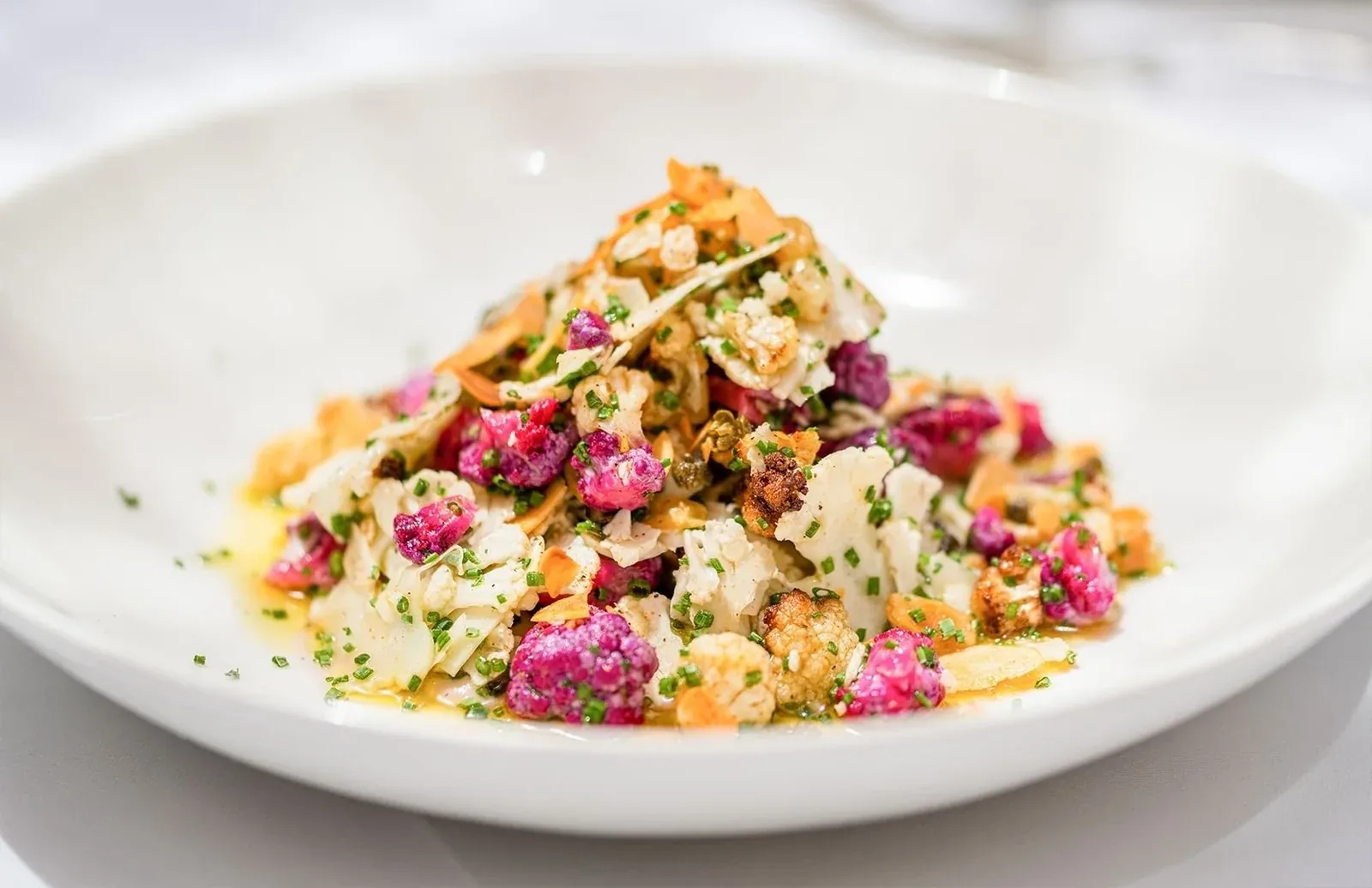
A polished DIFC Riviera room for long lunches, date-night dinners, and business meals that need a reliably high standard.
A Michelin-starred Jumeirah villa restaurant built around wood, smoke, and clean flavour. It suits Muslim travellers who want a premium Dubai dinner without the usual nightclub atmosphere.
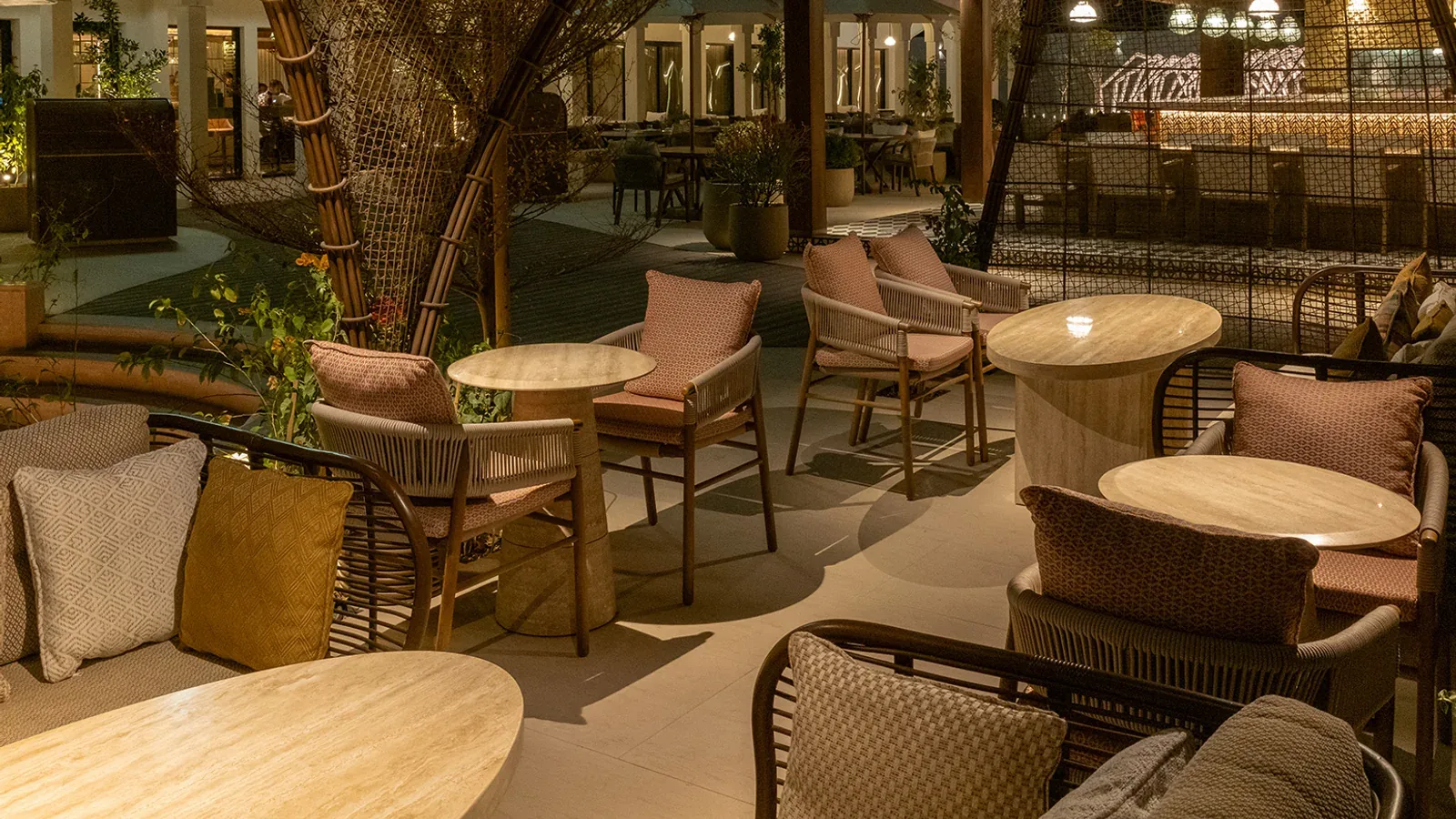
Emirati fine dining in Nad Al Sheba with a distinctly Dubai point of view, best for travelers who want a polished local meal rather than an imported concept.
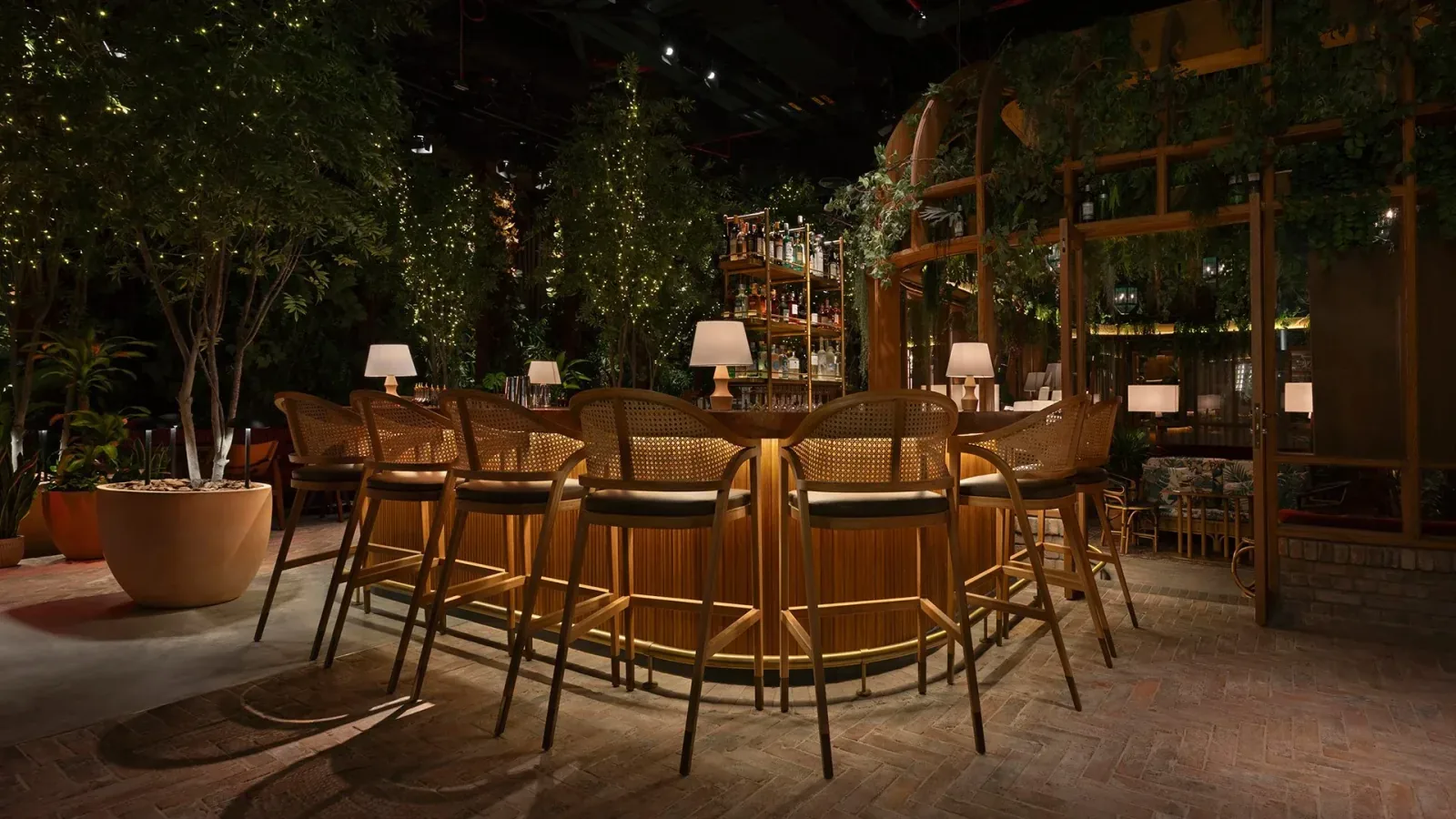
A polished DIFC brasserie for business lunches, celebratory dinners, and a late-night Dubai crowd that wants the room to feel lively without losing its sense of occasion.
Dubai’s headline underwater fine-dining experience, best for a special-occasion lunch or dinner at Atlantis, The Palm.
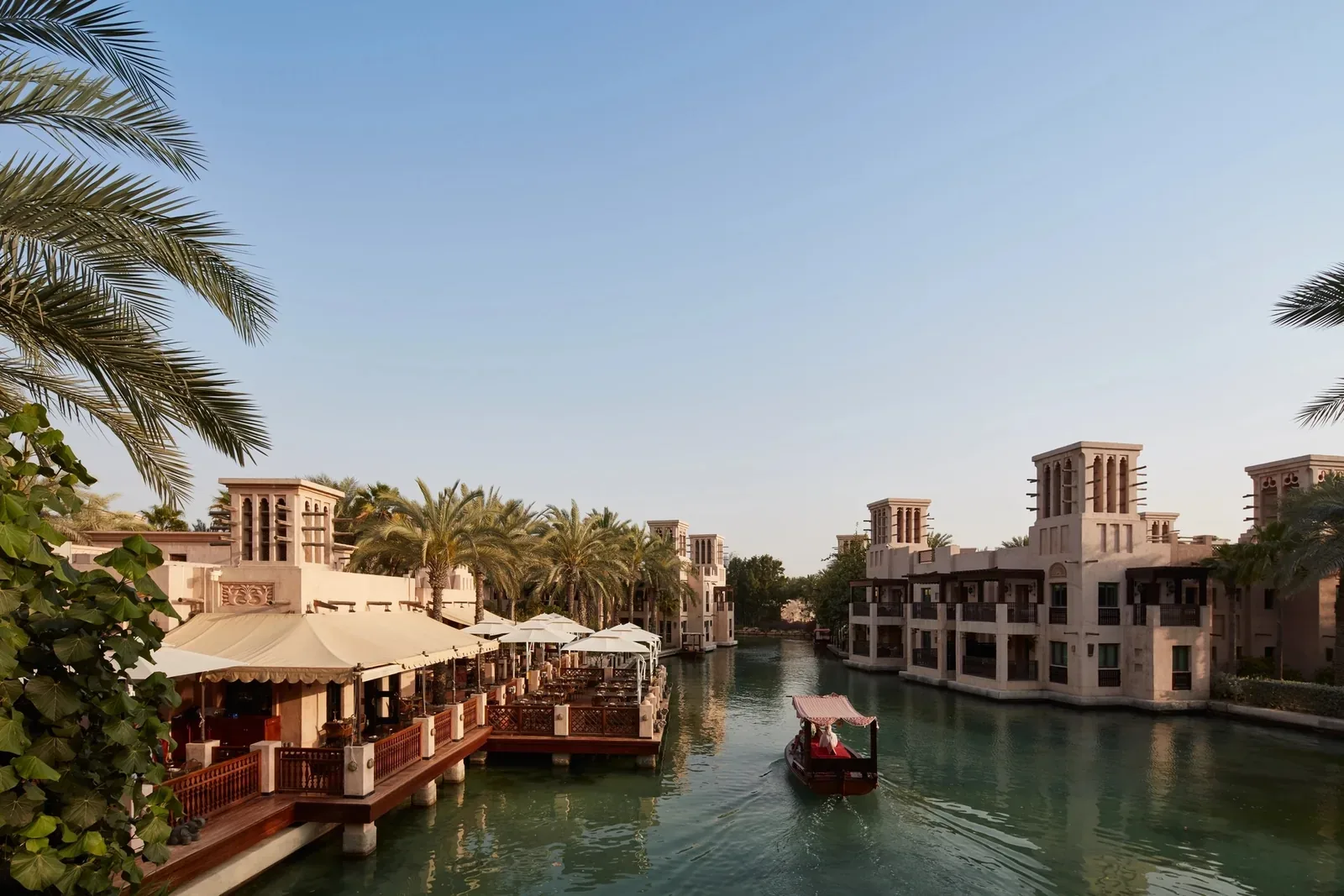
A scenic Thai restaurant at Madinat Jumeirah, Pai Thai is one of Dubai’s best reservations for a romantic but still family-accessible dinner, with a location that makes the journey part of the experience.
Loading local prayer times…
Calculated times. Confirm congregation times with your local masjid.
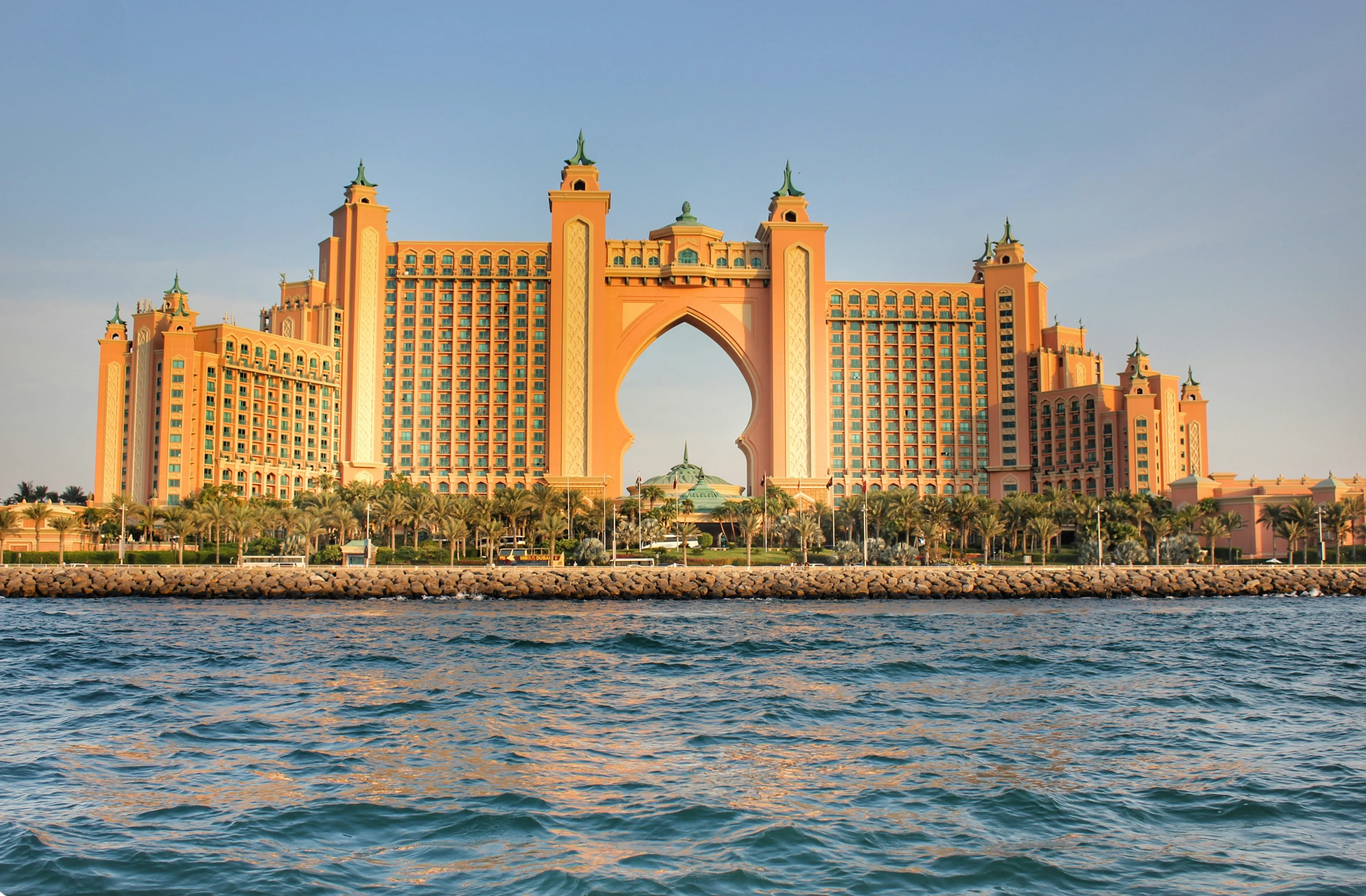
Dubai’s best-known family resort on the Palm, with instant access to Aquaventure, The Lost Chambers Aquarium, and a large cluster of signature dining. It is the easiest high-impact stay if you want one base that feels like a holiday destination on its own.
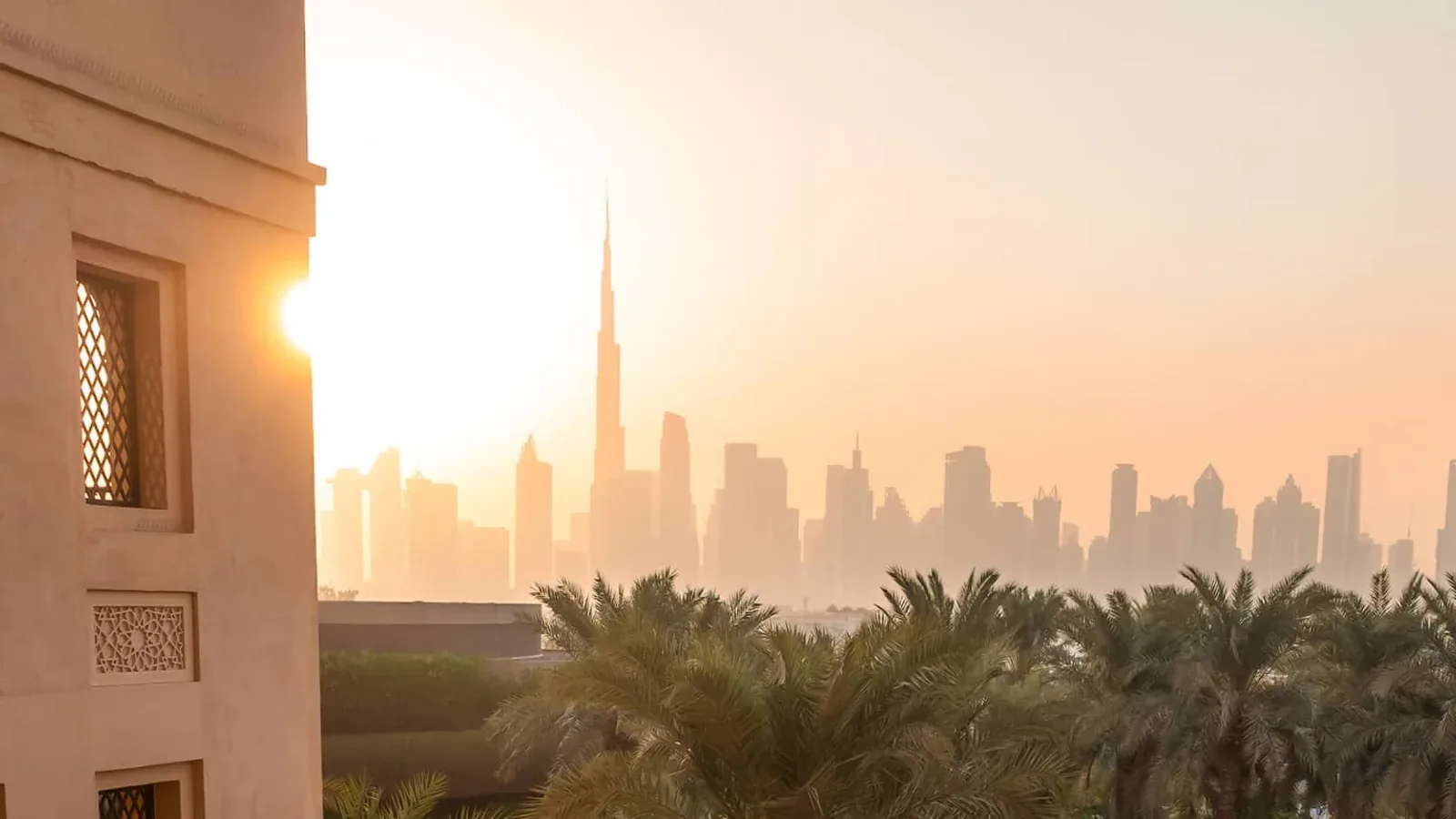
A polished beachfront resort with a strong Dubai sightseeing position, especially for travelers who want sea views without giving up easy access to Downtown and Jumeirah. It suits couples, families, and Muslim travelers who want a high-comfort base with resort privacy and straightforward city connections.
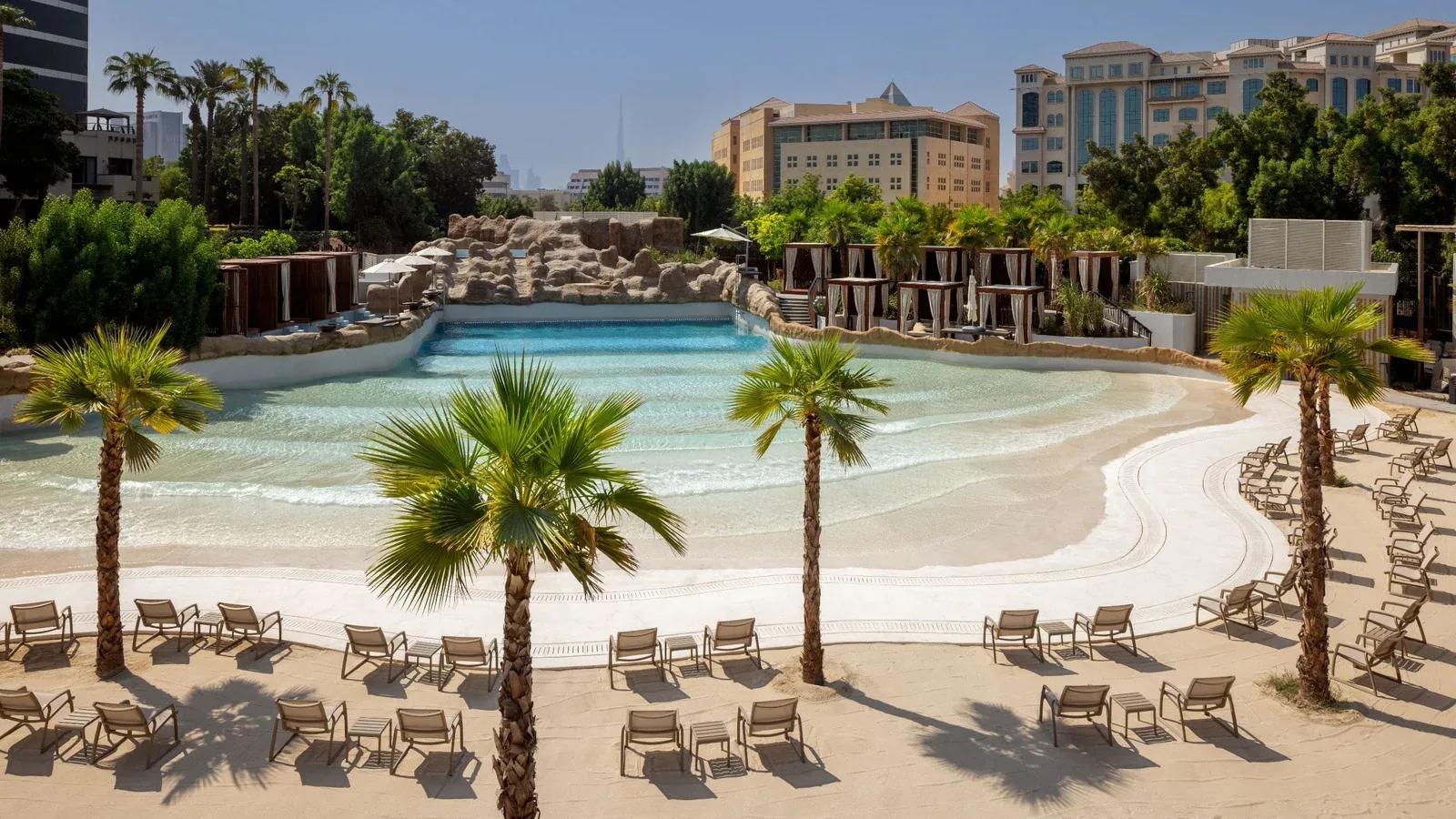
A resort-style city hotel in Dubai Healthcare City with easy airport access, big family infrastructure, and enough dining and leisure on site to turn a short stay into a self-contained Dubai base.
A Downtown Dubai flagship for travelers who want Burj Khalifa access, direct Dubai Mall convenience, and an easy metro-and-walk base without sacrificing a polished luxury stay.
The Burj Khalifa’s signature hotel gives first-time Dubai visitors a true Downtown landmark stay, with direct access to the tower setting and an easy base for Dubai Mall, the fountains, and late-evening city walks. It suits travelers who want an iconic address rather than a generic tower hotel.
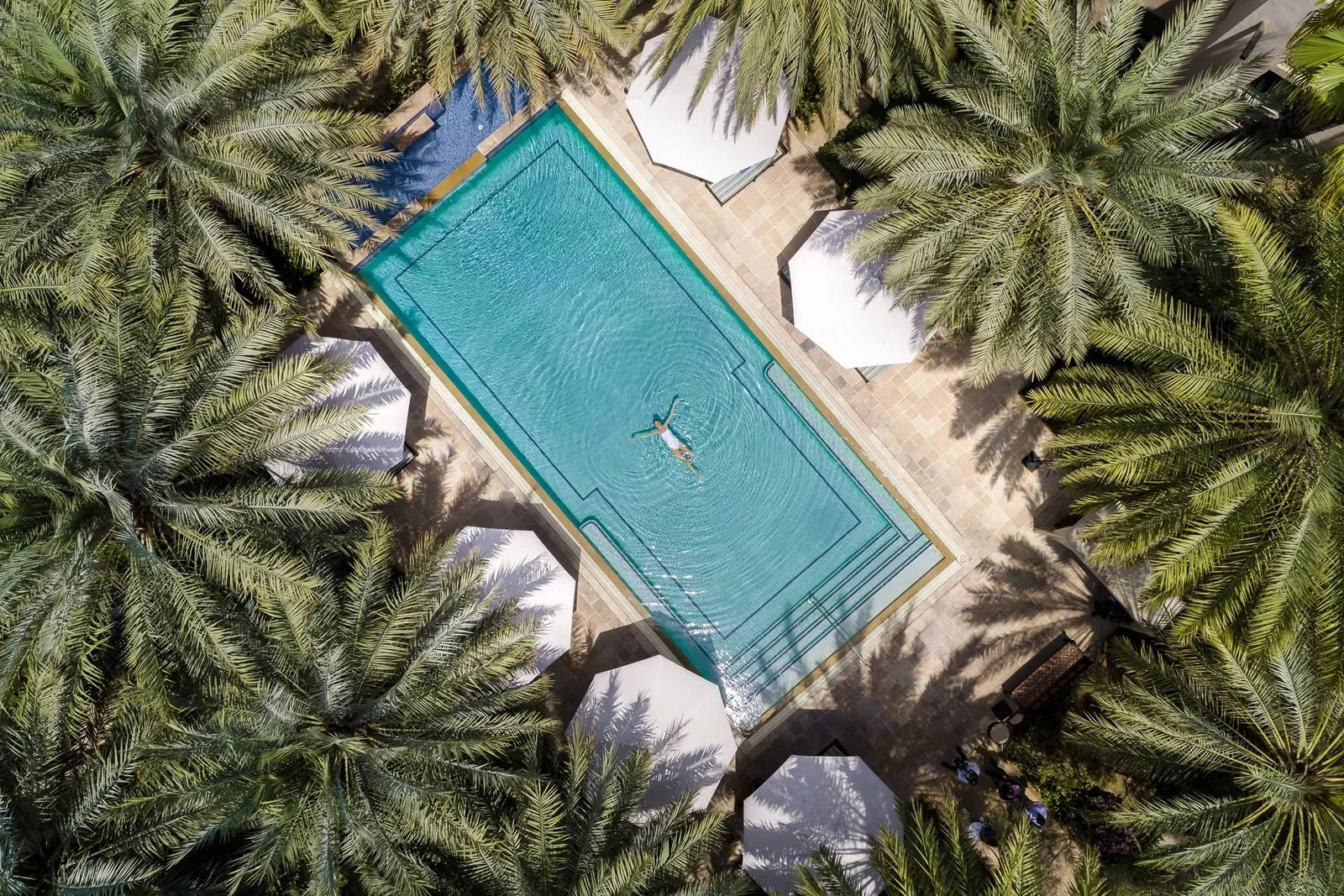
A villa-style Madinat Jumeirah hideaway for travellers who want beach access, privacy, and easy family routing without giving up Dubai’s landmark attractions.
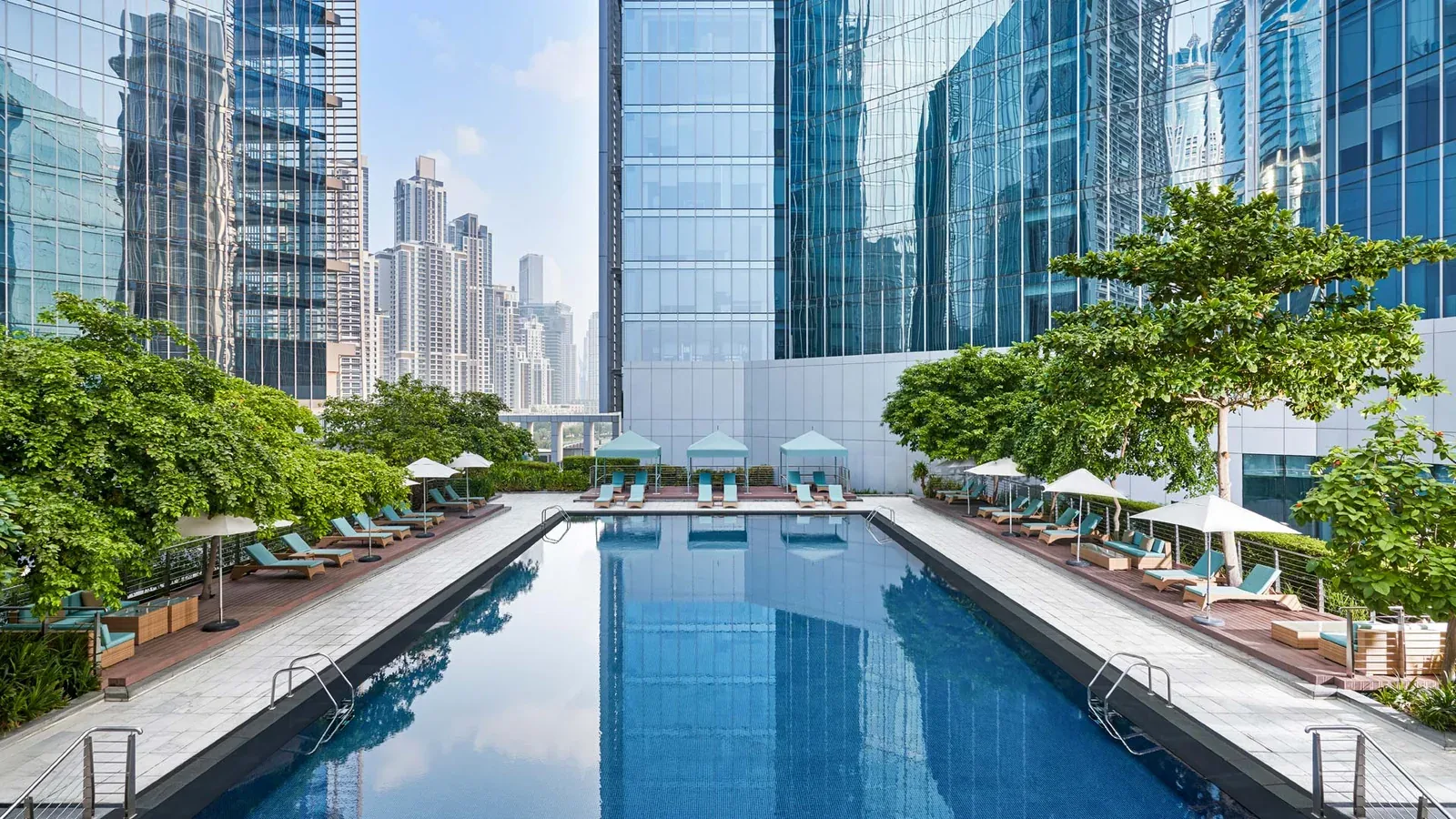
A central luxury base for travelers who want Burj Khalifa access without committing to the noise and price pressure of a pure tower-side stay.
A seafront Italian-style resort on Jumeira Bay Island with a private-beach feel, strong privacy, and one of Dubai’s most design-forward luxury addresses.
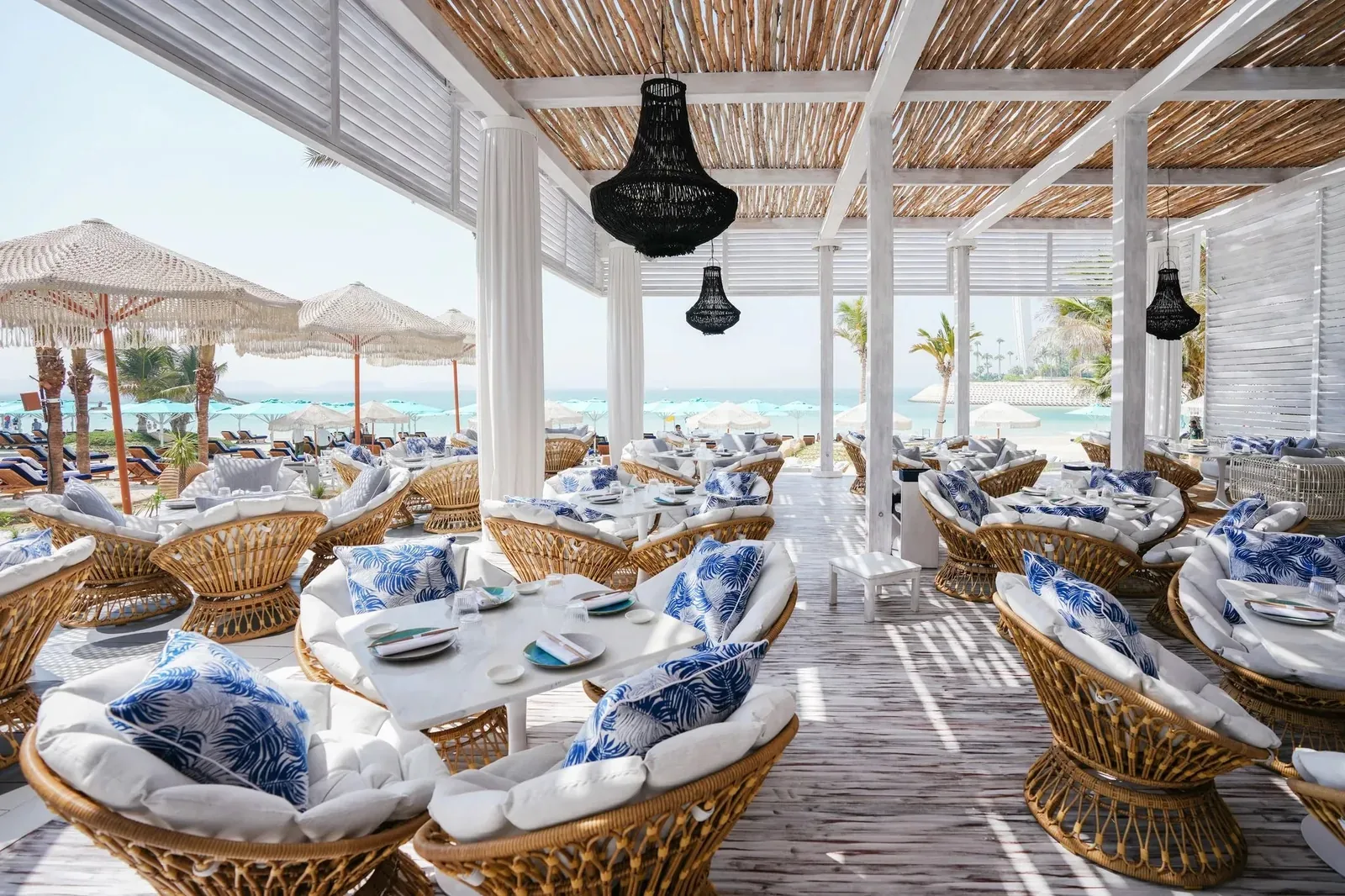
A polished coastal Jumeirah stay with private beach access, strong family positioning, and easy pairings with Burj Al Arab, Wild Wadi, and the wider Madinat Jumeirah area. Best for travelers who want the beachside side of Dubai with a refined but not overly formal mood.
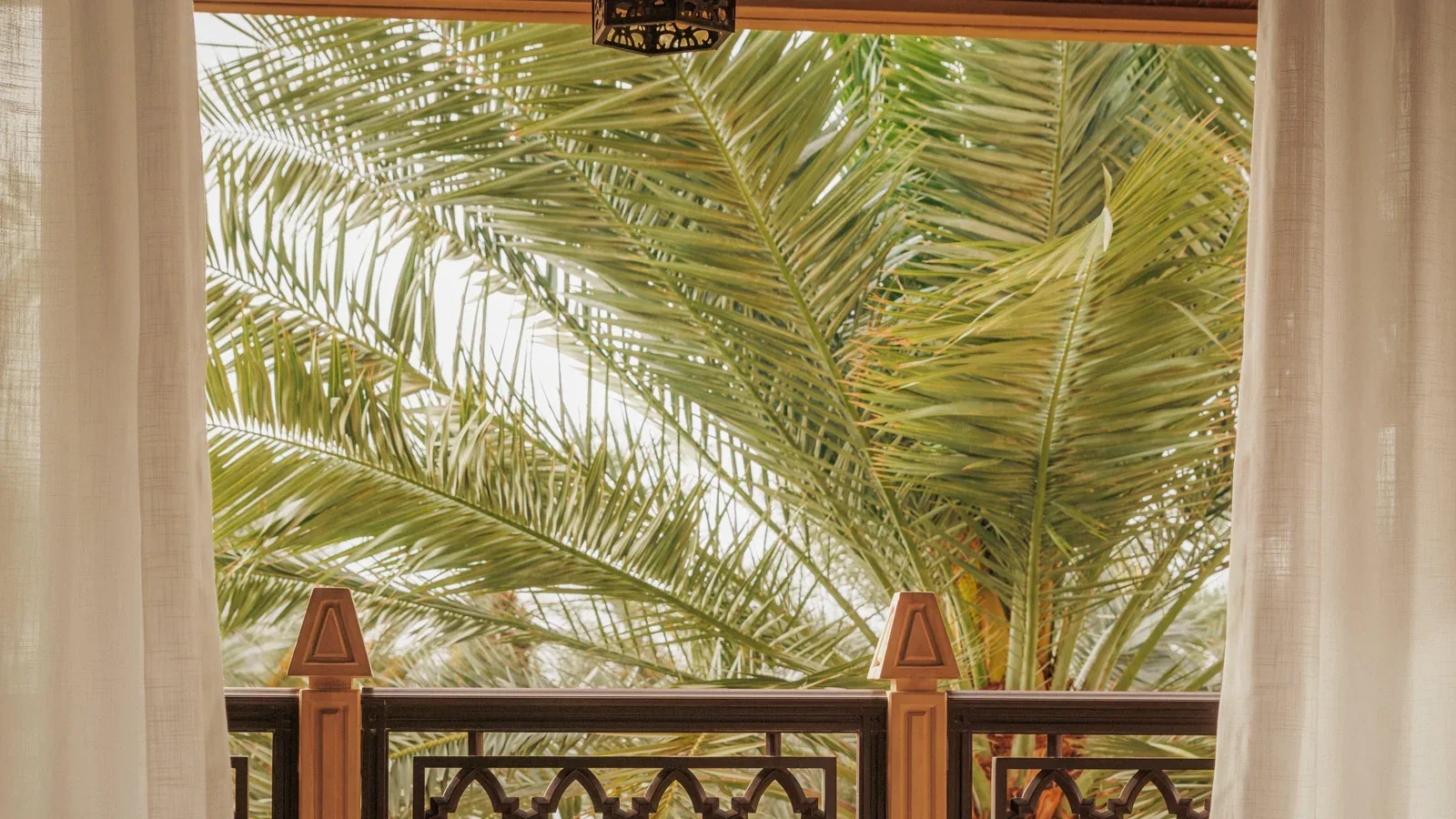
An iconic beachfront resort with strong family appeal, generous gardens, and one of Dubai’s most recognizable luxury resort atmospheres. It is especially useful for travelers who want a classic seaside stay near Dubai Marina rather than a high-rise city hotel.
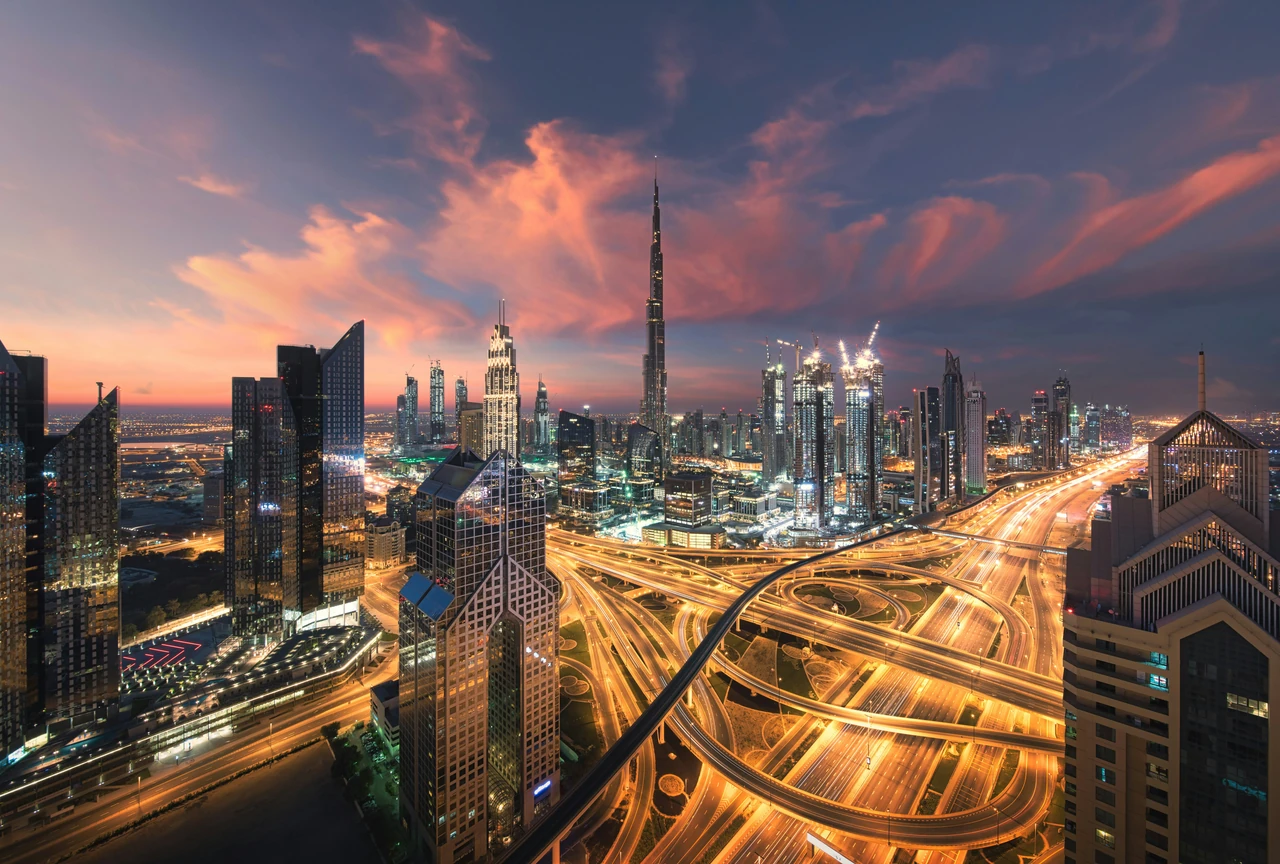
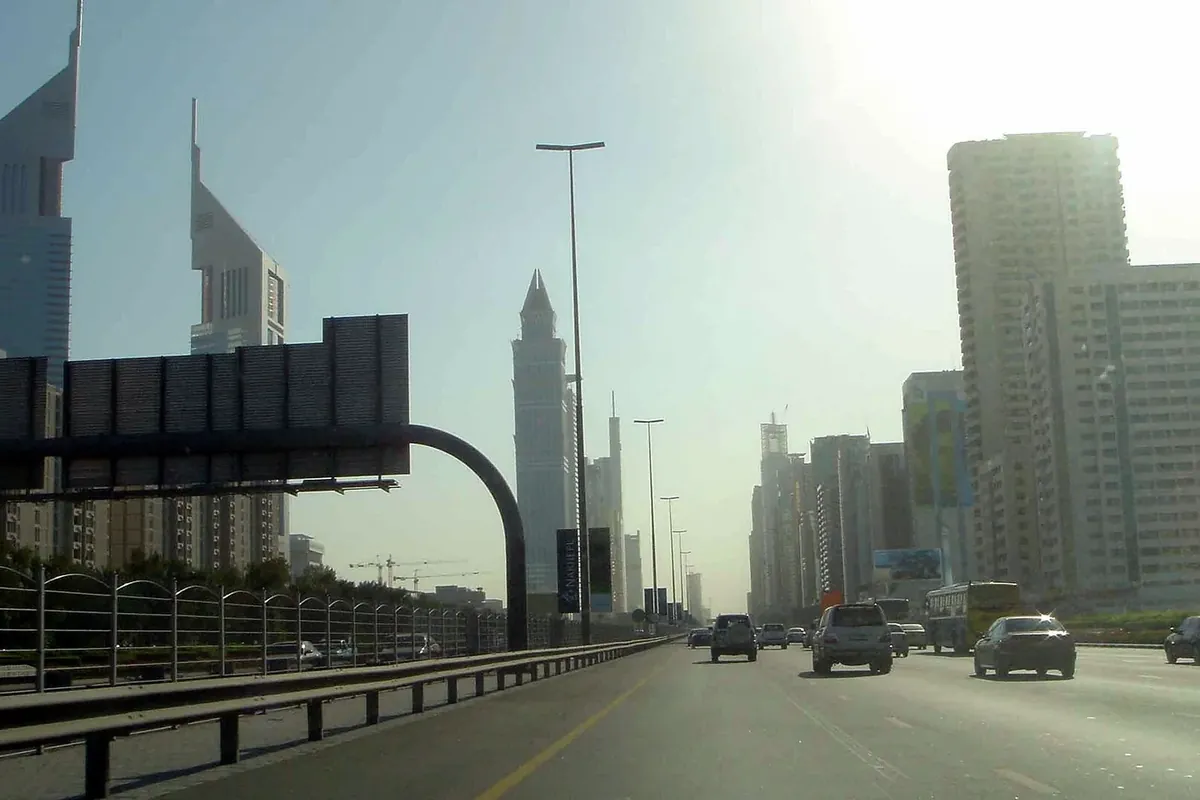
Dubai today is a spread-out Gulf metropolis where a good trip starts with area planning: Downtown and Business Bay for skyline sights, Deira and Bur Dubai for creek heritage, Jumeirah and the Palm for coast, and Dubai Marina or JBR for waterfront stays.

Dubai's older story is tied to the creek, pearling, trade, boat traffic, souks and merchant neighborhoods before oil, ports, aviation and tourism expanded the city at extraordinary speed.

Dubai's residents include Emiratis, long-established South Asian and Arab communities, business travelers, hospitality workers, entrepreneurs and families from across the world.
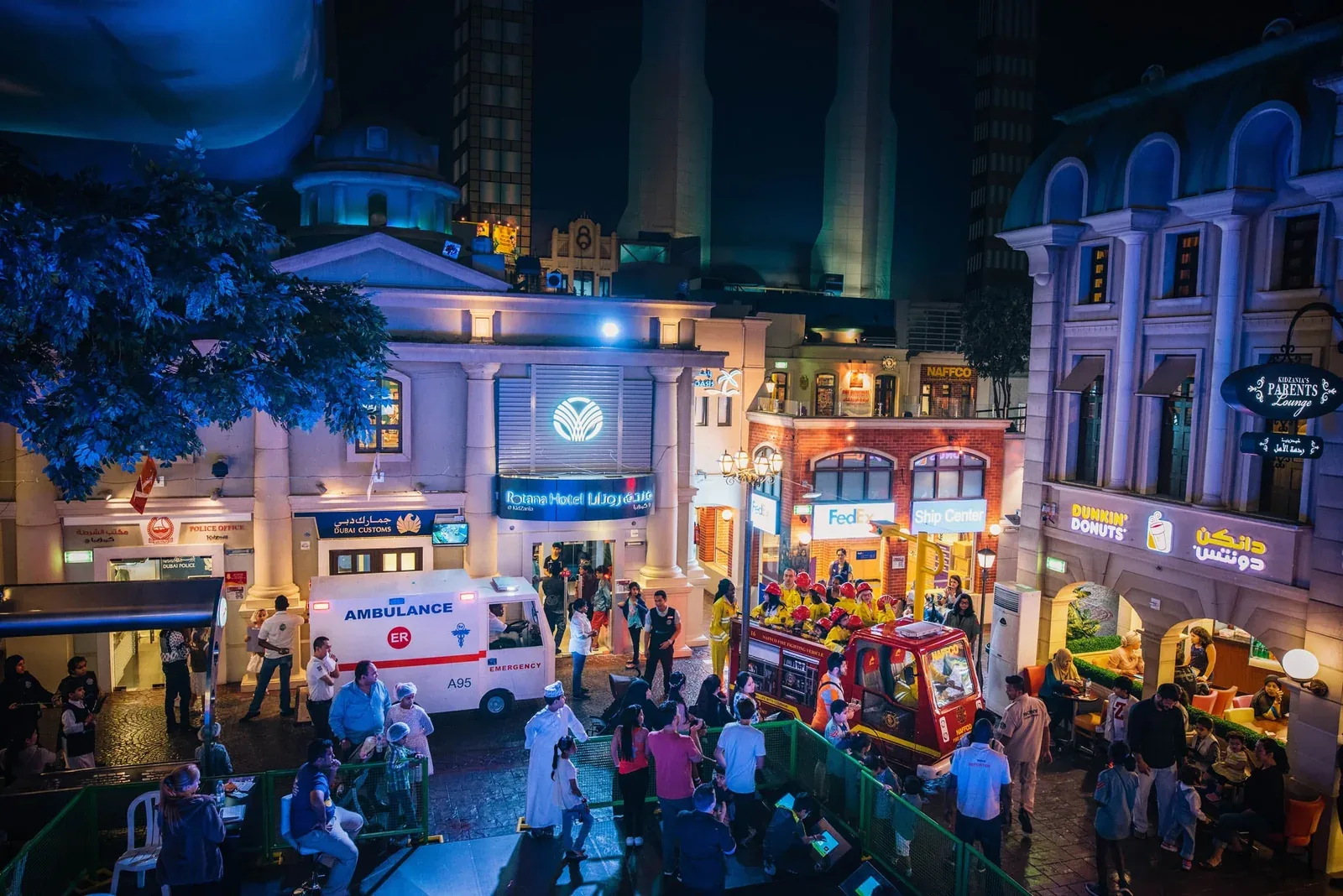
KidZania Dubai is a curated Dubai family stop for travelers who want practical routing, Muslim-friendly comfort and a clearer reason to go than a generic directory listing.
Dubai Aquarium and Underwater Zoo is a curated Dubai family stop for travelers who want practical routing, Muslim-friendly comfort and a clearer reason to go than a generic directory listing.
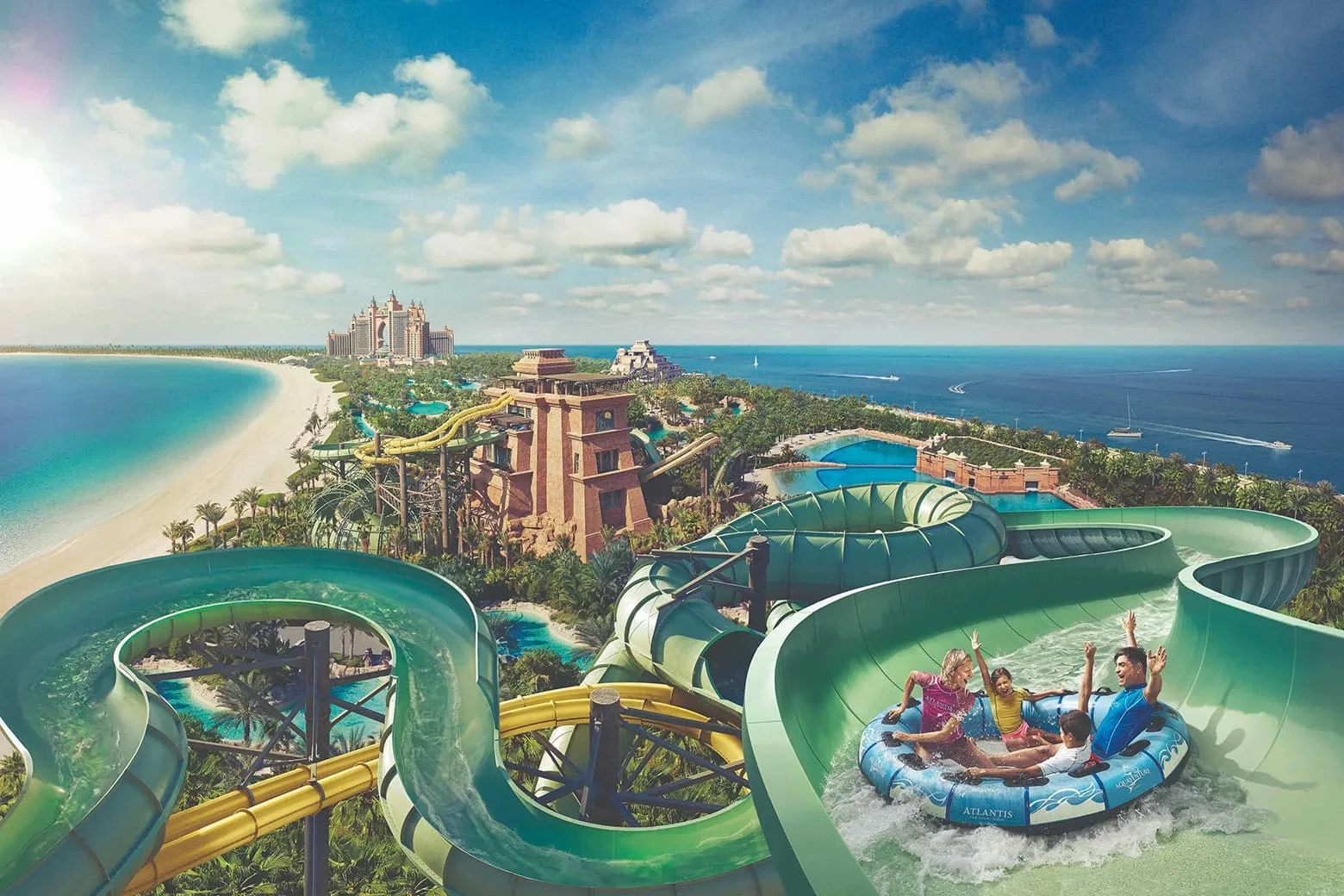
Aquaventure Waterpark is a curated Dubai family stop for travelers who want practical routing, Muslim-friendly comfort and a clearer reason to go than a generic directory listing.

LEGOLAND Dubai is a curated Dubai family stop for travelers who want practical routing, Muslim-friendly comfort and a clearer reason to go than a generic directory listing.
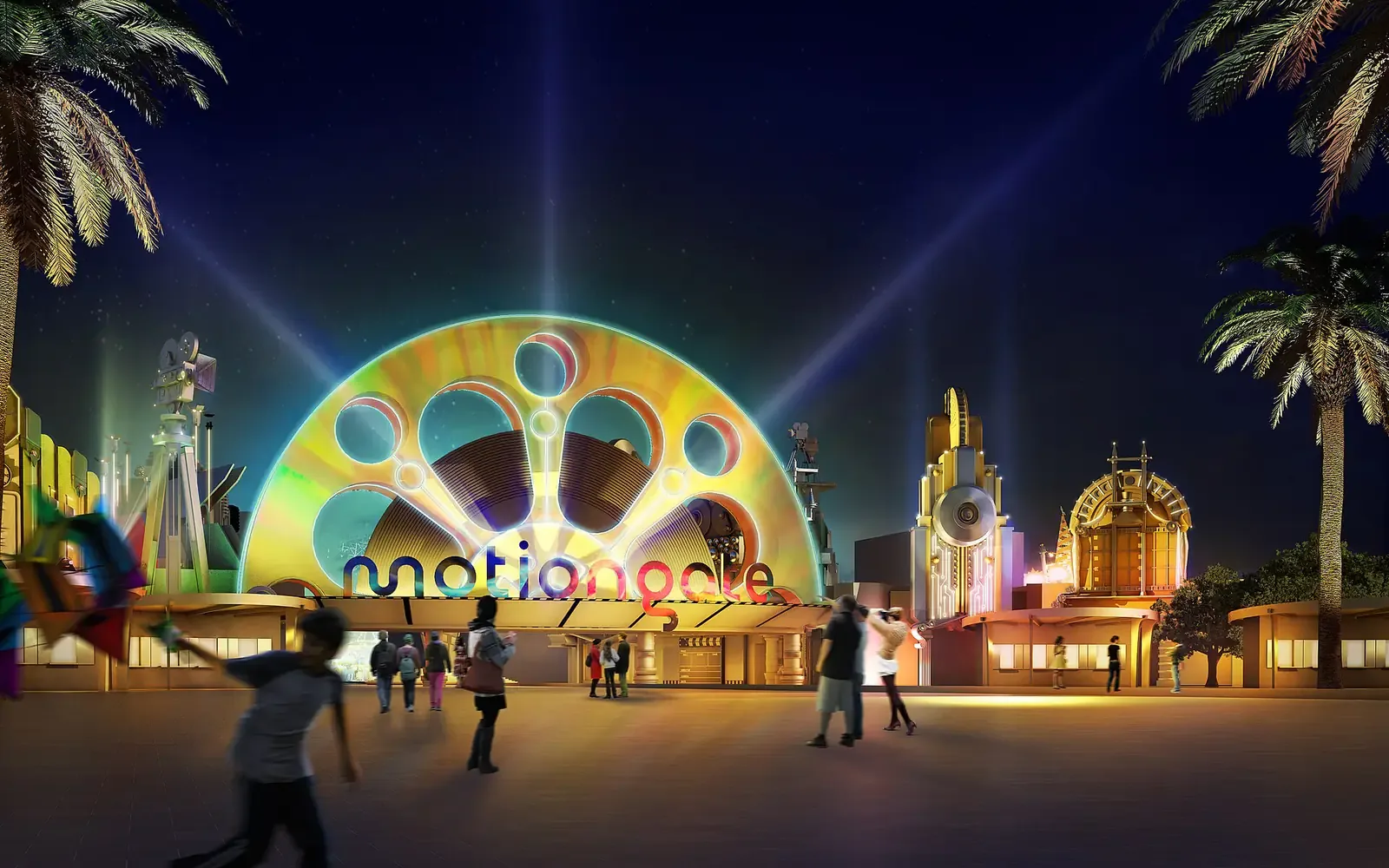
Motiongate Dubai is a curated Dubai family stop for travelers who want practical routing, Muslim-friendly comfort and a clearer reason to go than a generic directory listing.

Real Madrid World is a curated Dubai family stop for travelers who want practical routing, Muslim-friendly comfort and a clearer reason to go than a generic directory listing.

IMG Worlds of Adventure is a curated Dubai family stop for travelers who want practical routing, Muslim-friendly comfort and a clearer reason to go than a generic directory listing.
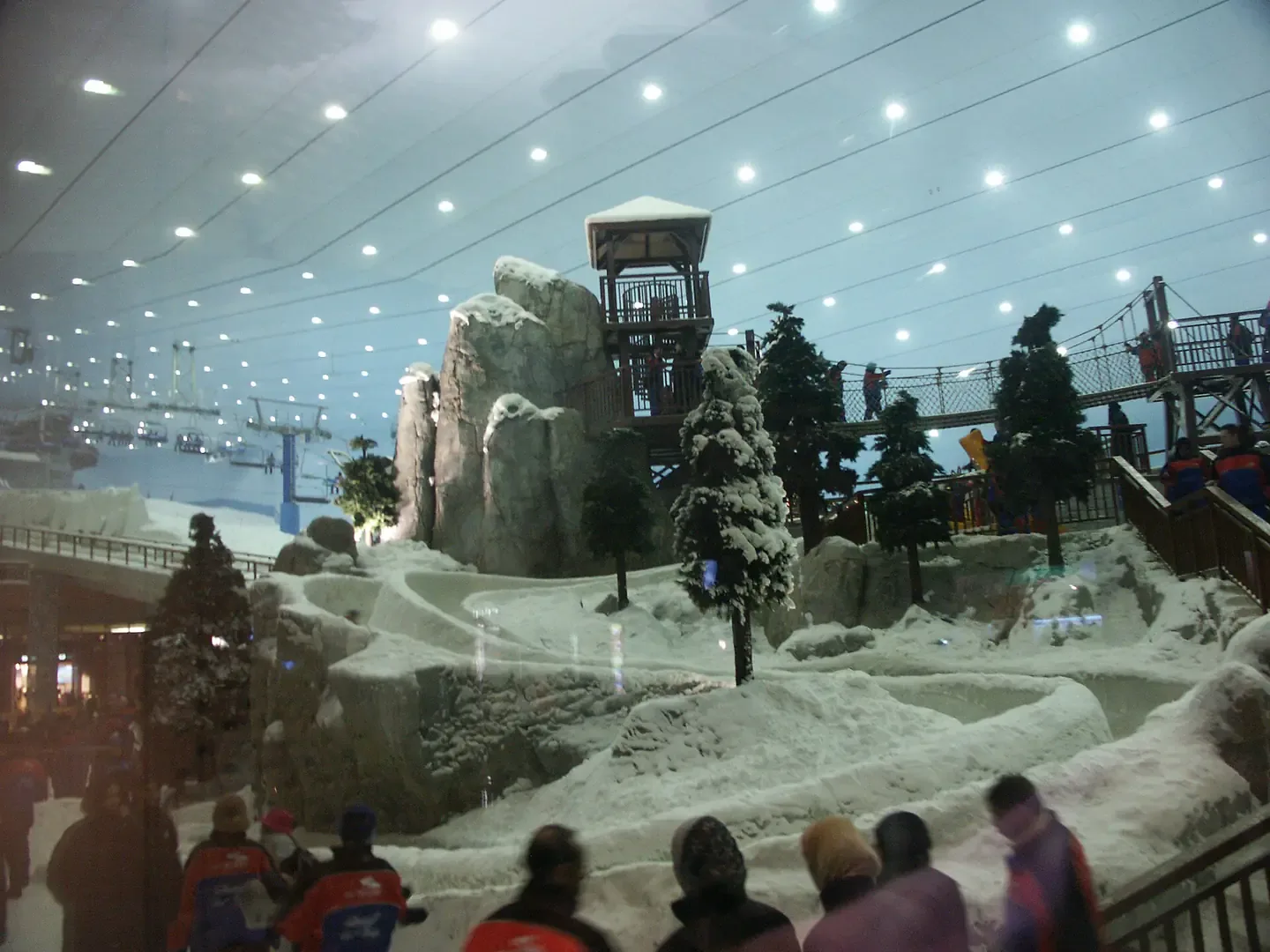
Ski Dubai is a curated Dubai family stop for travelers who want practical routing, Muslim-friendly comfort and a clearer reason to go than a generic directory listing.
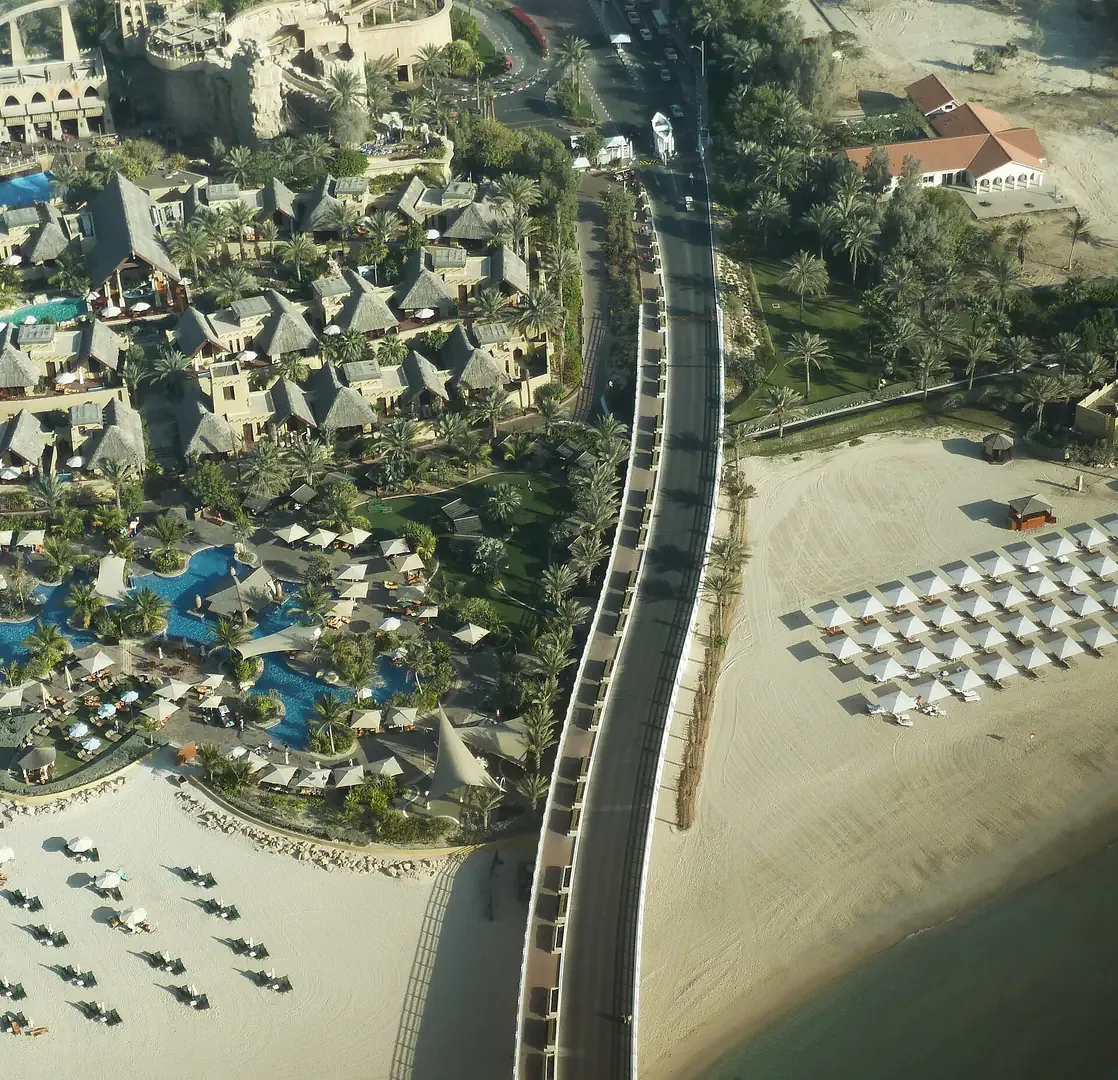
Wild Wadi Waterpark is a curated Dubai family stop for travelers who want practical routing, Muslim-friendly comfort and a clearer reason to go than a generic directory listing.
Dubai Parks and Resorts is a curated Dubai family stop for travelers who want practical routing, Muslim-friendly comfort and a clearer reason to go than a generic directory listing.
Dubai Mall is the flagship shopping stop in Dubai: huge, central, easy to pair with Burj Khalifa, and useful for almost every kind of traveler, from first-time visitors to families and luxury shoppers.
Mall of the Emirates is Dubai’s strongest all-round shopping mall for travelers who want fashion, indoor comfort, and easy transit logic in one stop.

City Walk is the best open-air urban shopping precinct in central Dubai for travelers who want retail, restaurants, and a walkable boulevard atmosphere.

Dubai Festival City Mall is a strong family shopping choice on Dubai Creek, especially if you want large-format retail, easier parking logic, and a less Downtown-heavy itinerary.

Souk Madinat Jumeirah is the most atmospheric souk-style shopping stop in Dubai for visitors who want gifts, handicrafts, and a scenic evening around water and restaurants.
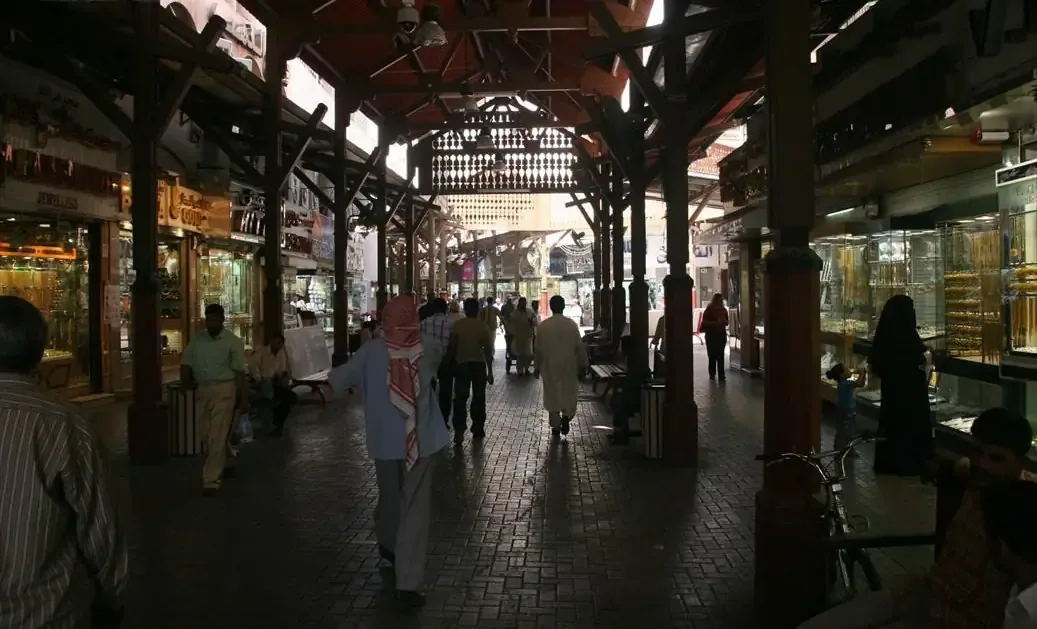
Gold Souk is a curated Dubai shopping stop for travelers who want practical routing, Muslim-friendly comfort and a clearer reason to go than a generic directory listing.

Spice Souk is a curated Dubai shopping stop for travelers who want practical routing, Muslim-friendly comfort and a clearer reason to go than a generic directory listing.

Perfume Souk is a curated Dubai shopping stop for travelers who want practical routing, Muslim-friendly comfort and a clearer reason to go than a generic directory listing.
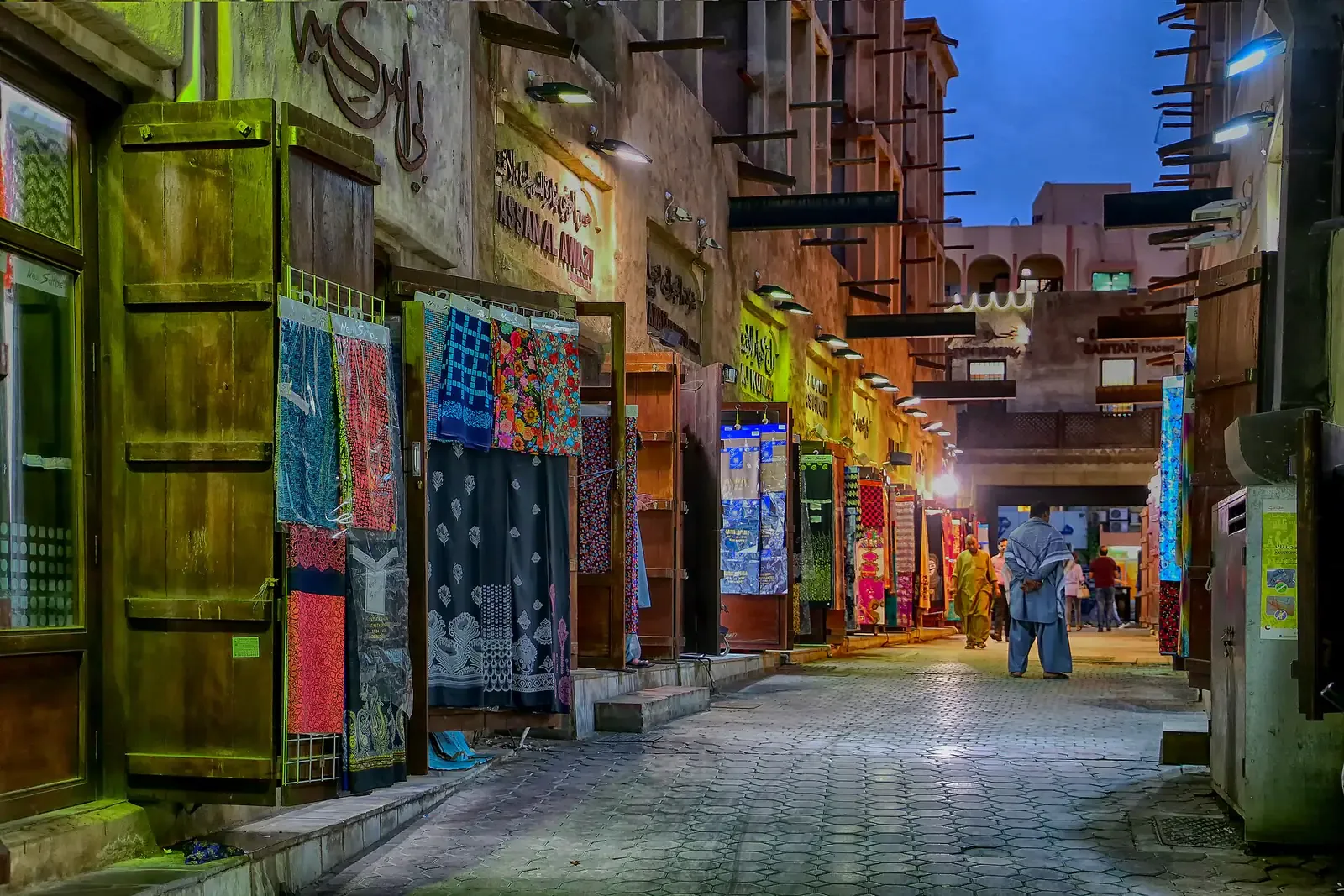
Textile Souk is a curated Dubai shopping stop for travelers who want practical routing, Muslim-friendly comfort and a clearer reason to go than a generic directory listing.

Naif Souk is a curated Dubai shopping stop for travelers who want practical routing, Muslim-friendly comfort and a clearer reason to go than a generic directory listing.

Madinat Jumeirah earns its place because it packages a full Dubai experience into one walkable resort zone: accommodation, dining, shopping, waterways, and beach access. Visit Dubai calls it an Arabian mini-city, which is exactly how most travelers should think about it: a self-contained stop that works well for families, premium stays, and slow sightseeing. ([visitdubai.com](https://www.visitdubai.com/en/places-to-visit/madinat-jumeirah?utm_source=openai)) For Muslim travelers, it is especially useful because the environment feels polished and relatively contained, making it easier to manage dress, dining, and family pacing. It is also one of the best places in Dubai to combine a scenic resort day with shopping at Souk Madinat and views toward landmarks like Burj Al Arab and the neighbouring beachfront strip. ([visitdubai.com](https://www.visitdubai.com/en/places-to-visit/madinat-jumeirah?utm_source=openai)) The best visit pattern is to come for late afternoon into evening: walk the souk, eat in the resort zone, and then continue toward Jumeirah or Umm Suqeim if you want a wider coastal circuit. Visit Dubai notes public transport access via the Dubai Internet City Metro Bus Stop and Route 88 to Madinat Jumeirah 2, which makes it possible to visit without relying entirely on a car. ([visitdubai.com](https://www.visitdubai.com/en/places-to-visit/madinat-jumeirah?utm_source=openai))
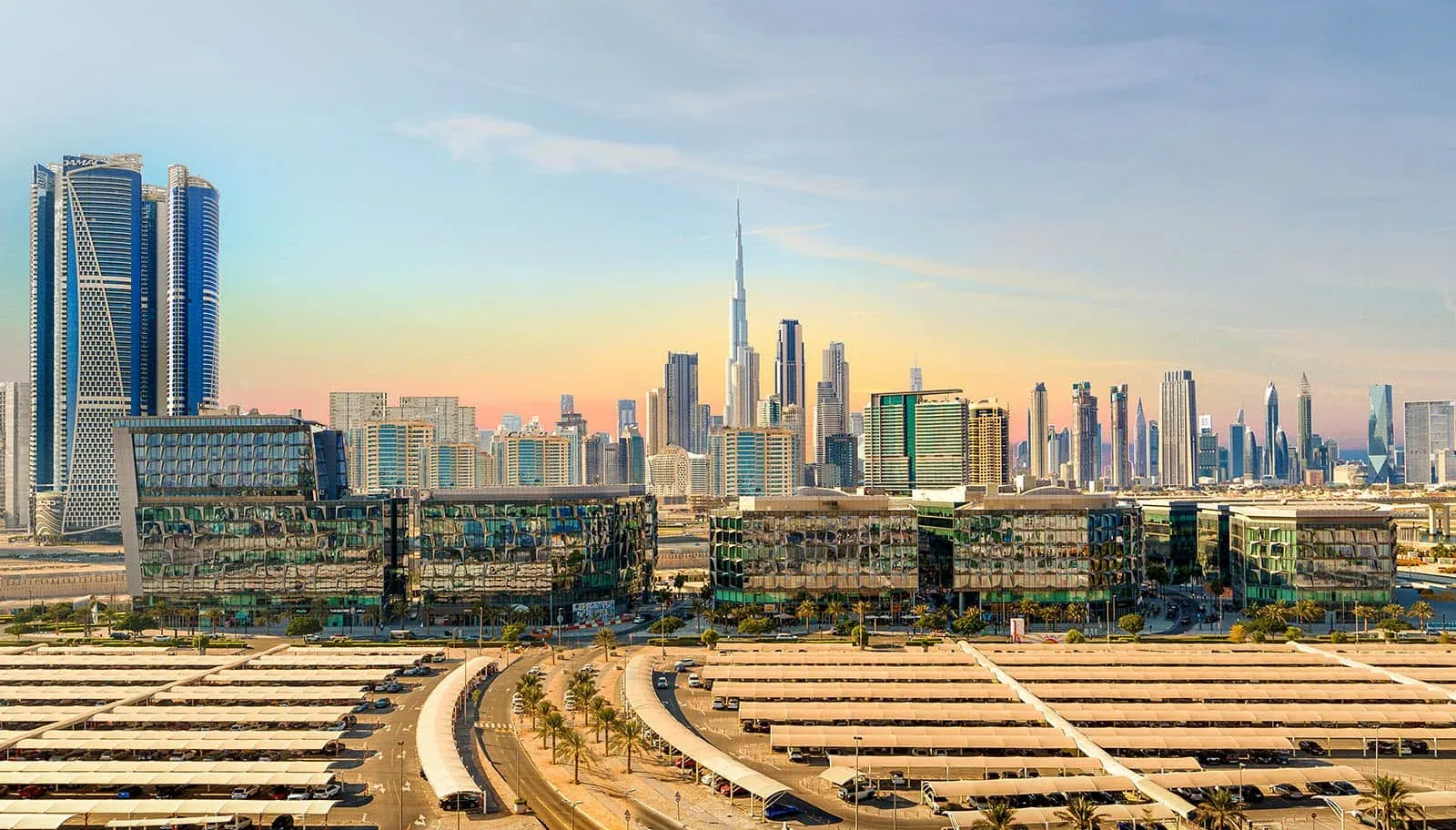
Dubai Design District, usually called d3, matters because it gives Dubai a focused creative identity rather than only a retail or business one. Visit Dubai describes it as a purpose-built community where designers, entrepreneurs, galleries, concept boutiques, and artists cluster together, making it a strong half-day stop for travelers who like contemporary urban culture. ([visitdubai.com](https://www.visitdubai.com/en/explore-dubai/dubai-neighbourhoods/dubai-design-district?utm_source=openai)) For Muslim travelers, d3 is useful because it is easy to combine with Downtown Dubai, the Dubai Canal area, and Business Bay in one itinerary loop. The district is a good place for design shopping, exhibitions, and café stops without the beach-club atmosphere of Marina or JBR, so it fits travelers who want a more restrained and family-friendly city feel. ([visitdubai.com](https://www.visitdubai.com/en/explore-dubai/dubai-neighbourhoods/dubai-design-district?utm_source=openai)) Visit Dubai also notes that d3 hosts major events such as Dubai Design Week and Sole DXB, while still operating as a dining hub with a mix of restaurants and casual stops. That makes it strategically useful in a Dubai guide: not a pure sightseeing district, but a place where shopping, art, and meal planning can all happen in one compact area. ([visitdubai.com](https://www.visitdubai.com/en/explore-dubai/dubai-neighbourhoods/dubai-design-district?utm_source=openai))

Al Satwa matters because it gives travelers a more lived-in, street-level Dubai than the city’s glass-and-marble districts. Visit Dubai positions it as one of the emirate’s oldest neighbourhoods, known for affordable shopping, casual eateries, and dense low-rise urban fabric that still feels close to everyday community life. ([visitdubai.com](https://www.visitdubai.com/en/explore-dubai/dubai-neighbourhoods/satwa?utm_source=openai)) For Muslim travelers, Satwa is useful as a practical base or food stop: it sits close to Sheikh Zayed Road, has easy bus links, and is known for simple, value-driven dining rather than polished destination restaurants. Visit Dubai also highlights nearby parks, tailors, perfumeries, bakeries, and the Plant Street flower corridor, which makes the area useful for errands and last-minute travel shopping. ([visitdubai.com](https://www.visitdubai.com/en/explore-dubai/dubai-neighbourhoods/satwa?utm_source=openai)) The best way to use Satwa is to pair it with Jumeirah, City Walk, or Downtown on the same day. 2nd December Street is the easiest orientation line, and the district rewards slow wandering rather than checklist sightseeing. It is especially good for travelers who want budget dining, textile shopping, or a local contrast to Dubai Marina and Downtown. ([visitdubai.com](https://www.visitdubai.com/en/explore-dubai/dubai-neighbourhoods/satwa?utm_source=openai))
Dubai Airport and Garhoud is not a sightseeing district in the usual sense; its value is logistical. If you are flying in late, leaving early, transiting, or building a short stay around connectivity, this area gives you the most predictable start and finish to a Dubai trip. Garhoud sits just across Dubai Creek from older neighbourhoods and close to the main airport corridors, which makes it useful for travellers who want to reduce transfer time. It is especially helpful on one-night stopovers, business arrivals, and family trips with heavy luggage or children in tow. The area also works for Muslim travellers because airport-zone hotels and nearby dining usually make short stays more manageable: prayer timing, early breakfast, and transport to the next district are straightforward. It is not the area for long walks, but it is one of the best places to land without friction. Use this zone if your trip is built around DXB, if you need a sleep-efficient first night before moving into the city, or if you want a base with easy access to Deira, Dubai Creek, and the metro/road network. It pairs best with short-stay planning rather than destination evenings.
Jumeirah is one of Dubai’s most recognisable low-rise coastal districts, known for villa streets, beach access, local cafés, and an easy-going residential character that feels different from the towers of Marina or Downtown. For travellers, it is one of the most comfortable areas for a slower, more family-oriented Dubai stay. The current headline attraction is J1 Beach, which reopened the former La Mer beachfront as a polished dining-led coastal destination. That makes this part of Jumeirah especially useful for visitors who want seaside lunch or dinner plans, beachfront strolling, and a modern Dubai atmosphere without committing to a full resort stay. This area is also well placed for pairing public beaches with signature city icons. You can combine J1 Beach with Kite Beach, Sunset Beach, or a heritage day in nearby Jumeirah and Al Fahidi, then return for a relaxed waterfront evening. It is a strong base for travellers who want water, food, and urban convenience in one stretch of coast. For Muslim travellers, Jumeirah is especially practical because it is an established Dubai neighbourhood with broad halal dining availability, familiar family-friendly settings, and easy access to mosques and prayer breaks in adjacent residential areas. It works well for visitors who prefer a cleaner, calmer beach scene than the city’s nightlife-heavy waterfronts.
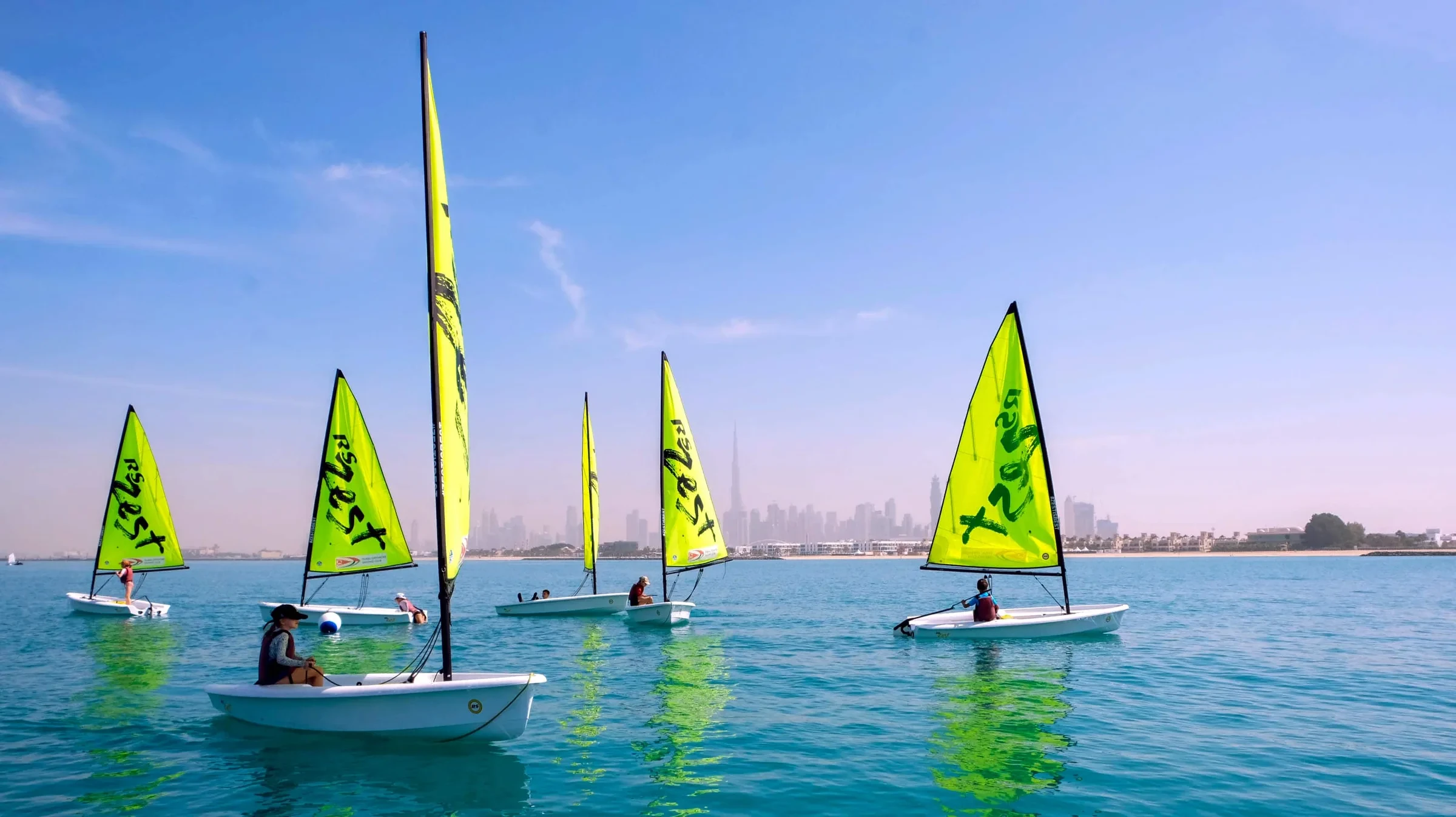
Umm Suqeim sits on Dubai’s most recognisable stretch of coast, where the Burj Al Arab, Jumeirah Beach Hotel, and Madinat Jumeirah create the city’s classic luxury-beach skyline. It is one of the best areas for visitors who want a resort-heavy base without losing touch with a more lived-in residential side of Dubai. The practical value here is location logic: you can pair beach time, family play time, and a serious dinner or hotel night out without crossing the city. Kite Beach and Sunset Beach are the key public-sand options, while Madinat Jumeirah adds canal walks, souk browsing, and dining that works well for couples and families. For Muslim travellers, Umm Suqeim is especially comfortable because it is a mainstream Dubai beachfront district with abundant halal food options, easy mosque access in surrounding residential streets, and family-first public spaces. The area is also helpful during cooler months when you want an outdoors-heavy day that still feels orderly and polished. Use Umm Suqeim when you want to stay close to Dubai’s signature coastal postcard, or when you are building a route that combines Burj Al Arab views, beach walks, and a more relaxed evening than Dubai Marina or Downtown. It pairs especially well with Jumeirah, J1 Beach, and nearby Al Safa.
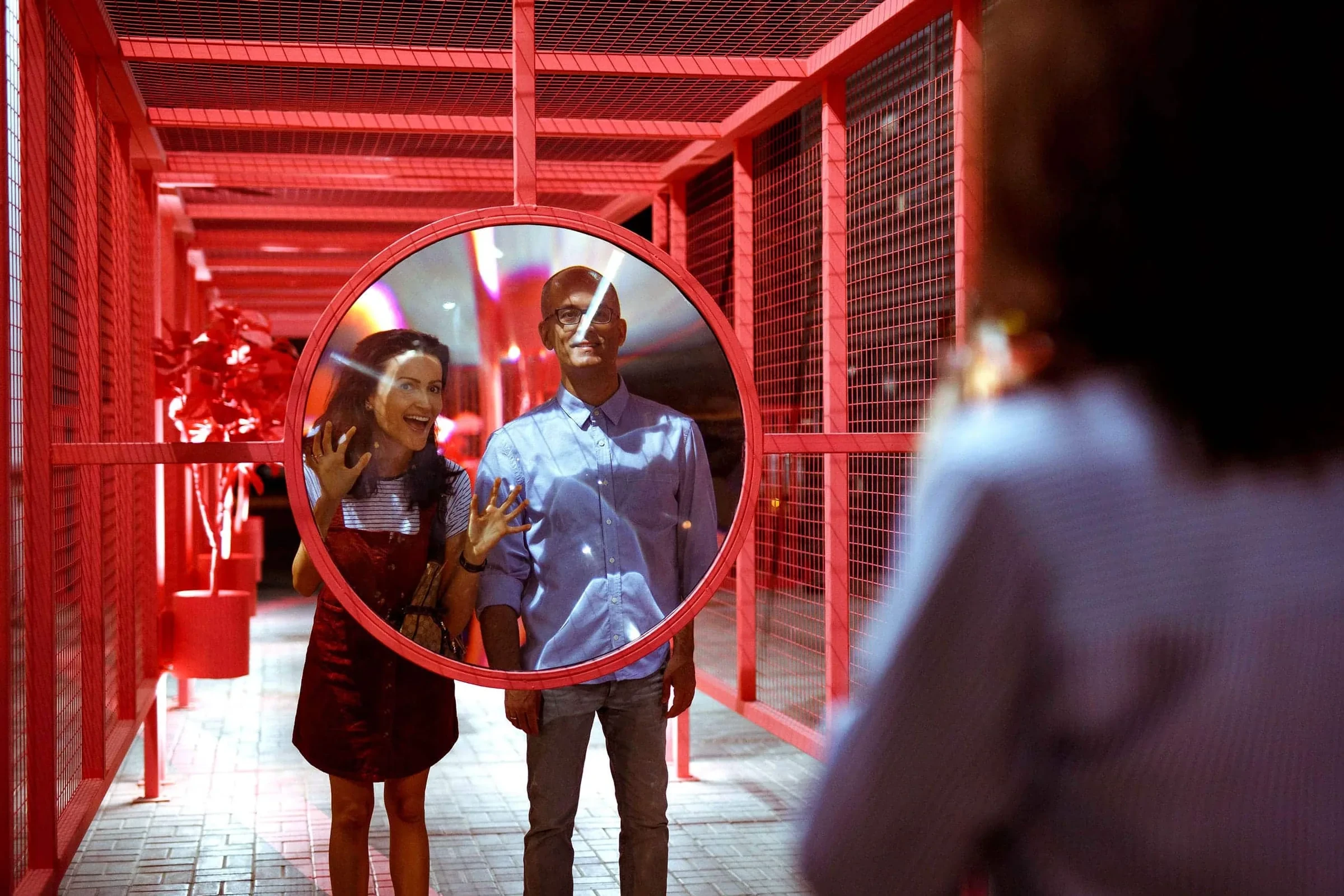
Al Quoz is one of Dubai’s most interesting urban districts because it has shifted beyond its industrial roots. Visit Dubai highlights the area’s growing dining scene and features The Courtyard as a tucked-away escape, showing how Al Quoz now works as both a cultural and lifestyle destination. ([visitdubai.com](https://www.visitdubai.com/en/articles/al-quoz-hotspots?utm_source=openai)) For travellers, Al Quoz matters less as a conventional sightseeing district and more as a place where Dubai feels creative and local. Its warehouse fabric supports galleries, design spaces, cafés, and destination restaurants, which makes it especially useful on hot days when you want a mostly indoor half-day without falling back into a mall-only programme. ([visitdubai.com](https://www.visitdubai.com/en/places-to-visit/the-courtyard-al-quoz?utm_source=openai)) Muslim travellers will find Al Quoz useful because it slots neatly into a family or couple itinerary: start with a late breakfast or art stop, move through galleries or design spaces, and finish with dinner nearby. The district’s value is strategic rather than iconic, so it is best paired with nearby Jumeirah, Al Safa, or Sheikh Zayed Road routes instead of standing alone. ([visitdubai.com](https://www.visitdubai.com/en/places-to-visit/the-courtyard-al-quoz?utm_source=openai)) Choose Al Quoz when you want contemporary Dubai with fewer crowds and more originality. It is one of the city’s strongest choices for travellers who like art, architecture, and café culture, and it becomes especially valuable during summer when indoor planning matters most. ([visitdubai.com](https://www.visitdubai.com/en/places-to-visit/the-courtyard-al-quoz?utm_source=openai))
Jumeirah Lakes Towers, usually shortened to JLT, is a dense mixed-use district beside Sheikh Zayed Road and opposite Dubai Marina. Visit Dubai describes it as a skyline of more than 2.5 kilometres of towers, with the area framed by First Al Khail Street on one side and Al Sarayat Street on the other. ([visitdubai.com](https://www.visitdubai.com/en/explore-dubai/dubai-neighbourhoods/jumeirah-lakes-towers?utm_source=openai)) For visitors, JLT matters because it is one of Dubai’s most practical urban bases. It gives you easy metro and road access, a huge range of restaurants, and a more affordable day-to-day rhythm than the resort belt, which is useful for business trips, long stays, and travellers who want marina access without paying full Marina prices. ([visitdubai.com](https://www.visitdubai.com/en/explore-dubai/dubai-neighbourhoods/jumeirah-lakes-towers?utm_source=openai)) The neighbourhood also works well for Muslim travellers who want a simple planning structure: dining, accommodation, errands, and evening walks can all stay within the same district. Because JLT is built as a cluster of towers and lakes, it feels walkable by Dubai standards, and its scale makes it easy to combine meals, meetings, and short leisure breaks. ([visitdubai.com](https://www.visitdubai.com/en/explore-dubai/dubai-neighbourhoods/jumeirah-lakes-towers?utm_source=openai)) Use JLT when you want a strategic base rather than a headline attraction. It pairs especially well with Dubai Marina, Bluewaters, and the wider JBR waterfront, while also staying convenient for Sheikh Zayed Road movements to Downtown, Expo City, and the airport corridor. ([visitdubai.com](https://www.visitdubai.com/en/explore-dubai/dubai-neighbourhoods/jumeirah-lakes-towers?utm_source=openai))
Jumeirah is one of Dubai’s most recognisable coastal neighbourhoods: a long, affluent strip of villas, beaches, cafés, boutiques, and resort hotels along the Arabian Gulf. Visit Dubai describes it as a district of beaches, boutiques, and dining, with public beaches such as Kite Beach, Sunset Beach, and Nessnass Beach forming the area’s most family-friendly public edge. ([visitdubai.com](https://www.visitdubai.com/en/explore-dubai/dubai-neighbourhoods/jumeirah?utm_source=openai)) For Muslim travellers, Jumeirah is especially practical because it combines outdoor leisure with culturally comfortable stops. Jumeirah Mosque is one of the city’s most important mosque visits, while the beach corridor gives you easy pairing logic: mosque, lunch, beach walk, and an early dinner without needing long cross-city transfers. ([visitdubai.com](https://www.visitdubai.com/en/explore-dubai/dubai-neighbourhoods/jumeirah?utm_source=openai)) The area is also a good base if you want Dubai that feels residential rather than compressed into a mall district. Visit Dubai notes a strong café and shopping scene along Jumeirah Beach Road, plus nearby malls such as Mercato, Town Centre Jumeirah, and Sunset Mall, which makes the district useful in both hot weather and shoulder-season evenings. ([visitdubai.com](https://www.visitdubai.com/en/explore-dubai/dubai-neighbourhoods/jumeirah?utm_source=openai)) Use Jumeirah when you want a day that balances open-air time with practical family pacing. It pairs well with nearby Al Safa, City Walk, Pearl Jumeirah, and the wider J1 Beach stretch, so it works both for first-time visitors and for repeat travellers who want a calmer, more local-feeling Dubai beach circuit. ([visitdubai.com](https://www.visitdubai.com/en/explore-dubai/dubai-neighbourhoods/jumeirah?utm_source=openai))
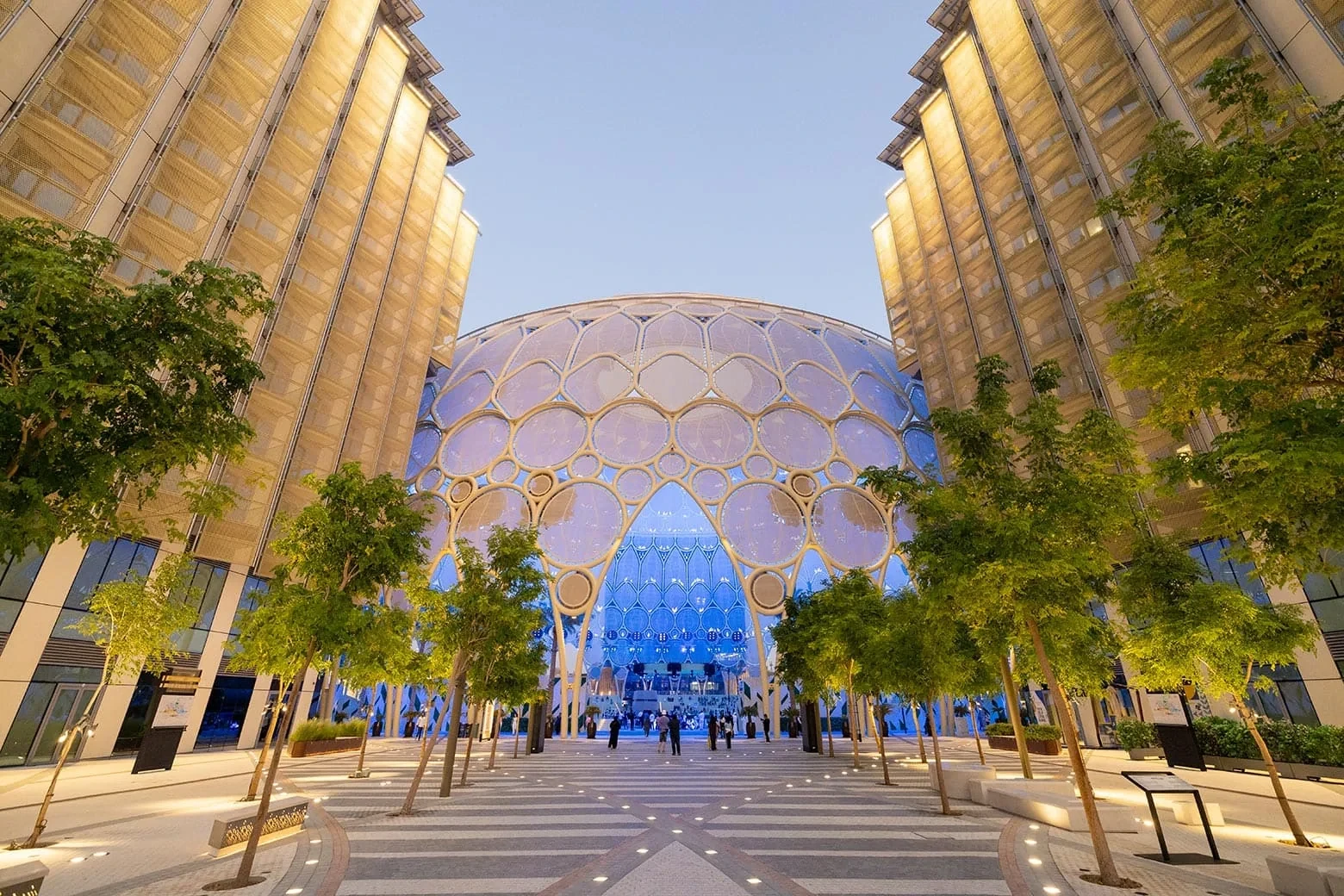
Expo City Dubai anchors this southern zone with a walkable, event-ready campus built on the legacy of Expo 2020, while Dubai South around it supports airport-linked logistics, stays, and development. For Muslim travelers, the area is especially useful for stopovers, exhibition visits, family outings, and planned event days because it is organized, spacious, and easier to manage than the city center during major crowds. It pairs naturally with Al Maktoum International Airport access, Dubai Exhibition Centre events, and long-day itineraries that need a calmer base away from the main tourist core.
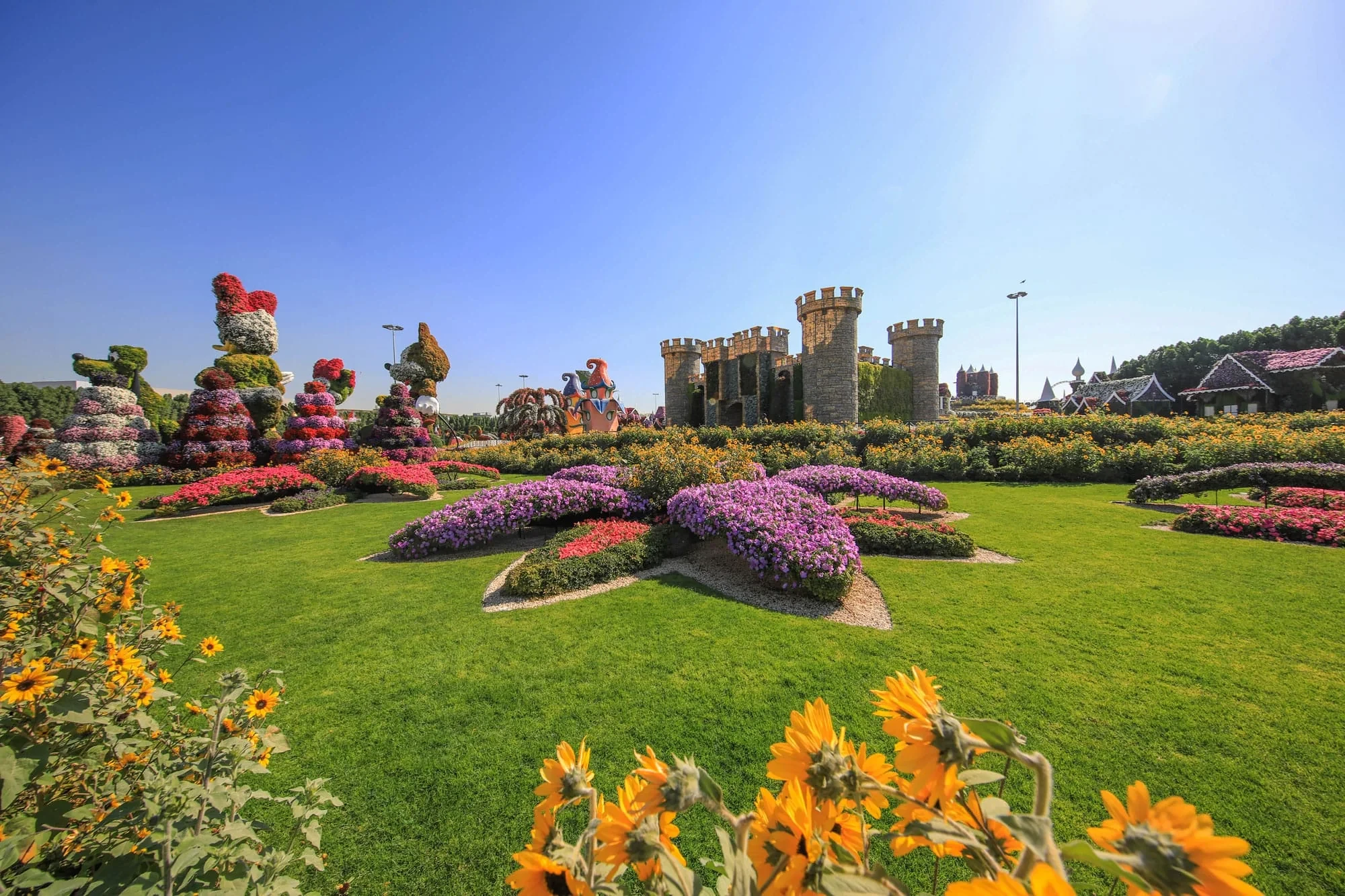
Dubai’s flagship seasonal flower attraction is a high-impact family stop in Al Barsha South, best for photography, children, and a bright change from the city’s towers.
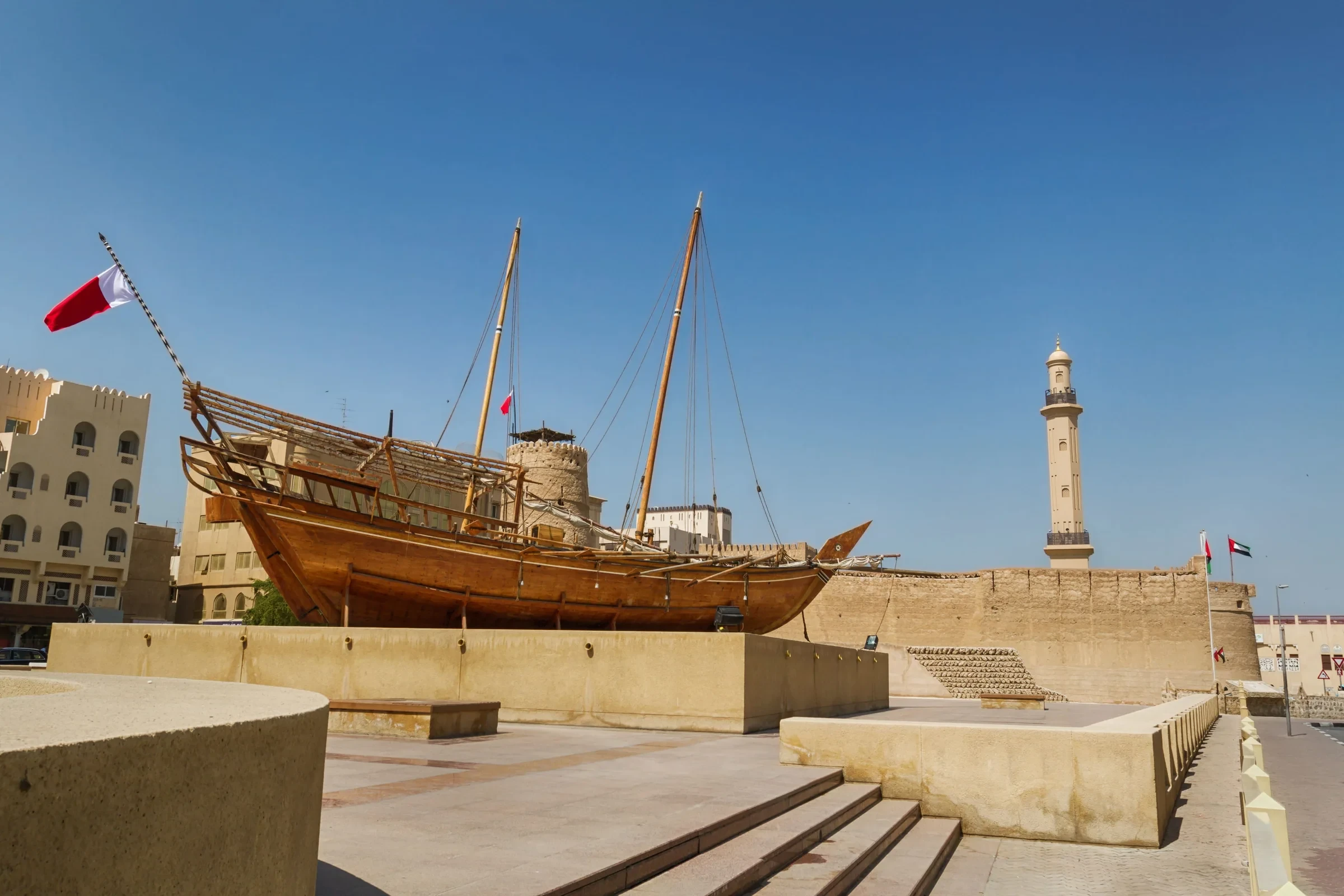
Dubai’s oldest surviving building is the city’s clearest heritage anchor, and it matters even more now because the museum interior is closed for renovations. For a Muslim traveler, this is the best single stop for understanding pre-oil Dubai, then pairing that history with the nearby creek, souks, and old-quarter walking route.
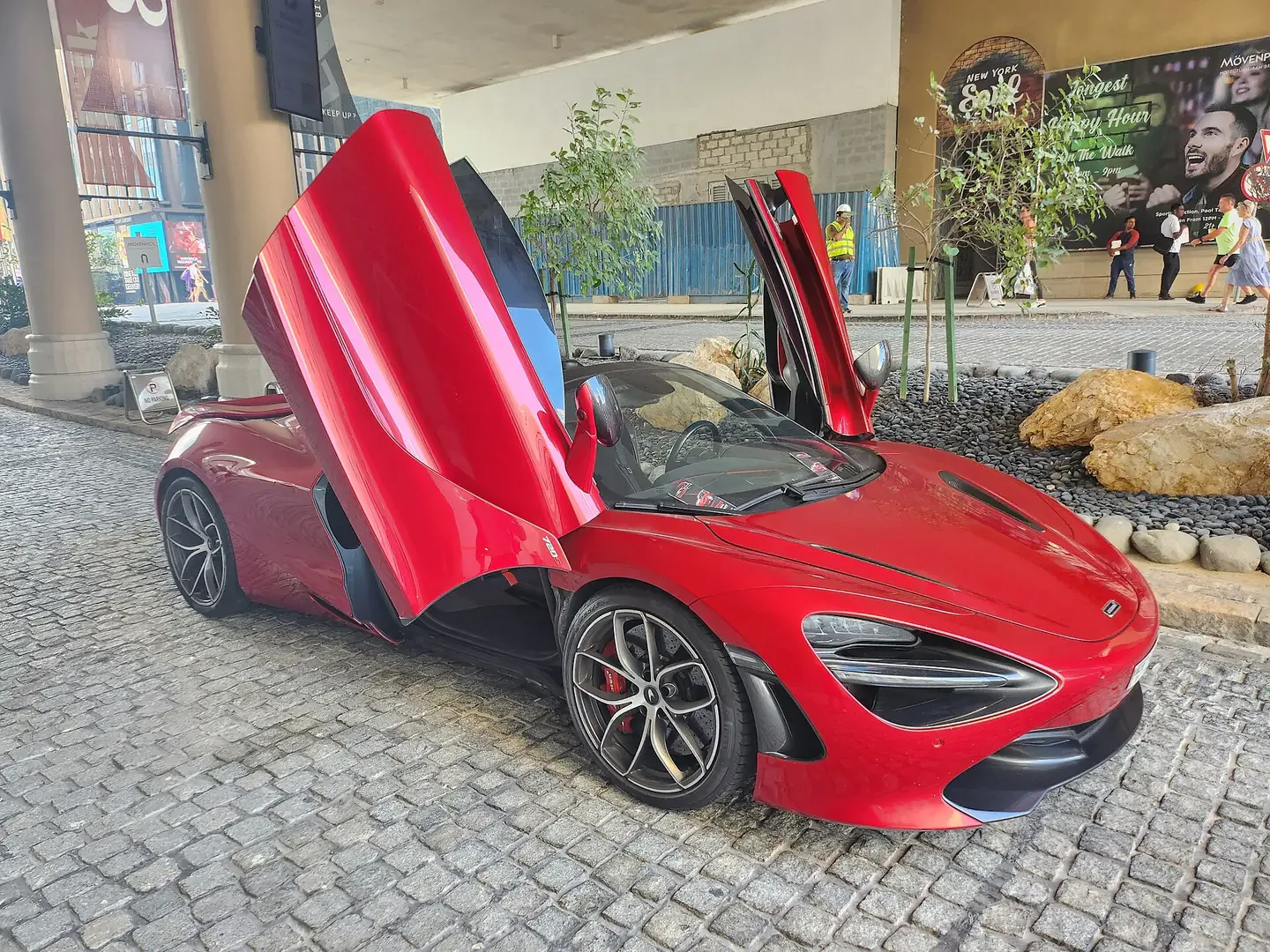
Dubai’s most visitor-friendly beachfront strip for relaxed sun, promenade dining, family entertainment, and easy pairing with Dubai Marina or JBR overnight stays.
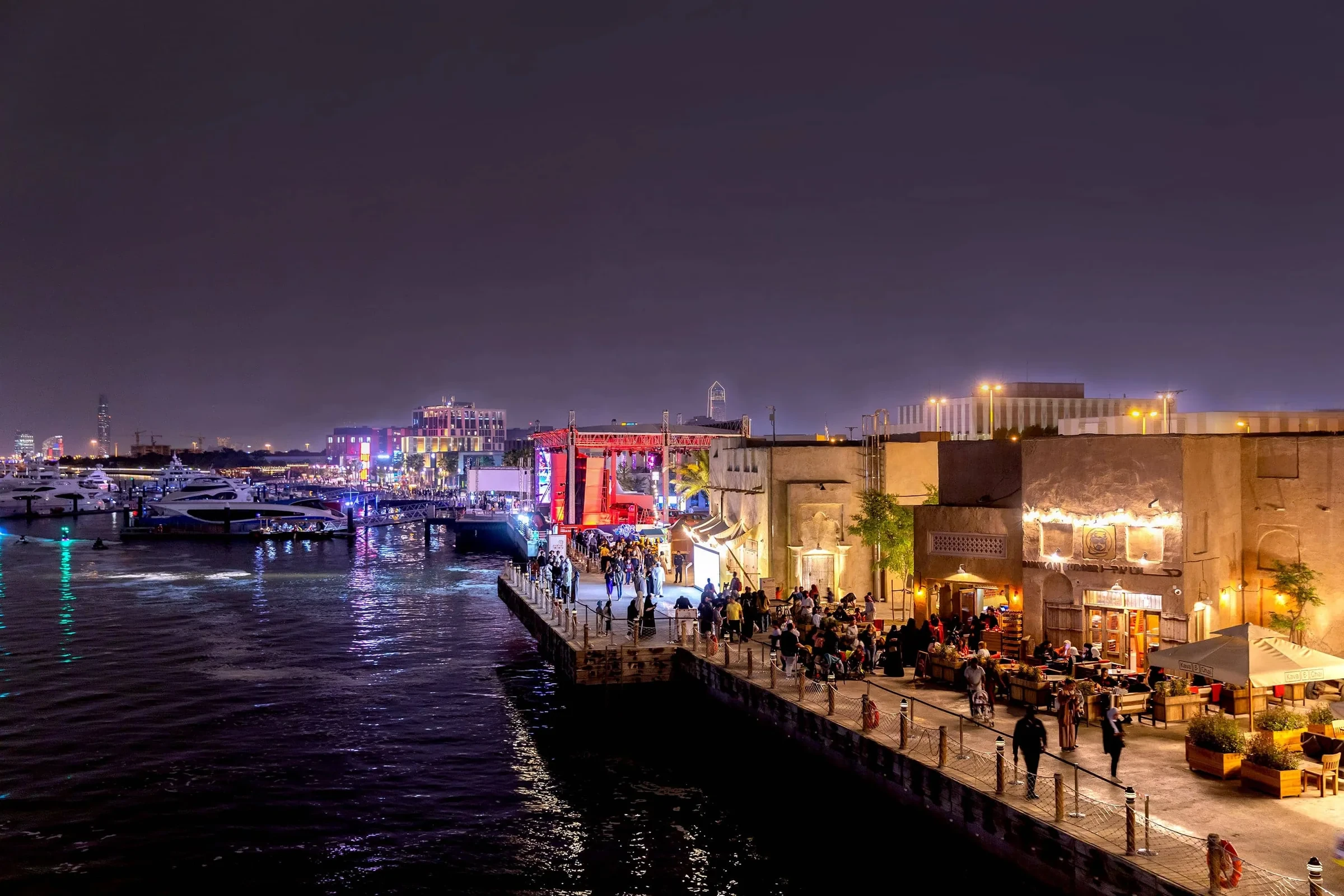
A waterfront heritage district on Dubai Creek with walkable lanes, dining, shopping, and easy access to Old Dubai.
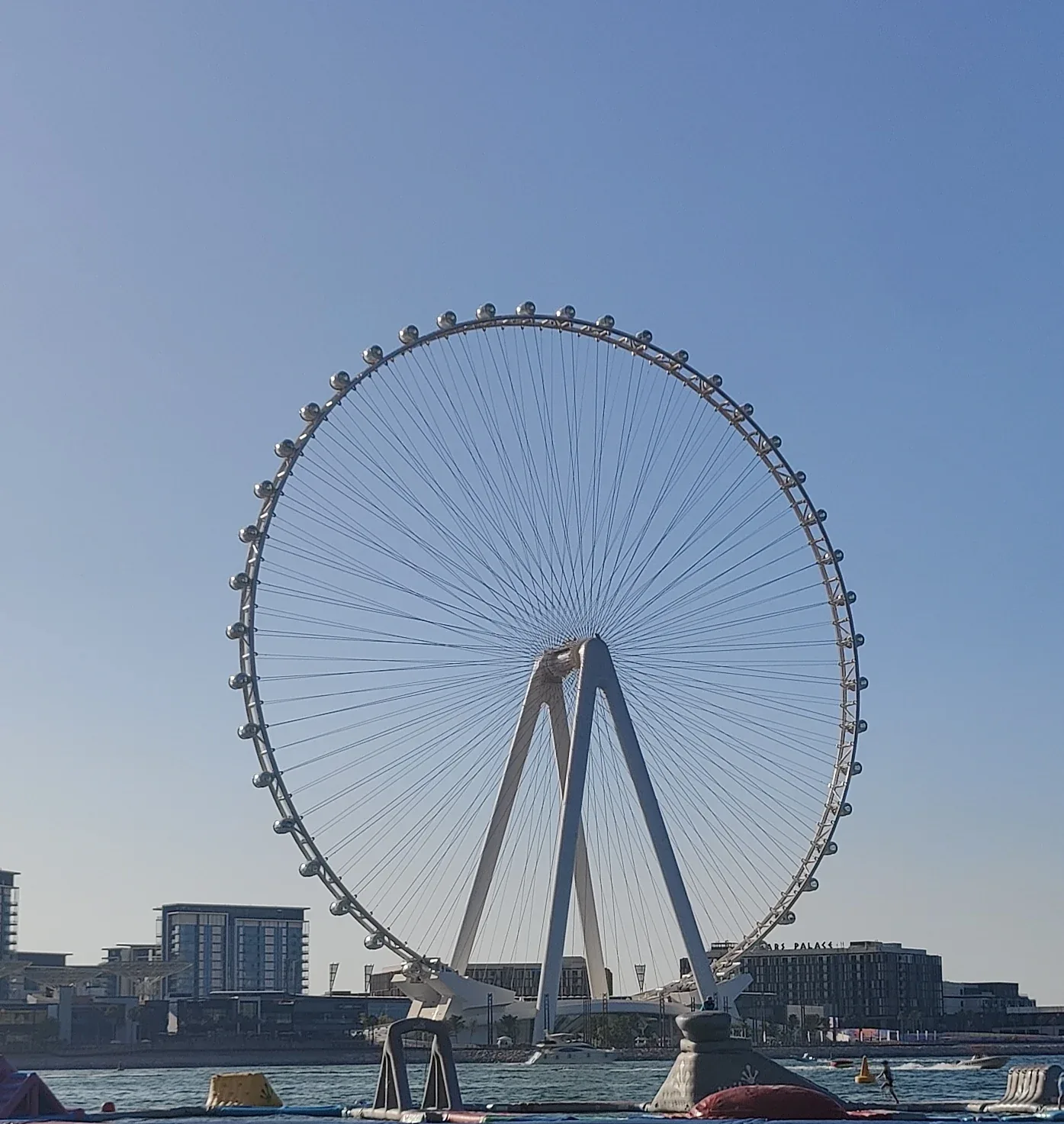
Dubai’s headline observation wheel and one of the strongest skyline-view stops on Bluewaters Island.
Dubai’s largest Hollywood-inspired theme park, strongest for teens, film fans, and families who want indoor-heavy rides and a full-day entertainment plan.
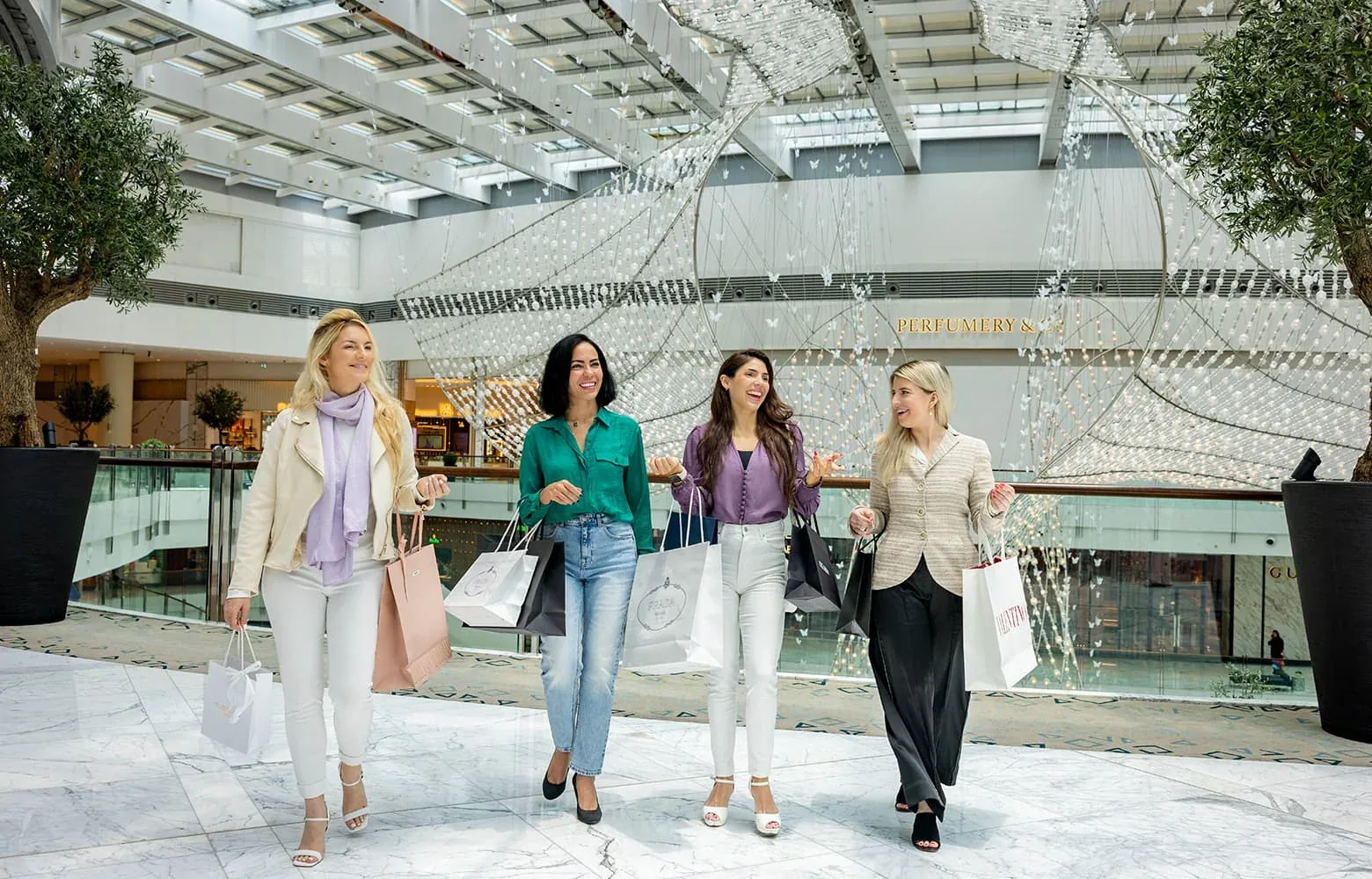
Dubai Shopping Festival is a curated Dubai festival stop for travelers who want practical routing, Muslim-friendly comfort and a clearer reason to go than a generic directory listing.
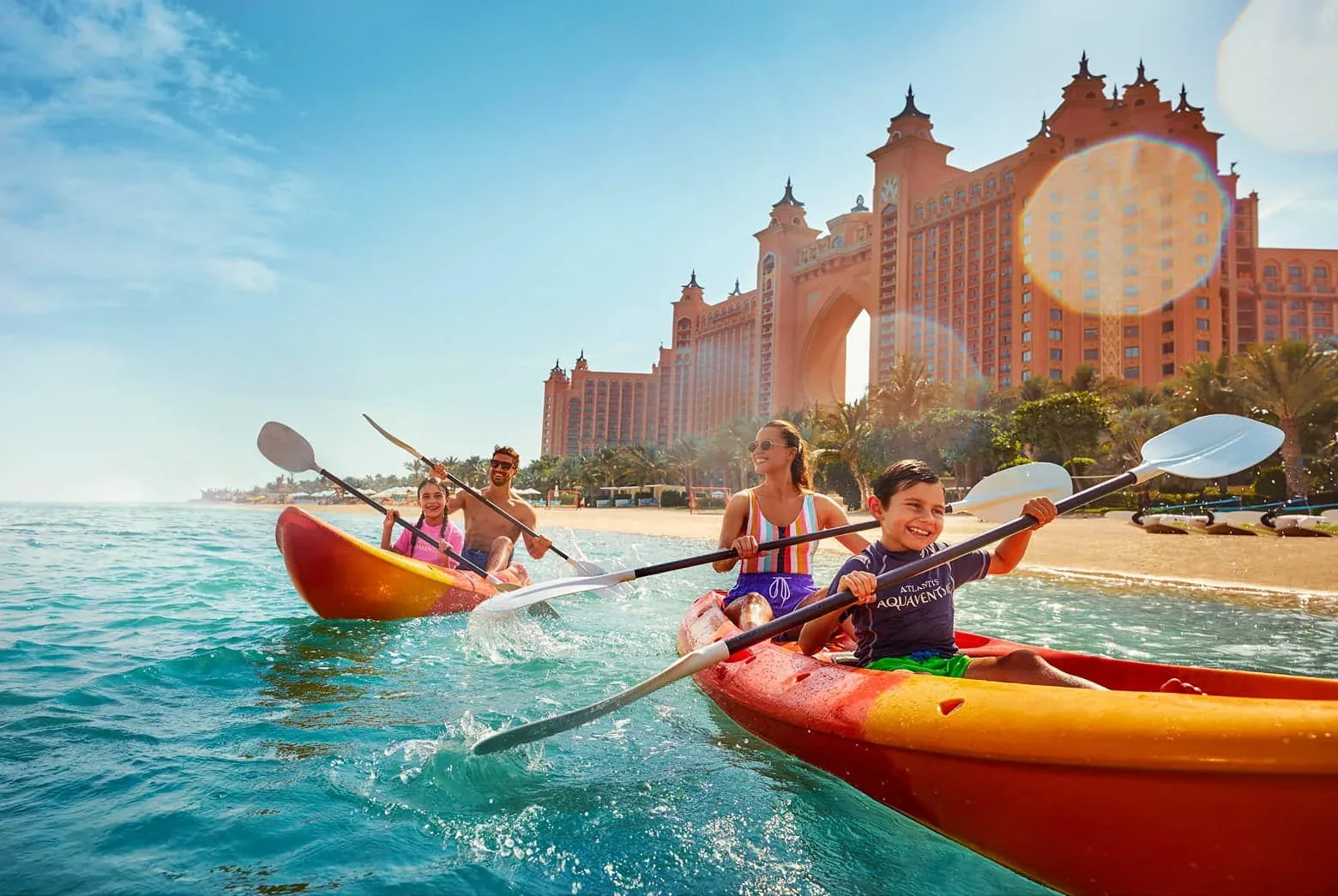
Dubai Summer Surprises is a curated Dubai festival stop for travelers who want practical routing, Muslim-friendly comfort and a clearer reason to go than a generic directory listing.
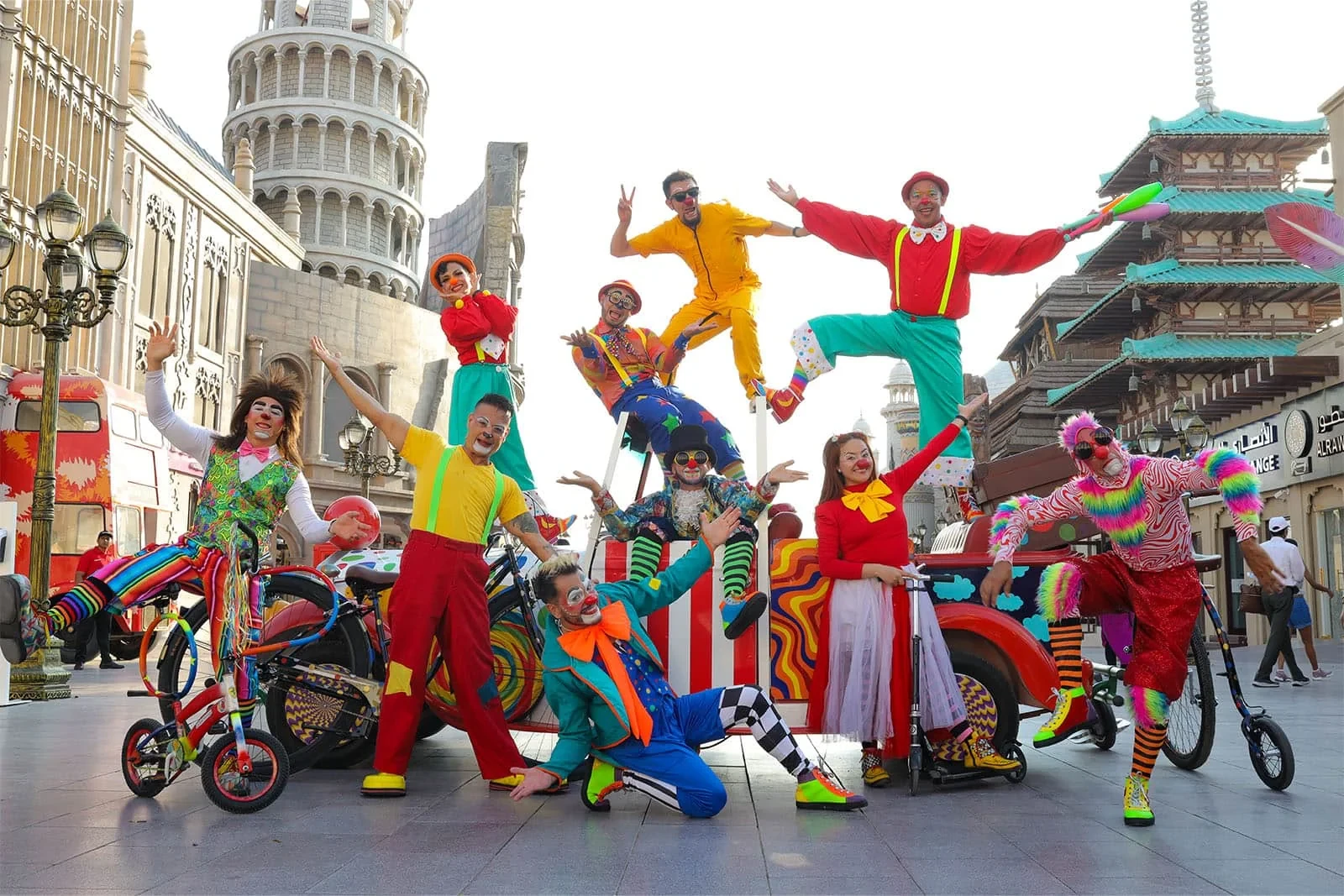
Global Village Season is a curated Dubai festival stop for travelers who want practical routing, Muslim-friendly comfort and a clearer reason to go than a generic directory listing.
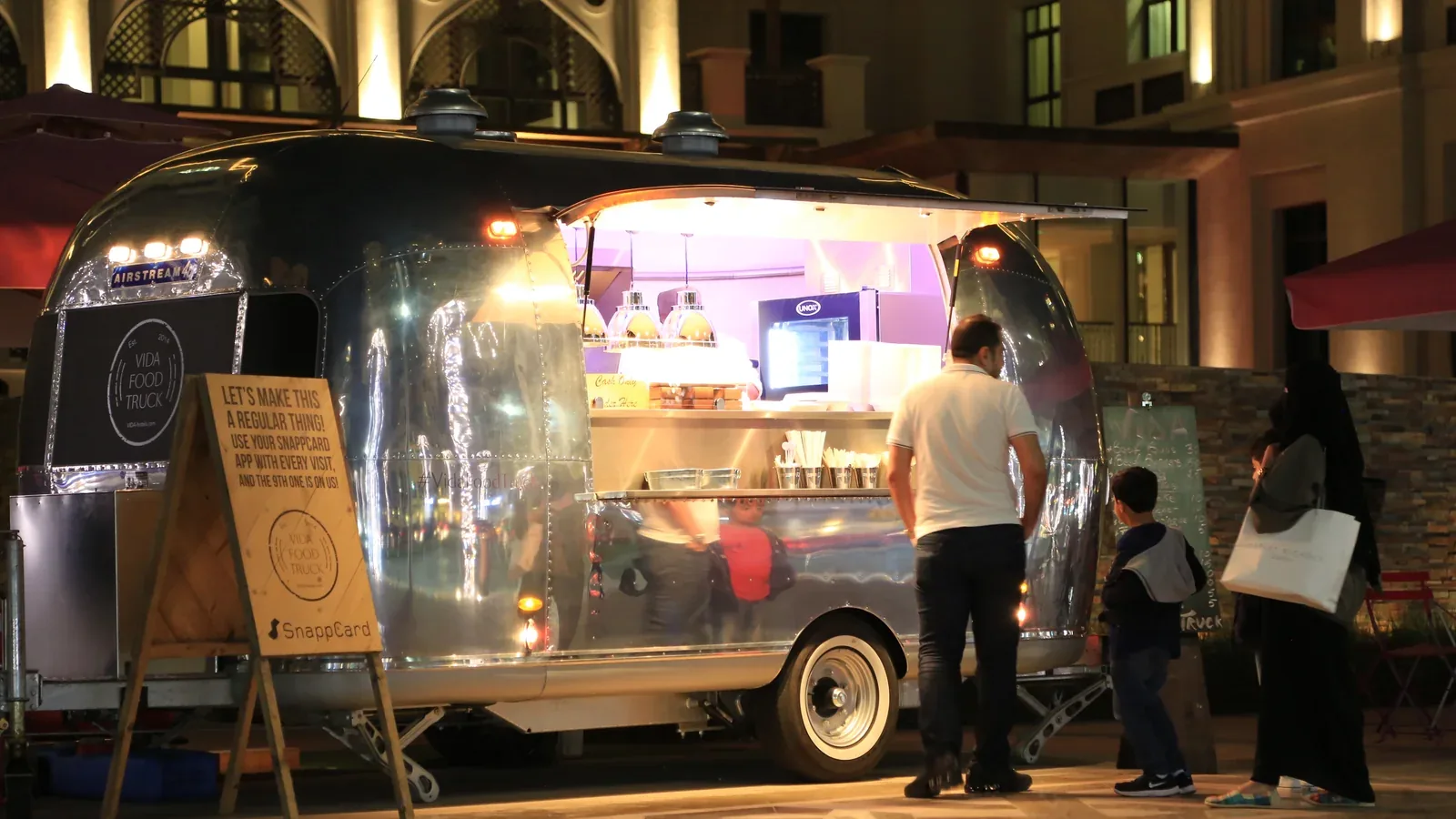
Dubai Food Festival is a curated Dubai festival stop for travelers who want practical routing, Muslim-friendly comfort and a clearer reason to go than a generic directory listing.
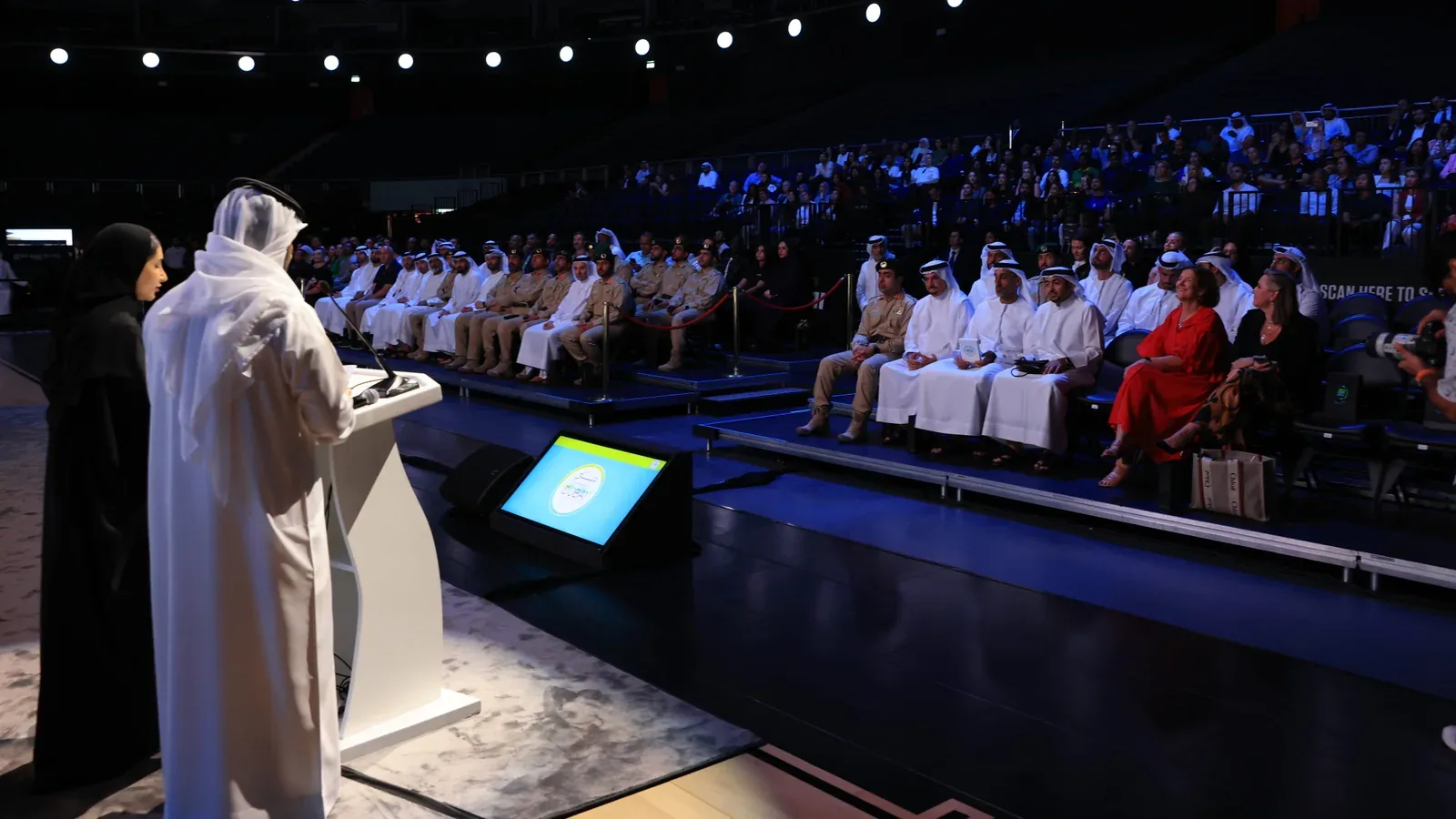
Dubai Fitness Challenge is a curated Dubai festival stop for travelers who want practical routing, Muslim-friendly comfort and a clearer reason to go than a generic directory listing.
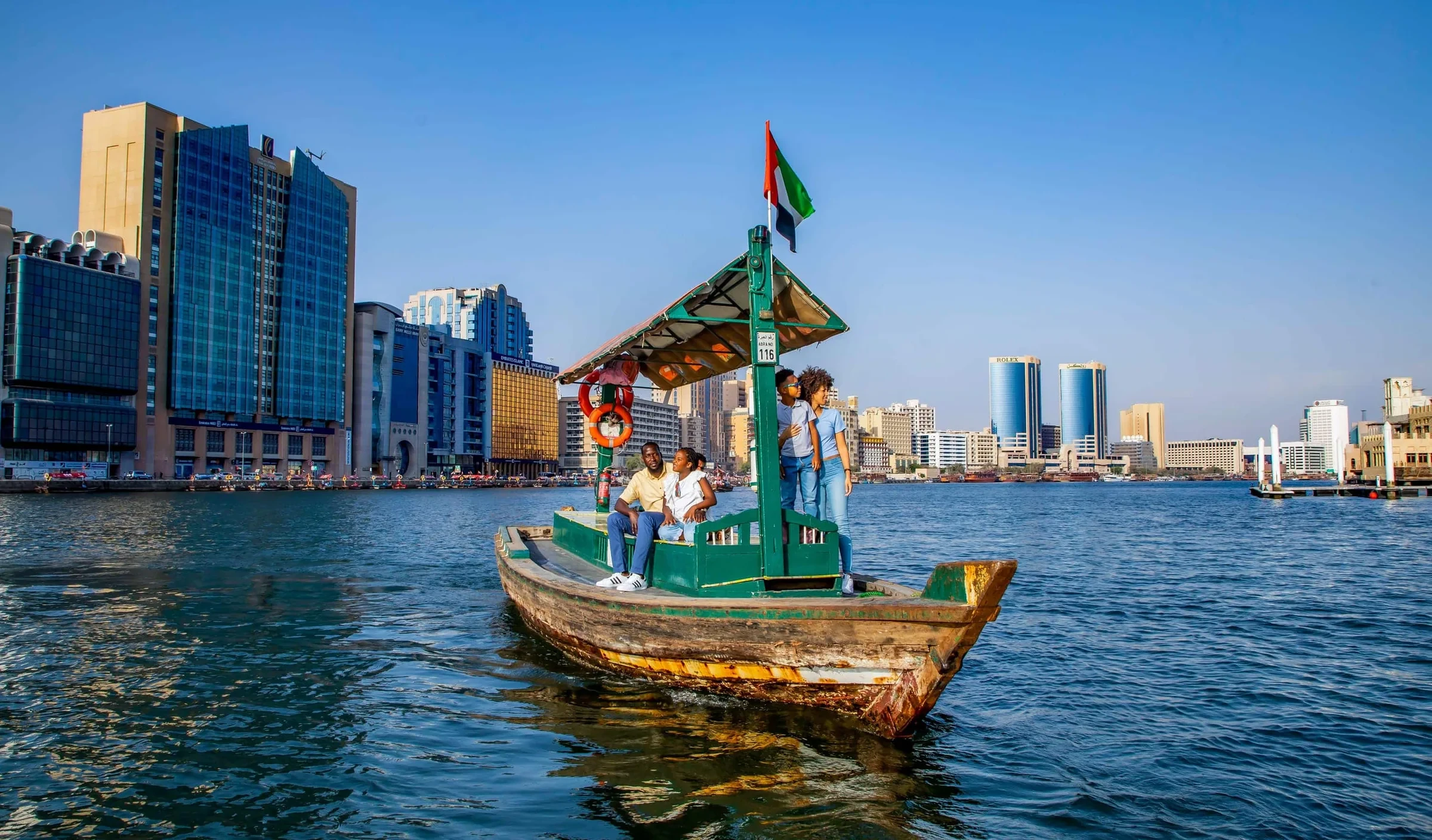
Old Dubai Creek, Souks and Abra Tour is a curated Dubai tour stop for travelers who want practical routing, Muslim-friendly comfort and a clearer reason to go than a generic directory listing.
Dubai Desert Conservation Safari is a curated Dubai tour stop for travelers who want practical routing, Muslim-friendly comfort and a clearer reason to go than a generic directory listing.
Al Marmoom Desert Experience is a curated Dubai tour stop for travelers who want practical routing, Muslim-friendly comfort and a clearer reason to go than a generic directory listing.

Hatta Mountain Day Trip is a curated Dubai tour stop for travelers who want practical routing, Muslim-friendly comfort and a clearer reason to go than a generic directory listing.
Dubai Creek Dhow Cruise is a curated Dubai tour stop for travelers who want practical routing, Muslim-friendly comfort and a clearer reason to go than a generic directory listing.
Dubai Marina Dhow Cruise is a curated Dubai tour stop for travelers who want practical routing, Muslim-friendly comfort and a clearer reason to go than a generic directory listing.
Downtown Dubai Evening Route is a curated Dubai tour stop for travelers who want practical routing, Muslim-friendly comfort and a clearer reason to go than a generic directory listing.
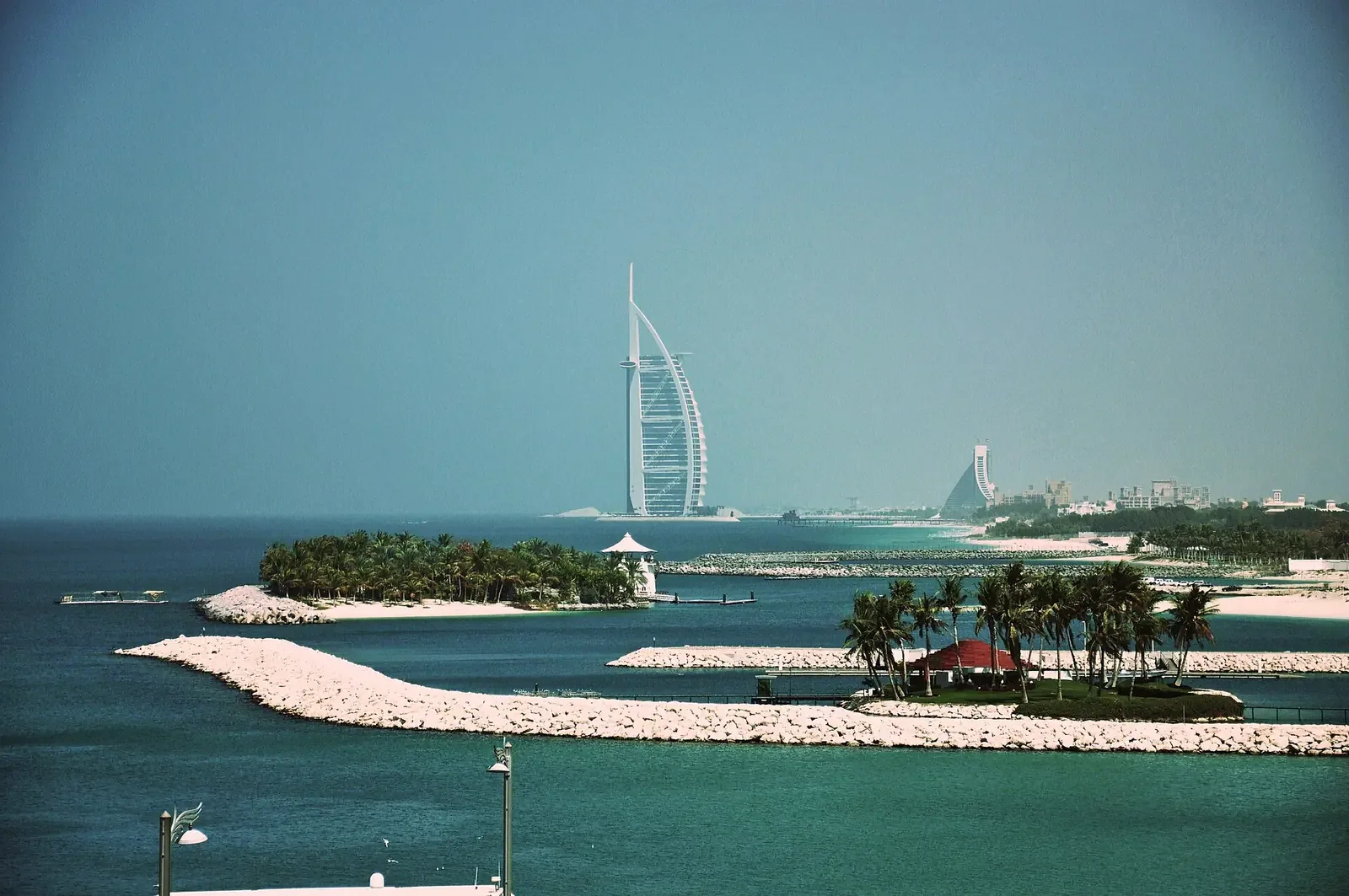
Palm Jumeirah Monorail Route is a curated Dubai tour stop for travelers who want practical routing, Muslim-friendly comfort and a clearer reason to go than a generic directory listing.
Dubai Frame and Zabeel Route is a curated Dubai tour stop for travelers who want practical routing, Muslim-friendly comfort and a clearer reason to go than a generic directory listing.
Jumeirah Mosque and Beach Culture Route is a curated Dubai tour stop for travelers who want practical routing, Muslim-friendly comfort and a clearer reason to go than a generic directory listing.
Jumeirah Mosque gives Dubai visitors a respectful, accessible way to understand Islamic architecture and Emirati hospitality beyond malls and skyline views.
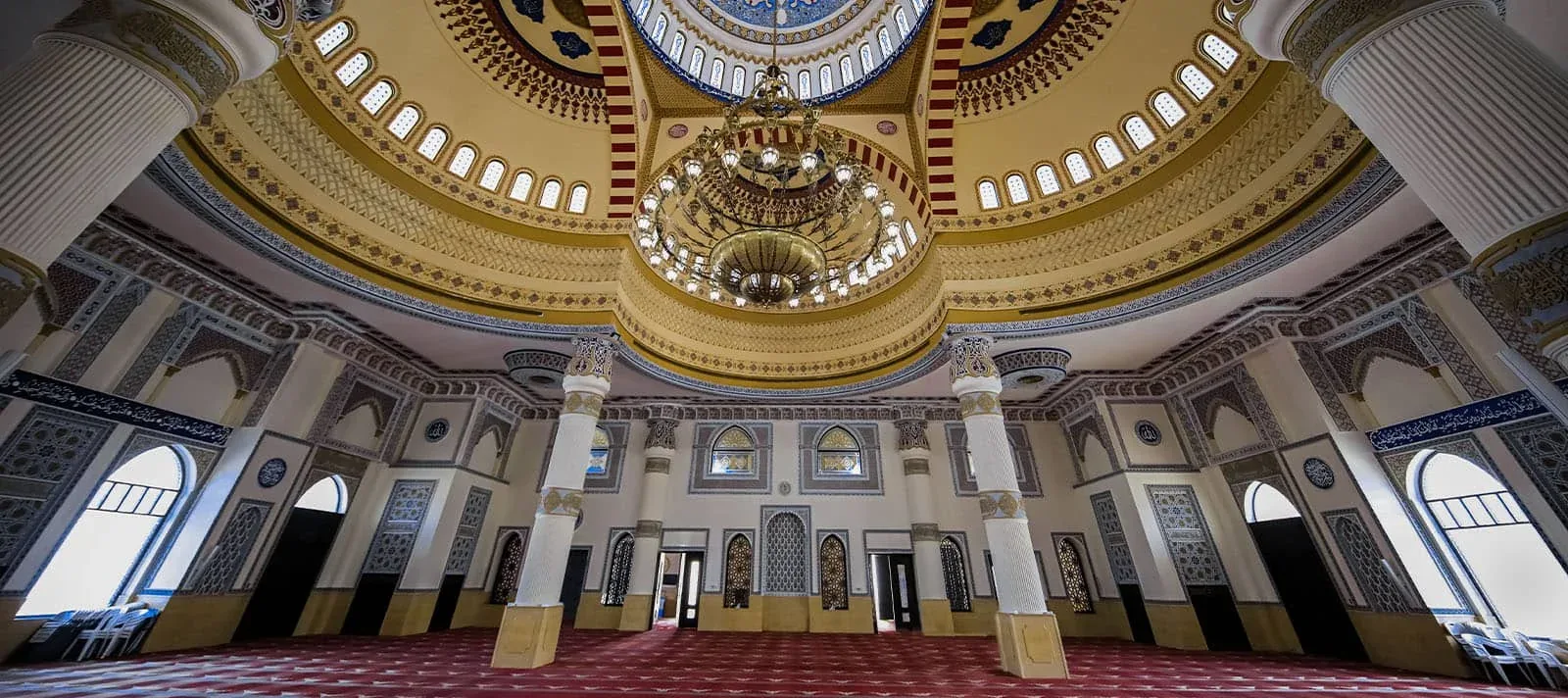
Al Farooq Omar Bin Al Khattab Mosque is a curated Dubai prayer stop for travelers who want practical routing, Muslim-friendly comfort and a clearer reason to go than a generic directory listing.
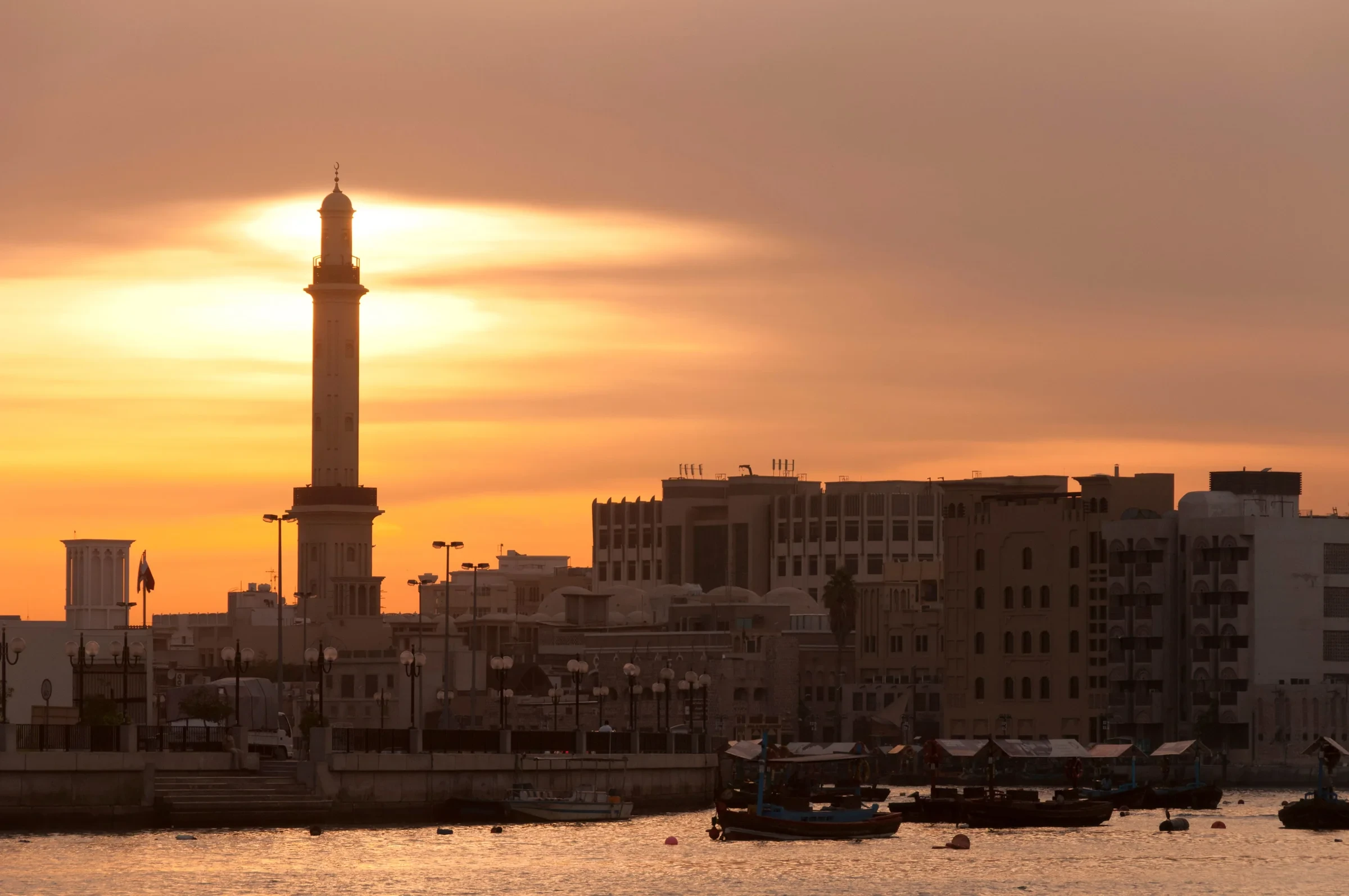
Bur Dubai Grand Mosque is a curated Dubai prayer stop for travelers who want practical routing, Muslim-friendly comfort and a clearer reason to go than a generic directory listing.
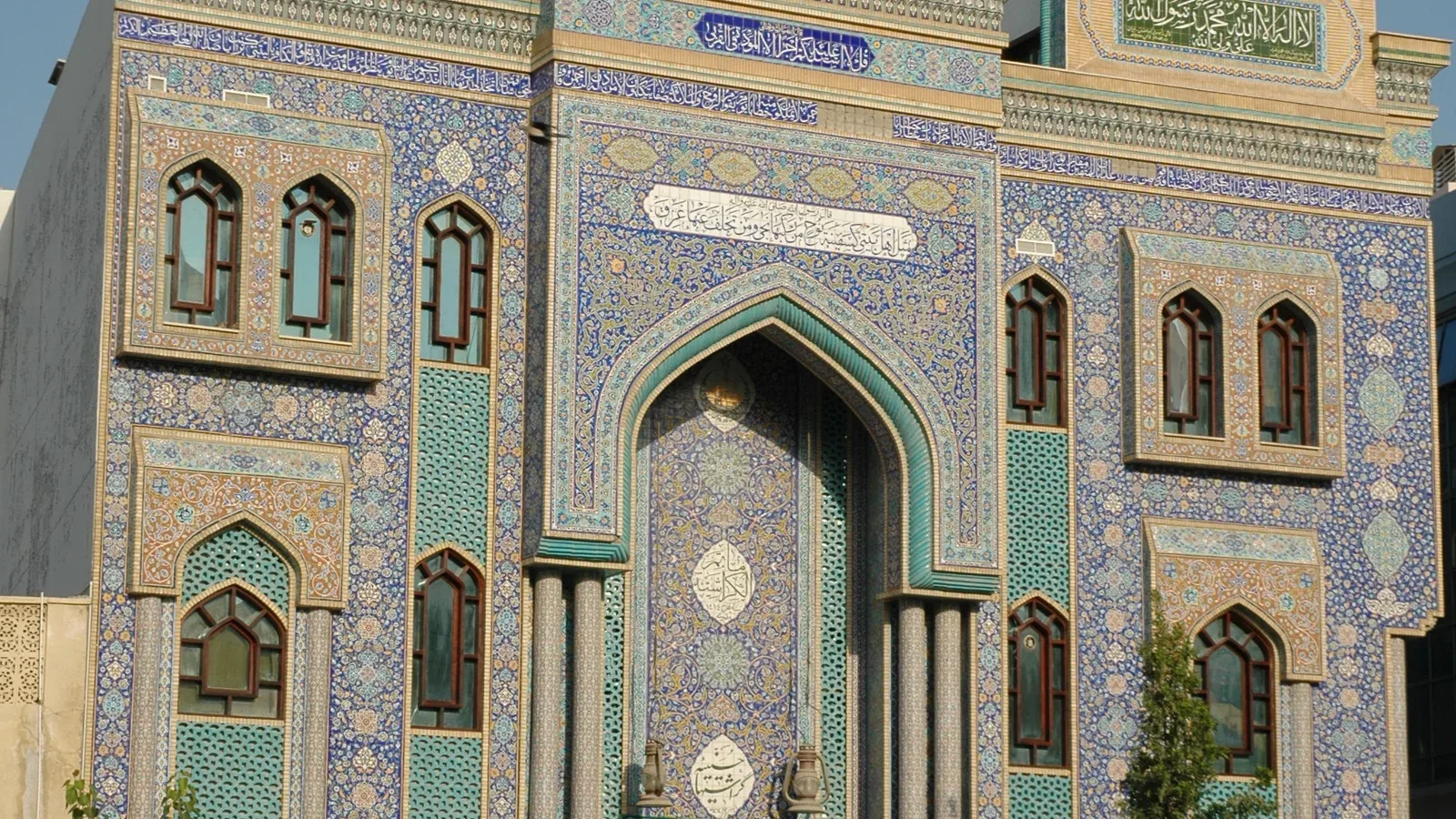
Imam Hussein Mosque is a curated Dubai prayer stop for travelers who want practical routing, Muslim-friendly comfort and a clearer reason to go than a generic directory listing.

Iranian Mosque Bur Dubai is a curated Dubai prayer stop for travelers who want practical routing, Muslim-friendly comfort and a clearer reason to go than a generic directory listing.
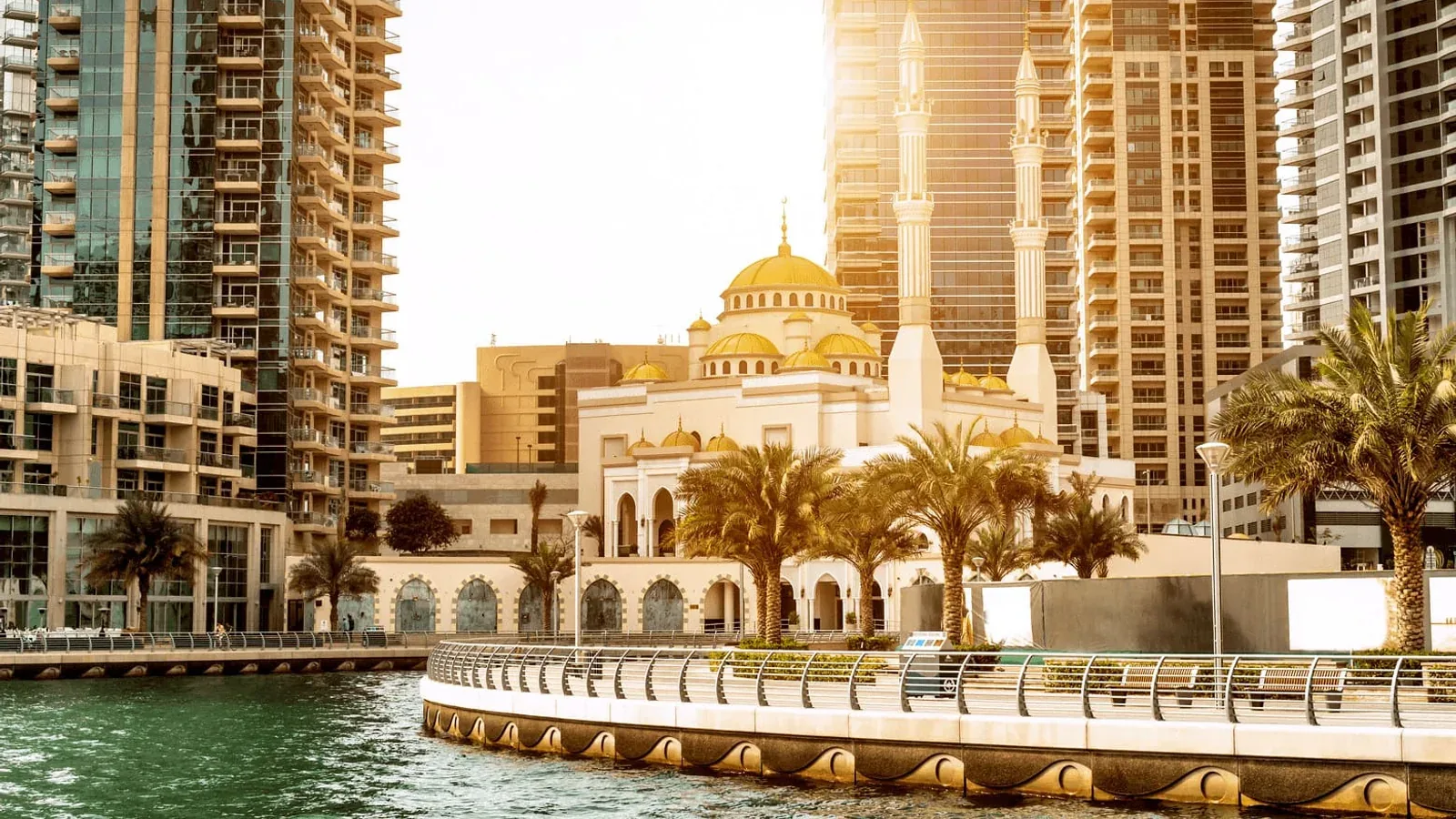
Masjid Al Rahim is a curated Dubai prayer stop for travelers who want practical routing, Muslim-friendly comfort and a clearer reason to go than a generic directory listing.
The RTA’s metro-and-tram network is the backbone for city visitors, with the Red and Green lines covering the main populated areas and the tram linking Dubai Metro with the Palm Monorail along Al Sufouh Road and Jumeirah Beach Road. For most travellers, that means you can move cleanly between Downtown, Business Bay, Deira, Bur Dubai, Marina, JBR, and parts of Barsha without treating every journey as a car trip. ([portalstg.rta.ae](https://portalstg.rta.ae/wps/portal/rta/ae/public-transport/metro-stations-map?utm_source=openai))
Dubai International Airport (DXB) is connected to the city by Dubai Metro’s Red Line, public buses and designated taxi ranks. Dubai Taxi Company taxis operate from the terminals, while hotels and licensed transfer operators can arrange a pre-booked vehicle. Follow airport signage and use official ranks; do not accept an unsolicited transfer offer inside or outside the terminal.
Dubai’s Metro, Tram, buses and marine transport are integrated through the nol card. The Red Line is useful for the airport, Downtown, Mall of the Emirates and Dubai Marina corridors; the Tram connects Marina and JBR; buses and water transport fill the gaps. Buy or top up nol through station machines, ticket offices or official RTA channels and check the live route before setting out.
Dubai Taxi Company and other regulated taxis are available at airports, hotels, malls and marked ranks. App-based services can be booked through approved platforms; confirm the vehicle, plate and destination before entering. Taxis are often the most practical choice for families with shopping bags, late-night returns, desert excursions or districts away from Metro stations.
Entry to Dubai follows United Arab Emirates immigration rules, not a city-issued visa. GCC citizens do not need a visa to enter the UAE; some nationalities receive visa on arrival, while others must arrange a tourist visa in advance through an approved airline, hotel or travel agent. Use the UAE government eligibility checker and keep passport validity, return travel and accommodation details ready.
November through March is generally the most comfortable period for Dubai’s outdoor walks, heritage districts, beaches and desert excursions. December and January bring strong demand around school holidays, while Ramadan and Eid can change opening hours, event programming and dining rhythms. April, May, October and early November can still work well with shorter outdoor blocks and midday indoor stops.
Dubai has a hot desert climate: long, very warm summers, mild winters, high sunshine and limited rainfall. Humidity can be noticeable near the coast, especially in summer. Pack breathable clothing, sun protection, a refillable water bottle and a light layer for heavily air-conditioned interiors; modest dress remains the practical choice for mosques and heritage sites.
Dubai uses the UAE dirham (AED). Cards and contactless payments are widely accepted in hotels, malls, restaurants, taxis and attractions, while cash remains useful for small purchases, souks and tips. Prices may include VAT, but check the final bill and any tourism or service charge before paying; exchange rates and card fees depend on your bank.
Dubai is one of the seven emirates of the United Arab Emirates and uses Gulf Standard Time (UTC+4). Dubai International Airport (DXB) is the principal gateway; Al Maktoum International Airport (DWC) serves selected routes. The city is geographically spread, so district planning matters: Downtown, Old Dubai and the Creek, Jumeirah, Dubai Marina, Palm Jumeirah, Deira and Expo City do not make one compact walking centre.
UAE public holidays and religious occasions can alter government services, mall hours, attraction programming, traffic and restaurant schedules. Ramadan and Eid are especially important for Muslim travelers: daytime eating patterns, iftar reservations, prayer timing and evening crowds require a different rhythm. Dubai’s event calendar also changes by season, so check official dates before building a trip around a festival.
Dubai is a well-serviced destination, but visitors should use normal city precautions: secure passports and phones, use official taxis, follow beach and desert warnings, and keep children close around roads, promenades and crowded events. Respect UAE laws and local customs, including photography restrictions, modest dress at mosques and public conduct rules.
Dubai’s public water supply is treated and regulated, and visitors commonly use bottled or filtered water according to personal preference and hotel practice. Carry water during outdoor sightseeing and use sealed water if a venue posts a local notice. Food hygiene standards are high, but street and restaurant conditions can vary, so choose busy, reputable venues and check allergy information directly.
For emergencies in Dubai, call 999 for police, 998 for ambulance, 997 for fire, 996 for marine emergencies and 991 for electricity or water failures. Give the operator the exact building, hotel, road or landmark and a callback number. For non-urgent help, ask the hotel, Dubai Police or Dubai Municipality through their official channels rather than relying on an unverified social-media number.
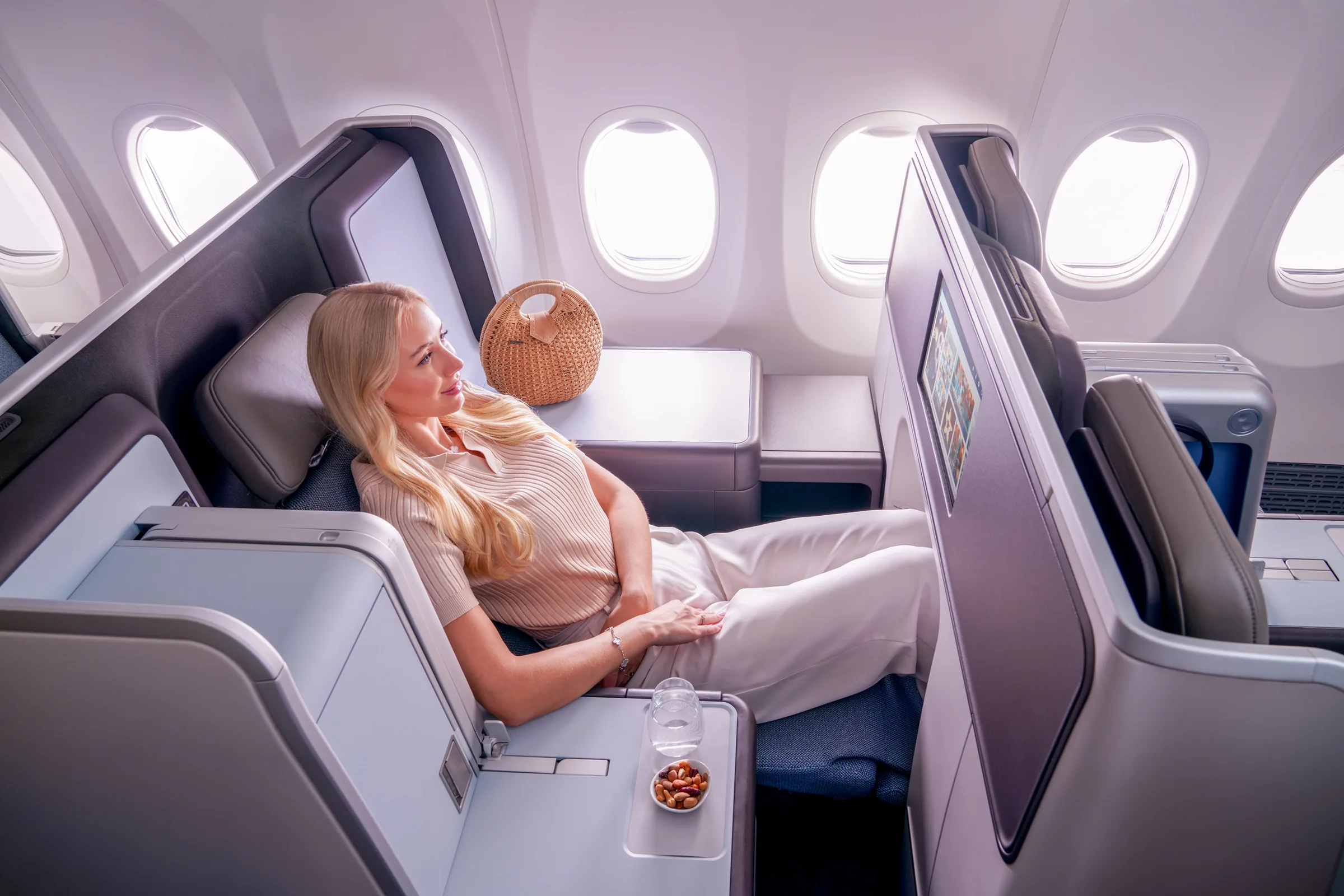
flydubai, the Dubai-based carrier, has increased its daily operations between Dubai and Naples and is set to boost its flights to Milan-Bergamo to a double-daily operation from 31 July, enhancing passenger connectivity to Italy.


· The Dubai-based carrier was named “Airline of the Year” in recognition of its agility, innovation and strategic growth

· The Dubai-based carrier becomes the first UAE airline to offer direct flights to Pokhara International Airport (PHH)
For GCC residents staying in Dubai, this offer gives up to 25% savings with daily breakfast, complimentary stays and dining for junior guests, spa and restaurant discounts, and early check-in/late check-out. It is valid until 31 December 2026.