Overview
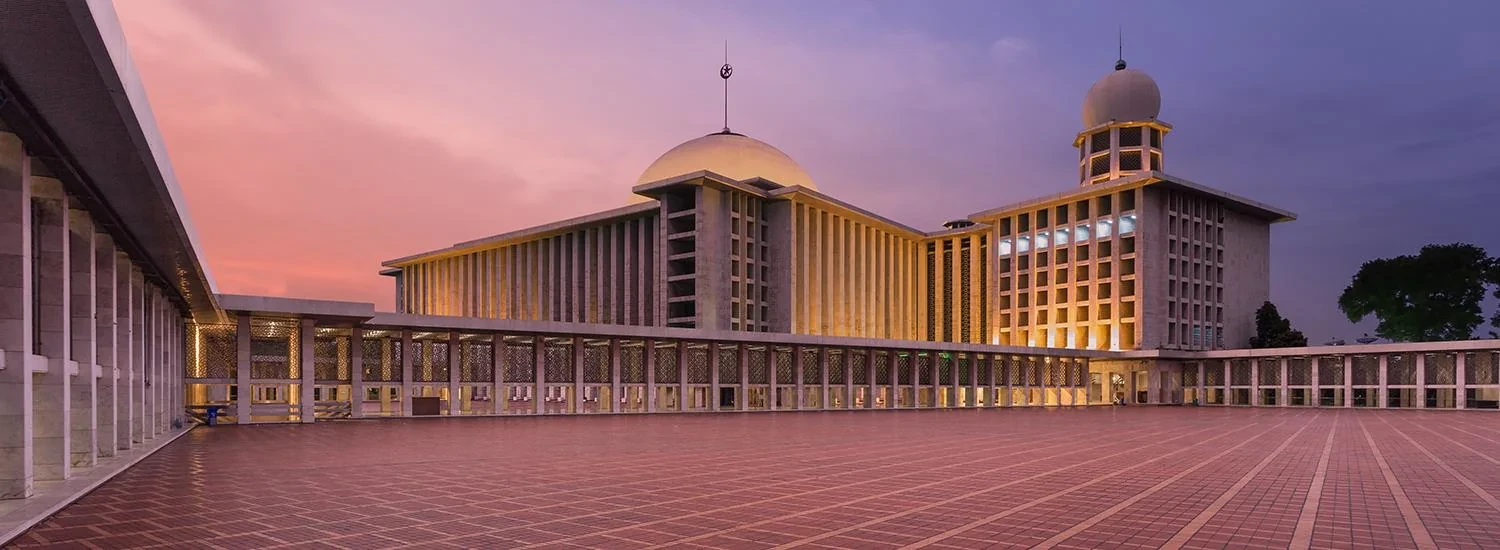
The best month depends on the route. Families can pair museums, malls, aquariums, and prayer stops with short outdoor visits, while travelers planning Ancol, Ragunan, or Taman Mini should keep a flexible half-day for rain. Ramadan and Eid change dining rhythms and traffic around major mosques, so confirm event and prayer arrangements for the year of travel.
Use the official BMKG forecast close to the travel date. Long-range climate guidance helps with packing and itinerary order, but it does not replace a live weather warning or a venue's current opening notice.
Jakarta climate guide
Jakarta's tropical climate means warm days, high humidity, and limited temperature change compared with four-season cities. Heat is felt most strongly during long transfers, open squares, and queues, so breathable modest clothing, a compact umbrella, drinking water, and an indoor cooling stop make a practical difference.
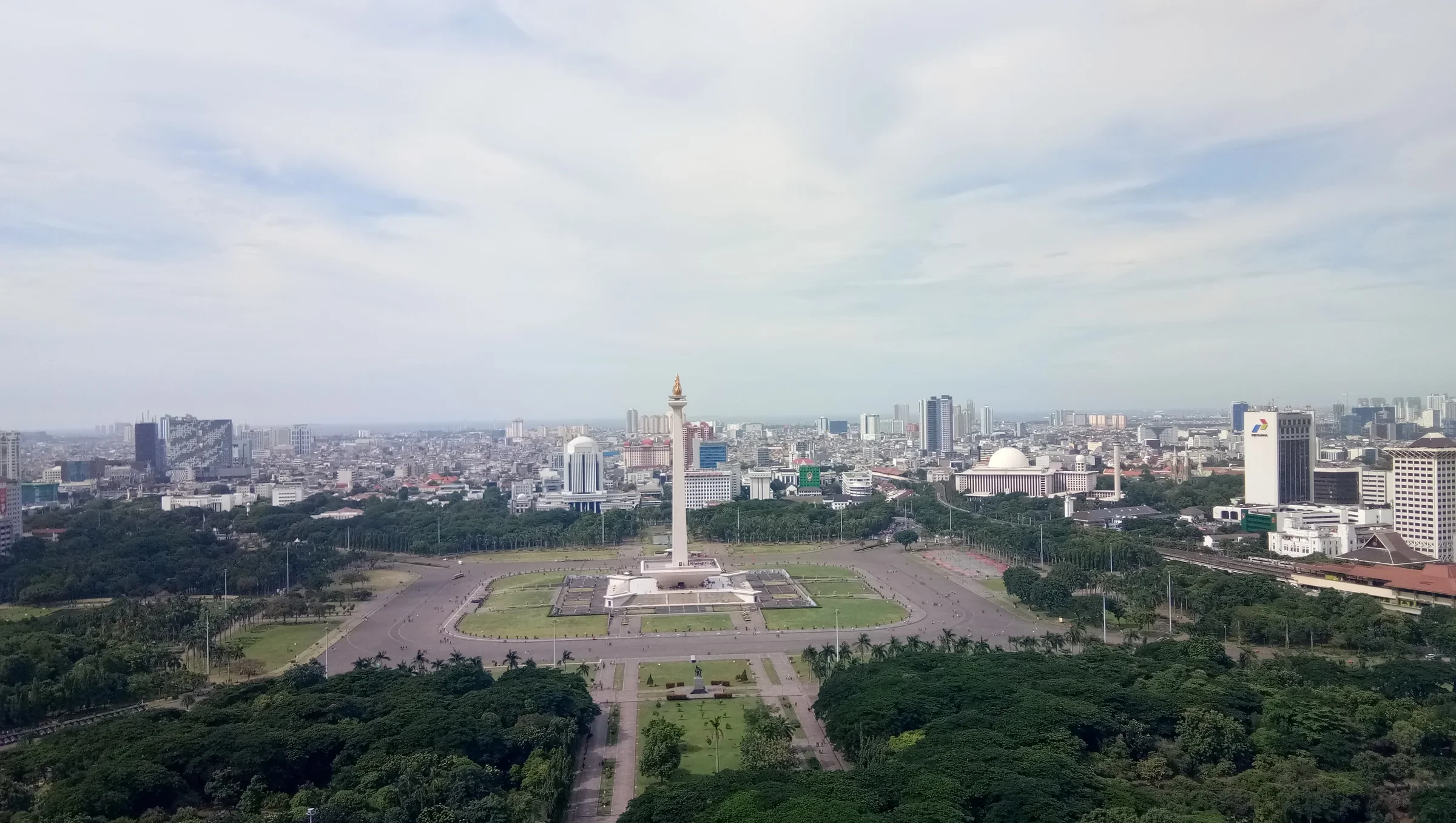
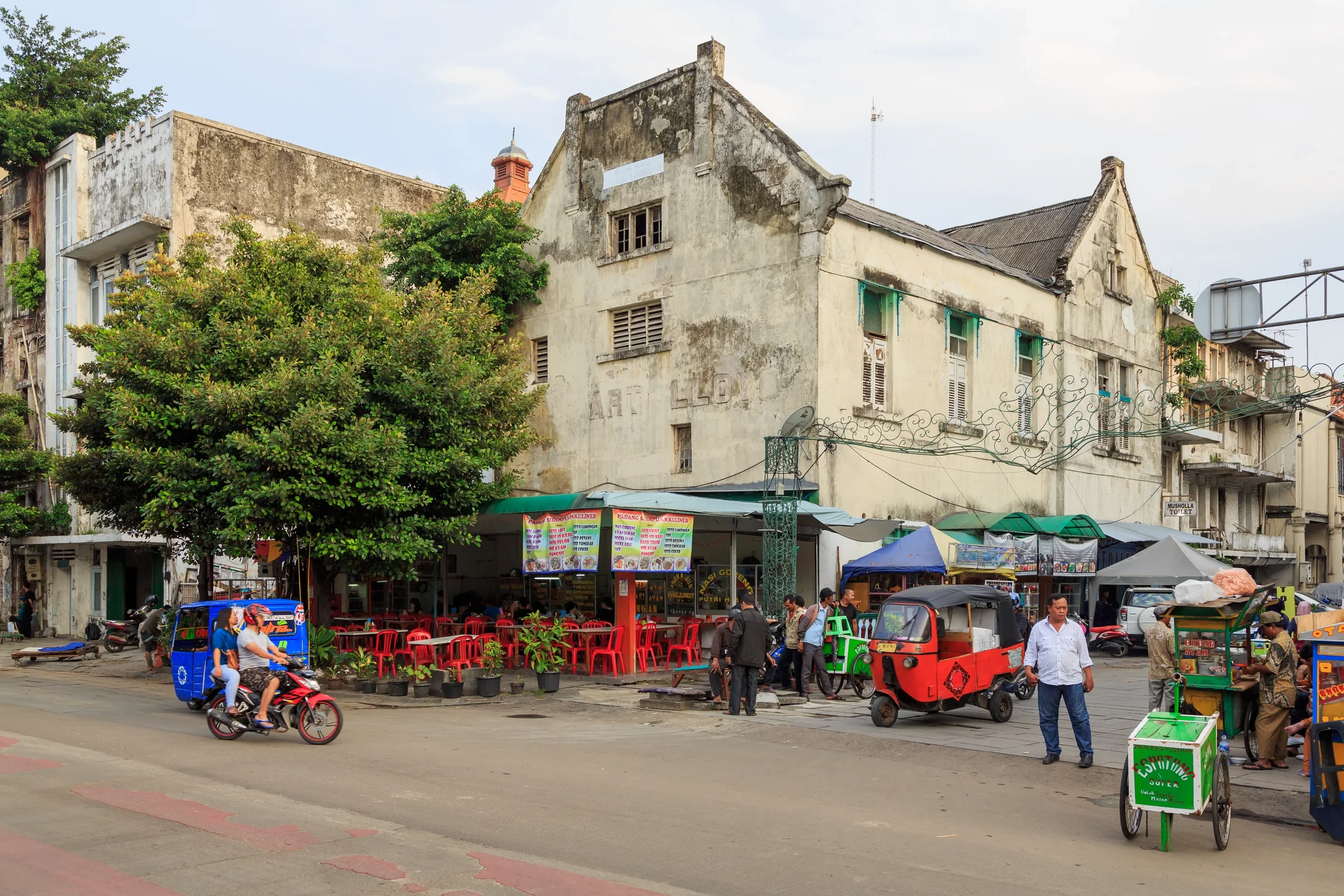
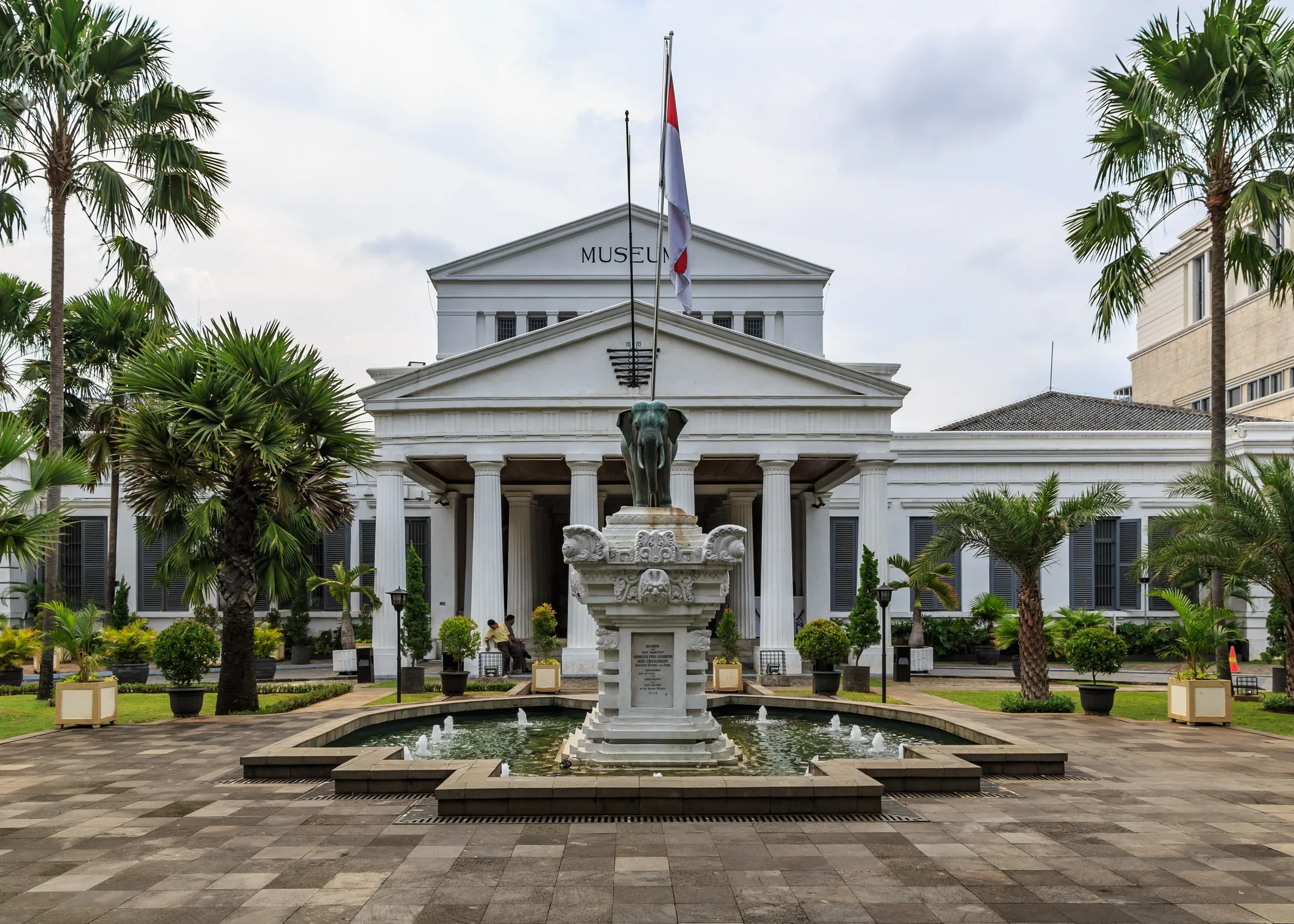
Rain can arrive quickly and affect traffic more than the attraction itself. Put outdoor landmarks such as Monas, Kota Tua, Ragunan, and Ancol beside a museum, mall, hotel, or mosque that can absorb a change of plan. Allow extra transfer time after heavy rain and use covered walkways where available.
BMKG is Indonesia's official meteorological and geophysical agency. Check its forecast and warnings close to each day, especially during severe rain, flooding, or other hydrometeorological alerts. Climate information is planning guidance; it should not be presented as a live guarantee.