Despite its reputation as a rich country, Brunei has suffered a bit in recent years. The government has been forced to recognise a small but increasing unemployment rate and disaffected youths have been held responsible for the isolated incidents of crime, none more so than the sultan’s younger brother, Prince Jefri. Jefri’s extravagance in both his private life and, more seriously, as the country’s financial minister bred scandals and loud rumours of corruption, forcing the sultan to sack his brother in 1997. By that stage, Brunei’s reputation was damaged and its financial reserves severely depleted.
Despite this, Brunei still continues to e
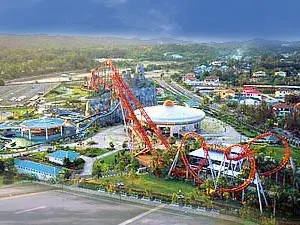
Most hotels in Bandar Seri Begawan have kids clubs that can babysit and entertain children while parents can go off and explore. A popular place for families is the Jerudong Theme Park as well as the Pantai Seri Kenangan Beach. There are also plenty of parks which you can explore.
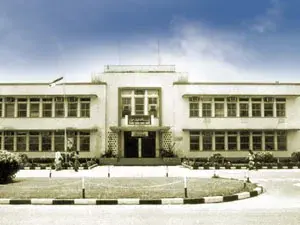
Located on a hill at Kota Batu road, this museum has an excellent display in the Islamic Art Gallery and a large and impressive collection of Korans filled with beautiful calligraphy and clever craftsmanship. Other galleries have bronze and natural history exhibitions. Not far away from the museum are the tombs of Sharif Ali, the third sultan of Brunei, and Sultan Bolkiah, the fifth sultan of Brunei which are quite easy to walk to.
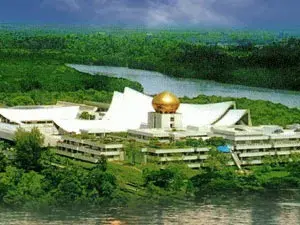
The residential palace of the Sultan, this place is located south of the city centre. It is not possible to enter, except at the holiday of Hari Raya Aidilfitri, but the huge size of the palace attracts tourists to take a picture in front of the gate.
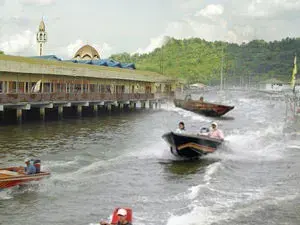
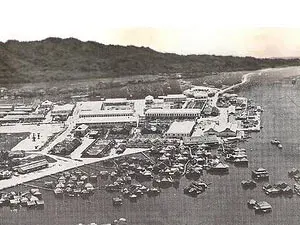
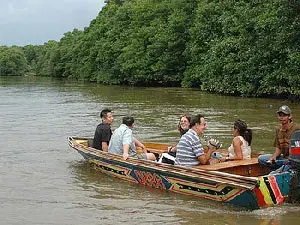
Easily accessible by water taxi, this beautiful place is where you’ll find hundreds of houses seemingly floating on water. Kampong Ayer is sometimes referred to as the Venice of Southeast Asia. The water village people are very friendly and many open up their homes to visitors year-round. Water taxis can be found by walking along the Brunei River or the main market in Bandar Seri Begawan. You can wave one down but remember negotiate the price before you get in. The average price for a full hour long tour is B$30 or B$15. If you'd rather not take a water-taxi tour, consider wandering around the villages yourself, starting from behind the Sultan's Mosque or from the other side in towns like Batu Satu.
Occupying 40% of land area, this park is truly a sight to behold. Flora and fauna is rich here and the park can be navigated by walking trails, some of which take you to the Sungai Apan waterfall. If you’re feeling adventurous, tackle the rugged two-day walk to Bukit Belalong. The high canopy walkway through the park is one of the longest in the world.
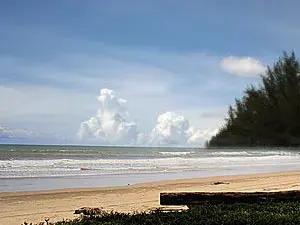
The most popular beach in the country, this place overlooks the South China Sea and the long coastline includes playgrounds, food kiosks, BBQ facilities and changing rooms. It’s an ideal place to visit for the day and have a picnic with the family.
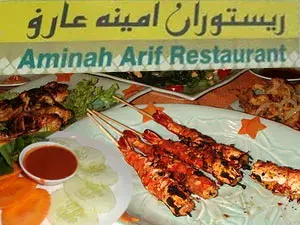
The first certified halal menu restaurant in Brunei this place has a full halal menu, designated prayer rooms, close to mass transit, parking and has child friendly facilities. Reservations are not accepted.
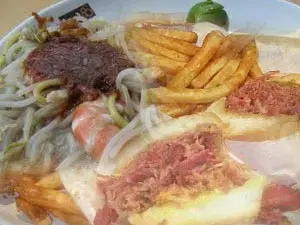
This restaurant is deservedly famous for its ambuyat – a national dish of the pith of the sago tree, which is ground into powder then mixed with water. This dish was made popular during WWII when the Japanese invaded Borneo and cut off the rice supplies. You can add different sauces to this dish – chilli and shrimp sauces are the most popular.
The newest restaurant on the block, you’ll find authentic Thai food here amongst the stylish setting. Beware the lunch crowd though which can get pretty hectic.
Located at the Brunei Arts and Handicraft Training Centre on the first floor this place has parking, is wheelchair accessible, and has a designated prayer area. The food is of a Malaysian cuisine and is ready to go if you want to eat at home.
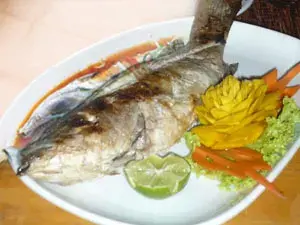
This food court offers seafood with big aquariums allowing you to choose your dish from the catch of the day. There are other different food stalls here and you can also enjoy views of the royal barges.
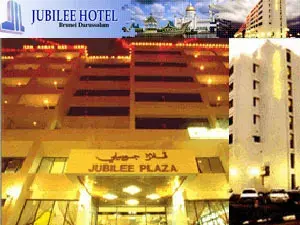
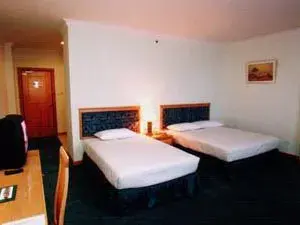
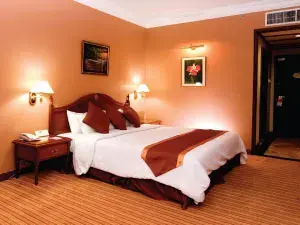
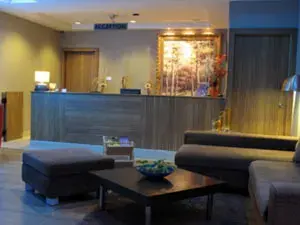
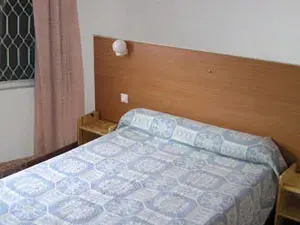
Simple and clean standard rooms are found at this establishment which is situated right in the city centre, a short walking distance from sights and attractions. Hotel rates include airport transfer and breakfast with the hotel facilities including a Thai restaurant, laundry, concierge, travel information desk and free parking.
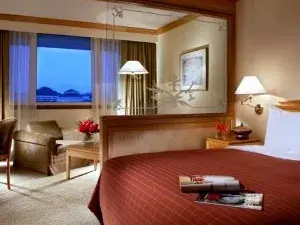
Conveniently located for tourists who want to experience the city’s hustle and bustle, you can walk from The Radisson Hotel Brunei into the city centre within 10 minutes. All rooms are spacious and have a TV, air conditioning, tea/coffee, electronic safe and free Wi-Fi. Other facilities which guests can enjoy include a gym, swimming pool, currency exchange, concierge, baby-sitting services, florist, casino, bicycle rental, a restaurant, multilingual staff and medical assistance if required.
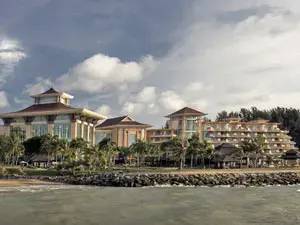
While the hotel is a little far from the city centre, it does provide a decently priced taxi service. All rooms are clean and furnished exquisitely and the hotel provides air conditioning, complimentary toiletries, a restaurant, parking, casino, shops and a business centre. There is also a ‘Foot Reflexology’ centre where you can get your feet
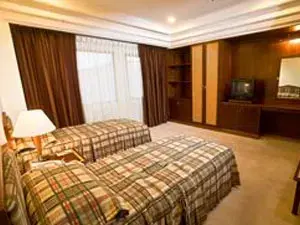
With 155 rooms to choose from and a location between the airport and government offices, this hotel is for the businessman. The hotel facilities include a tennis courts, swimming pool, restaurants, airport shuttle, multilingual staff, beauty/massage center, room service, tour desk, porters and 24hr reception and concierge.
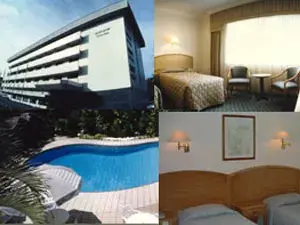
This hotel has eighty rooms: forty standard rooms and forty deluxe rooms. Facilities provided include wireless Internet, air conditioning, and a mini-bar and colour TV amongst other things. The hotel itself offers a swimming pool, airport transfer, gym, 24hr reception and a restaurant which serves a wide range of cuisine but its specialty is Asian.
There are 107 rooms on offer here that are all air-conditioned with colour TVs, internet and a daily local English newspaper. The hotel offers 24hr security and reception; a safe-deposit box, an outdoor swimming pool and children’s pool, a baby-sitting service available on request, foreign currency exchange and local sightseeing tours among other facilities.
This hotel is 15minutes from the airport and 5minutes from the capital. It offers a business centre, room service, parking spaces, laundry services and wireless Internet access.
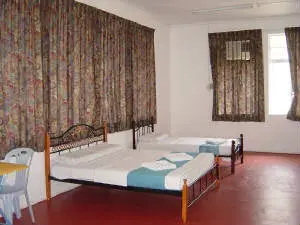
The only cheap hostel in Brunei, this establishment offers very basic rooms but all are air conditioned. The centre has its own swimming pool which charges B$1 for entrance though it closes at 9pm. There is also a cybercafé which charges B$1 per hour and it closes at 9pm. There is no kitchen area and it is forbidden to cook food in the rooms though the hostel is close to cheap eateries.
While the rooms can be termed Spartan, it is quite clean and has a great location in the city. The staff are friendly and very helpful. There is an ATM round the corner and an Internet cafe in a nearby alley.
Temperature wise, Brunei is warm all year round but there are months of heavy rainfall that peak around September to January, so pack for rain if you plan to visit during these months.
-Dialling code: country 673: city 00 Note: within Brunei there are no area codes; Emergency numbers: Police: 993 Fire: 995 Ambulance: 991 Tourist Information Helpdesk: 238 2822 (this connects to Brunei’s government tourism authority: Brunei Tourism) Airport Enquiry: +673 2331706; -Population: 398,000: -Languages: Malay, English -Time zone: GMT +8 -Average January temperatures: 30°C -Average July temperatures: 32°C -Annual rainfall: the average is between 200-300mm of annual rainfall
• Brunei National Day (23rd February) • Hari Raya Aidiladha (variable, February/March) • Muslim New Year – Hizrah (variable) • Royal Brunei Armed Forces Day (31st May) • Prophet’s Birthday (variable, in Malaysia and Brunei only) • Sultan of Brunei’s Birthday (15th July) • Hari Raya Aidilfitri (variable, September/October)
Month Average Max Temp Average Min Temp January 30° 23° February 30° 22° March 31° 23° April 32° 23° May 32° 23° June 32° 23° July 32° 22° August 32° 22° September 31° 22° October 31° 22° November 31° 22° December 30° 22°
Brunei is considered to be the most observant Islamic country in the Southeast Asia region. The residents are very friendly and forward-thinking in their attitudes to globalisation and international trends. This does not extend to their laws on alcohol which is banned within the country, along with bringing in meat that is not halal. During Ramadan drinking, eating or smoking in front of other people who are fasting is considered to be extremely rude. Interestingly enough, criminal acts (petty theft and the like) are handled by‘English Court’ while a Muslim Court handles personal matters like divorce proceedings; the two courts never meet. Out of the population, 67% is of Malay and indigenous peoples while 15% are Chinese. The rest of the population demographic are Westerners, Indonesians, Indians and Bangladeshis.
Despite its reputation as a rich country, Brunei has suffered a bit in recent years. The government has been forced to recognise a small but increasing unemployment rate and disaffected youths have been held responsible for the isolated incidents of crime, none more so than the sultan’s younger brother, Prince Jefri. Jefri’s extravagance in both his private life and, more seriously, as the country’s financial minister bred scandals and loud rumours of corruption, forcing the sultan to sack his brother in 1997. By that stage, Brunei’s reputation was damaged and its financial reserves severely depleted. Despite this, Brunei still continues to enjoy a high standard of living. The average life expectancy is 77 years and there are pensions for free medical care, schooling, sport and leisure, subsidies for purchases, short working weeks, and no income tax. With new economic diversification and deep-sea exploration for oil beginning to take off, Brunei aims to keep itself completely financially independent.
The earliest references to Brunei begin with its connections to the Chinese trading practices in the 6th century. Before the country was established as an Islamic state, Brunei was part of the Sumatran Srivijaya Empire (later becoming the Majapahit Empire of Java). However Brunei was not to establish itself as a power state until its ‘Golden Age’ of the 15th and 16th centuries under the rule of Sultan Bolkiah (the fifth sultan). The 16th century also saw the arrival of the Spanish and Portuguese explorers but they failed to make a lasting connection to the country via force. A subtle approach by the British in the 19th century, in the form of Sarawak’s first raja James Brooke, saw the fall of Brunei with the sultan forced to accept the ‘treaties’ proposed by the raja who had taken hold of the town of Kuching. Brunei remained a British protectorate till 1888 until it was eventually split down the middle in 1890. By 1929, with the country on the cusp of being dissolved forever, oil was discovered making the country an economic power overnight. Sultan Omar Saifuddien (the present sultan’s father) kept the country out of the Malaysian confederacy, preferring the British protectorate and aimed to keep the oil on home soil. It is through him that Brunei can credit its economic development. By 1962, the British put pressure on the sultan to hold elections, the end result being the opposition Ra’ayat Party winning a full victory with its aim to keep Brunei independent and make the sultan a constitutional monarch within a democracy. When the sultan refused to allow this new government into power, an armed rebellion broke out with the support of the Indonesian Army. With the support of the British forces, this rebellion was crushed and an ‘Abode of Peace’ has existed under emergency laws ever since. When the sultan abdicated in 1967, his popular heir Sultan Hassanal Bolkiah reluctantly lead Brunei into complete independence from Britain in 1984. The country still retains close ties to the British. After independence, the country reverted into Islamic fundamentalism with Melayu Islam Beraja (MIB) being brought forward as the new national ideology. This doctrine puts importance on Malay culture, Islam and the monarchy, and it promoted through the ministries of education, religious affairs, and information. MIB became compulsory in schools from 1994.
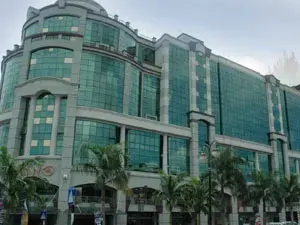
The ‘one-stop shopping complex’, this place has a variety of local and international shops, both boutique and chain-store. There are also several clinics, a large supermarket, a food court and several restaurants.
National Day, 23rd February: Preparations are made about two months beforehand with school children, civil servants and private sector representatives rehearsing flash-card displays and colourful crowd formations on the day. Mass prayers and a reading of the Surah Yassin are held at most mosques.
Sultan of Brunei’s Birthday, 15th July: This festival is celebrated across the country with mass prayers beginning the day. His Majesty the Sultan then delivers a royal address which is followed by an investiture ceremony held at the Istana Nurul Iman. Gatherings at the four districts are then held where His Majesty meets and congregates with his subjects.
This is the holy month for Muslims where they abstain from food, drink and material comforts. Fasting is from dawn till dusk, and religious activities are held at the mosques throughout the month.
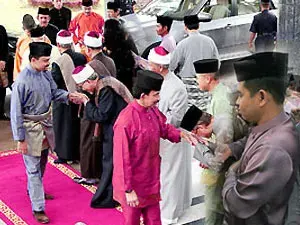
Held after the end of Ramadan to celebrate the end of fasting. The Sultan opens his palace to visitors during the occasion. Hari Raya is also known as Eid ul Fitr, or the lesser Eid.
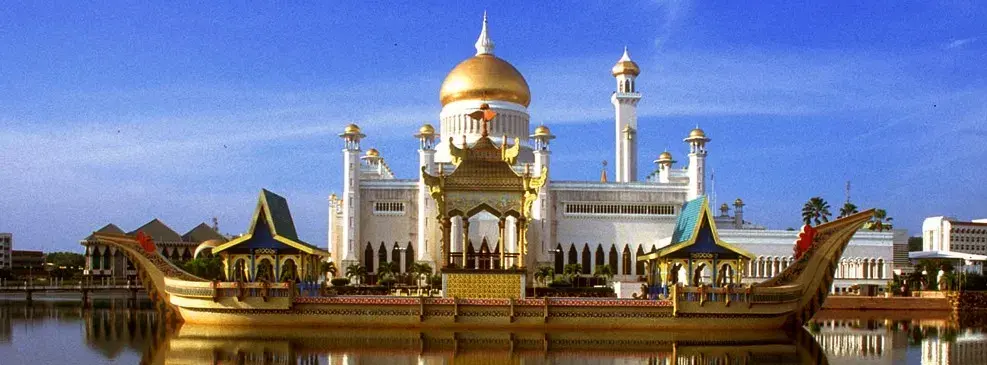
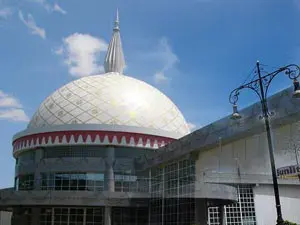
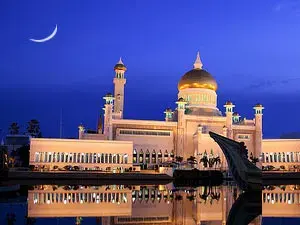
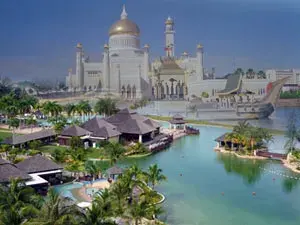
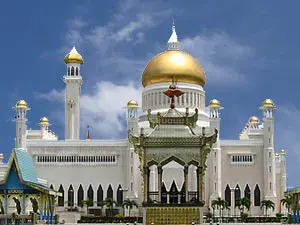
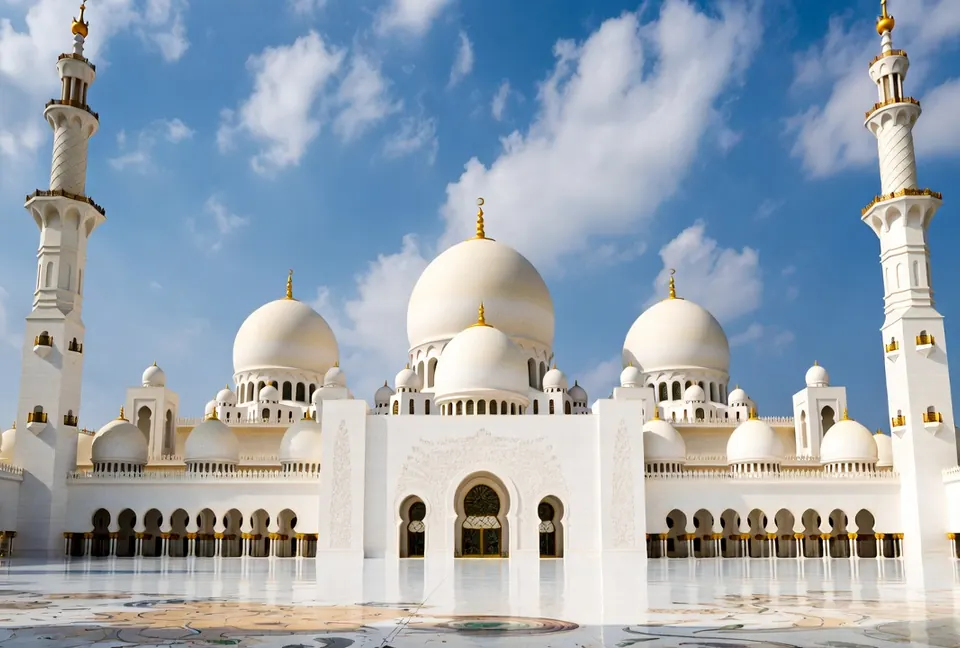
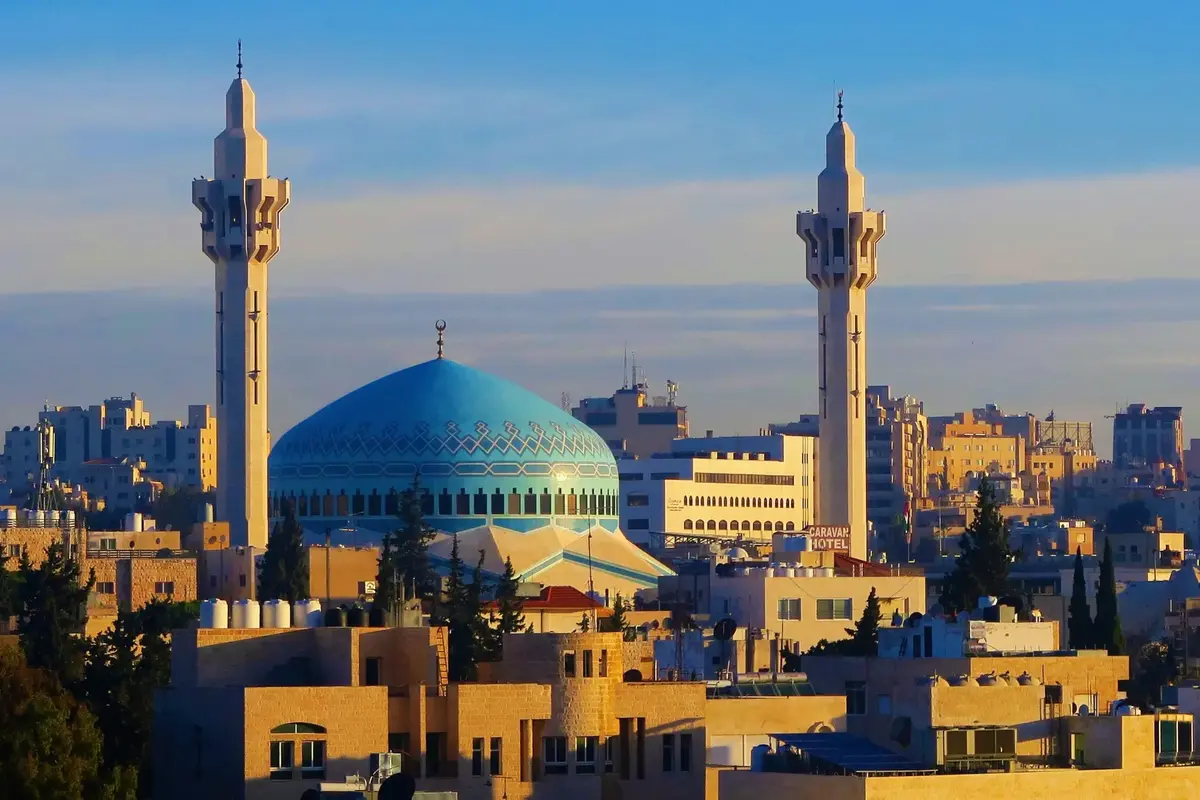
Named after the 28th sultan, this mosque is considered to be the symbol of Islamic culture within Brunei and is an impressive example of Islamic architecture. Opening in 1958, the mosque is open to visitors when it is not being used for prayers. As with any mosque, you must remove your shoes before entering. If dressed inappropriately you will be given a robe upon entry.
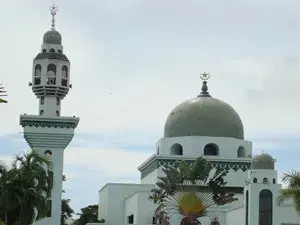
This mosque can accommodate up to 1,000 people and the language of the services is Malay. There is a separate women’s room, parking and wheelchair access.
Sultan Omar Ali Saifuddien Mosque is a landmark of Bandar Seri Begawan, Brunei. Construction began in 1954 and the mosque opened on 26 September 1958. It stands on Jalan McArthur in the capital.
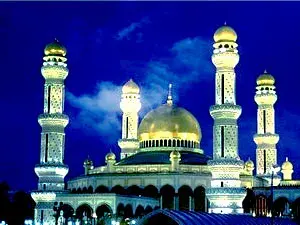
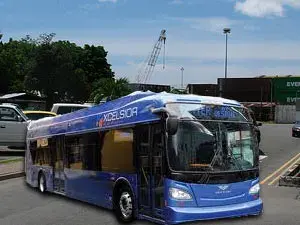
You’ll mostly find buses in the Brunei capital of Bandar Seri Begawan (BSB). They are purple in colour and are considered to be quite efficient and reliable. Brunei has one of the highest per capita private car ownership in the world so you’ll find that the buses are used mostly by foreigners. An infrequent long-distance bus service also runs between BSB and Seria through to Tutong. Services stop at 6pm and usually cost around B$1 to B$2. The bus depot is located at Jalan Cator (the city taxi rank can also be found nearby). Buses to Gadong are 1, 22 and 55; to the Jerudong Park take buses 55 and 57 and to Jame’Asr Hassanal Bolkiah Mosque take buses 1 and 22.
There are reportedly only 40 taxis in the whole of Brunei due to the high private ownership of cars; 10 of these taxis frequent the airport while 8 can be found at Belait District. You’ll have little chance of finding a taxi on the streets, especially during the peak rush hour times in morning and early afternoon. If you need a taxi it will be better to call them directly. The main taxi depot is located north of the capital’s only bus station at Jalan Cator. None of the taxis have a meter as there is neither an official company nor government regulations forcing one. Drivers have fixed prices on particular trips though tariffs can vary from driver to driver. For longer trips into the country it is probably more economical to hire a car.
Brunei must be the only place in the world where it makes sense to hire a car to get around. Most rentals start at B$130 a day and rental companies can make arrangements for pick-up/drop-offs at your hotel. There is only one ‘motorway’, which stretches from Bandar Seri Begawan along the coast. It then splits into dual and then a single carriageway but is suitable for all vehicles, right through to Kuala Belait and the toll bridge to Malaysia in the west. It is advisable to call the number of your chosen rental company for pick-up. Also check with your hotels if they offer rental options as some hotels in the city do so. If you intend to stay in Bandar Seri Begawan then taxis or walking will be fine to get around the city.
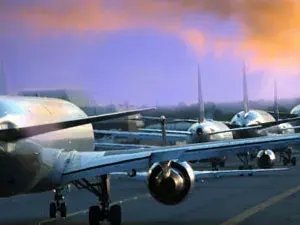
The Bandar Seri Begwan International Airport (BWN) is located only 15-20 minutes from the capital’s city centre. As noted in ‘Taxis’ there are taxis at the airport but they can be infrequent. A cheaper way would be to check with your hotel if they offer a free or inexpensive shuttle service. There is also a bus service that runs from the airport to the capital every 30 minutes. Look for buses 23, 24, 36 and 48 to get you to and from the airport.
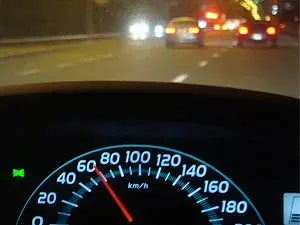
• Bruneian drivers drive on the left-hand side of the road • An International Driving Permit is required to drive in Brunei • There are only Shell petrol stations in Brunei • Some back roads may require a 4WD • The use of a mobile while driving a vehicle is strictly prohibited and police allot hefty fines to those who disobey
Brunei is considered to be one of safest places on Earth with crime almost unheard of (though the punishment for crime is still severe).The importation of drugs carries the death penalty in Brunei and the sale of alcohol is illegal; drinking in public is strictly prohibited. Health-wise, Bandar Seri Begawan and the larger towns offer excellent health facilities, the tap water is safe to drink and no vaccinations are required. Having said that, if you are planning to trek in the remote wilderness take precautions against dengue fever, hepatitis and get a tetanus shot to be on the safe side. Always use insect repellent. Talk to your travel agent in regards to travel insurance when visiting Brunei. For women travellers keep in mind that Brunei is a conservative Muslim society so dressing modestly is advised. Muslim women do not shake hands with men so don’t expect the men of Brunei to extend their hand on a first meeting.