Skip to content
Beirut
Lebanon

Beirut

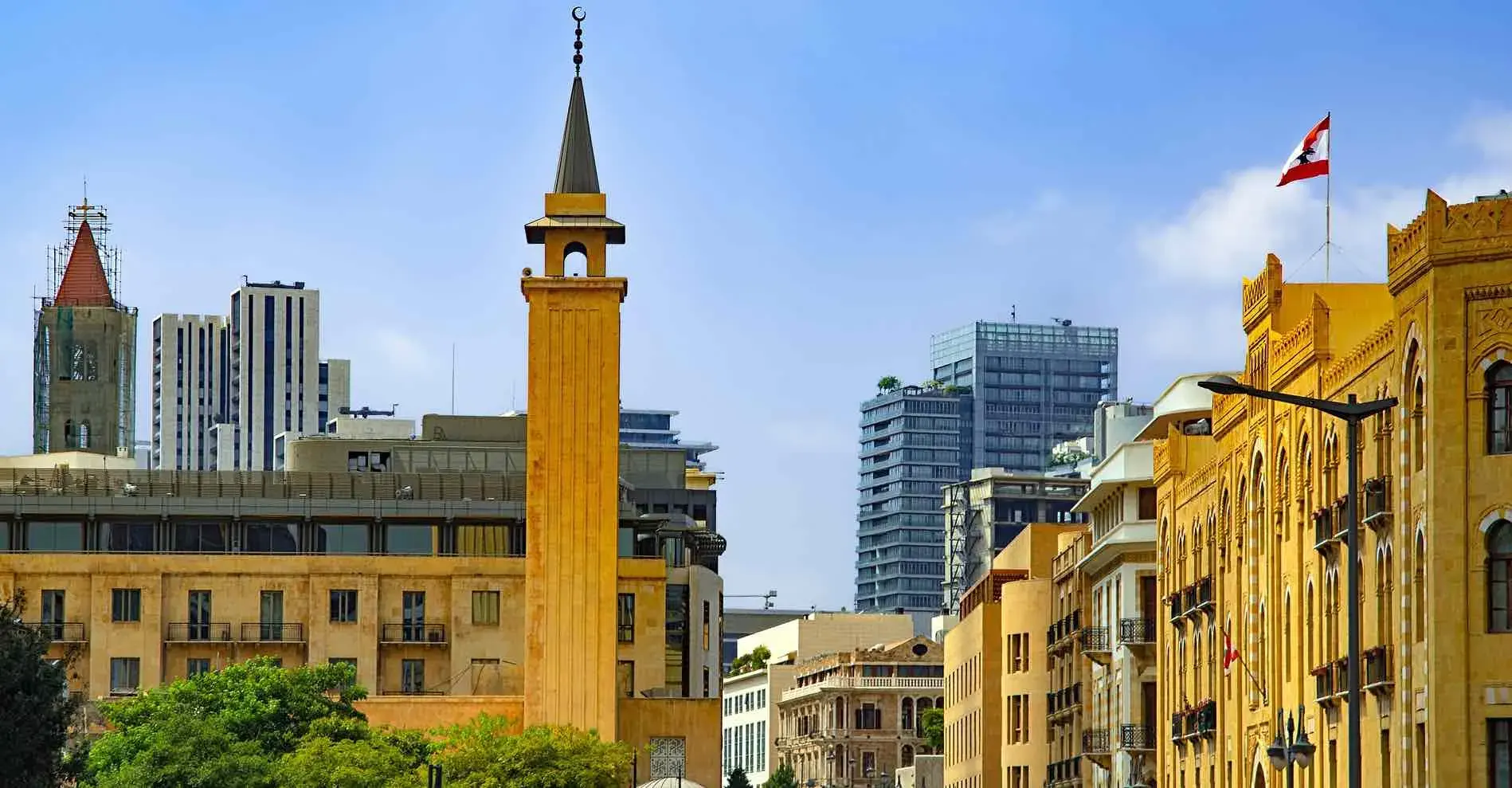
Beirut has had a tumultuous past, but like the phoenix it keeps rising from the ashes.  Forget about the bombings, riots, and violence – Beirut is an amazing city that pulsates with life.  New construction, as well as restoration, abounds.

Search Beirut

Explore Beirut

A CLOSER LOOK

Top places to visit

alt

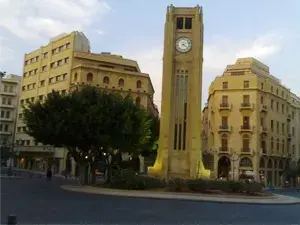
Nejmeh Square

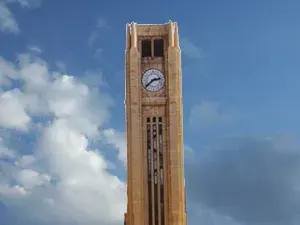
This centrally located square in Downtown Beirut has been recently renovated. ‘Nejmeh’ means star, and it is so named because the six roads converging on the square resemble a star. The highlight is the famous clock tower dating from the French Mandate. It is one of the few historic structures that remain intact in Downtown. Other than that, the square is pretty mundane. You’ll naturally run across it while you’re downtown, no need to go out of your way to see it.

alt

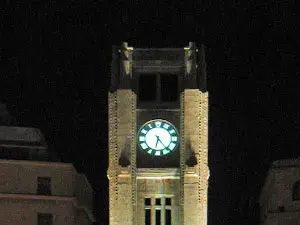
Solidere Clock Tower

Located in Nejmeh Square (nejmeh means star, and is so named because the six roads converging on the square resemble a star) in Downtown Beirut, the Solidere Clock Tower is an iconic symbol of Beirut. It dates from the French Mandate and is one of the few historic structures that remain intact in Downtown. The tower managed to survive the civil war relatively unscathed.

alt

Group of Five Columns

The group of five columns located to the left of the St. George Maronite Cathedral, were once part of a grand colonnade of Roman Berytus. They were found in 1963.

alt

Roman Beirut

The Roman city of Beirut met a traumatic end in the sixth century after a series of devastating earthquakes. As a result, there is little evidence of the city’s glorious Roman period. What little remains are concentrated Downtown.

alt

Roman Exedra

The Roman city of Beirut met a traumatic end in the sixth century after a series of devastating earthquakes. As a result, there is little evidence of the city’s glorious Roman period. What little remains are concentrated Downtown.

alt

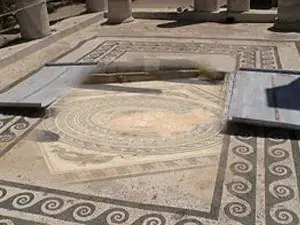
Floor Mosaics

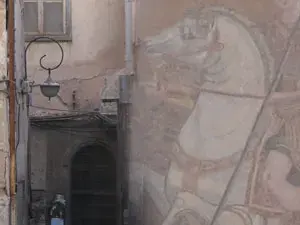
These mosaics came from a Byzantine church of the 5th century AD. They were moved from Khalde, south of Beirut to a site neat the National Museum in the 1950’s.

alt

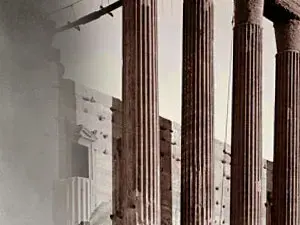
Highly Carved Colonnade

This highly carved colonnade was discovered in the 1940’s between Nejmeh Square and the Great Mosque. They were once a part of the Roman Basilica. This group of five columns was moved and erected across from the National Museum in the 1950’s.

alt

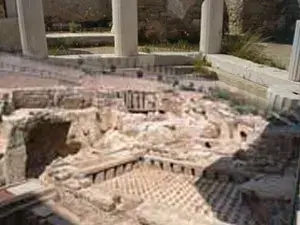
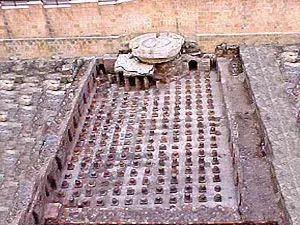
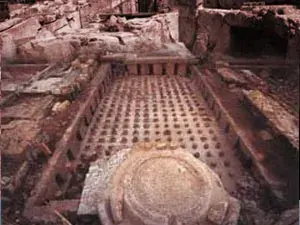
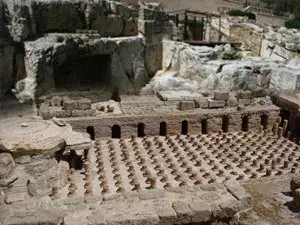
Roman Baths

The Roman Baths were lost to the city for several years and were discovered in 1968-69. It wasn’t until the 1995-97 period of reconstruction that they were fully discovered. Situated behind Bank Street, the site is surrounded by a garden which attempts to recreate the atmosphere of ancient Roman gardens. In addition, there is a small amphitheater for open-air concerts. Rue Riad El Solh, Beirut Central District (Downtown)

alt

Hamidiyyeh Clock Tower

The Ottoman Clock Tower was built on the grounds of the Grand Serail in 1897. It marked the 10th anniversary of Sultan Abdul Hamid II’s coronation. The need was felt for a public clock that would indicate the Muslim prayer timings. The clock that stands 25 meters tall was the tallest structure in Beirut at the time of its completion. The Clock Tower houses a huge bell weighing 300 kgs on its third floor. A set of 125 cast iron steps inside the tower’s shaft lead up to this bell. Four miniature neo-orientalist style balconies adorn this floor. Above these balconies are four large clock faces especially imported by the Ottoman embassy from France.

alt

Ottomon Military Hospital

This military hospital right beside the Serail was built in 1865 by Sultan Abdul Aziz. From the period of the French mandate till the 1960’s it served as a courthouse. It was later converted into the of the Lebanese University but most parts of it were destroyed in the war. Completely renovated, it now houses the Council for Development and Reconstruction.

Muslim travel planner

Plan a Muslim-friendly trip in Beirut

Full guide
THE LOCAL TABLE

Halal restaurants in Beirut

alt

Casino Mhanna

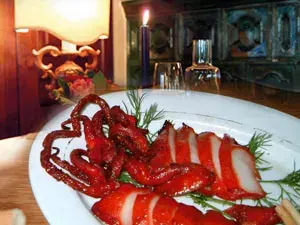
Casino Mhana is a two floor restaurant that serves incredibly delicious Lebanese meals. The raw meat dishes accompanied by arak, the traditional Lebanese liquor, are a specialty of this restaurant. The crowds on Sundays are a proof of its popularity and excellence. Cuisine: Lebanese Wadi Zahle, Autostrade Antelias, Beirut Tel: 00961 4 403 636

alt

Al Dente

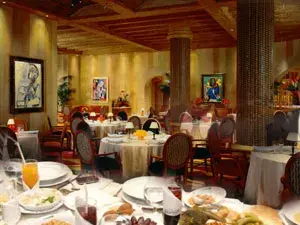
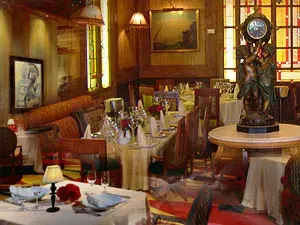
Dining in luxurious surroundings is an experience in itself and if coupled with excellent food the entire experience becomes an unforgettable one. This high-end restaurant serves the best Italian food in the country and is the perfect place to go to for a special occasion. It is frequented by big businessmen and politicians. The risottos that melt in your mouth are Italian cuisine at its very best. The fresh pasta made on the premises is great on taste. Also try out the capellini with asparagus and white truffle oil. Cuisine: Italian 137, Abdel Wahab El Inglizi Street, Achrafieh, Beirut Tel: 961 1 202440

alt

Restaurant Mounir

Set in enchanting natural surroundings amidst pine and oak trees, a private vineyard, gardens, and waterfalls, Restaurant Mounir will hold you spellbound. A wide variety of the finest Lebanese food is served here including a large assortment of fresh seafood. Make sure to take a table at the window so you can enjoy panoramic views of the Mediterranean and the city of Beirut spread below. Cuisine: Lebanese Broummana Tel: 00961 4 873900

alt

Le Sushi Bar

Le Sushi bar is the place to go to for enticing dishes that will tickle your palate. In a new location with décor with understated elegance, the standard of excellence continues to draw diners who value quality and freshness. Try out their marinated salmon. Cuisine: Japanese Abdul Wahab El Englizi Street, Ashrafieh Tel: +961 1 338555, 337888

alt

Burj Al Hamam

The oriental setting with a warm ambience and a variety of delicious Lebanese fare coupled with impeccable service, make this restaurant a much sought after one in Beirut. The house specialty, “kibbe nayye” (raw meat with bughral) is not to be missed. The beef kebabs or chicken liver cooked with pomegranate molasses is a must have. The restaurant is surrounded by gardens with a special one for children to play in. The large terrace makes a very pleasant seating option in summers. The restaurant location on a mountain gives you fascinating views of the city below. A smaller branch of this restaurant is off the highway. Cuisine: Lebanese • Burj Al Hammam Bldg. Mar Chaia Exit, Broumana Tel: +961 4 960058 • Dbayeh Highway, Labibeh Abou Jawdeh Bldg. Antelias Tel: +961 4 405325

alt

Casablanca

Casablanca has a beautiful setting in one of the few intact Ottoman houses on the Corniche. It has a great view of the Mediterranean. The Sunday brunch served there is quite popular. A lot of organic food is used and the wide variety of cuisines served there will make you want to come back for more. Make sure you book a window table so that you can enjoy the view to the maximum. Rue Dar El Mreisseh, Ain El Mreisseh Tel: 009611369334.

alt

Diwan Shahrayar

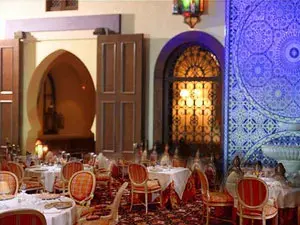
When legendary Lebanese cuisine is complemented with superb live oriental entertainment including belly dancing, the result is sheer magic. This restaurant, located in Hotel Le Royal, serves a sumptuous variety of mezze, grilled meats and traditional Arabic desserts.

alt

Dar Al Azrak

Drive a little out of Beirut and head to Dar Al Azrak for excellent sea-food in a beautiful restaurant on the edge of the cliff overlooking the Mediterranean. The Lebanese mezze is equally delicious. Here you can enjoy the spectacular view at sunset as you listen to the waves thrashing the cliff below. A truly enjoyable experience. Reservations are recommended. Cuisine: Lebanese Cliff Byblos Byblos 00961 973 7379

alt

Bob’s Diner

A n authentic American experience with loud crowds, juke-box fifties style, and generous portions makes Bob’s Diner a great place to be. A rocking time, great fun and tasty food is guaranteed here.

alt

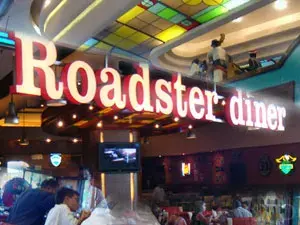
Roadster Diner

Delicious food, friendly staff and excellent service make this one of the most famous American diners in Beirut.

THE DAILY RHYTHM

Prayer times

All prayer times

Loading local prayer times…

Calculated times. Confirm congregation times with your local masjid.

Where to stay in Beirut

alt

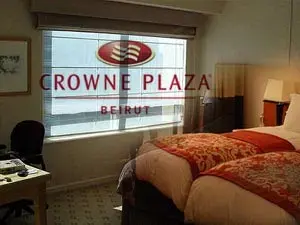
The Crowne Plaza Beirut

The Crowne Plaza Beirut Located on one of Beirut’s busiest streets, Hotel Crowne Plaza is just a 10 min distance from the downtown city center and government area and ten kms from the airport. The hotel boasts 198 rooms and excellent business and leisure facilities, including a well-equipped gym and an indoor rooftop heated pool with a panoramic view. In addition, the hotel offers a wide range of dining experiences.

alt

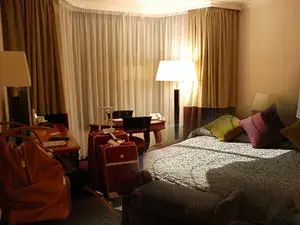
The Beirut Galleria (ex-Marriott) Hotel

The Beirut Galleria (ex-Marriott) Hotel is located on the coast of the Mediterranean Sea. With easy access to the airport and city center, it is a popular hotel. The hotel offers 162 rooms and 12 suites spread over 11 floors. Lavish comfort and spaciousness are yours to enjoy along with stunning views of the sea or the city. The hotel has a number of restaurants including the Atrium Cafe, Champions Sports Bar & Restaurant which is an American-style sports bar, the Palms Brasserie which serves expensive French cuisine, and Waves Pool Bar & Grill, known for its weekend barbecues and buffets. Some other facilities offered are a fully equipped gym, outdoor pool and five conference rooms.

alt

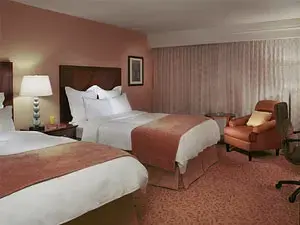
Metropolitan Palace Hotel

The Metropolitan Palace Hotel located in Sin El Fil, Beirut’s business district, has 163 rooms, 11 executive suites, 5 diplomatic suites, a presidential suite, a royal suite, an imperial suite and a penthouse suite, all of which are spacious and comfortable and offer a range of modern conveniences.

alt

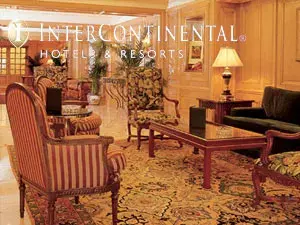
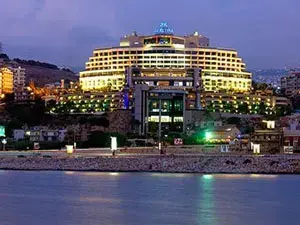
InterContinental Phoenicia Hotel

Overlooking the Mediterranean Sea, the InterContinental Phoenicia Beirut is situated along the famous boardwalk “Corniche” a few minutes from the city’s business and banking district, and the ever lively and entertaining city center. Beirut International Airport is only a few kilometers away. The hotel is almost equidistant from Beiteddine, Baalbeck and the Cedars of Lebanon. The InterContinental Phoenicia Beirut offers a diversity of services to meet the needs of the modern businessman as well as families seeking a time of leisure and relaxation. The hotel’s 496 rooms are spread over 33 floors. This stylish and classy hotel is often fully booked with tourists from neighboring Gulf States. Minet El Hosn Tel: (1) 369 100. Website: www.ichotelsgroup.com/intercontinental

alt

Le Royal Hotel, Beirut

Overlooking the Mediterranean in all its splendor, Le Royal Hotel is just 15 Km from Beirut International Airport and Beirut city center, 5 Km from famed Jeita Grotto tourist area and Kaslik- Jounieh commercial and night life districts, and 25 minutes drive from Faraya/Faqra skiing resorts. The hotel offers guests the ultimate in personal comfort and luxury in its 380 spacious guest rooms including 128 suites, all of which have private balconies and sensational, panoramic views of the Mediterranean Sea. Innovative business and leisure facilities are provided in an atmosphere of true luxury. From Italian, Mexican and seafood specialties at Le Jardin, to continental cuisine at the Titanic Piano Bar, there is a variety of flavors to tease the palate. Guests can experience legendary Lebanese cuisine at Diwan Shahrayar, the oriental restaurant, complete with oriental dance show. The Pearl Ballroom, divisible into soundproof sections, is the ideal place for meetings and conferences. Adjoining the hotel is Watergate, the aqua-adventure park, one of the most sophisticated in the Middle East, is where you can come and spend a day of thrilling fun with friends and family, or cool off with water games, while slides, wave pools and lazy rides ensure you get the most out of a day spent there. The park is open from 1st of June till 1st of October. Dbayeh, Leisure Hills Complex, Beirut Tel: 961-4-555-555 Fax: 961-4-555-100 www.lhw.com/royalbeirut

alt

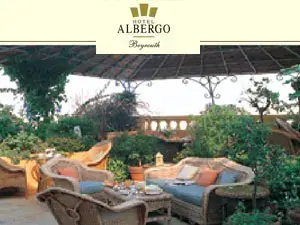
Hotel Albergo

Hotel Albergo is only 5 Kms from Beirut International Airport, in the district of Ashrafieh. It is a member of the prestigious Relais and Chateau group. Its ornate building is a blend of the Orient and the West. One cannot fail to be enchanted by its gracious, exquisite surroundings. One of Beirut’s most charming hotels, this prestigious establishment has only 33 rooms, each of which is uniquely decorated. Local attractions and entertainment centers are just a few blocks away from Hotel Albergo, where you can enjoy an unforgettable nightlife of Monot. A few meters away from the hotel lies downtown Beirut with marvelous shops and world famous boutiques. A few steps further is "Sassine Place".

alt

Mayflower Hotel

Long established and much praised by European travel writers, the Mayflower has been known as a smaller hotel of higher standards, its location in the center of Beirut city is convenient for the business and holiday traveler alike.

alt

L'HOTE LIBANAIS

Staying at a Bed and Breakfast accommodation (B&B) is the best way to get to experience the real life of the city. Beirutis are famed for their hospitality and you would get an insight into living conditions, culture, and way of life of the locals.

alt

The Lancaster Hotel

The Lancaster Beirut is an English style boutique hotel. It is situated in the heart of the city within 10 minutes walk from the business district, and only 9 km from Rafic Hariri International Airport. The shopping boulevards, Verdun and Hamra Street, are right next door. The hotel is also close to the famous Raouche Rock and the seashore.

alt

Hotel Cavalier

The hotel has large comfortable rooms with double glazed windows to keep the sound of traffic at bay. The rooms are well maintained and have balconies. All modern amenities are included. The breakfast buffet deserves a special mention. The hotel restaurant attracts local workers as well as foreign guests.

History and today in Beirut

Annual Temperature:

Annual Temperature:

a- January: Average Max- 17 ◦C Average Min- 11 ◦C b- February; Max-17◦C: Min-10◦C; c- March: Max-18◦C Min-12◦C d- April
Exchange Rates

Exchange Rates

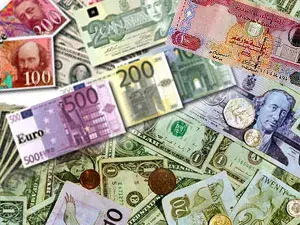
The local currency is the Lebanese Pound, or as locally referred to, the “Lira”. The terms livre (French), pound (English), and lira (Arabic) are used interchangeably, and the currency’s abbreviation is LL (Livre Libanaise) or LBP (Lebanese Pound).
Fast Facts

Fast Facts

Location:: Middle East, south west part of Lebanon it is the capital and a port.; Dialing code: Country +961: : City 01 Emergency numbers:; • Ambulance: (01) 865 561: • Fire Department: 175 or (01) 310 105 • Tourist Police: 112/160 or (01) 350 901 • Civil Defense: 125 or (01) 425 244 • Red Cross: 140 or (01) 863 295 • Ministry of Tourism in Beirut: (01) 340940 /4 or 343 074 • Airport: (01) 628 000 • International Calls Operator: 100 • Telephone Directory Services: 120
Public Holidays

Public Holidays

• 1 January-New Year’s Day • 6 January—Christmas (Armenian Community) • 9 February--St. Maroun’s Day • Prophet’s Day-- Varies depending on the Muslim calendar • Easter (Western)--- Varies depending on the Gregorian and Western calendars • Easter (Eastern)-- Varies depending on the Gregorian and Western calendars • 1 May—Labor Day • 6 May—Martyr’s Day • 25 May—Liberation of South • August 15—Assumption of Mother Mary • Eid Al Fitr—Varies depending on the Muslim calendar • 1 November—All Saints Day • 22 November—Independence Day • Eid Al Adha (Feast of Sacrifice)—Varies depending on the Muslim calendar • Islamic New Year-- Varies depending on the Muslim calendar • 25 December—Christmas • 27 December¬-Ashoora (1431Hijri)-- Varies depending on the Muslim calendar
When to go

When to go

Beirut is good to visit any time of year, it really depends on your preferences. Winters are chilly (temperatures under 20C) and wet, but the mountains are snow covered and have the Middle East’s only outdoor skiing. Summers are hot and dry, but significantly cooler than the rest of the Middle East, thanks to the moderating influence of the Mediterranean. Average temperatures are around 30C, but regularly get into the mid-30s. The best weather is in April, May, October, and November when temperatures are comfortable and the weather is still dry and sunny.
Residents

Residents

The residents of Beirut are educated, widely travelled and savvy. They are outward looking and ready to embrace new developments. With uncertain political conditions and the threat of war a constant factor, Beirutis it is said, party hard and live each day as if it may be their last. Their zest for living is reflected in their lifestyle, most prominent being their sense of dressing. Residents of Beirut are perhaps the most fashion conscious race in the world!
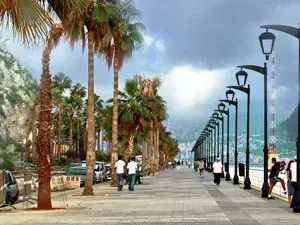
Beirut Today

Beirut Today

Beirut has had a tumultuous past, but like the phoenix it keeps rising from the ashes. Forget about the bombings, riots, and violence – Beirut is an amazing city that pulsates with life. New construction, as well as restoration, abounds.
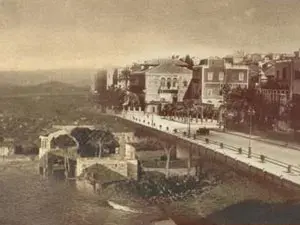
Beirut History

Beirut History

The first mention of Beirut in the history books comes from more than 3,000 years ago. Named for “the wells”, or Berytus, thanks to its vast reserves of fresh water, it was a Canaanite port built on two hills which came together to form a peninsula into the Mediterranean. The city hit the big time in 64BC when it was conquered by the Roman general Agrippa. Beirut became an important port in the Roman, and later Byzantine Empire. It also became home to a legendary law school, which would go on to produce the Justinian Code.
Useful information

Shopping

alt

ABC Mall

The ABC Mall, the largest mall in Beirut, is a place where you can shop for almost anything. With a variety of stores, restaurants, cafes and movie theaters, this mall is quite popular. There is free parking at this mall too. Some of the shops are Vanilian (furniture and house supplies), Maria Pino (shoes), Aishti (branded sunglasses), Accessorize and the Apple Shop.

alt

Rue Verdun

Verdun in West Beirut has expensive boutiques selling branded fashion. You can find top names like Zara, Armani, DKNY, etc. Trendy cafes add to the experience in the number one shopping neighborhood of Beirut.

alt

Mar Elias Street

One of the most sought after shopping destinations of the capital, Mar Elias Street with its over 250 commercial establishments offers a wide variety of choices ranging from women’s clothes and fashionable shoes, kids wear to leather items, silver jewels and gifts.

alt

Downtown Beirut

High-end designer stuff from Lois Vuitton to Prada and everything in between is what you can find in this posh shopping district. The pedestrianised, cobbled streets are full of cafes awash with Gucci, Boss, Karen Millen, Versace, and the likes.

alt

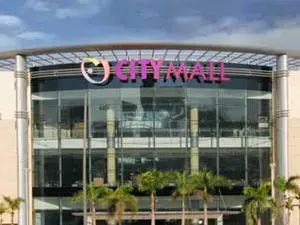
City Mall

City Mall is a popular shopping area due to the diverse range of products sold in the 100 stores located there, a Geant hypermarket, 9 movie theatres and 15 cafes and restaurants. The play area for kids is an added attraction. Dora Highway Roudabout Nahr el Mot, Greater Beirut Tel: 00961 1 905555

alt

Dunes Center

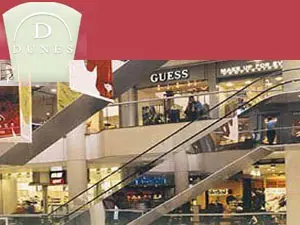
Dunes Center in Verdun Street is one of Beirut’s largest malls. Here you can find the latest shopping brands. There are many cafes in the mall and also a cinema hall and entertainment arcade including a bowling alley and billiard room. Verdun Street Tel: 00961 1 785310

alt

Beirut Mall

At Beirut Mall it is not just the shopping but the entire shopping experience that makes it so special. With four floors above and four floors below ground level, there is ample space in this mall for an entire family experience that goes beyond mere shopping. With a variety of retail stores offering women, men and children’s fashion, handbags and leather goods, lingerie, books, music and electronics, gadgets, watches, jewelry, optics or gifts, you are certainly spoilt for choice. Adventure World, the first indoor family park in Lebanon, is a place where kids can enjoy hours of fun, celebrate birthday parties, or try out the latest technology games in the entertainment industry. To satisfy your gastronomical cravings, the food court serves dishes from all corners of the globe. For the convenience of shoppers there are three levels of free underground parking at the mall. Old Saida Road, Tayouneh, Beirut

alt

Virgin Megastore

The Beirut Virgin Megastore is unique as it is trilingual in keeping with the needs of the local community. Each floor has items of a different category with the basement being reserved for cameras, computers, etc, and the first floor for books, magazines, maps and video films. The music department is on the second floor and you can find all the latest in Arabic music from Lebanese artists as well as those from other countries.

alt

L’lArtisan du Liban

The L’artisan du Liban is a non-governmental initiative to promote the creative work of young men and women and to preserve Lebanese heritage and traditional methods of work. Quality, affordability, and innovative designs are its forte. These handicrafts are a popular buy among tourists as well as local people. Check out the fantastic table cloths, tableware and oriental furniture.

alt

Hamra Street

Hamra Street is one of the most pulsating and happening streets and was once known as the Champs Elysees of Beirut. It is filled with a number of modern outlets selling jewelry, shoes, handicrafts, books, etc. There are a number of cafes too where you can unwind after your shopping.

Signature sights in Beirut

alt

Grand Serail Hill

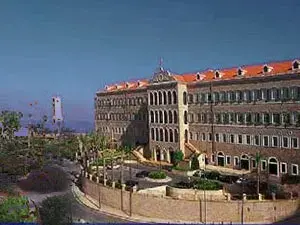
Serail Hill is Beirut’s main government center, overlooking the city center. There are three important monuments on the hill. The Grand Serail is the most impressive. It was originally a garrison for the Ottoman army. Construction began in 1853, shortly after the Ottoman’s regained control of the region from Egypt. It was soon repurposed into a headquarters for governors both Ottoman and later French of Beirut. Today it is a government palace and headquarters of the Prime Minister of Lebanon. The Grand Serail has been heavily reconstructed in recent years, but is an excellent example of Ottoman architecture, with 40,000m² of floor space and a whopping 430 rooms.

alt

St George Maronite Cathedral

St. George Cathedral serves Lebanon’s Maronite Christian community. The church dates back to 12th century crusaders, but the modern iteration was built between 1884 and 1894. The interior design is inspired by the basilica, a large open hall dating to Roman times, specifically the Basilica di Santa Maria Maggiore in Rome. The façade is neoclassical, designed by Italian architect Giuseppe Maggiore. The walls are made from stucco and marble. Some of the columns were recycled from Roman ruins elsewhere in Lebanon.

alt

Place des Martyrs

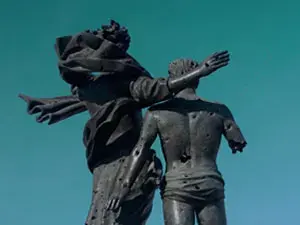
Located in the center of Beirut, Martyr’s Square (also known as Place de Canons and the Burj, so named for the Burj al Kachaf that occupied the square until 1874) is loaded with history. In 1908 it was called Liberty Union Square to commemorate the declaration of the Constitution. In 1916 it became Martyr’s Square in memory of Syrian-Lebanese nationalists who were executed by the Ottomans. A bullet-ridden statue symbolizes the destruction that occurred during the Lebanese civil war.

alt

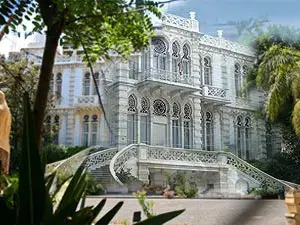
Sursock Museum

The first thing you’ll notice about this museum is the striking architecture – a blend of Venetian and Ottoman styles. It was built as a residence in 1920 by Nicholas Ibrahim Sursock, a member of the Lebanese aristocracy. After his death it was supposed to be converted into a museum per his request, but was instead used for fancy receptions. The museum was not established until the 1960s. The original interior décor and furnishings are still intact.

alt

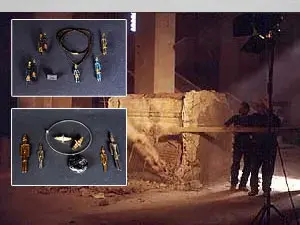
National Museum of Beirut

The Beirut National Museum can be traced back to Raymond Weill, a French officer stationed in Lebanon during World War II. During his time here, he began collecting ancient artifacts. In 1923, a committee was created to create a permanent museum to house these and other antiquities. Construction began in 1930 and was completed in 1937. By the time the civil war began, the museum had assembled an excellent collection of near Eastern artifacts. Unfortunately, the museum just happened to be located right on the Green Line that separated Beirut. Extraordinary measures were taken to protect the collection. Mosaics were buried in concrete. Most of the collection was relocated to the basement and walled off.

alt

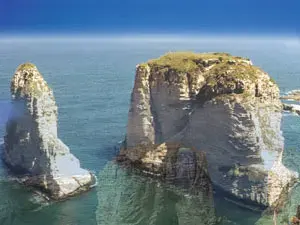
Pigeon Rocks

The Pigeon Rocks are huge natural formations off the coast of the Corniche andone of the symbols of Beirut. They stand out like sentinels in the sea. Walking and jogging on this seaside promenade are popular activities. There are a number of restaurants serving local and foreign cuisines and cafés offering a variety of snacks. The shores near Pigeon Rocks have yielded the oldest evidence we have of human existence in Beirut. Flints and basic tools found here are displayed in the AUB Archaeological Museum.

Festivals and events in Beirut

alt

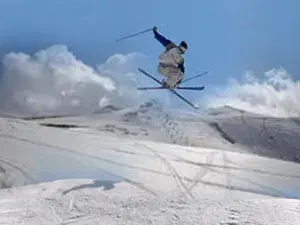
Mzaar Winter Festival

The Mzaar Winter Festival, an event that started just three years ago, sees hordes of ski fans gathered on the Refuge terrace of the InterContinental Mzaar to witness an authentic ski show. International and Lebanese skiers and snowboarders present impressive, competitive displays. Prizes are awarded for the Best Jump.

alt

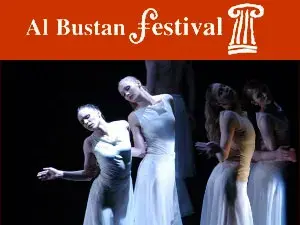
The Al Bustan International Festival of Music and the Arts

The Al Bustan Festival is an important cultural event with 30 performances spanning five weeks from Feb to March. This festival takes place primarily at the Emile Bustani Auditorium and also at the Crystal Garden glass conservatory at Al Bustan Hotel in the village of Beyt Meri in picturesque surroundings of pine trees and flowering gardens. The performances include opera-symphonic, choral and chamber music, dance, theatre, solo recitals, oriental music, Russian ballets and jazz.

alt

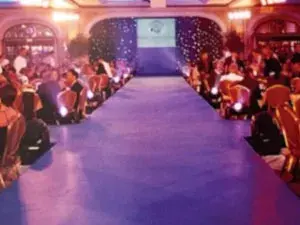
Beirut Fashion Week

Beirut Fashion Week is a week-long extravaganza of the latest in style in ready-to-wear collections for the fashion conscious. Latest trends in bridal gowns and footwear are also part of the collections that are showcased by designers of national and international repute. Fashion shows are held through the week. The Fashion Week provides a platform for trade professionals to network and grow in terms of creativity and business.

alt

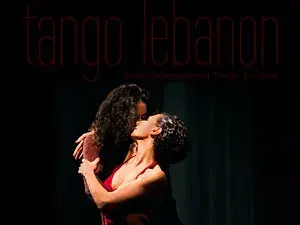
Beirut International Tango Festival

The Beirut International Tango Festival showcases Argentine dance in its authentic form to the American University of Beirut. This festival gives an opportunity to take a dance class, catch a typical tango quartet concert and head to El Derwendi restaurant for the nightly milonga club nights and shows.

alt

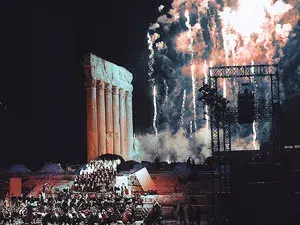
The Lebanese National Orchestra for Oriental-Arabic Music

The Lebanese National Orchestra for Oriental-Arabic Music conducts concerts with a local flavor. Led by Lebanese Conservatory director Walid Gholmieh, they perform a season of concerts in the Pierre Y Aboukhater Amphitheatre at Saint Joseph University, Beirut.

Beirut tours and experiences

alt

WalkBeirut

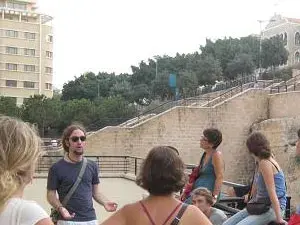
This recently launched project is run by Lebanese students who know the city inside-out and are passionate about sharing their knowledge with tourists. Beirut’s diverse history is unfolded as you go on foot through the neighborhoods and absorb the essence of the city as you learn about its rich and often troubled past. The tour stops include Ras Beirut’s Hamra district, the preserved buildings of Clemanceau and Kantari neighborhoods, the Jewish Quarter Wadi Abu Jmeel, the Grand Serail, Martyr’s Square, the Samir Kassir garden, downtown’s old shopping street “Rue Foche”, St. George Hotel, Rafic Hariri’s memorial and Beirut’s seaside promenade.
alt

Nakhal Tours

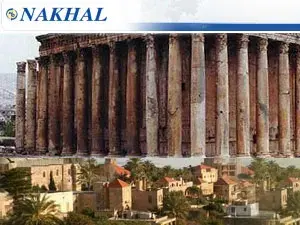
Minimum four tours per day, all of them with guaranteed departures and escorted by licensed and experienced tour guides who are fluent in English, French and Arabic. Meals are served in first class restaurants. Tours depart from the office building but tourists can avail of the pick-up and drop-off service that is provided to all hotels in Beirut. Tours are different for each day of the week. Some tours run daily:

alt

Tania Tours

Tania Tours operates guided tours in Beirut and within Lebanon, the cost of which includes transportation, lunch, guide (French or English) and entrance fee. Packages can be customized according to the tourists’ needs and can be adjusted for shorter periods at lower costs.
alt

Adonis Travel and Tourism

Adonis Travel organizes visits to cultural and archaeological sites in Lebanon in half-day, full-day, or multi-day tours. In addition to the tours, they offer incentive programs and a 4x4 outdoor adventure tour. Tel: +961 9 949599

Beirut masjids and Muslim travel

alt

Al Omari Mosque

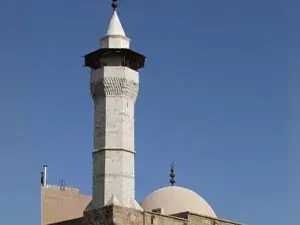
The Omari Mosque is one of the oldest buildings in Beirut. The city’s original mosque was built on the site in the seventh century, after the Muslim conquest. Before that, archaeological evidence shows the presence of a Roman temple. In the twelfth century, it was converted into a church dedicated to John the Baptist by crusaders. After the Crusaders were finally expelled in 1291, the building was once again converted into a mosque by the Mamluks. Renovations have continued in the intervening years, but this is still pretty much the same mosque it was in the thirteenth century. It is named for the second caliph, Omar ibn al-Khattab.

alt

Amir Assaf Mosque

Amir Assaf Mosque, also called Babe s-Saraya Mosque was built by Amir Assaf (1572-1580) on the site of the Byzantine Church of the Holy Savior. Downtown, Beirut

alt

Al Omari Mosque

Al Omari Mosque was originally the Church of John the Baptist (1113-1150). It was transformed into city’s Grand Mosque by the Mamlukes in 1291. Weygand and Maarad Streets, Beirut City Center

alt

Amir Munzir Mosque

Amir Munzir Mosque was built in 1620 on an earlier structure. It is also called Naoufara (Fountain) Mosque. It has 8 Roman columns in its courtyard. Downtown, Beirut

alt

Majidyyah Mosque

Majidyyah Mosque was constructed in the mid-19th century and named after the Ottoman Sultan,Abdul Majid I (1839-1861)

Transportation

Taxi

Taxi

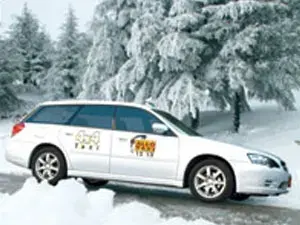
Taxis are readily available throughout Beirut and are often the most convenient way to get around. Yellow taxis are the most expensive. Shared taxis are much cheaper. Cabs are not always metered, so try to negotiate the fare beforehand to avoid any unpleasantness.

Driving Tips

Driving Tips

Public transportation in Beirut is definitely lacking. The best way to get around Beirut, and Lebanon as a whole, is to drive. Car rentals can be pretty expensive, but it’s somewhat offset by the cheap cost of fuel.

From the Airport

From the Airport

Rafik Hariri International Airport is Lebanon’s main airport. It’s not too far from the city, but there is no public transportation link. The best option is a taxi. The airport operates its own fleet of taxis, but they are more expensive. You can take also try one of the many taxis that queue outside the terminal, or pre book. Remember to negotiate your fare beforehand to avoid any confusion.

Car Rental

Car Rental

Most major rent-a-car companies have offices in Beirut. An international driver's license is required.

Buses

Buses

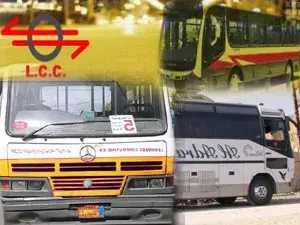
Buses can be a convenient way of getting around the city, though the system is not at all comprehensive. The private red and white buses are run by the Lebanese Commuting Company (LCC). Free route maps are available at tourist information offices. LCC buses transport commuters all over Lebanon and Syria. Rechargeable, pre-paid cards are available.

Health and Safety

Health and Safety

Health and Safety

Beirut is generally a safe place but to avoid any untoward incident, it always pays to stay alert especially in crowded places like markets or tourist attractions. Follow simple precautions like keeping your handbag close to your body, not wearing expensive, flashy jewelry, and keeping a tight rein on small kids, and you should be fine. Try not to make it too obvious that you are a tourist for then you could be the prime target for mischief-makers. Avoid places where demonstrations are going on for these could turn violent. Do not be intimidated by the feeling of high security and the armed guards patrolling downtown areas but do carry your personal identity documentation at all times in case you are subjected to a security check. Beirut has been ravaged by war for many years and local people may be sensitive to certain issues. It would be advisable to avoid any talk of Israel or to mention any trips you may have made there.

Your city guide

More cities. More possibilities.

View all →