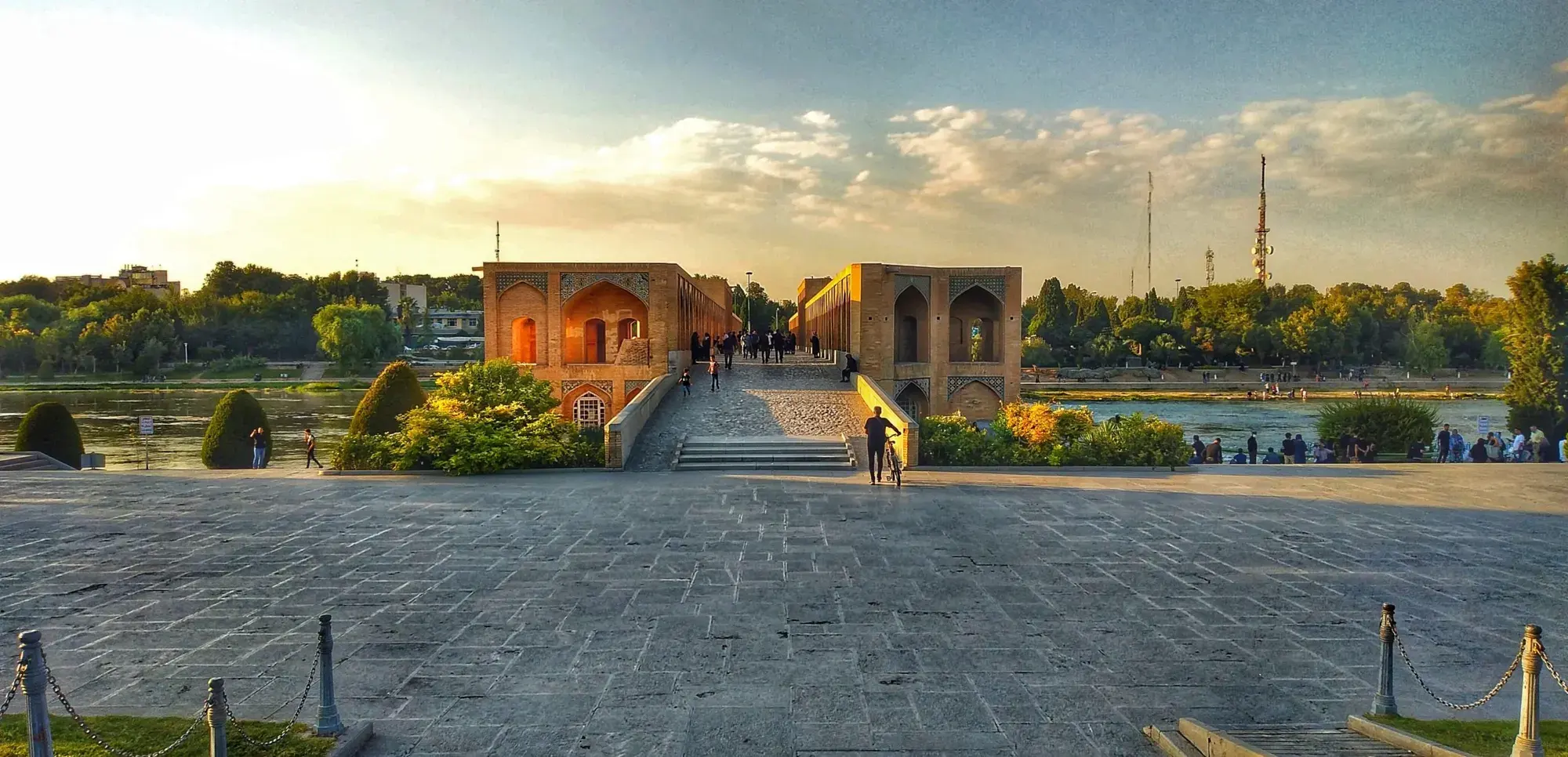
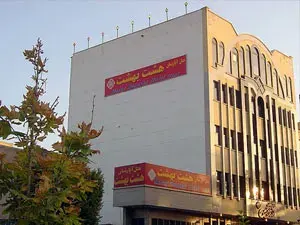
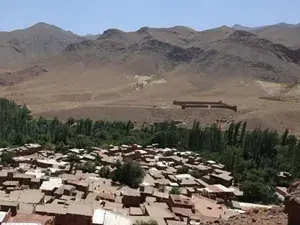
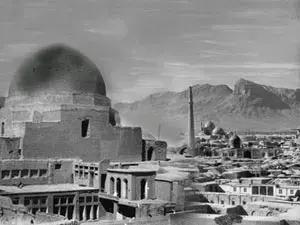
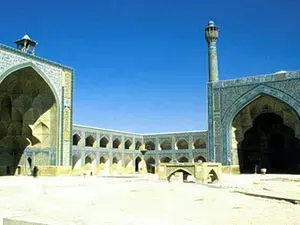
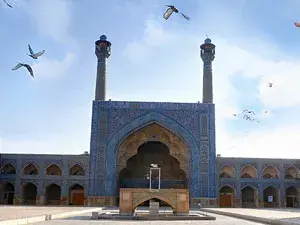
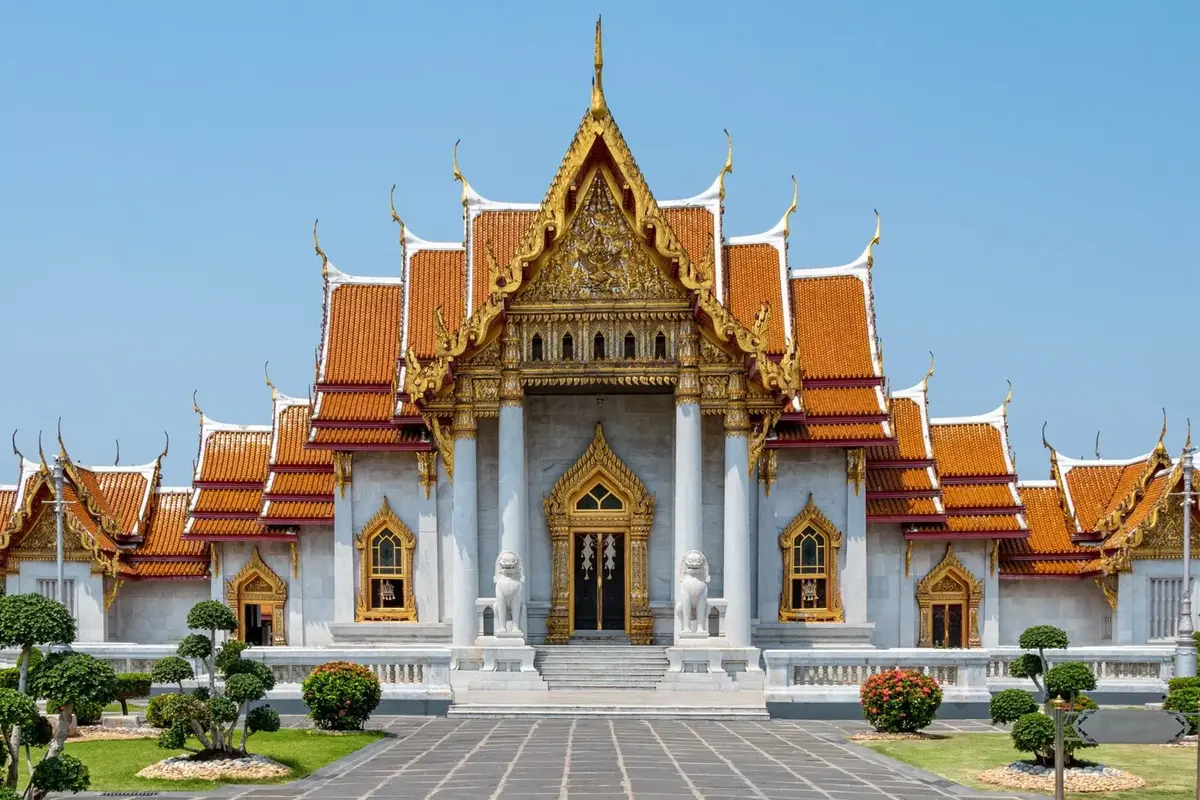
Known popularly as “Nesf e Jahan” (half of the world), Isfahan has grown, over the years, into a splendid architectural and cultural marvel set amidst a modern day metropolis. The city has seen Zoroastrian, Muslim, Turkic, and Mongolian settlers and rulers, and has adapted to the new ideas, technology, and architecture brought in by each invading nation. It has been plundered, razed, rebuilt, ornamented, and updated as the years have rolled on, and today houses relics from all the nations that set foot within it, either to embrace or disgrace the city. In fact, a large portion of the city has been declared as a permanent UNSECO World Heritage
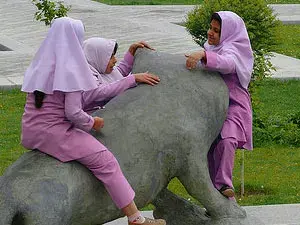
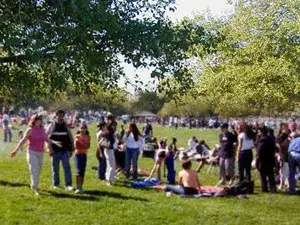
Isfahan is not a city geared specifically towards children. The air around the city is formal, sober, and one of intellect and reverence rather than frolic and merrymaking. The lack of amusement opportunities within the city is somewhat of a downside when you are bringing along a family with toddlers. The only best place you can take children is probably one of the numerous parks around the city. An evening of family-oriented fun for kids and adults alike will keep pestering kids at bay, while offering you relief from the pressures of the city center.
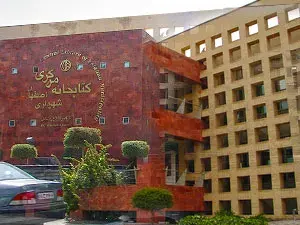
Address: opposite Hasht Behisht garden complex, Hasht Behisht Street. A fascinating piece of modernism fused with traditional color and construction, the very building of the Central Library is a refreshing break from all the typical Safavid style monuments around the city.
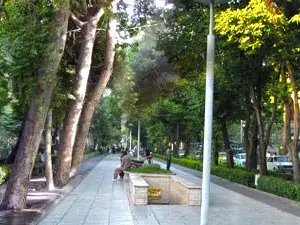
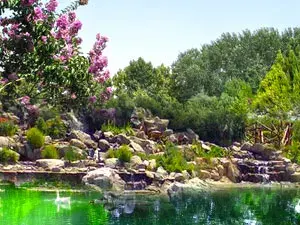
Address: located within Hasht Behisht complex. A small public park that is full of avid chess players, leisure walkers, and chatty locals on evenings, providing an ideal space for intermingling with the locals, or just watching casual life in Isfahan roll along. The park contains colorful verities of local flowering shrubs and soothing bodies of water, and is a very relaxing experience after a long day exploring the city center and all its tourist locations.
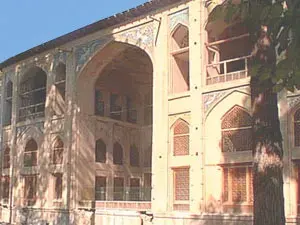
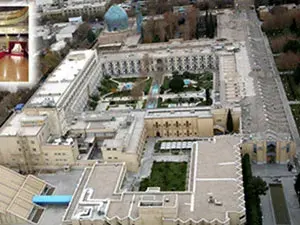
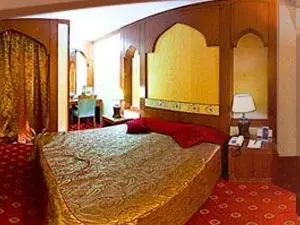
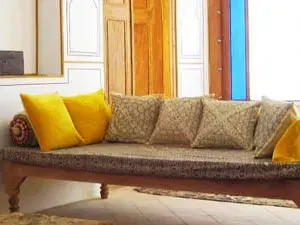
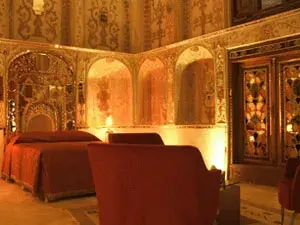
Originally a 300 years old mehmansarai (guesthouse for travelers) built by the Safavid ruler Shah Hussein as a tribute to his mother, the building of this hotel has been magnificently restored. It has been transformed into a splendidly nostalgic hotel that echoes with legacies of palatial life that are sinking into oblivion in today’s modern, fast-paced world. The hotel is built around a courtyard plan, a typical feature of public building planning by the Safavids. It contains four arcades that surround the central courtyard (a Chahar Bagh arrangement). The garden itself blossoms with colorful varieties of local flora, and contains fountains and stone sculptures that add to an almost magical, fairytale like setting. The very delicate detailing of this courtyard space can be used to compare it to the much larger, much grander Naqsh e Jahan Square in the city center.
Known popularly as “Nesf e Jahan” (half of the world), Isfahan has grown, over the years, into a splendid architectural and cultural marvel set amidst a modern day metropolis. The city has seen Zoroastrian, Muslim, Turkic, and Mongolian settlers and rulers, and has adapted to the new ideas, technology, and architecture brought in by each invading nation. It has been plundered, razed, rebuilt, ornamented, and updated as the years have rolled on, and today houses relics from all the nations that set foot within it, either to embrace or disgrace the city. In fact, a large portion of the city has been declared as a permanent UNSECO World Heritage Site.
Isfahan is one of the oldest inhabited cities in the world – it has witnessed the rise and fall of civilizations that have had the some of the deepest impacts on world history.
Religious (subject to appearance of moon): Arbaeen Demise of Prophet Mohammad Martyrdom of Imam Reza Victory of Islamic Revolution Birthday of the Prophet Mohammad Birthday Imam Ali Prophet Mohammad receives his calling Birthday Imam Mahdi Martyrdom Imam Ali Eid-e Fitr Martyrdom Imam Jafar Sadiq Eid-e Ghorban Eid-e Ghadir Khom Islamic New Year Tassoua Ashura
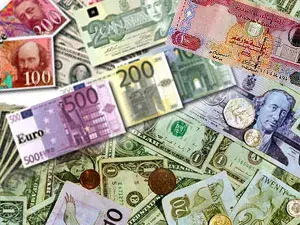
The currency used is the Iranian Riyal (IRR). Banknotes are present in denominations of 100, 200, 500, 1000, 2000, 5000, 10000, 20000, 50000, 100000 Riyals.
-Location:: Isfahan, Iran -Dialing code: +98 311 X (where +98 is the international code for Iran, 311 is the regional code for Isfahan, and X is the local number) -Emergency numbers; Police:: 110; Ambulance:: 115
You can compare the weather in Isfahan to the Mediterranean European states. Isfahan has a mildly hot, dry summer from around May to October, and a cool winter with lots of snow between December and February.
Isfahan has produced some of the Muslim world’s finest intellectuals – poets, philosophers, religious scholars, academics, architects, polymaths, artists and craftsmen. The city, with its rich cultural legacy, is home to a variety of ethnicities, the intermingling of which creates opportunities for its citizens to indulge in a range of productive activities.
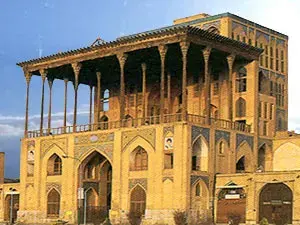
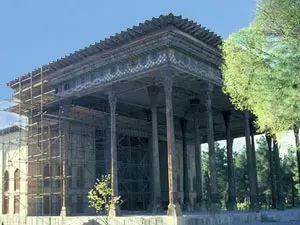
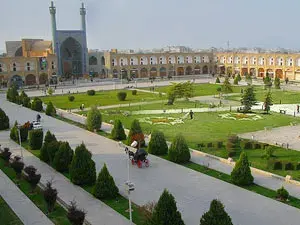
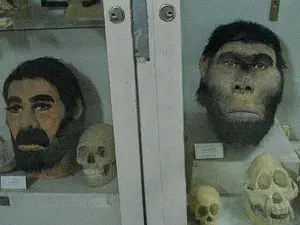
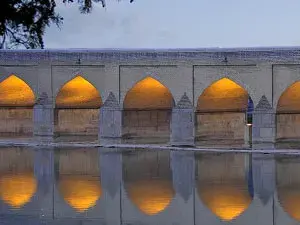
The best way to spend a day in Isfahan is to head to Meydan Shah. This is a large open square in the centre of Isfahan. Here you can see many landmarks and get to know the people, culture, tastes and art, as well as bargain over prices. You will find a rich mixture of all these things to help you explore Isfahan. You can explore the chahar iwan in the Shah Mosque and see the magnificent dome and the blue and gold glazed tiles on the dome of the Lotfollah Mosque. Do not miss the splendid Ali Qapu Palace, which has retained its glory for a long time. You can also enjoy wonderful panoramic views from the incredibly high talar. Spend the afternoon wandering through Bazar Bozorg to pick up a souvenir or stroll along the way, and watch skilled craftspeople engraving precious metals and wooden objects. In the evening, return to the central square for a cup of local tea. You can watch the fiery orange sky at sunset; after sunset, small lamps light up along the alleys. The scene is truly magical. Bring your camera to take wonderful photographs! Another option for the day, if architecture interests you less and you prefer scenery as a form of recreational sightseeing, is to head to Chahar Bagh Palace. It is a complex very close to Meydan Shah, and the palace features wonderful architectural designs. It houses a small museum, and there is a garden with beautiful scenery around the buildings surrounding the palace. Then head to Chehel Sotoun, a royal palace with 20 columns at the entrance, or Hasht Behesht, another guesthouse with a symmetrical architectural design. It has green spaces that are a haven for amateur photographers. If families or tourists feel tired and want to beat the heat and escape the crowds, they can head to Meydan Shah for dinner and another cup of tea! On the way there, you can stroll along Chahar Bagh Street. If you have more time, head to the three museums along Ostandari Road. Among them is the Natural History Museum, which is not for the faint-hearted, although many tour groups prefer to visit it. Do not let your visit to the museum spoil your peaceful day! If you would like a wonderful evening in Isfahan, there is no better way to relive your memories than to head to Pol Khaju. You can have wonderful tea there and chat with the locals. As you sit, you will feel the rise and fall of the stones on the water, enjoy the sound of flowing water and the orange lamps reflected in it. It is a magical outing that will leave you relaxed and content before returning home.
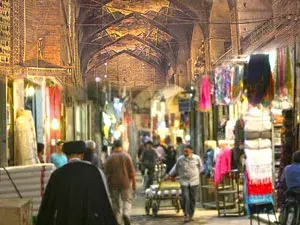
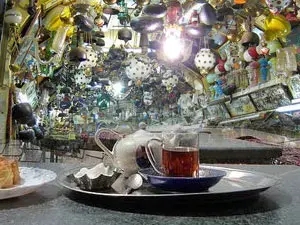
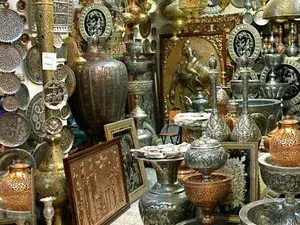
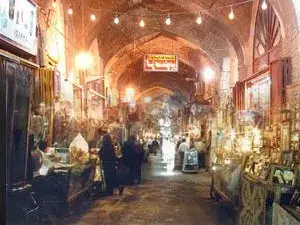
Address: north side of the Madrassa Imam Jafar Sadiq Timings: 9am to 8pm Another large vaulted corridor bazaar, this place specializes in handcrafted goods, silverware, cutlery, woodwork, metal products, and block printed cloth. Also housed within the bazaar are numerous teashops that offer a sip of culture and a taste of tradition to go with the exhausting shopping experience!
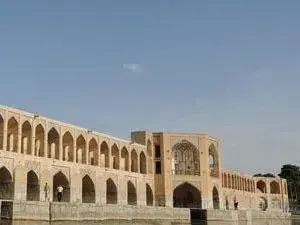
Address: between the Si-o-She and Khaju Bridge. A smaller, less grand bridge, 150 meters long and containing 21 arches, the Chubi was built by Shah Abbas II to serve as royal parlors, for being served pleasant evening meals and as entertainment rooms for the ladies of the court. Today the bridge contains two charming little teahouses.
Address: south end of the Chahar Bagh Khaju Avenue, near the Khaju Square The second of the two most popular bridges in Isfahan, the Khaju is known for its masterfully designed sitting spaces that offer direct contact with the flowing Zayandeh River.
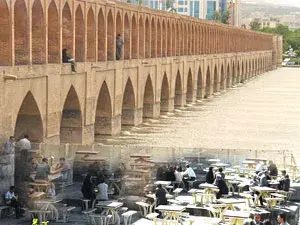
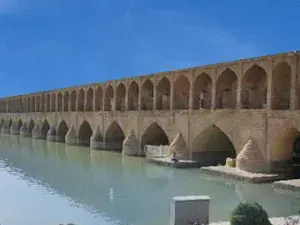
Address: 33 Pol, intersection of the Chahar Bagh Avenue with the river crossing. The bridge is strategically located where the Chahar Bagh, the main vehicular artery through Isfahan, crosses over the Zayandeh River. It was commissioned in 1599 by Allah Wardi Khan, a general in Shah Abbas I’s army.
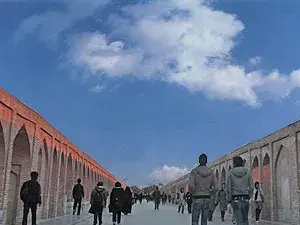
Address: downstream along the Zayandeh River. The simplest way to enjoy the Zayandeh area while avoiding noisy, huddling crowds is to take a walk down the paved promenade that runs parallel to the course of the river.
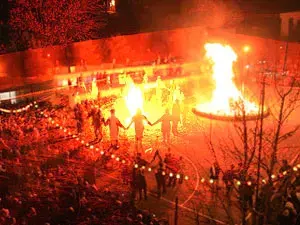
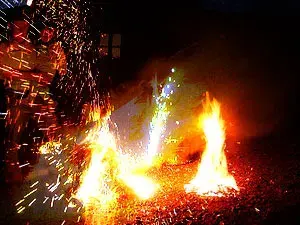
This is an ancient ritual that has its roots in Zoroastrian tradition. A mid-winter get together and banquet is arranged in homes as well as official guesthouses to cherish the gift of Fire. Great bonfires are lit up at open grounds or public squares, and a large number of Zoroastrians as well as people from other religions gather around to witness the roaring and leaping flames.
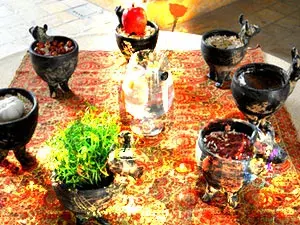
This is the last day in the Persian calendar, celebrated somewhere around mid-March, just before the festival of Nowruz. It marks the end of the past year’s darkness, and a resolve to welcome new light and new hope into the lives of Persians.
This day marks the end of the Nowruz festival, and is celebrated to evade the bad luck that a 13th day brings. Sizdah Bezar aims at appreciating the beauty of nature and the great outdoors to ward off evil presences and ideas.
The holy month of Ramadan is marked with respect and adherence to the fundamental beliefs of Islam, and there is a general air of non-indulgence and goodwill around the city. Eateries all around Isfahan are closed from early morning till sunset, as eating and drinking is forbidden during the daytime – a month of fasting and refraining from all evil acts and thoughts to attain salvation.
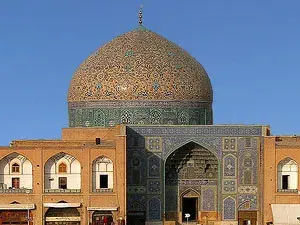
Address: east side of the Naqsh e Jahan Square. The grandeur of the Imam Mosque, located on the South side of the Naqsh e Jahan Square, is a sight to behold – and yet, the Sheikh Lotfullah Mosque achieves the very same impact with simplicity and an understatement of imposing expression.
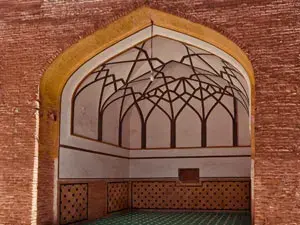
Address: Haruniyeh, near Dibai House Hote. Another one of the centuries-old mosques dotted around the city, this architectural gem echoes with impressive brickwork masonry reminiscent of the Seljuk period. Layers of brown bricks laid out in graceful geometrical designs might not stand out as prominently as the blue and green tile work of most other mosques, but they present a stunning visual experience nevertheless. The mosque contains a number of large portals, or iwans, that give the interior a rich, spacious ambience. The 48m tall elegant minaret of the mosque, dwarfing the small precinct, can be seen from a good distance – check out the view of the minaret from the courtyard of the Dibai House Hotel if you happen to stay there. It contains splendid bands of Kufic calligraphy, one in brick, and three in glazed blue tiles. A must-visit for culture-craving tourists!
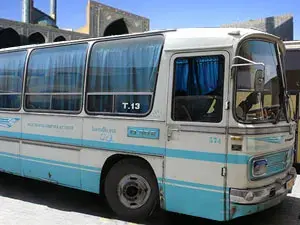
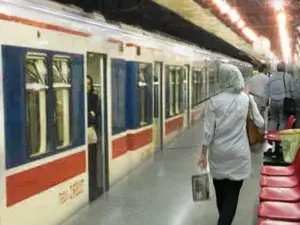
The most economical, and usually the fastest, way to traverse the city is to travel by public buses and coaches. These are plentiful, with a variety of routes that cover even the remotest parts of town. Unlike most buses in other Asian and Middle Eastern countries, buses in Isfahan tend to be quite comfortable when it comes to seats.
Taxis are the most interesting form of travel within Isfahan. Relatively more inexpensive than you would expect, and with drivers who lower the fare merely out of courtesy for a foreigner (an unusual trait, considering how opportunist cabbies can be when it comes to tourists), taxis are the first choice for navigating the city when you have your own customized itinerary.
The quickest and safest way to get to the city center from the airport is by hiring out a chauffeured car from one of the car rental booths placed in the lobby. However, it can also be considerably expensive.
Petrol is abundant in Iran, and hence almost everyone has a car. Consequently, roads are very crowded, and air and noise pollution is an everyday experience. Parking is quite difficult to find especially near major tourist attractions, so you would probably have to park a fair distance away and then take a stroll. Driving is done on the right side of the road – unless, of course, you want to go wrong-way! Iranian drivers can be quite rough – not obnoxious, just a bit wild and free-spirited. Speed gives them thrill, especially on the highways. As a matter of fact, Iran ranks as the world’s number one country for most road accidents! You might want to drive in the slow lane. Oh, and wear your seat-belt!
Some reliable medical centres in the city: 1. Al Zahra Hospital: Address: Safih Street, Isfahan Telephone: 668 4444 The staff here are courteous and speak several languages, and the medical care is excellent. It is one of the most popular hospitals among tourists. 2. Dr Hosseini Pharmacy: Address: Shahid Madani Street, Isfahan Telephone: 222 3511 The pharmacy is open 24 hours a day. It is a large central hospital where you can find almost all European and American medicines. 3. Isfahan Hospital Address: Shams Abadi Street, Isfahan Telephone: 223 0015 The cost here is not high, and the hospital is recommended for tourists on a limited budget. It is a well-equipped hospital that provides efficient service.
Violent crime is not very common in Isfahan, unlike other developing cities. People here are generally more tolerant and hospitable towards one another.