Skip to content
Sao Paulo
Brazil

Sao Paulo

Touted to be the richest city in Brazil, Sao Paulo has a life of its own. With some 11 million people living in the city, Sao Paulo’s skyline is dotted with sky scrapers and high-rises that house banks, insurance, and multi-national companies, much like any other metropolitan city around the world. The road network is extensive and can be confusing for those who are not used to multi-lane highways and complex flyovers. The beaches are beautiful and endless; a dream come true for all those who face the biting cold in their own countries. The seemingly endless festivals and exhibitions (not to mention the bars and clubs) make Sao Paulo a happen

Search Sao Paulo

Explore Sao Paulo

A CLOSER LOOK

Top places to visit

alt

Hopi Hari

One of the largest and modern amusement parks, the Hope Hari is actually divided into five separate parks and is located about one hundred kilometers from Sao Paulo. You can either drive there, (which takes about an hour), or you can take a bus to the park. Their website is mainly in Portuguese but your hotel staff will be able to guide you.

alt

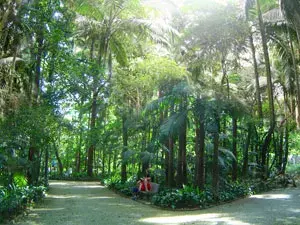
Trianon Park

This park was established in the late 19th century and features the flora and fauna of Brazil. Today, it has trees over three hundred years old and can serve as a peaceful retreat from the commotion of the city. Children can run around freely, play games and take in the natural beauty of Brazil. Perfect for a picnic with the family.

alt

The Sao Paulo Zoo

A place worth visiting, the Sao Paolo Zoo has over 3,000 different kinds of animals, including several endangered species. The zoo has a lake in its center containing the monkey islands, which must not be missed.

alt

Instituto Butantan

The research center was established for the study for poisonous snakes and is now a main attraction among tourists. The center houses spiders, scorpions, frogs, other reptiles, and monkeys.

alt

Science Center

This is administered by the University of Sao Paulo and offers insights on science, geography, geology, history and more. The center is mostly geared towards the inquisitive minds of children.

alt

Banespa Tower

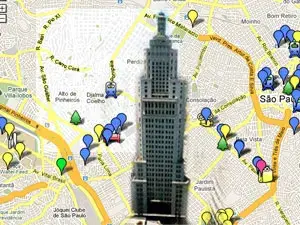
This monumental tower was established in 1947 and takes after the New York Empire State Building. The building has an observation deck and a museum at the top. The observation deck is a great place to see Sao Paulo from a distance and the energy that it imbibes.

alt

Martinelli Building

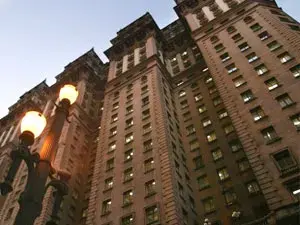
Famous for being Sao Paulo’s first sky-scraper and constructed in the 1950s, the Martinelli Building is patterned after Gothic architecture. There is a penthouse at the top which is extraordinary to say the least. The view from the rooftop is also quite breath-taking, but requires special permission.

alt

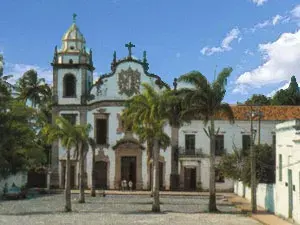
Sao Bento Monastery

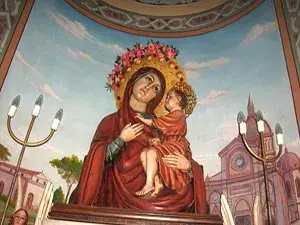
This Norman-Byzantine style church was designed by a German architect and boasts a huge pipe organ with 6,000 pipes and an image of the Kasperovo Virgin that is adorned with 6,000 pearls from the Black Sea.

alt

Museum of Sacred Art

As the name suggests, this museum has about 4,000 artifacts that are considered sacred in Brazil. There are some fabulous baroque and rococo art pieces that are worth seeing. The artifacts date as far back as the 17th century.

alt

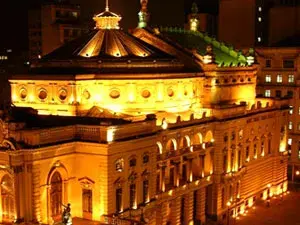
Teatro Municipal

The Municipal Theatre was built in the early 20th century and has various art-nouveau building elements. The theatre has a capacity of 1,500 people and is home to many cultural and performing art events in the city. Guided tours are available but require advance bookings.

Muslim travel planner

Plan a Muslim-friendly trip in Sao Paulo

Full guide
THE LOCAL TABLE

Halal restaurants in Sao Paulo

alt

Paddock Jardim

This restaurant boasts one of the best piano bars in the city. The menu includes an excellent combination of classic French and Brazilian cuisine. Here you can order escargot, beef jerky, and scallops.

alt

Fasano

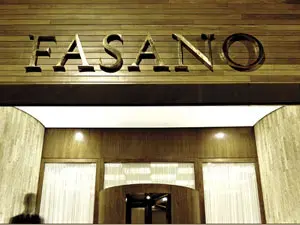
If interested in a culinary adventure, guests at the restaurant can opt for the five-course tasting menu designed specially by the chef. If not, try some of the best pasta and other Italian favorites such as veal cutlets, roasted tomato soup with shrimp, and tuna steak.

alt

Antiquarius

Serving traditional Portuguese cuisine hot and delicious everyday. On offer are items that are authentic and difficult to sample out of Portugal.

alt

Figueira Rubaiyat

A trip to Brazil would be incomplete without trying the country’s specialty: beef. The restaurant is known to serve the best prime beef in the city and for those looking for other options, seafood is on the menu.

alt

Sushi Yassu

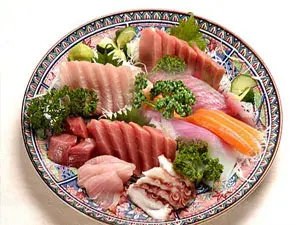
Very popular among the tourists and locals alike, this restaurant serves piping hot Udon noodle soup, teppanyaki, sushi, and sashimi.

alt

Arabia

A large middle-eastern population lives in Sao Paulo, which is one reason why restaurants serving middle-eastern cuisine are quite popular. You can pick from daily specials or from their regular menu. Food here is mainly Lebanese and is known to be quite delicious.

alt

Tarraco Italia

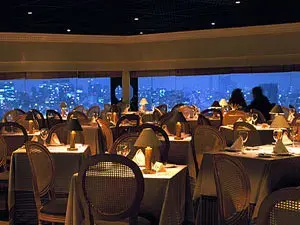
If you’re in the mood for a romantic evening with great food, live music, and phenomenal views of the city, this is the restaurant to visit. Located forty-one stories above the street, the views are stunning and the live music as a backdrop to your dinner makes it even more interesting.

alt

Le Chef Rouge

Classic French cuisine including duck served with a tangy orange sauce and fresh baby greens served with warm mushroom, topped with balsamic vinaigrette.

alt

Carlota

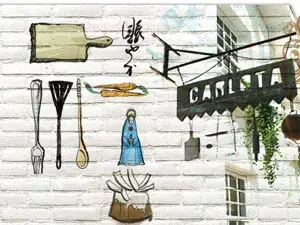
Located in a small cottage, the restaurant seats very few people but boasts a delicious meal each time. The menu includes a good mix of contemporary cuisine from across the world.

alt

Quinta do Museu

A lovely place for even coffee and dessert, this café also offers some light sandwiches, salads, and pasta. The location is child-friendly with a huge garden where children can play around.

THE DAILY RHYTHM

Prayer times

All prayer times

Loading local prayer times…

Calculated times. Confirm congregation times with your local masjid.

Where to stay in Sao Paulo

alt

Emiliano – Sleek and modern

this hotel oozes luxury. Amenities include a menu of pillows to chose from, butlers to help you pack and unpack, and toiletries.

alt

Fasano

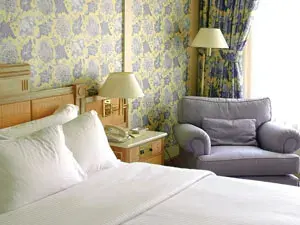
Decorated with period pieces from the 1930’s, the hotel exudes old-world glamour with hints of sleek modern design. Additionally, the restaurant in the hotel – by the same name – is known to be the best Italian restaurant in all of Brazil.

alt

Caesar Park São Paulo Faria Lima

Located in Centro, the hotel is close to the main cultural and heritage sites in the city. Amenities at the hotel include breakfast, sauna, a swimming pool, and more. It is also pet-friendly.

alt

L’Hotel

A small boutique hotel with only eighty rooms, it does not compromise on luxury and promises only the best. The bathrooms are furnished with beautiful marble-finishing with bedroom décor to match the standards. The hotel also includes a small bakery.

alt

Rennaisane Sao Paulo Hotel

Designed by well-known architects, this is one of the largest hotels in the city. The exterior includes glass-paneled walls that add to the charm of the hotel, making it sunny and welcoming.

alt

Bourbon São Paulo Business Hotel

Perfect for a business traveler with good-sized rooms and free internet at the business center. The junior suites in the hotel have an attached mini-office space. Address: Av. Vieira de Carvalho 99 Tel: 0800/118-181, 011/3337-2000 Web Site: www.bourbon.com.br

alt

Quality Jardins

The hotel offers the best, most competitive rates in Avenida Paulista. Children under five stay for free and the rooms are built like studio apartments; the bedroom also includes a small sitting area that is most useful when traveling with children.

alt

Staybridge Suites Sao Paulo

Although a 3-star hotel, according to traveler reviews the service and the rooms are much better than average. The location is very good (just across the mall where you can shop and/or eat) and their weekend specials also include free breakfast and free internet.

alt

Novotel Sao Paulo Morumbi

Another good hotel is you’re traveling to Brazil for business. The rooms can be a bit small, but the beds are comfortable and the view from the terrace is quite nice. Address: Rua Ministro Nelson Hungria 450

alt

Marriott Executive Apartments

Perfect if you’re traveling with children since the kitchenette includes a dishwasher in addition to a microwave, a stovetop and a refrigerator. Although the hotel is a little far from the main city center, it is an excellent value since it also includes a lavish breakfast buffet.

History and today in Sao Paulo

Sao Paulo Residents

Sao Paulo Residents

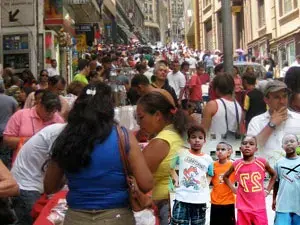
Known as Paulistanos, the people of Sao Paulo are racially diverse. You will find a huge Japanese population here along with Chinese, Korean-Brazilians, Christians, Arabs, Jews and Italians. However, regardless of their ethnicity, Paulistanos are known for being extremely hard-working and ambitious. They work hard and party hard (at night when you will find many Paulistanos out on the town after a long day’s work). It is largely due to Paulistanos’ hard work that the city contributes fifteen percent of Brazil’s gross national product.

When to go

When to go

Sao Paulo is known for its tropical climate and has no extreme weather conditions. Simply put, Sao Paulo’s weather is usually pleasant and dry and never too hot. The winter months are from June to August while spring is from September through November. After that, summer begins and lasts until about June. Like most other tropical cities of the world, summer in Sao Paulo is characterized by humidity and brief but sudden downpours, which become increasingly frequent from March onwards. Thus, the best time to visit Sao Paulo is anywhere from September to March when you can soak up the sun and hit the beaches.

Fast Facts

Fast Facts

Location: State of Sao Paulo, south-east Brazil Dialling code: 55 Emergency numbers: Police 190; Fire 193; Ambulance 192 Population: 11 million (city); 20 million (metropolitan) Languages: Portuguese; Spanish and English taught in schools Time zone: GMT - 3 (GMT - 2 from November to February) Average January temperatures: 23°C (73°F) Average July temperatures: 17°C (63°F) Annual rainfall: 1,317mm (52 inches).

Public holidays 2010

Public holidays 2010

Jan 1: New Year's Day Jan 25: Founding of São Paulo Feb 12-17: February Carnival Apr 2: Good Friday Apr 21: Tiradentes May 1: Labor Day Jun 3: Corpus Christi Sep 7: Independence Day Oct 12: Our Lady Aparecida, Patron St of Brazil Nov 2: All Souls' Day Nov 15: Republic Day Dec 24: Christmas Eve Dec 25: Christmas Day Dec 31: New Year's Eve

Annual temperatures

Annual temperatures

January:: 27°C (high); 18°C (low); February:: 28°C (high); 18°C (low); March:: 27°C (high); 18°C (low)

Sao Paulo today

Sao Paulo today

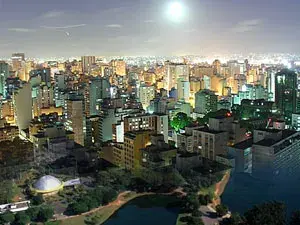
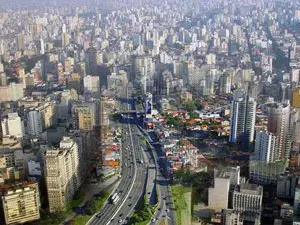
Touted to be the richest city in Brazil, Sao Paulo has a life of its own. With some 11 million people living in the city, Sao Paulo’s skyline is dotted with sky scrapers and high-rises that house banks, insurance, and multi-national companies, much like any other metropolitan city around the world. The road network is extensive and can be confusing for those who are not used to multi-lane highways and complex flyovers. The beaches are beautiful and endless; a dream come true for all those who face the biting cold in their own countries. The seemingly endless festivals and exhibitions (not to mention the bars and clubs) make Sao Paulo a happening place for the culturally refined. As a rich city, many elites own helicopters and use them to ‘commute’ to and from work since Sao Paulo’s traffic is so hectic. Unfortunately, Sao Paulo has a somewhat high crime rate given the grossly uneven distribution of income in the city, so unsuspecting tourists may find their valuables stolen if they are not careful.

Sao Paulo History

Sao Paulo History

Present-day Sao Paulo started off as a small village known as São Paulo de Piratininga in 1554 founded by Jesuit priests and a Native American chief. The village was established with the explicit purpose of spreading Catholicism among contemporary natives. In the 18th century, Sao Paulo became a city and in the 19th century, its economy flourished owing largely to coffee exports. As a result, people from other countries came to Sao Paulo in search of opportunities and eventually settled in the city. The end of the slave trade and rising prices caused the coffee boom to fizzle out in the 20th century, which led to Sao Paulo’s reinvention as an industrial city. Today, Sao Paulo has a booming services industry, as mainstream industrial activities have moved to other cities of Brazil.

Useful information

Shopping

alt

Le Postiche

With some of the biggest international brands for leather products, this is the place to go if you are in the mood to splurge and buy some quality leather products and accessories.

alt

Clube Chocolate

This is a unique store because it is set like an art gallery that sells extremely high-end clothing (as well as other products). There are also home decoration items and gifts available here.

alt

Anna Pegova

A French beauty products brand, the Anna Pegova store is perhaps one of the best stores to go to if you are looking for some Brazilian beauty. Many of them have been customized to suit the local conditions.

alt

O Boticario

A beauty product store that prides itself on being eco-friendly and all natural, O Boticario is a local, best-selling brand that has been designed for Brazilian skin tones. It features products for both men and women.

alt

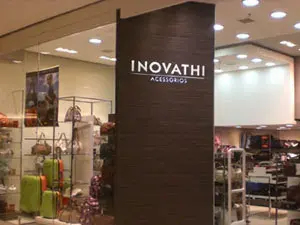
Inovathi

Another store for leather goods, but not as pricey as Le Postiche. You can find gifts here at good prices.

alt

Galeria Do Rock

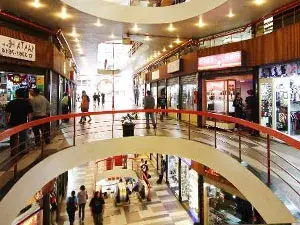
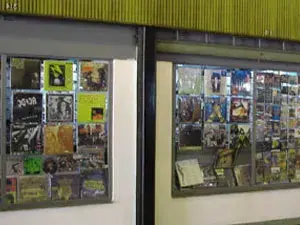
This five-story mall has a little bit of everything to offer for those interested in music. From concert tickets, CDs, DVDs, and more, the mall also includes a small stage where bands often play.

alt

Arte Tribal

This place sells the craft work of native Brazilian tribes as well as those from around the world. The latter is mostly focused on African tribes so visitors have numerous choices.

alt

Marcenaria Trancoso

Yet another handicraft and artwork store where you can find souvenirs and decorative items for your house.

alt

Art India

This store sells handicraft and artwork made by the native Indian tribes all over Brazil. You can find necklaces, decorative items, bowls, spoons, pottery, etc. here.

alt

Casa do Amazonas

A store with a diverse range of products that come straight from the Amazon.

Signature sights in Sao Paulo

alt

Pinacoteca do Estado

Known for its State Art Gallery that has over 5,000 works of art old and new, the Estado is a haven for art lovers. The restaurant here is also worth checking out.

alt

Praca Liberdade

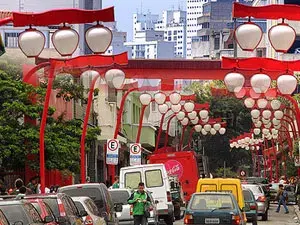
For those looking to get a taste of the hustle and bustle of Sao Paulo, the Praca Liberdade must not be missed. This is a fair held every weekend that has on display (and sale) Asian food and crafts. It is also home to religious festivities and represents the essence of Sao Paulo’s diversity.

alt

Museum of Japanese Immigration

Since the Liberdade is largely the immigrant district of Sao Paulo, it seems reasonable that it pay homage to one of its largest immigrant groups by establishing a museum in its honor. This two-story museum features Japanese contributions to Brazilian horticulture and farming and has countless Second World War memorials.

alt

Sao Paulo Museum of Art

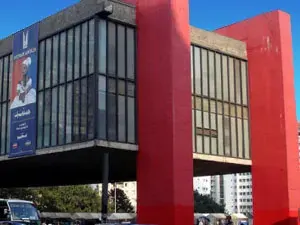
One of the biggest and best museums in the city, the Sao Paulo Museum of Art features over 7,000 works by artists such as Monet, Rembrandt, Picasso, and Van Gogh. The museum features a theatre and is also home to an antique fair.

Festivals and events in Sao Paulo

alt

The Sao Paulo Fashion Week (SPFW)

The Sao Paulo Fashion Week (SPFW) is one of the world’s most anticipated international events. Started in 1996, the SPFW is held at Ibirapuera Park twice a year. The Fashion Week in January features the fall collection while its June counterpart showcases the spring collection. The SPFW can be described as “fashion for a cause” since it is known for endorsing anti-hunger, poverty, cancer, AIDS and pro-environment-related campaigns. The Fashion Week is attended by the who’s who of Sao Paulo and indeed of the world, as international brands such as Versace, Chanel, and Gucci, among others, show their collections here.

alt

The Sao Paulo Carnival

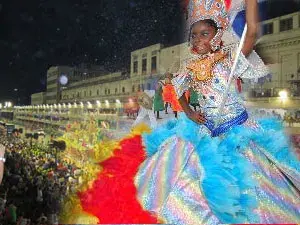
The Sao Paulo Carnival, a colorful, festive affair, pays homage to the highly energetic dance genre: The Samba. Many of the city’s Samba schools participate and compete in this weekend carnival hoping to win the Samba Award. While the Carnival is nothing like the one that takes place in Rio de Janeiro, it is still quite popular given that it is cheap and is not very commercial. The parade that finally leads to the Samba competition in the Sambadrome is worth watching -those in Sao Paulo in February should not miss it.

alt

The Electronic Language International Festival

The Electronic Language International Festival is the biggest art and technology festival held in Brazil and aims to promote new media art that is gaining popularity. The focus is mostly on digital media.

alt

The Festa da Achiropita or Achiropita Festival

The Festa da Achiropita or Achiropita Festival is an Italian festival organized by a church in the city and takes place for roughly ten days. The festival celebrates Italian traditions and sells Italian food, handicrafts, and the like.

Sao Paulo tours and experiences

alt

Go in Sao Paulo

This company includes tours of museums, shopping districts, the Zoo, and coffee farms and provides pick-up to and from your hotel.

alt

Check Point Tours

This company more or less offers a city tour along with a tour of Sao Paulo’s art galleries.

alt

Easygoing Brazil

This company takes you to museums, art galleries, parks, and resorts and has English-speaking guides to its credit.

Sao Paulo masjids and Muslim travel

Transportation

Buses

Buses

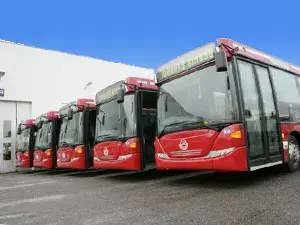
While cheap and popular, buses in Sao Paulo are very slow, largely due to high traffic levels and poorly developed roads. Additionally, it is difficult to find seats on buses because they often serve as the only mode of public transport in local neighborhoods. Buses will not pause at every stop, so if you are waiting for one, you must signal them to stop. Admission for children under five is free. Those who have the charged (with credit) Bilehete Unico card can scan their card over the reader while entering the bus and will subsequently be allowed to ride three buses for free for three hours, after which they must recharge their card. For those who opt to pay per trip, the fee is R$2.70 for a one-way fare. It is advisable to keep a strict check on one’s belongings and not have any valuables on you while using the bus since petty theft is common. Timings: 5am to 1am Price: R$2.70; children under five admitted for free. Tel: 156

Metro

Metro

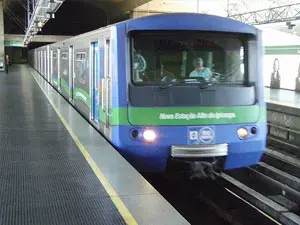
The Metro, or the subway system of Sao Paulo, may be easier to use than the buses since it contains English directions and clearly defined routes. Moreover, the subway is significantly safer and cleaner than the bus system. The metro will also connect you to the train network of Sao Paulo. A one-way ticket, sans the Bilehete Unico card, costs R$2.55 . Inter-line transfers are free.

Train

Train

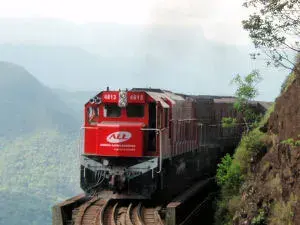
The train system, known as the Companhia Paulista de Trens Metropoli Companhia Paulista de Trens Metropolitanos tanos (CPTM), connects Sao Paulo to the suburbs and cities nearby. While the train system is generally preferable to the buses, the quality of service is inconsistent and occasionally unsafe. A single train fare costs R$2.55, and with the Bilhete Unico, you can travel for free for a certain number of hours.

Taxi

Taxi

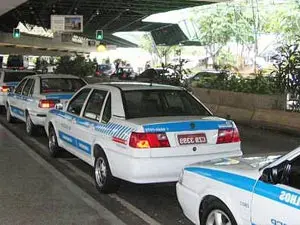
As with most cities around the world, taxis are an expensive way to travel in Sao Paulo. There are two kinds of taxis in the city – owner-drive and radio cabs. Both are fairly well-maintained and have a minimum fare of R$3.20 after which R$1.80 is charged for each kilometer and R$0.40 for every minute that you are stuck in traffic. Below is the contact information for several taxi companies in the city: - Coopertaxi, tel: 011-6941-2555 - Delta Rádio Táxi; tel: 011-5572-6611 - Ligue-Taxi; tel: 011-3866-3030

Care for Hire

Care for Hire

For the uninitiated, renting a car to explore the city is not advisable mainly because the road network is difficult to understand and traffic levels are significantly high. However, if you are feeling adventurous and want to rent a car, there are several companies from which you can hire vehicles for the day or night, whatever your requirement may be. - Avis, Rua Da Consolaçao 382; tel: 011-3259-6868; - Hertz, Rua Da Consolaçao 431; tel: 011-3258-9384; - Sixt, Alameda Barao de Limeira, 943; tel: 011-3669-5000;

From the airport

From the airport

You can either get taxis from the airport (mentioned in the taxi section) or get car rentals (as mentioned in the car for hire section). Also, buses can take you from the airport to metro stations, which you can use to get to your hotel.

Driving Tips

Driving Tips

Traffic in Sao Paulo is poor largely because local drivers can be quite aggressive and do not adhere to the lanes marked on the streets. This causes awful traffic jams, making driving on the streets of Sao Paulo a risky proposition for the first-time traveller. Furthermore, the road network is quite confusing, which makes it easy for non-residents to get lost. To drive, you need to get a Brazilian provisory driver’s license from the State Transit Department (known as Detran and located near Ibirapuera Park). If you have an international driver’s license, you will still need to get it registered at the Detran. It is advisable to park in a crowded area or a parking lot at night to prevent theft. Also, be very careful while driving since the city is teeming with motorbike riders who drive at dangerously high speeds between vehicles.

Health and Safety

Health and safety

Health and safety

The unequal distribution of wealth in Sao Paulo has led to an increased crime rate over the years. If you are not careful, chances are that you will be pick-pocketed or mugged in the city. Always remember to take only as much cash as you need when you are going out. Keep some change and a few old credit cards with you when you go out so that, if you do get mugged, you won’t lose much. Also, leave your valuables (cameras, jewelry, etc.) behind when going out and avoid wearing seemingly expensive clothes or shoes. Do not park in deserted neighborhoods, especially at night, and do not display cash in public. Try and use the ATM as little as possible and, if you must, make sure no one is watching. Also, do not talk to strangers, especially at the airport, and do not agree to handle or hold parcels for them. You must not give out personal information, such as where you are from, where you will be staying, etc., to anyone. If you are driving, keep your doors locked and windows rolled up at all times, particularly at night. In fact, driving at night is not at all recommended, especially for women. You must always remember to drink bottled water (including when brushing your teeth) when in Sao Paulo since several hotels/hostels/apartments are not particular about keeping their water tanks clean. Additionally, make sure you have your yellow fever shots in place. Do not eat fruits and vegetables without washing them first and do not eat from street vendors. Also, have beverages of brands you recognize, and if you do want a tropical drink, have it from a safe, reliable place. Failure to do any of this can cause diarrhea. Finally, remember to consult your physician about ways to prevent meningitis before your travel to Sao Paulo.

Your city guide

More cities. More possibilities.

View all →