What to do with Children in Tow
Montreal promises quality time to both adults and kids. The ongoing year-round festivals are usually family-oriented, and so are most public places around the city.

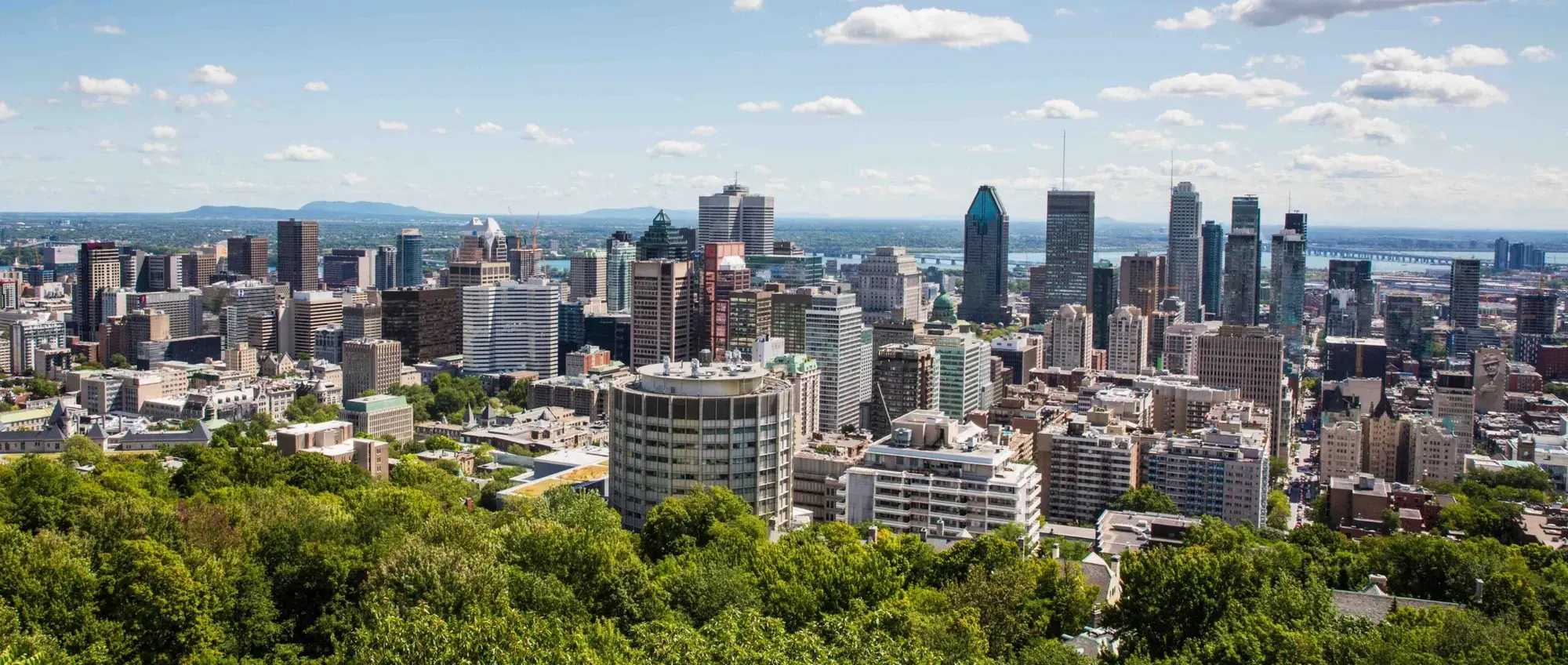
Before the 1970s, Montreal was Canada’s most prominent city. Due to poor investments and bad luck, it has since lost that position to Toronto. It remains the second largest city in Canada, and is the capital of Quebec. It is also the center of Canada’s Francophone culture – more French speakers live here than anywhere outside Paris. Montreal is one of the oldest cities in North America. That history is reflected in the city’s rich cultural heritage and its various monuments, museums, and public spaces.
Montreal promises quality time to both adults and kids. The ongoing year-round festivals are usually family-oriented, and so are most public places around the city.
Montréal’s Olympic Stadium is a major legacy venue of the city’s Summer Olympic Games. A roof-replacement project is under way. The Olympic Park’s visitor information states that regular stadium and Montréal Tower access is closed during construction; any specially offered guided experience follows its own dated programme.
The Montréal Biodôme recreates ecosystems of the Americas inside the former Olympic velodrome. It first opened as the Biodôme in 1992 and reopened after a major renewal in 2020. Living habitats bring together native plants and animals, from tropical forest to colder coastal and island environments.
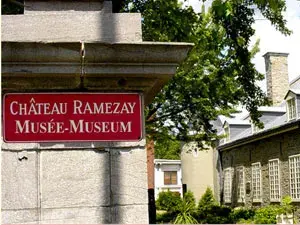
The Château Ramezay Museum is contained in a historic chateau in Old Montreal. The building was built in 1705 and served as the residence of the governor of Montreal (Claude de Ramezay). During the American Revolutionary War, it briefly served as the Canadian headquarters of the Continental Army during the invasion of Canada. Afterwards it once again became the governor’s residence. In 1894 it was converted into a museum and portrait gallery. The collection has expanded since then, and now consists of more than 30,000 objects.

At the nexus of science, technology, and entertainment, the Montreal Science Center is a great destination for families. There are seven permanent exhibitions and several temporary exhibitions. Science 26 offers 26 hands-on stations showcasing everyday science, one for each letter of the alphabet. Mission Gaia is all about sustainable development and the environment. Cargo provides an in-depth look into the goings on at a container port. There’s also an IMAX theater. The high-wire unicycle is a thrilling, but completely safe, ride fun for both older kids and adults.
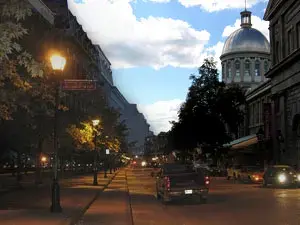
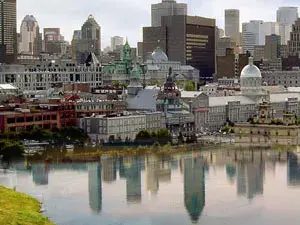
The Bonsecours Market is located in one of Montreal’s most spectacular heritage buildings. The beautiful two-story neo-classical building features a large dome and briefly was home to Canada’s Parliament. Completed in 1847, it was home to Montreal’s main shopping center for more than a century. In 1963, it was briefly slated for destruction, but luckily the order was rescinded and instead the building was renovated to suit modern tastes.
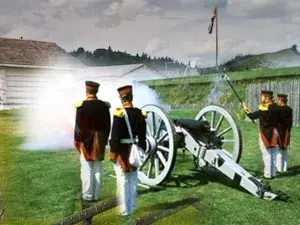
This historic site is located in two in two early 19th century Victorian villas of the Cartier family. They have been renovated and now serve as a cultural and educational center. Known as the ‘Father of the Confederation’, George Cartier played an instrumental role in the independence of Canada. He helped bring Quebec into the confederation, and later served as one of the country’s first Prime Minster.
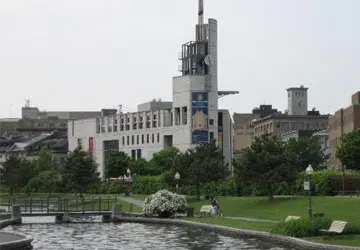
The Pointe-à-Callière, or the Montreal Museum of Archaeology and History traces the history of Montreal. It opened on May 17, 1992, the 350th anniversary of Montreal’s founding, near the site of the original fur trading settlement. The museum is housed in six different buildings. The main building is the Éperon, an iconic modern building built atop and old crypt. The Ancienne-Douane building was Montreal’s first Customs House. The Youville Pumping Station, built in 1915, was the city’s first electric wastewater pumping station. Archaeological excavations are constantly underway on site.
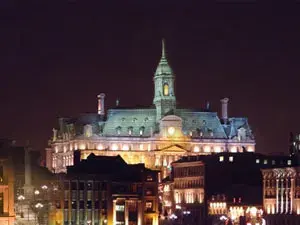
Named for the French explorer, this open plaza covers several blocks near the old port. It is a common gathering point in the city all year round. During the peak tourist season (summers), street performers flock to the Place Jacques-Cartier, and vendors and food kiosks line the streets. The terraces of the traditional Parisian style restaurants all around the plaza bulge with tourists eagerly awaiting their turn to try out the scrumptious French delicacies. During winter season the Place is covered with a beautiful blanket of snow which creates a romantic ambience.
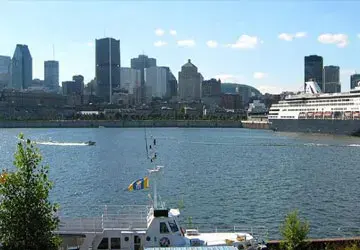
Vieux Port, also known as the Quays of the Old Port of Montreal, is Montreal’s old port repurposed as an upscale waterfront promenade. The concept is certainly not unique to Montreal, but here it is executed particularly well. The old port dates back to the original trading post built in 1611. In the mid-twentieth century, it began to fall into disrepair as operations moved further east to the new Port of Montreal. In the 1990s it was redeveloped, and today attracts more than seven million visitors per year.
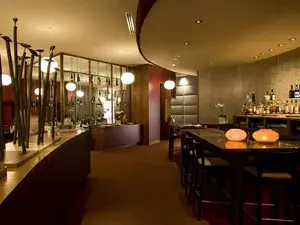
Location: 900, Place Jean-Paul-Riopelle (Saint-Antoine et de Bleury), Montreal.
Location: 423, rue St-Claude, Montreal.
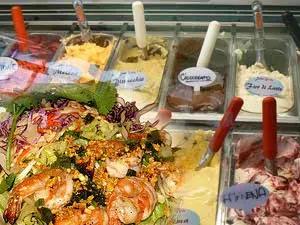
Location: 12 Dante, Montreal.

Location: 445 rue Drummond, Montreal.
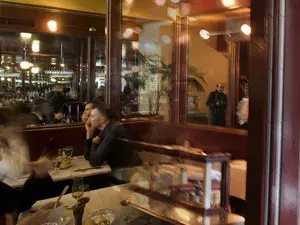
Location: 3927 rue St-Denis (At rue Roy), Montreal.
Location: 6389 St-Laurent, Montreal.

Location: 4075 Sainte-Catherine West (Wood Ave), Montreal.
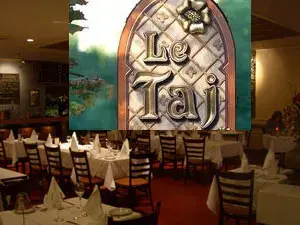
Location: 2077 rue Stanley (south corner of Sherbrooke), Montreal.
Location: Laurier Ouest, Montreal.
Location: 1840, rue Beaubien est, Montreal.
Loading local prayer times…
Calculated times. Confirm congregation times with your local masjid.
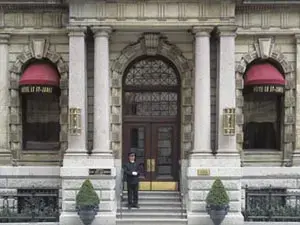
Address: 355, rue Saint-Jacques, Montreal, Quebec H2Y 1N9, Canada.
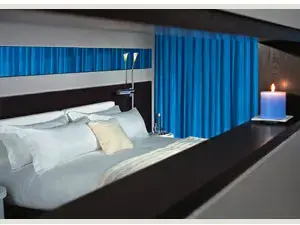
Location: 901 Square Victoria, Montreal, Quebec H2Z 1R1, Canada. Telephone: (514) 395-3100 Fax: (514) 395-3150
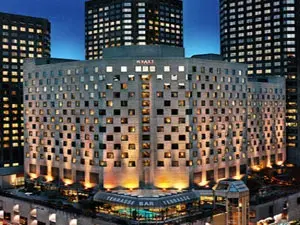
Location: 1255 Jeanne-Mance, PO Box 130, Montreal, Quebec, Canada H5B 1E5. Telephone: 514-982-1234 Fax: 514 285 1243
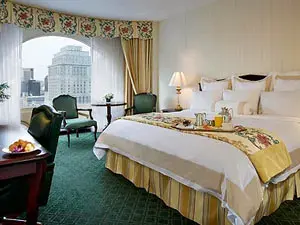
Location: 1050 de la Gauchetiere West, Montreal, Quebec H3B 4C9, Canada. Telephone: 514 878 9000 Fax: 514 878 6761
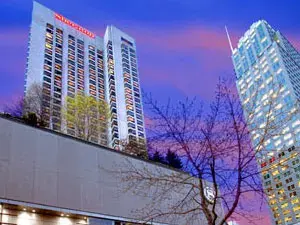
Location: 1201 Boulevard Rene-Levesque West, Montreal, Quebec H3B 2L7, Canada. Telephone: (514) 878-2000 Fax: (514) 878-3958
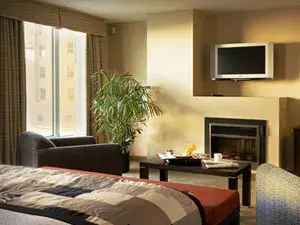
Location: 208 Saint Antoine Ouest, Montreal, Quebec H2Y 0A6, Canada.
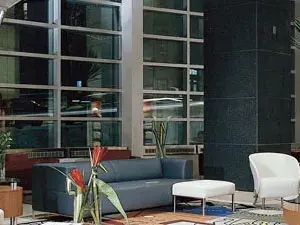
Location: 1155 Sherbrooke West, Montreal, Quebec H3A 2N3, Canada.
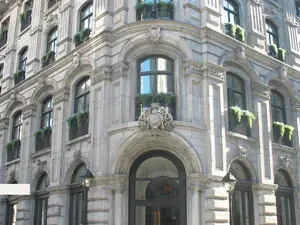
Location: 449 Sainte-Helene, Montreal, Quebec H2Y 2K9, Canada.
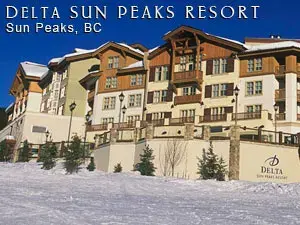
Location: 777 University Street, Montreal, Quebec H3C 3Z7, Canada.
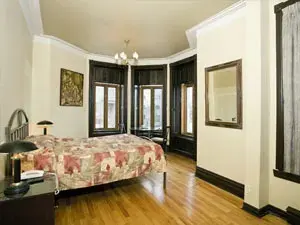
Location: 901, rue Sherbrooke E., Montréal.
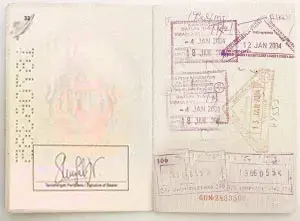
The Canadian Embassy is located in the UAE in Abu Dhabi.
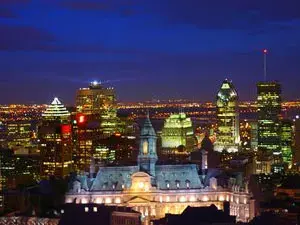
Montreal has a temperate climate, though locals will tell you there are only two – winter and road construction. May to September is generally sunny and comfortable, though it does rain. Temperatures rarely rise above 30C. Winters are frigid and snowy. From December through February, temperatures rarely rise above freezing. Montreal gets more than 200cm of snow every year too.
-Location; Montreal, Quebec, Canada.: -Dialing code Three dialing codes are in use in Montreal: the older 514, the more recent 438, and the 450 code for nearby, off-island regions. These codes are to be used before any local number, whichever district you are calling from. If dialing from outside Montreal, you should add a 1 before your number, for example, 1-514-XXX-XXXX. -Emergency numbers Quebec Poison Control Centre 1 800 463-5060 Ambulance/Fire/Police 911 Montreal Police (514) 280-2222 Gas/Odour Detection (514) 598-3111 Info-Crime Québec 1 800 711-1800 DISTRESS CENTRES Sexual Assault (514) 934-4504 Alcoholics Anonymous (514) 376-9230 Depressed Anonymous (514) 278-2130 Drugs: Help and Referrals (514) 527-2626 Suicide-action Montréal (24hrs) (514) 723-4000 Spousal Abuse (514) 873-9010; -Population: 3,635,571 -Languages 66.5% French (first language) 13.2% English (first language) 0.8% English&French (both as first language) 3.5% Italian 3.1% Arabic 2.6% Spanish 1.4% Creole 1.2% Chinese 1.2% Greek 0.9% Portuguese 0.7% Romanian 0.7% Vietnamese 0.5% Russian -Time zone UTC/GMT -5 hours -Average January temperatures -16 °C (3.2F) to -06 °C (21.2F) -Average July temperatures 14 °C (57.2F) to 26 °C (78.8F) -Annual rainfall 738 mm -Annual snowfall 215 cm
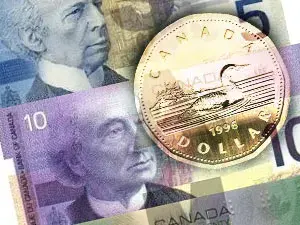
The currency used is the Canadian Dollar (CAD).
· January 1: New Year's Day
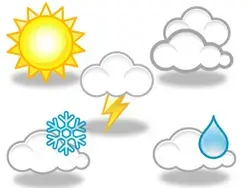
January: low temperature: -16 °C high temperature: -06 °C rainfall: 73.7 mm; February: low temperature: -14 °C high temperature: -04 °C rainfall: 66 mm March low temperature: -07 °C high temperature: 02 °C rainfall: 73.7 mm; April: low temperature: 01 °C high temperature: 11 °C rainfall: 78.7 mm
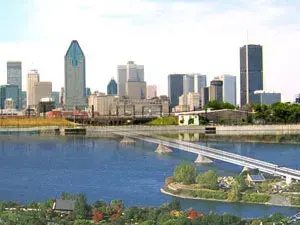
Before the 1970s, Montreal was Canada’s most prominent city. Due to poor investments and bad luck, it has since lost that position to Toronto. It remains the second largest city in Canada, and is the capital of Quebec. It is also the center of Canada’s Francophone culture – more French speakers live here than anywhere outside Paris. Montreal is one of the oldest cities in North America. That history is reflected in the city’s rich cultural heritage and its various monuments, museums, and public spaces.
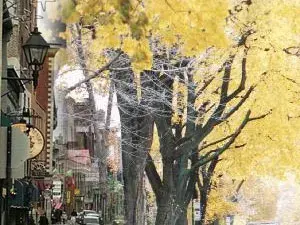
Various Native American tribes – the Huron, Algonquin, and Iroquois – have inhabited the Montreal area for thousands of years. The Europeans arrived on the scene in 1535, when Jacques Cartier arrived on Montreal Island (named for Mount Royal) and established the village of Hochelaga. In 1605, Samuel de Champlain set up a fur trading post in the region. In the coming centuries the settlement continued to grow, and was an important hub in the fur trading business.
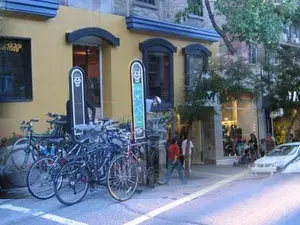
Montreal is a very international city, so you are sure to find people from various origins here. However there are some general etiquettes to consider when interacting with the general populace.
Start the day in Montreal’s Old Town (or Vieux Montreal). Here you can catch a glimpse of the city’s past. The Point á Calliere Museum, built on the site of Montreal’s earliest known settlement, provides a deep insight into the city’s historical development.

Location: 677 rue Sainte-Catherine Ouest, Downtown, Montreal.
Location: 4 Complexe Desjardins, Montreal.
Location: 1455 Peel Street, Suite 424, Montreal.
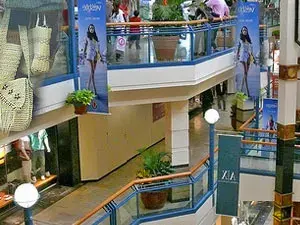
These four buildings were built in the 1960s. The highlight is the underground shopping center. Though relatively small, it contains several interesting boutiques.
Location: 705 Ste-Catherine W., Downtown, Montreal.
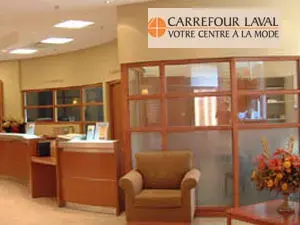
Location: 3003, boulevard Le carrefour, Laval.

Location: 300 rue Bridge, Montréal.
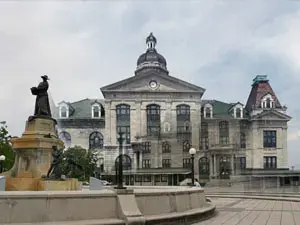
Location: 4375 Ontario Street E, (At Morgan), Montreal.
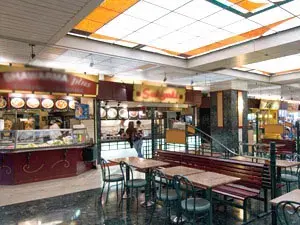
Location: 1500, avenue Atwater, Montreal.
Location: 79 St-Paul Street east, Montreal.
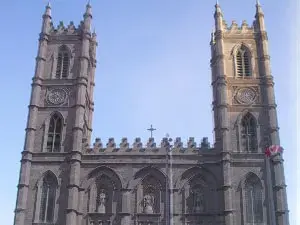
Notre Dame Basilica is one of Montreal’s most beautiful buildings. The parish housed in the church dates back to 1657, but by the start of the nineteenth century had outgrown its building. Notre Dame Basilica was built between 1824 and 1829, and was consecrated in 1828. It was designed by Irish-American architect James O’Donnell. A Protestant, O’Donnell converted to Catholicism on his deathbed in order to be buried in the church’s crypt. The basilica is a magnificent example of Gothic Revival architecture. At 60m, it was Montreal’s tallest building until 1928.
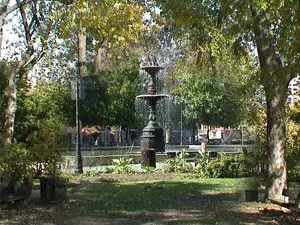
Carre St. Louis is smaller than the other public parks of Montreal, but popular nevertheless. Its small size means it fits in comfortably into the surrounding residential community, with local restaurants and shops just a few minutes’ walk away. The park contains bike paths and beautiful fountains. Perhaps the most striking feature is its use as the set in the popular “Just for Laughs Gags” show – so be on the lookout for pranksters!
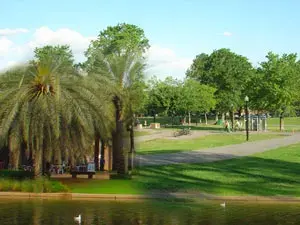
A small but popular evening gathering point for local residents. This park contains a large playground with facilities for soccer, tennis, volleyball, badminton, and baseball, and a swimming pool for children. It's located at the northern base of Mount Royal.
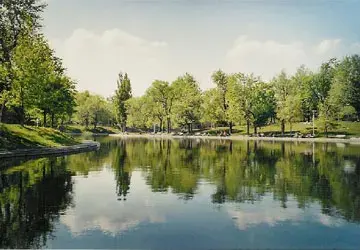
Located a few kilometers north of Mount Royal and stretching over 36 hectares, this park contains beautiful artificial lakes connected by waterfalls, decorative fountains, large playing fields, swimming pools, bike trails, an ice skating area in winters, and the newest addition, an open-air theatre. This is a good place to hit on your last day in the city, if you want to relax and collect everlasting memories before leaving.
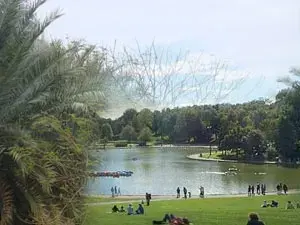
Central Park, Hyde Park, Jardin d’Luxembourg, Chapultapec – Parc du Mont Real stands alongside any of the world’s great parks. Mont Real (or Mount Royal) is one of the city’s great icons. Jacques Cartier scaled the peak when he arrived in 1535, naming it for the king of France. The hill has served as a beacon for the city ever since. It stands 233m at its peak, a height that no buildings in the city are allowed to surpass.
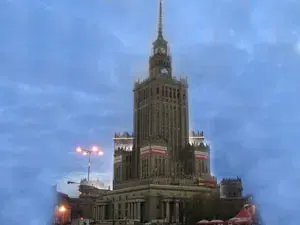
One of the earliest skyscrapers to be constructed in the region when it was opened in the 1920’s. Standing at only seven stories tall, it is dwarfed by the modern skyscrapers of today, but nevertheless maintains its position as one of the initial defining examples of Montreal architecture.
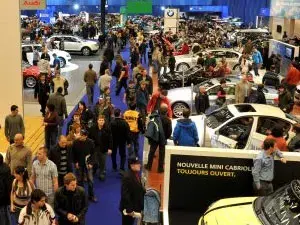
Annual car show held at the Palais des congrès de Montréal in late January. Car manufacturers from around the globe display their best products. Vehicles are displayed by the hundreds (650 vehicles in 2008) in a large exhibition gallery. Renown brands such as General Motors, Nissan, BMW, Ford, and Volkswagen come out and display their extreme creativity in models of cars that range from classy and retro to eco-friendly and futuristic in design. Not to be missed if you're in Montreal during the season and are into glossy colors, metallic shines, and fantasizing about being the protagonist in car racing games and movies.
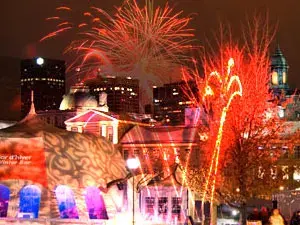
An exciting annual festival, relatively new for a city which derives its festivals from centuries old traditions. The purpose - to celebrate light! Quite original, and more than just an "enlightening" affair. Consists of more than a week of celebrations ranging from food and wine stalls to musical concerts and film shows. This festival can be called the one event that brings all of Montreal together - all classes, all nations, all religions - as most of its activities are free.
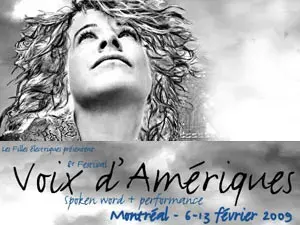
A festival celebrating written arts, literature, poetry, and satire. Performances range from poetry recitals to comedy acts to literary stage shows. The evenning (5 to 7) shows are usually free for all, but it is the late night sittings (11pm onwards) that really mesmerize the audience. Tickets are quite reasonable, at $12 - $15. The show starts with renowned performers, and then switches on to newly discovered talented artists. They keep the guests enteratined with mesmerizing recitals and narratives, as well as original compositions. Some of the events also feature small press publishers, who help emerging writers to get their work published. The event may become a drag for the youthful, partying soul, but it is surely not to be missed if you are into literature and poetry.
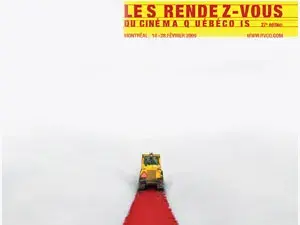
Festival to acknowledge the creative productions of the Quebec film industry. Aimed at promoting Quebec film culture, supporting the film makers, and acting as a brdige between the silverscreen and the demands of the public. The highlight is the screening of various documentaries, short fiction-based films, animated and music videos, and just about any kind of film that the industry has produced.
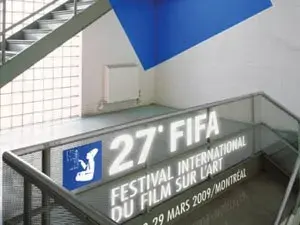
A film festival that screens films and documentaries on the various aspects of art and architecture from around the globe - its history, development through the ages, and its implementation and interpretation in different cultures. It aims to promote awareness and appreciation in the public about the importance of art, and the impact of art on the development of a society along with screenings of informative films which cover the life of artists, their work, impressive artistic achievements, masterpieces of photography and painting, and fascinating feats of architecture from around 30 countries. In 2007 the festival celebrated its 25th anniversary, screenig more than 200 films in eight theatres around Montreal, including the Montreal Museum of Fine Arts, the Canadian Centre for Architecture, the Goethe-Institut, the Cinémathèque québécoise and the Cinquième Salle of Place des Arts.
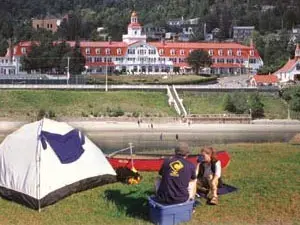
Location: 1001Dorchester Square, Montreal.
Location: 100, rue Sherbrooke Est, bureau 0500, Montréal.
Location: 7426, rue Saint-Denis, Montréal.
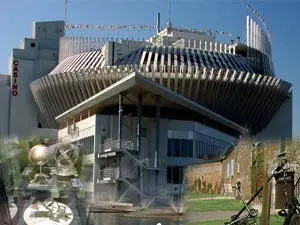
Location: The Stewart Museum, 20 chemin du Tour de l’Isle, The Fort, St. Helen's Island, Montreal.
Location: 14 Westminster Ave N, Montreal.
Location: 469 Saint Francois-Xavier, Montreal.
Location: 4545, avenue Pierre-De Coubertin, C.P. 1000, Succursale M, Montréal.
Location: 2520 Laval Road, St. Laurent, QC H4L 3A1.
Location: 7389 St. Laurent, Montreal, QC
Location: 4505 Henri-Bourassa West, Ville St. Laurent, QC H4L 1A6
Location: 2465 Belanger Est, Montreal, QC H2G 1E6
Location: 4675 Rue Amiens, Montreal, QC H1H 2H6
Location: 4225 Decourtrai Avenue, Montreal, QC Telephone: (514) 737-8671 A non-profit, charitable religious organization providing social and cultural services to the Muslim population of Montreal. Traditional Sunni, 5 times daily prayers as well as Jumma prayers, with Arabic sermon.
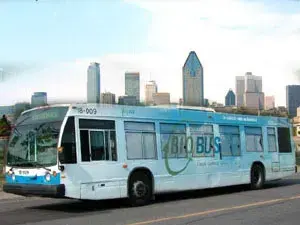
The metro is the most convenient way to get around Montreal, but it does not go everywhere. If you’re destination is not serviced by the metro, the bus system should suffice.
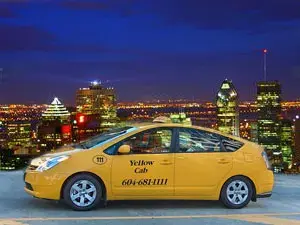
Taxis are readily available throughout the city, though can be hard to spot, as all of them are not yellow. The only indication is the taxi sign on top of the car. All taxis use meters, and bargaining is not expected.
There are several rent-a-car companies in Montreal. Most have branches at the airport. Find the various booths to see what rental packages each has available. Be sure to shop around to get the best deal. Here are a few recommended companies:
Airport pickup service is available either through the booths of the various car rental companies, or through complimentary hotel services.
The best driving tip for Montreal is simply not to drive. The public transportation system will get you anywhere you want to go.
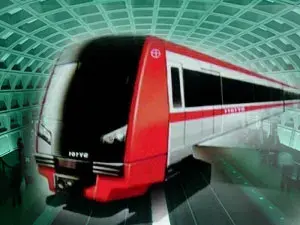
Though it is not nearly as extensive as the Paris Metro that inspired it, the Montreal Metro is an efficient way to get around the city. Construction began in 1966, in preparation for the World’s Fair, and has continued in fits and starts since. It is Canada’s longest and busiest subway system (ahead of Vancouver and Toronto), carrying more than 1,000,000 passengers per day. There are four lines running 70km, with 68 stops. Nearly all of Montreal’s big attractions are accessible via metro.
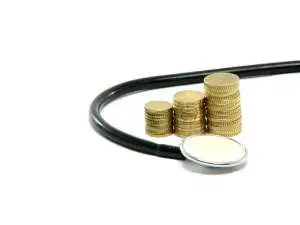
Although public healthcare is of superior standards, it is usually not free for visitors. Therefore, getting a traveller's health insurance plan is highly recommended before you arrive in Montreal. It is advisable to carry the insurance papers around in cases of emergency. Prescribed medication should be brought from the home country and should be carried around at all times.
Overall, Montreal has quite a low crime rate. Violent crimes are occasional, but petty theft is a usual observation, espeically in the crowded downtown district, shopping areas, and street shows. Public transport like the metro also has a considerable number of pickpockets and mere oppurtunists lurking around for unsuspecting and unwatchful tourists. It is advisable to keep cash and valuables in a safe inner pocket or bag.