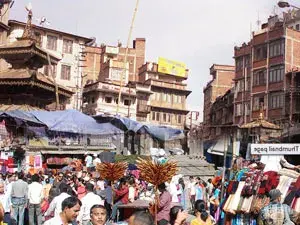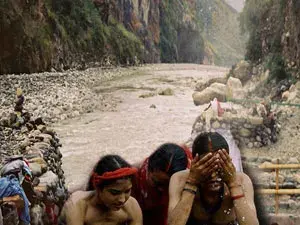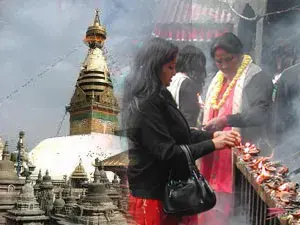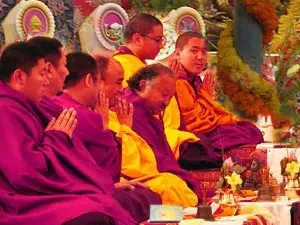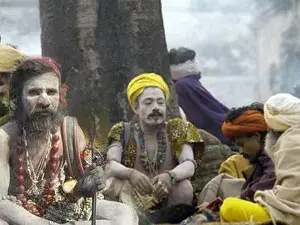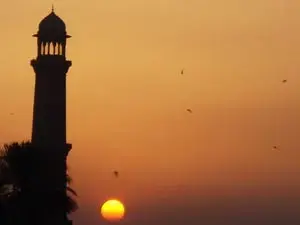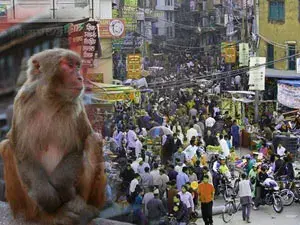
The population of Nepal has an annual growth rate of 2.25% which adds to the country’s mounting problems in health care, education and infrastructure. The rising standards of living have contributed to a slightly declining birth rate, but there is still a long way to go in balancing the population out. The largest ethnic groups in Kathmandu are the Brahmins, Kshetris and the original inhabitants, the Newars. The surrounding hill districts around the Valley have their own ethnic groups, such as the Tamangs, who do have a presence in Kathmandu. The major religions in the Valley are Hinduism and Buddism and in recent years the Muslim demographic has grown substantially.

There are two distinct seasons in Nepal: the dry season (October to May) and the wet season (June to September). July is considered to be the wettest month of the year. Autumn (September to November) and Spring (March to May) are considered to be the best months to visit. The bulk of the tourists come in from October to November.
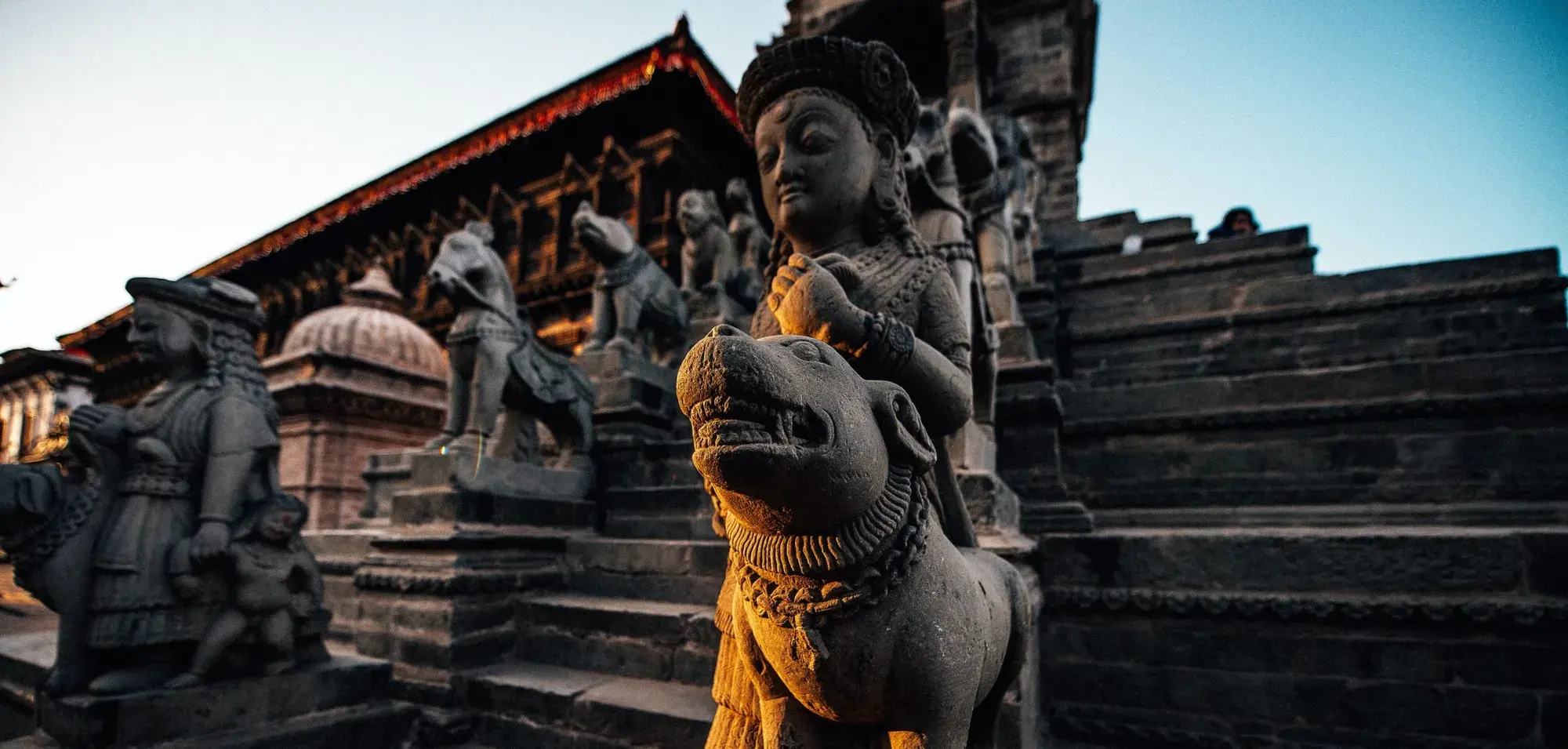
-Location: Located within the Kathmandu Valley, it stands at an elevation of 1,400 meters (4,600 ft). -Dialing code: country: +997 city: 1

The Nepalese currency is the rupee.
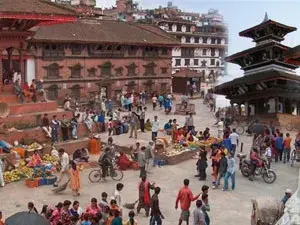
Please note that these public holidays and festivals affect the working hours of government offices and banks. Some close for the day while others close for the duration of a festival. The dates change annually so always double check your travel plans before you leave.
Month Average High Average Low January 18 °C 2 °C February 20.2 °C 3.8 °C March 24.3 °C 7.5 °C April 27.4 °C 11.3 °C May 28.2 °C 15.5 °C June 28.3 °C 19 °C July 27.7 °C 20 °C August 28 °C 19.7 °C September 27.2 °C 18.2 °C October 25.8 °C 13 °C November 22.7 °C 7.4 °C December 19.4 °C 3 °C
Unfortunately since the beginning of 2000, Kathmandu has experienced political instability which mars its colourful heritage. On 1st June, 2001, Crown Prince Dipendra massacred his immediate family including his father, King Birendra, his mother Queen Aishvarya, his brother and sister and five other relatives. He turned the gun on himself and eventually died two days later; his uncle, King Gyannendra, was crowned king at the palace. The official reason for this massacre is not known however it was publicly known that the King and Queen had disapproved of their son’s choice of bride. The Queen Mother would soon order the demolishment of the Tribhuvan Sadan where the massacre took place.
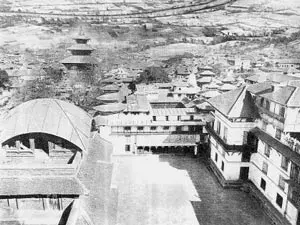
To discover the history of Kathmandu is really to discover the history of the Newars, who are the main inhabitants of the Kathmandu Valley. The foundation of the city dates back to the 12th century AD, during the Malla dynasty. The southern half of old town was where the trade route to Tibet existed. This is where the original settlements of Yambu and Yangala are situated around the confluence of the Bagmati and Vishnumati rivers. Hundreds of thousands of traders and pilgrims passed through this area, often staying at resthouses such as the Kathmandap which would lend its name to the eventual city.