For the last few decades, the population of Dublin city-proper has hovered around 500,000. Today an additional million people live in the metro area. Recent years have seen unprecedented growth in Dublin and throughout Ireland, known as the 'Celtic Tiger'. Between 1995 and 2008, the economy grew quickly, at rates approaching 10% annually. Unfortunately, the recent economic crisis has ravaged Dublin and the rest of Ireland. The near future seems bleak.
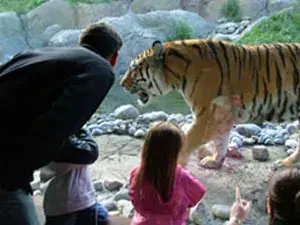
What better way to spend the day than to make a trip to the Dublin Zoo, spread over 60 acres and divided into different regions like the Artic zone, plains of Africa and the Indian Rainforest. It houses elephants, tigers, orangutans, chimpanzees, giraffes and many more exotic and endangered species. The zoo is definitely family friendly with rest stops, nursing stations, food outlets and kiosks. Known as one of the modern zoos in Europe, the Dublin zoo plays a crucial role in the zoo breeding programmes. The zoo is accessible by the DART, bus or the Luas. In case you want to walk, although not advisable when going with children, the zoo is approximately 15 minutes away from the Heuston Station Stop. Children under 3 years get free entry.
Europe’s largest leisure, water park, the Aqua Zone has a bit of everything for people of all ages but even more so for children. If you and your children enjoy water adventures and thrilling rides, then this water wonderland is the right place for you. Rides include the Master Blaster (a water roller coaster), wave pool and the Flow Rider among others. Children under 4 get free entry.
With over 2500 paintings, a free tour of the gallery on the weekends and free audio guides, this is the perfectly family friendly especially with teenage kids and when traveling on a budget. Admission throughout the week is free.
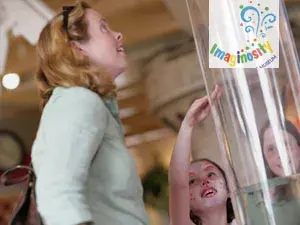
Being Ireland’s first interactive museum for children under 9, it has become extremely popular. Exhibits are fun, exciting and extremely engaging. The musuem has an art studio so kids can get wild with colours and their imagination and a kid’s stage where children can create their own stories, try on different costumes and change the props on the stage. The museum also has a café (Café Kiddiccino) which specifically offers healthy and nutritous food for the entire familiy. In short, this will ensure a fun-filled day for your toddlers!
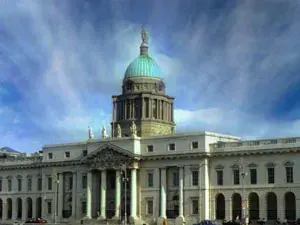
The Custom House was built between 1781 and 1791 by James Gandon. As its name would imply, it served as the Customs House for the port of Dublin. The Neoclassical facade and its signature dome became a symbol of Dublin, even after the port moved downstream. It became the center of the city's local government (and a symbol of the English occupation) until 1922, when the interior was burned by the Irish Republican Army.
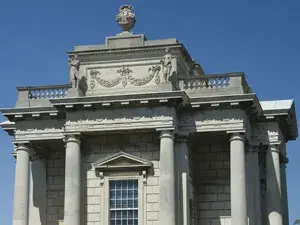
Marino Casino is not a casino in the modern sense. It is actually a small villa built in the mid-eighteenth century by Scottish architect Sir William Chambers. The name is derived from Italian, and means 'little house'. Completed in 1775, it is a striking example of Neoclassical architecture. The casino was part of the estate of James Caulfeild, the 1st Earl of Charlemont.
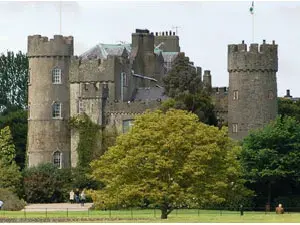
Malahide Castle is one of the oldest in Ireland. The estate was founded 1185 for Richard Talbot, a knight who came to Ireland with Henry II during the Norman invasion. The Talbot family would continue to live on the estate until 1975, barring the 1650s during Cromwell's occupation of Ireland (the interlopers were subsequently hanged). Construction on the castle began in the mid-thirteenth century, though the oldest surviving portion is a three-story, keep-like tower from the fourteenth century.
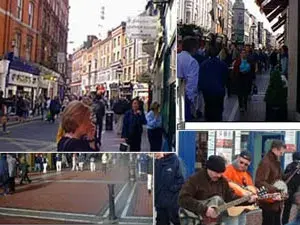
Grafton Street is one of two pedestrian shopping avenues in central Dublin (along with Henry Street). It runs from the northwest corner of Saint Stephen's Green to the west side of Trinity College. Though Henry Street receives more visitors, Grafton Street has more upscale retailers. This is one of the most expensive commercial streets in the world.
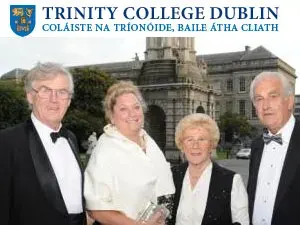
Trinity is Ireland's oldest college. Its charter was granted by Queen Elizabeth in 1592 as part of the effort to consolidate English control of Ireland. Catholics were not allowed entry into college until 1793, and all such restrictions were banned by 1873. The university started to grow in the eighteenth century as the political situation in Ireland stabilized. Many of the campus' most spectacular buildings date from this period. Today, Trinity is the most prestigious college in Ireland, and in the top tier of worldwide universities.
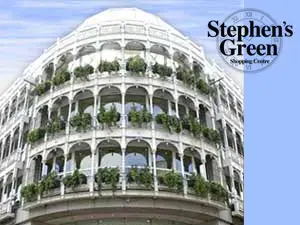
Saint Stephen's Green was a common area on the outskirts of Dublin when it was walled in in 1664. In the 18th and 19th centuries the are surrounding the park was built up with Georgian style buildings that were home to the city's best off. Unfortunately, many of those buildings have been demolished since then. In 1877, the Green was opened to the public by an act of Parliament, thanks to the Guinness family. Previously it had only been open to local residents.
Cuisine - American Considered to be one of the most priciest and classiest restaurants in Dublin, Shanahan’s is favourite among tourists who want an elegant night out, or for business dinners. Located in a 250 year old building, the restaurant oozes out the history of magnificent Irish Georgian lifestyle. The restaurant is known for it’s variety of steaks and seafood, served in delicious sauces and blends of flavours. Customers can also choose a number of side dishes to go with the main course, like vegetables, potatoes, corn etc, all prepared in a unique way. Shanahan’s offers the perfect mix of traditional Irish flavours with a modern blend of gourmet fine dining. The restaurant can also be booked for large corporate meals of 30 persons or more, and there are private rooms available as well, on request. Monday - Friday from 5.30pm Saturday from 6.00pm Open for lunch every Friday from 12.30 to 2.00 pm.
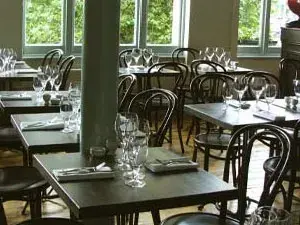
Cuisine - French/Irish/Continental Famous celebrity chef Derry Clarke is the proprietor of this popular restaurant. L’Ecrivain is known for its specialty in combining the best of two worlds, French and Irish cuisine. It’s relaxed, yet classy ambience, allows diners to feel comfortable while enjoying their perfect meal. The restaurant strives in perfecting the art of dining, by collaborating old-fashioned recipes with a contemporary minimalist design and approach. The restaurant is open Monday to Friday from 10am until 11pm, and Saturday 4pm to 1am.
Address: 21 Upper Merrion St., Southeast Dublin, Dublin, Co. Dublin, Dublin 2 Phone: 01/676-4192 www.restaurantpatrickguilbaud.ie Cuisine: French French food with a contemporary twist; the chef uses some Irish ingredients to mix up traditional French recipes. Its no wonder then that this restaurant has been awarded two Michelin stars. Located inside the Merrion Hotel, the décor is as impressive at the food. According to reviews, even the simplest of food with basic ingredients tastes absolutely divine. Lunch menu here is slightly more affordable.
Anyone visiting the Dublin Writers Museum must stop to have lunch at Chapter One. Located in the stone-walled basement of the museum, the restaurant serves heavenly food. Especially well-known is the bread-and-butter pudding served here.
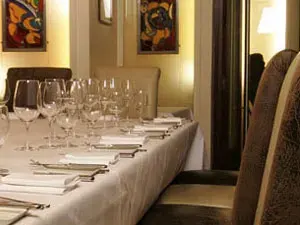
Very posh and chic, the Unicorn serves Mediterranean cuisine and is possibly one of the more popular restaurants with the locals. Reservations are needed and mobile phones have to be on silent before seating. If you can, try to get a table on the terrace so you can dine with a lovely view of Merrion Court.
If you want to catch a glimpse of celebrities, possible Bono or The Edge, here’s you chance. Since the U2 men own the Clarence Hotel, many celebrities (including the two of them) have been spotted here. Although the menu isn’t very extensive, the food here is delectable. Also, with a chance to bump into a celebrity, what’s not to love?
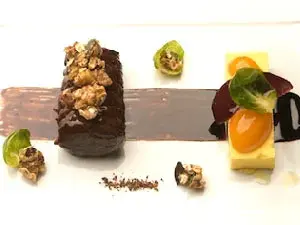
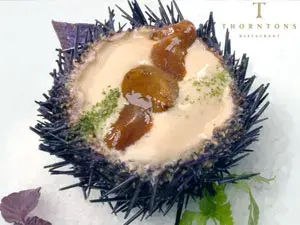
Cuisine - Irish fine dining/ Continental Owned by famous Irish celebrity chef, Kevin Thornton, the restaurant stands on a class of its own. With two Michelin stars, the restaurant is one of the top ranked restaurants in Ireland, making Thornton the first Irish chef to receive two stars. The fabulous location overlook St Stephen’s Green, the restaurant is a pleasure to dine in. with an extremely strong wine list and delicate presentation of each dish and course, diners are treated with utmost precision in everything they order and eat. Customers can choose to be seated in any one of the three exclusive areas of the restaurant; the canapé lounge, the dining room and the private dining, and have to be booked in advance. Some of the “designer food” available at Thornton’s include artichokes, breast of guinea fowl with pistachio, seared king scallop and shellfish tortellini. The desert menu is another venture as well, with mouth-watering creations like the Opera Chocolate Mousse with Mango and Passion Fruit, and the Warm Apple Tartlet with Californian Raisin Ice Cream among others.
Bewley’s serves the finest coffee (hand-roasted at the café) in all of Dublin. But besides that, they also serve a hearty breakfast, salads, pastas, pizza and so much more! A local favourite, be sure to stop by Bewley’s – at least for a cup of Fairtrade tea or coffee or maybe to watch a play at Café Theatre, part of Bewley’s.
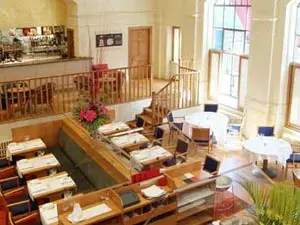
Originally a second-hand bookshop, this was renovated and made into a restaurant. However the charm of the bookshop still remains as the downstairs portion still stocks books while upstairs people can dine and relax amid books. Try to get a table by the window that overlooks the Ha’Penny Bridge and River Liffey. On the menu is traditional Irish food but with a contemporary twist.
Extremely popular with the students, the food here is healthy, nutritious and fresh. The setting is American cafeteria-style but the food is good value for the money. They have a large selection of sandwiches and is expecially a good option if you are vegetarian or don’t eat meat that isn’t Kosher or Halal.
Centrally located, The Shelbourne is one of Dublin’s most distinguished hotels. Dating back to 1824, the hotel has been restored with a complete modern network, while still holding strong to its vast history. The luxury 5 star hotel reeks of tradition and is located in close proximity to many historical and cultural sights of Dublin, like the St. Patrick’s Church to Trinity College. Guests are offered plenty of business services, 24 hour laundry, baby sitting, car rental and room-service.
Situated in the perfect location of the capital city, the Westin hotel in Dublin is the perfect stay for people who wish to explore the city. The hotel is just minutes away from the shopping high street, the best restaurants in town and also the bus stations and railway lines. Guests are offered full room service, laundry and dry cleaning services, medical and secretarial services. The hotel has a lounge, a bar and a restaurant on its premises and offers the best in fine dining.
One of the most popular restaurants in Dublin, The Four Seasons is known for it’s warmth and exquisite hospitality, making guests feel as comfortable and luxurious as possible. The hotel offers plenty of services, from event coordination and planning, to bookings and reservations. It is a very popular spot for families to celebrate milestones like birthdays, weddings and anniversaries. Guests can also make use of the fully equipped gymnasium and swimming pool, and take a stroll to the nearby shops and restaurants.
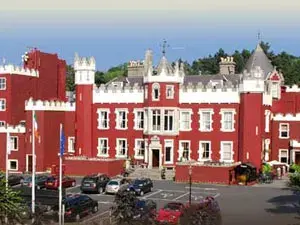
This is the only Irish castle hotel in close proximity to Dublin – miles or 20 minutes to downtown Dublin. The hotel is stunning and has been upgraded, at the same time keeping its history and stone-structure intact. Guests who book one of the hotel suites can enjoy phenomenal, sweeping views of Dublin Bay right from their bedroom window. Wireless broadband is available in most of the hotel with complementary Wifi in the hotel rooms. Prices include Breakfast.
The Penthouse at Merrion Hotel is the epitome of luxury, with stunning views of the Wicklow Mountains, Dublin city and the hotel’s gardens landscaped in 18th century style. The penthouse has a capacity of 8 people and offers the utmost privacy with a private access to the apartment. Guests also have access to the private rooftop terrace with a hot tub that overlooks the hotel’s gardens. Regular guests here include celebrities and politicians.
Designed by Sam Stephenson, this is a modern, sleek boutique hotel with only 21 rooms that still have a homely, welcoming charm to it. The original architecture consisted of two Georgian homes which Stephenson renovated with his innovative design. The hotel uses mostly organic ingredients and fresh produce in its kitchen and the scrumptious breakfast at this chic boutique hotel is famous across Dublin.
Super modern and trendy, this luxury hotel is a blend of East and West. Designed by John Roca, the hotel has a touch of feng shui, high ceilings, Irish carpets and original art this hotel promises a comfortable, memorable stay like no other. Guests staying at the studio or suite rooms can also order a Nintendo Wii on request from the hotel lobby. All rooms have complimentary broadband internet. The hotel also has an exclusive penthouse with views of Dublin city and River Liffey.
Conveniently located between Trinity College and Grafton Street, the hotel is smack in the heart of the city centre – allowing you to walk down the street and discover local stores and crafts. All bedrooms are en suite and prices include breakfast. The hotel is decorated in Victorian fashion with upgraded modern facilities. Discounts are available for minors, so check before making reservations.
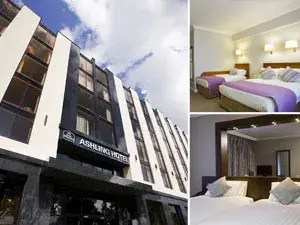
Location is a key factor when booking a hotel. The Best Western Ashling is located oppposite the Heuston Station, which is one of the main train stations in Dublin. This also makes it extremely close to the city centre (5 minutes if you take the Luas), the Dublin Zoo and the Temple Bar area. The AirLink bus which operates from Dublin Airport to Heuston Station makes it extremely convenient to get to the airport without hiring a taxi. Each of the 225 rooms have been upgraded and special discounts are available for seniors and children. Parkgate Street Dublin Republic of Ireland 8 +353 1 677 2324 http://www.ashling-hotel.com/
A boutique hotel, The Morgan is sleek, sophisticated and contemporary. Not to mention close to the Temple Bar area in the city centre. Each of the rooms uniquely designed with a minimalist interior and have original artwork by Robert Shaw, a young Irish artist. No two bathrooms at the hotel are alike and have been designed with fresh, innovative ideas. The boutique hotel also has a penthouse with a rooftop garden for those wanting luxury and privacy. Wifi is available throughout the hotel. Address: 10 Fleet St., Temple Bar, Dublin, Co. Dublin, 2 Phone: 01 643-7000 http://www.themorgan.com/
Dublin has a cool and wet climate, with rainfall and temperatures moderated by the water. Peak tourist months are July and August, when the weather is at its best. May, June, and September are also relatively pleasant, and you can probably get better deals since there aren't as many tourists. The average high temperature during the summer is just shy of 20C. It's also the driest time of the year, and thanks to the high latitude, there's a lot of daylight.
-Location:: Dublin is the capital of Ireland, and is located around the midpoint of the Irish East coast. It is at the centre of the Dublin Region and at the mouth of River Liffey, which flows through the centre of Dublin. The city covers an area of about 115 square kilometers.; -Dialing code:: +353; Police:: 999 or 112
January 1: New Year’s Day March 17: St. Patricks Day Good Friday: Although not a public holiday, many businesses and shops are closed. Easter Monday May 1: May Day First Monday in June: Bank holiday First Monday in August: Bank holiday Last Monday in October: Bank holiday December 25: Christmas December 26: St. Stephen’s Day
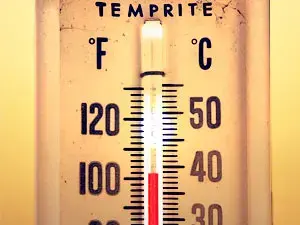
Month Average Min. Temp C Average Max. Temp C January 3 8 February 3 8 March 3 9 April 4 12 May 7 14 June 9 17 July 12 19 August 11 19 September 9 17 October 8 14 November 4 10 December 3 8
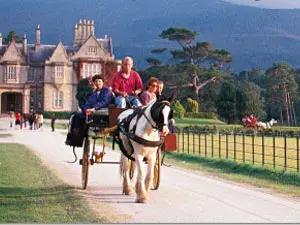
The population of Dublin in 2006 was 505,739 and at the rate at which it is growing is expected to hit 2 million by the year 2021. In the 1990’s when employment levels stated to rise rapidly and people’s income levels and standard of living increased, a lot of foreigners, not only from other European countries but from all over the world, started moving into Ireland, specifically to Dublin. It is no wonder then, that even today the population is a mix of various cultures and ethnicities. 10% of the population are foreigners, mostly from the UK and Poland, while the non-European crowd includes Chinese, Australian, Brazilian, Nigerian and other Asians. Today more than 60% of Asian immigrants in Ireland live in Dublin. Because of the vibrant art and music culture, today Dublin is known as the ‘youngest city in Europe’ with the large number of the population being 25 or younger. But even with all the new events and festivals taking place, Irish stay true to their culture and history. You will still find horse-drawn carriages available for hire down a cobbled street.
For the last few decades, the population of Dublin city-proper has hovered around 500,000. Today an additional million people live in the metro area. Recent years have seen unprecedented growth in Dublin and throughout Ireland, known as the 'Celtic Tiger'. Between 1995 and 2008, the economy grew quickly, at rates approaching 10% annually. Unfortunately, the recent economic crisis has ravaged Dublin and the rest of Ireland. The near future seems bleak.
The first mention of Dublin in history books date back to 140AD, when the Roman astronomer Ptolemy wrote about an ancient Irish settlement known as Eblana. Modern Dublin dates back to the the mid-ninth century as a Viking settlement known as Dubh Linn (meaning 'black pool'). The Vikings controlled the area for three hundred years, until the Norman invasion in 1169.
Start your day with a hearty Irish breakfast at one of Dublin's many pubs. The traditional Irish breakfast sausage, bacon, blood pudding, fried eggs, and if you're feeling adventurous, a pint of Guinness. Walk your meal off at Dublin's museums. The National Gallery, Museum of Natural History, and Museum of Decorative Arts and History are all within walking distance of each other.
One of the largest shopping and entertainment complexes in Europe, Dundrum is an exclusive an new addition to the shoppers paradise. With over 3,400 parking spaces available and enormous floor space, the venue has attracted over 70 million visitors to date. The centre also has an in-house radio station headquartered on its premises, along with a television studio and production house. Some of the outlets you will find here include Aldo, Dune, Zara, The Body Shop, Pull and Bear, Next and Massimo Dutti.
Brown Thomas is located on Graftton Street in Dublin, close to Trinity College is one of the most popular shopping destinations in Dublin. It is known to be Ireland’s most beautiful lifestyle store that stocks exclusive designer clothes, shoes and household items such as Calvin Klien, Georgio Armani and Balenciaga, Chanel and Alexander McQueen. 88 Grafton Street Dublin Republic of Ireland 2 http://www.brownthomas.com/
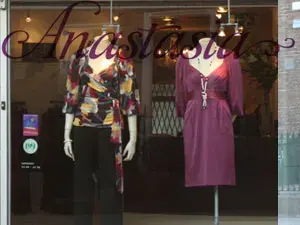
This is a chic boutique for all the fashion savvy female shoppers. With an diverse variety of local as well as international brands, this small boutique has exclusive designs for every occasion. Being a small store, the shop attendants are helpful, friendly and will you personalized style advice. 114 Ranelagh, Dublin 6, Ireland. Contact: +353 (01) 491 2037 http://www.anastasia.ie
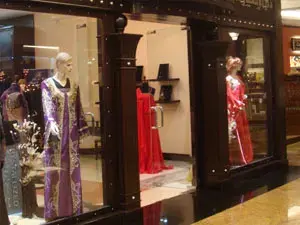
A small shopping complex, the Royal Hibernian Way is home to hi-end and exclusive designers and boutiques. Here you will find Leonidas that sells delicious, lip-smacking Belgian chocolate; Swalk which sells unique, one-of-a-kind cards for all occasions as well as beautiful wrapping paper and Monoghan’s which is Ireland’s best-known men’s store.
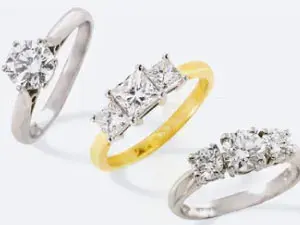
A top-market and exclusive jewellery store, Weir & Sons caters to the most elite shoppers. Popular among tourists and locals who wish to purchase antique Celtic ornaments in gold, diamonds and silver and also modern designs, the store gives a unique experience. With excellent customer service and selected merchandise, customers are treated like royalty. Clientele can choose from jewellery, ornaments, antiques, accessories, watched, leather goods, silverware and china. Some of the brands at Weirs include Lladro, Omega, Cartier, Mont Blanc and Gucci.
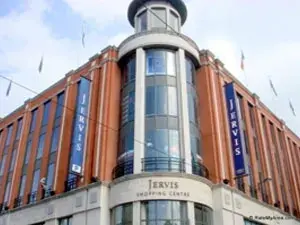
This is the largest shopping centre in Dublin. This centrally located shopping complex opened in 1996 and has been the most popular shopping venue and hangout spot ever since. The first two floors are packed with designer outlets and other bug names in shopping, while the top floor in the food court which houses all the names in popular fast food. With ample amount of parking space and a friendly and contemporary style and ambience, it is a shoppers paradise, sporting major names like Debenhams, Marks & Spencer, Top Shop and Next. Shoppers can find everything from electronics to food and shoes to books, all under one roof.
The Ilac Shopping Centre was built in close proximity to Jervis Shopping Centre to provide some competition between the two. The main attraction at this mall is the serene environment and the water fountain where people can meet and relax. It was the first shopping complex in Ireland to have glass elevators and was recently renovated to have a contemporary look. Some of the names you can find at Ilac are H&M, Dunnes, Diesel, River Island and Boots. The first level also has an extensive central library which is very popular among visitors.
This is the largest shopping centre in Ireland, and is a very common tourist attraction as well as a trendy spot for locals. Spanning two floors and with extensive renovation, now has four wings, the mall is a haven for all kinds of shoppers and purchasing. The leisure park that surrounds the complex has many more shops, a library, gymnasium, cinema, discotheque, bowling and arcade and a number of cafes and restaurants. Out of over 180 brands, Blanchardstown is home to the biggest names in high fashion like Bershka, Aldo, Swarovski, Vero Moda, Monsoon, French Connection, Zara and Harvey Norman.
The mall gets its name from its shape, which is a square, and its location which is at the junction of Belgard Road. Opened in 1990, it was the first shopping mall of its kind in the area. It is easily accessible from all sides of the city, and still remains popular among locals and patrons despite competition from newer and more modern shopping malls. There is also a multiplex cinema on the third floor of the building which gets crowded during weekends. Some of the stores include Adams, Clark’s, Sweet Factory, New Look and Tesco.
One of the largest and most popular bookstores in the country, Eason has its head quarters in Dublin. It is a very popular attraction for tourists as well as residents, where they can spend hours on end browsing through the latest bestsellers, classics, magazines, journals, newspapers, stationery and art supplies.
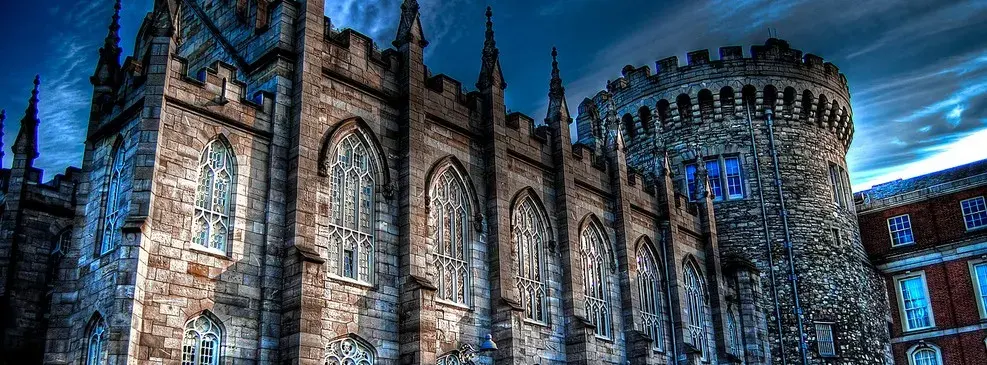
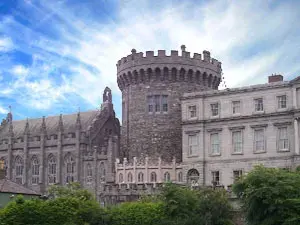
Dublin Castle is steeped in the rich history of Ireland. It was first built in the early thirteenth century by Normans after their invasion of Ireland. The original castle was completed around 1230. The design was typical of Norman fortifications -- four walls with towers in each corner. The buildings and the purpose of the castle changed throughout the years. It served as the house of Parliament, a banquet hall, and even the seat of the British government in Ireland.
The Chester Beatty Library is a combination library and art museum located on the ground of Dublin Castle. It was established in 1950 to house the spectacular private collection of Sir Alfred Chester Beatty, a Canadian mining magnate. He donated the collection to Ireland two decades before his death. The current building was opened in 2000.
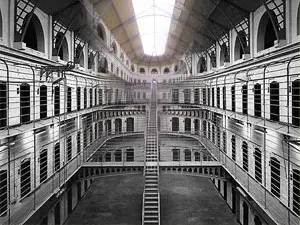
Kilmainham Gaol is a former prison turned museum that played an important part in Irish history. It opened in 1796. The leadership of failed Irish rebellions in 1798, 1803, 1848, 1867, and 1916 were held, and oftentimes executed here. Consequently, the prison was seen as an instrument of British colonial control and was closed after independence in 1924. In the 1950s, plans were submitted to demolish the unused prison prompting a community response. Restoration work was undertaken between 1962 and 1971 and today it's open as a museum.
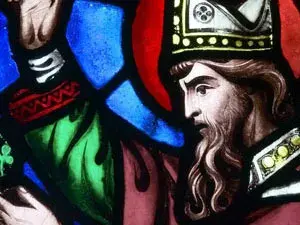
St. Patrick's Cathedral is named for St. Patrick, the patron saint of Ireland who brought Christianity to the island in the fifth century. His holiday on March 17, the date of his death, is a celebration of all things Irish. The site of the church is supposedly where a well that St. Patrick used to baptize converts was once located.
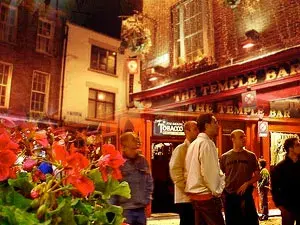
Located on the south bank of the River Liffey, the Temple Bar area is one of the the most popular spots in Dublin. Temple Bar was one of Dublin's nicest neighborhoods in the seventeenth and eighteenth centuries. Many of the city's elite lived here, but starting in the nineteenth century, the area went in to a steep decline. It quickly became one of London's most derelict neighborhoods, which it remained until the 1980s. Low rents attracted artists, galleries, and small shops. Since then Temple Bar has been subjected to gentrification.
Phoenix Park is one of Europe's largest urban parks at more than 1700 acres. It was established in the 1650s as a deer park under the supervision of James Butler, a viceroy for English king Charles II. Because of the deer and other wildlife, it was enclosed by a wall. It opened to the public in 1745, which it has remained ever since. The park is immortalized in literature in the James Joyce novels Ulysses and Finnegan's Wake.
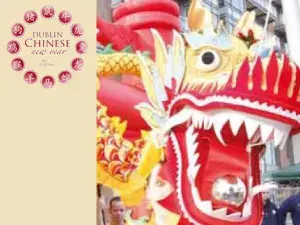
Feb 12-21 Venue: Dublin City Centre What began two years ago (2008), the Chinese New Year Festival has become extremely popular among the locals. The 2010 Festival will celebrate the year of the Tiger and aims to promote integration and strengthen Ireland’s multicultural society. The festival will showcase cultural parades and dances, exhibitions, art and music. The highlight of the event is the Chinese Carnival, on the 14th of the month, to commemorate Chinese New Year Day as well as Valentine’s Day. Entry is free for all. For more information, check out www.dublin.ie/cny
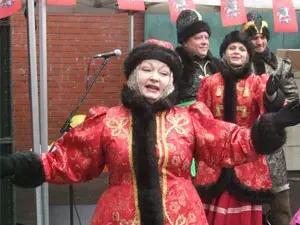
Feb 15-21 Aiming to promote culture and heritage, the festival includes Russian storytelling, photographic exhibits, musical performances and food stalls selling authentic Russian cuisine. Entry is free. For more information, check out http://www.dublincity.ie/russianfestival
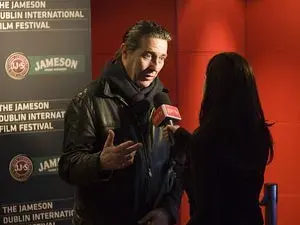
Feb 18-28, 2010 Venue: Various city centre cinemas Film screenings, glitz, glamour, interviews with celebrities and panel discussions, the film festival takes place over the course of eleven days.
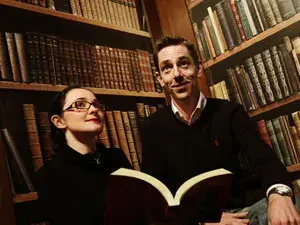
March 6-8, 2010 The Irish, known for having contributed some of the most important works in classical and contemporary literature and art, choose to celebrate by holding the Dublin Book Festival on the 6th, 7th and the 8th of March. Held at the historic City Hall, the event is packed with readings, interviews, talks, debates, book launches and workshops for all ages, and featuring over 100 Irish writers and publishers. Also available at the festival are books for sale. For more information, www.dublinbookfestival.com
March 22-28 With over 50 restaurants participating in the Dine in Dublin week, this is truly a culinary and gastronomic adventure. Discounted rates of E25 to E30 per person covers a three-course meal (including tea or coffee) at any of the restaurants on the list. Some of the hotels also offer customers 10% off on the lowest quoted rates on their rooms. For more information on the types of cuisines on the menu, http://www.dineindublin.ie/
Tours run daily and begin at 11:30 am Mondays to Saturdays, and at 1 pm on Sundays. The tour goes at a lesiurley pace and ends in about two hours. It is recommended by all who have taken it and is quite education and iinformative on the history of Ireland. The tour ends with a lively discussion at the International Bar with fellow tour members.
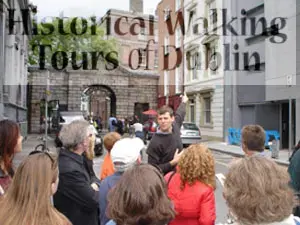
Graduate students at Trinity College conduct this historical tour of Dublin. Walking around Dublin is the best way to see and absorb the rich heritage of the city. It includes tours of Trinity College, Old Parliament House, Temple Bar, City Hall, Dublin Castle, Wood Quay, Christ Church Cathedral and Four Courts. Individual tickets cost 12 EUR.
The tour runs from April 1-October 31 and is good, quiter alternate to taking a bus tour of the city. The tour takes a slightly different route by avoiding the main streets, showing a different side of Dublin. The tour price includes a bike and insurance. Advance booking is recommended.
The best way to see Dublin if you’re only visiting for a few days is to take the Dublin Bus Tour. The bus takes you to Trinity College, Dublin Castle, National Gallery and much more. Although the comlete tour lasts well over an hour, you can get an All Day Pass and hop on and off the bus anytime you want.
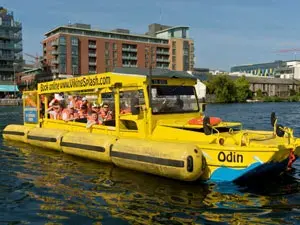
See Dublin by land and by water! Board one of the amphibious World War II vehicles and see a whole new side of Dublin. On the tour not only will you get to see the Viking artifacts and buildings but also other monuments like the St. Patrick’s Cathedral, Trinity College and Georgian Dublin. You can either sign up for a regular tour or one that includes a meal at the famous Beshoff’s of O’Connell Street. Timings vary but the tour runs throughout the year. Advance booking is advised in order to avoid disappointment.
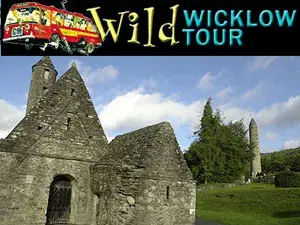
Voted as the number 1 tour by over 1 million customers on hostelworld.com, this tour promises to be extremely enjoyable for the entire family. The full-day tour to Glendalough is recommended when you have nothing else planned for the day. The tour begins as early as 8:50 am and includes a drive along the coast, craft shopping, breathtaking tours of the Upper Lake and to Sally Gap Adventure, the location for the filming of Braveheart. The guides are very knowledgable, helpful and friendly.
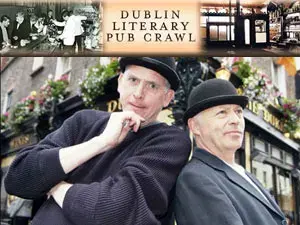
A trip to Dublin would be incomplete without learning more about the city’s literary history. The show which lasts about two hours is performed by professional actors who perform from the works by Sameul Beckett, James Joyce, Oscar Wilde, Seamus Heaney and more. The tour also includes a short history of the pub culture in Dublin and how important these pubs were for writers.
Aimed at conserving the Dublin Mountain area, DMP organizes a range of activities and expeditions for those who are fond of the outdoors. These include mountain climbing, trekking, hiking, conservation, mountain running, scouting and orienteering. The company has also developed a number of recreation sites like Hell Fire Club, Massy’s Estate and Cruagh Wood. It has lots of organized routes and maps, and also provides transport to various areas in Dublin.
One of the most successful tourist organizations in the city, CIE has been a favourite among tourists for years. With prompt customer service and detailed tour packages, visitors are offered luxury. Customers can choose from a variety of tourist coach packages, by selecting the number of days, area, budget and people. Each of the coach tours are inclusive of sightseeing program, dining, accommodation, travel tickets and entertainment. For those who wish to venture on their own, CIE organizes a vehicle, re books rooms and sights and makes sure that you travel with a care.
With over 30 years of experience, this company offers a wide range of activities and packages for travelers. Some of the tours are Shore excursions, golf tours, fishing tours, castle tours and independent tours.
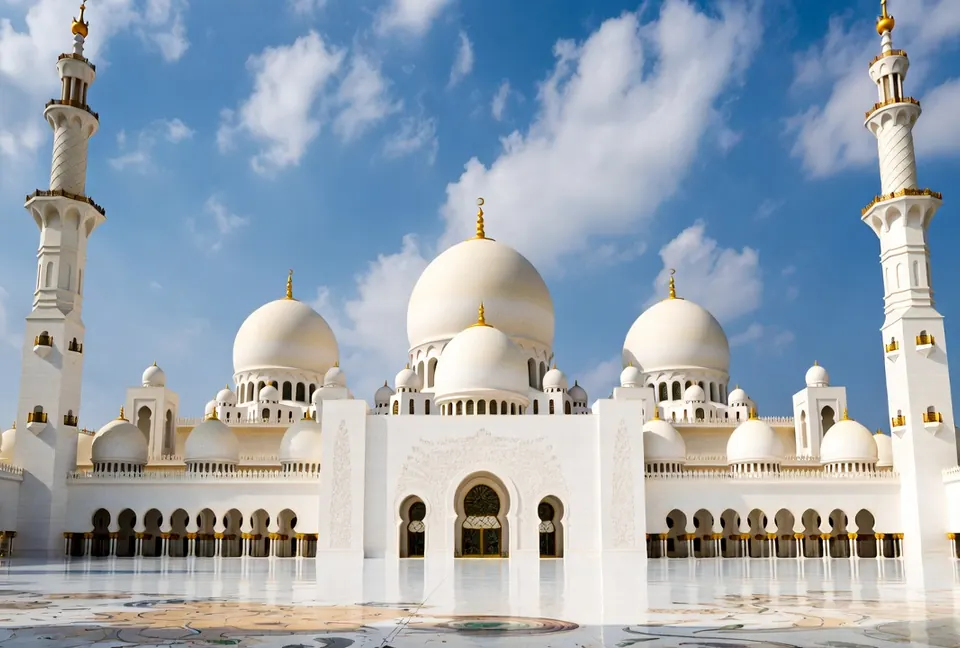
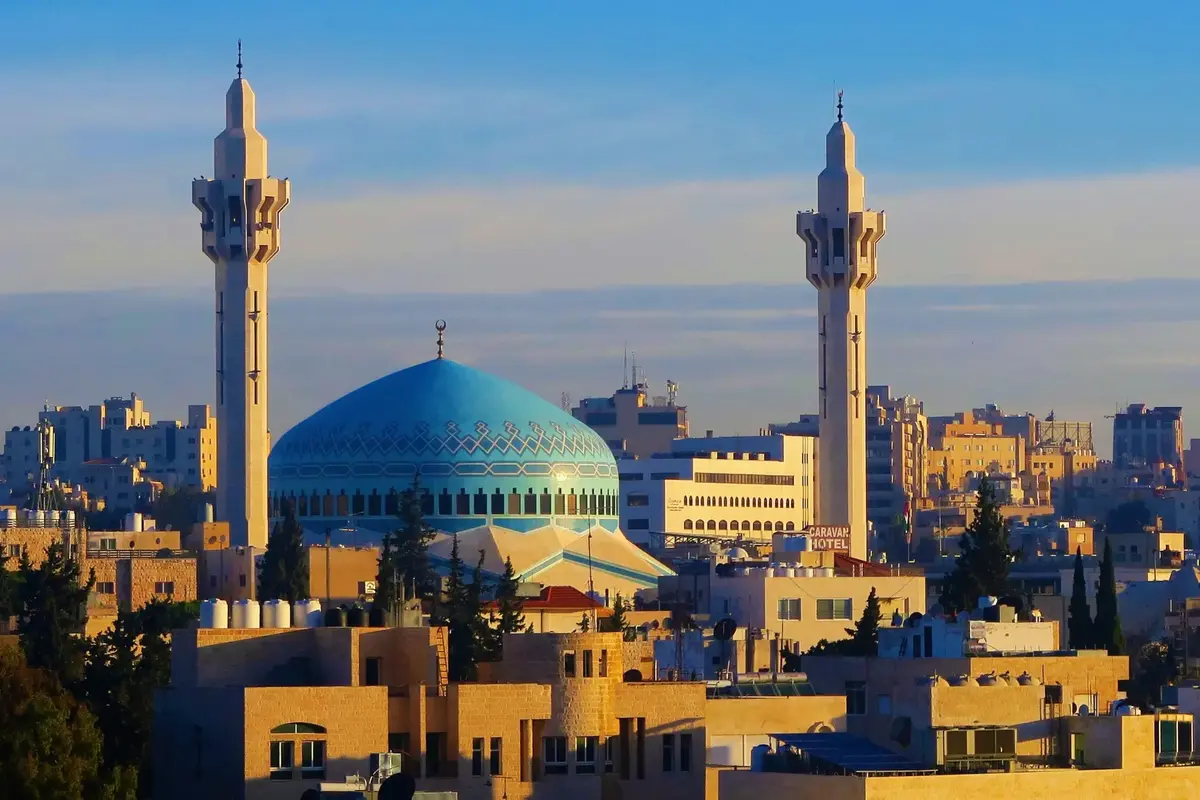
Locations: Royal College of Surgeons, Dublin 2. Trinity College Dublin, Dublin 2. Dublin City University, Dublin 9. University College Dublin, Belfield, Dublin 4. Lucan mosque - 1 Liffey Road, Lucan, Co. Dublin. Islamic Information Centre - Camden Street, Dublin 2. Black Pitts Road - Off South Circular Rd, Dublin 8.
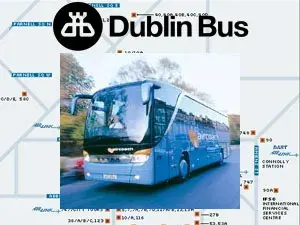
Buses in Dublin are convenient and ubiquitous. They operate from 05:00-23:30 daily. The charge varies based on destination, but shouldn't ever be more than a few Euros. Only coins are accepted, no bills. If you don't have exact change, ask the driver for a receipt that can be exchanged at the Dublin Bus Head Office. There are also several 24-hour "Nitelink" routes that run throughout the night. They charge a flat fee of €5.00.
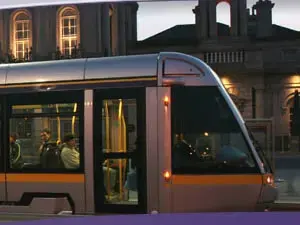
There are four suburban rail lines that ply Dublin and its suburbs. They mostly run through Dublin's suburbs and are used by commuters. More relevant is the DART (Dublin Area Rapid Transit) line, which runs along the coast. Tickets can be purchased at ticket booths or machines at each station. Prices range from about €2.00 to €5.00, depending on your destination.
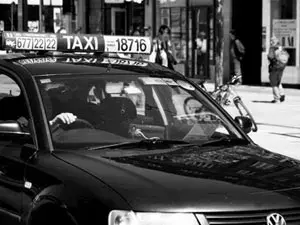
If its your first time in Dublin and you don't know your way around, taxis are a good choice -- especially considering how confusing the bus system can be. Dublin actually has more taxis than New York. Consequently, you should have no trouble finding one. They're much cheaper than taxis in other European cities, but still more expensive than public transit. Rates can vary, but shouldn't be much more than €10.00. As always, remember to make sure the meter's running and to get a receipt!
Visitors are able to rent a car for their own driving convenience around the city. By producing a driving license of your country to the rental company, a temporary insurance service will be arranged. Some hiring agencise have their own regulations for issuing cars and these should be followed.
Dublin Airport is located 10km north of Dublin's city center. It has two terminals, one of which belongs to the national carrier, Aer Lingus. Ryanair, the notorious budget carrier, has flights to every major airport in Europe as well.
The minimum age of driving in Ireland (obviously with a full UK license) is 17 for cars. Speed limits are strictly enforced in Ireland, so be sure to watch out for signs along the road. The speed limit will be in kilometers. Seat belts are mandatory for the front as well as the rear passengers. In Ireland it is illegal to talk on your mobile phone while driving and a fine will be issued by an official. Cars are in Ireland are right-hand drive which means you will be driving on the left side of the road.
When traveling outside your home country, it is always advised to ensure that your travel insurance is up to date and includes medical insurance. Always carry basic first aid kit including allergy medication, Ibuprofen such as Advil and other necessary supplies in case of an emergency.