Tishreen Sports Complex
Tourists can take their children to swim in the Olympic Pool at this sports complex.

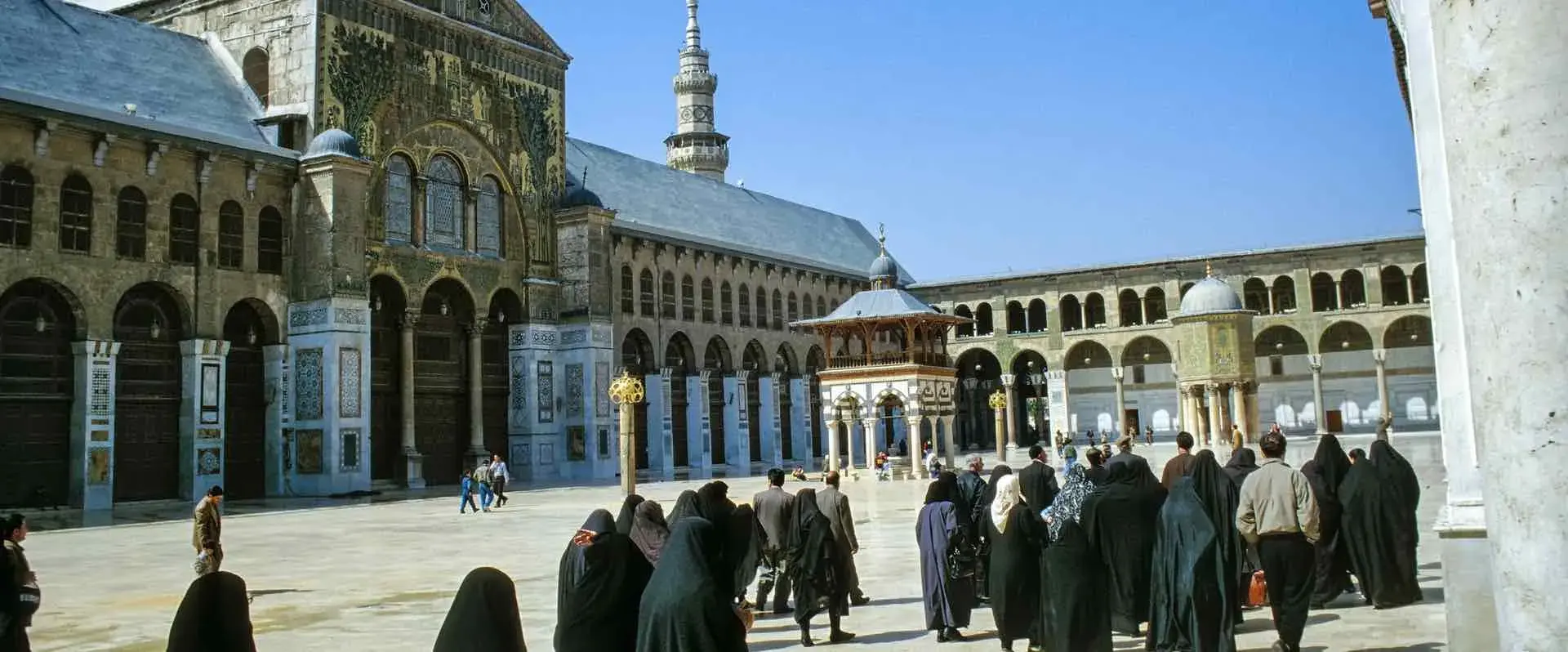
Damascus is the capital of Syria. Apart from being the political center of the country, it is also the cultural heart of the country. Damascus’s authorities have done a very good job in preserving the many historical and cultural attractions. Various architectural styles are visible throughout the city, dating back to different periods of its history- Roman, Islamic and French rule. An important sector of Damascus’s economy is the tourist industry. Other prominent sectors are the textiles, food processing and chemical industries. The military and secret service quarters are also located here. Politics undeniably is an important aspect of the
Tourists can take their children to swim in the Olympic Pool at this sports complex.
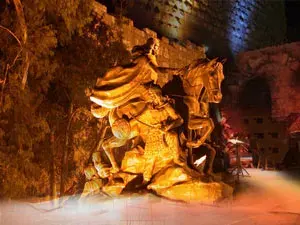
This historic site has witnessed much of the life of Damascus. Located in the Old City, it was built by the Selujiks at the end of the 11th and during the beginning of the 12th centuries. Subsequent invaders and rulers all made modifications leaving their mark on the Citadel. One of them, Saladin, who was the famous Ayubbid sultan, further strengthened the Citadel to resist attacks during the Crusades. The Mamluks, the Ottomans and the French all adapted it; the last turned it into a prison which it remained till the middle of the 1980s. This magnificent stone structure is integral to the city of Damascus; do not miss it as it also serves as a venue to various festivals, concerts and functions. The Citadel has certainly undergone a change in function from its past to its present.
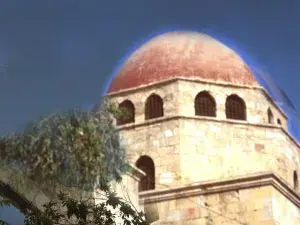
Saladin was a famous Sultan, most renowned for his role as leader of the Muslims during the bloody Crusades. He died in 1193 and his mausoleum is a low rise white building with a red dome. Contained within it is a walnut wood cenotaph containing Saladin’s body carved with intricate motifs representative of the Ayubbid Era. Also contained within, is a marble tomb gifted by Kaiser Wilhelm II of Germany who visited Damascus at the turn of the 20th century and financed the restoration of the Mausoleum.
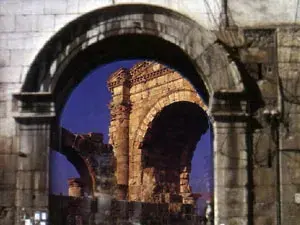
The Roman Arch is located amidst the Christian quarters. This originally consisted of three arches of which only one remains at the entrance of the Christian quarters. Numerous Christian sects now reside here.
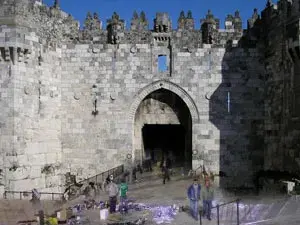
The Old City had thirteen entrances and, therefore, gates. These were built for the purpose of protection by the Romans and were often destroyed and later rebuilt. Only one of these gates dating back to the Roman era remains; it is known as the Bab-ash-Sharqi. Other gates built at later stages include Bab-al-Farag or the Gate of Joy, Bab-al-Faradis, Bab-as-Salaama or the Gate of Peace built by the Ayubbids, which incidentally is considered the most beautiful of them all, and Bab-as-Saghir or the Little Gate.
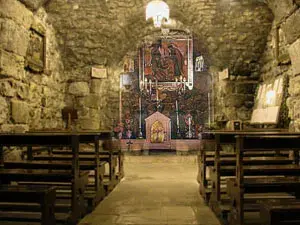
Within the Old City are the Muslim, Jewish and Christian quarters. Within the Christian quarter is this small chapel which is located inside a cellar of an old house that belonged to Ananias,
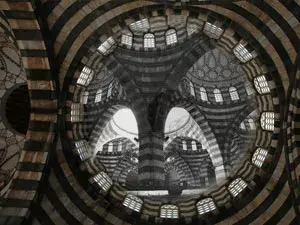
Commissioned by Asad Pasha in the 1750s, this cathedral is a truly magnificent piece of architecture. It comprises of eight domes and a round aperture with gigantic piers and arches. This spacious area is also well illuminated with natural light.
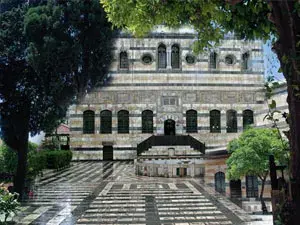
This Palace was built in the 1740s by the Governor of Syria, Asad Pasha Al Azem. It incorporates the traditional architectural styles visible around the city of Damascus- that of striped stonework- alternately layered limestone and black asphalt. The interior is much more extravagant. The ceilings of the rooms are painted beautifully with intricate tile work on the floors and wood paneling on the walls. The palace comprises of a number of structures, gardens and courtyards. It has served as the emperor’s residence and later passed into the hands of the French who used it as an institute of archaeology and Islamic Art. When the Syrian uprising against the French took place, the palace was damaged by the riots and fire, but was later restored to its former glory. It also showcases Syrian artefacts such as pottery, ceramic, textile, musical instrument and costumes.
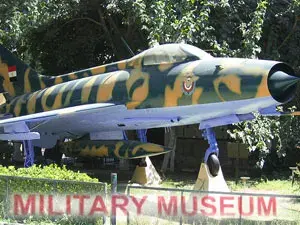
Exhibits at this museum date all the way back to the Bronze Age. The simplest to the most sophisticated weapons are on display, giving visitors an interesting insight into the evolution of armory from past to present, particularly in the context of Syria. Fascinating pieces include the remnants of a plane from the war with Israel in 1973.
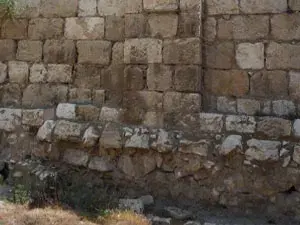
This is one of Damascus’s most interesting museums. It is worth a visit since it gives tourists an insight into the rich culture of Syria. This museum is basically a house, and within each room and courtyard of this house are knick knacks, photographs and diagrams related to the Old City. There is a wonderful model of the Old City too. Each room’s décor incorporates traditional Syrian style.
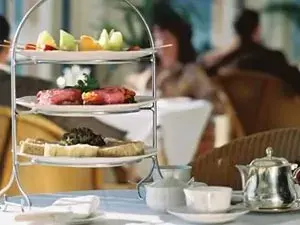
This is one of Damascus’s best known restaurants. Aleppan cuisine is at its finest here. The décor is extravagant and luxuriant. Specialties include hummus accompanied by a fabulous capsicum dip and kebabs with pomegranate sauce.
Mouth watering Syrian cuisine is served here. Fresh ingredients are used to churn out a wide range of authentic dishes. The restaurant is housed in a renovated old Damascene house. Specialties include the lamb with lemon sauce and chicken with thyme. The hummus is divine too.
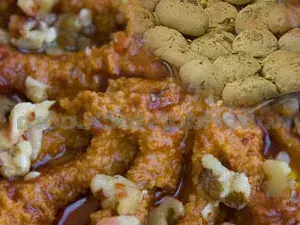
This lovely restaurant serves delicious Syrian and French cuisine. The food is pricey but worth it.
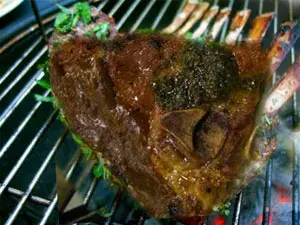
The menu here is dominated by French cuisine but guests can also opt for some of the traditional grilled lamb/ chicken dishes and spiced rice.
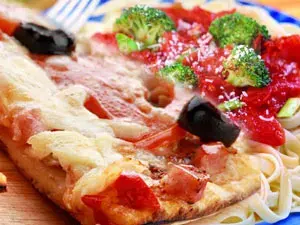
This is a popular food joint amongst the Damascene upper class. The ambience is relaxed and contemporary. The menu lists dishes from around the globe including pizza, pasta, fajitas, nachos and a range of grilled meats.
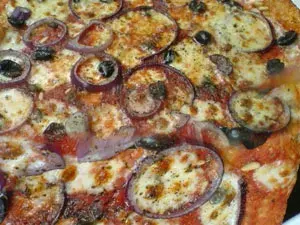
This is one of Damascus’s famous restaurants. The ambiance is very casual and the food too is unpretentious. Delicious pizzas and pasta are served here.
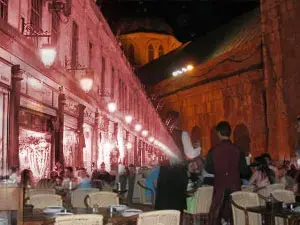
This is arguably Damascus’s most magical restaurant. The location is fantastic and the view breath-taking (it looks out over the magnificent Omayyad Mosque). The grilled lamb and chicken are divine, as are the eggplant croquettes.
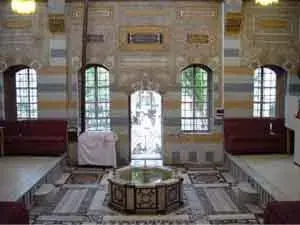
Housed in the courtyard of a beautiful old Damascene house dating back to the 1700s, the ambience in this restaurant is vivacious and down-to-earth with some of the diners engrossed in cards and backgammon. Come here for some delectable kebabs, thyme pizza, falafel, a diverse range of hummus, traditional Syrian bread and spiced rice.

This is a great place to hang out and is extremely popular with the younger generation of Damascenes. The ambiance is unpretentious, relaxed and lively with some indulging in cards, backgammon and sheesha. Excellent sandwiches, salads, pastas and fresh drinks are available here. Cuisine: International Address: Abu Roumana, Sharia Abdul Malek, Northwest of Central Damascus Tel: +963-11-333-1288

For those on a budget, this is a great place to eat out. The restaurant is small and intimate. What makes it so fascinating and the outing so enjoyable, is the fact that the restaurant exhibits the works of local artists and more often than not, guests will be able to see these local artists seated at nearby tables painting/ drawing away. Plus, the pizza is delectable.
Loading local prayer times…
Calculated times. Confirm congregation times with your local masjid.
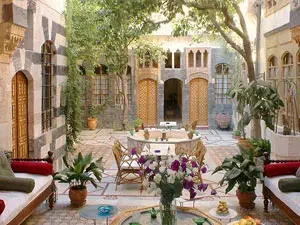
Originally a house, this beautiful boutique hotel dates back to the 17th century. Guests will be treated to excellent service and simultaneously absorb the rich history of the vibrant Old City of Damascus. This hotel is located inside the Christian quarter. The décor is beautiful and elegant, mirroring the rich traditional Syrian style of low rise beds, carved wooden cabinets and glass lamps. Rooms are decorated differently, reflecting a specific period of Syrian history. There is a courtyard too, which creates a grand ambiance. In room facilities include satellite TV and a mini bar. Hotel facilities include a gallery, a restaurant and a bar. This hotel is in an excellent location; most of the attractions are located close by.
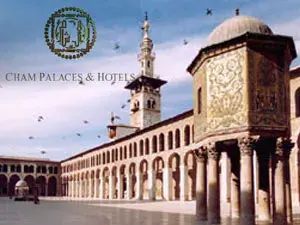
This is arguably one of the city’s most lavish hotels, located in downtown Damascus. Rooms are large and well decorated. In room facilities include satellite TV and a mini bar. Hotel facilities are plentiful and include a beauty salon, pool, gym, sauna, restaurant, bar, room service and internet access.
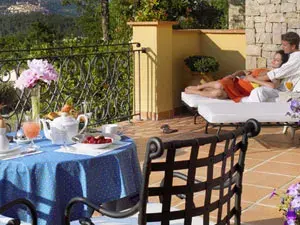
This hotel is located in an ideal part of the city. The national museum and other attractions are not far off. Rooms and bathrooms are spacious and the ambiance of this hotel is best described as chic. In room facilities include satellite TV, mini bar, a safe and internet access. Hotel facilities are abundant and include a café, restaurants, bars, dining room, gym, pool, sauna, massage service, laundry service, room service, medical service and money exchange facilities.
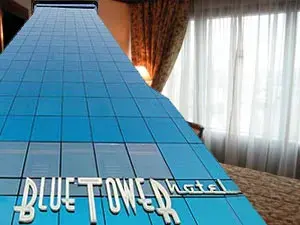
This hotel is in a prime location. It is a popular choice amongst tourists who vie for one of the 60 rooms available. Rooms and bathrooms are large and elegantly decorated. In room facilities include satellite TV and a safe. Hotel facilities are abundant and include a café, dining room, laundry service, room service, medical service, a hair dresser and money exchange facilities.
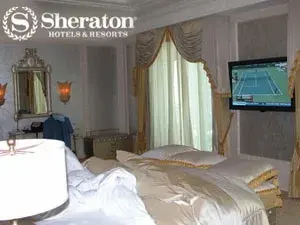
Located in an ideal spot in the centre of the city, the Sheraton faces the Quassioun Mountain and is 10 minutes away from the Old City. Arguably the most luxurious in Damascus, this hotel comprises of more than 270 rooms. In room facilities include satellite TV, internet access, maid service, cribs, hairdryers, irons, a coffee maker, a mini bar and a safe. Hotel Facilities include a hair dresser, laundry service, room service, medical service, money exchanger, a children’s pool, a gym, an outdoor pool, restaurants, bars and a disco.
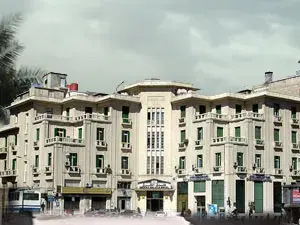
This hotel dates back to the 1920s and faces the old Hejaz Train Station. It has been a guesthouse to many famous personalities. The décor is antiquated and the rooms are spacious and clean. The Orient Palace used to be one of the most lavish hotels, before competition arrived.
This hotel is in a wonderful location in the Old City, with the main historical attractions located nearby. Within a restored Damascene Palace, the rooms in this hotel are a wonderful culmination of old meets new. Traditional Syrian décor is integrated into an overall minimalist style. In room facilities include satellite TV, internet access and a mini bar. Hotel facilities include a restaurant, a pool and a Turkish Hammam/ sauna.
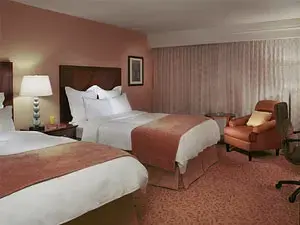
This hotel is located close to the National Museum and other sites. The décor is simple and elegant and the rooms are comfortable and clean. In room facilities include satellite TV, a fridge and a hairdryer. The hotel staffs are friendly and well versed in English.
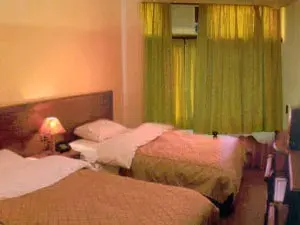
This hotel is located close to the National Museum and other sites. The décor is simple and elegant and the rooms are comfortable and clean. There is a choice between classic and executive rooms. In room facilities include satellite TV, fridge, hairdryer and internet access. Hotel facilities include a bar.
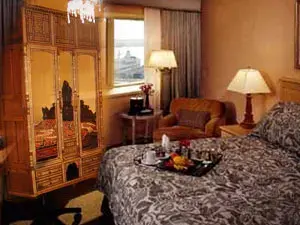
This hotel is quite popular with Iranian pilgrims who come to visit the holy shrines in Damascus. Its affordability is the reason it's quite popular with tourists as well. Rooms are comfortable and clean and in room facilities include satellite TV, a fridge and a hairdryer.
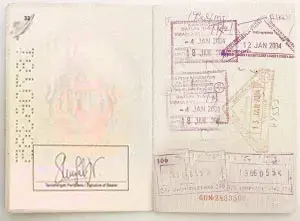
There are a number of different visas available for individuals wishing to travel to Syria. Those wishing to enter Damascus must have a valid passport (valid for the next 6 months at least), must submit two application forms, two passport sized photographs and the application fee. Visa application can be made at a Syrian embassy/ diplomatic mission from within the travelers’ country of residence. Syrian authorities do not admit travelers who have visited Israel prior to visiting Damascus (indicated by an entry stamp into Israel). Those wishing to stay in Damascus for more than 15 days have to register themselves with Syrian immigration authorities. There is a departure tax for all those visiting Syria amounting to 1500 Syrian Pounds.
The best time to visit Damascus is from March to May when the weather is cool and breezy, and during October and November. The summer months can get hot and dry and traveling to Damascus during such weather is not recommended.
Location: Damascus is located 80 km from the Mediterranean Sea on a plateau 2200 feet above sea level. It is bordered by the Anti- Lebanon Mountains, with the Barada river flowing nearby Dialing code +963; Emergency numbers: Police – 112; Fire- 113: Ambulance- 110
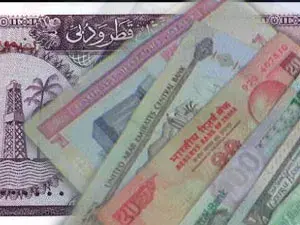
The currency used in the Syrian Arab Republic is the Syrian Pound (SYP).
1st January- New Year’s Day
January; High: 11 °C; Low: 0 °C February
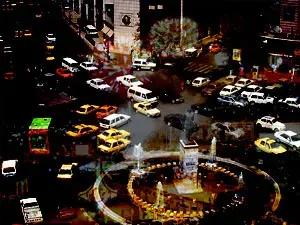
Damascus has a population of 1.5 million people. The majority of the population are Muslims (predominantly Sunni, though Shiites also reside there). 15% are Christians, with a few Jews also claiming residency. Known as Damascenes, the residents of Damascus are friendly, hard-working and vivacious. There is definitely a culture of tolerance in this part of Syria.
Damascus is the capital of Syria. Apart from being the political center of the country, it is also the cultural heart of the country. Damascus’s authorities have done a very good job in preserving the many historical and cultural attractions. Various architectural styles are visible throughout the city, dating back to different periods of its history- Roman, Islamic and French rule. An important sector of Damascus’s economy is the tourist industry. Other prominent sectors are the textiles, food processing and chemical industries. The military and secret service quarters are also located here. Politics undeniably is an important aspect of the city.
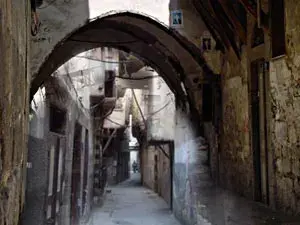
Inhabited since 10,000 B.C., Damascus is one of the world's most ancient cities, boasting a very colorful history. The city was conquered by Alexander the Great, and after his death it was annexed by the Roman general, Pompey. The Romans built a great deal of the infrastructure of the city. St. Paul and St. Thomas both lived in the quarters developed by the Romans in Damascus. Damascus was first conquered by the Muslims in 634 by the Rashidun Caliph. It soon became the capital of the Omayyad Empire and later was ruled from Baghdad during the Abbassid caliphate. It was also ruled by the Fatimid caliph. The Muslims left an indelible mark on the architecture of Damascus, which is clearly seen today. Damascus was also ruled by the Seljuks and then by the Turks. Ultimately it was inherited by Saladin of Egypt, famed for rebuilding the citadel and his role in leading the Muslims during the Crusades. Damascus then came under the Ayyubid and Mamluk rule. During the latter period, the plague claimed the lives of half of the city’s population. Damascus was also an important province of the Ottomon Empire for 400 years at least. In 1920 the French were given a mandate over Damascus and in 1925 they were able to suppress the Druze revolt, bombing and shelling the city during the process. In 1945 the French once again bombed Damascus which the Allies had wrested from them, but this time the British forces intervened and Syria gained independence in 1946.
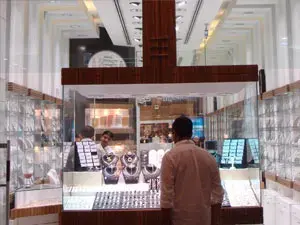
The Oriental Arts Center sells beautiful pieces of furniture, mirrors, decorative items and other arts and crafts. The items can be ordered a few days earlier. The materials used in making these products include gypsum, plaster, oil paints and gold leaf. The artist behind these interesting pieces is the famed Saeed Zozoul.
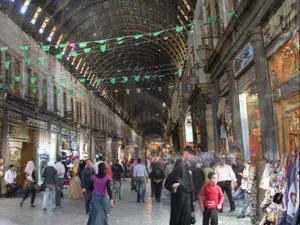
This is a vast souq housing many mini bazaars. Visitors will be transported back in time and exposed to an authentic Arab market place. Souq al Hamidiyya consists of a number of stalls selling clothing, costume jewelry, souvenirs, religious icons, beads and texts, toys, stationery and decorative pieces. Souq Khayyatin is home to seasoned traders displaying beautiful stitched and unstitched garments of excellent quality. Seed Bazaar sells perfumes, spices, glazed fruit, nuts, traditional sweets and jewelry. Souq al Attarine sells aromatic coffees and spices.
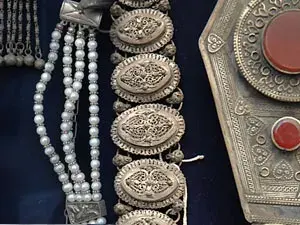
Located next to the Azem Palace in the Old City, George Dabdoub sells a number of traditional Damascene items including carpets, icons and jewelry. The goods sold are of excellent quality and the prices are moderate.
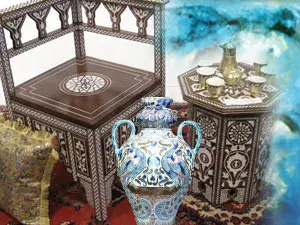
This shop sells some very fascinating and interesting handicrafts. Customers will fall in love with many of the pieces available here including backgammon sets and other board games as well as carved wooden boxes, chests and furniture.
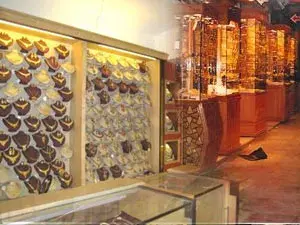
Anat is a wonderful place to shop for Damascene souvenirs. It sells a number of traditional items including textiles, jewelry, cushion covers, shoes and bags. These are handmade by Palestinian refugees and Syrian women hailing from rural areas around the country.
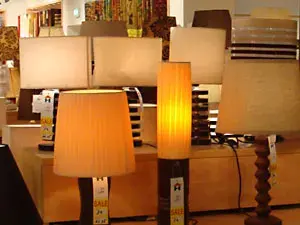
This shop is a must stop for any tourist visiting Damascus. Named after the famous philosopher Ibn Sina (known as Avicenne in the West), this cozy bookstore caters to a number of avid Damascene readers and foreign tourists. A wide selection of English books and other foreign language literature are sold here. Some wonderful guide books are also available.
This is a wonderful store that sells some of the most beautiful and intricately carved flutes, drums and other musical instruments. Some of the instruments also contain mother-of-pearl designs.
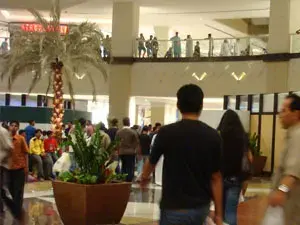
This music store stocks a brilliant collection of music from all genres (classical, contemporary, jazz and pop) by Arab artists in the region. It is a must stop for tourists.
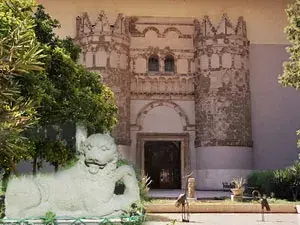
This is an extremely remarkable museum and a must stop for any visitor to Damascus. It is a good course in the colorful history and culture of the city. The exhibits are fascinating and labeled in English and Arabic. The museum is divided into categories corresponding to the three eras in Syrian history; Pre-Classical, Classical and Islamic.
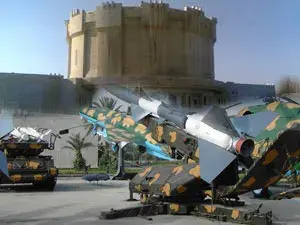
This is an interesting museum showcasing pieces from the 1973 “October” war with Israel. The fighting was concentrated in the town of Quneitra and ensued over the Golan Heights. This museum contains portraits of the then president, Hafez-al- Assad along with many photographs of the war. It was built by the help of the North Koreans and is a tribute to the lives lost and properties damaged.
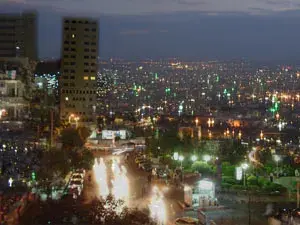
This is a mass of bare rock. What is exciting is the myth surrounding it, which claims that the Holy Prophet Mohammad stood on it likening Damascus to Paradise. Tourists should visit this mount at dusk when the city below lights up giving a stunning view.
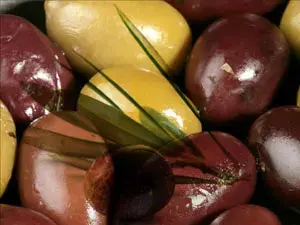
This event is held annually in March and lasts for four days at the Damascus Fair Ground. Olives being one of Damascus’s most important products is showcased at this event, along with olive oil and olive oil processing technologies.

This event is held annually in June at the Damascus Fair Ground for three days, and has been done so for the last 14 years. Syria’s agricultural products are exhibited here. Agriculture is an important contributor to the country’s GDP accounting for 27% of it. The event includes seminars and lectures by various prominent decision makers and experts from the industry. The purpose of such an event is mainly to attract investors.

Annually held in June for the past seven years, this event lasts about five days at the Damascus Fair Ground. Various companies in the food industry from the region are represented here. Production of food and its packaging are what's highlighted at this event.
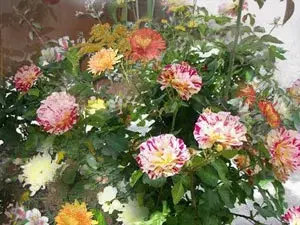
This event is held annually from July to August in Teshreen Park, which is Damascus’s largest park. Participants and botany enthusiasts from around the world converge in Damascus around this time of the year. The event encompasses a number of activities such as flower arranging competitions and lectures by renowned botanists on the different species of flowers displayed. Herbal oils and honey made from plant extracts are also sold. The highlight of the event is the Damascus Rose, which has been the symbol of the city since ancient times.
Held annually in August at the Citadel for six nights, this open air festival features renowned local and foreign jazz artists. The festival also includes jazz workshops and activities for children.

These operators offer a variety of packages. Most of these tours involve exploration of not just Damascus but other Syrian cities as well, such as Aleppo. Tourists however can ask for a tour of just Damascus. They also offer a la carte programs i.e. customized to suit the needs of the tourist. On the Damascus tour, important Damascene sites including the National Museum, Omayyad Mosque, Azem Palace, the Straight Street, the Damascus Souq, Church of Ananias and Jabal Qassioun are visited.
This group offers a number of tours around Damascus that vary in duration and price. Tours start at 9 A.M. The four-hour tour encompasses sites such as the Omayyad Mosque, Azem Palace, the tomb of Saladin, John the Baptist's mausoleum, the chapel of St Ananias and Straight Street. The tour which lasts nine hours also takes visitors to a number of other sites including the many Damascene Mosques, the National Museum and Jabal Qassioun for a wonderful panoramic view of the city at night.
Cham Tours offer three main packages. These include the Fast Tour, Exploration Tour and the Discovery Tour. They are approximately 7 nights long and other Syrian cities including Lattakia, Aleppo, Palmyra and Bosra are visited in addition to Damascus. One full day is spent on visiting the beautiful sites of Damascus which include the Omayyad Mosque, the chapel of St. Ananias, the St. Paul church, the souqs and the National Museum. Address: P O Box 33555, Damascus Tel: +963-11-223-2300 Ext: 9094 Website: www.chamhotels.com/tours E-mail: [email protected]
This company offers a number of tours around Damascus and other Syrian cities. Tours vary in price and duration with some going upto as many as 10 days. These tours are either historical or religious in nature. One day of the tour is spent visiting Damascene sites including the famous Omayyad Mosque, the National Museum, the shrine of John the Baptist, the Church of Ananias and the Church of St. Paul.
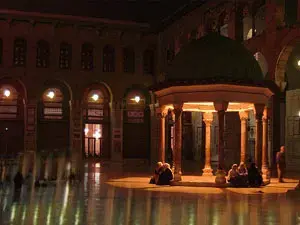
This is arguably Damascus’s most popular architectural attraction. It is a significant and sacred religious site for Muslims all over the globe. There are a number of stories and beliefs surrounding this architectural masterpiece. This mosque is magnificent from the limestone floors, to the gold mosaics depicting forests, domes and towers. Also located within it is a huge courtyard that houses the shrine of Hussein. Hussein is an important figure in Islamic history as he was the grandson of the Holy Prophet (P.B.U.H) and the son of the early Muslim convert, Ali, who later became a Caliph. He is especially important to the Shiite Muslims. He was killed by the Omayyads during the battle of Kerbala.
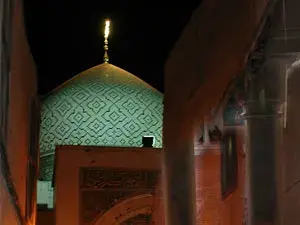
This mosque was built in memory of Ruqayya who is considered a saint by the Shiite Muslims. She was the daughter of Hussein, the grandson of Prophet Muhammad (P.B.U.H). The mosque was constructed recently in the 1980s around Ruqayya’s mausoleum. The interior comprises of numerous mirrors, the exterior is relatively simple and elegant. As with other mosques visitors must be dressed appropriately and take off their shoes before entering.
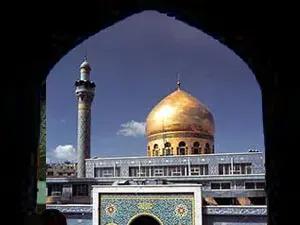
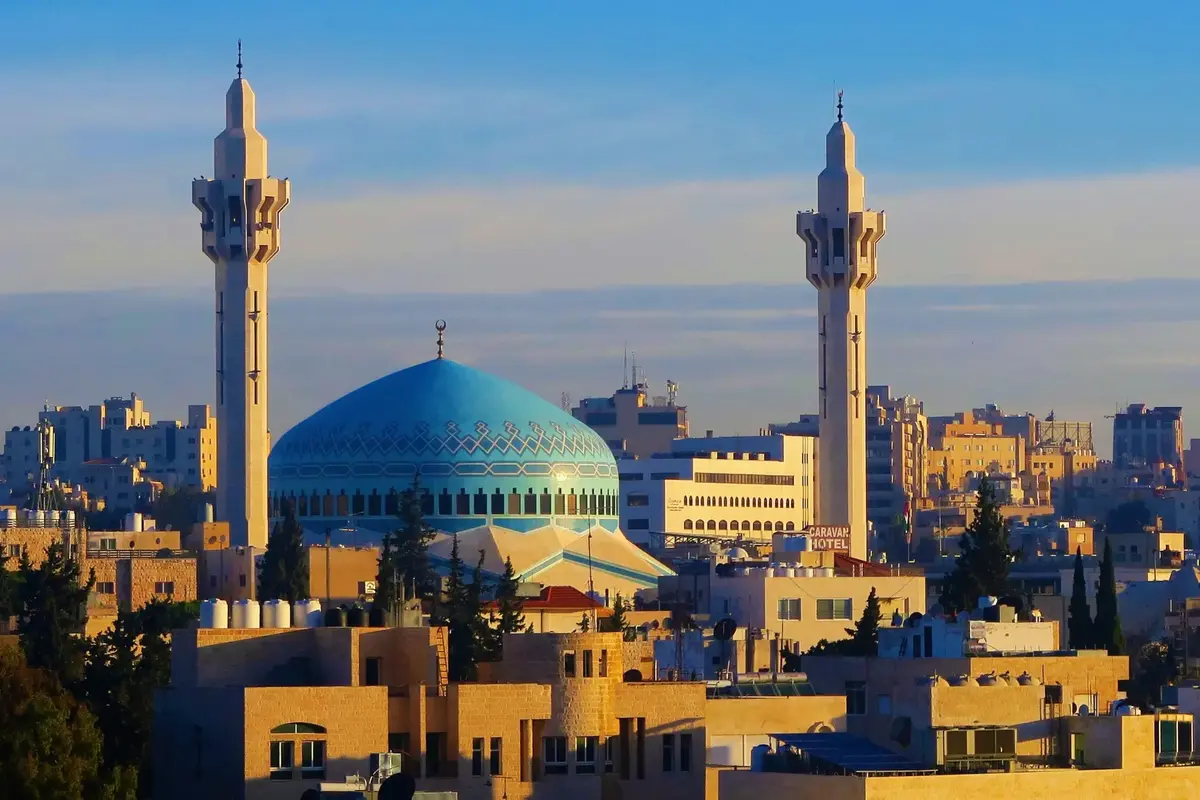
This beautiful mosque is built at the Prophet’s (P.B.U.H) grand-daughter’s burial site. Built like the Sayidda Ruqayya mosque, it is very popular amongst Iranian and other Muslim pilgrims from all over the globe. The mosque is beautiful with a shiny onion shaped golden dome, beautiful blue tile work and two minarets. Zainab’s mausoleum is located in the centre of the mosque. The interior of the mosque is as lavish as the exterior with numerous mirrors and chandeliers decking the walls and ceiling respectively. Visitors must be dressed appropriately and take off their shoes before entering the mosque.
Abdullah Ibn Nasser Mosque
Al Qudsi Mosque
Al Faisal Mosque
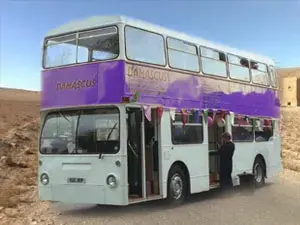
There are two main bus stations located within Damascus. These, however, take passengers outside of the city to destinations to the North and South including Amman, Beirut, Aleppo and Palymra. There are no buses to transport people to locations within Damascus.
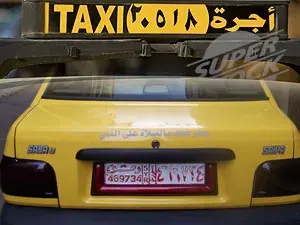
Taxis are plentiful in Damascus. Some, however, are in terrible condition whilst others are shiny and new. The major advantage that this mode of transport has over others is its affordability. Most of the attractions are located within close proximity of each other so the cost of taxi rides generally ranges from S 25 to S 50. If travelling longer distances tourists should make sure the taxi is metered and that the rate is agreed to beforehand. These yellow cabs sport a green light when they are available and a red light when occupied.

Renting a car in Damascus is easy and advisable. It is however, costly to do so. A number of car rental companies operate here, including:
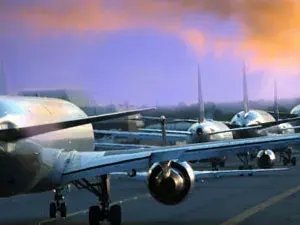
From Damascus International Airport:

Tourists driving themselves in Damascus should keep a few things in mind. All drivers must carry international driving permits or licenses on them at all times. Drunk driving is severely punished. Damascus’s drivers are extremely reckless so tourists should be cautious. The speed limit must be observed and there has been a significant increase in the deployment of traffic policemen around the city. Traffic jams are frequent so it is not advisable, therefore, to drive oneself.
Even though Damascus is generally very safe, there are some points worth remembering. It is always advisable to remain vigilant. Avoid deserted places especially after sundown. If it is necessary to venture out at night, be sure to do so in big groups.