Overview & visitor information
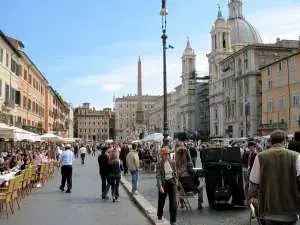
This is an area where one can shop for Colisseum miniatures as souvenirs. Some of the best selling merchandise are priced less than 10 euros.

Search for a city, hotel or experience
Live suggestions could not load. Press Search to view results.
This is an area where one can shop for Colisseum miniatures as souvenirs. Some of the best selling merchandise are priced less than 10 euros.
This is an area where one can shop for Colisseum miniatures as souvenirs. Some of the best selling merchandise are priced less than 10 euros.
Keep exploring Rome.
 rome
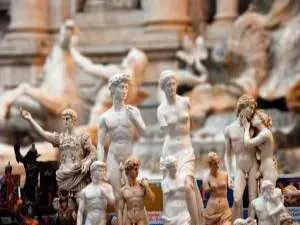
romeYou must visit McArthur Glen which has an outlet market that has 7 designer outlet villages holding 600 brands in 1200 stores.
 rome
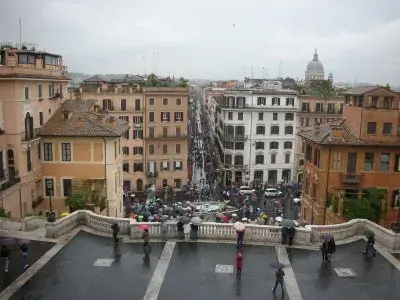
romeIf you want to shop for Armani, Prada, Versace, Dolce and Gabbana or Gucci, then this is definitely the street you should be in. This is not only one of the richest streets in Italy but also one of the best for shopping in Rome. But be sure to walk into a shop only if you intend buying something because you might be charged just for entering it!
 rome
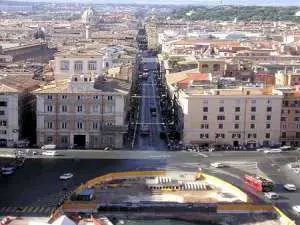
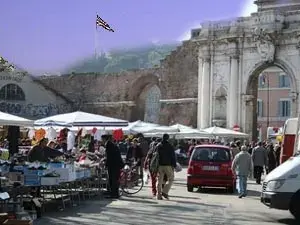
romeIt is the main street that runs through the center of historical Rome from Piazza del Popolo down to Piazza Venezia.This street is very popular with both Romans and tourists and is home to famous shops like the Ferrari flag ship store, Swarowski Crystal and the Messaggerie Musicali di ROMA,a record and DVD shop.
 rome
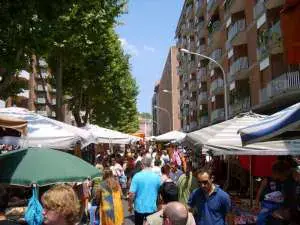
romeIt’s Italy- the home of Pasta, and this is a very good place for shopping for Macaroni. It is particularly popular with young trendy Romans and tourists alike. Hip and trendy clothes and accessories are available here at very reasonable prices. Summer sales start in the first week of July and last until the end of August.
 rome
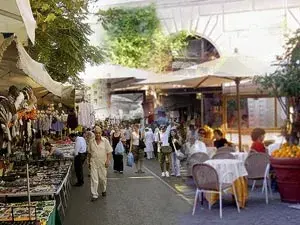
romeRunning short on cash and still want to get something for your family and relatives back home, then this is the place for you-the famous Roman flea market which takes place every Sunday from 08:00am until about 2pm.
 rome
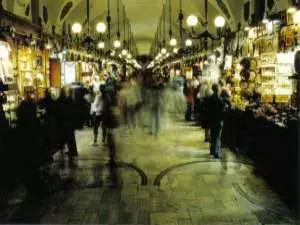
romeThis street market is located just over the river Tiber. It is the outdoor food market in Piazza San Cosimato, where you will see locals buying and bargaining with local Roman vendors. The market starts at about 7:00 am and closes at 2:00 pm. It is a traditional market where local farm produce is sold along with ocean fresh caught products. Apart from that, everything from clothes and books to DVDs and statues are also sold. Here there is always something for everybody.
 rome
romeIt is a market full of vintage products and is open from 7am-1pm from Monday through Saturday. There are clothes with old prints, second hand and original books, magazines and other printed memorabilia.
 rome
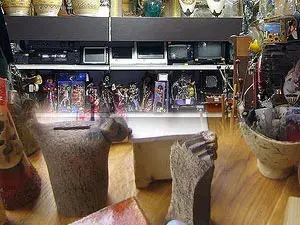
romeA wide range of souvenirs can be found in this area. From a very simple item like a spoon or a key chain to rosaries and wooden statues of saints and angels, one can surely take home a piece or two of Rome with them.
 rome
romeSouvenir shops around the Vatican area still sell merchandise mostly with Pope John Paul II's image in it. But one can also find items like rosaries and some other religious medals or statues.
 rome
romeOpen-air markets: PORTAPORTESE Piazza di Portaportese (Trastevere district) Sundays only. Rome's most famous market. Everything: Here you'll find whatever you are looking for.
Keep exploring Rome.
 rome
rome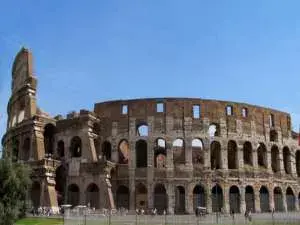 rome
romeUndoubtedly the symbol of Rome, this magnificent ruin is indelibly linked to the past glory of the Roman Empire, and its subsequent decay and fall. It takes its name from the giant statue of the emperor Nero that once stood near this location.
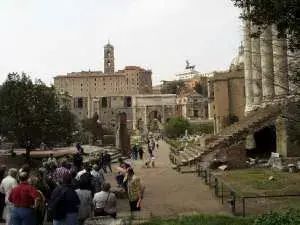 rome
romeThe ancient Roman Forum is a huge complex of ruined temples, basilicas and arches. It was the ceremonial, legal, social and business center of ancient Rome. People would gather there everyday to discuss politics with each other or with the senators of Rome. It was a place where the ordinary people could voice their opinion concerning trade and law, peace and war.
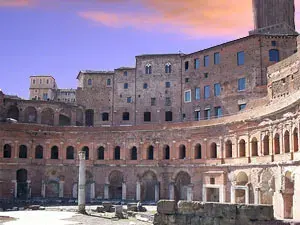 rome
romeThought to be the world’s oldest shopping mall, the arcades in Trajan’s Market are now believed by many to be administrative offices for Emperor Trajan. The shops and apartments were built in a multi-level structure and one can visit several of the levels. Highlights include delicate marble floors and the remains of a library. The new museum of the Imperial Forums houses a wealth of artefacts from ancient Rome’s entire Forums.
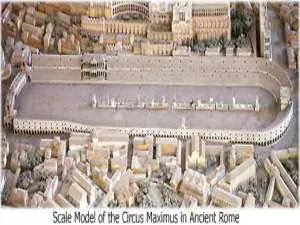 rome
romeThe Circus Maximus,which is situated in the valley between the Aventine and Palatine Hills,was a horse and chariot racing area. In the 1st C, it was Rome’s biggest stadium, a 250,000-seater. It was used for many other purposes as well. Marketing and gambling also took place here. Even though chariot races were held here as far back as 4 BC, it wasn’t until Emperor Trajan rebuilt it after the AD 64 fire that it reached its maximum grandeur. The track could hold 12 chariots.The two sides of the track were separated by a raised median termed the spina. The four-storey façade of the circus held a maze of shops, rooms, stairways and arcades. A great interior corridor provided access to any part of the structure. Now all that is left of the circus is the grass covered racing track and the spina. Being a large green area in the centre of the city, the Circus Maximus still is occasionally used for concerts and meetings. Over 700,000 people gathered there to celebrate Italy’s victory in the World Cup 2006. On July 14, 2007 the British rock band Genesis concluded the European leg of their Turn It On Again tour by a free concert at Circo Maximus in front of 500,000+ fans.
 rome
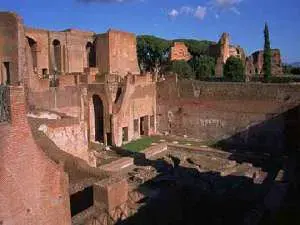
romeThe Palatine Hill is the centermost of the Seven Hills of Rome, and is one of the most ancient parts of the city. Overlooking the Roman Forum, this is an area of majestic ruins and grand views. This is the site where the mythical she-wolf nursed Romulus and Remus. When they were older, Romulus got into an argument with Remus and killed him. He later went on to found the city of Rome which was named after him. The palatine was Rome’s poshest neighborhood. Aristocrats lived here and successive emperors built increasingly opulent palaces. Eventually it fell into disrepair and in the Middle Ages churches and castles were built on it. During the renaissance, wealthy families established gardens on the hill.
 rome
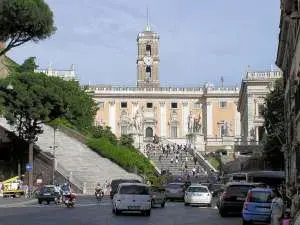
romeAbove the Roman Forum, the Capitoline Hill was Rome’s symbolic centre and held the temple of Jupiter. It is one of the most famous and highest hills of Rome. It was a seat of power in ancient Rome and remains a centre of municipal government even today. There are two museums, the oldest public museums in the world, the Palazzo Nuova, with Greek and Roman sculptures, and the Palazzo dei Conservatori, with art galleries, sculptures, and frescoes. Just like in ancient Rome, the hill still has the best views of Rome’s centre. The Temple of Jupiter was destroyed three times by fire; it was last rebuilt by Emperor Domitian. In the 16th Century, Michelangelo designed the present plan. In the centre of the square is a casting of the equestrian statue of Marcus Amelius, the only statue to have survived from the era of pagan Rome. The real statue is inside the museum. For centuries it stood in the centre of the piazza until the 1970s when it was moved inside and restored.
 rome
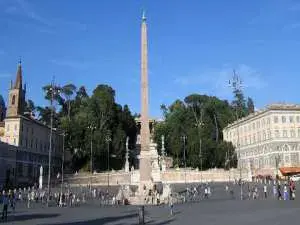
romeThe Piazza del Popolo is one of the most famous squares in Rome. In modern Italian, it means ‘piazza of the people’. Before the age of railroads, it formed the main entrance to the city for pilgrims and travelers arriving from the north on the Via Flaminia. This large square was originally the site for festivals.It was also for centuries the place for public execution. The last execution took place in 1826.To the north of the piazza stand the Porta del Popolo and the ancient church of Santa Maria del Popolo.The Porta del Popolo was designed by Bernini and it was constructed in stone. There is an Egyptian obelisk in the center of the square. This marks the ‘Tridente’,the gathering point of three famous streets that begin in the square; Via del Corso, Via del Babuino and Via di Ripetta. This obelisk is a granite monolith built in Egypt during the rule of King Ramses II and brought to Rome by Emperor Augustus. At one end of the Piazza are two identical churches; Santa Maria di Montesanto and Santa Maria di Miracoli.
 rome
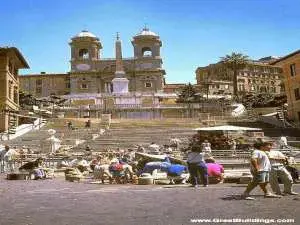
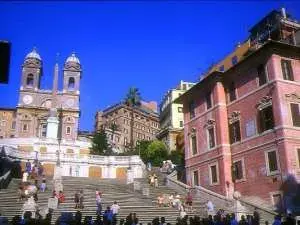
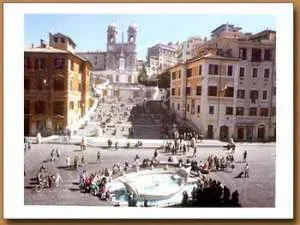
romeThe famous Spanish Steps, the longest and widest staircase in all Europe, are located in the most exclusive part of modern Rome next to Piazza di Spagna taking its name from the Spanish Embassy that used to stand there. On the right is Keats’ House, a monument containing memoirs of John Keats and other romantic poets of those times including Byron and Shelley. At the top of the steps is the French Church, Trinita dei Monti, built in the 16th C. Rome’s fashionable designer stores and boutiques situated in Via Condetti can be seen from these steps.This is a great place to sit and watch the world go by. At the foot of the steps is the famous Barcaccia Fountain, the work of Pietro Bernini and his son, Gian Lorenzo. The Steps have served as a meeting point for generations of travellers from the English grand tourists of the 18th C to the young people of all nationalities who flock here today.
 rome
romeThe English Romantic poet, John Keats, travelled to Rome to get away from the inclement weather of England and spent the last few months of his life in the Casina Rosa or Little Red House, where he bravely struggled to cope with his ailing health and where he tragically died of tuberculosis in 1821.The house situated at the foot of the Spanish Steps remains much the same from the outside as it was when Keats arrived in Rome.
Keep exploring Rome.
 rome
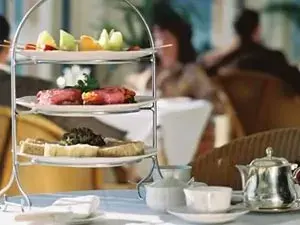
romeThis restaurant is popular for its excellent cooking and friendly management. The food includes many typically Roman dishes. Fish is available on Tuesdays and Thursdays only. Everything is prepared on the premises, including the desserts such as sour cherry tart. The atmosphere is comfortable and the service good.
 rome
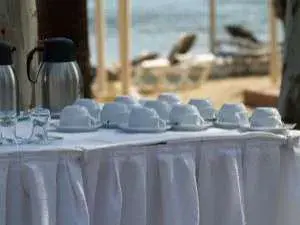
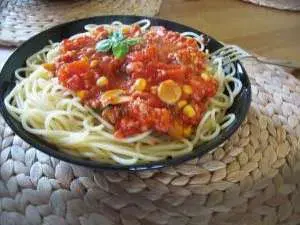
romeThis place, in the heart of Trastevere, specializes in delicious fish dishes such as the famous Spaghetti di Corsetti. Roman specialties as Bucatini alla amatriciana or Rigatoni alla pajata are offered with Italian wines.
 rome
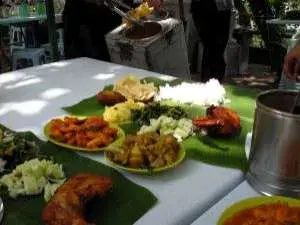
romeAway from home and missing all the favorite dishes available in your homeland? This Indian restaurant, located next to the Piazza Re di Roma won't let you feel homesick for a moment. The ambience created complements the classic Indian theme in such a way that it enhances the overall dining experience.
 rome
romeThis restaurant, in one of the loveliest areas of the city, is in a building that has been used as an inn since 1815 and is loved by both Romans and tourists. The menu offers excellent Roman dishes alongside classic Italian recipes including fettucine risottos, porcini mushrooms, different types of pasta, both fish and meat dishes and cooked vegetables. There is the usual array of coffee variation of excellent quality. The dessert specialty of the restaurant is the Tartufo truffle which was invented by its manager in 1931.
 rome
romeIt is an old Roman eatery serving traditional Roman specialties. The dining room is beautiful and comfortable and the service is excellent with most of the waiters who can understand and speak English. The menu is long and varied with traditional dishes like Rigatoni with Pajata, sweet breads, tripe and offal with artichokes It was even rated number 23 on the list of top 50 restaurants of the world in the 'Restaurant Magazine', sobeing served top quality food here is not surprising.
 rome
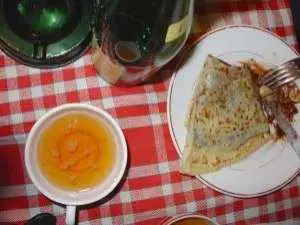
romeThe café has a lovely veranda overlooking Via Veneto and has been at the heart of Roman life since the 1950s. The cooking is excellent with only the freshest of ingredients being used. If you order a hamburger, it will be cooked in front of your eyes. The restaurant specializes in French cooking so you will find Quiche Lorraine, vegetable pie, crepes and of course oysters.
 rome
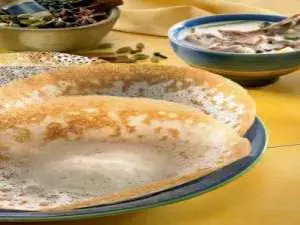
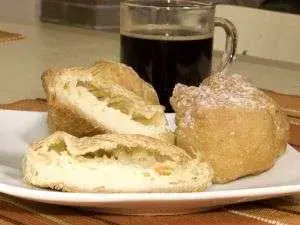
romeThis restaurant offers Indian regional cuisine with authentic taste brought to you at a fairly reasonable price in the heart of Rome. Years of experience and a mixture of spices give Indian food its unique identity that becomes music to the mouth- at Sitar - the Indian restaurant with a difference.
 rome
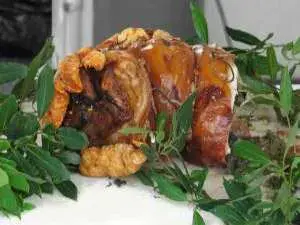
romeSituated between Piazza Santa Maria and Piazza Santa Egidio, this is a place where you can sit outside and soak in the wonderful atmosphere of Trastevere. Excellent food is available at moderate prices.
 rome
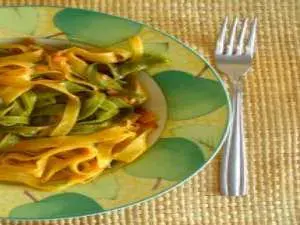
romeIl Matriciano is a family restaurant conveniently located near St. Peter's. Traditional Roman dishes are served here. Some of the regular dishes are spaghetti with clams, gnocchi with gorgonzola, pasta and beans and fresh fish. There is also a wide choice of wines. This restaurant is popular with Roman politicians.
 rome
romeThis is a historical restaurant at the edge of Trastevere, just across the river from the Campo dei Fiori area. Their menu offers traditional Roman dishes like Broccoli soup, pasta with chickpeas, pasta Matriciana style, gnocchi and also oxtail, Roman style meat rolls, tripe and fried cod. The restaurant has an attractive dining room with paintings of various Roman scenes on the walls and long strands of garlic hanging from the ceiling. A coffee, pastry and ice-cream shop has also been opened near the restaurant.