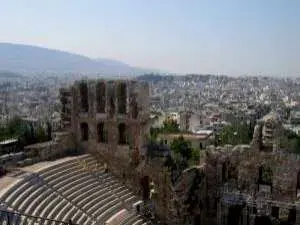
Theatre of Dionysos
Famous plays such as Oedipus Rex written by Sophocles were performed here, among others by Greece’s most famous poets (including Aeschylus, Aristophanes and Euripides).

Search for a city, hotel or experience
Live suggestions could not load. Press Search to view results.
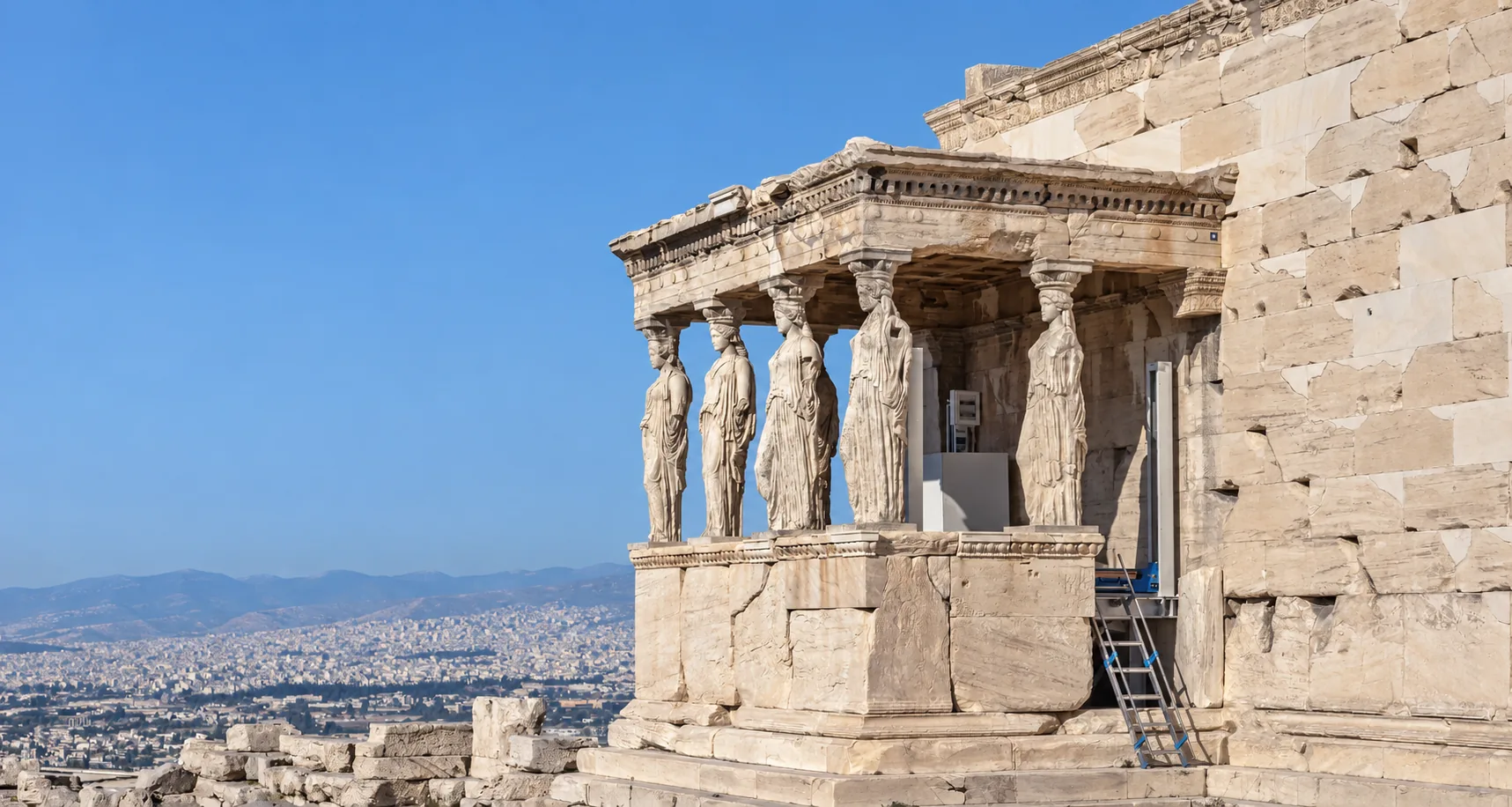
The Parthenon is the most important religious shrine on the Acropolis. You will be astounded by the size of this Doric temple, which once housed the giant statue of Athena. Its 46 columns are masterfully designed to negotiate the natural landscape. Unfortunately, visitors are not allowed to enter the building, both for preservation purposes and to allow restoration projects under way to continue uninterrupted.
City guide section
Showing 1–24 of 26 places
Browse the highlights below, then open any place for maps, area notes, and practical details.
Famous plays such as Oedipus Rex written by Sophocles were performed here, among others by Greece’s most famous poets (including Aeschylus, Aristophanes and Euripides).
This too is a private collection consisting of art dating from the Cycladic Era to the Roman times. C. There are over 200 exhibits ranging from marble statues to marble figurines to pottery.
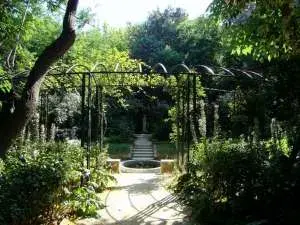
National Gardens
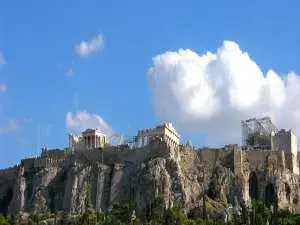
Pericles is the famous Greek responsible for the transformation of the Acropolis into a city of temples during the fifth century BCE.
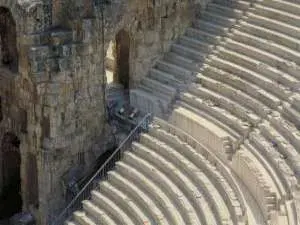
Built around 160 A.D. this is a magnificent theatre. Tourists can get tickets to watch ballet performances, theatrical performances and comedies staged here.
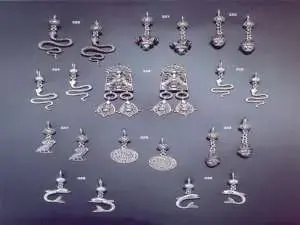
This is a fantastic museum showcasing intricate jewelry designs through the Cycladic, Byzantine and other eras of Greek history.
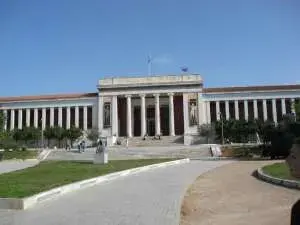
This is a world famous museum and a storehouse of significant archeological finds from different locations within Greece. A number of collections are worth seeing and give a deep understanding of Greek history.
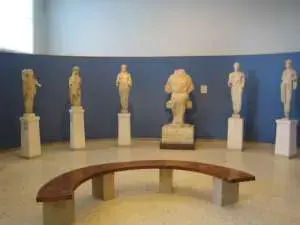
C pertaining to laws regarding worship in the Acropolis, inscriptions regarding homicide and orders instructing Athenians to flee the city and escape invasion by the Persians.
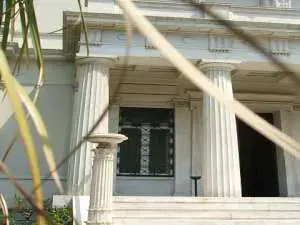
Treasures stored here range from gold goblets to intricate textiles, to bronze statues to entire rooms from Greek mansions in the 1700s.
This museum exhibits art pieces from Greece under Byzantine rule. Interesting icons, tapestries, frescoes and mosaics are displayed here.
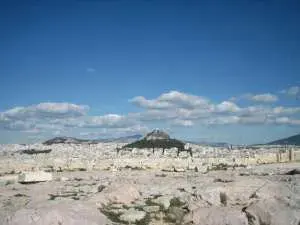
This mountain provides the most stunning view of Athens. A cable car railway takes tourists to the summit.
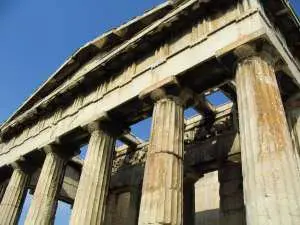
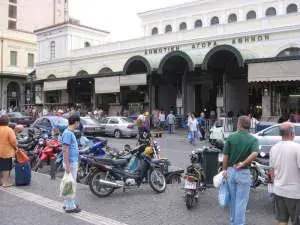
The Agora is the most renowned of Athens sites. C. It was the political, administrative, economic and social center of ancient Greece.
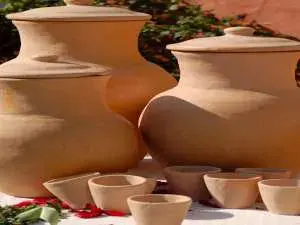
This is a wonderful museum which displays and exhibits Greek dress across the centuries and across various Greek regions, in addition to frescoes, rugs, blankets, embroidered linen, puppets and pottery.
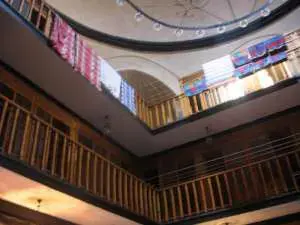
Bathhouses were built throughout Athens under Ottoman rule. This is the only surviving bathhouse that remains. It has been converted to a museum. It is spacious and gleaming with marble floors and basins.
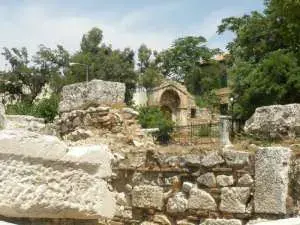
For 500 years from 100 BC to 400 AD this was the commercial heart of Athens. The market place buzzed with the sale of salt, oil and wheat along with a number of other merchants selling their products.
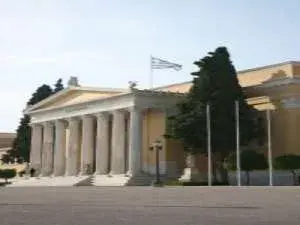
This museum is located in two neoclassical mansions. This museum exhibits contemporary European Art. Almost all of the paintings have as their focus, the human body.
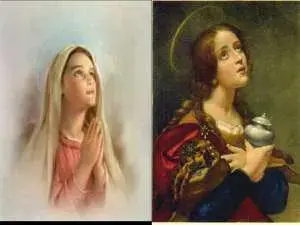
This is popularly known as 'The Virgin who answers prayers quickly'. This chapel was built in the 1100s and stored inside is a painting of the Virgin Mary dating to the 12-1300s.
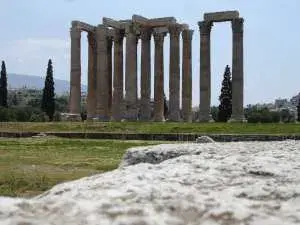
This temple is the largest in Greece and was once referred to as the 'Mother of all temples'. C. D, about 700 years later by the Roman Emperor Hadrian. Zeus’ statue made of gold and ivory is located here.
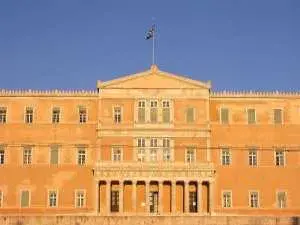
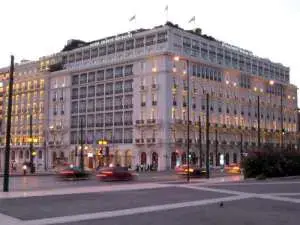
The most unique feature of this building is the change in its color throughout the day; from white to gold to mauve.
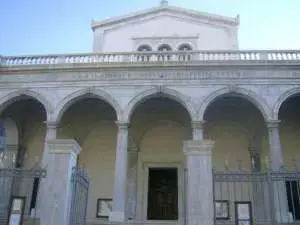
This museum was home to famed archaeologist Schliemann whose excavation of Troy made him a well known figure around the world. On display are over 50,000 Greek coins made of bronze, silver and gold.
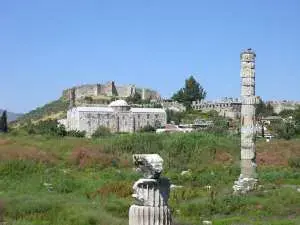
This sanctuary is connected with Greek mythology. It was built to commemorate Demeter's daughter Persephone being abducted by the god of the underworld, Hades.
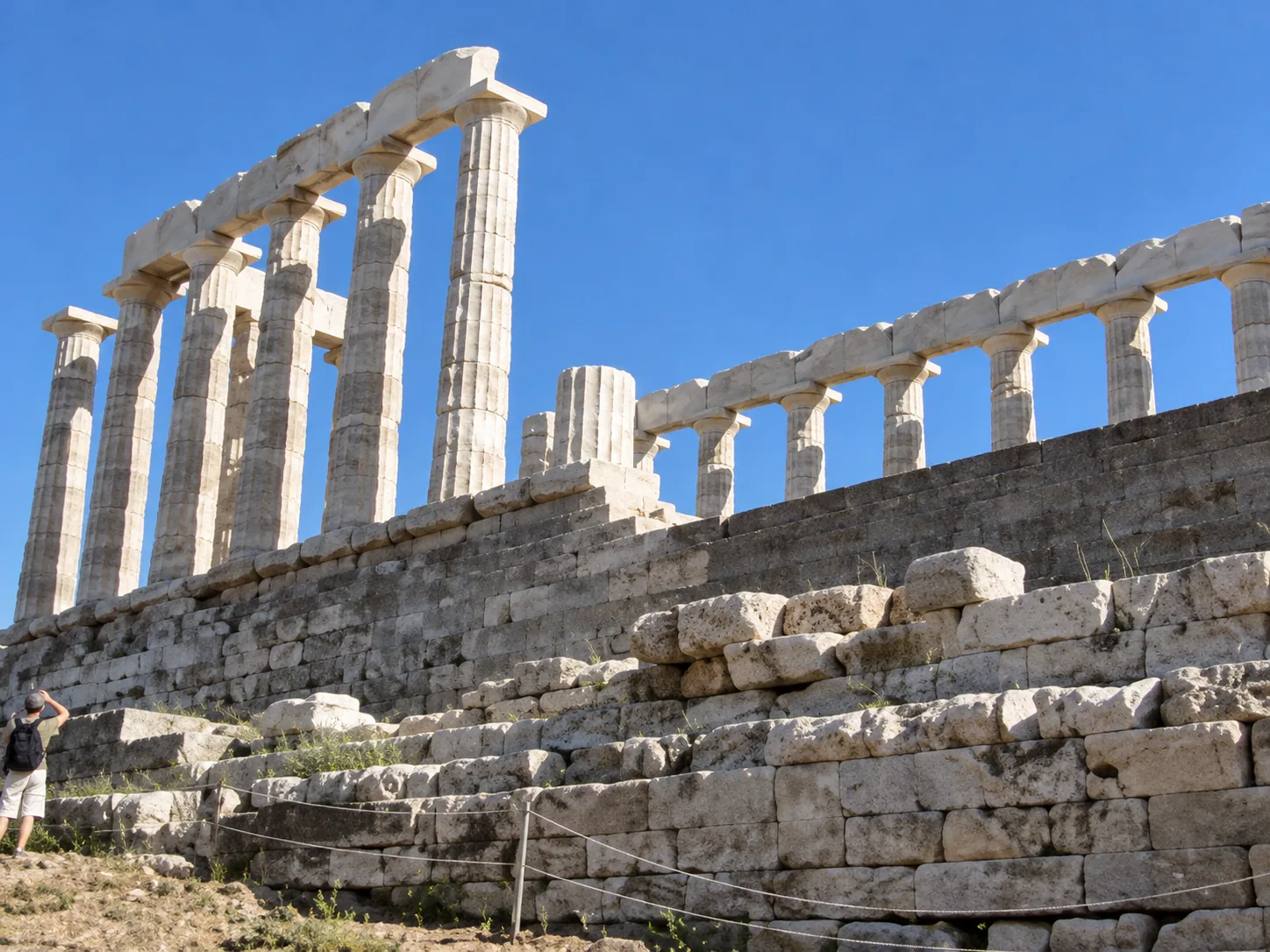
The temple of Poseidon is also not to be missed. Originally the temple consisted of 34 columns. Today 15 of these original columns are still standing.
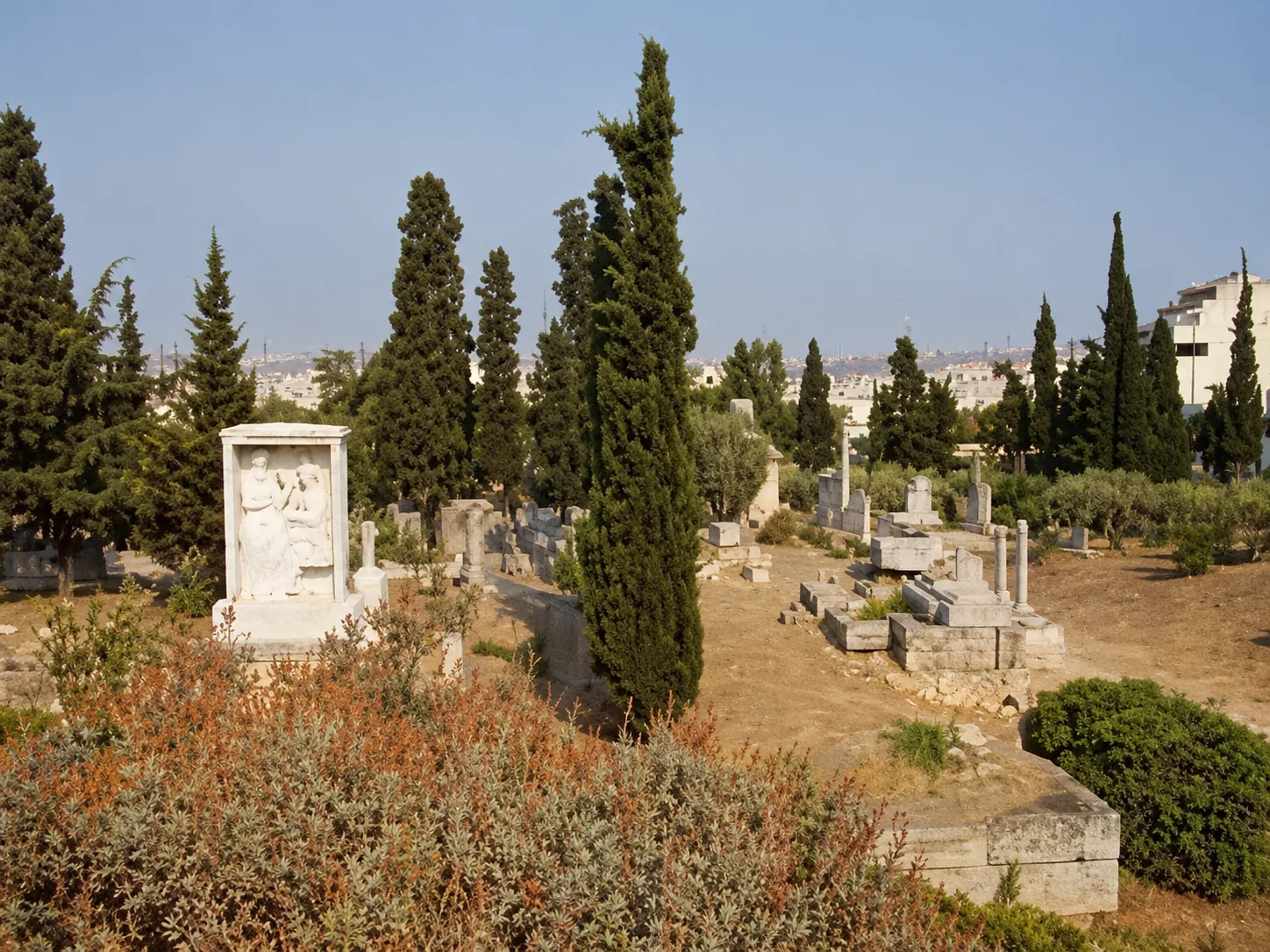
This is a very important cemetery and the most well known in Greece. Located just outside the city, this is where Athenian soldiers killed during the Peloponnesian War were buried along with others.
This is the place where the Persian army of 24,000 men fought against and were defeated by the Athenian Army comprising of just 1000 men.
Keep exploring Athens
Keep exploring Athens and add more stops to your plan.
Keep exploring Athens and add more stops to your plan.
Keep exploring Athens and add more stops to your plan.