Nejmeh Square
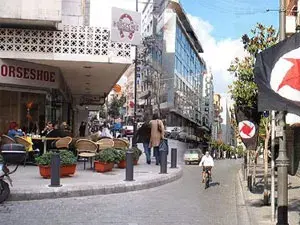
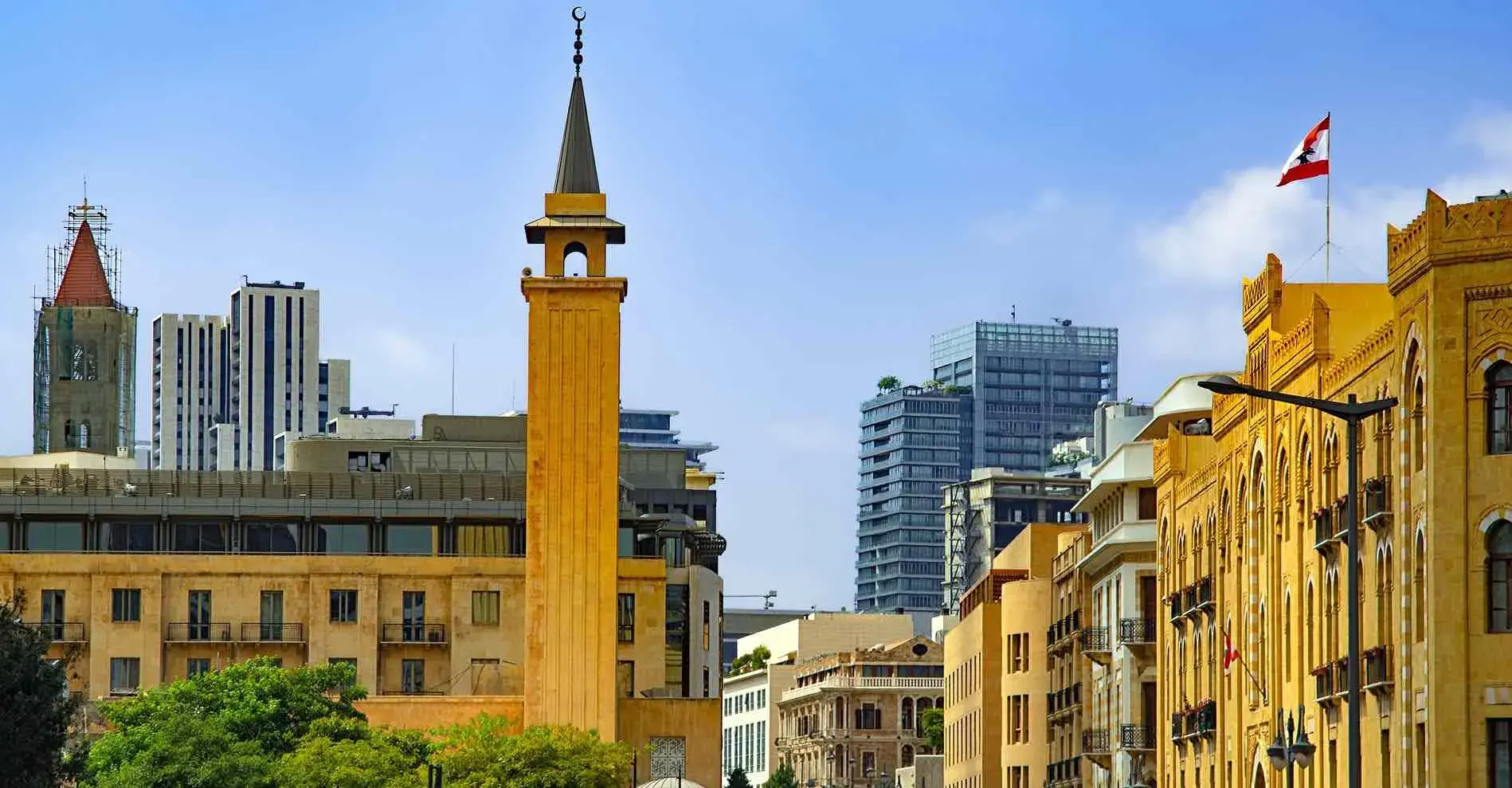
This centrally located square in Downtown Beirut has been recently renovated. ‘Nejmeh’ means star, and it is so named because the six roads converging on the square resemble a star.

Search for a city, hotel or experience
Live suggestions could not load. Press Search to view results.
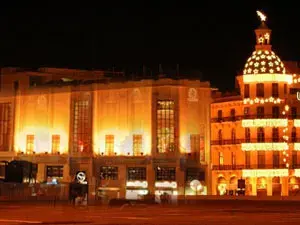
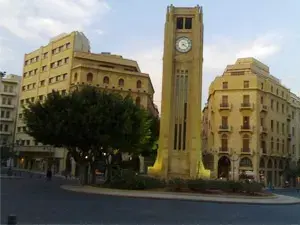
This centrally located square in Downtown Beirut has been recently renovated. ‘Nejmeh’ means star, and it is so named because the six roads converging on the square resemble a star. The highlight is the famous clock tower dating from the French Mandate. It is one of the few historic structures that remain intact in Downtown. Other than that, the square is pretty mundane. You’ll naturally run across it while you’re downtown, no need to go out of your way to see it.
City guide section
Showing 1–24 of 31 places
Browse the highlights below, then open any place for maps, area notes, and practical details.
This centrally located square in Downtown Beirut has been recently renovated. ‘Nejmeh’ means star, and it is so named because the six roads converging on the square resemble a star.
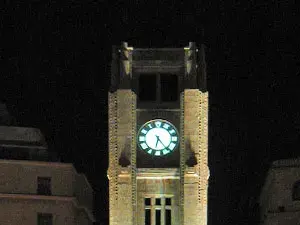
Located in Nejmeh Square (nejmeh means star, and is so named because the six roads converging on the square resemble a star) in Downtown Beirut, the Solidere Clock Tower is an iconic symbol of Beirut.
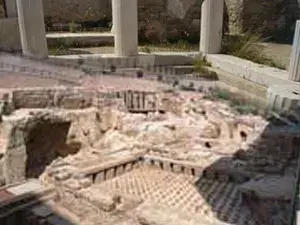
The group of five columns located to the left of the St. George Maronite Cathedral, were once part of a grand colonnade of Roman Berytus. They were found in 1963.
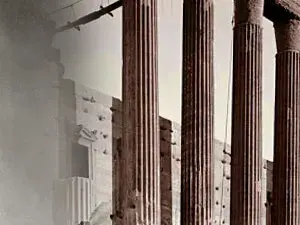
The Roman city of Beirut met a traumatic end in the sixth century after a series of devastating earthquakes. As a result, there is little evidence of the city’s glorious Roman period.
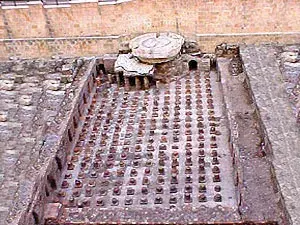
The Roman city of Beirut met a traumatic end in the sixth century after a series of devastating earthquakes. As a result, there is little evidence of the city’s glorious Roman period.
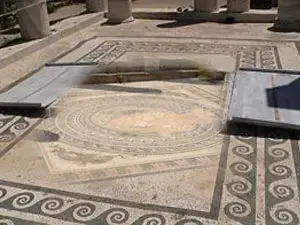
These mosaics came from a Byzantine church of the 5th century AD. They were moved from Khalde, south of Beirut to a site neat the National Museum in the 1950’s.
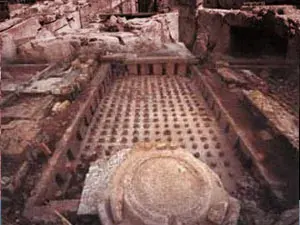
This highly carved colonnade was discovered in the 1940’s between Nejmeh Square and the Great Mosque. They were once a part of the Roman Basilica.
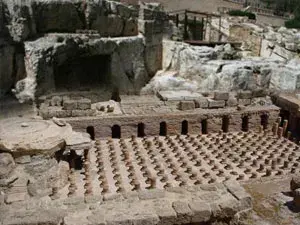
The Roman Baths were lost to the city for several years and were discovered in 1968-69. It wasn’t until the 1995-97 period of reconstruction that they were fully discovered.
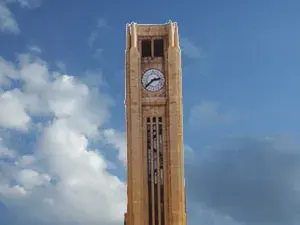
The Ottoman Clock Tower was built on the grounds of the Grand Serail in 1897. It marked the 10th anniversary of Sultan Abdul Hamid II’s coronation.
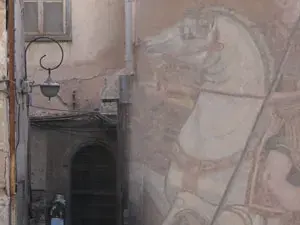
This military hospital right beside the Serail was built in 1865 by Sultan Abdul Aziz. From the period of the French mandate till the 1960’s it served as a courthouse.
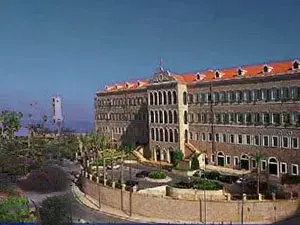
Serail Hill is Beirut’s main government center, overlooking the city center. There are three important monuments on the hill. The Grand Serail is the most impressive.
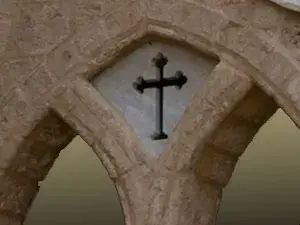
St. George Cathedral serves Lebanon’s Maronite Christian community. The church dates back to 12th century crusaders, but the modern iteration was built between 1884 and 1894.
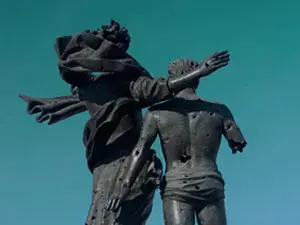
Located in the center of Beirut, Martyr’s Square (also known as Place de Canons and the Burj, so named for the Burj al Kachaf that occupied the square until 1874) is loaded with history.
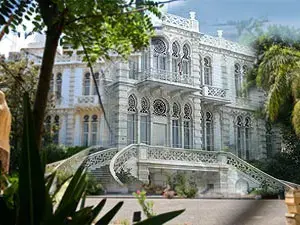
The first thing you’ll notice about this museum is the striking architecture – a blend of Venetian and Ottoman styles.
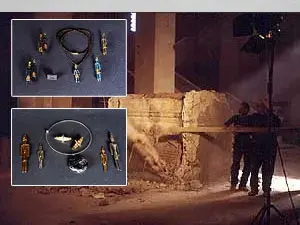
The Beirut National Museum can be traced back to Raymond Weill, a French officer stationed in Lebanon during World War II. During his time here, he began collecting ancient artifacts.
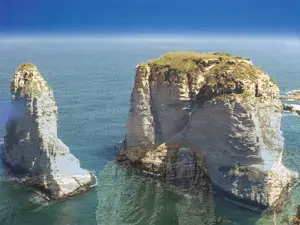
The Pigeon Rocks are huge natural formations off the coast of the Corniche andone of the symbols of Beirut. They stand out like sentinels in the sea.
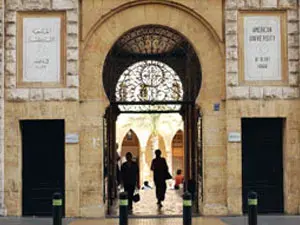
Assembly Hall was built in 1883 and has since changed names and functions. A chapel originally, it later became the venue for musical performances open to the public.
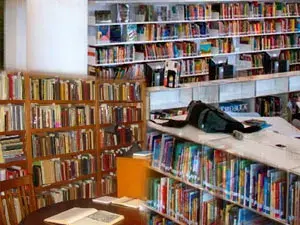
The Nami Jefet Memorial Library was built in 1951. Now fully updated and computerized it lists over 250,315 titles written in almost a dozen languages.
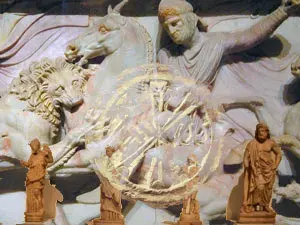
The archaeological Museum, begun only two years after the university itself, has a collection of objects from the Middle East region ranging from the Stone Age to Islamic times.
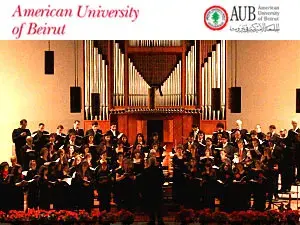
The American University of Beirut (AUB) was founded in 1862 and opened in 1866 by American missionaries. It is one of the best universities in the Middle East.
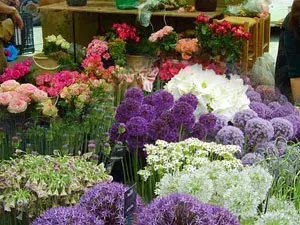
The Souk Al Tayeb is Beirut’s first farmer’s market and is a great place to get a feel for the city. Every Saturday, residents and visitors converge at this open-air market.
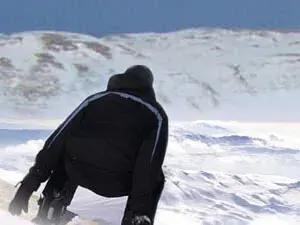
Mount Lebanon is the name of the mountain range that bisects the country. They are one of its greatest gifts. In the summer they provide spectacular views, hiking, and a relaxing escape from Beirut.
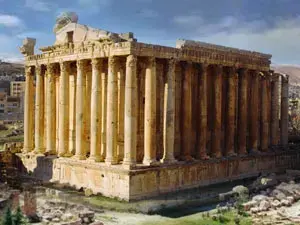
Baalbek is perhaps Lebanon’s greatest treasure. During Greek and Roman times it was known as Heliopolis, or City of the Sun, though the area had been settled for thousands of years prior.

Though modest in number (about 400), each cedar is a dignified survivor of ancient times when cedar wood played a major role in the earliest history of Byblos, Sidon and Tyre.
Keep exploring Beirut
Keep exploring Beirut and add more stops to your plan.
Keep exploring Beirut and add more stops to your plan.
Keep exploring Beirut and add more stops to your plan.