Why visit
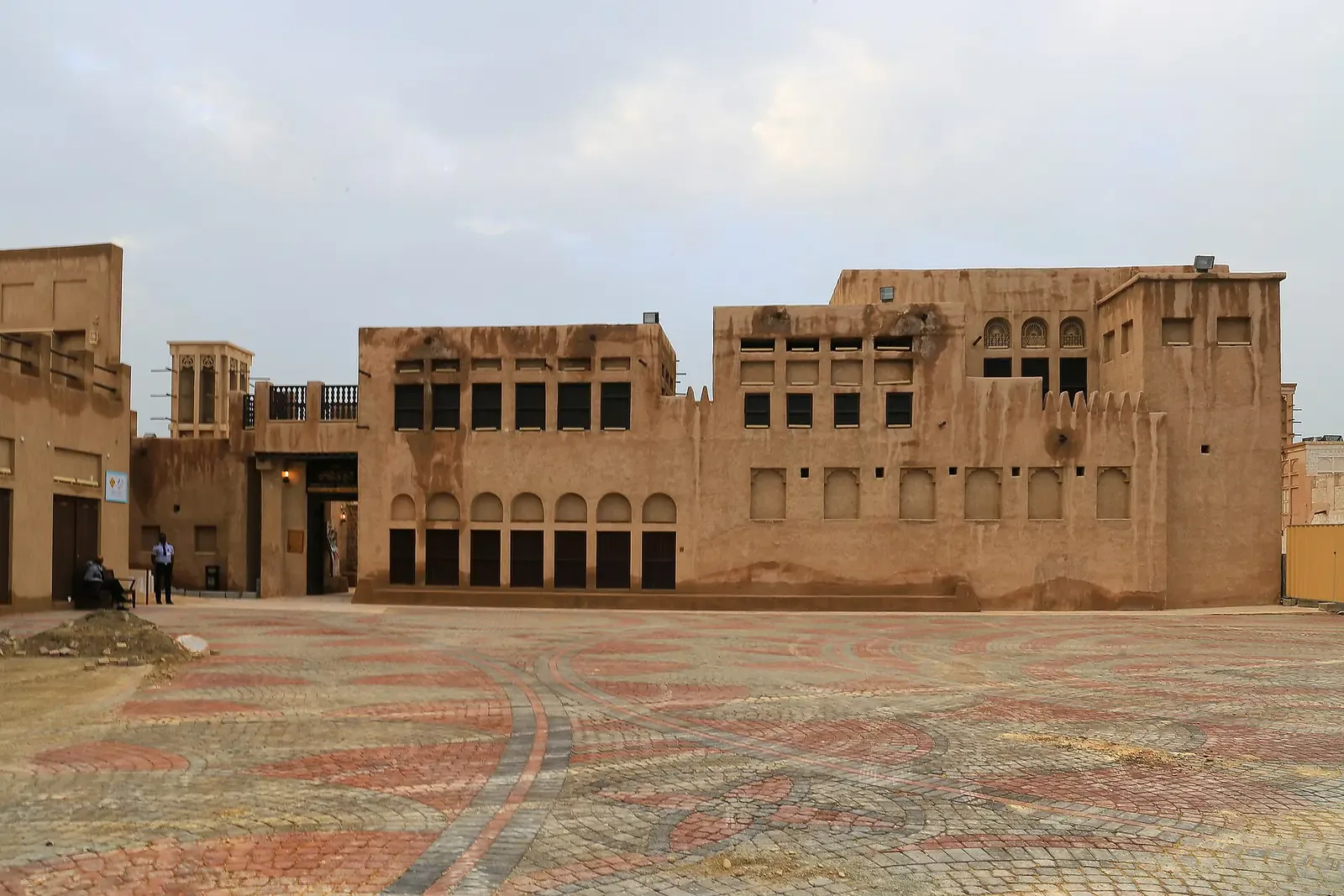
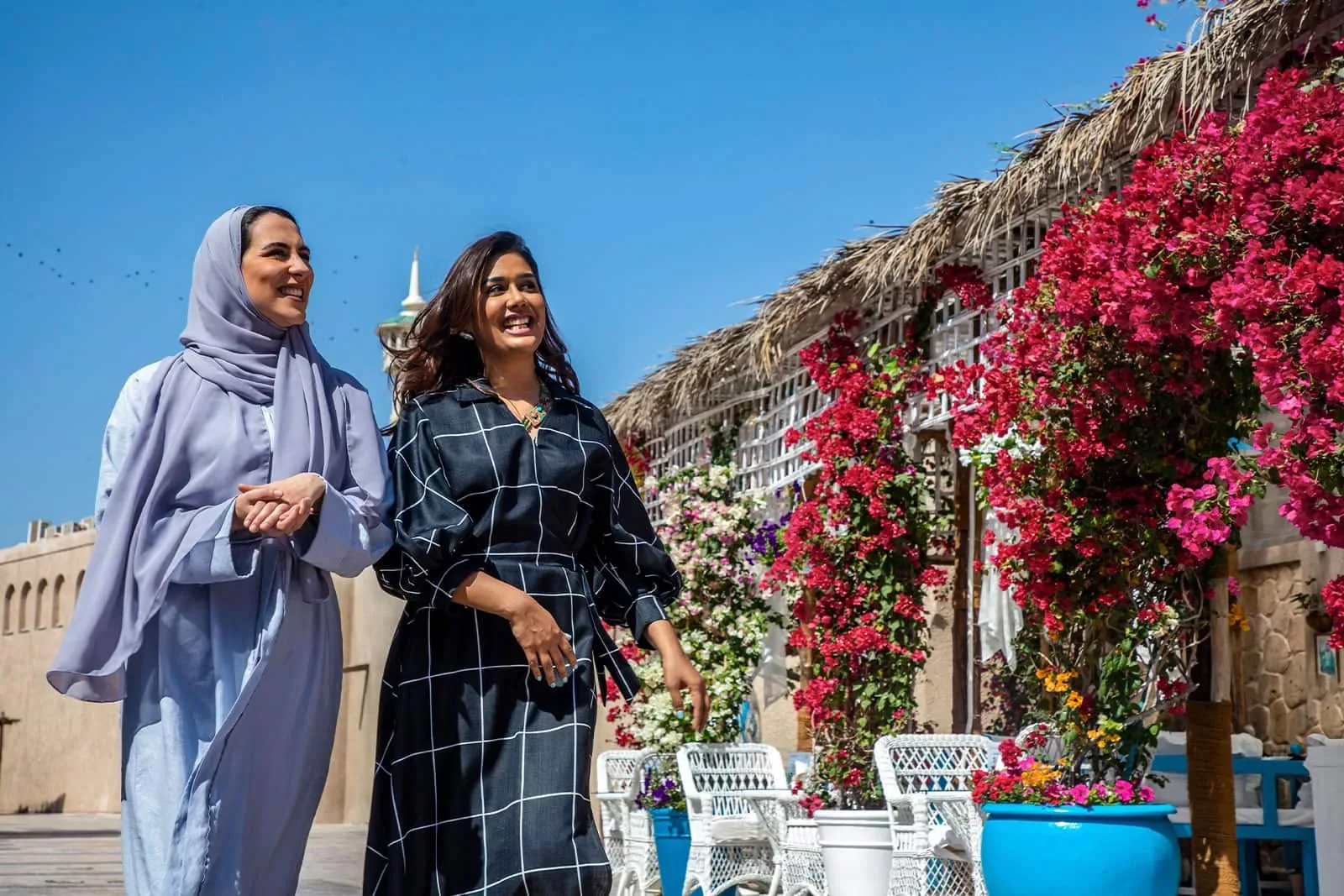
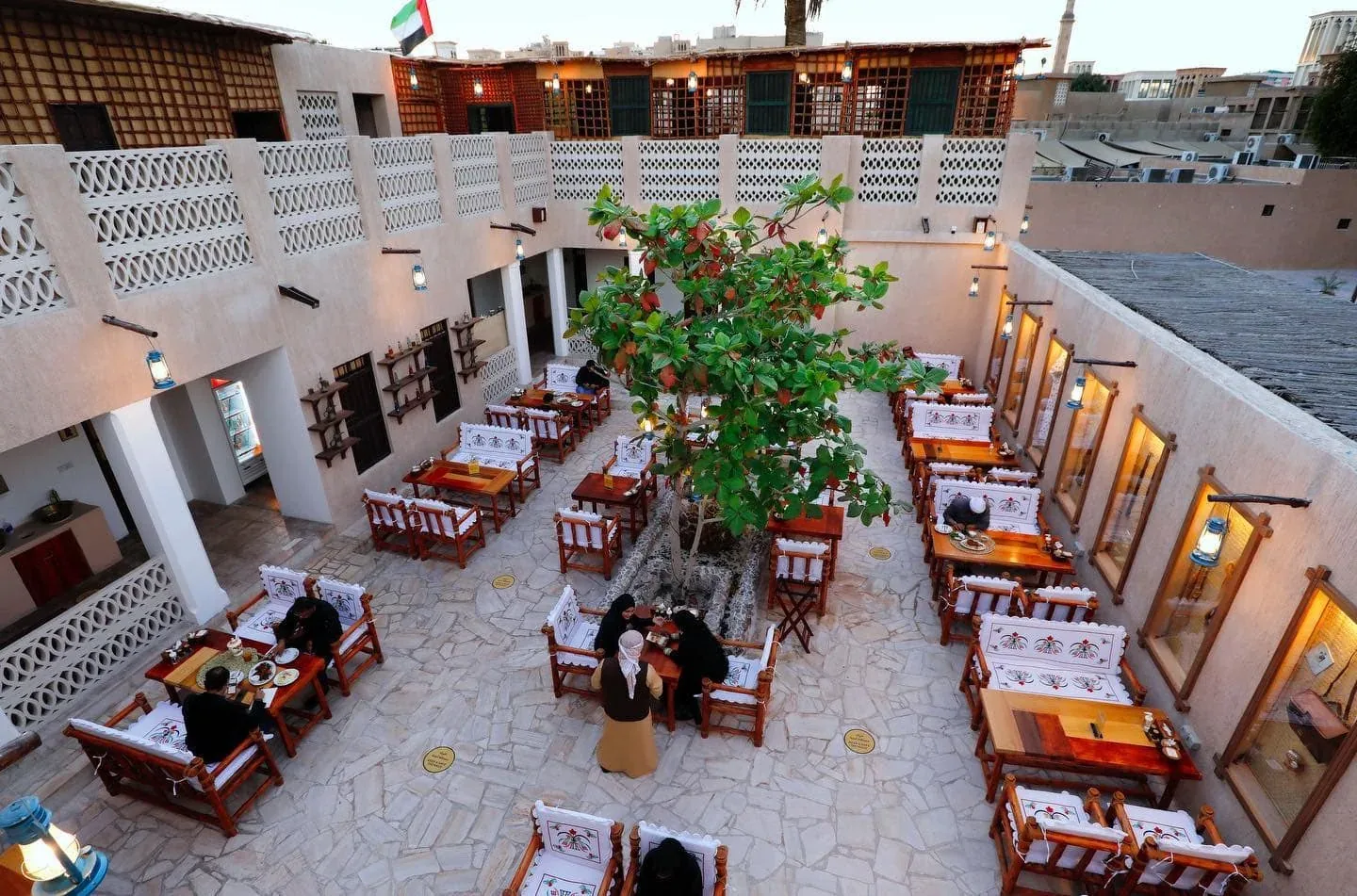
Al Shindagha Museum is one of Dubai’s most important heritage stops because it frames the city through the creek, trade, family life, and traditional architecture rather than through skyline spectacle. Dubai Culture’s national cultural map describes it as the largest open-air heritage museum in the UAE, with 22 pavilions spread over 80 historic houses and a history narrative reaching from the mid-nineteenth century to the 1970s.
What to see
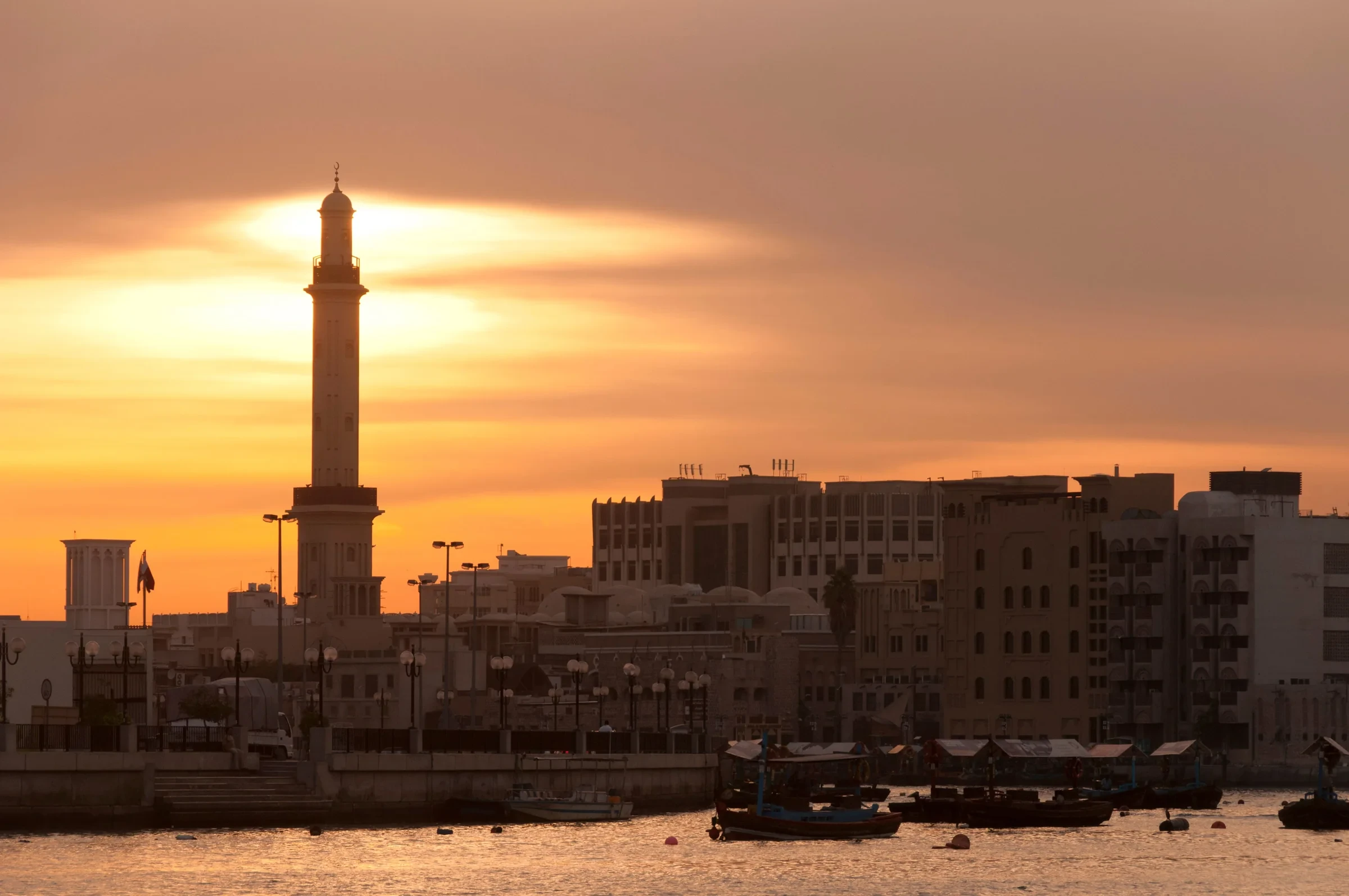
That scale matters for travelers: this is not a quick photo stop, but the right place to understand why Old Dubai still feels connected to the modern city. The museum brochure highlights subjects such as perfume, sea life, crafts, children’s heritage, traditional jewellery, and the Al Maktoum residence, which makes it particularly valuable for visitors who want cultural context before or after the creek and abra experience.
Plan your visit
For Muslim travelers, the museum is especially useful because it explains the local social fabric in a way that complements mosque visits and creek walks. The museum’s own materials point to tours, workshops, and family trails, so it works well for parents who want a meaningful indoor-outdoor combination rather than a purely scenic visit.
Good to know
Use it as a half-day base in Al Shindagha or Al Fahidi rather than as a rushed add-on. The official contact reference on Dubai Culture’s cultural map gives a call centre number and email, and the museum’s published materials show daily opening patterns; plan ahead because museum programming and workshop schedules can vary.
Good to know
The best way to use Al Shindagha Museum in Al Shindagha, Bur Dubai is to connect it to the surrounding district. Check current timings, ticket or access rules, prayer breaks, transport and the heat before you go, then decide whether it belongs in a morning, sunset or evening block. Dubai rewards visitors who group nearby stops intelligently; this place becomes stronger when it helps the day flow instead of sitting alone on a checklist.