Why visit
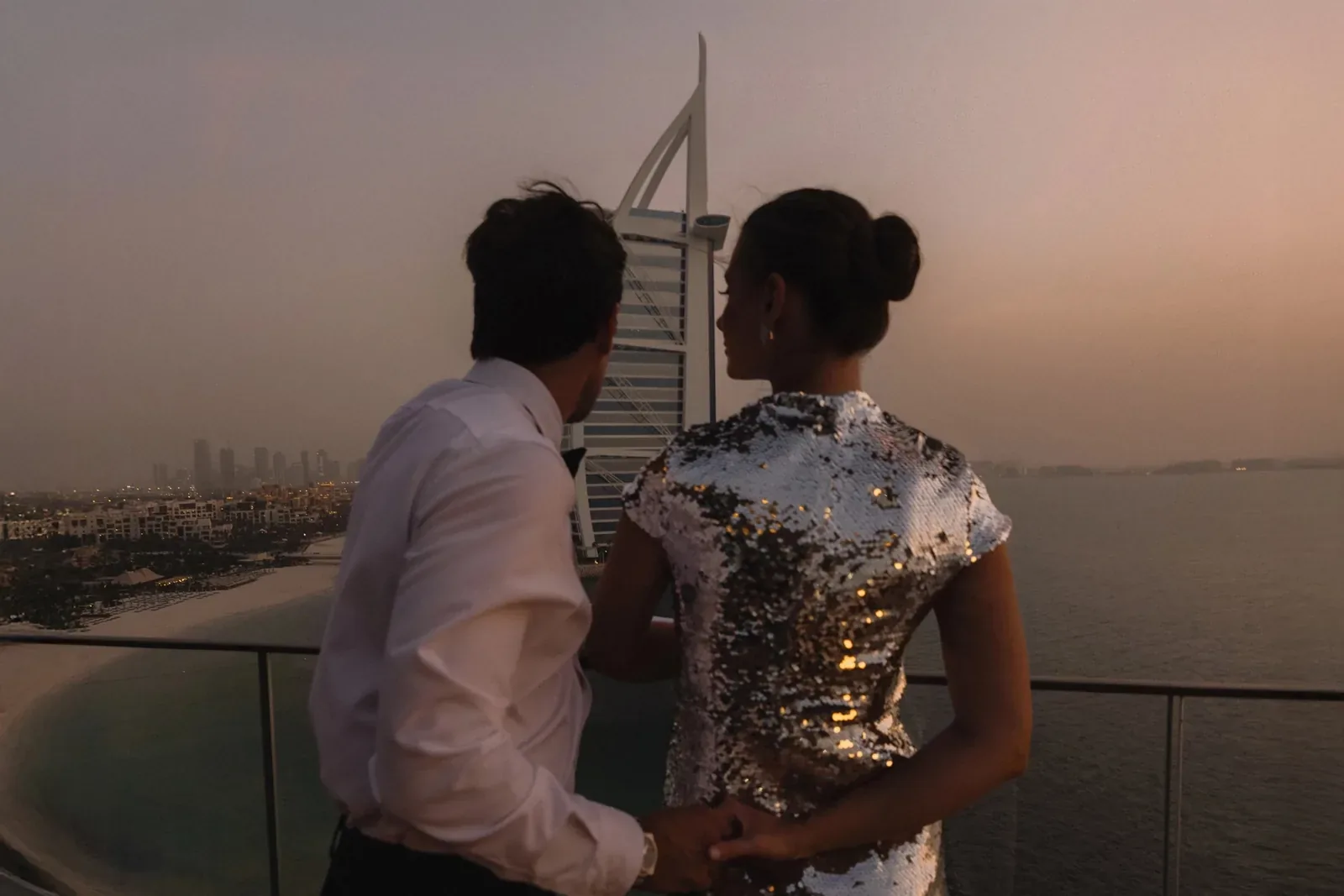
Jumeirah Burj Al Arab is one of Dubai’s most recognizable architectural symbols, set on its own island and long associated with the city’s high-luxury image. Visit Dubai notes that the property is currently closed for an 18-month restoration project and is due to reopen in October 2027, so the practical reason to include it now is planning rather than entry.
What to see
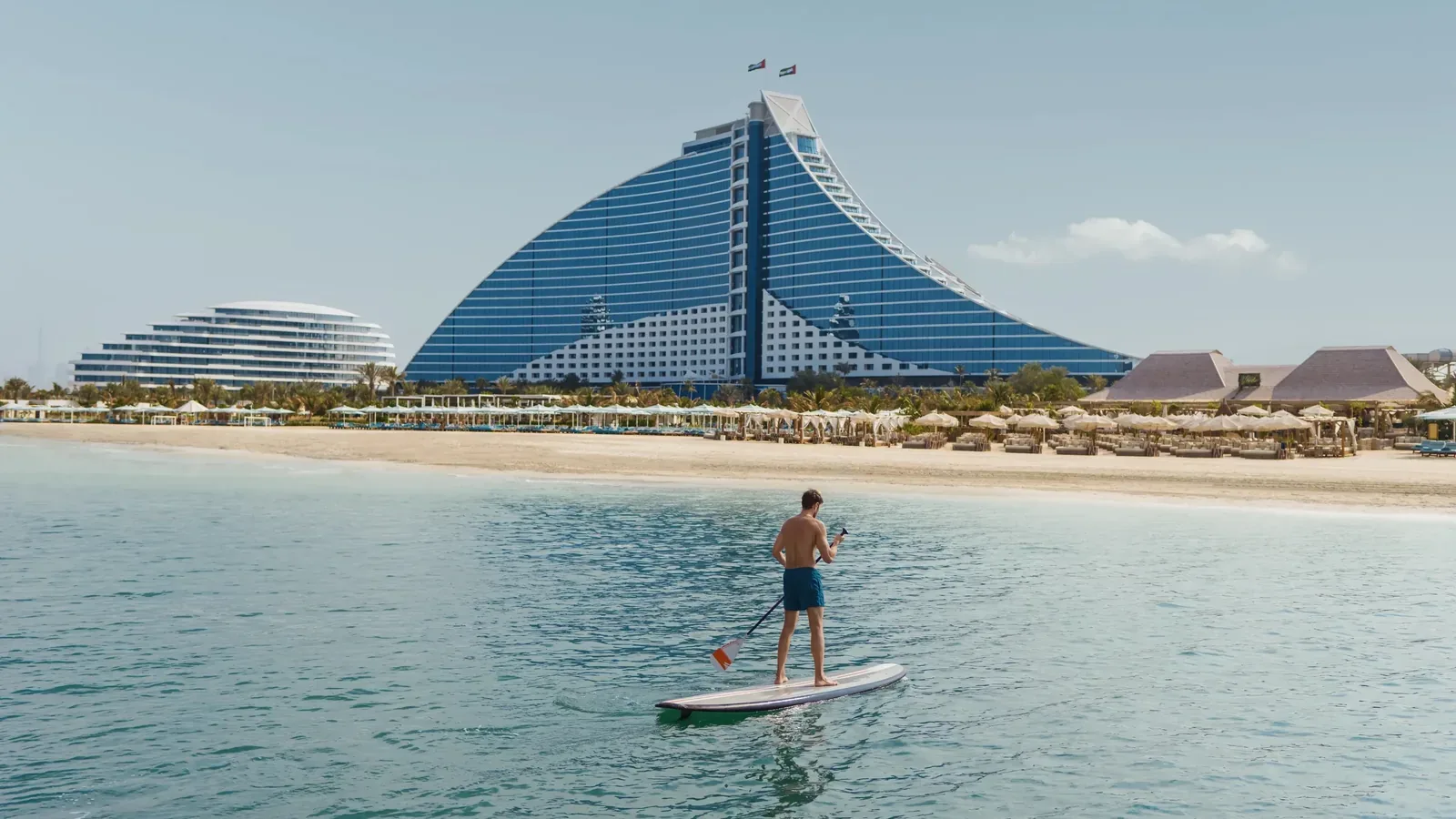
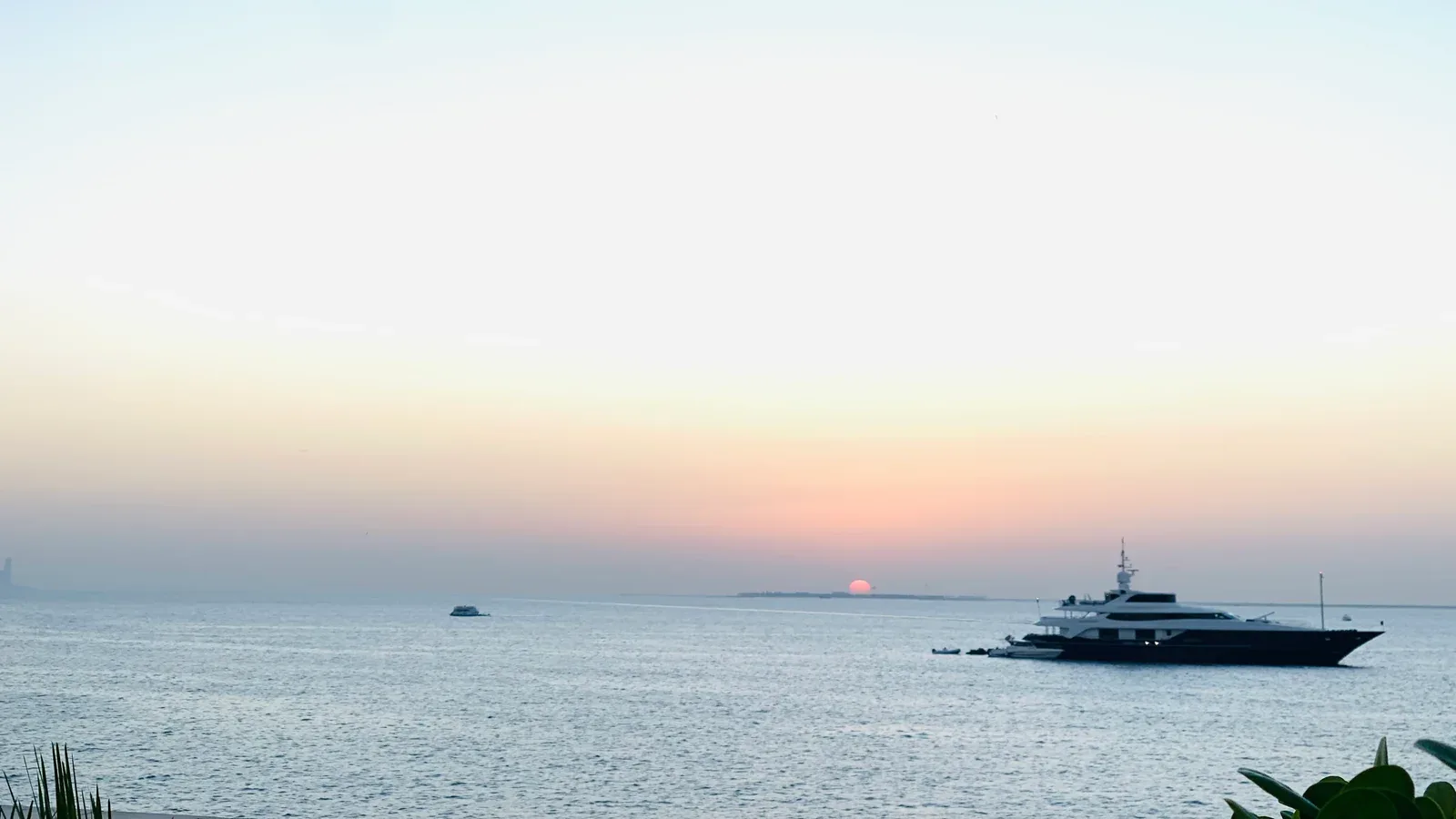
What to notice from the outside is the silhouette itself: the dhow-inspired sail form, the island setting, and the way the hotel anchors the Jumeirah coastline. For travelers building a first Dubai route, this is one of the clearest visual shorthand landmarks for the city’s modern era, especially when paired with a beach drive or a sunset stop in Umm Suqeim.
Plan your visit
Because interior access is unavailable at present, the smartest way to use the landmark is as a skyline and photo stop, then continue to a nearby beach, café, or mosque-friendly lunch in Jumeirah. It also fits well into a premium Dubai day with Kite Beach, Souk Madinat Jumeirah, or a sea-view drive on Jumeirah Road.
Good to know
For Muslim travelers, the main practical note is simple: treat Burj Al Arab as a closed landmark until reopening, and plan the stop as an exterior view rather than a visit. That makes it a low-friction addition to a family or premium itinerary, with no need to budget admission time for the building itself right now.
Good to know
The best way to use Jumeirah Burj Al Arab in Jumeirah 3 / Umm Suqeim is to connect it to the surrounding district. Check current timings, ticket or access rules, prayer breaks, transport and the heat before you go, then decide whether it belongs in a morning, sunset or evening block. Dubai rewards visitors who group nearby stops intelligently; this place becomes stronger when it helps the day flow instead of sitting alone on a checklist.