Overview & visitor information
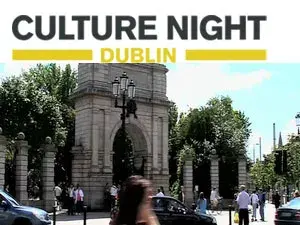
September 11-26 Celebrate a free night of culture where museums, art galleries, art studios and cultural centres stay open till late. For more information, www.culturenight.ie

Search for a city, hotel or experience
Live suggestions could not load. Press Search to view results.
September 11-26 Celebrate a free night of culture where museums, art galleries, art studios and cultural centres stay open till late. For more information, www.culturenight.ie
September 11-26 Celebrate a free night of culture where museums, art galleries, art studios and cultural centres stay open till late. For more information, www.culturenight.ie
Keep exploring Dublin.
 dublin
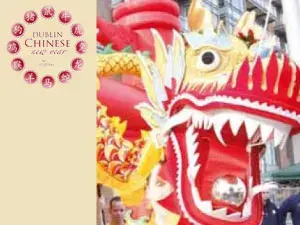
Feb 12-21 Venue: Dublin City Centre What began two years ago (2008), the Chinese New Year Festival has become extremely popular among the locals. The 2010 Festival will celebrate the year of the Tiger and aims to promote integration and strengthen Ireland’s multicultural society. The festival will showcase cultural parades and dances, exhibitions, art and music. The highlight of the event is the Chinese Carnival, on the 14th of the month, to commemorate Chinese New Year Day as well as Valentine’s Day. Entry is free for all. For more information, check out www.dublin.ie/cny
 dublin
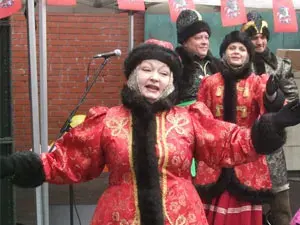
Feb 15-21 Aiming to promote culture and heritage, the festival includes Russian storytelling, photographic exhibits, musical performances and food stalls selling authentic Russian cuisine. Entry is free. For more information, check out http://www.dublincity.ie/russianfestival
 dublin
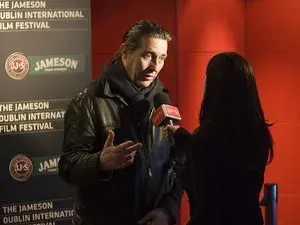
Feb 18-28, 2010 Venue: Various city centre cinemas Film screenings, glitz, glamour, interviews with celebrities and panel discussions, the film festival takes place over the course of eleven days.
 dublin
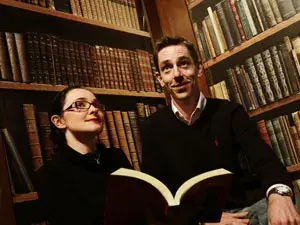
March 6-8, 2010 The Irish, known for having contributed some of the most important works in classical and contemporary literature and art, choose to celebrate by holding the Dublin Book Festival on the 6th, 7th and the 8th of March. Held at the historic City Hall, the event is packed with readings, interviews, talks, debates, book launches and workshops for all ages, and featuring over 100 Irish writers and publishers. Also available at the festival are books for sale. For more information, www.dublinbookfestival.com
 dublin
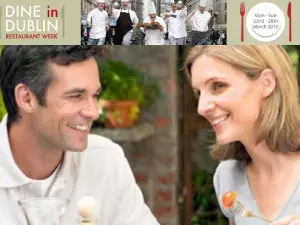
March 22-28 With over 50 restaurants participating in the Dine in Dublin week, this is truly a culinary and gastronomic adventure. Discounted rates of E25 to E30 per person covers a three-course meal (including tea or coffee) at any of the restaurants on the list. Some of the hotels also offer customers 10% off on the lowest quoted rates on their rooms. For more information on the types of cuisines on the menu, http://www.dineindublin.ie/
 dublin
March 25-28 The Dun Laoghaire-Rathdown Poetry Now Festival 2010 is a celebrated literary event, currently in its 15th year, which plays host to poets of various nationalities and different languages. For more information, http://www.poetrynow.ie
 dublin
Easter is a religious festival celebrated by marking the crucifixion and resurrection of Jesus Christ, and follows the dates according the Christian liturgical calendar. A public holiday between the 2nd and the 4th of April, Easter will bring together families for meals and celebration. Children especially enjoy this festival because of the ‘Easter bunny’ and the various gifts and sweets they receive from friends and family.
 dublin
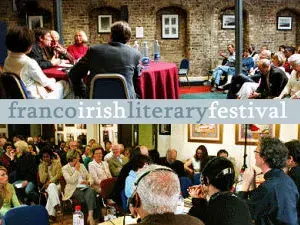
April 16-18 Irish and Francophone writers from across Ireland gather at the festival to exchange ideas, experiences and to debate. Each year the festival is given a specific theme which writers discuss and debate in an informal setting.
 dublin
April 21-25 The puppet festival takes a look at the evolution of puppet theatre around the world, as well as latest innovations and ideas that inspired it. Taking place in Dublin for the 17th consecutive year, this year’s Dublin Puppet Festival will be held from 19th – 25th April 2010. The festival brings together performers and artists from all over the world, known for their work in the puppet show business, and is a treat for people of all age groups, especially children.
 dublin
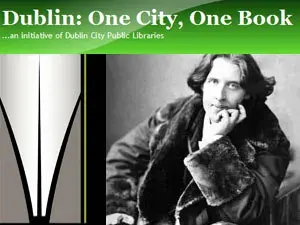
April 1-30 Each year one book is selected for everyone in the city to read (in the month of April) and discuss. This year’s book is The Picture of Dorian Grey. This project was initiated to encourage everyone to read as well as in recognition of Ireland’s literary heritage. For more information, www.dublinonecityonebook.ie
Keep exploring Dublin.
 dublin
What better way to spend the day than to make a trip to the Dublin Zoo, spread over 60 acres and divided into different regions like the Artic zone, plains of Africa and the Indian Rainforest. It houses elephants, tigers, orangutans, chimpanzees, giraffes and many more exotic and endangered species. The zoo is definitely family friendly with rest stops, nursing stations, food outlets and kiosks. Known as one of the modern zoos in Europe, the Dublin zoo plays a crucial role in the zoo breeding programmes. The zoo is accessible by the DART, bus or the Luas. In case you want to walk, although not advisable when going with children, the zoo is approximately 15 minutes away from the Heuston Station Stop. Children under 3 years get free entry.
 dublin
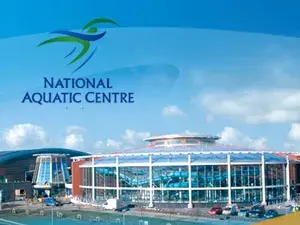
Europe’s largest leisure, water park, the Aqua Zone has a bit of everything for people of all ages but even more so for children. If you and your children enjoy water adventures and thrilling rides, then this water wonderland is the right place for you. Rides include the Master Blaster (a water roller coaster), wave pool and the Flow Rider among others. Children under 4 get free entry.
 dublin
With over 2500 paintings, a free tour of the gallery on the weekends and free audio guides, this is the perfectly family friendly especially with teenage kids and when traveling on a budget. Admission throughout the week is free.
 dublin
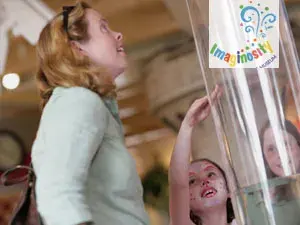
Being Ireland’s first interactive museum for children under 9, it has become extremely popular. Exhibits are fun, exciting and extremely engaging. The musuem has an art studio so kids can get wild with colours and their imagination and a kid’s stage where children can create their own stories, try on different costumes and change the props on the stage. The museum also has a café (Café Kiddiccino) which specifically offers healthy and nutritous food for the entire familiy. In short, this will ensure a fun-filled day for your toddlers!
 dublin
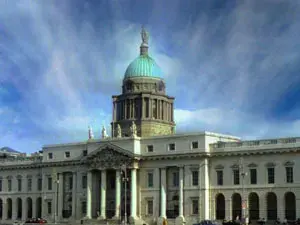
The Custom House was built between 1781 and 1791 by James Gandon. As its name would imply, it served as the Customs House for the port of Dublin. The Neoclassical facade and its signature dome became a symbol of Dublin, even after the port moved downstream. It became the center of the city's local government (and a symbol of the English occupation) until 1922, when the interior was burned by the Irish Republican Army.
 dublin
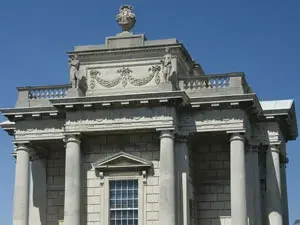
Marino Casino is not a casino in the modern sense. It is actually a small villa built in the mid-eighteenth century by Scottish architect Sir William Chambers. The name is derived from Italian, and means 'little house'. Completed in 1775, it is a striking example of Neoclassical architecture. The casino was part of the estate of James Caulfeild, the 1st Earl of Charlemont.
 dublin
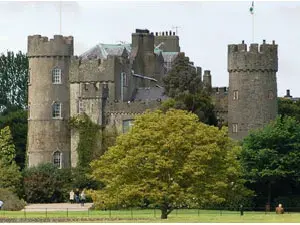
Malahide Castle is one of the oldest in Ireland. The estate was founded 1185 for Richard Talbot, a knight who came to Ireland with Henry II during the Norman invasion. The Talbot family would continue to live on the estate until 1975, barring the 1650s during Cromwell's occupation of Ireland (the interlopers were subsequently hanged). Construction on the castle began in the mid-thirteenth century, though the oldest surviving portion is a three-story, keep-like tower from the fourteenth century.
 dublin
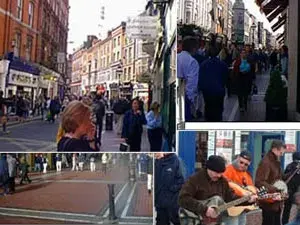
Grafton Street is one of two pedestrian shopping avenues in central Dublin (along with Henry Street). It runs from the northwest corner of Saint Stephen's Green to the west side of Trinity College. Though Henry Street receives more visitors, Grafton Street has more upscale retailers. This is one of the most expensive commercial streets in the world.
 dublin
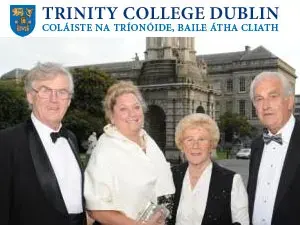
Trinity is Ireland's oldest college. Its charter was granted by Queen Elizabeth in 1592 as part of the effort to consolidate English control of Ireland. Catholics were not allowed entry into college until 1793, and all such restrictions were banned by 1873. The university started to grow in the eighteenth century as the political situation in Ireland stabilized. Many of the campus' most spectacular buildings date from this period. Today, Trinity is the most prestigious college in Ireland, and in the top tier of worldwide universities.
 dublin
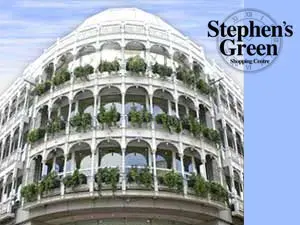
Saint Stephen's Green was a common area on the outskirts of Dublin when it was walled in in 1664. In the 18th and 19th centuries the are surrounding the park was built up with Georgian style buildings that were home to the city's best off. Unfortunately, many of those buildings have been demolished since then. In 1877, the Green was opened to the public by an act of Parliament, thanks to the Guinness family. Previously it had only been open to local residents.
Keep exploring Dublin.
 dublin
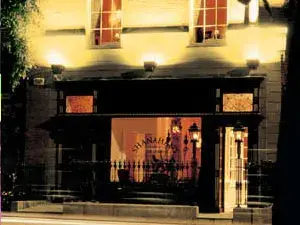
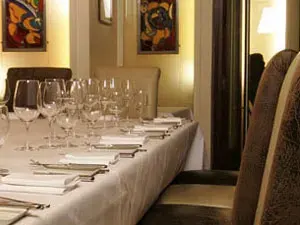
Cuisine - American Considered to be one of the most priciest and classiest restaurants in Dublin, Shanahan’s is favourite among tourists who want an elegant night out, or for business dinners. Located in a 250 year old building, the restaurant oozes out the history of magnificent Irish Georgian lifestyle. The restaurant is known for it’s variety of steaks and seafood, served in delicious sauces and blends of flavours. Customers can also choose a number of side dishes to go with the main course, like vegetables, potatoes, corn etc, all prepared in a unique way. Shanahan’s offers the perfect mix of traditional Irish flavours with a modern blend of gourmet fine dining. The restaurant can also be booked for large corporate meals of 30 persons or more, and there are private rooms available as well, on request. Monday - Friday from 5.30pm Saturday from 6.00pm Open for lunch every Friday from 12.30 to 2.00 pm.
 dublin
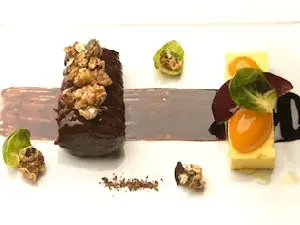
Cuisine - French/Irish/Continental Famous celebrity chef Derry Clarke is the proprietor of this popular restaurant. L’Ecrivain is known for its specialty in combining the best of two worlds, French and Irish cuisine. It’s relaxed, yet classy ambience, allows diners to feel comfortable while enjoying their perfect meal. The restaurant strives in perfecting the art of dining, by collaborating old-fashioned recipes with a contemporary minimalist design and approach. The restaurant is open Monday to Friday from 10am until 11pm, and Saturday 4pm to 1am.
 dublin
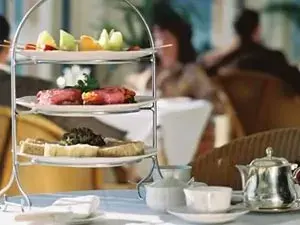
Address: 21 Upper Merrion St., Southeast Dublin, Dublin, Co. Dublin, Dublin 2 Phone: 01/676-4192 www.restaurantpatrickguilbaud.ie Cuisine: French French food with a contemporary twist; the chef uses some Irish ingredients to mix up traditional French recipes. Its no wonder then that this restaurant has been awarded two Michelin stars. Located inside the Merrion Hotel, the décor is as impressive at the food. According to reviews, even the simplest of food with basic ingredients tastes absolutely divine. Lunch menu here is slightly more affordable.
 dublin
Anyone visiting the Dublin Writers Museum must stop to have lunch at Chapter One. Located in the stone-walled basement of the museum, the restaurant serves heavenly food. Especially well-known is the bread-and-butter pudding served here.
 dublin
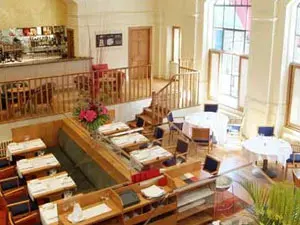
Very posh and chic, the Unicorn serves Mediterranean cuisine and is possibly one of the more popular restaurants with the locals. Reservations are needed and mobile phones have to be on silent before seating. If you can, try to get a table on the terrace so you can dine with a lovely view of Merrion Court.
 dublin
If you want to catch a glimpse of celebrities, possible Bono or The Edge, here’s you chance. Since the U2 men own the Clarence Hotel, many celebrities (including the two of them) have been spotted here. Although the menu isn’t very extensive, the food here is delectable. Also, with a chance to bump into a celebrity, what’s not to love?
 dublin
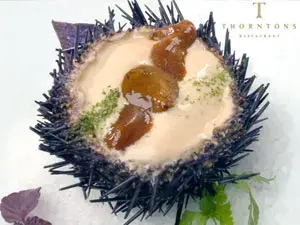
Cuisine - Irish fine dining/ Continental Owned by famous Irish celebrity chef, Kevin Thornton, the restaurant stands on a class of its own. With two Michelin stars, the restaurant is one of the top ranked restaurants in Ireland, making Thornton the first Irish chef to receive two stars. The fabulous location overlook St Stephen’s Green, the restaurant is a pleasure to dine in. with an extremely strong wine list and delicate presentation of each dish and course, diners are treated with utmost precision in everything they order and eat. Customers can choose to be seated in any one of the three exclusive areas of the restaurant; the canapé lounge, the dining room and the private dining, and have to be booked in advance. Some of the “designer food” available at Thornton’s include artichokes, breast of guinea fowl with pistachio, seared king scallop and shellfish tortellini. The desert menu is another venture as well, with mouth-watering creations like the Opera Chocolate Mousse with Mango and Passion Fruit, and the Warm Apple Tartlet with Californian Raisin Ice Cream among others.
 dublin
Bewley’s serves the finest coffee (hand-roasted at the café) in all of Dublin. But besides that, they also serve a hearty breakfast, salads, pastas, pizza and so much more! A local favourite, be sure to stop by Bewley’s – at least for a cup of Fairtrade tea or coffee or maybe to watch a play at Café Theatre, part of Bewley’s.
 dublin
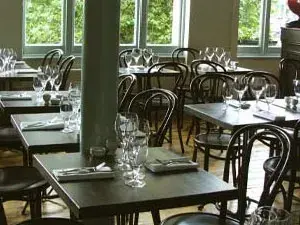
Originally a second-hand bookshop, this was renovated and made into a restaurant. However the charm of the bookshop still remains as the downstairs portion still stocks books while upstairs people can dine and relax amid books. Try to get a table by the window that overlooks the Ha’Penny Bridge and River Liffey. On the menu is traditional Irish food but with a contemporary twist.
 dublin
Extremely popular with the students, the food here is healthy, nutritious and fresh. The setting is American cafeteria-style but the food is good value for the money. They have a large selection of sandwiches and is expecially a good option if you are vegetarian or don’t eat meat that isn’t Kosher or Halal.