Dublin Zoo
What better way to spend the day than to make a trip to the Dublin Zoo, spread over 60 acres and divided into different regions like the Artic zone, plains of Africa and the Indian Rainforest.

Search for a city, hotel or experience
Live suggestions could not load. Press Search to view results.
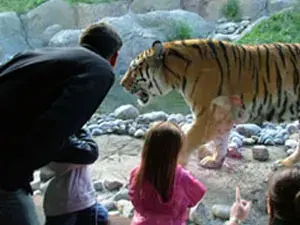
What better way to spend the day than to make a trip to the Dublin Zoo, spread over 60 acres and divided into different regions like the Artic zone, plains of Africa and the Indian Rainforest. It houses elephants, tigers, orangutans, chimpanzees, giraffes and many more exotic and endangered species. The zoo is definitely family friendly with rest stops, nursing stations, food outlets and kiosks. Known as one of the modern zoos in Europe, the Dublin zoo plays a crucial role in the zoo breeding programmes. The zoo is accessible by the DART, bus or the Luas. In case you want to walk, although not advisable when going with children, the zoo is approximately 15 minutes away from the Heuston Station Stop. Children under 3 years get free entry.
City guide section
Showing 1–24 of 28 places
Browse the highlights below, then open any place for maps, area notes, and practical details.
What better way to spend the day than to make a trip to the Dublin Zoo, spread over 60 acres and divided into different regions like the Artic zone, plains of Africa and the Indian Rainforest.
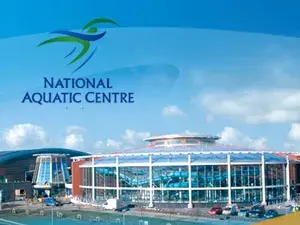
Europe’s largest leisure, water park, the Aqua Zone has a bit of everything for people of all ages but even more so for children.
With over 2500 paintings, a free tour of the gallery on the weekends and free audio guides, this is the perfectly family friendly especially with teenage kids and when traveling on a budget.
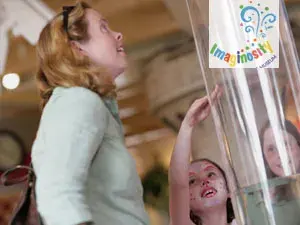
Being Ireland’s first interactive museum for children under 9, it has become extremely popular. Exhibits are fun, exciting and extremely engaging.
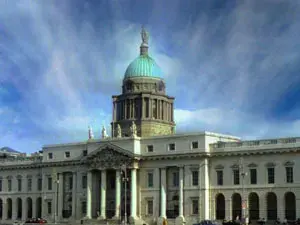
The Custom House was built between 1781 and 1791 by James Gandon. As its name would imply, it served as the Customs House for the port of Dublin.
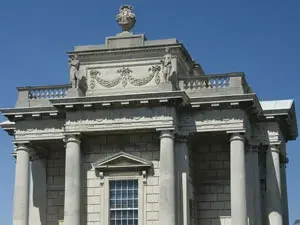
Marino Casino is not a casino in the modern sense. It is actually a small villa built in the mid-eighteenth century by Scottish architect Sir William Chambers.
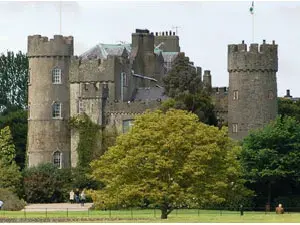
Malahide Castle is one of the oldest in Ireland. The estate was founded 1185 for Richard Talbot, a knight who came to Ireland with Henry II during the Norman invasion.
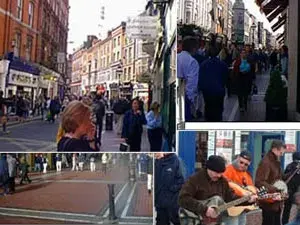
Grafton Street is one of two pedestrian shopping avenues in central Dublin (along with Henry Street). It runs from the northwest corner of Saint Stephen's Green to the west side of Trinity College.

Trinity is Ireland's oldest college. Its charter was granted by Queen Elizabeth in 1592 as part of the effort to consolidate English control of Ireland.
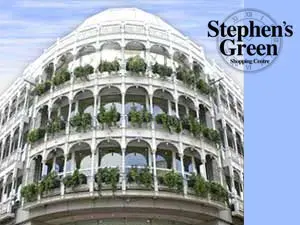
In the 18th and 19th centuries the are surrounding the park was built up with Georgian style buildings that were home to the city's best off.
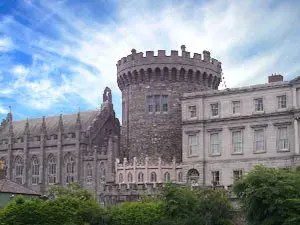
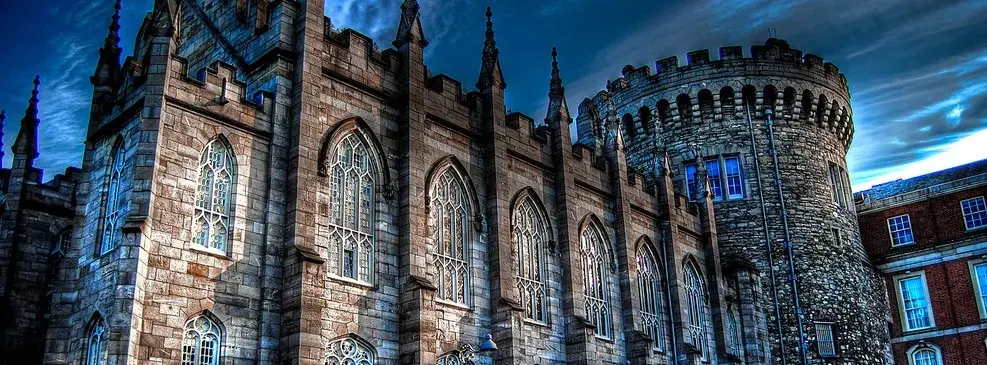
Dublin Castle is steeped in the rich history of Ireland. It was first built in the early thirteenth century by Normans after their invasion of Ireland. The original castle was completed around 1230.

It was established in 1950 to house the spectacular private collection of Sir Alfred Chester Beatty, a Canadian mining magnate.
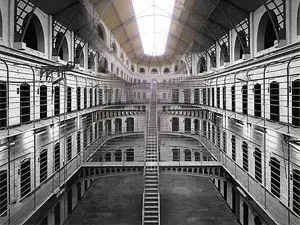
Kilmainham Gaol is a former prison turned museum that played an important part in Irish history. It opened in 1796.
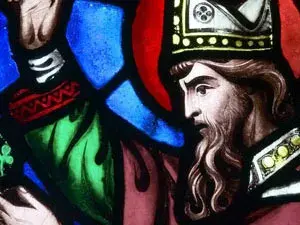
St. Patrick's Cathedral is named for St. Patrick, the patron saint of Ireland who brought Christianity to the island in the fifth century.
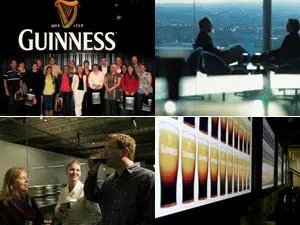
Nothing says Ireland quite like a cold Guinness. The harp that graces every bottle is an internationally recognized symbol of Irish culture. The drink itself is a thick, dark beer known as stout.
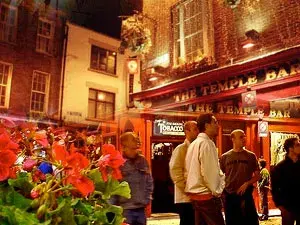
Located on the south bank of the River Liffey, the Temple Bar area is one of the the most popular spots in Dublin.
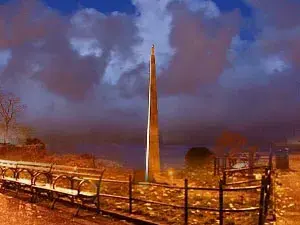
Phoenix Park is one of Europe's largest urban parks at more than 1700 acres. It was established in the 1650s as a deer park under the supervision of James Butler, a viceroy for English king Charles II.
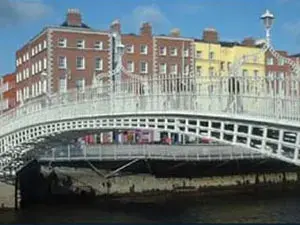
The Ha'penny Bridge was the first crossing of the Liffey River in Dublin. Prior to its completion in 1816, the only way across was one of seven ferries.
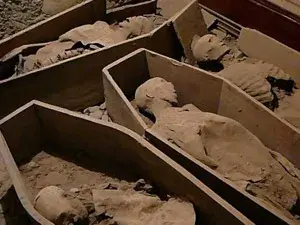
The original Saint Michan's Church was a Danish castle built in 1095, though the current building was built much more recently, in 1686.
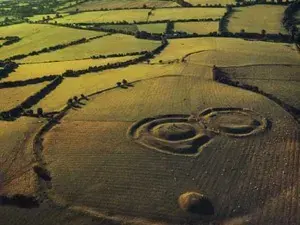
The Hill of Tara is an important archaeological site about 60km north of Dublin in County Meath. Once upon a time (before the Norman invasion in 1167), it is believed this was the seat of the kings of Ireland.
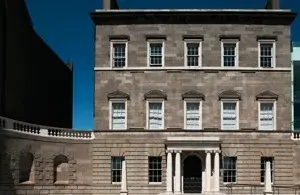
The Hugh Lane Gallery serves as Dublin's museum of modern art and was the first of its kind in the world. It was founded in 1908 by none other than Hugh Lane, an Irish art dealer who died on the RMS Lusitania.
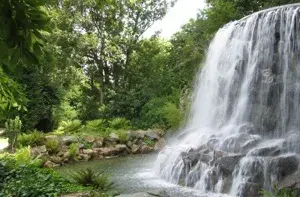
The Iveagh Gardens are one of Dublin's great hidden treasures. They're actually located just across the street from Saint Stephen's Green in the heart of Dublin.
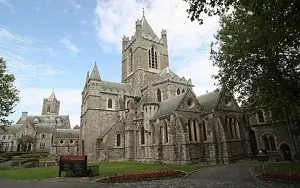
Christ Church Cathedral is considered the oldest building in Dublin. The original building dates back from Viking times, sometime shortly after 1028.
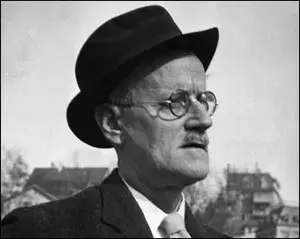
The James Joyce Cultural Center is one of Dublin's more unique attraction, dedicated to perhaps the city's most famous resident.
Keep exploring Dublin
Keep exploring Dublin and add more stops to your plan.
Keep exploring Dublin and add more stops to your plan.
Keep exploring Dublin and add more stops to your plan.