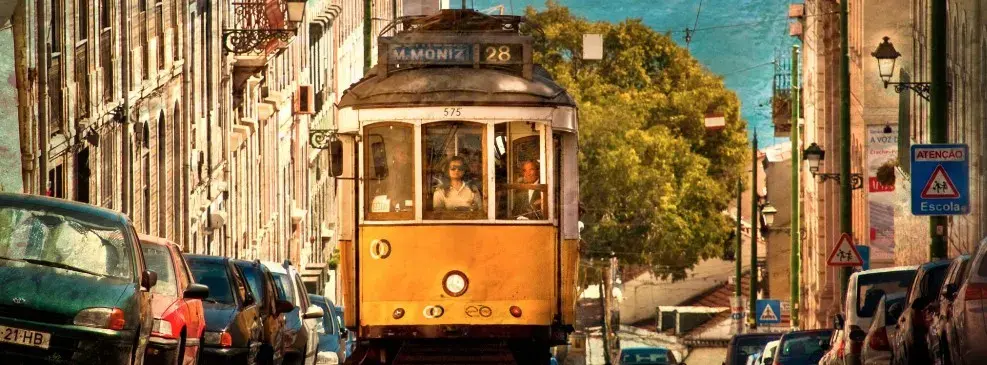

What to do with Children in Tow
The great thing about Lisbon is that it’s full of the little things that can delight a child: the bumpy rides on the yellow trams to acting out dungeons and dragons at Castelo de Sao Jorge.

Search for a city, hotel or experience
Live suggestions could not load. Press Search to view results.
The great thing about Lisbon is that it’s full of the little things that can delight a child: the bumpy rides on the yellow trams to acting out dungeons and dragons at Castelo de Sao Jorge. In fact Lisbon is one of the most family-friendly cities around with free or half-priced tickets, small portions at restaurants and free transport for children under five. The best place to start their adventure is Parque das Naples where they can run around; nearby is Oceanario (
City guide section
Showing 1–23 of 23 places
Browse the highlights below, then open any place for maps, area notes, and practical details.
The great thing about Lisbon is that it’s full of the little things that can delight a child: the bumpy rides on the yellow trams to acting out dungeons and dragons at Castelo de Sao Jorge.
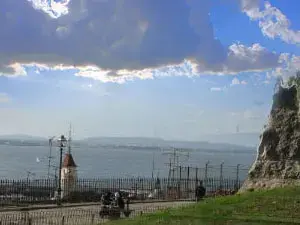
Found in boho Santa Catarina, this viewpoint boasts views from the river to the Ponte 25 de Abril and Christo Rei not to mention student buskers, hippies and loved-up couples.
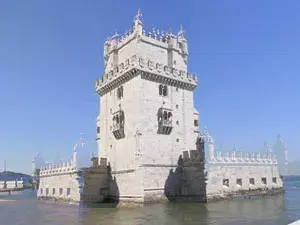
If Padrao dos Descobrimentos is the monument to Portugal’s Age of Discovery then Torre de Belem symbolises the essence of it.
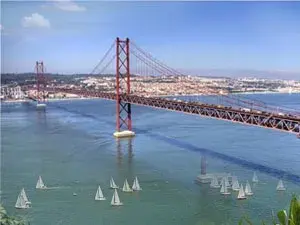
You would swear this bridge is almost a dead ringer for San Francisco’s Golden Gate Bridge – in fact it was constructed by the same company in 1966 and is almost as long, stretching at 2.27km. Concerning the un
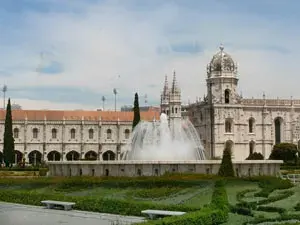
Built to herald the success of Vasco da Gama’s discovery of a sea route to India in 1498, this monastery is a beautiful structure, definitely wrought for ‘the glory of God’.
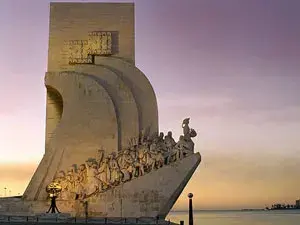
This amazing monument was officially inaugurated in 1960, marking 500 years after the death of Henry the Navigator’s death.

Almost a temple, with its columns and statues symbolising justice and fortitude, this is where Portuguese parliament convene. While you can’t go in, it’s worth just to see the outside decor.

This magical museum is housed in the 17th century Convento das Bernadas and showcase all sorts of puppets the world over.
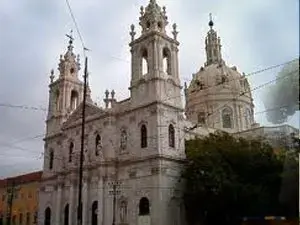
Completed in 1790 by Dona Maria I (her tomb is here) in gratitude for the male heir, this neoclassical church is a beautiful mix of pink and black marble.
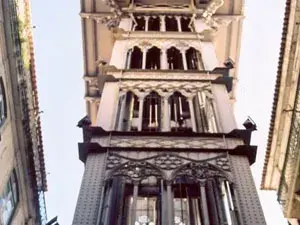
Looking at this neo-Gothic elevator you would swear you’ve seen something like it before – that’s because it was designed by Rual Mesnier, the apprentice of Gustave Eiffel.
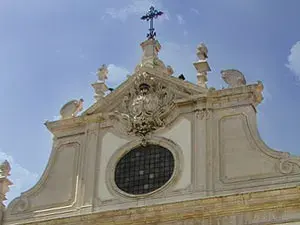
A beautiful building that houses cut pillars, scruffy walls and eerie sculptures; the Star of David out the front is a tribute to this spot where an anti-Semitic massacre occurred in 1506.
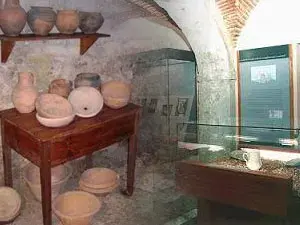
A network of tunnels underneath the Banco Comercial Portuguesa, they are believed to be the remnants of a Roman spa circa 1st century AD.
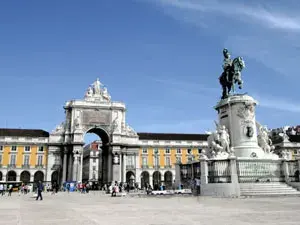
A square right on Lisbon’s riverfront, this place seems to out-do any place you’ve ever been to in terms of grandeur.
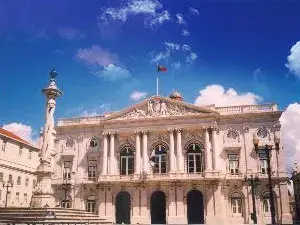
Northwest of Praca do Comercio, this square alludes to Lisbon’s marine history as its former arsenal stock hold.
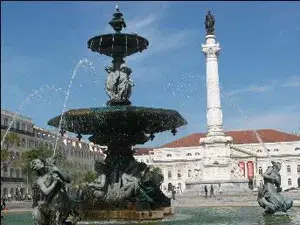
Rossio is the local nickname for Praca Pedro IV and with all the hustle and bustle of office workers, peddlers and tourists; it operates almost like a mini-district on its own.
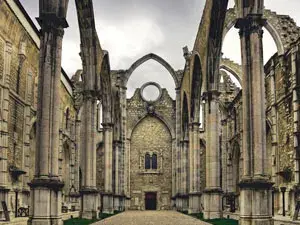
All but destroyed completely by the earthquake, its crushed pillars and fragile arches, exposed to the weather, are all that remain of this place.

This gallery has a permanent art collection of 19th-20th century pieces from Rodin, Jorge Vieira and Jose de Almada Negreiros. Check the website for upcoming exhibitions.
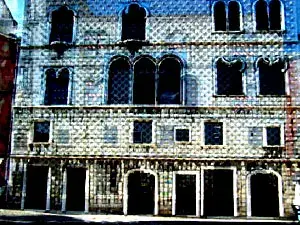
The former 16th century home of the viceroy to India, it now houses a private organisation but if the lobby is open pop in to see remnants of the old Moorish city wall.
Towering over Lisbon, this castle has seen much of history: Moors in the 9th century, Christians in the 12th century, royals ranging from 14th to the 16th century and convicts from every century.

The music of fado is at the heart of Alfama’s history and this museum traces its history from the working class to its international exposure. There is even a re-created guitar workshop and you can
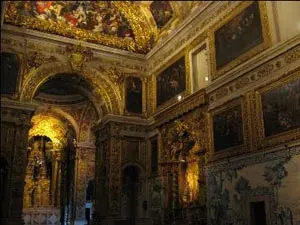
If you must see only one museum in Lisbon make it this one. Housed in a 16th century convent, this place pays homage to one of Portugal’s most famous exports the azulejo (tile).

While intended to be a church, this structure now pays homage to the heroes and heroines of Portugal including explorer Vasco da Gama and fadista Amalia Rodrigues.
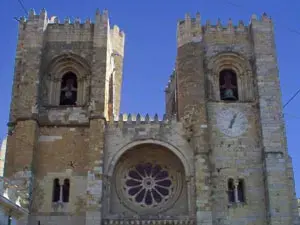
While the medieval outside may look imposing, the inside is very Romanesque with a beautiful rose tinted window.
Keep exploring Lisbon
Keep exploring Lisbon and add more stops to your plan.
Keep exploring Lisbon and add more stops to your plan.
Keep exploring Lisbon and add more stops to your plan.