Skip to content
Irhal · Your guide to the world
Irhal
العربية

Search for a city, hotel or experience

City guide article

Montreal Today

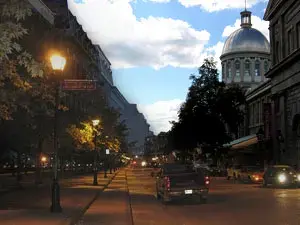
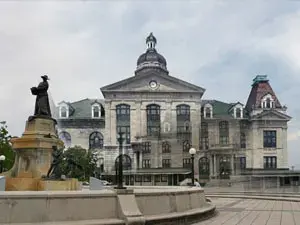
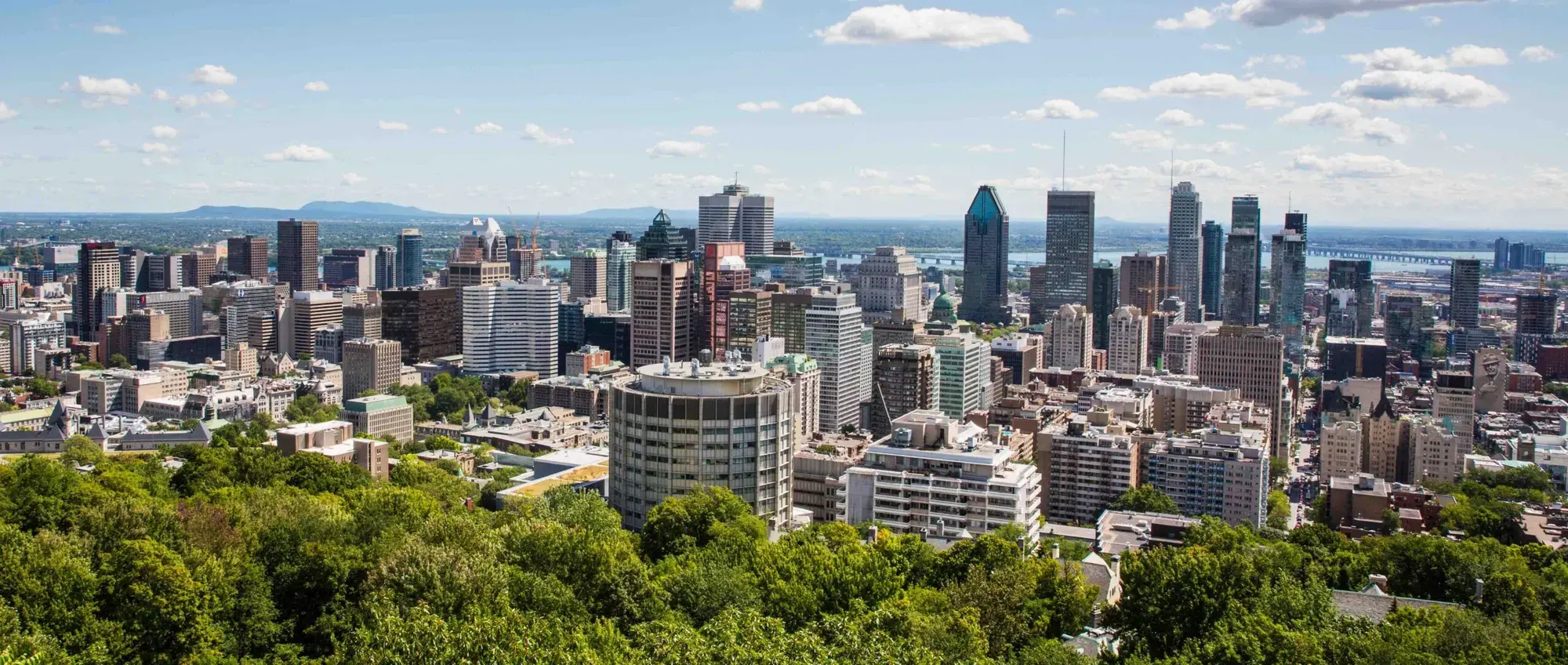
Before the 1970s, Montreal was Canada’s most prominent city. Due to poor investments and bad luck, it has since lost that position to Toronto. It remains the second largest city in Canada, and is the capital of Quebec. It is also the center of Canada’s Francophone culture – more French speakers live here than anywhere outside Paris. Montreal is one of the oldest cities in North America. That history is reflected in the city’s rich cultural heritage and its various monuments, museums, and public spaces.

Overview

Montreal today
Montreal today

Before the 1970s, Montreal was Canada’s most prominent city.  Due to poor investments and bad luck, it has since lost that position to Toronto.  It remains the second largest city in Canada, and is the capital of Quebec.  It is also the center of Canada’s Francophone culture – more French speakers live here than anywhere outside Paris.  Montreal is one of the oldest cities in North America.  That history is reflected in the city’s rich cultural heritage and its various monuments, museums, and public spaces.

Montreal is consistently ranked among the world’s most livable cities.  The metro and rest of the public transit system makes getting around easy and convenient.  There are lots of parks and public spaces to enjoy.  The French speaking population can be a little intimidating towards outsiders, but if you take the effort get to know them they’re as friendly as anyone.  This is a diverse city, with large European and Middle Eastern populations.  There’s also a Little Italy and a Chinatown.  People from all over have come here to set up their businesses.

More than any other city in North America, Montreal feels like a slice of Europe – from its large collection of French restaurants to its cosmopolitan population to its excellent public transport.  It’s hard not to fall in love with it.
Continue reading

More from City Information

Visa Information

City Information

Visa Information

City Information

When to go

Montreal has a temperate climate, though locals will tell you there are only two – winter and road construction. May to September is generally sunny and comfortable, though it does rain. Temperatures rarely rise above 30C. Winters are frigid and snowy. From December through February, temperatures rarely rise above freezing. Montreal gets more than 200cm of snow every year too.

Read full article

City Information

Fast Facts

-Location; Montreal, Quebec, Canada.: -Dialing code Three dialing codes are in use in Montreal: the older 514, the more recent 438, and the 450 code for nearby, off-island regions. These codes are to be used before any local number, whichever district you are calling from. If dialing from outside Montreal, you should add a 1 before your number, for example, 1-514-XXX-XXXX. -Emergency numbers Quebec Poison Control Centre 1 800 463-5060 Ambulance/Fire/Police 911 Montreal Police (514) 280-2222 Gas/Odour Detection (514) 598-3111 Info-Crime Québec 1 800 711-1800 DISTRESS CENTRES Sexual Assault (514) 934-4504 Alcoholics Anonymous (514) 376-9230 Depressed Anonymous (514) 278-2130 Drugs: Help and Referrals (514) 527-2626 Suicide-action Montréal (24hrs) (514) 723-4000 Spousal Abuse (514) 873-9010; -Population: 3,635,571 -Languages 66.5% French (first language) 13.2% English (first language) 0.8% English&French (both as first language) 3.5% Italian 3.1% Arabic 2.6% Spanish 1.4% Creole 1.2% Chinese 1.2% Greek 0.9% Portuguese 0.7% Romanian 0.7% Vietnamese 0.5% Russian -Time zone UTC/GMT -5 hours -Average January temperatures -16 °C (3.2F) to -06 °C (21.2F) -Average July temperatures 14 °C (57.2F) to 26 °C (78.8F) -Annual rainfall 738 mm -Annual snowfall 215 cm

Read full article

City Information

Exchange Rates

The currency used is the Canadian Dollar (CAD).

Read full article