Overview & visitor information
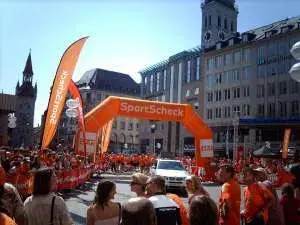
Munchner Stadtlauf or city run has been taking place for the past 25 years. The participation of thousands of people make this event a huge success. Runners can choose between a half marathon and a 10 kilometer run.

Search for a city, hotel or experience
Live suggestions could not load. Press Search to view results.
Munchner Stadtlauf or city run has been taking place for the past 25 years. The participation of thousands of people make this event a huge success. Runners can choose between a half marathon and a 10 kilometer run.
Munchner Stadtlauf or city run has been taking place for the past 25 years. The participation of thousands of people make this event a huge success. Runners can choose between a half marathon and a 10 kilometer run.
Keep exploring Munich.
 munich
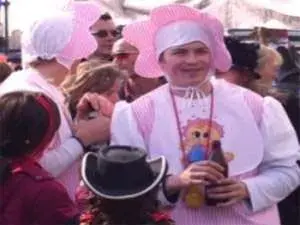
Fasching or Carnival is a boisterous six week long festival consisting of street parties and balls. This carnival season is especially characterized by fancy dress balls. There are parades, masks and balls. A Carnival King and Queen are also elected.
 munich
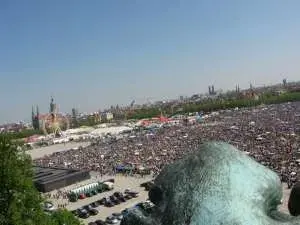
This Spring Festival, held on the last Saturday in April, is a smaller version of the Oktoberfest festival. A fair and market called Auer Dult which is the largest market in Europe for tableware, are also part of this festival.
 munich
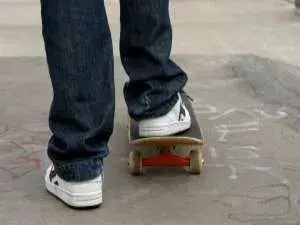
Munich Blade Night is the world's largest inline skating event. Thousands of people participate in this event. Munich Blade Nights usually take place every Monday from May to two weeks before the Oktoberfest begins in September.
 munich
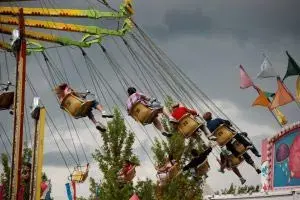
This is a fair for enjoying arts and crafts produced by gifted artisans whose skills have been taught and passed down through the generations. For the children, the Maidult Fair provides fairground rides and sideshows.
 munich
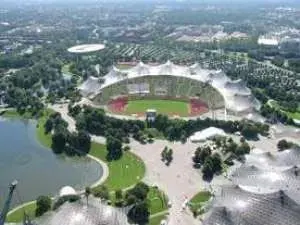
The Tollwood Festival takes place in Olympia Park. It lasts 24 days, with a variety of different shows on, most of which are free. This festival attracts performers from all over the world who perform music concerts. The wide range of genres means that there is usually a concert that will be of interest to everyone.
 munich
 munich
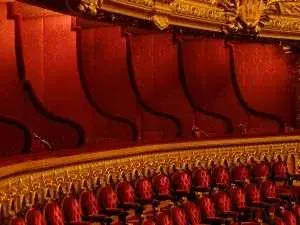
The Munich Opera Festival is an annual opera festival that takes place at the National Theatre. It is performed by the Bavarian State Opera which stages several opera festivals all through the year.
 munich
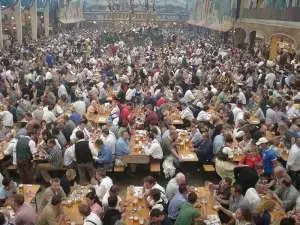
Oktoberfest is the most famous and some may say infamous festival of Munich. It is held annually and lasts two weeks. The first Oktoberfest was held in 1810 to celebrate the marriage of Prince Ludwig of Bavaria and Princess Therese. This festival begins at the end of September and ends in early October. With six million attendees, it is most certainly the world's largest fair. Beer plays the key role in this festival.
 munich
Thrice a year Munich hosts the Dult which is a haven for junk and antique lovers. There is a carnival ambiance and you can often find some extraordinary buys.
 munich
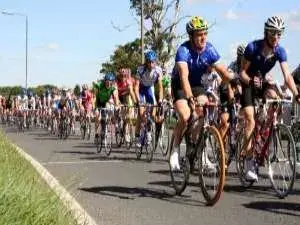
The Cycle Race lasts for six days and takes place at the Olympiahalle of Olympia Park. There is plenty to do with all kinds of entertainment, food and drink on offer.
Keep exploring Munich.
 munich
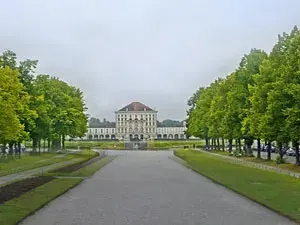 munich
This was the Wittlesbachs summer residence. Elector Ferdinand Maria commissioned the building of the Palace in 1664. Its center is a small Italianate palace which the Electress Adelaide dedicated to the goddess Flora and her nymphs – which is where the palace’s name comes from.
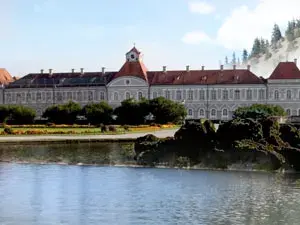 munich
This museum is loacted to the south of the palace buildings and has state coaches, sleighs and riding equipment used by the Bavarian rulers on display. The coaches with their fine upholestry, sculpture, gilt ornamentation and paintings are real works of art. Among the main highlights are the magnificent vehicles that belonged to King Ludwig II.
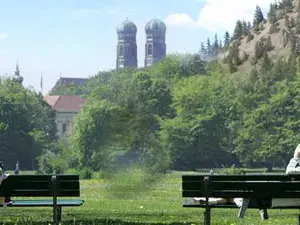 munich
The Palace Park covers an area of about 180 hectares. It was originally a Baroque garden which was transformed in the early 1800’s into a landscape garden. There are extensive grounds with lakes, streams and the famous pavillions, Amalienburg (a roccoco hunting lodge), Pagodenburg (which was used for the most exclusive parties thrown by the court), Badenburg (a small bathing palace) and Magdalenenklause (a place for religious retreat).
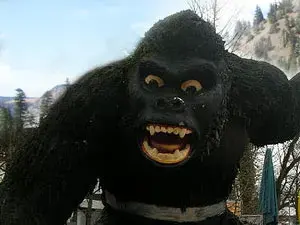 munich
This film studio is Europe's largest film making center. Production began here in 1920. Directors such as Fassbinder, Wim Wenders, Herzog and Stanley Kubrickhave worked here. Tours take you through the sets of famous films such as Das Boot and The Neverending Story. There is also a live stunt show, as well as a 4-D film viewing that can be taken in during the visit.
 munich
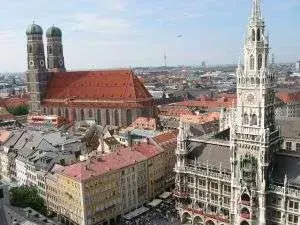
Marienplatz is the very heart of Munich and is always full of crowds who are being entertained by street performers and musicians. This square is dedicated to the patron of the city, whose golden statue stands on top of a huge column (the Mariensaule) in the center of the square. The city's most beautiful square, Odeonsplatz is located to the north. Travelling west from Odeonsplatz you will come to the wide shopping avenue, Briennerstrasse. This avenue will lead you to Konigsplatz, which is a large Grecian square. Located around this square are three classical buildings constructed by Ludwig I, namely, the Propylaen, the Glyptothek, and the Antikensammlungen.
 munich
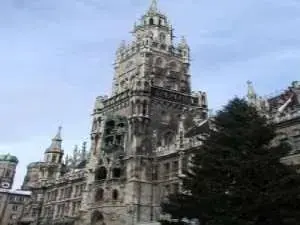
The New City Hall is a huge 19th century neo-Gothic building where every day at 1100 and 1200 hours, the glockenspiel on the frontage plays out a complex presentation which includes a miniature tournament, with copper figures moving in and out of the archways.
 munich
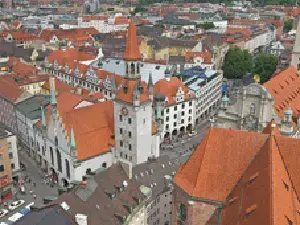
To the right of the New City Hall is the Old City Hall, which has been rebuilt after being destroyed in the war. It is built in the 15 th century style and now houses a vast toy collection in the Toy Museum.
 munich
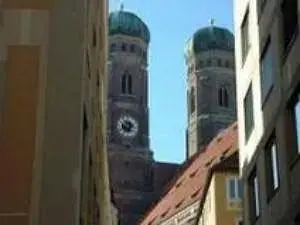
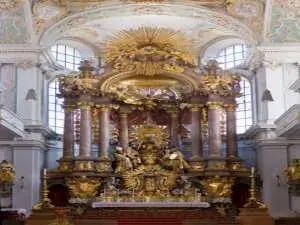
This church is one of the landmarks of Munich. It has a late Gothic nave from the 15th century and its interior is decorated with works of art spanning over five centuries.
 munich
This is Munich's oldest church, built in 1180. The church also has a tall steeple that you can climb.
Keep exploring Munich.
 munich
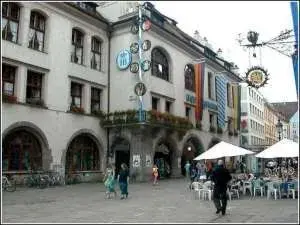
This is Munich's largest and most famous drinking hall. It covers three floors, with the typically Bavarian banquet hall décor, with long wooden tables and low chandeliers. Vaulted ceilings create a unique atmosphere. During the summer guests can sit outside in
 munich
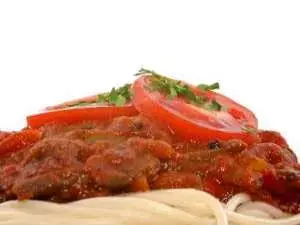
Boettner's offers a fare that uses ingredients of the highest quality like lobster and fresh white truffles. Located in a Renaissance building in the center of Munich, the restaurant has a menu that features rich old Bavarian favorite dishes for those who want to treat themselves.
 munich
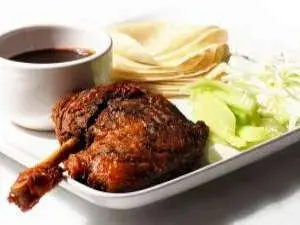
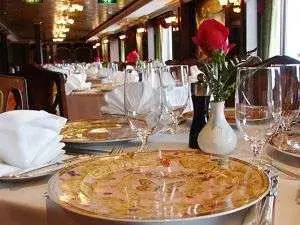
This is a luxurious restaurant ranked at the top of all those in Bavaria. A culinary celebrity chef, Alfons Schuhbeck combines Eastern and Western cuisine in his delicious offerings. He uses California for his inspiration. The menu is always changing based on the best produce in any given season.
 munich
This is a great Italian restaurant. Classical music sets the stage for a romantic evening. The cuisine is vibrant and modern and never depends on the clichés of the Italian cuisine.
 munich
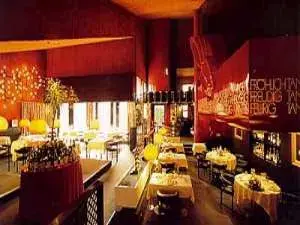
This restaurant serves Munich's most sophisticated cuisine. The food is artistically served and is appetizing. One of the top German chefs, Hans Haas is the chef at this restaurant. There is no equivalent to Tantris in the city in terms of service or taste.
 munich
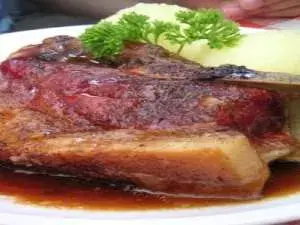
Donisl is Munich's oldest beer hall. The restaurant has a comfortable ambiance and can accommodate 550 people. The restaurant has two levels and you can dine outside in the garden as well. The menu consists of traditional Bavarian food as well as weekly specials. The specialties here are the Weisswurst and duck.
 munich
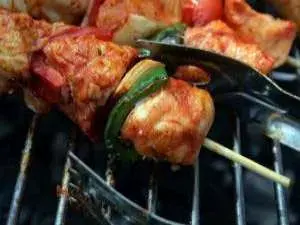
This restaurant, located near Marienplatz, specializes in German cuisine. The finely marinated pork and veal are one of the most famous dishes here. Additionally, there are international dishes available as well.
 munich
This restaurant provides unbeatable value for Indian food.
 munich
This restaurant is located in the cellar of one of the most elegant hotels in Munich and yet offers the best value for your money. The menu consists of Bavarian and German dishes and is priced about the same as that found in far less desirable beer halls and wine taverns.
 munich
This restaurant serves filling, cheap Chinese dishes.