Overview & visitor information
Al Amarat, Oman

Search for a city, hotel or experience
Live suggestions could not load. Press Search to view results.
Al Amarat, Oman
Al Amarat, Oman
Keep exploring Muscat.
 muscat
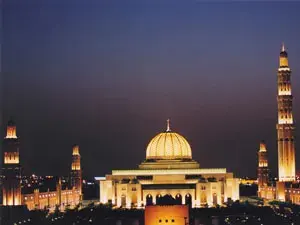
This is one of Muscat’s most famous landmarks. Islamic architecture at its best, this edifice is magnificent from the outside and even more spectacular from the inside. The mosque took nearly ten years to construct and is one of the largest mosques in the world. Inside, the mosque boasts the world’s second largest single-piece carpet and the world’s second largest chandelier, which help make the interior as breath-taking as the building's exterior. Tourists planning to enter the mosque should keep in mind that entering in short-sleeved shirts, dresses and in skirts is prohibited. Female tourists must also keep their heads covered inside the premises.
Keep exploring Muscat.
 muscat
 muscat
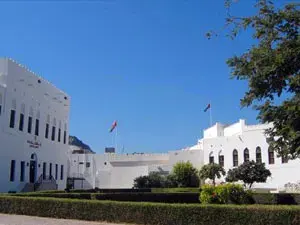
Nostalgia about an era gone by (the 19th century in particular) is evoked in this rather interesting museum. Tourists are able to learn from the exhibits and galleries showcasing Oman’s unique relationship with France, a former colonial power. The pictures of early French diplomats are also on display along with an interesting collection of postage stamps. This museum was opened in 1992 in a house almost 200 years old, which once served as the French Consul.
 muscat
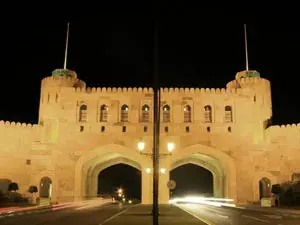
The original gates to the city of Muscat are located here. Tourists are able to visualize the old city of Muscat, where these gates served to protect the city from external aggression and invaders. Tourists are transported back in time and are exposed to the history of the city. Visitors also get a good view of the palace of the Sultan from this point. Remnants of old mosques, houses, wells and springs are also preserved here.
 muscat
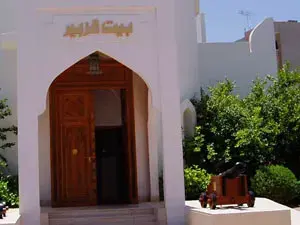
This museum was opened in 1998 in the house of Az-Zubair, which dates back to 1914. The museum showcases the heritage of Muscat and of Oman. Beautiful photographs are on display that highlight the traditional Omani lifestyle, and the museum also features handicrafts and furniture, jewelry, costumes and weaponry exhibits. A traditional Omani House is also located here along with a gift and book shop. Outside, you will also find a reconstructed, full-scale Omani village and souk.
 muscat
This is another remnant of the Portuguese occupation of Muscat and has been recently restored. It is a sight to behold, especially at night, when it is illuminated amidst the fountains that dot the surrounding area. The climb up is worth the energy, as tourists are treated to a beautiful view of the sea. Stairs to reach the tower can be accessed from behind Al-Inshirah Restaurant.
 muscat
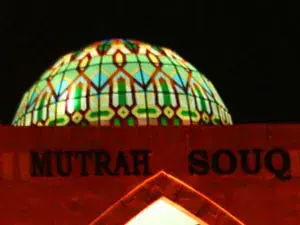
This market is a must stop for any tourist visiting Muscat, and is perhaps the biggest attraction within the city. It is located next to the Mutrah Corniche and is a perfect blend of Oman’s ancient culture and its modern transformation. The stalls are housed in a modern building but still maintain the hustle and bustle of a traditional Arab Market. There are a number of gold shops; others sell handicrafts and antiques. Walking through the market is a great way to learn about the Omani way of life and the cultural heritage of this city.
 muscat
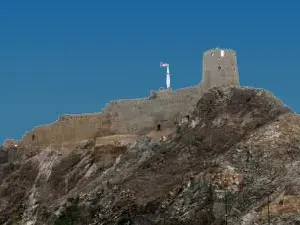
This fort is yet another legacy of the Portuguese occupation of Muscat dating back to the latter half of the 16th century. While the fort is closed to visitors, it is a wonderful photop opportunity and is within view from the Mutrah Souk and Corniche.
 muscat
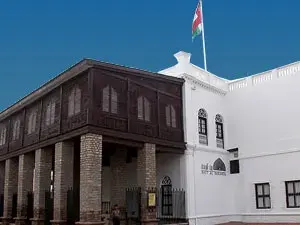
This “bait” (house) was converted into a museum in 2006, and now showcases the history of the city of Muscat and of Oman dating back to pre-historic times. The interactive exhibits are both interesting and educational and international collections are frequently on display here. One of the museum’s most unique features is the dinosaur bones on display, which were excavated in Al Khoud near Muscat. The museum takes you through the various stages of Omani history; 10000 B.C to the early Islamic period, Muscat as conceived of by travelers and historians, the Said Dynasty, Muscat as a port and harbor, and Muscat in the 21st century.
 muscat
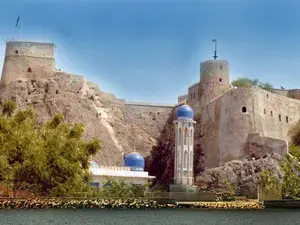
This fort, like its twin, the Al-Jalali Fort, was also built in the late 1500s during the Portuguese rule of Muscat. The fort tops the Western rocks of Muscat Bay and flanks Al-Alam Palace. Inside, you will find a complex and confusing maze of hallways, topped off by a nearly 30 meter oval-shaped artillery tower. Turquoise blue waters that lap the shore at the foot of the fort make this an enchanting place to view. This fort, along with others found in Muscat (not to mention the mountains) made it very difficult to penetrate the city.
 muscat
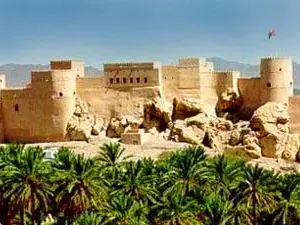
This twin-towered fort, which sits atop a gigantic rock, was built in the 1580s when Muscat was occupied by the Portuguese. It served as a bastion to protect the harbor from invaders and also served as a prison for many decades. It is currently a museum showcasing Omani culture, history and heritage. It is not, however, open to the general public. Only foreign dignitaries and heads of state are allowed to enter the fort. The public is, however, welcome to view the fort from outside and are allowed to take photographs. We recommend that visitors make an effort to see the fort at night, when the structure is magnificently lit by surrounding lights. Even if you do not have the opportunity to see the fort, you will certainly here it-canons are fired from the fort to announce the beginning and end of each day.
Keep exploring Muscat.
 muscat
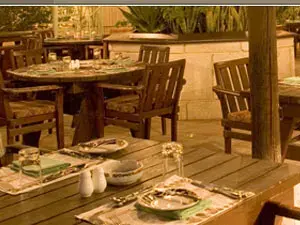
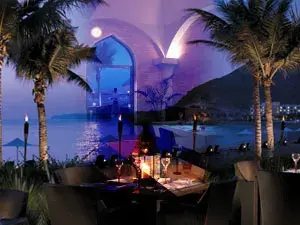
Though expensive, the food served at Tuscany certainly lives up to the bill. The restaurant has won numerous awards and is considered to be the best Italian restaurant in Muscat. The menu changes with the season, but all dishes are prepared fresh and in classic Italian style. You will not regret dinner here!
 muscat
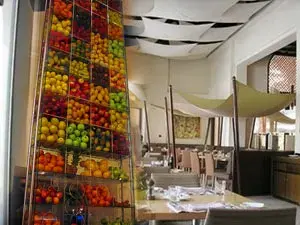
Capri Court is another excellent destination for those seeking Italian food during their stay in Muscat. Fresh ingredients are used to churn out these high quality dishes, and you will always find a range of choices on the menu. Starters include poached lobster and other salads, main courses include a variety of risottos, lamb, chicken and beef dishes and dessert includes tiramisu, whipped mascarpone cream and blackberry cream caramel.
 muscat
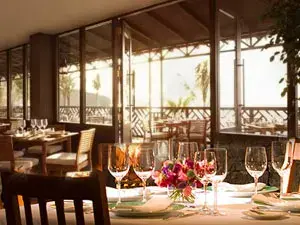
This lovely, sophisticated restaurant serves delicious Middle Eastern cuisine. The food is pricey but worth it. Customers can choose to be seated inside or outside, but either way, you should make reservations in advance. The décor is wonderful with Arabian tents and pottery, and you can see the chefs as they prepare your meal. A wide range of Arabian, Turkish, Mediterranean and Persian dishes are offered at this scenic restaurant, which is located twenty minutes outside of the city by car. Dessert includes traditional baklawa and the fresh juices are particularly delightful.
 muscat
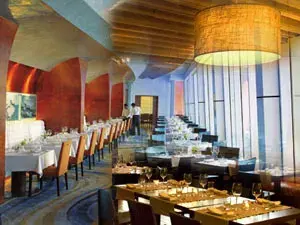
Bait al-Bahr is known for their seafood dishes. The restaurant looks out onto the beach providing a breath-taking view of the sea; the seafood also has a distinctly Omani taste, which adds to the unique experience of dining here. Starters include poached crab and tamarind dumplings,while main courses include dishes such as sautéed kingfish and prawns in tomato stew and fried squid. Desserts include date pudding and bitter chocolate cake with bruleed Omani honeycomb.
 muscat
For the ultimate fine dining experience, tourists should stop at this extravagant restaurant. The interior is beautifully decorated in a contemporary style, and the service is fit to match. The dishes served here include grilled shari and seafood risotto starters and beef tenderloin, lime glazed duck breast and seared kingfish as main courses. Dessert is not to be missed- the triple chocolate truffle is fantastic.
 muscat
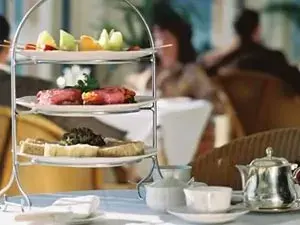
This simply named eating establishment is one of Muscat’s better known restaurants. It is no wonder, as mouth-watering dishes are served here- both international as well as local. The sampling of local seafood is particularly excellent-ask for the “hamour” dish. Also, don’t miss out on dessert; the French chef makes some wonderful pastries and other delights.
 muscat
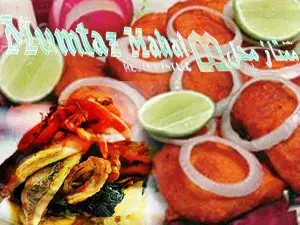
This is the most famous of Muscat’s Indian restaurants-for those who love spicy food this is the place to be! North Indian Mughal cuisine is the specialty here, and the atmosphere is very soothing with dim lighting, low tables and traditional Indian instruments being played live. Many consider this to be Muscat’s best Indian restaurant, especially given the sophisticated choices available here (like the snake coffee!). The beautiful view overlooking Qurm Natural Park only adds to the allure of this venue. Note that prices are borderline expensive, with the average meal costing about OMR 15.
 muscat
Those looking for a fine meal are unlikely to be disappointed with Meknes Restaurant. This venue is known for its fantastic stews (particularly the lamb) and its vintage Moroccan tea. You will also enjoy the atmosphere here, including the armchairs in which you will enjoy your meal.
 muscat
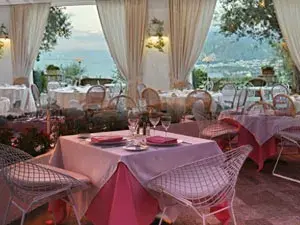
This destination will ensure you get the most for your money as dishes are of excellent quality and are served at more than reasonable prices. The dishes listed on the menu are international so all customers are bound to find something they will enjoy. The restaurant also has a little twist-many of the chefs and waiters are students of the hospitality institute. Given the popularity of this restaurant and its limited operation schedule, we recommend that you book in advance before visiting.
 muscat
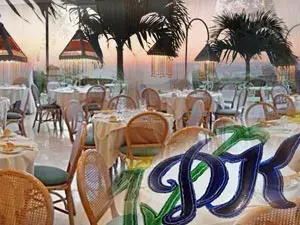
Eat your fill of delicious pastas, pancakes, waffles, sandwiches, smoothies and other fresh juices here. You will also find traditional American cuisine, like (beef) bacon and steak and fries. The food is of excellent quality, the service is first-rate and the atmosphere is relaxed and enjoyable. All of this might might have something to do with the fact that this restaurant is a short walk from the beach.