
Muscat
Top places to visit
Discover places to visit in Muscat. Open each guide entry to read more and plan your visit.
21 results
City overview
Nostalgia about an era gone by (the 19th century in particular) is evoked in this rather interesting museum. Tourists are able to learn from the exhibits and galleries showcasing Oman’s unique relationship with France, a former colonial power. The pictures of early French diplomats are also on display along with an interesting collection of postage stamps. This museum was opened in 1992 in a house almost 200 years old, which once served as the French Consul.
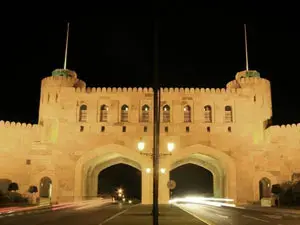
The original gates to the city of Muscat are located here. Tourists are able to visualize the old city of Muscat, where these gates served to protect the city from external aggression and invaders. Tourists are transported back in time and are exposed to the history of the city. Visitors also get a good view of the palace of the Sultan from this point. Remnants of old mosques, houses, wells and springs are also preserved here.
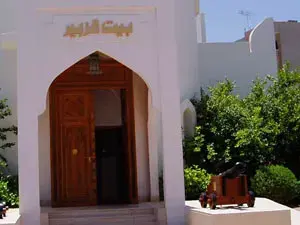
This museum was opened in 1998 in the house of Az-Zubair, which dates back to 1914. The museum showcases the heritage of Muscat and of Oman. Beautiful photographs are on display that highlight the traditional Omani lifestyle, and the museum also features handicrafts and furniture, jewelry, costumes and weaponry exhibits. A traditional Omani House is also located here along with a gift and book shop. Outside, you will also find a reconstructed, full-scale Omani village and souk.
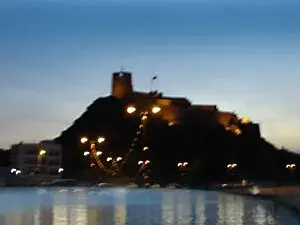
This is another remnant of the Portuguese occupation of Muscat and has been recently restored. It is a sight to behold, especially at night, when it is illuminated amidst the fountains that dot the surrounding area. The climb up is worth the energy, as tourists are treated to a beautiful view of the sea. Stairs to reach the tower can be accessed from behind Al-Inshirah Restaurant.
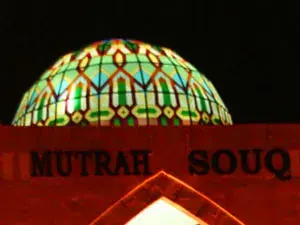
This market is a must stop for any tourist visiting Muscat, and is perhaps the biggest attraction within the city. It is located next to the Mutrah Corniche and is a perfect blend of Oman’s ancient culture and its modern transformation. The stalls are housed in a modern building but still maintain the hustle and bustle of a traditional Arab Market. There are a number of gold shops; others sell handicrafts and antiques. Walking through the market is a great way to learn about the Omani way of life and the cultural heritage of this city.
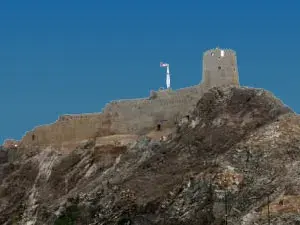
This fort is yet another legacy of the Portuguese occupation of Muscat dating back to the latter half of the 16th century. While the fort is closed to visitors, it is a wonderful photop opportunity and is within view from the Mutrah Souk and Corniche.
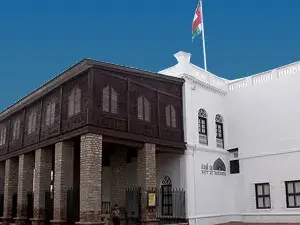
This “bait” (house) was converted into a museum in 2006, and now showcases the history of the city of Muscat and of Oman dating back to pre-historic times. The interactive exhibits are both interesting and educational and international collections are frequently on display here. One of the museum’s most unique features is the dinosaur bones on display, which were excavated in Al Khoud near Muscat. The museum takes you through the various stages of Omani history; 10000 B.C to the early Islamic period, Muscat as conceived of by travelers and historians, the Said Dynasty, Muscat as a port and harbor, and Muscat in the 21st century.
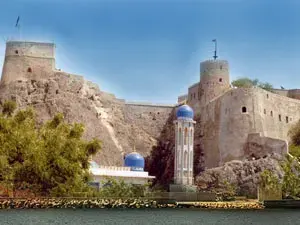
This fort, like its twin, the Al-Jalali Fort, was also built in the late 1500s during the Portuguese rule of Muscat. The fort tops the Western rocks of Muscat Bay and flanks Al-Alam Palace. Inside, you will find a complex and confusing maze of hallways, topped off by a nearly 30 meter oval-shaped artillery tower. Turquoise blue waters that lap the shore at the foot of the fort make this an enchanting place to view. This fort, along with others found in Muscat (not to mention the mountains) made it very difficult to penetrate the city.
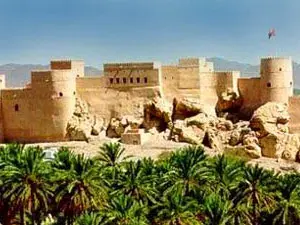
This twin-towered fort, which sits atop a gigantic rock, was built in the 1580s when Muscat was occupied by the Portuguese. It served as a bastion to protect the harbor from invaders and also served as a prison for many decades. It is currently a museum showcasing Omani culture, history and heritage. It is not, however, open to the general public. Only foreign dignitaries and heads of state are allowed to enter the fort. The public is, however, welcome to view the fort from outside and are allowed to take photographs. We recommend that visitors make an effort to see the fort at night, when the structure is magnificently lit by surrounding lights. Even if you do not have the opportunity to see the fort, you will certainly here it-canons are fired from the fort to announce the beginning and end of each day.
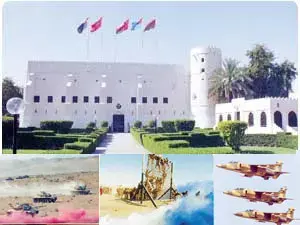
Any tourist visiting Muscat must stop at this fantastic museum, which is located within the 150-year old Bait-al-Falaj fort, the original headquarters for Sultan Said bin Sultan’s armed forces. It displays Omani weapons and armory and also gives tourists an insight into Oman’s history, politics and relations with other international states and powers. All visiting heads of state take a trip to this famous landmark.
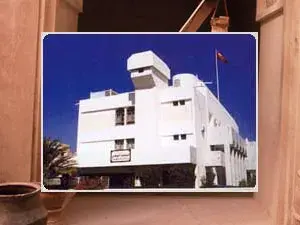
This museum showcases Omani culture and history by featuring various exhibits. Showpieces range from jewelry, Omani dress and costumes to carpets, furniture, dowry chests, murals, and boats. Also housed within the National Museum’s walls are portraits and paintings of the Al-Abu-Said rulers as well as ancient manuscripts and letters, the most remarkable of which is a letter by the Prophet Muhammad (P.B.U.H) inviting the then ruler of Oman to embrace Islam. The museum was opened in 1978.
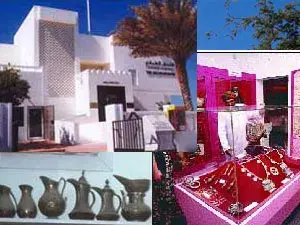
This museum is delightful, more so because of the spectacular view that it affords of the surrounding city and sea. Omani architecture and other relics are showcased here. The exhibits include stone jewelry, stone farming tools, stone tombs and soapstone, some of which date back to pre-historic times.
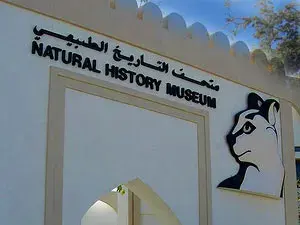
This museum is small and only a few collections are on display, but they are a must see. The museum sheds light on Muscat and Oman’s geography and geology. Plants and animals common to the area are on exhibit with a specific hall devoted to marine species and wildlife. An amazing exhibit is that of a skeleton of a sperm whale found in Muscat about 30 years ago. The botanical gardens are also lovely to walk through.
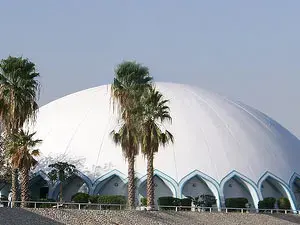
This museum was opened in 1990. It is a unique structure easily differentiated from its surroundings by its twin domes. The Children’s Museum is primarily a science museum with a focus on the environment and nature. For tourists travelling with their children, this is an ideal stop. The interactive exhibits are fantastic and children are able to participate in virtual tours.
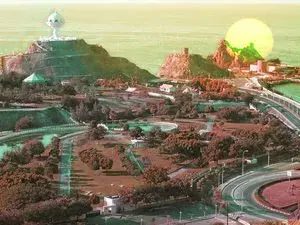
This park is a haven of greenery within the city limits of Muscat. The park is just pass the Mutrah Fort, along the Corniche. Its most recognizable featured is the gigantic, ornamental incense burner that stands near its center. The views of the city from the park are truly stunning-tourists should take a moment to appreciate the scene from here while in Muscat.

This attraction will certainly heighten your senses-particularly the sense of smell. Mutrah is the central port area of Muscat, and as a result is a prime location for the sale of the daily catch. Early risers (or fish lovers) might enjoy this market, which will throw you head first into Omani culture and tradition.
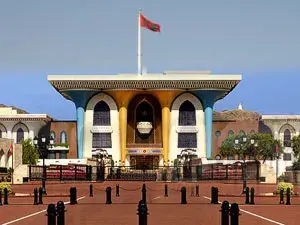
The Sultan’s Palace is one of the more prominent features in the city, specifically within the Old Muscat region. The blue and gold mushroom pillars are among the more distinctive features of the palace. There are several locations in the nearby area where you can get a good view of the palace, most notably the roundabout on the inland side. The palace is undergoing some rennovations to increase its grandeur, but is definitely worth glimpsing while in Muscat. The palace is located down the street from Bait al Zubayr and Sohar.
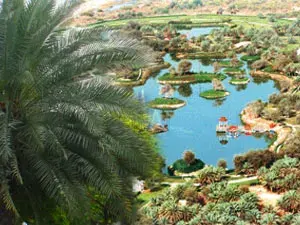
This lively and beautiful park is a great haven for those looking to relax on their visit to Oman. The park is carefully planned and features beautiful landscaping, with ponds, plenty of shade, and a modern village exhibit to entertain those walking throughout the premises. Kids will enjoy this destination, especially the Ferris wheel within the park’s grounds. At night, the park is filled with Omani families, who view this location as a central gathering point for spending time with the family at night.
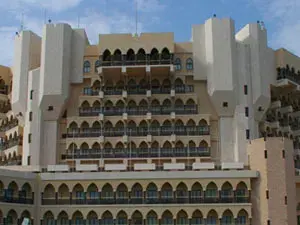
Surrounded by lush gardens and overlooking the sea, the Al-Bustan Palace Hotel is a sight to behold. The hotel has won numerous awards, many of them labeling it the best hotel in the Middle East. The hotel is famous for its enormous domed atrium, and the interior design begs a visit.
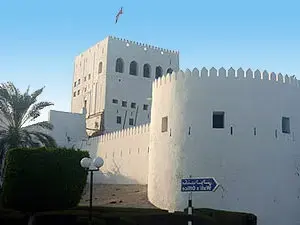
Though a bit removed from the city, this destination is worth a visit for tourists interested in naval history. It is located just around the corner from the Al-Bustan Palace Hotel. Sohar is a replica of a boat that sailed from Oman to Guangzhou, China under the command of 8th century sailor Abdullah bin Gasm. The boat is an incredible feat of architectural design, as not a single nail was used in its construction. A crew of Omani sailors successfully duplicated Bin Gasm’s voyage in 1980 in a journey that took eight months.