Overview & visitor information

Masjid Moth, South Extension 2, New Delhi, DL, India

Search for a city, hotel or experience
Live suggestions could not load. Press Search to view results.
Masjid Moth, South Extension 2, New Delhi, DL, India
Masjid Moth, South Extension 2, New Delhi, DL, India
Keep exploring New Delhi.
 new-delhi
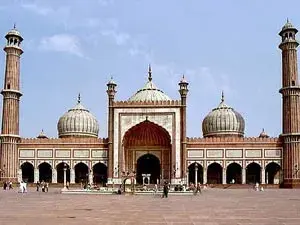
The Jama Masjid is the most famous and most important mosque in all of India. It was built in 1656 AD under the command of Mughal Emperor Shah Jahan. The mosque houses a large and impressive courtyard that can hold up to 25,000 worshippers.
Shop No.6500, Chandini Chowk Main Gate, Fatehpuri Chowk, Room # 39, Shahi Imam Masjid Fatehpuri, Katra Bariyan, Khari Baoli, Fatehpuri, Chandni Chowk, New Delhi, DL, India
Keep exploring New Delhi.
 new-delhi
There is no dearth of attractions for children in Delhi. With parks aplenty, museums of varied nature and theater for kids where you're bound to find something of their choice, there's never a dull moment for your little ones. Be sure to check out these places for they're as compelling for adults as well!
 new-delhi
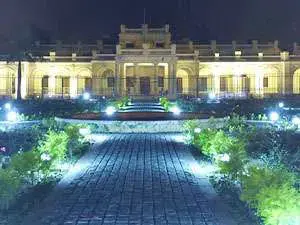
North Delhi is known as a residential area home to the Delhi University and India's middle class. Unless you are visiting relatives or friends who live here, there is nothing spectacular about North Delhi.
 new-delhi
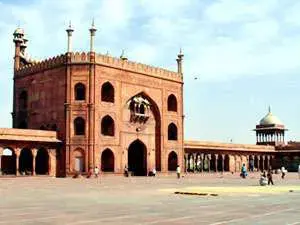
The Red Fort is a massive curtain wall which dominates the skyline of New Delhi. It was built in 1648 and became the living quarters of the Mughal emperor Shah Jahan, who mandated the construction of his other palace the Taj Mahal.
 new-delhi
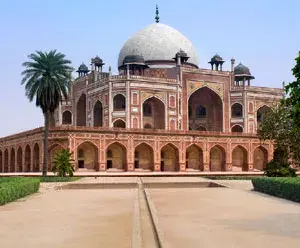
Named as a UNESCO world heritage site, Humayun's tomb has great historical significance because it was the first garden-tomb to be built in India. Humayun's tomb was built in 1570, and after its construction inspired the construction of another very famous structure the Taj Mahal.
 new-delhi
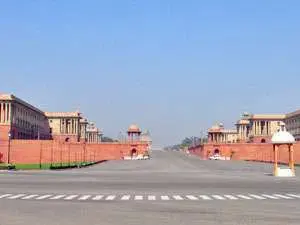
Known as “King's Way" Rajpath is the most important road in India because it is littered with governmental buildings including the parliament house of India. The road runs from Rashtrapati Bhavan to the National Stadium and has a lovely floral view with several lawns, trees, and ponds found along the sides.
 new-delhi
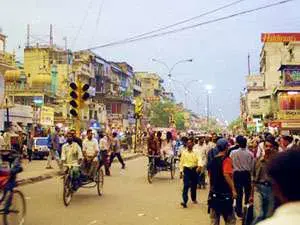
The bazaars that surround Chandni Chowk, in Old Delhi, offer a colourful, heaving and pungent slice of Delhi life, with shops and stalls displaying a spectacular array of goods, from fish and poultry to second-hand goods, gemstones and gold, garlands, turbans, tinsel and spare car parts. They are an unmissable part of any visit to the city. The covered Gadodial Market is the wholesale spice market with an incredible display of aniseed, turmeric, pomegranate, dried mangoes, ginger, saffron, reetha nuts, lotus seeds, pickles, sugars and chutneys. Chawris Bazaar is packed with shops specialising in copper and brass Buddhas, Vishnus and Krishnas.
 new-delhi
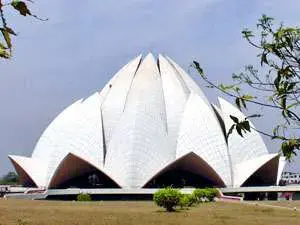
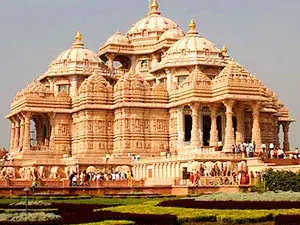
Otherwise known as the Lotus Temple, the modern Baha'i Temple has often been compared to the Sydney Opera House. Giant white petals of Rajasthani Macrana marble open out from nine pools and walkways in the shape of an unfolding lotus, symbolising the nine spiritual paths of the Baha'i faith. The crouched yet upright stance and upturned, opening petals hint at the human form in ecstatic prayer. The temple is approached through an attractive formal garden. Inside, the central hall rises to a height of over 30m (98ft), without the visible support of any columns. Visitors should take their shoes off before entering.
 new-delhi
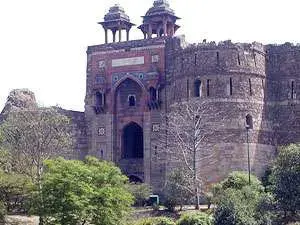
Humayun's 16th-century Delhi had at its centre the fortress of Purana Qila, which reputedly stands on the site of Indraprastha, the city of the Pandavas in the Mahabharata. Of the buildings that survive today, the Qila-i-Kuhna Masjid, a successful fusion of the Islamic and Hindu styles, was constructed by Sher Shah in 1541. The Sher Mandal is an octagonal observatory and library. The north gate, Talaqi-Darwaza, has been partially rebuilt and gives an impression of how formidable the fortifications would have been in their heyday. The chattri surmounting the west (entrance) gate commands a fine view of
 new-delhi
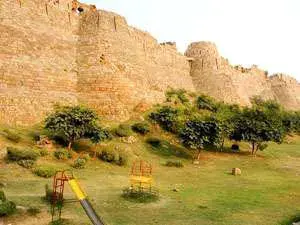
The immense and brutal fortifications of Tughluqabad are an impressive monument to the militarism of the Tughluqs, an antidote to any idea that the Delhi Sultans were merely effete builders of mosques and palaces. Nowadays, the only living things that visitors are likely to see at the vast, barren, sun-scorched site are goats, donkeys and the occasional archaeologist, although in the 14th century, the citadel, the third city of
 new-delhi
In South Delhi you may be amazed by the grandeur of the houses, for it is where the rich and famous reside. For instance, areas known for their poshness are the Greater Kailash, Sainik Farms, Vasant Vihar, and West End. However, unlike North Delhi, South Delhi offers some great markets and shops. This neighborhood is deifinitely worth a visit.
Keep exploring New Delhi.
 new-delhi
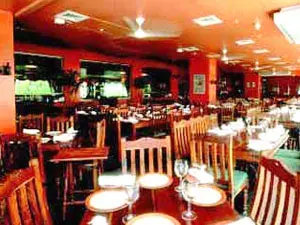
Bukharais widely touted as the best place for Mughal and North-West Frontier specialities in Delhi. The food is delicious and everything its reputation suggests - one particularly recommended dish is the kastoori kebab, while the delicious dhal makes a splendid accompaniment to any meal. Diners sit on benches, at elegant low tables. The restaurant is crowded but the service remains attentive.
 new-delhi
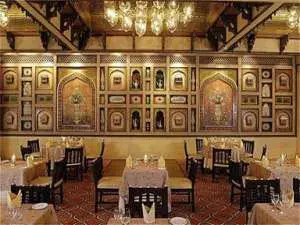
Besides the fact that Haveli's food is exceptional, it's almost worth a visit just to admire the sumptuous decor. One wall showcases fine floral frescoes and decorative reliefs, while the ceiling is adorned with carved wooden haveli eaves, gilt tiles, and Belgian chandeliers. In the evenings, musical and cultural performances are staged on a raised marble platform under a beautiful canopy. A great way to get a taste for North Indian cuisine is to order a Maharaja thali, a silver platter filled with tandoori prawns, masala chicken, spicy lamb, mixed vegetable curry, and heavenly black dal, a lentil specialty that's cooked for up to 20 hours over hot charcoal. Try the signature murgh dhanya, a mild chicken curry flavored with cilantro. (Note that the Taj Mahal Hotel also has a very good Chinese restaurant, House of Ming; it's not in the same class as Taipan in The Oberoi, but it's definitely easier on your wallet.)
 new-delhi
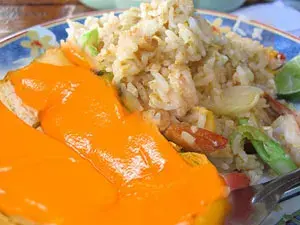
Singaporean chef Thian serves up amazing dim sum at this popular Chinese restaurant, arguably the best in town. Steamed and served in special bamboo baskets, Chinese dim sum are tiny dumplings filled with an assortment of tasty morsels; they draw a dedicated following, and it's quite possible to fill up on these starters without even moving on to the main courses. And, at lunchtime, when you can enjoy the fantastic view over Delhi Golf Course, an assorted platter of dim sum is ideal for a tasty midday meal that won't leave you feeling stuffed for the rest of the day. If you're up for a complete meal, don't miss the fantastic Peking duck or the chef's special, chicken tapering chili (sliced chicken and whole long tapering chilies, flavored with a light soya sauce). The chicken is not half as pungent as it sounds, unless you eat the whole chilies.
 new-delhi
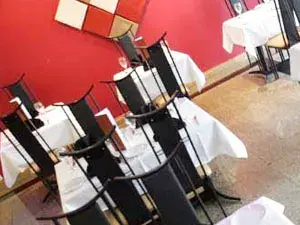
Artistic rendering of classic Indian cuisine is all the rage in the country's upscale city restaurants, and Masala Art makes a very conscious attempt to dazzle. The chefs turn cooking into performance art, putting on engaging food demonstrations at mealtimes; spectators eat whatever delicacies are produced. Of the daily a la carte specials, look for achari jhinga (prawns flavored with raw mango), and galouti kebabs prepared with finely minced lamb and 126 different herbs. If you're up for sharing a small feast, order khushk raan, a whole leg of lamb pot-roasted in a secret, heavenly marinade. Order homemade puffy phulka bread, made from ground wheat, on the side, and be sure to have a glass of fresh sugar-cane juice or bhune jeere ki chaas, buttermilk seasoned with roasted cumin. End with cheena payesh, soft cottage cheese dumplings in reduced milk, topped with pistachios.
 new-delhi
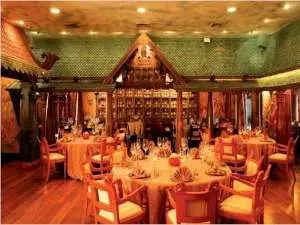
The Spice Routeis in The Imperial hotel and serves top-quality Thai and South Asian food, in a restaurant decorated with antique, gaudily painted wooden pillars and panels. Even if the food were not excellent (crisp, spicy and fresh), it would be worth eating here for the setting alone. The tangy oriental salads and the piquant vegetable stews are particularly recommended.
 new-delhi
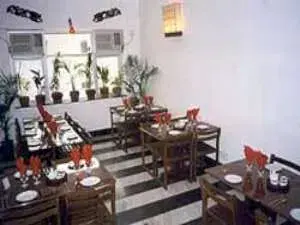
Judging by the exterior and the neighborhood, this might at first seem the type of place you don't want to be at night. But grit your teeth and venture inside -- the brainchild of Gregory Kuok, this is the most authentic Chinese restaurant in Delhi, and the well-established menu has been tried and tested by some of the city's fussiest diners for well over a decade. Steamed wheat dumplings, filled with prawns, chicken, or vegetables and served with a garlic soya dip, are what gave Fa Yian its excellent reputation. The dumplings are prepared, along with the homemade noodles, fresh each day. Try these as a starter, followed by honey chicken, pepper-salt jumbo prawns, or the Fa Yian hot pot, which is prepared at the table according to your taste. Fish, brought in from Mumbai and steamed with a delicate hint of ginger, is lovely. Covering two levels, the ambience is relaxed and simple; ask for a table upstairs. Service is friendly and casual.
 new-delhi
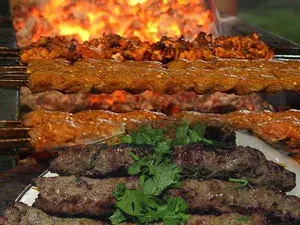
Named for a former princely capital in Uttar Pradesh, this bright, yellow-walled restaurant is a fantastic place for meat-eaters, and ideal if you've been browsing the Khan Market. It's intimate and extremely clean, with modern artworks depicting scenes from Delhi life. The Muslim food here is rich -- the chefs don't exactly hold back on the ghee. Try seekh kebab Rampuri, tasty mutton kebabs that are generously spiced, mixed with boiled egg whites, and grilled over charcoal. Gosht nahari is a delicious mutton dish prepared in thick, spicy onion gravy and cooked overnight on a slow fire. Another delicacy is haleem, made from a thick mutton paste mixed with spices and pulses and garnished with chilies and ginger; order tasty kulcha bread as an accompaniment. Alcohol is not available.
 new-delhi
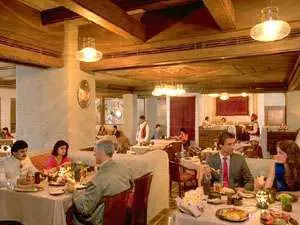
You'll know from the many Sikh families that eat here that this is one of Delhi's best-regarded Punjabi restaurants, with two floors for diners and a pub upstairs, all a mere 10 minutes' drive west of Haus Khas Village (or 15 min. from Safdarjung's tomb, the Hyatt Regency, or the Santushi Shopping Complex). On the first floor is a display kitchen where you can watch tandoori items and desserts being made; ask for a table here, where it's more atmospheric. Try tandoori trout, flown in from the icy streams of Himachal Pradesh, or masala quail (bataear masaledar). Lobster is brought fresh from Mumbai and cooked to perfection in the tandoor oven. Vegetarians can look forward to tandoori broccoli, prepared in a mustard marinade; or sarson ka saag, fresh mustard greens served with homemade cornmeal bread. Try the house specialty, a "gol gappa" shot: a tiny puri (fried puffed bread) filled with vodka, which you pop into your mouth whole.
 new-delhi
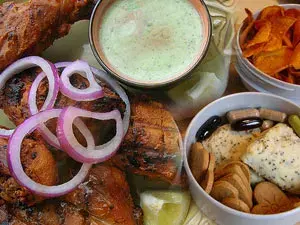
A fantasy of kitsch twisted into a unique and wonderful space that is more irreverent museum than diner, this is one restaurant that truly lives up to its name. Its name a pun on chor bazaar, which literally means "thieves' market," Chor Bizarre is packed with fascinating odds and ends, mismatched settings, out-of-place furnishings, and reassembled bits and pieces (matchboxes, coins, chessboards, antique combs, ivory sandals, jewelry, chandeliers, a jukebox... ), innovatively displayed to create one of India's most visually dynamic restaurants (a branch of which is now also open in London). One table was previously a Maharaja's bed, while a 1927 vintage Fiat has become the buffet-carrying "Chaat mobile." Start with deep-fried lotus roots, prepared Kashmiri-style, and move on to kakori kebab, lamb marinated in 36 different spices and grilled in a tandoor. Cardamom-flavored lamb meatballs (goshtaba) are another delicious Kashmiri specialty, slow-cooked over an open flame. Alternatively, if you're up for a feast, try the Kashmiri taramis (thali), filled with treats and served from a traditional royal platter. Ask about walking tours that combine lunch with sights in Old Delhi.
 new-delhi
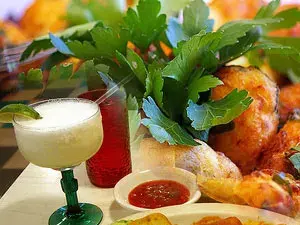
Genuine home-style Italian cooking is the hallmark of Delhi's favorite Italian restaurant. Italian owner-chef Tarsilo Nataloni began this as an ice-cream shop and soon expanded to an extensive menu. Unless it's a blistering summer day and you prefer the air-conditioned section, grab a seat at a pretty wrought-iron table on the veranda. Order a wonderfully refreshing pink ginger fizz to sip on while you decide on what to eat. You could snack on panini made with ciabatta and imported cheese and meats, or get a delicious Greek salad followed by one of the perfect wood-fired oven pizzas (try the unusual pizza peri-peri). Flavors serves consistently good food, so go ahead and order any of the risottos or the fresh homemade pastas -- you won't be disappointed. Pleasant young college students wait tables here (a rarity in India), and are eager to chat if you care for interaction; if not, this is a perfect spot for a relaxed evening after an exhausting day navigating Delhi's streets (about 10 min. drive south from India Gate; 10 min. drive east of Lodi Gardens). Advance booking is recommended on weekend evenings.