Skip to content
New Delhi
New Delhi

Top places to visit

There is no dearth of attractions for children in Delhi. With parks aplenty, museums of varied nature and theater for kids where you're bound to find something of their choice, there's never a dull moment for your little ones. Be sure to check out these places for they're as compelling for adults as well!

16 results

City overview
What to do with Children in Tow

There is no dearth of attractions for children in Delhi. With parks aplenty, museums of varied nature and theater for kids where you're bound to find something of their choice, there's never a dull moment for your little ones. Be sure to check out these places for they're as compelling for adults as well!

Image

North Delhi is known as a residential area home to the Delhi University and India's middle class. Unless you are visiting relatives or friends who live here, there is nothing spectacular about North Delhi.

Image

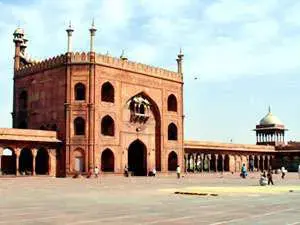
The Red Fort is a massive curtain wall which dominates the skyline of New Delhi. It was built in 1648 and became the living quarters of the Mughal emperor Shah Jahan, who mandated the construction of his other palace the Taj Mahal.

Image

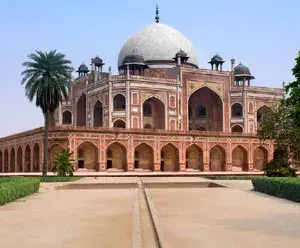
Named as a UNESCO world heritage site, Humayun's tomb has great historical significance because it was the first garden-tomb to be built in India. Humayun's tomb was built in 1570, and after its construction inspired the construction of another very famous structure the Taj Mahal.

Image

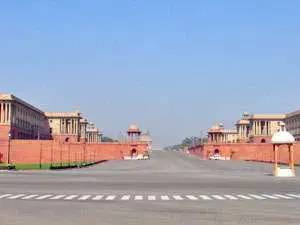
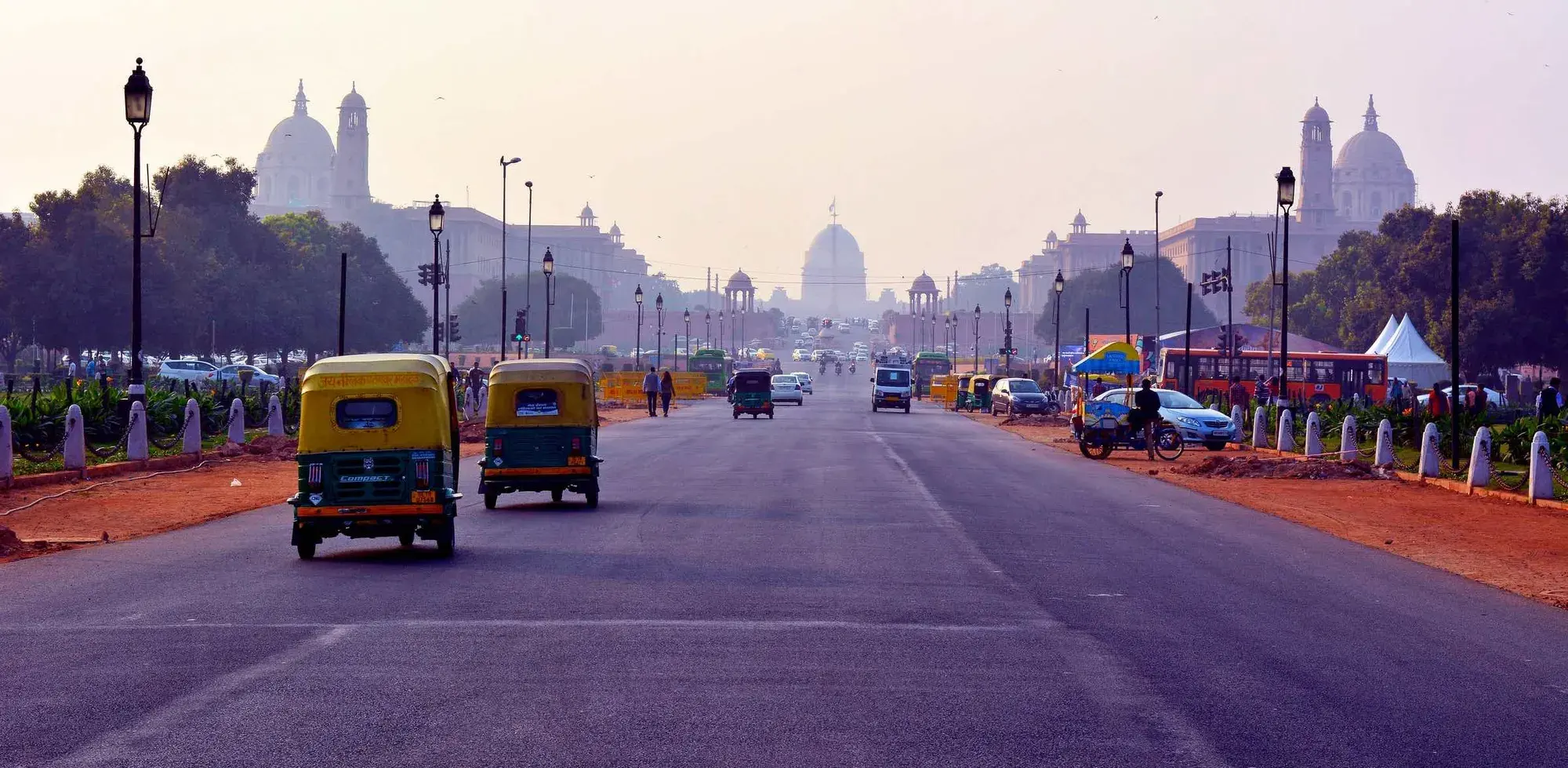
Known as “King's Way" Rajpath is the most important road in India because it is littered with governmental buildings including the parliament house of India. The road runs from Rashtrapati Bhavan to the National Stadium and has a lovely floral view with several lawns, trees, and ponds found along the sides.

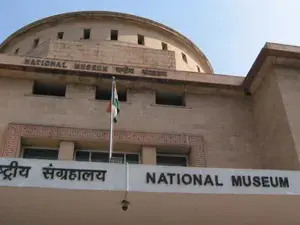
National Museum

To truly appreciate India's past, you first must make sure you have a few hours to spare before diving into the National Museum's rich exhibitions. The more interesting displays include the carved pillars and statues from the Maryan empire (250 BC), sandstone figures from Pallava temples, Naga models and masks, excavations from the Indus Valley civilizations, Gupta terracottas dating from AD400, stone and bronze Buddhist statues, silk paintings from Central Asia, Tibetan manuscripts, and Mughal clothing, weapons, tapestries and various other Mughal items.

Image

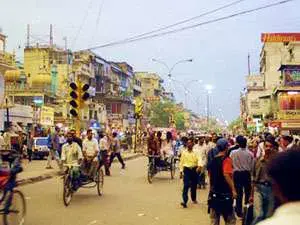
The bazaars that surround Chandni Chowk, in Old Delhi, offer a colourful, heaving and pungent slice of Delhi life, with shops and stalls displaying a spectacular array of goods, from fish and poultry to second-hand goods, gemstones and gold, garlands, turbans, tinsel and spare car parts. They are an unmissable part of any visit to the city. The covered Gadodial Market is the wholesale spice market with an incredible display of aniseed, turmeric, pomegranate, dried mangoes, ginger, saffron, reetha nuts, lotus seeds, pickles, sugars and chutneys. Chawris Bazaar is packed with shops specialising in copper and brass Buddhas, Vishnus and Krishnas.

Image

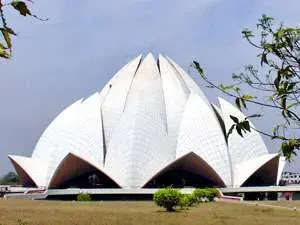
Otherwise known as the Lotus Temple, the modern Baha'i Temple has often been compared to the Sydney Opera House. Giant white petals of Rajasthani Macrana marble open out from nine pools and walkways in the shape of an unfolding lotus, symbolising the nine spiritual paths of the Baha'i faith. The crouched yet upright stance and upturned, opening petals hint at the human form in ecstatic prayer. The temple is approached through an attractive formal garden. Inside, the central hall rises to a height of over 30m (98ft), without the visible support of any columns. Visitors should take their shoes off before entering.

Image

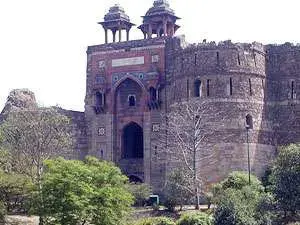
Humayun's 16th-century Delhi had at its centre the fortress of Purana Qila, which reputedly stands on the site of Indraprastha, the city of the Pandavas in the Mahabharata. Of the buildings that survive today, the Qila-i-Kuhna Masjid, a successful fusion of the Islamic and Hindu styles, was constructed by Sher Shah in 1541. The Sher Mandal is an octagonal observatory and library. The north gate, Talaqi-Darwaza, has been partially rebuilt and gives an impression of how formidable the fortifications would have been in their heyday. The chattri surmounting the west (entrance) gate commands a fine view of

Image

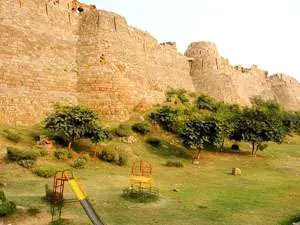
The immense and brutal fortifications of Tughluqabad are an impressive monument to the militarism of the Tughluqs, an antidote to any idea that the Delhi Sultans were merely effete builders of mosques and palaces. Nowadays, the only living things that visitors are likely to see at the vast, barren, sun-scorched site are goats, donkeys and the occasional archaeologist, although in the 14th century, the citadel, the third city of

Image

In South Delhi you may be amazed by the grandeur of the houses, for it is where the rich and famous reside. For instance, areas known for their poshness are the Greater Kailash, Sainik Farms, Vasant Vihar, and West End. However, unlike North Delhi, South Delhi offers some great markets and shops. This neighborhood is deifinitely worth a visit.

Image

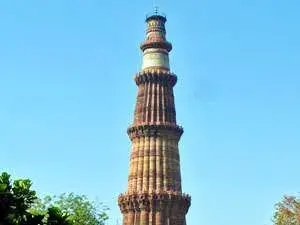
Built between 1193 and 1369, the Qutb Minar is the largest brick minaret in the world and a UNESCO world heritage site.

Image

If you only have time to visit one shopping area in Delhi, then the Dilli Haat must be the shopping locale of choice. This bazaar hosts several craft stalls, with most of them rotating every two weeks. The best part of Dili Haat, however, is that you can buy goods directly from the craftspeople themselves, rather than buying these items at an inflated price from brand name stores.

Image

This area boasts nothing spectacular. Thus, it would only be worth a visit if you want to really see the grit of New Delhi and observe how the average Jane and Joe go about their day.

Image

West Delhi is most famously known for being home to the noveau rich and wealthy business individuas. Yet, this neighborhood gets a bad rep because its residents are stereotyped to be tacky and garish.

Photo unavailable

Rashtrapati Bhavan is the official residence of the President of India in New Delhi. Public visits use separately bookable circuits for the main building, museum and gardens, together with the changing-of-the-guard programme. Reservations are made through the President’s official visitor portal; the selected circuit determines the entrance and visiting slot.