
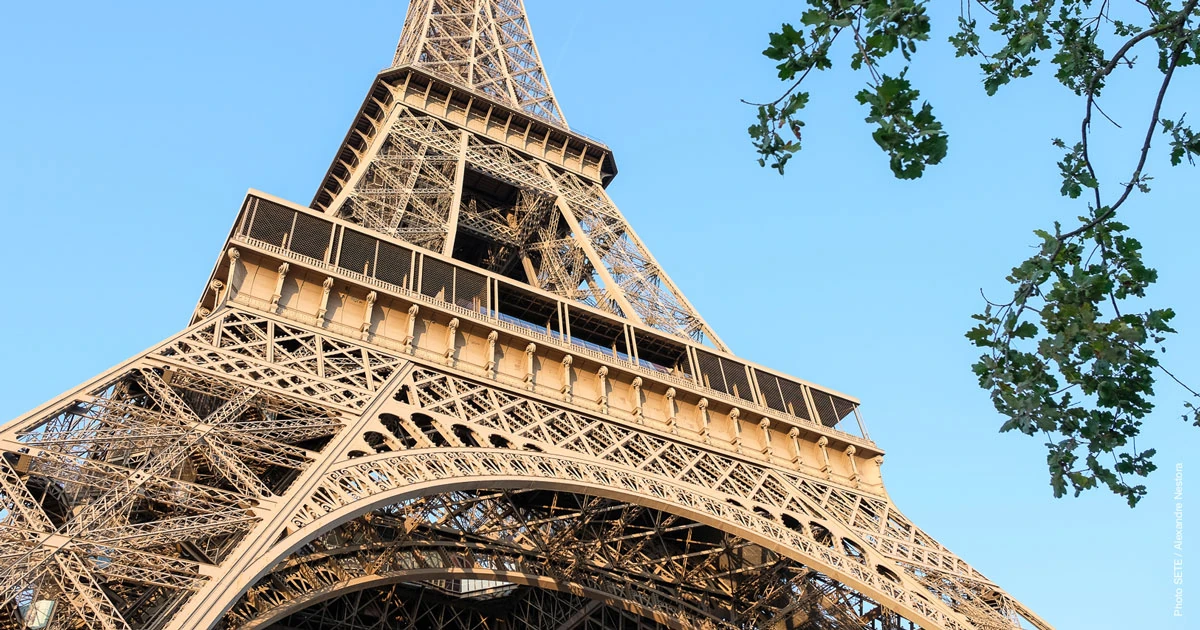
 Champ de Mars / Bir-Hakeim
Eiffel Tower
The Eiffel Tower (برج إيفل), constructed in 1889 by Gustave Eiffel for the World's Fair, stands as Paris's most famous monument.
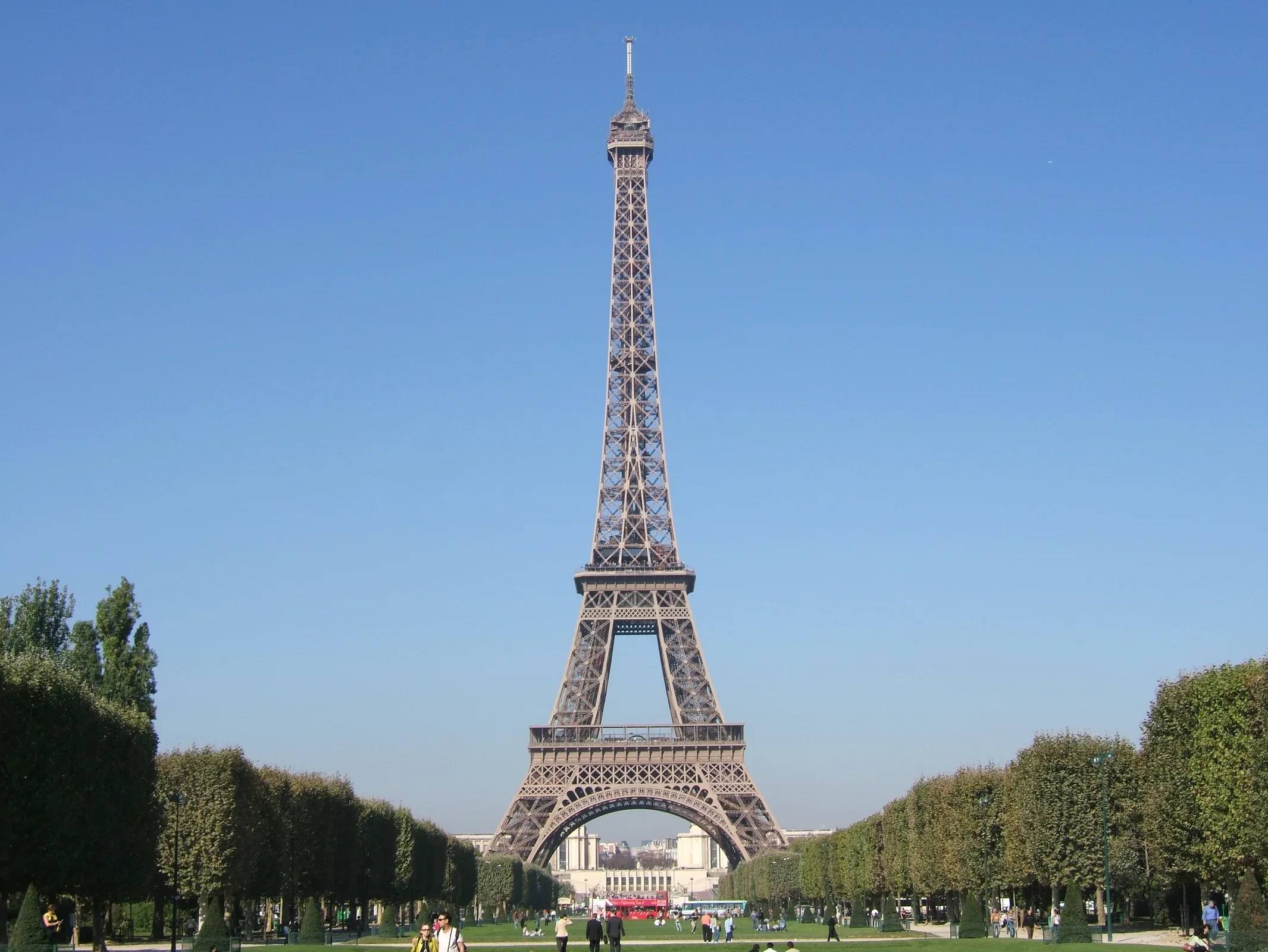
Paris today, Paris history, residents, culture, and city character.
Showing 1–3 of 3 articles
 City Information
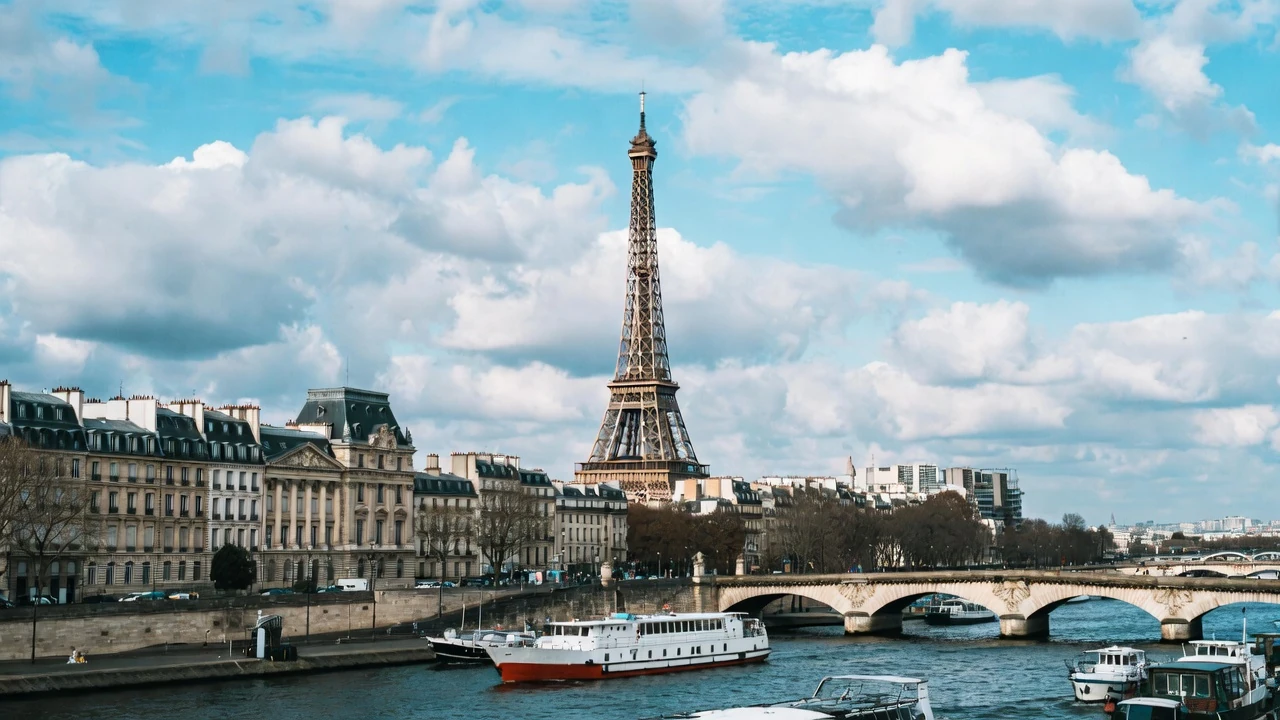
Paris is arranged around the Seine, with the Left Bank to the south, the Right Bank to the north, and 20 municipal arrondissements spiralling outward from the historic center. For travelers, this layout matters: museum days often cluster around the 1st, 6th, and 7th arrondissements, luxury shopping sits strongly in the 8th, and multicultural food streets and everyday neighborhood life become more visible in the 10th, 11th, 18th, and nearby suburbs.
 City Information
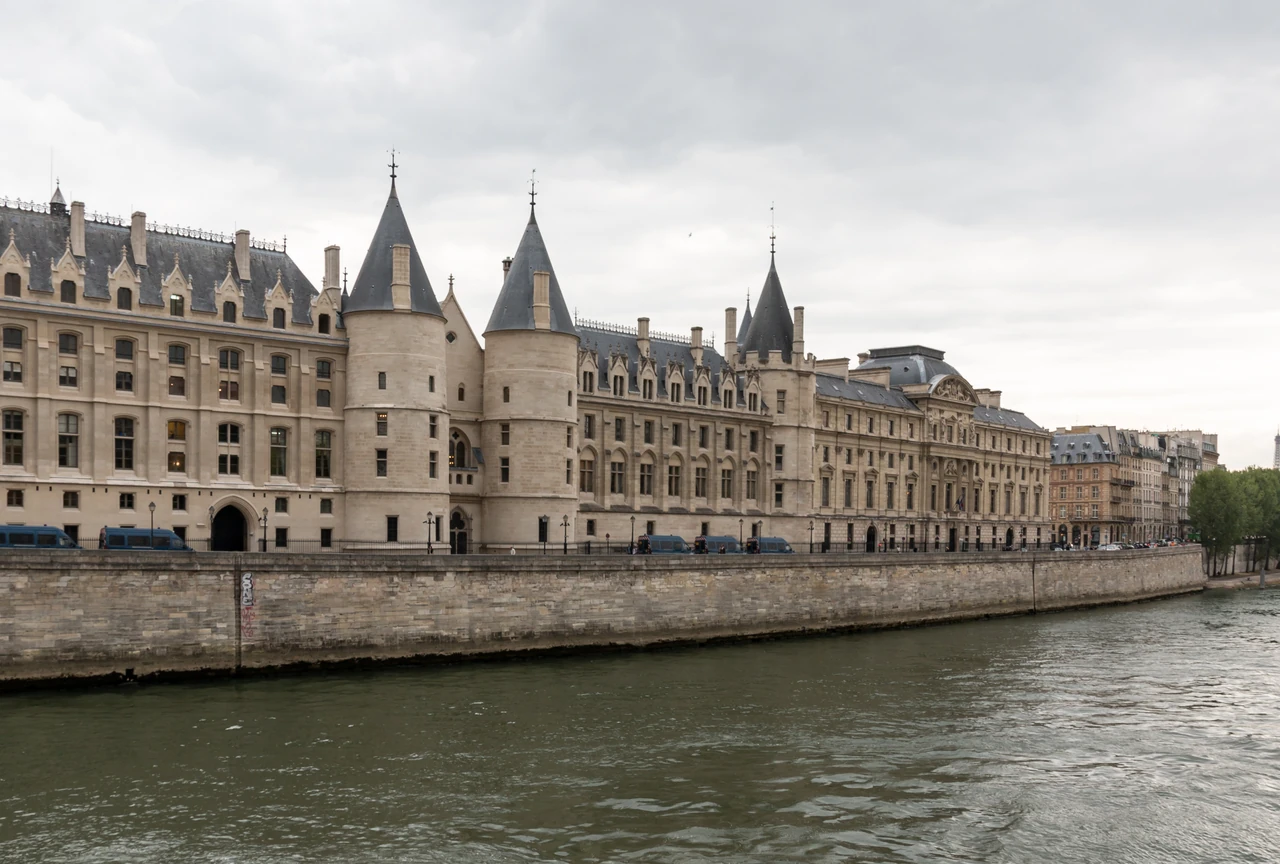
Paris began as a settlement on and around the islands of the Seine, grew under Roman rule as Lutetia, and later became a medieval capital shaped by churches, markets, universities, bridges, and royal power. The Île de la Cité, the Latin Quarter, the Louvre area, and the old river crossings still reveal that layered city, even when modern traffic and tourism make it feel busy.
 City Information
Central Paris has a dense resident population, while the wider metropolitan region is home to more than 12 million people. Visitors mostly see the monument city first, but daily Paris is built around neighborhoods: school runs, markets, bakeries, métro commutes, small parks, apartment courtyards, late cafés, and strong local habits around food, fashion, and public life.
Keep exploring Paris
Keep exploring Paris and add more stops to your plan.
Champ de Mars / Bir-HakeimThe Eiffel Tower (برج إيفل), constructed in 1889 by Gustave Eiffel for the World's Fair, stands as Paris's most famous monument.
 Louvre / Palais-Royal
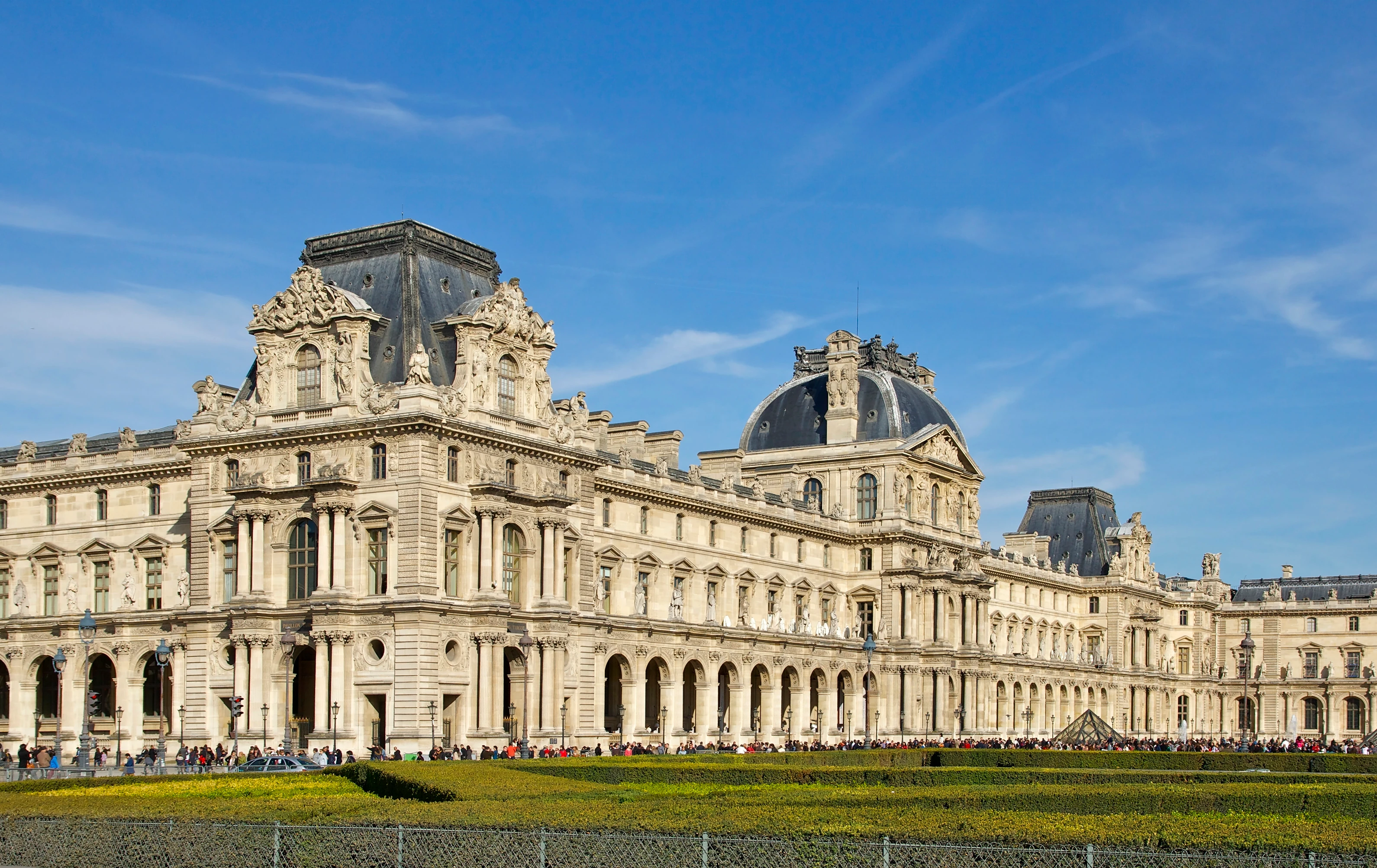
The Louvre Museum (متحف اللوفر) is the world's largest and most visited art museum, housed in a magnificent historic royal palace.
 Île de la Cité
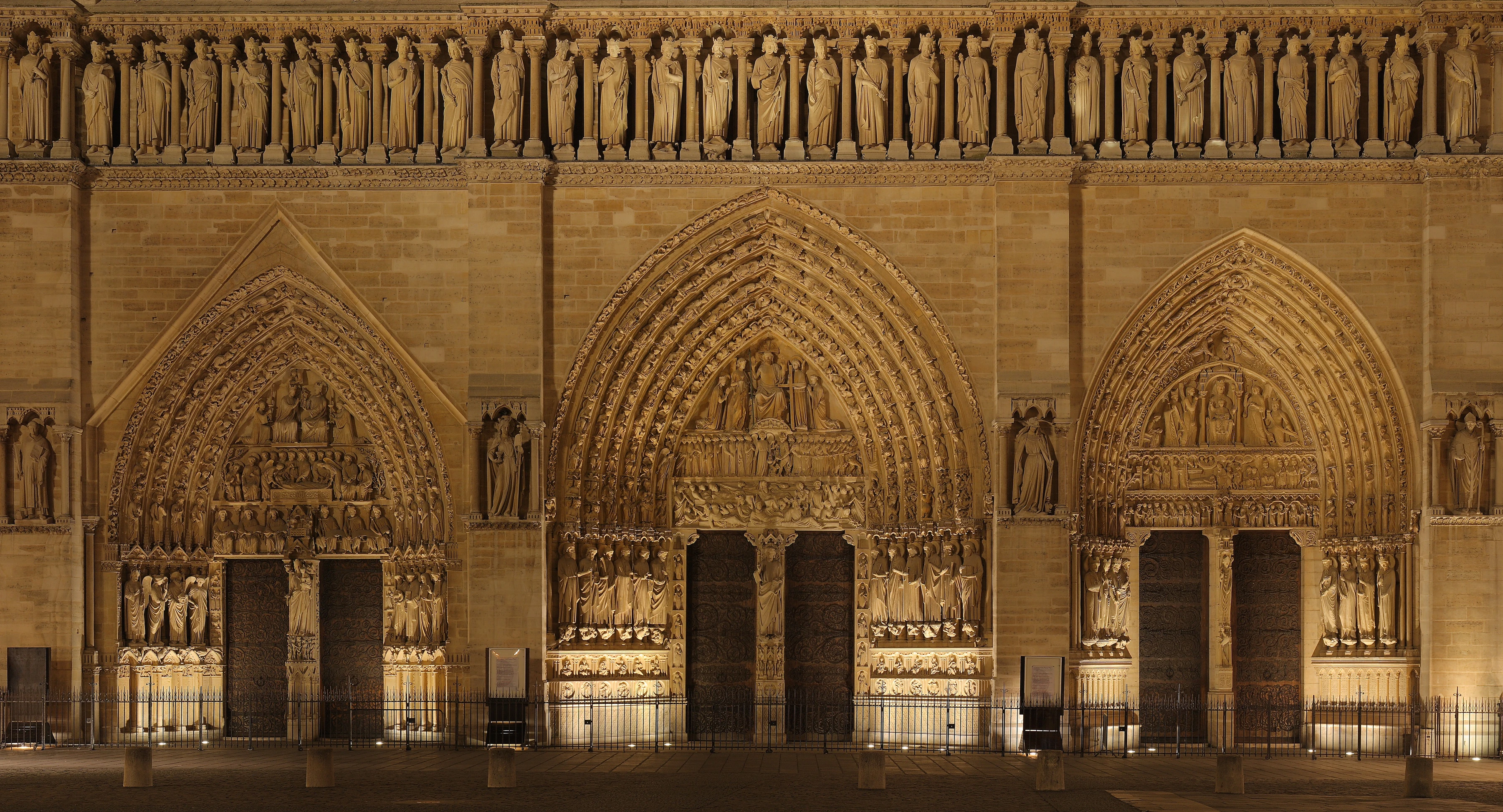
Notre-Dame Cathedral (كاتدرائية نوتردام) is a masterpiece of Gothic architecture, constructed between the 12th and 14th centuries.
 Left Bank / Saint-Germain
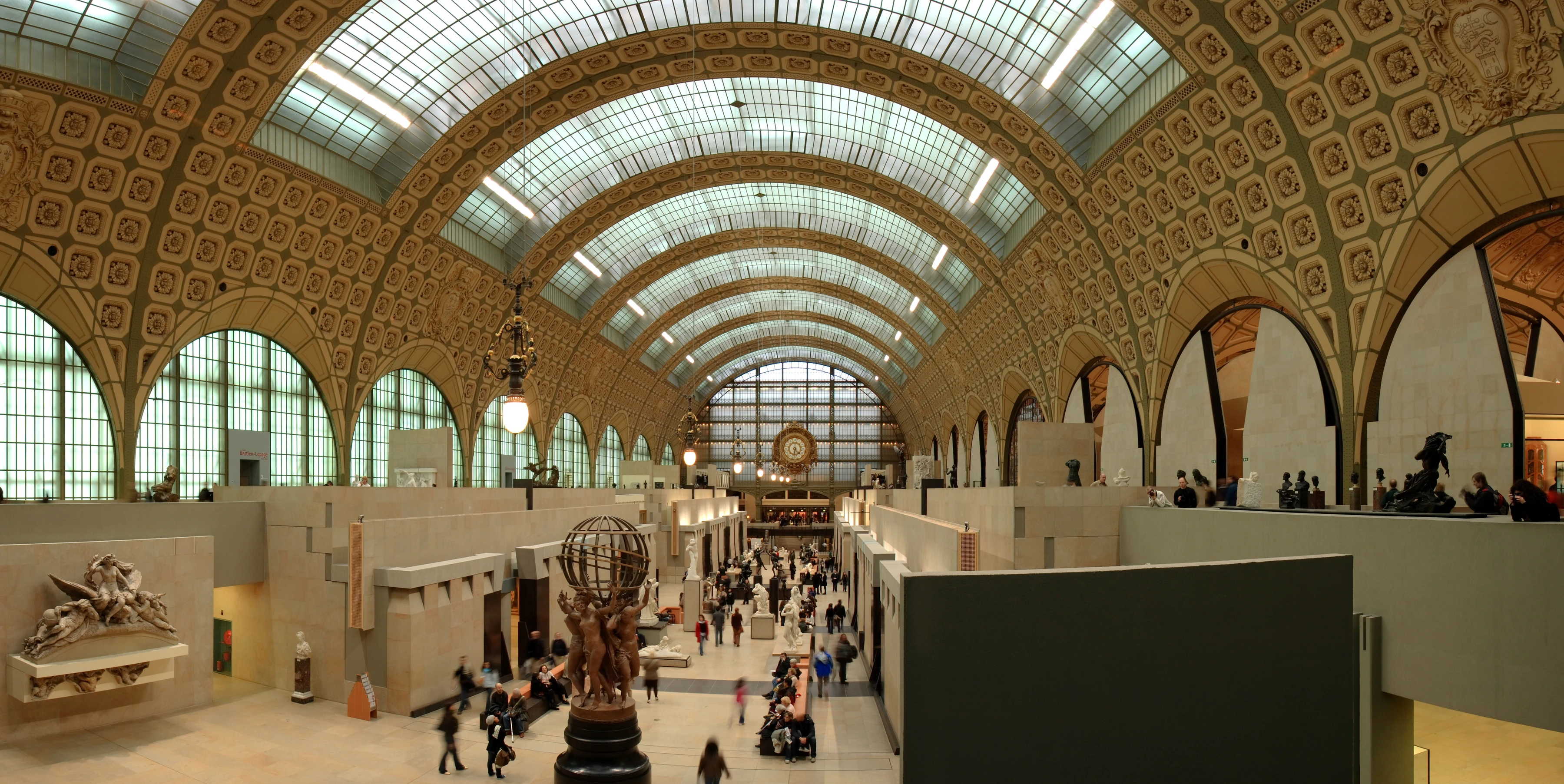
The Musée d’Orsay (متحف أورسيه) is housed in a magnificent historical Beaux-Arts railway station constructed for the 1900 World's Fair. It contains the world’s largest collection of impressionist and post-impressionist masterpieces.[5]
 Champs-Élysées / Etoile
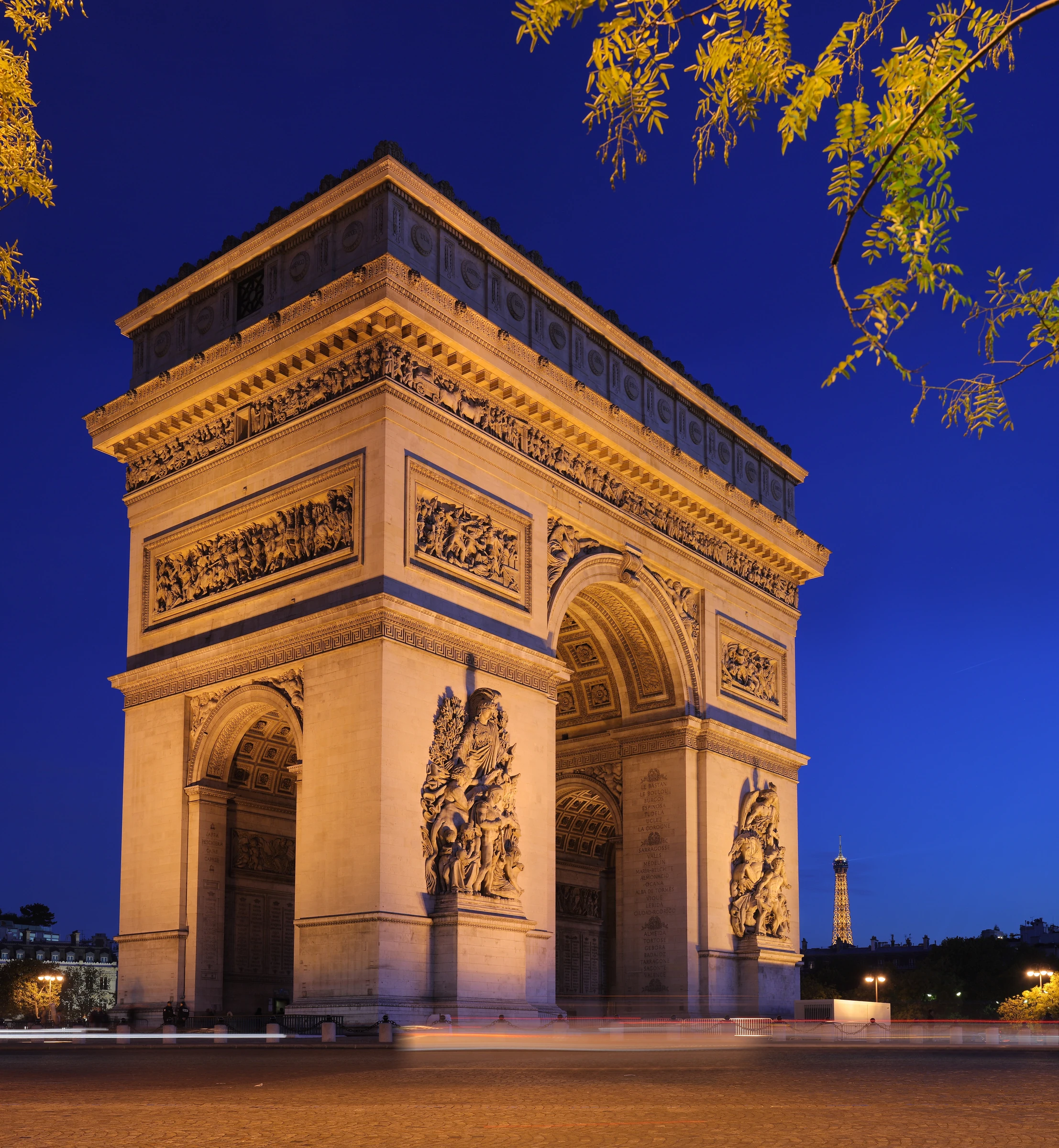
The Arc de Triomphe (قوس النصر) stands monumentally at the center of Place Charles de Gaulle, commissioned by Napoleon in 1806 to celebrate French military victories.
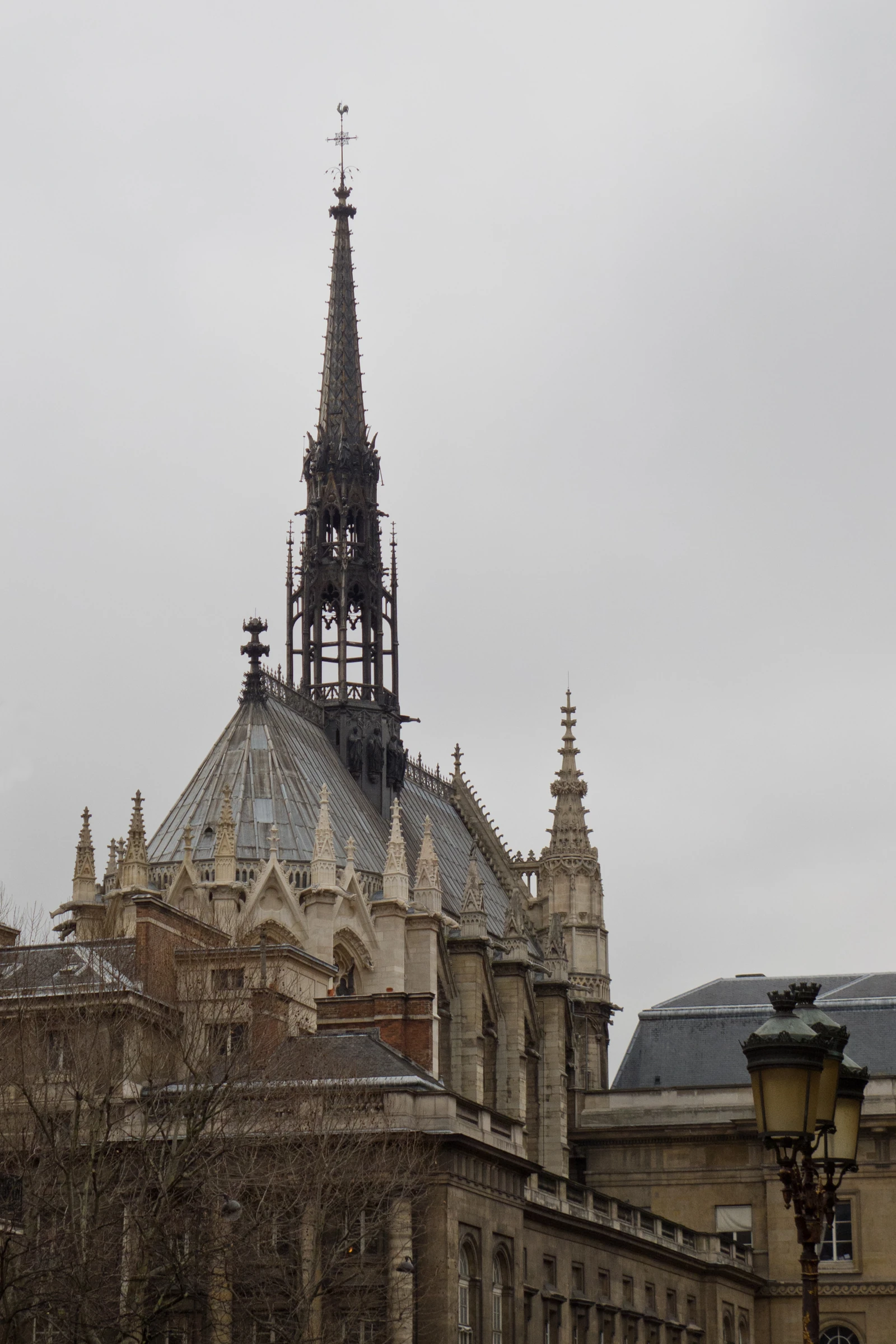 Île de la Cité
Breathtaking Gothic royal chapel featuring 15-meter-high stained glass windows depicting biblical history.[71] Timed entry must be pre-booked online.
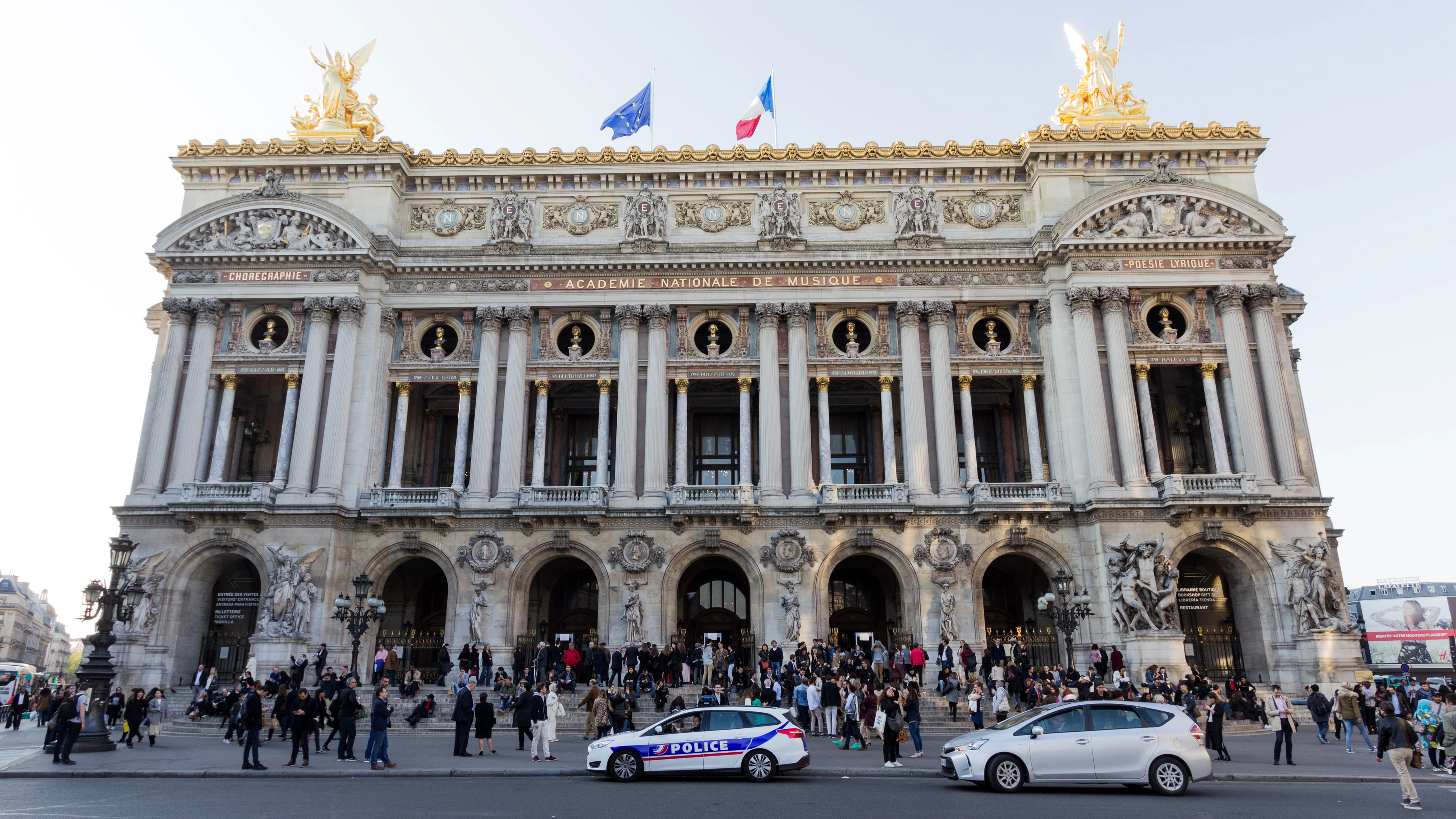 Opera
OperaOpulent 19th-century opera house showcasing grand marble staircases and a ceiling painted by Marc Chagall.[22] Timed tickets are required.
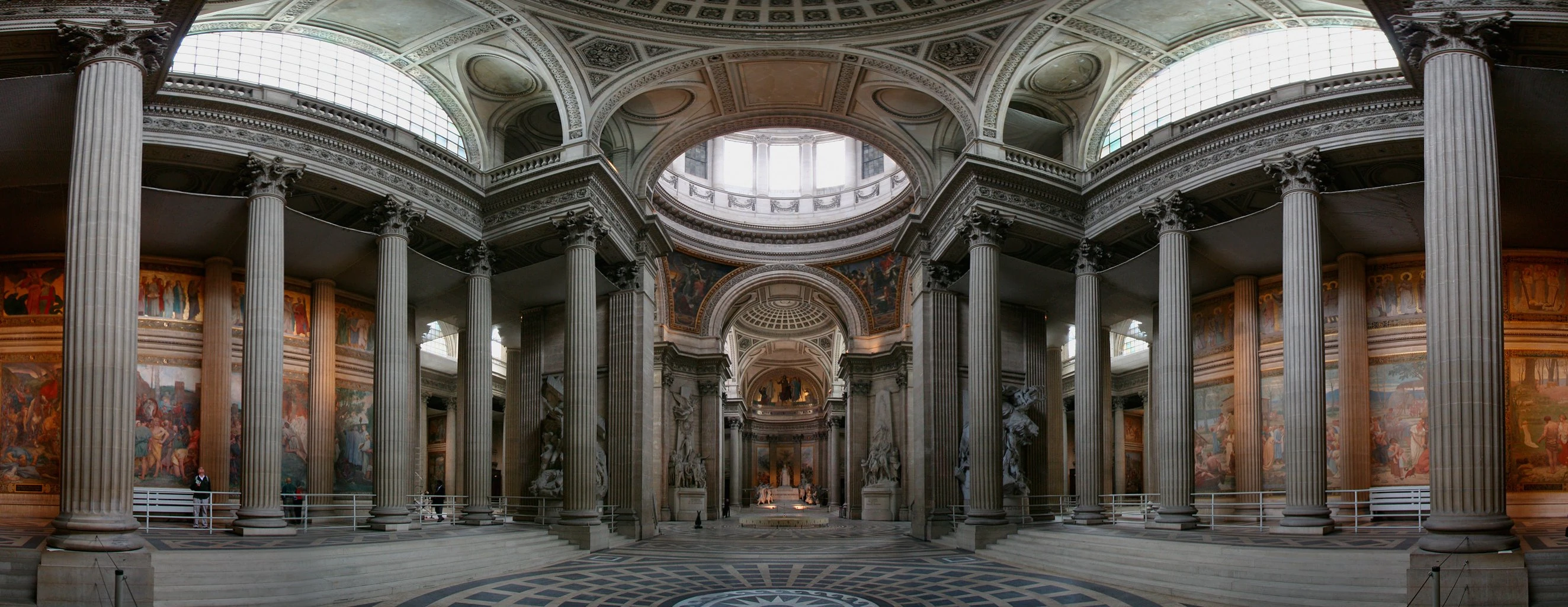 Latin Quarter
Monumental neoclassical mausoleum serving as the resting place of France's historic luminaries.[74] Elevator access to the dome is seasonal.
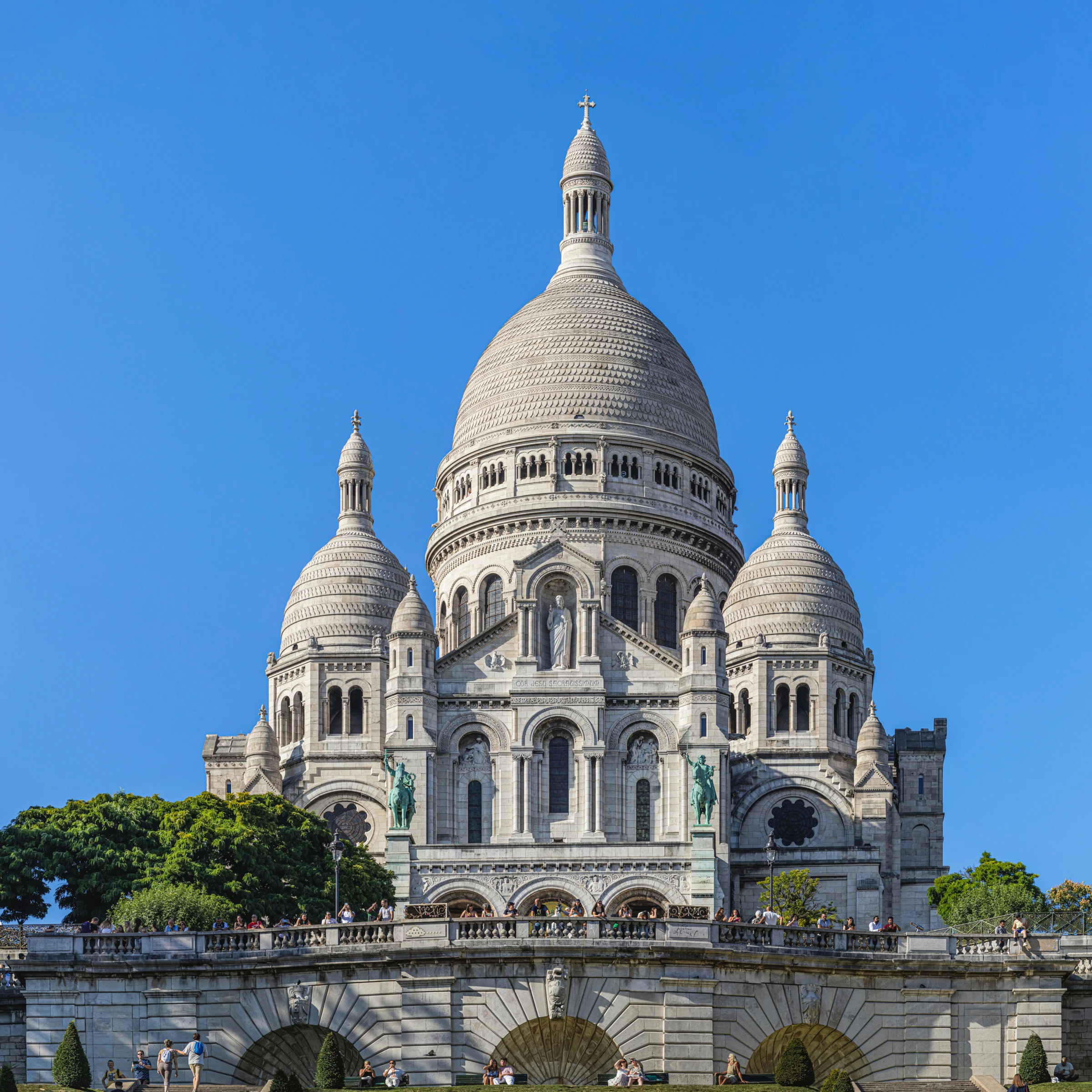 Montmartre
Majestic white-domed basilica rising on the summit of Montmartre, offering Paris's absolute best panoramic views.[6] Access is free.
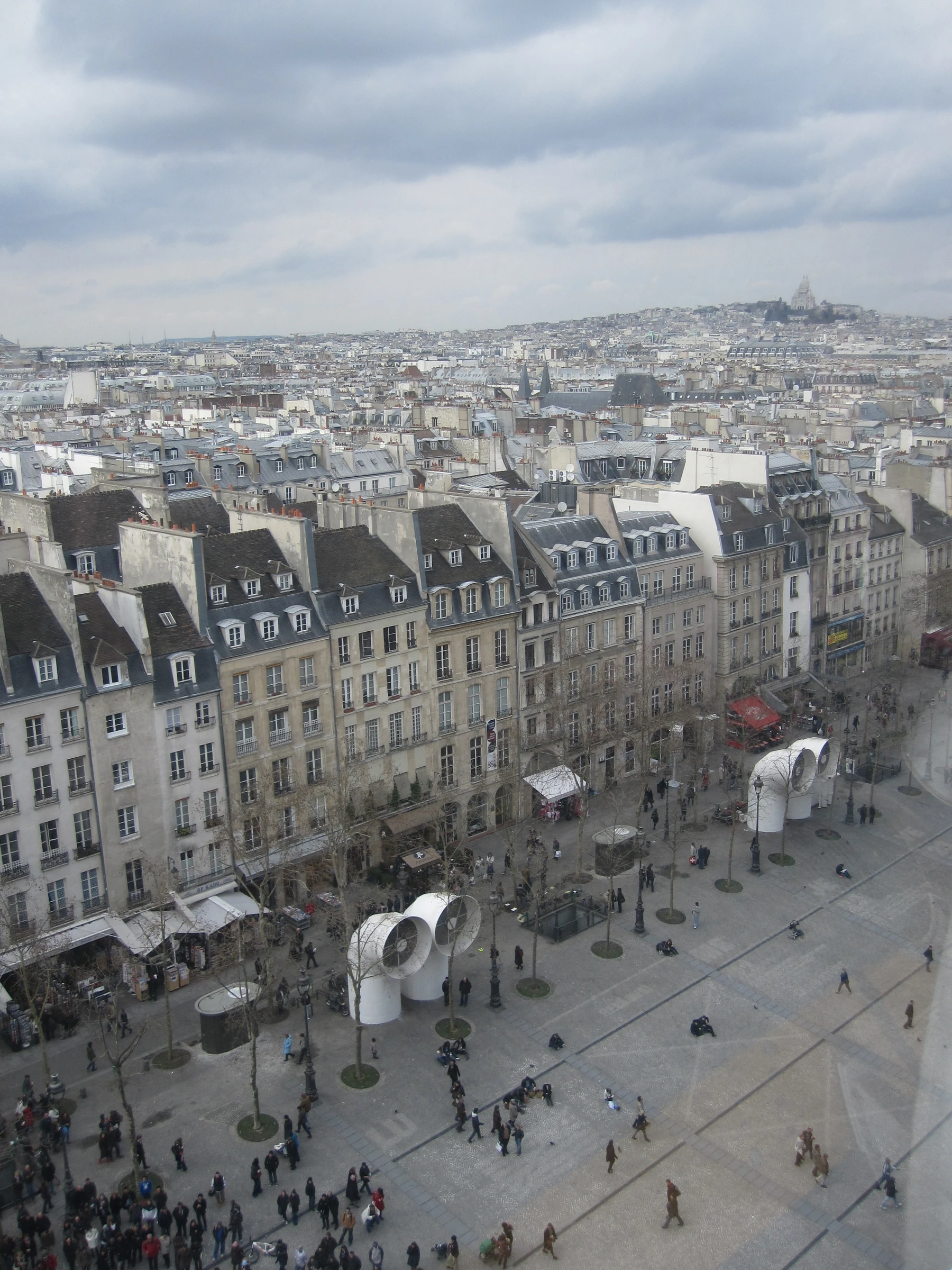 Marais
Please note that the iconic modern art museum is closed for a structural renovation starting from 2025 through 2030.[74] External viewing only.
Keep exploring Paris and add more stops to your plan.
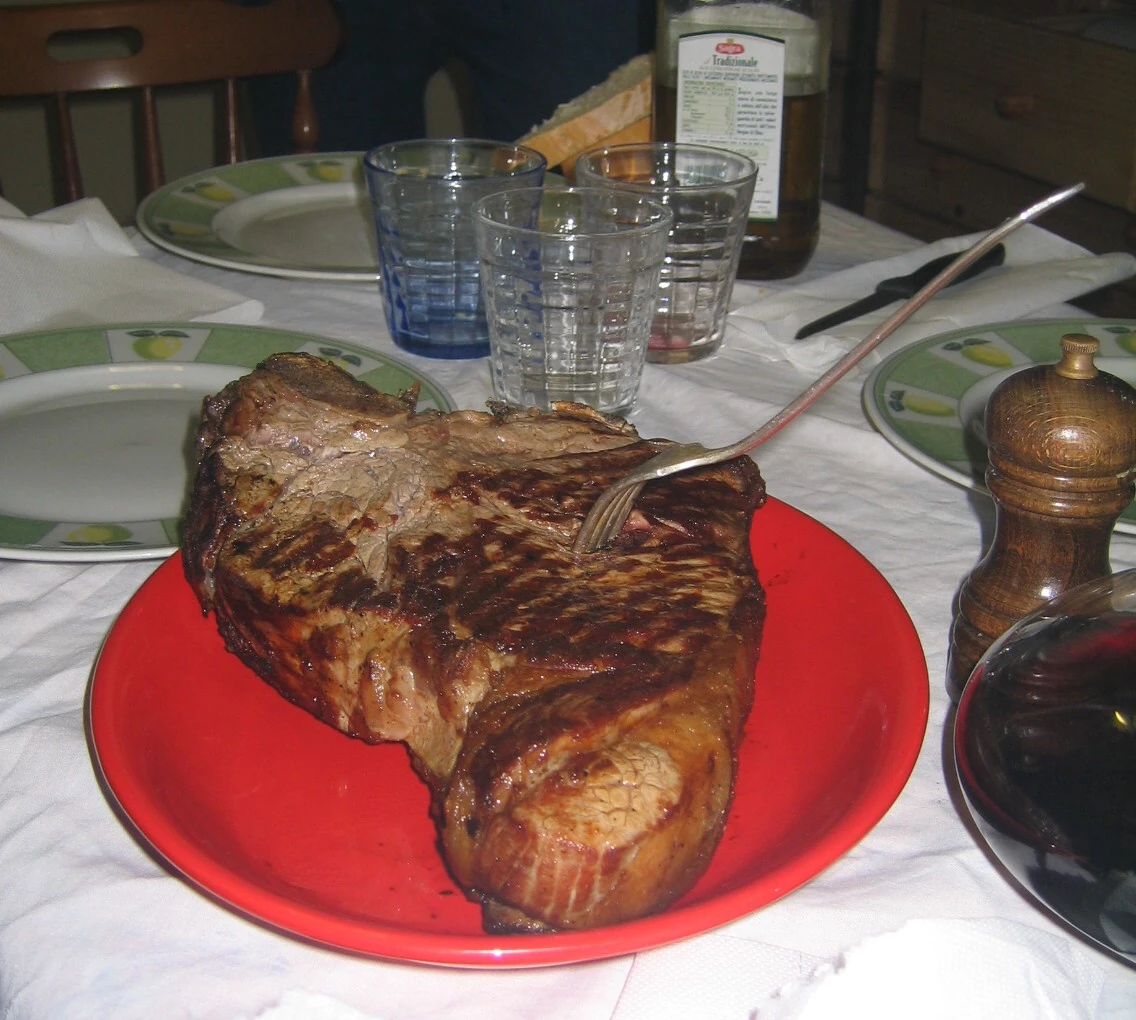 Stains
Alambra is highly celebrated among the Muslim community in Paris as the ultimate destination to experience authentic, traditional French raclette cheese melted over tender, certified halal steaks.[15] The environment is entirely alcohol-free and pork-free, making it exceptionally family-friendly.[15]
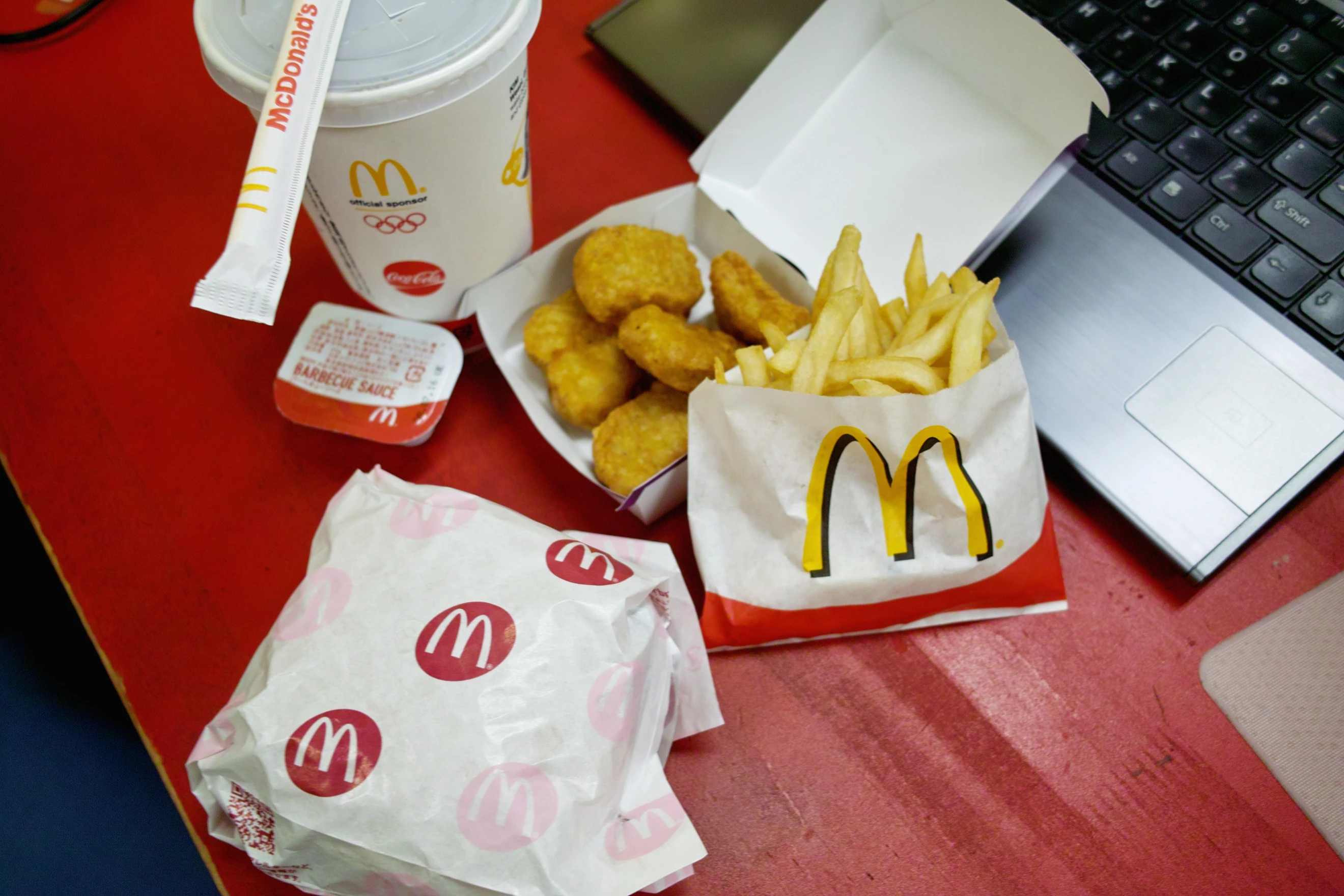 Champs-Élysées
Le Butcher is a highly recommended, upscale halal burger bistro situated just steps from the Champs-Élysées.[19, 32] Utilizing fresh, premium halal meats and house-made sauces, the entire establishment is dry and serves zero pork.[19]
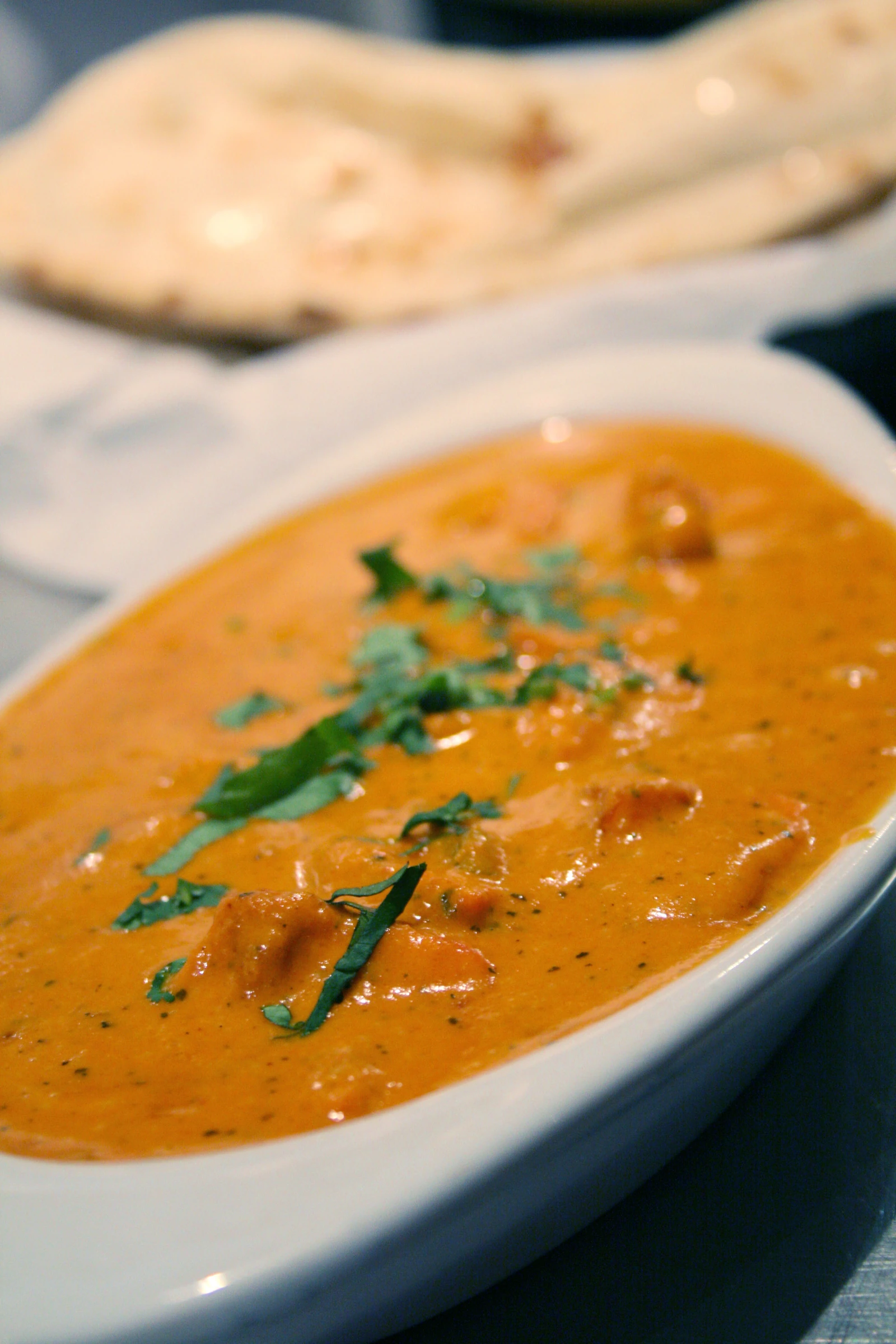 Passy / Trocadéro
New Jawad Longchamp is a premier Indian-Pakistani fine dining establishment located in the upscale 16th Arrondissement near Trocadéro.[13, 81] The restaurant is highly favored by GCC diplomats and families who appreciate the sophisticated, dry atmosphere.[25]
 Latin Quarter
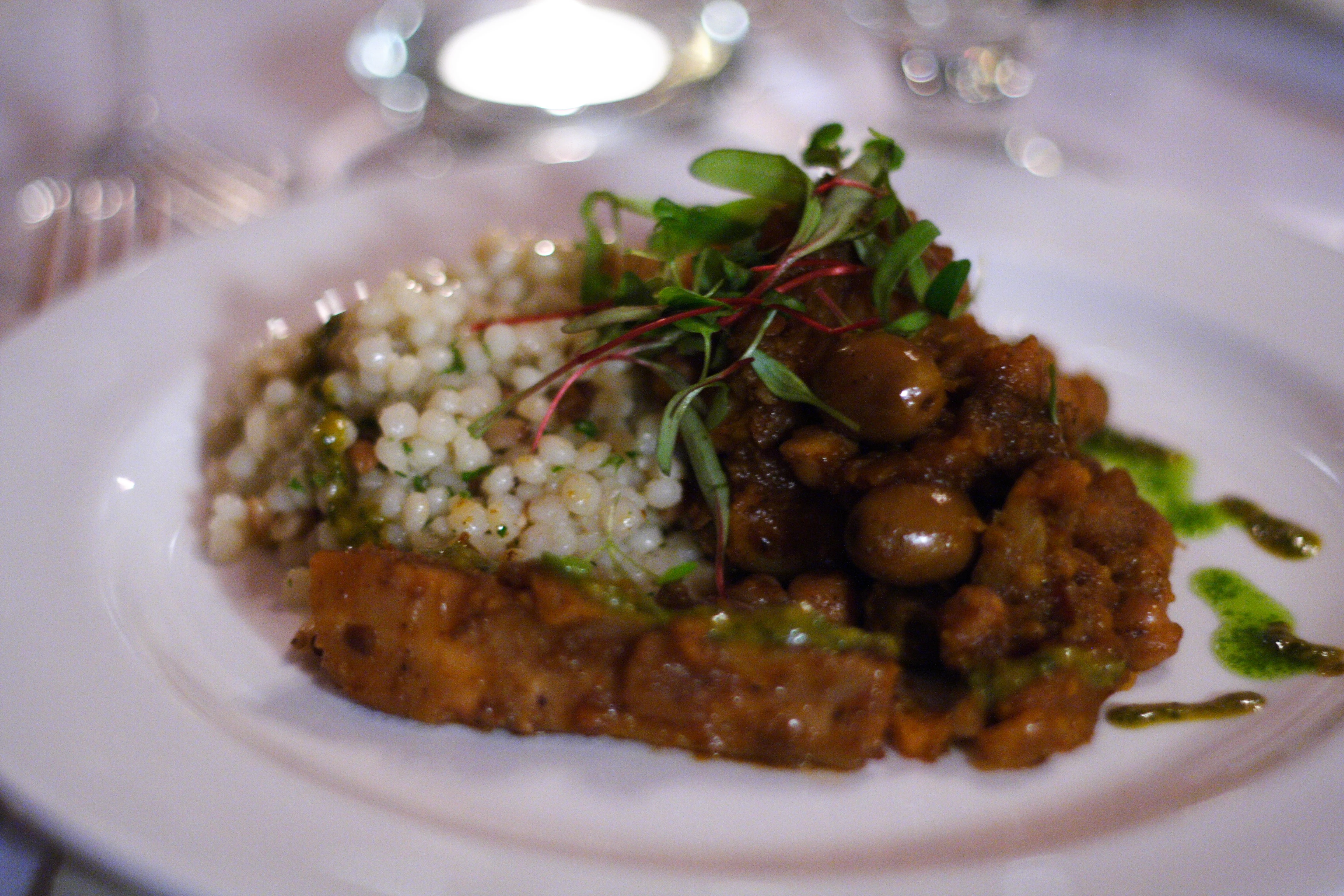
Housed within the historic complex of the Grande Mosquée de Paris, this restaurant offers an authentic culinary journey into the Maghreb.[34, 82] Families can enjoy slow-cooked lamb tagines and traditional Moroccan mint tea.[82]
 Saint-Germain-des-Prés
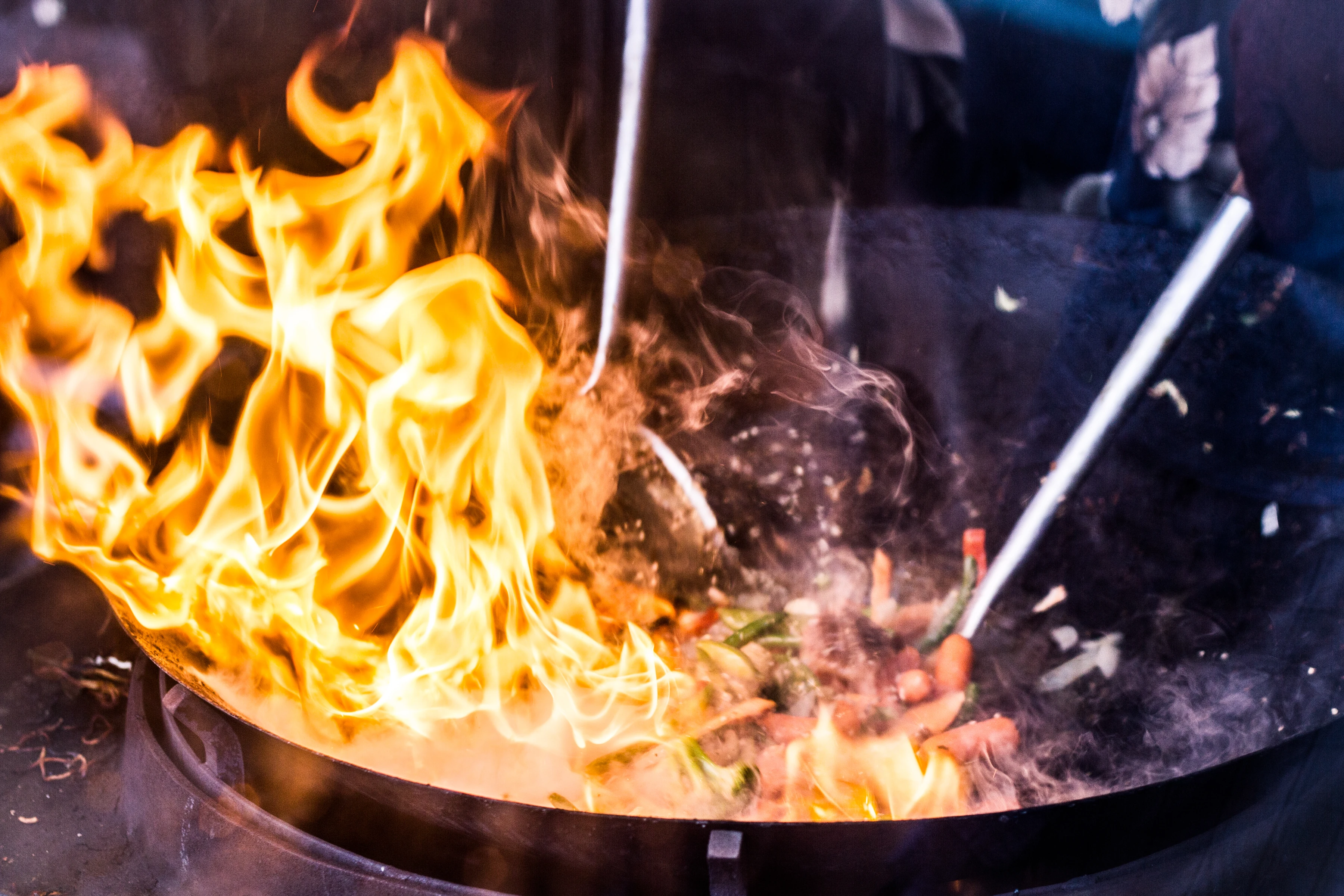
Le Wok Saint Germain is a highly popular Asian fusion restaurant located in the historic 6th arrondissement, certified strictly by AVS.[14, 81] Specializing in Thai and Vietnamese stir-fries, the restaurant ensures all ingredients are strictly verified.[14]
 Barbès
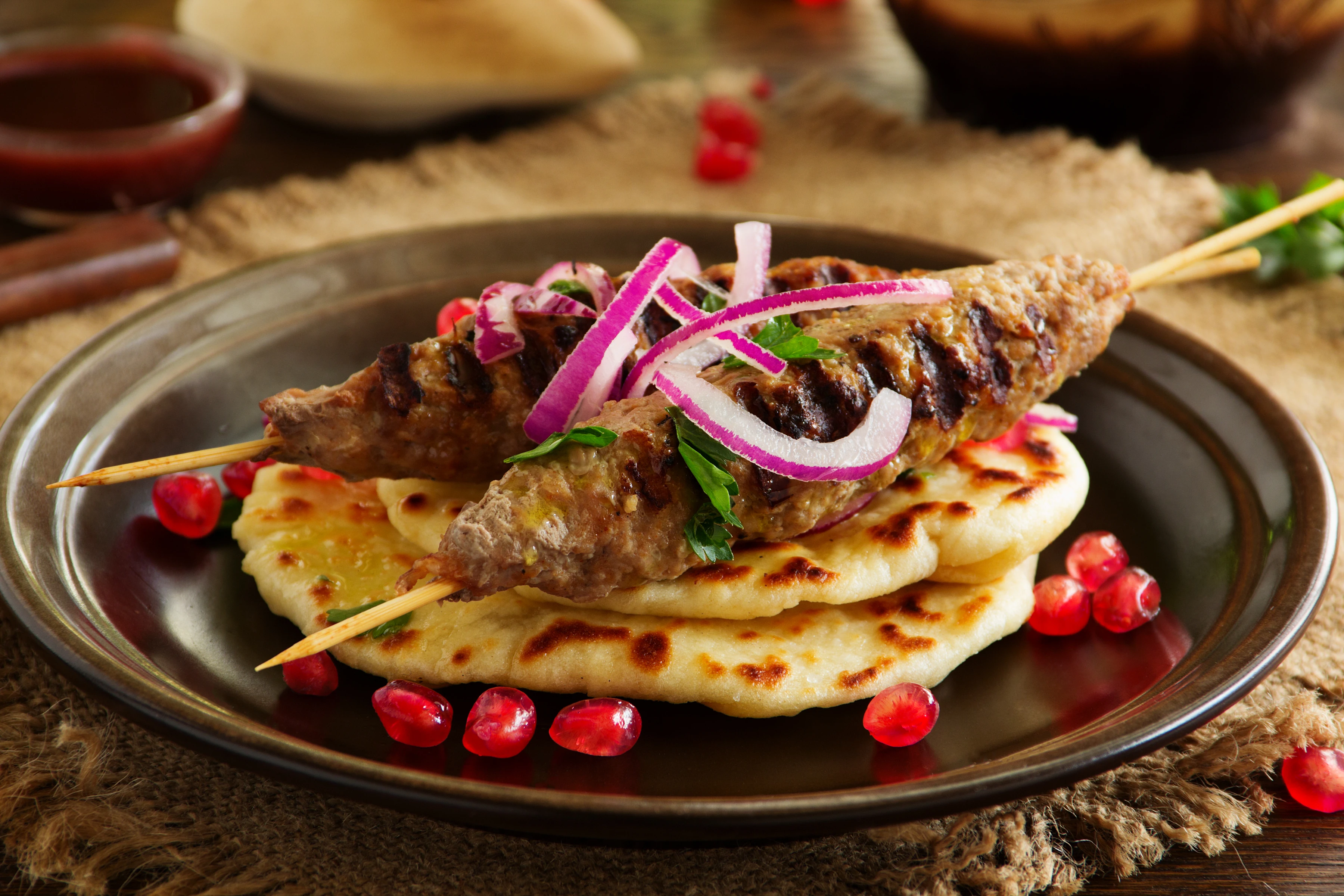
A certified halal Indian-Pakistani grill and curry house near the Barbès prayer hubs.[1, 3] Offers exceptional hospitality with zero pork or alcohol served on premises.
 Louvre
Upscale halal fusion restaurant overlooking the Seine, offering spectacular views.[1] Standard menus combine French bistronomy with modern Middle Eastern touches. Strictly dry and certified halal meat used.[1]
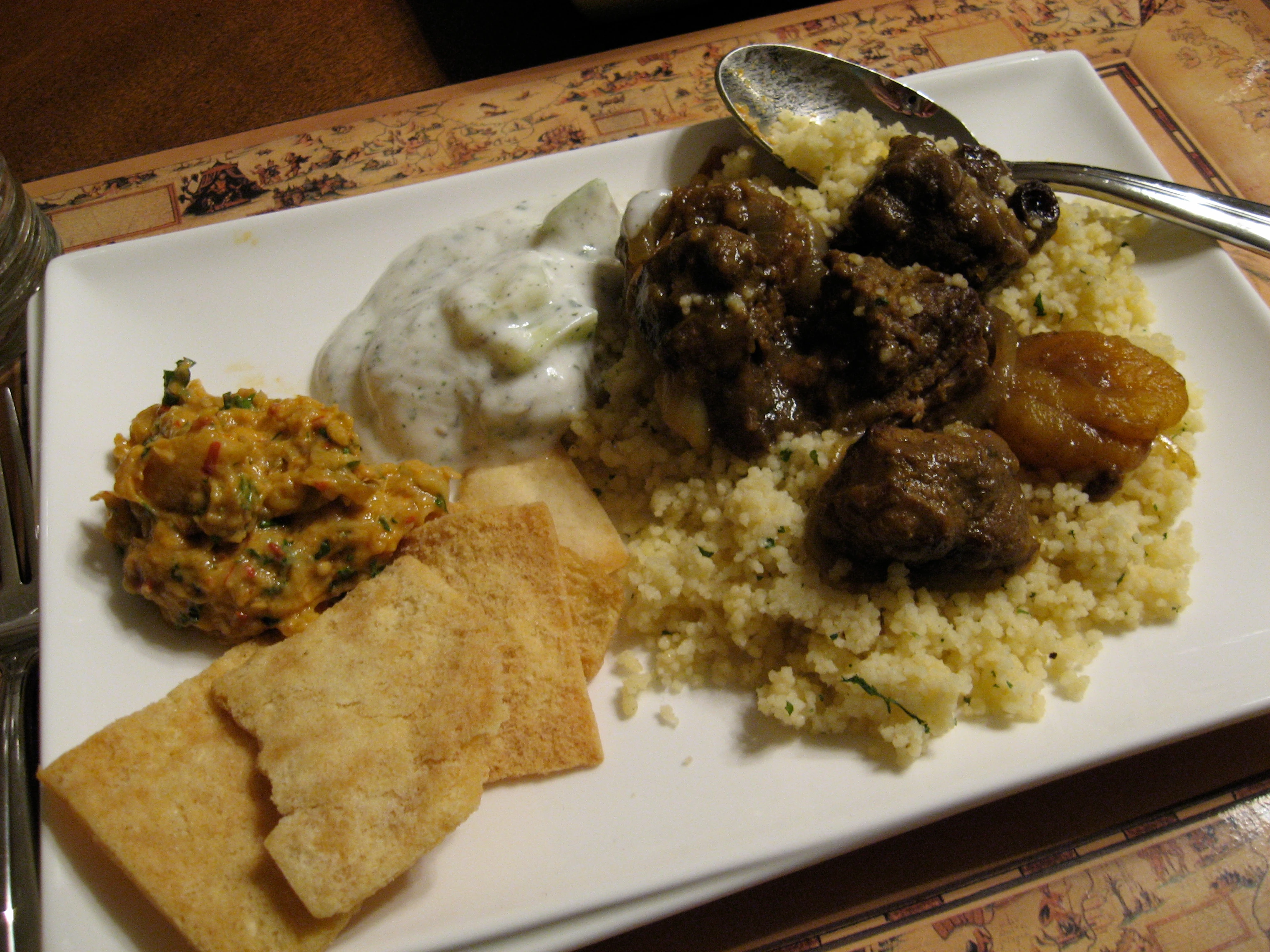 Belleville
Cozy Algerian bistro famous for its slow-cooked tagines and mountain-style couscous platters served in an authentic family setting. Strictly alcohol-free and Muslim-owned.[1, 3]
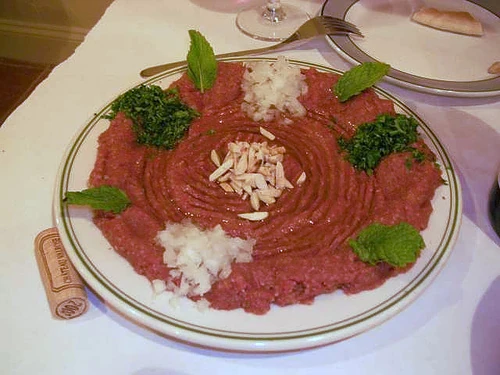 Le Marais
Globally legendary kosher-vegetarian street food institution. Famous for serving massive falafel pitas loaded with hummous and red cabbage.[33, 74] Strictly alcohol-free and pork-free.
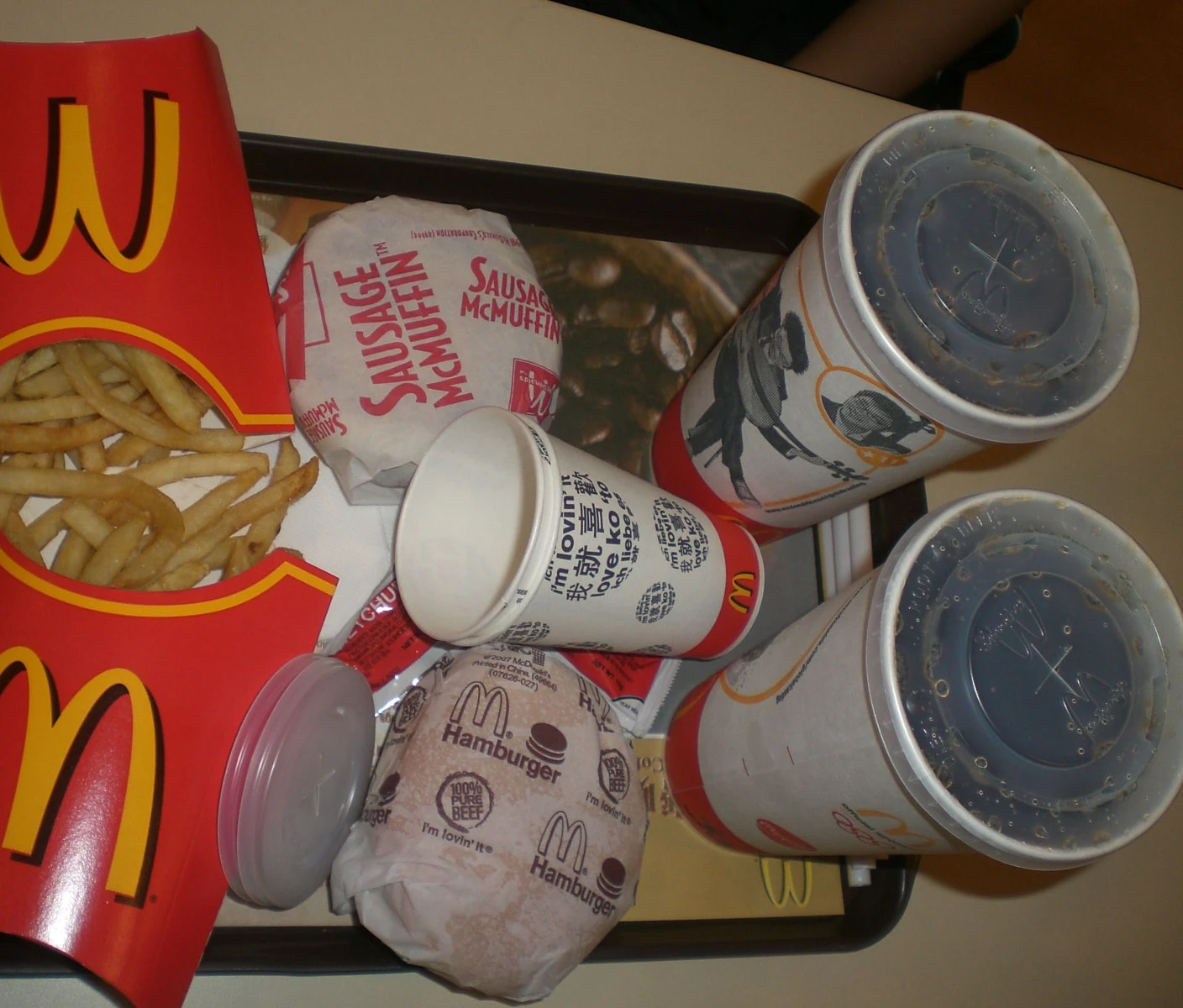 Saint-Germain
Popular fast-food joint serving certified halal burgers and fresh hand-cut fries at highly competitive prices.[9] Offers an entirely dry environment.
Keep exploring Paris and add more stops to your plan.
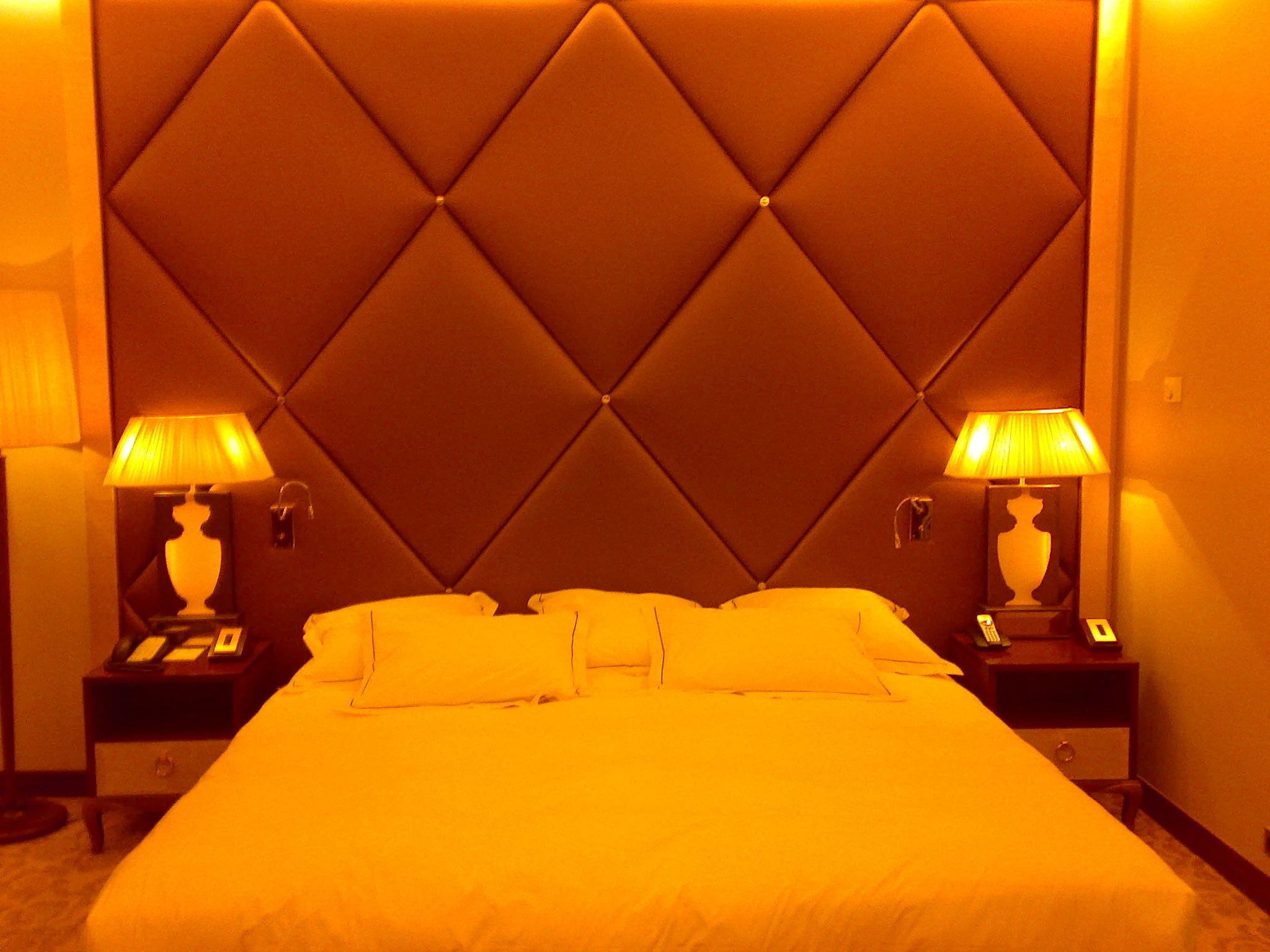 Champs-Élysées
Hotel Fouquet's Barrière represents the pinnacle of Parisian hospitality, situated directly on the prestigious intersection of Avenue George V and the Champs-Élysées.[27] This historic 5-star palace offers an exceptionally refined
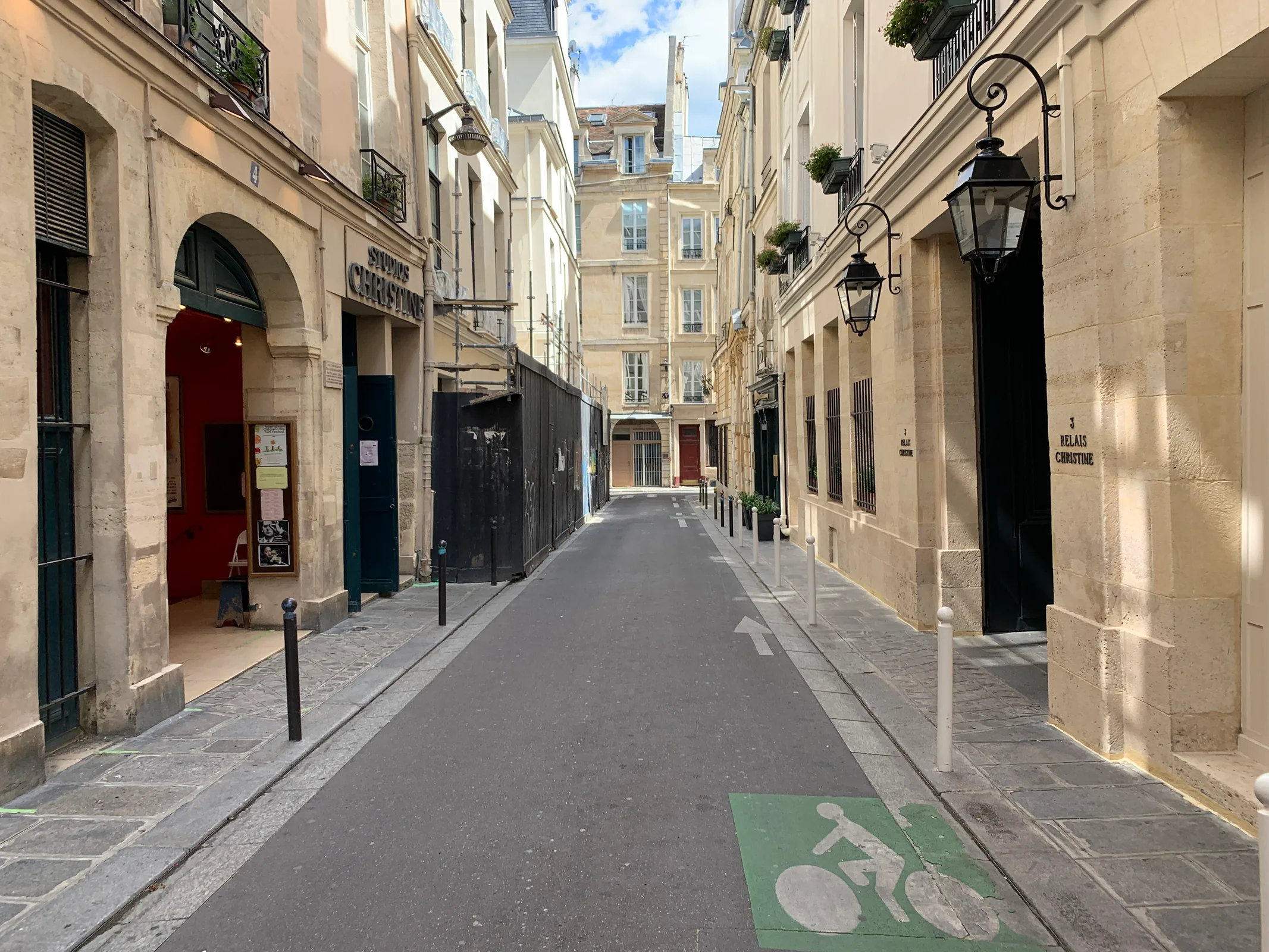 Saint-Germain-des-Prés
Relais Christine is an ultra-private, luxury boutique hotel tucked away in a quiet courtyard in Saint-Germain-des-Prés.[27, 25] Housed in a historic 17th-century abbey, the hotel offers a serene oasis characterized by lush gardens, private terraces
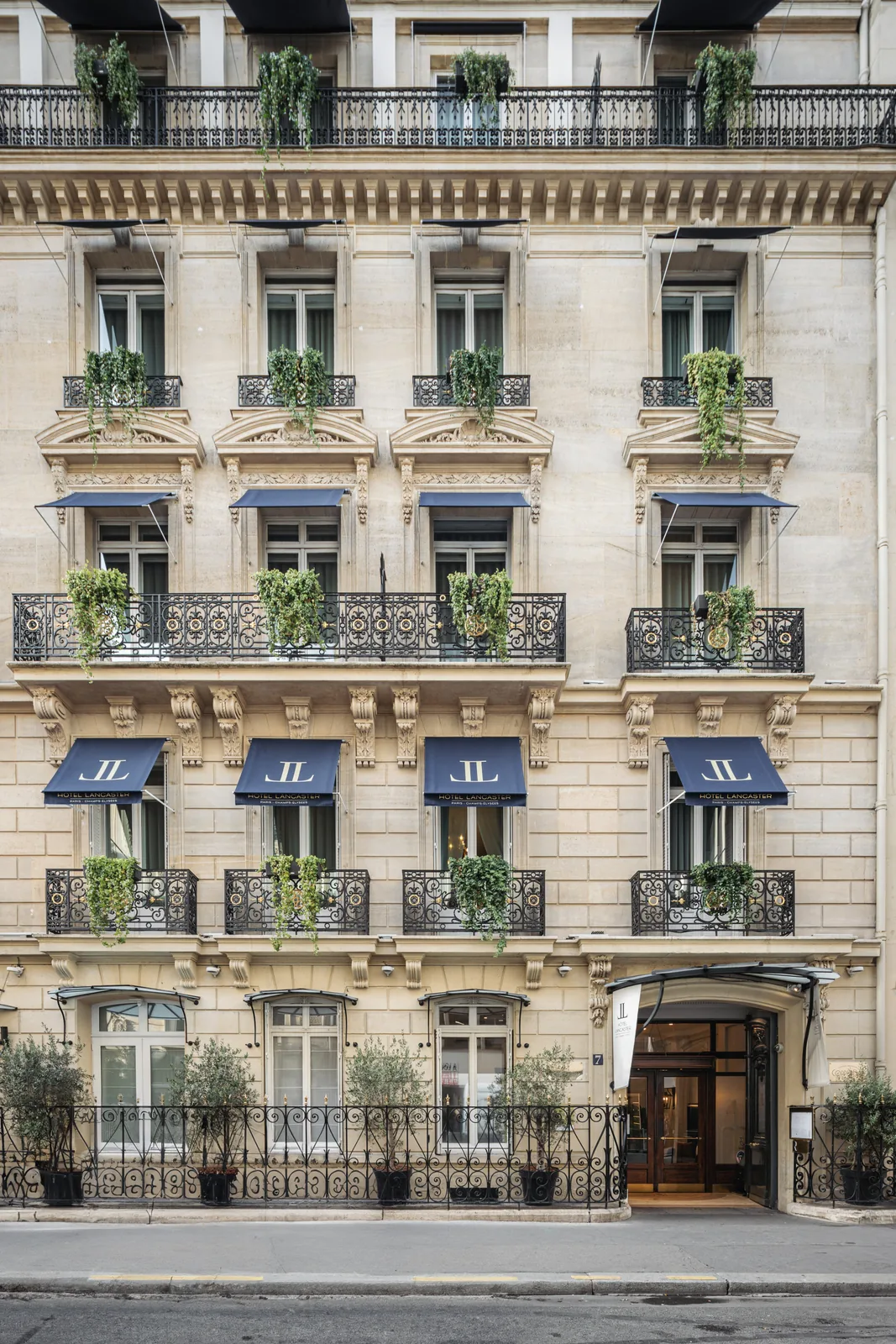 Champs-Élysées
Hotel Lancaster is an iconic classic luxury property located just off the Champs-Élysées, blending historic French art with contemporary comfort.[27, 25] The hotel specializes in offering bespoke, premium services for international travelers, including a dedicated concierge fluent in Arabic.[27
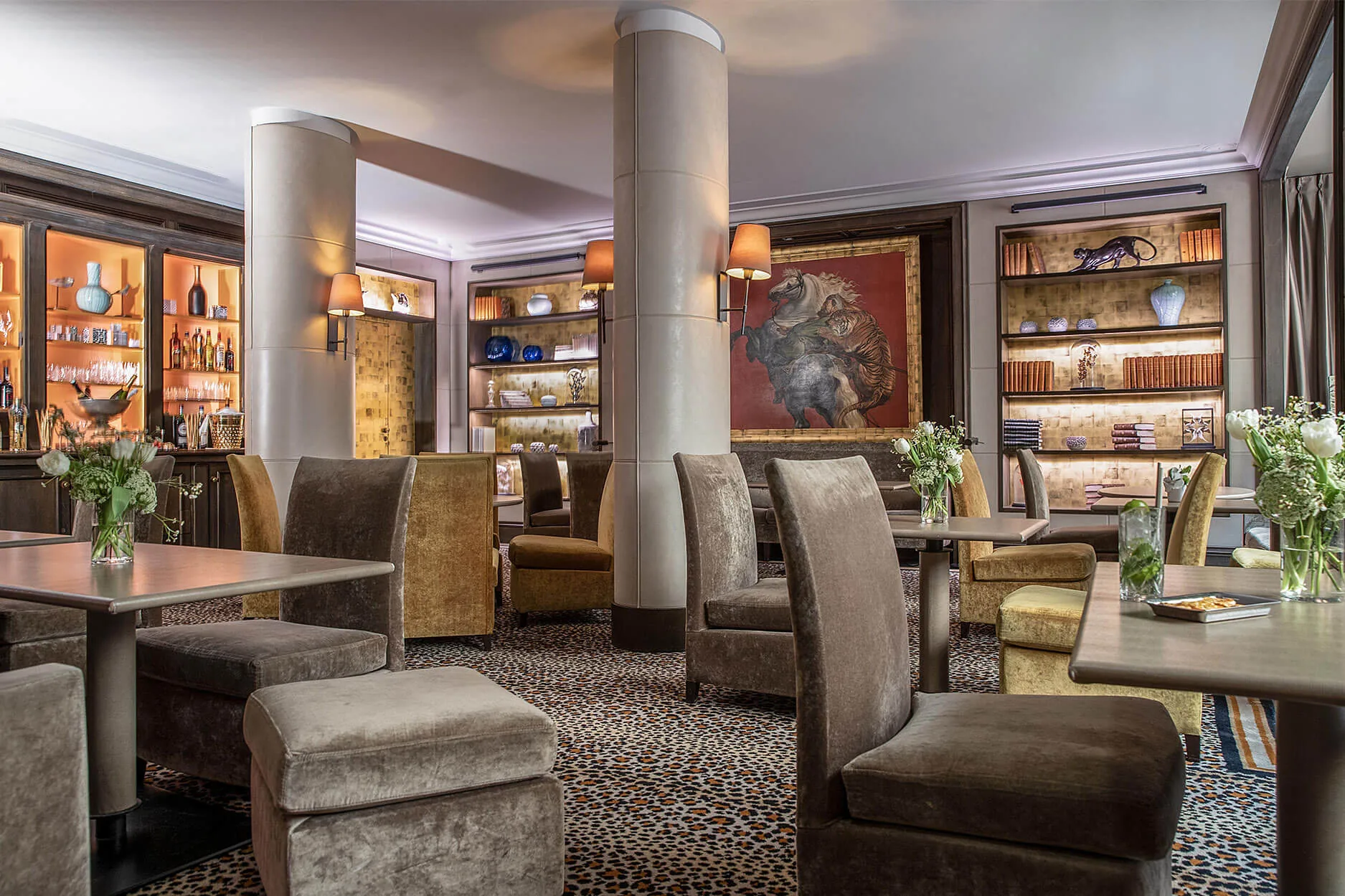 Saint-Germain
Ultra-exclusive Left Bank boutique hotel offering exceptional privacy.[23] Highly accommodating for Muslim guests, providing non-alcoholic minibars, qibla indicators, and halal breakfast options upon request.[23, 85]
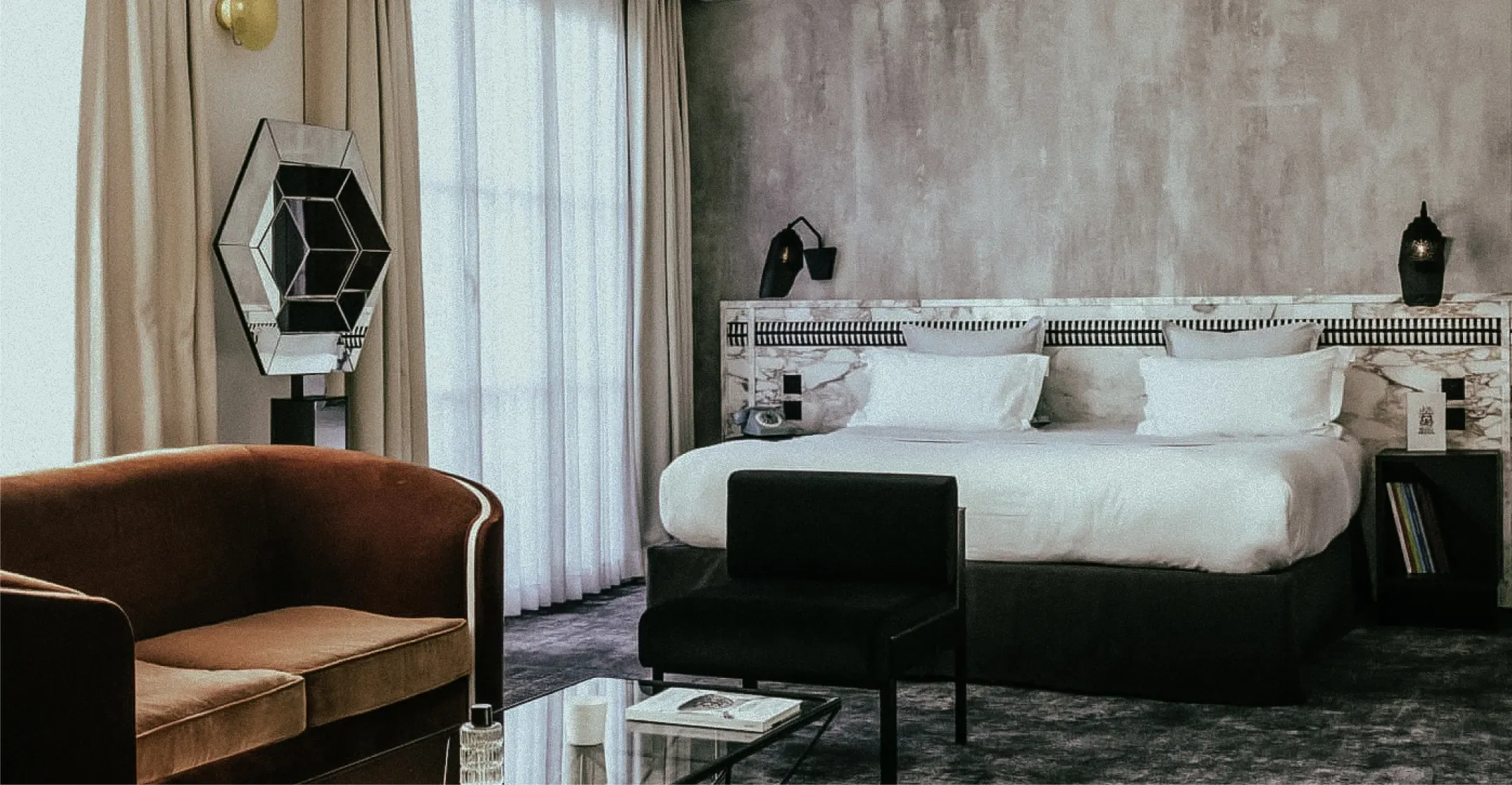 Marais
Historic and highly stylized designer hotel near the Pompidou Centre.[23, 85] Offers entirely pork-free culinary options in its main restaurant and in-room Arabic satellite TV channels for family entertainment.
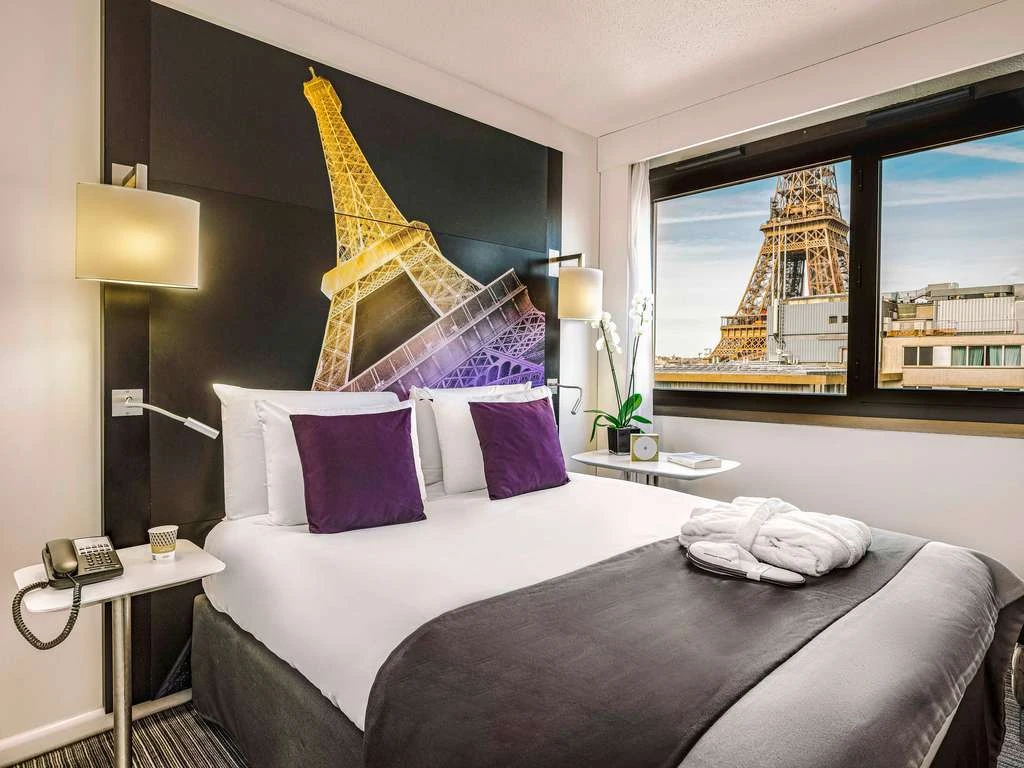 Gare du Nord
Clean and exceptionally practical budget hotel situated 5 minutes from Gare du Nord.[37] Highly convenient for families seeking proximity to cheap South Asian and Middle Eastern halal restaurants.
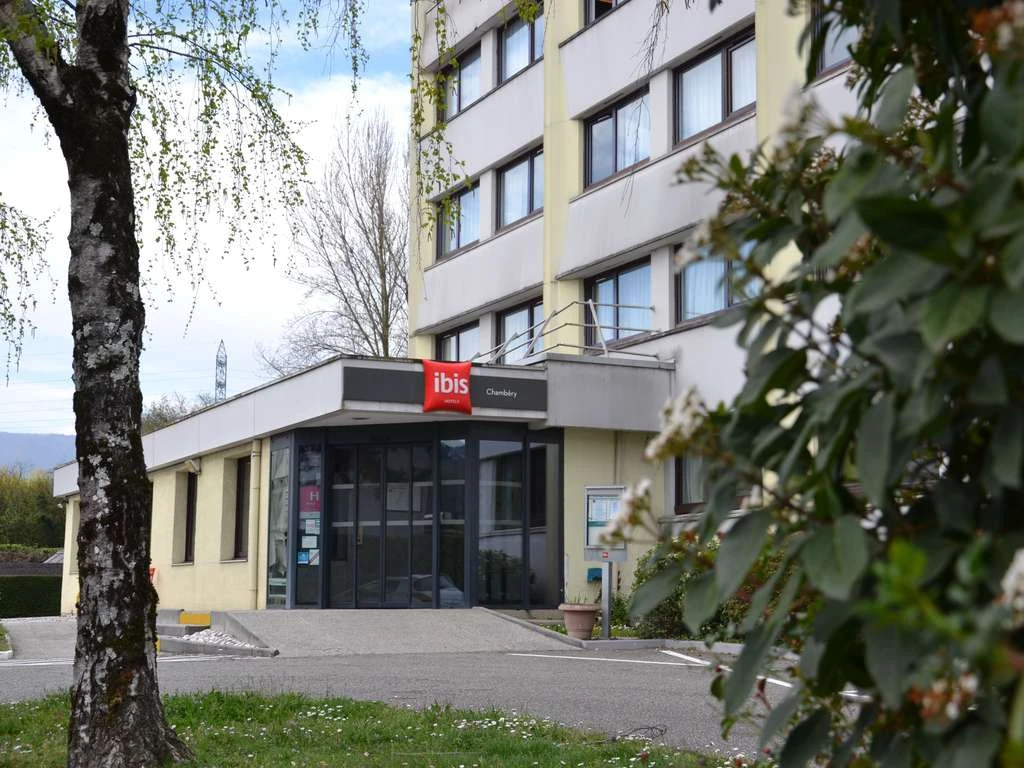 Gare du Nord
Spotlessly clean and highly secure budget hotel located steps from the scenic Canal Saint-Martin.[37] Positioned in the heart of the multicultural 10th district with extensive halal options.
Premium, spacious family rooms situated right next to the Eiffel Tower.[1, 3] Offers in-room Qibla markings and prayer mats on request, alongside a strictly dry minibar service upon advanced booking.
Excellent, clean budget stay offering strictly verified halal breakfast options and fresh fruits daily.[1, 3] Located steps from the family-friendly science park.
 Trocadéro
Elite 5-star palace offering direct, panoramic views of the Eiffel Tower.[2] Tailors services for GCC VIPs, including dry minibars, in-room prayer rugs, and private halal dining prepared by certified chefs.