City Information
Explore city history, fast facts, climate and practical visitor information for Rio de Janeiro.
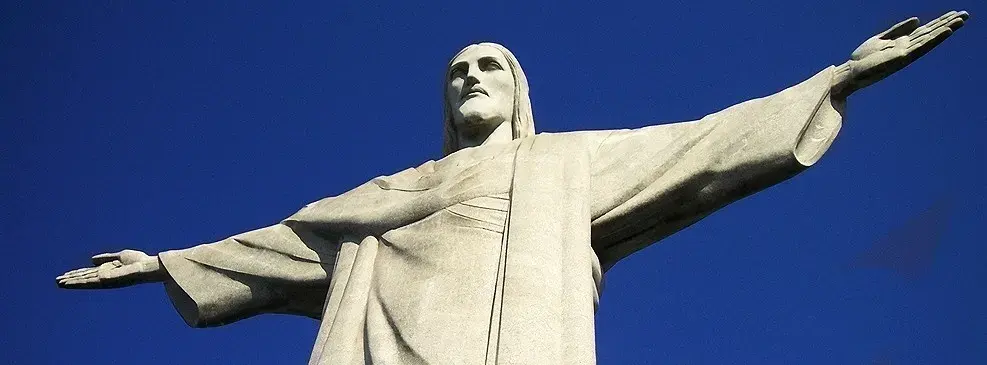
City Information
Rio de Janeiro Today
City Information
Rio de Janeiro History
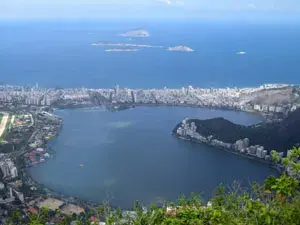
The city earned its name through the ignorance of Portuguese explorer and sailor, Gaspar de Lemos. He entered the huge bay (that would become known as ‘Baia de Guanabara’) in January 1502 and, thinking he’d sailed into a river, named the area Rio de Janeiro (January River). The Tamoio, natives of that area, were originally living there. The French became the first settlers of the area, establishing a colony in 1555. The Portuguese, wanting to keep their claim over the area, eventually kicked them out in 1567, despite the French alliance with the Tamoio who hated the Portuguese for their cruelty. The Portuguese stayed on, eventually expelling the Tamoio in a succession of devastating battles. Building their empire through sugar plantations and the slave trade; the Portuguese settlement would grow during the Minas Gerais gold rush of the 18th century. The result of this expansion was that the Tamoio tribe was wiped out, those not taken into slavery dying of disease or being sent to be ‘pacified’ by the Jesuits in settlement camps. By 1763 the population reached 50,000 people and Rio became the colonial capital of Brazil. By the time the 20th century began, with an economic surge in coffee and mass immigration from Europe, Rio had reached 800,000 residents. The 1920s to 1950s are considered to be Rio’s Golden Age, with the city becoming a romantic, exotic destination for international aristocrats. Brasilia would eventually take over as Brazil’s political capital in 1960 but Rio continues to be the cultural capital of the country. In 1992 it was chosen as the host of Eco, the United Nations Conference on Environment and Development.
Read full articleCity Information
Visa Information
Requirements for a visa include your passport being valid for six months from date of issue, a passport photograph and your travel documents (or legitimate copies). If your don’t have travel documents then proof of financial support – such as credit cards and financial statements – are acceptable. The fee for a visa is reciprocal – usually between US$40 and US$60.
Read full articleCity Information
Rio de Janeiro Residents
The country of Brazil is a melting pot of racial populations: 55% white, 6% black, 38% mixed and 1% other. Rio de Janeiro is no exception with Portuguese, Indian and African lineages also mixing things up along with the immigration of Italians, Spaniards, Germans and Japanese just to name a few. The Brazilian spirit seems to be a split personality at times, celebration life to full during Carnaval then drowning in nostalgic melancholy of saudade. However what is constant is kindness and patience, something that Brazilians have no shortage of. Residents of Rio are called ‘Cariocas’ and are one of the many Brazilian groups that make up the kind hearted yet complicated soul of the country. Cariocas welcome everyone to their city and it’s hard not get caught up in their free-spiritedness and sensuality. Having said that, Brazil has a reputation of having one of widest gaps of income between the rich and the poor and you won’t find that more obvious then in Rio. Dating as far back as the mid-19th century, mass immigration has given birth to favelas (urban slums) that surround major cities in Brazil. Dwellings are nothing more than a few boards put together and access to fresh water, sewage, schools and healthcare is almost non-existent. Crime is rampart in the favelas and drug lords control the streets.
Read full articleCity Information
When to go
December to March is the peak tourist season in Rio de Janeiro so it is best to book accommodation in advance (especially if you intend to go during Carnaval). Prices rise during this period and crowds are everywhere but this is Brazil’s festival season after all, so it is worth the bustle and noise. The low season is during the winter which is May to September (Brazil is on the other side of the equator, so summer and winter months are opposite from ours); this period is the cheapest and least crowded time to visit, with the exception of July which is school holiday month.
Read full articleCity Information
Fast Facts
-Location:: Southeast of Brazil -Dialing code: country +55 (Brazil) city 21 -Emergency numbers –Please include the following:; Police:: 190; Fire:: 193
Read full articleCity Information
Currency and Exchange Rates
Brazilian currency is the Reais. Coins are of 1, 5, 10, 25 and 50 cents and banknotes are of 100, 50, 10, 5 and 1 Brazilian Real
Read full articleCity Information
Public Holidays
• Ano Novo (New Year’s Day): January 1st • Carnaval: Friday to Tuesday, preceding Ash Wednesday, February to March. • Paixao and Pascoa (Good Friday and Easter Sunday): dates vary, March/April • Tirandentes: April 21st • Dia do Trabalho (May Day/Labour Day): May 1st • Corpus Christi: 60 days after Easter, Sunday in May/June • Dia da Independencia (Independence Day): September 7th • Dia da Nossa Senhora de Aparecida (Day of our Lady of Aparecida): October 12th • Finados (All Soul’s Day): November 2nd • Proclamacao da Republica (Proclamation of the Republic Day): November 15th • Natal (Christmas Day): December 25th
Read full articleCity Information
Annual Temperature
Month Average High Average Low January 33°C 24°C February 34°C 25°C March 33°C 24°C April 31°C 22°C May 30°C 20°C June 29°C 19°C July 28°C 18°C August 29°C 19°C September 30°C 20°C October 31°C 21°C November 31°C 22°C December 32°C 23°C
Read full articleKeep exploring Rio de Janeiro
More places in Rio de Janeiro
Keep exploring Rio de Janeiro and add more stops to your plan.





More restaurants in Rio de Janeiro
Keep exploring Rio de Janeiro and add more stops to your plan.






More hotels in Rio de Janeiro
Keep exploring Rio de Janeiro and add more stops to your plan.