City Information
Explore city history, fast facts, climate and practical visitor information for Sao Paulo.
City Information
Sao Paulo Residents
City Information
When to go
Sao Paulo is known for its tropical climate and has no extreme weather conditions. Simply put, Sao Paulo’s weather is usually pleasant and dry and never too hot. The winter months are from June to August while spring is from September through November. After that, summer begins and lasts until about June. Like most other tropical cities of the world, summer in Sao Paulo is characterized by humidity and brief but sudden downpours, which become increasingly frequent from March onwards. Thus, the best time to visit Sao Paulo is anywhere from September to March when you can soak up the sun and hit the beaches.
Read full articleCity Information
Fast Facts
Location: State of Sao Paulo, south-east Brazil Dialling code: 55 Emergency numbers: Police 190; Fire 193; Ambulance 192 Population: 11 million (city); 20 million (metropolitan) Languages: Portuguese; Spanish and English taught in schools Time zone: GMT - 3 (GMT - 2 from November to February) Average January temperatures: 23°C (73°F) Average July temperatures: 17°C (63°F) Annual rainfall: 1,317mm (52 inches).
Read full articleCity Information
Public holidays 2010
Jan 1: New Year's Day Jan 25: Founding of São Paulo Feb 12-17: February Carnival Apr 2: Good Friday Apr 21: Tiradentes May 1: Labor Day Jun 3: Corpus Christi Sep 7: Independence Day Oct 12: Our Lady Aparecida, Patron St of Brazil Nov 2: All Souls' Day Nov 15: Republic Day Dec 24: Christmas Eve Dec 25: Christmas Day Dec 31: New Year's Eve
Read full articleCity Information
Annual temperatures
January:: 27°C (high); 18°C (low); February:: 28°C (high); 18°C (low); March:: 27°C (high); 18°C (low)
Read full articleCity Information
Sao Paulo today
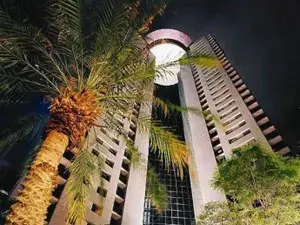
Touted to be the richest city in Brazil, Sao Paulo has a life of its own. With some 11 million people living in the city, Sao Paulo’s skyline is dotted with sky scrapers and high-rises that house banks, insurance, and multi-national companies, much like any other metropolitan city around the world. The road network is extensive and can be confusing for those who are not used to multi-lane highways and complex flyovers. The beaches are beautiful and endless; a dream come true for all those who face the biting cold in their own countries. The seemingly endless festivals and exhibitions (not to mention the bars and clubs) make Sao Paulo a happening place for the culturally refined. As a rich city, many elites own helicopters and use them to ‘commute’ to and from work since Sao Paulo’s traffic is so hectic. Unfortunately, Sao Paulo has a somewhat high crime rate given the grossly uneven distribution of income in the city, so unsuspecting tourists may find their valuables stolen if they are not careful.
Read full articleCity Information
Sao Paulo History
Present-day Sao Paulo started off as a small village known as São Paulo de Piratininga in 1554 founded by Jesuit priests and a Native American chief. The village was established with the explicit purpose of spreading Catholicism among contemporary natives. In the 18th century, Sao Paulo became a city and in the 19th century, its economy flourished owing largely to coffee exports. As a result, people from other countries came to Sao Paulo in search of opportunities and eventually settled in the city. The end of the slave trade and rising prices caused the coffee boom to fizzle out in the 20th century, which led to Sao Paulo’s reinvention as an industrial city. Today, Sao Paulo has a booming services industry, as mainstream industrial activities have moved to other cities of Brazil.
Read full articleKeep exploring Sao Paulo
More places in Sao Paulo
Keep exploring Sao Paulo and add more stops to your plan.





More restaurants in Sao Paulo
Keep exploring Sao Paulo and add more stops to your plan.



More hotels in Sao Paulo
Keep exploring Sao Paulo and add more stops to your plan.