
Madrasahs of Registan Square, Samarkand, Uzbekistan
Published by Irhal
Samarkand, a city that lies at the heart of the ancient Silk Route is steeped in Islamic architecture. The three turquoise domed monuments to a gloried past in Registan Square are fascinating examples of a history that is being carefully restored to captivate the awe and admiration of tourists from around the world who are now discovering this ancient city of Uzbekistan.
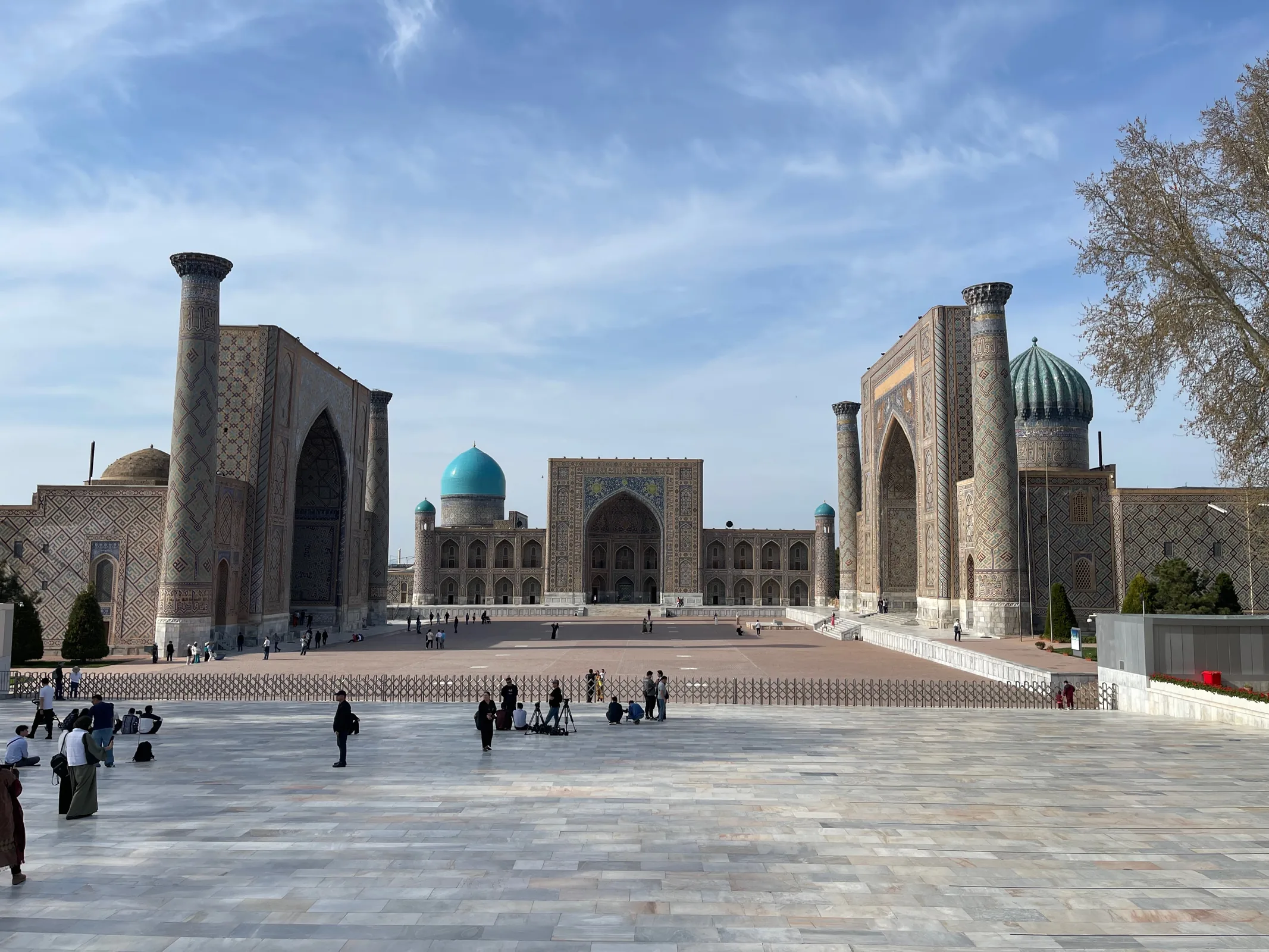
The three beautiful buildings that form a U-shape in the center of Registan Square are actually madrasahs. The term “madrasah” in Arabic means school. The yellow buses used for transporting children to and from school in the Middle East have the words “hafla madraseah” written on them – “school bus.” But across the rest of the world, the word “madrasah” has been conflated with Islamic school or as Western media would like you to believe – a terrorist training school.
A vast, expansive courtyard with lush green gardens on either side leads to what was once the epicenter of learning in the Muslim world. On the left is the Ulugh Bek Madrasah built in 1417 during the time of the Timurid Empire that extended from Delhi in the East across what is now Pakistan, Afghanistan, Iran, Iraq, parts of Turkey and Syria as well as most of Central Asia.
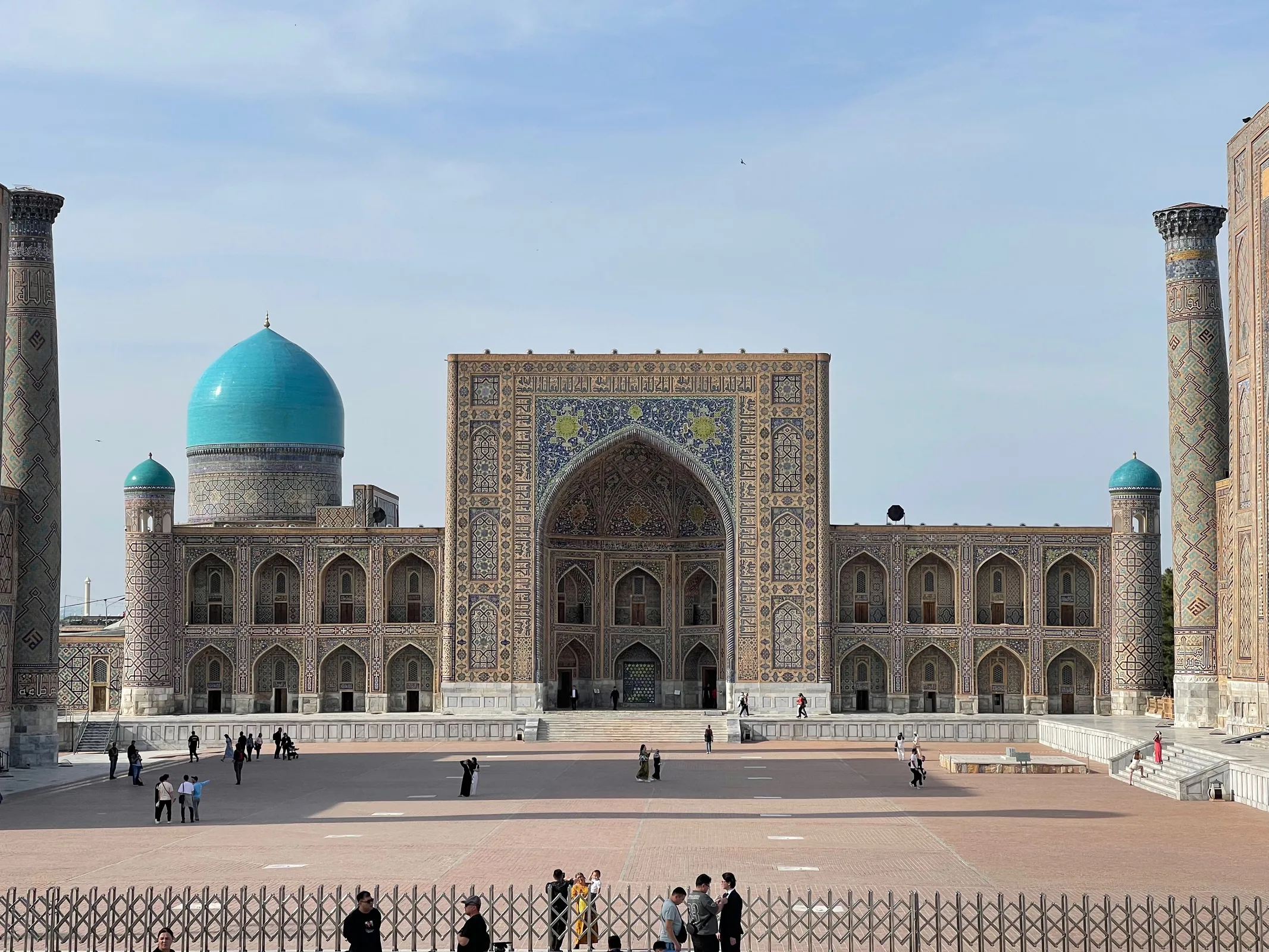
The Tilla-Kori Madrasah
The central madrasah and what appears to have the most beautiful turquoise domed and spectacularly tiled façade and minarets is the Tilla-Kori Madrasah. On the right is the Sherdar Madrasah named after the “sher” or lions on its façade.
The gravitas of Registan Square is incomparable. No modern-day seats of learning exude the kind of grace and majesty of the place. The triumvirate of Harvard, MIT and Boston University located in the greater Boston area perhaps come close to Registan Square in terms of proximity but the architectural design of Samarkand’s madrasahs leave you stunned.
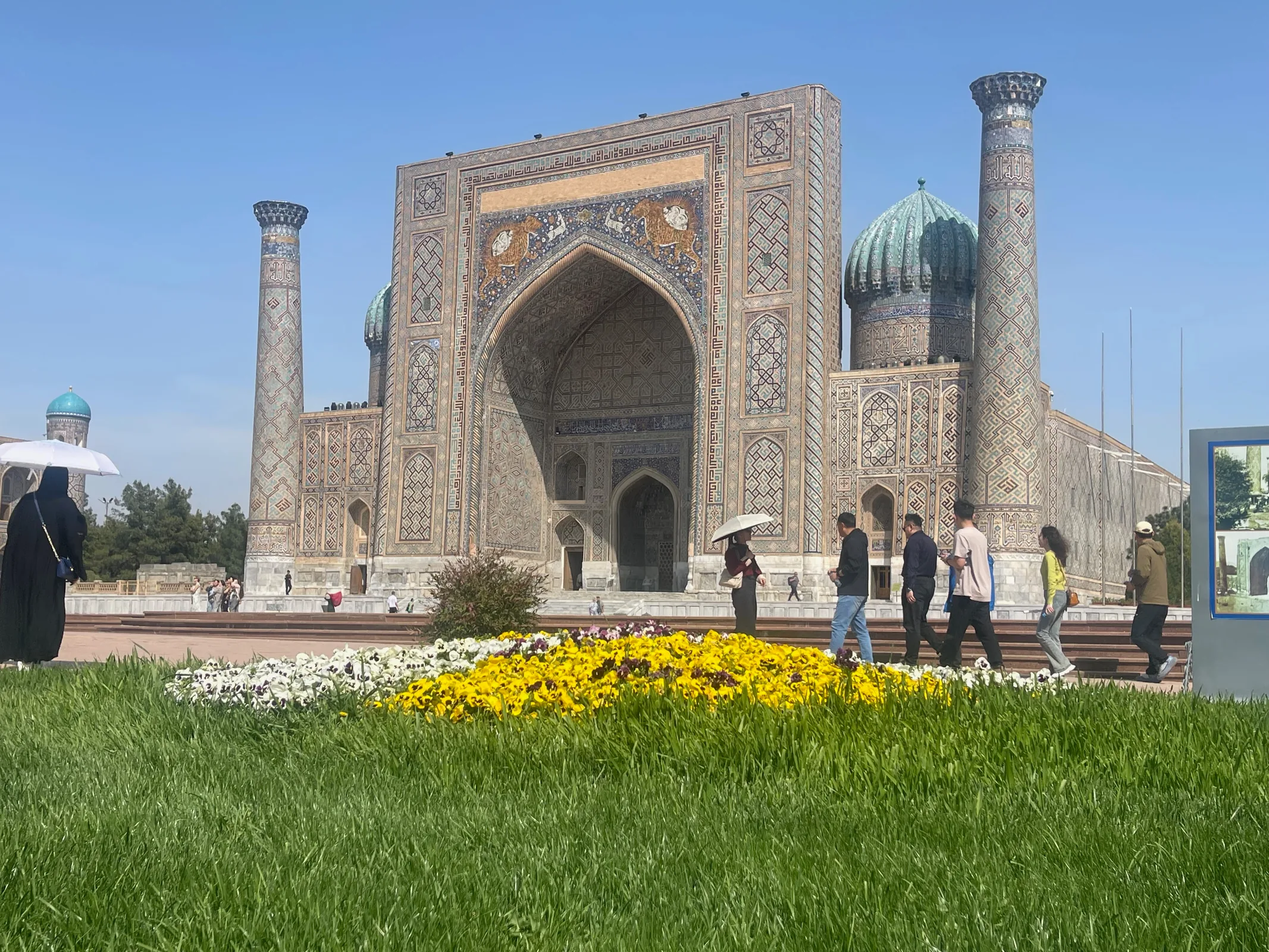
Sherdar Madrasah with lions and deer, Samarkand
Pass through the haloed arches to enter the Sherdar Madrasah and you see a central courtyard surrounded by numerous cubicles.
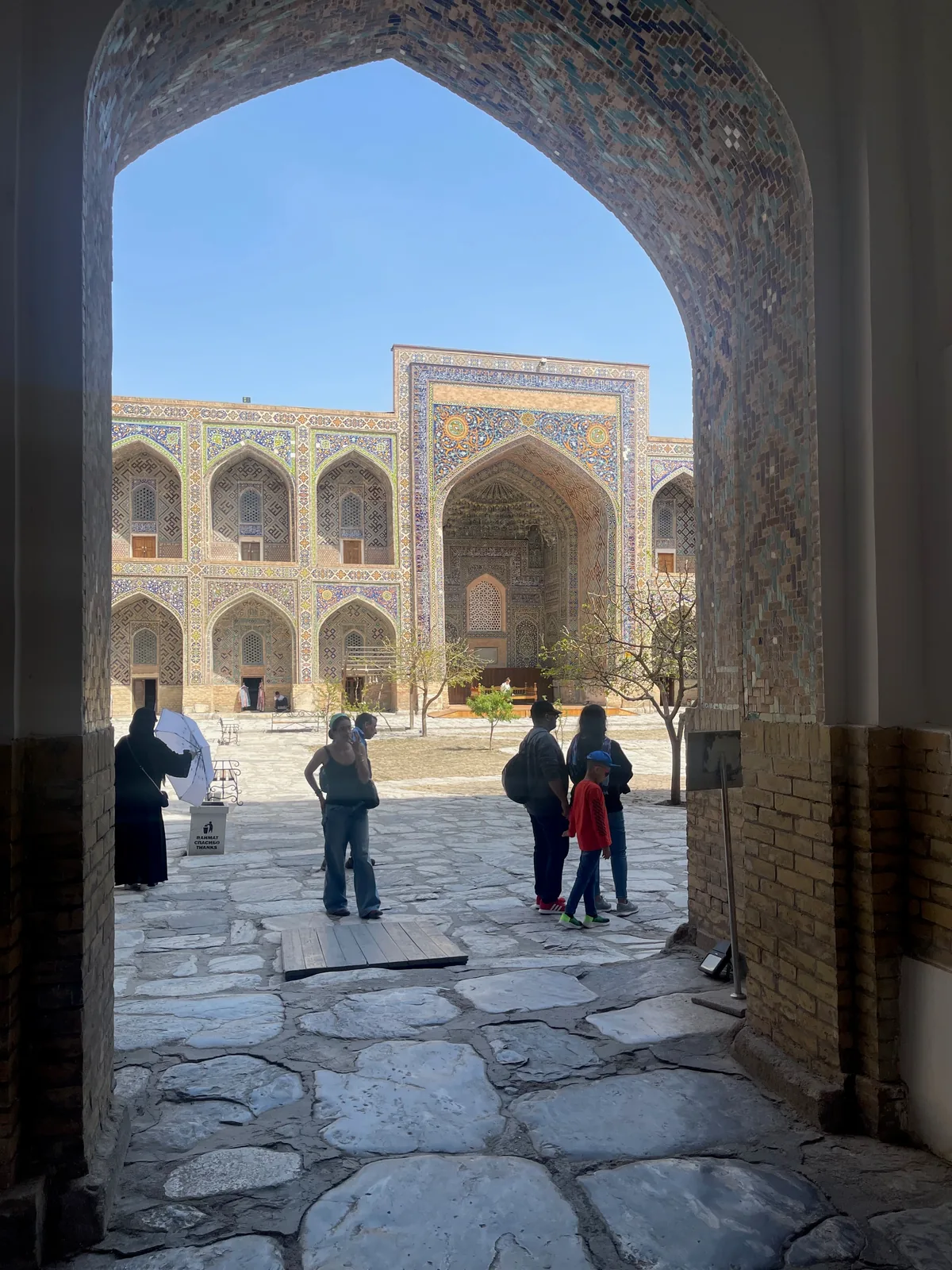
The arch
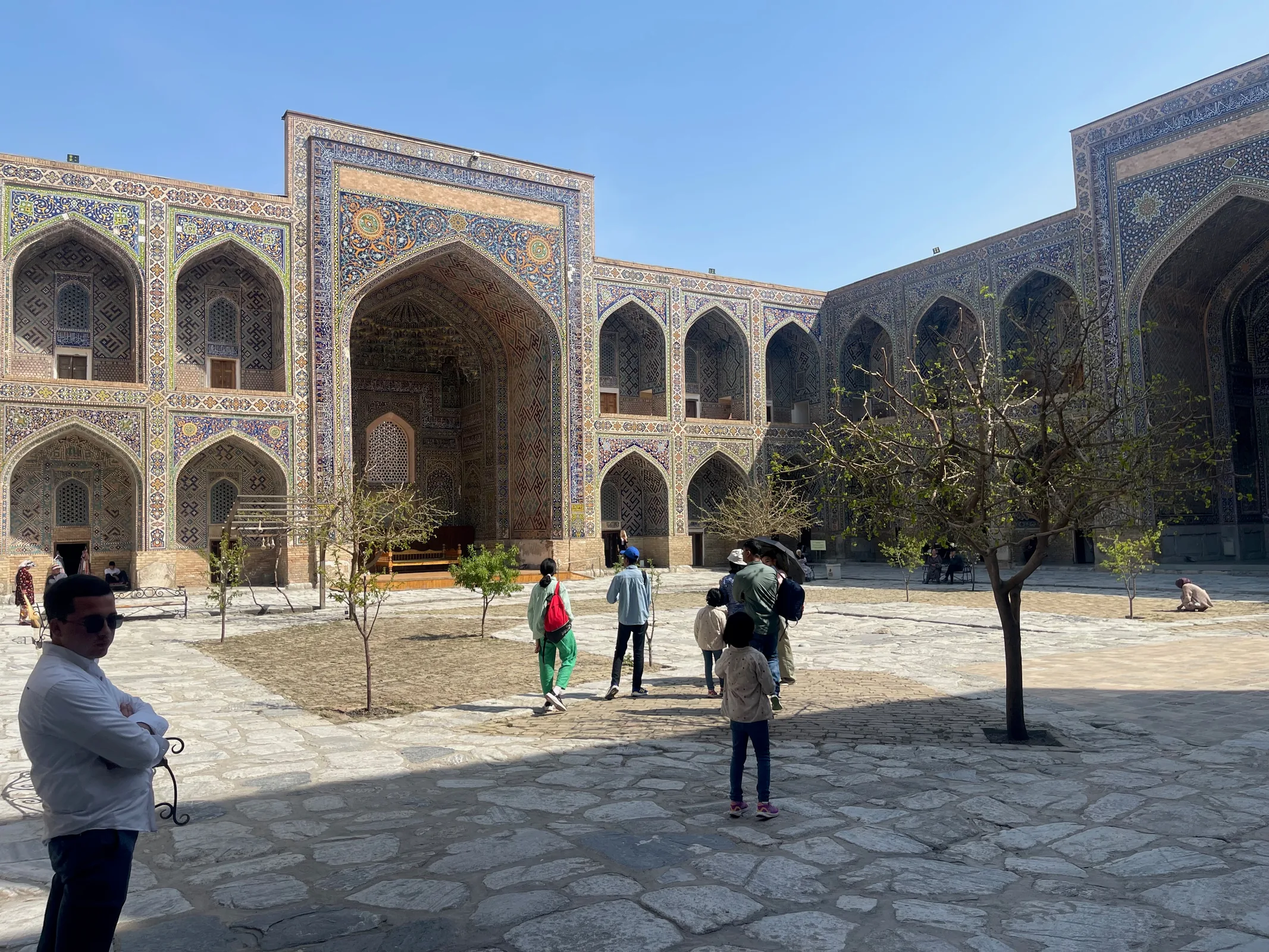
Central courtyard of Sherdar Madrasah
These cubicles were student cells where they studied and slept. Most of the scholars came from distant cities as the madrasahs had a retinue of some of the finest scholars of the time.
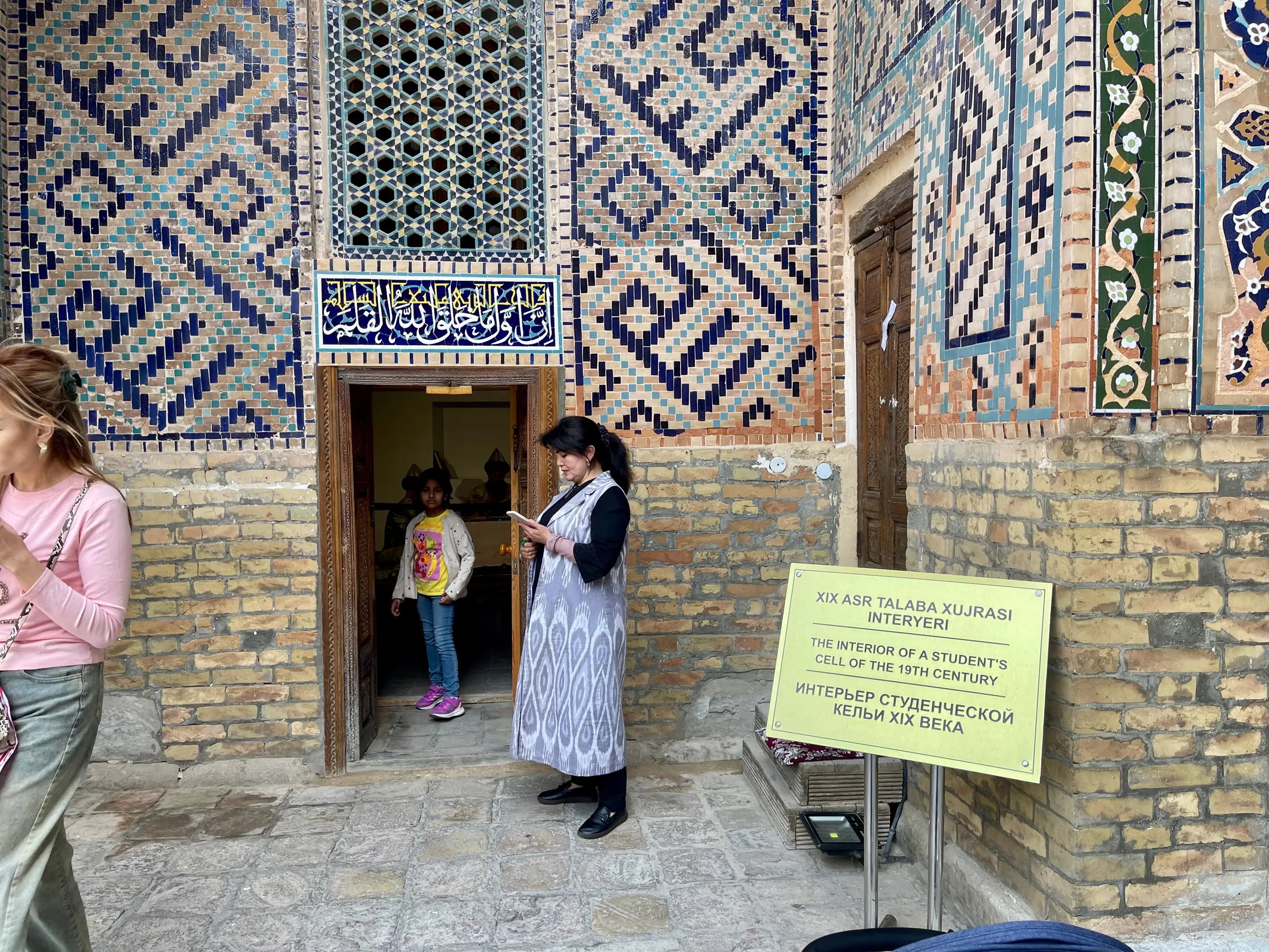
Individual student cells
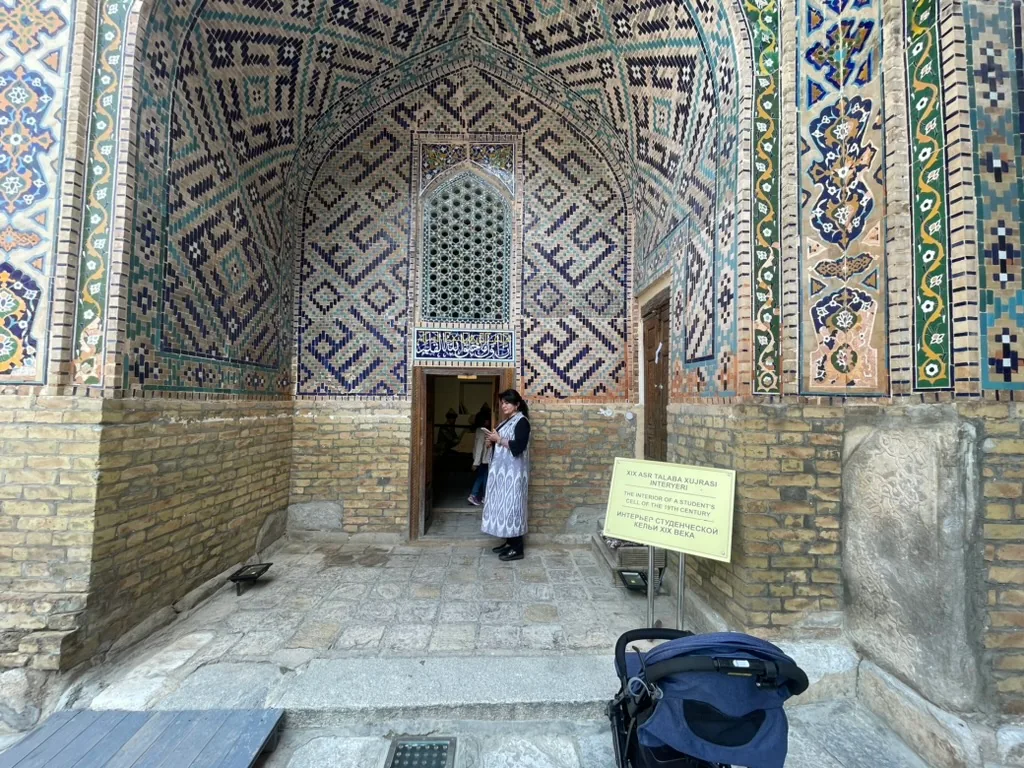
Student Cells
In the age of AI when gilded cages are no longer required to impart education, these student dorms have now been converted into centers of entrepreneurial acumen aimed at reviving the lost art of the tradesmen who sold their wares to gullible travelers breaking their journey at caravan serais enroute to Europe or China. The target of their entrepreneurial skills are you and I when we stop to admire the silk robes or ceramic tiles that adorn the shelves inside what once used to be student cells.
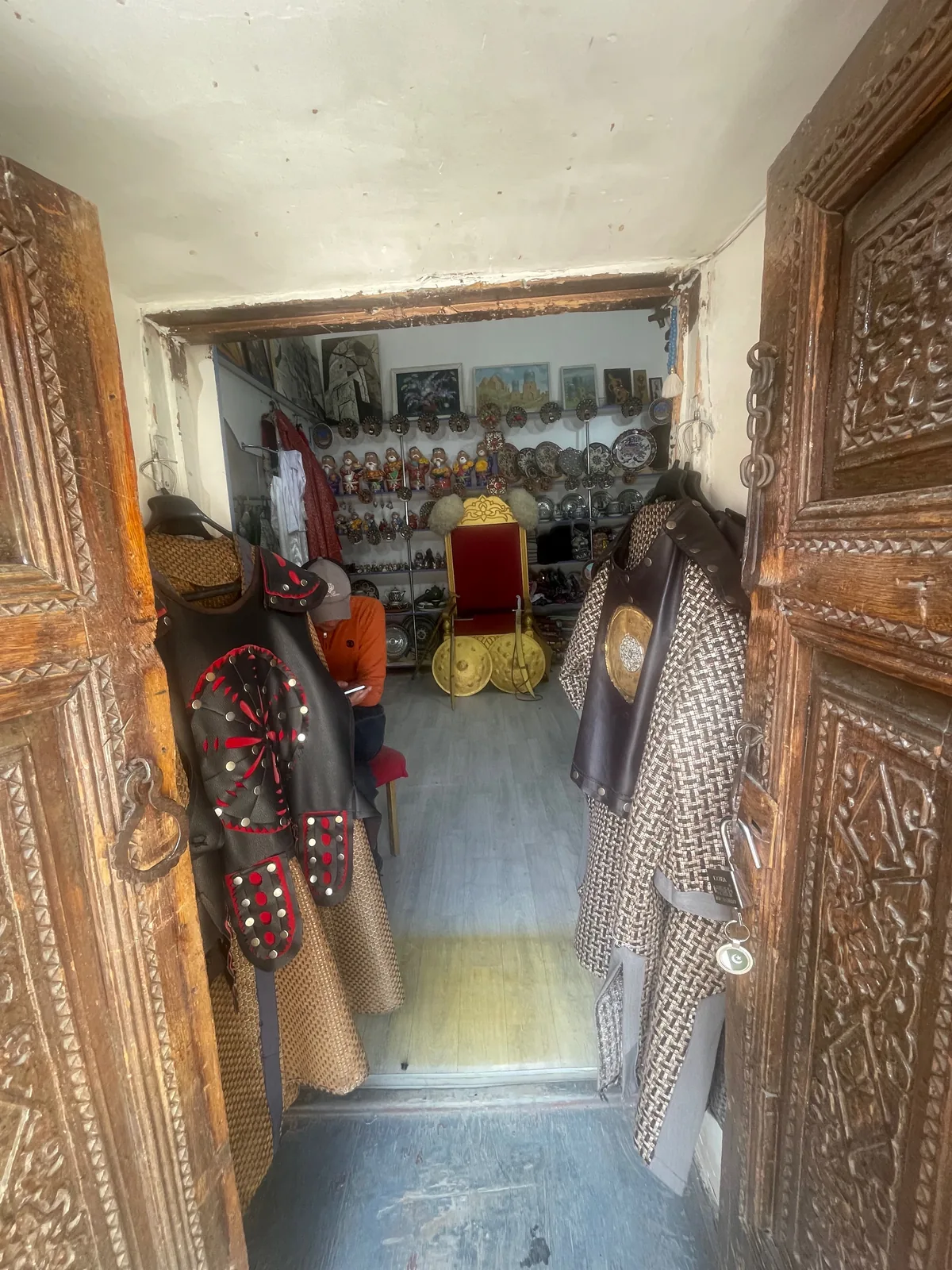
Swords, shields and other tourist entrapments
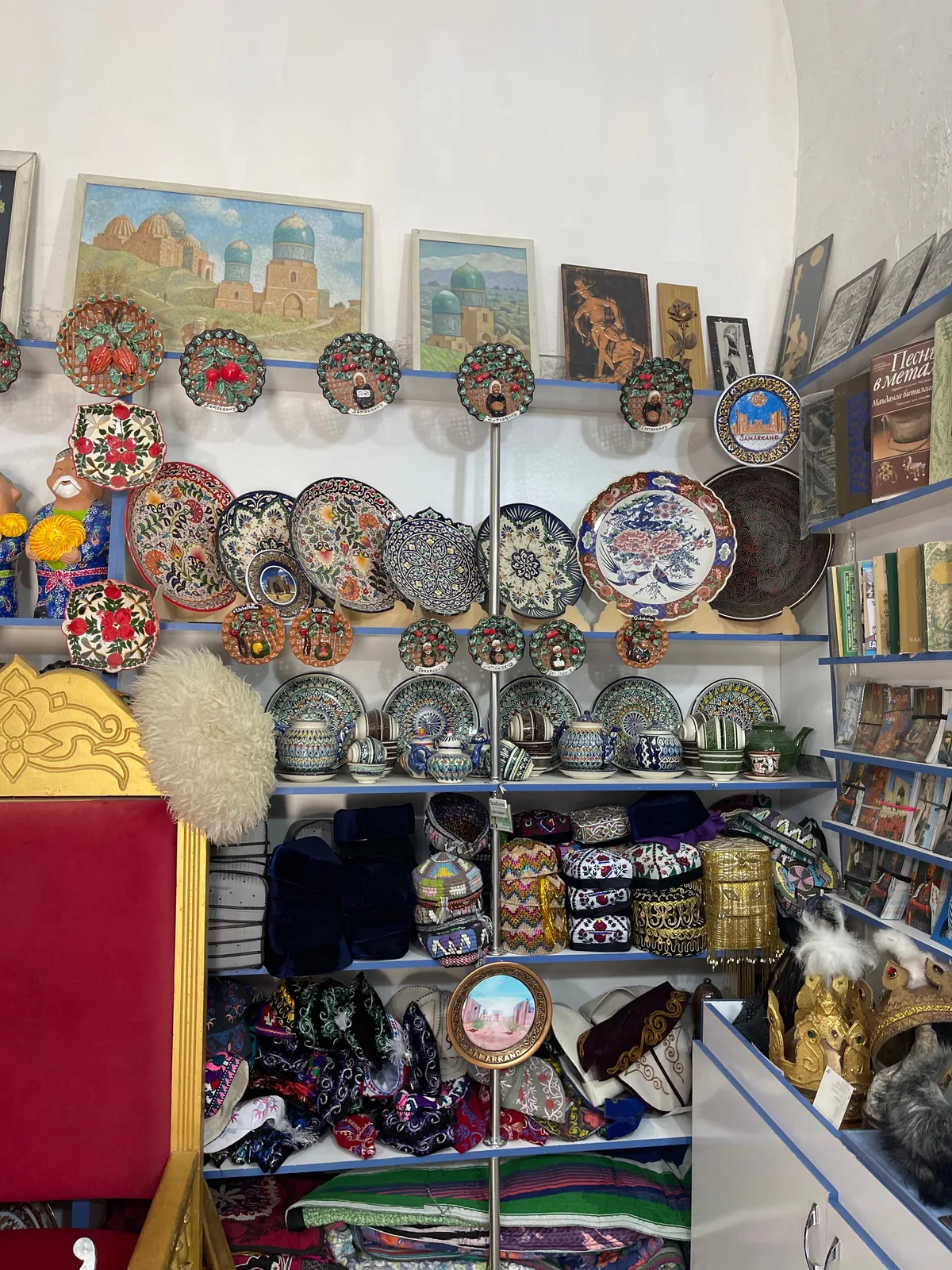
Memories for sale – Islamic design tiles, ornate caps and works of art
While many student dorms of Sherdar Madrasah have been converted into shops, the Ulugh Bek Madrasah has re-created class rooms and preserved some of the artifacts that were used in the madrasah centuries ago.
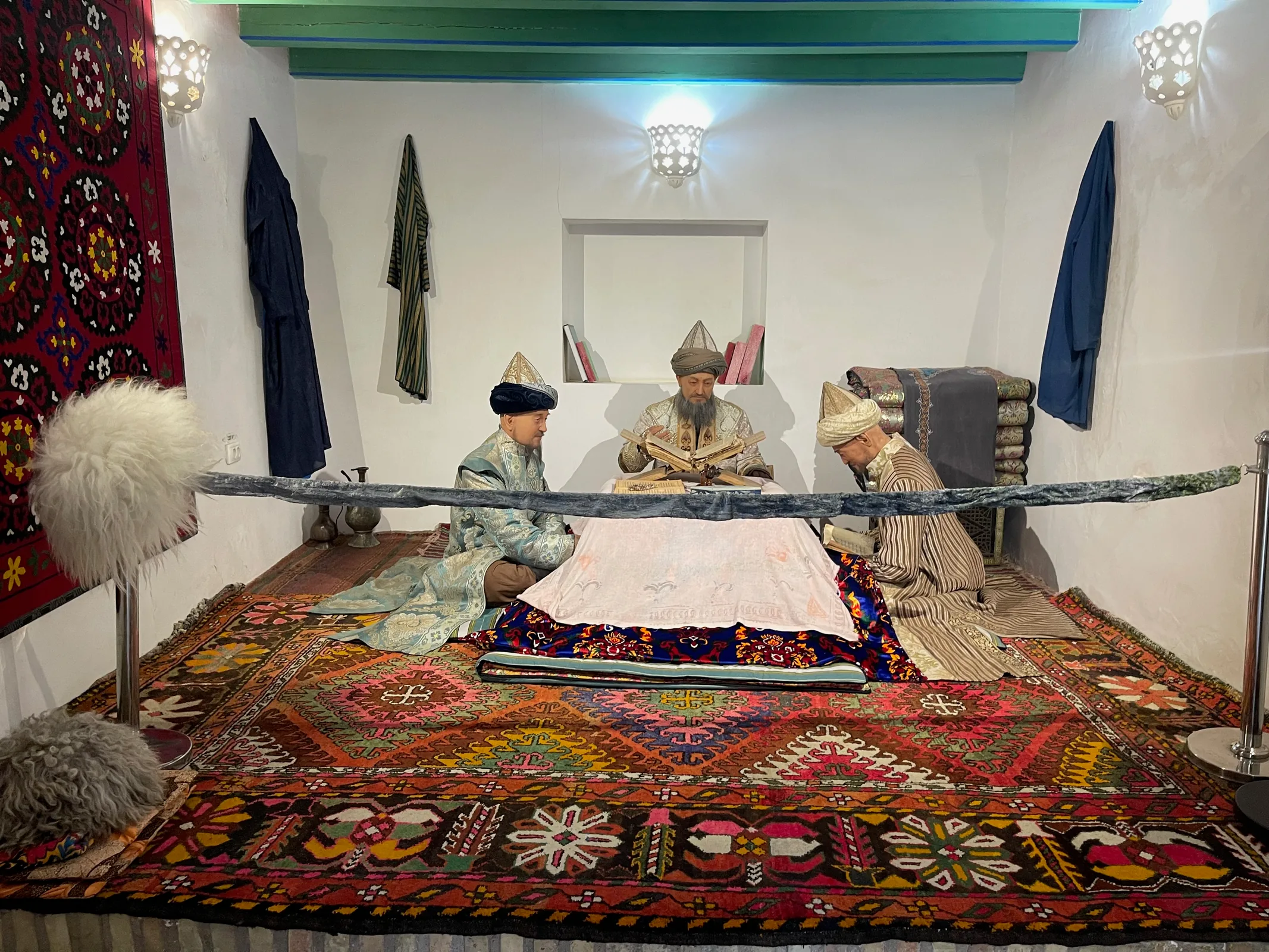
A re-created class room – "Teaching process by the Mudarris”
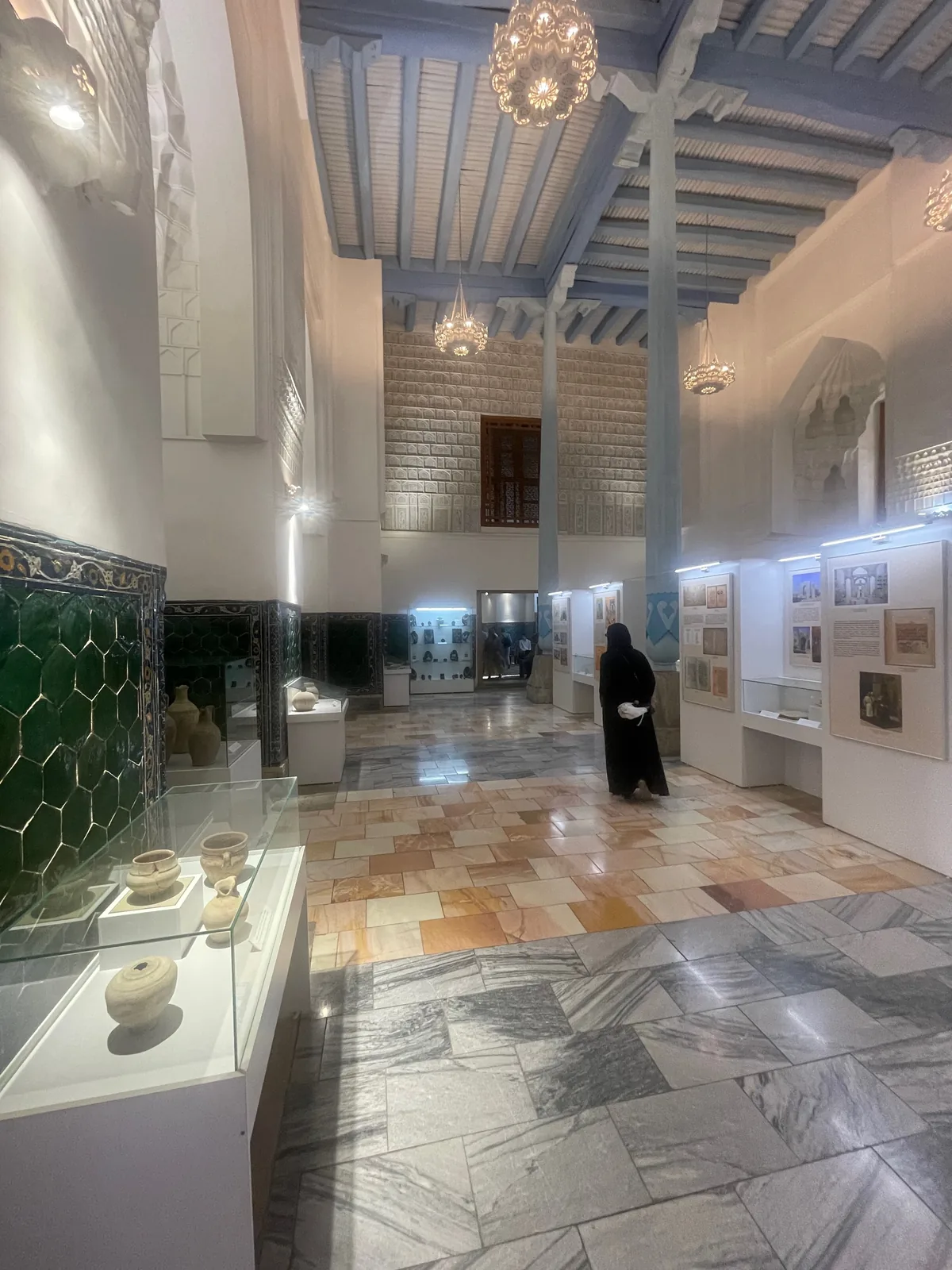
Parts of the madrasah have been converted into a museum
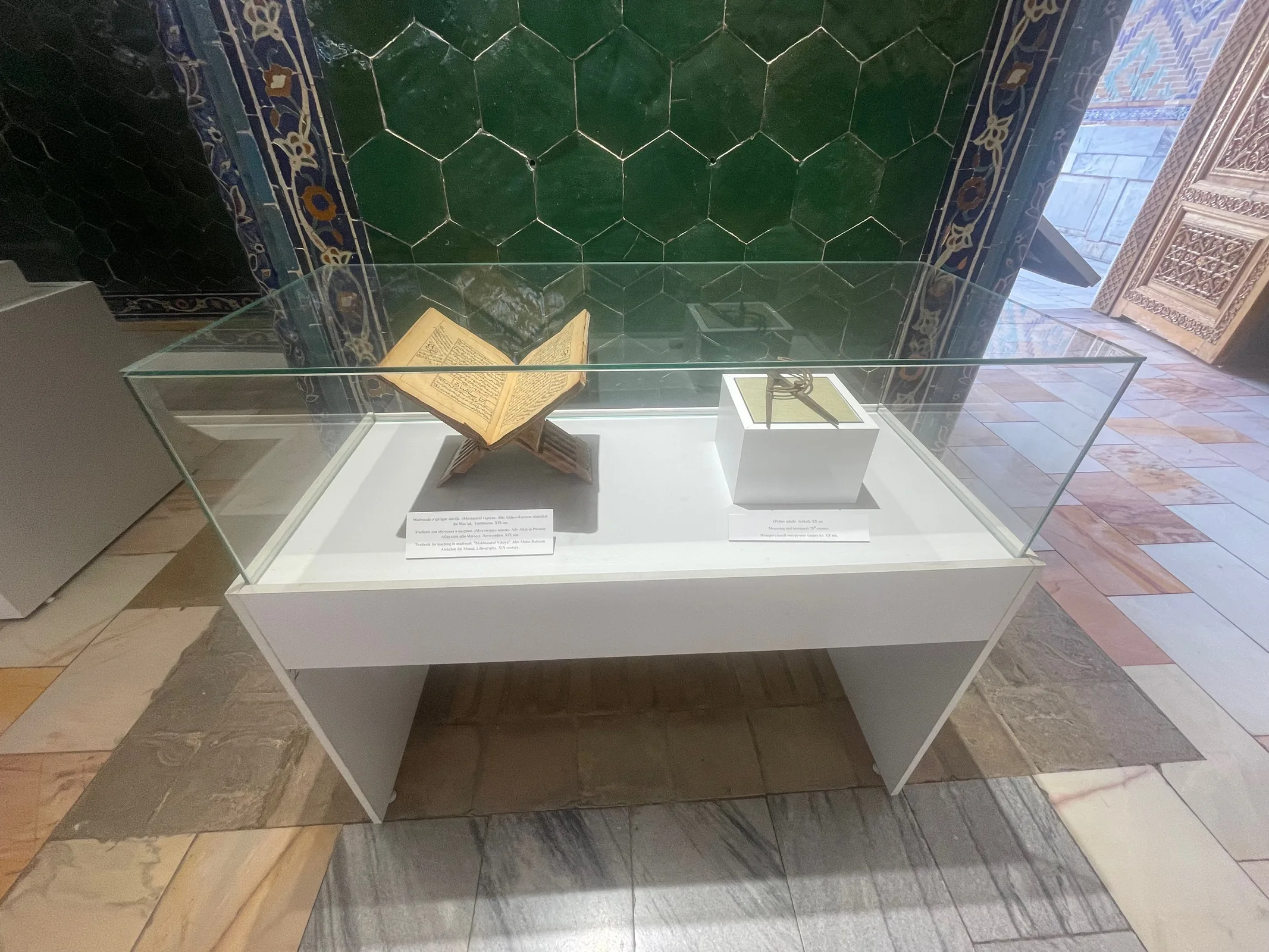
A 19th century textbook lithograph and a compass
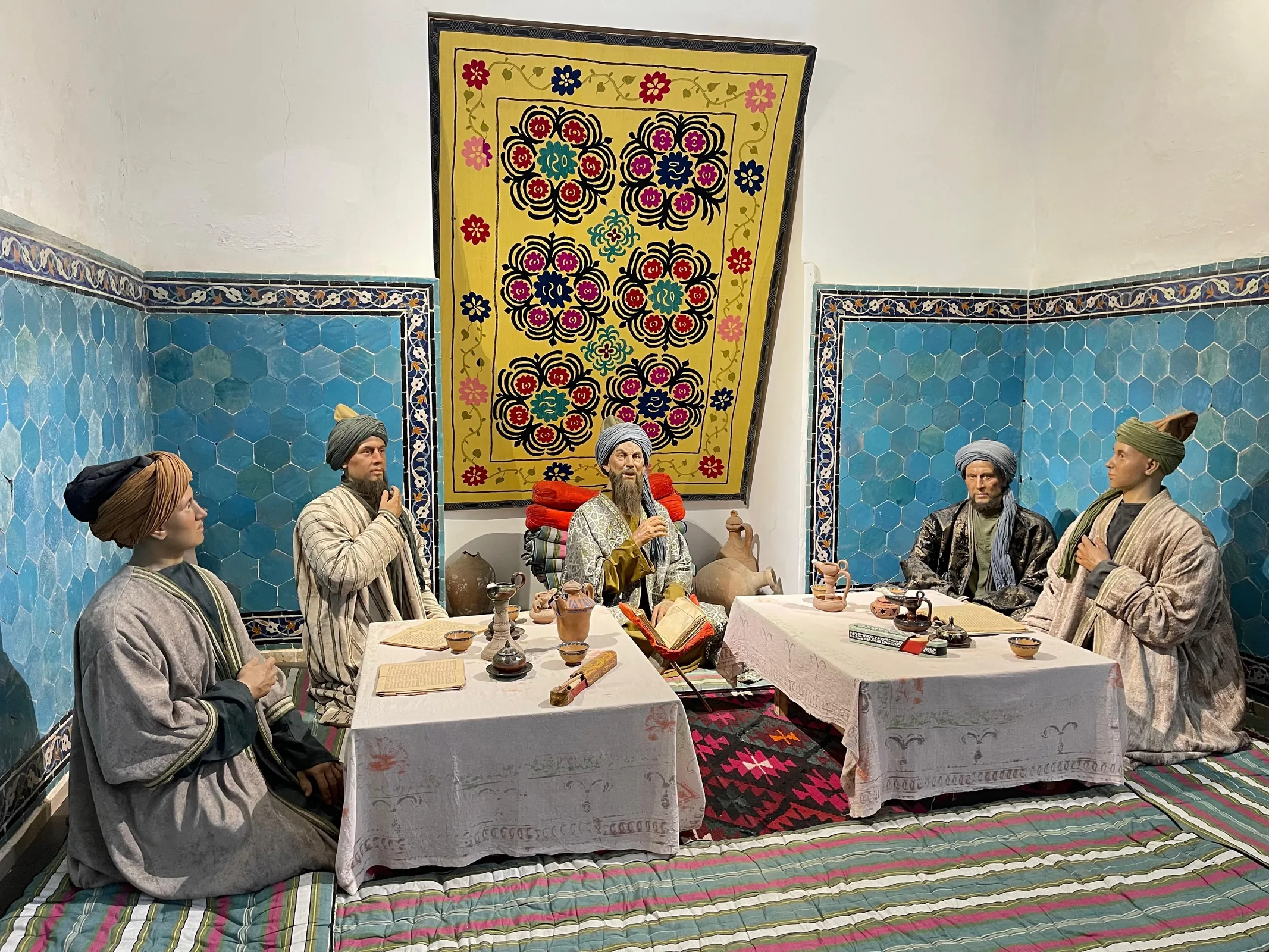
A gathering of scholars
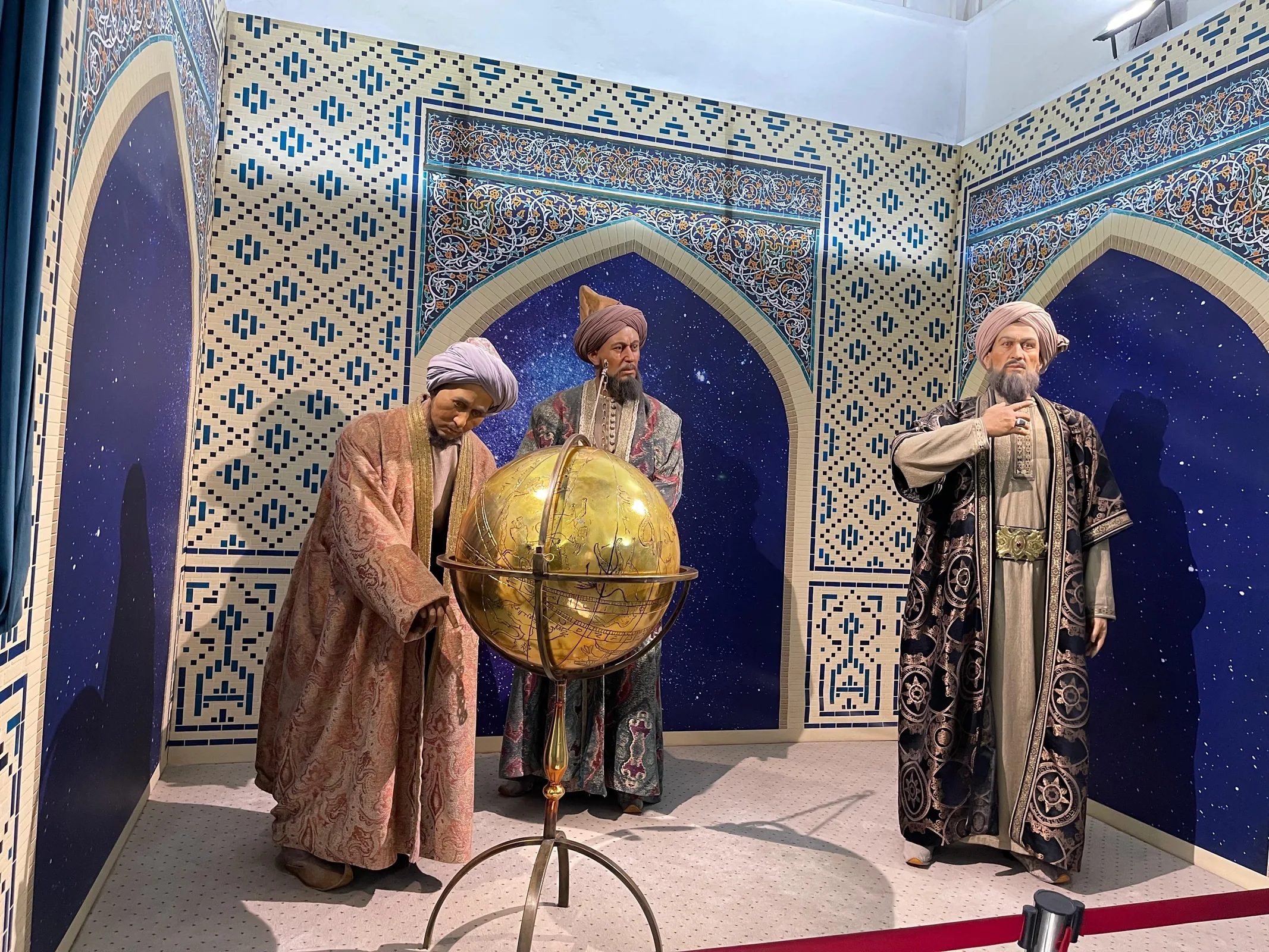
Mirzo Ulugh Bek on right – a ruler, mathematician and astronomer
Ulugh Bek ruled over parts of the vast Timurid empire for only two years until he was overthrown by his own son who had him killed. While his governance skills were questionable, Ulugh Bek was notable for his work in astronomy-related mathematics, such as trigonometry and spherical geometry, as well as his general interest in the arts. He built the Ulugh Bek Observatory in Samarkand and even has a crater on the moon named after him.
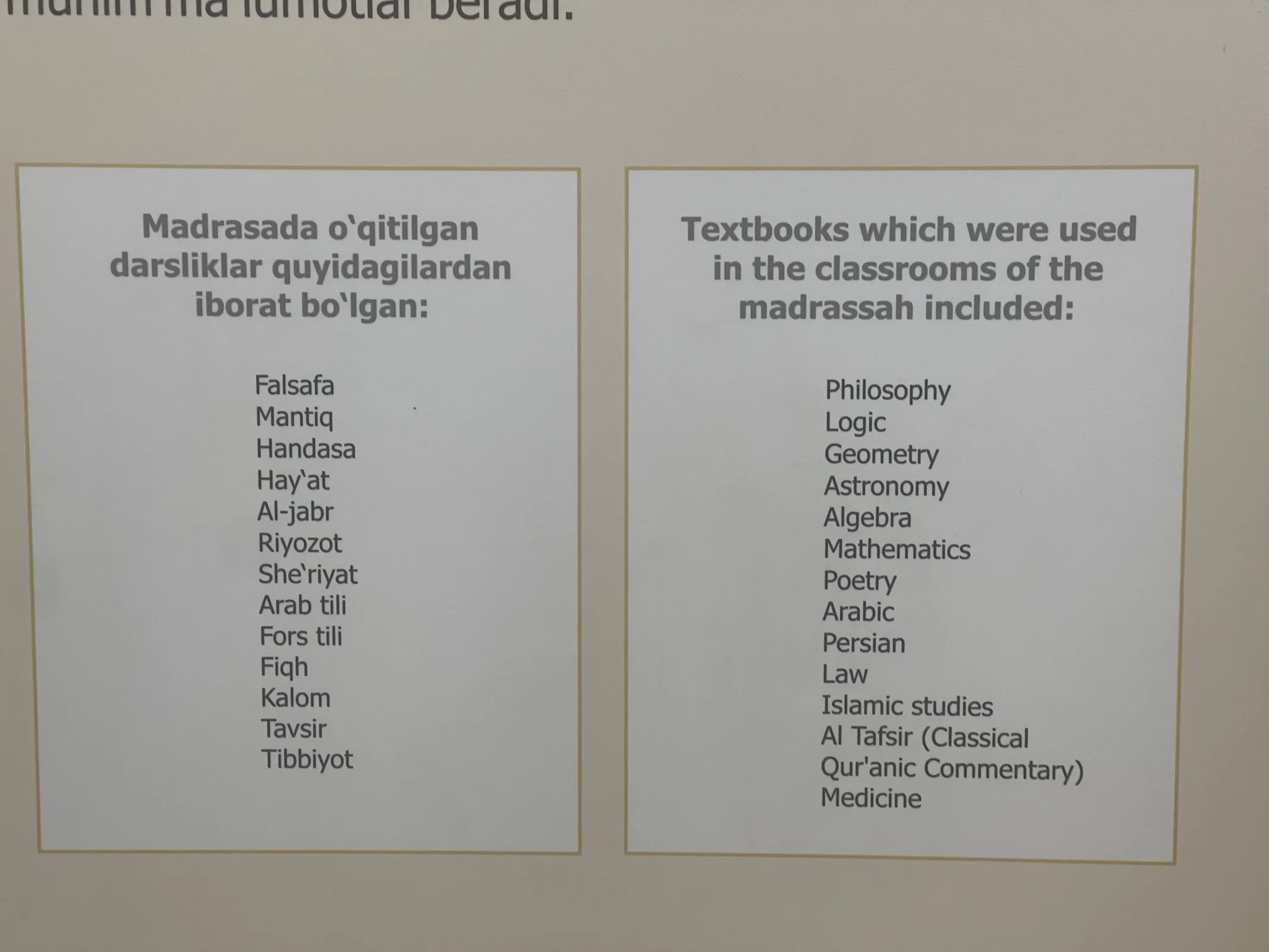
Not your typical Islamic school – subjects taught at the madrasah
While Islamic studies and Tafsir (exegesis or commentary of the Quran) were taught at the madrasah, the students received a well-rounded education. From philosophy and logic to astronomy, mathematics and algebra all subjects were taught. Poetry and medicine were also part of the curriculum. No wonder scholars came from faraway lands to study here.
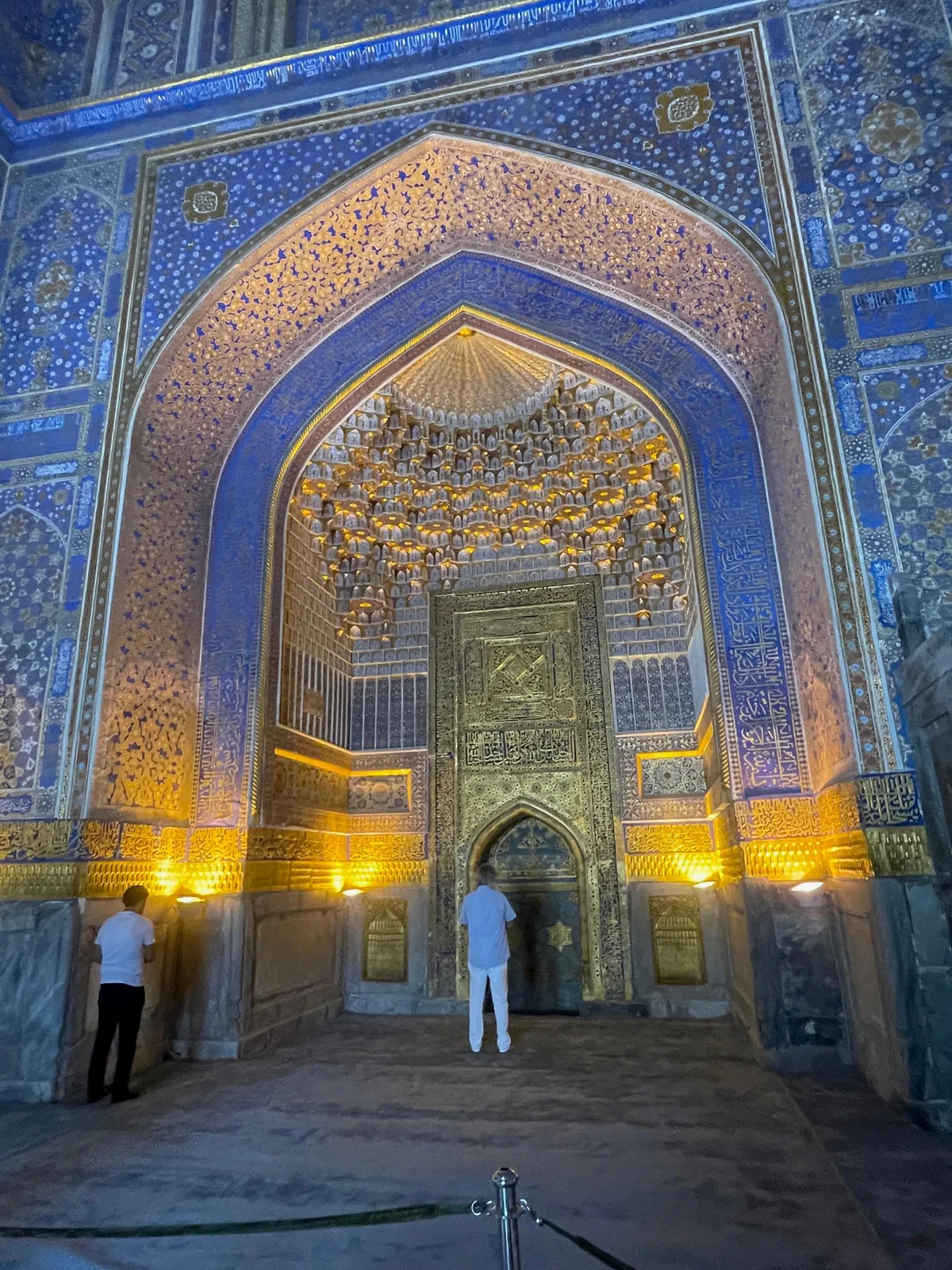
Gold and turquoise blue to calm the spirit while praying
A prayer room has also been preserved at the Ulugh Bek madrasah. The intricate design of the walls and ceilings gives an insight into the craftsmanship of the workers who built it – all conforming to strict geometrical patterns.
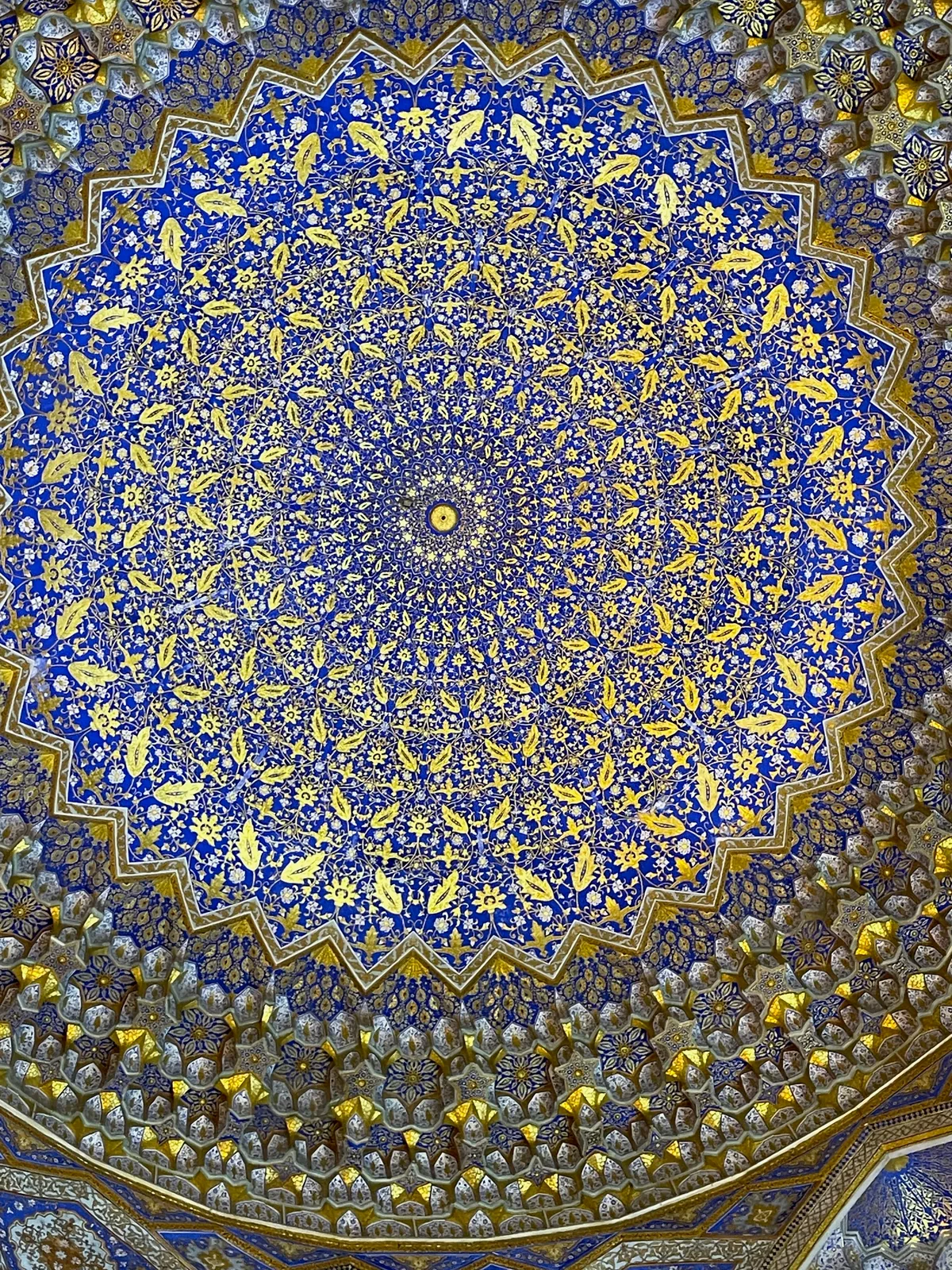
Gilded ceiling of the prayer room
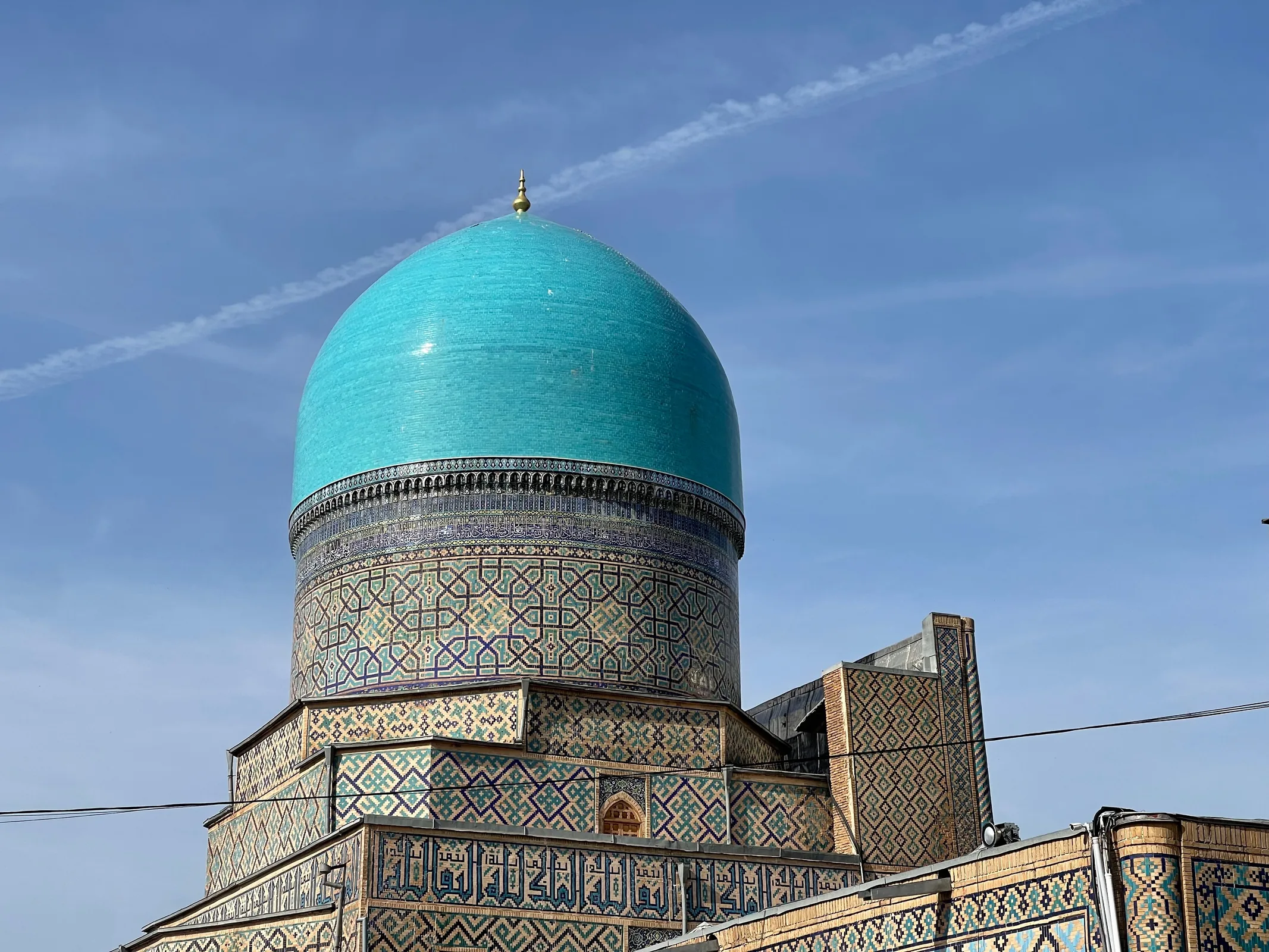
Turquoise dome and intricate tile design
The architecture of the madrasahs of Samarkand are testaments to human skill and the scholastic work that was generated within these venerable walls are the building blocks of astronomy and mathematics that power today’s space flights. While we marvel at today’s scientific successes, we must remember the Islamic scholars who were founts of knowledge and laid the foundation for today's scientific discoveries. Samarkand was just one of many such places where the golden age of Islamic civilization was nurtured.
Samarkand, Uzbekistan, is a great place to visit. It is inexpensive and you can cover most of the city in 3 days.
More Travel Stories
All travel stories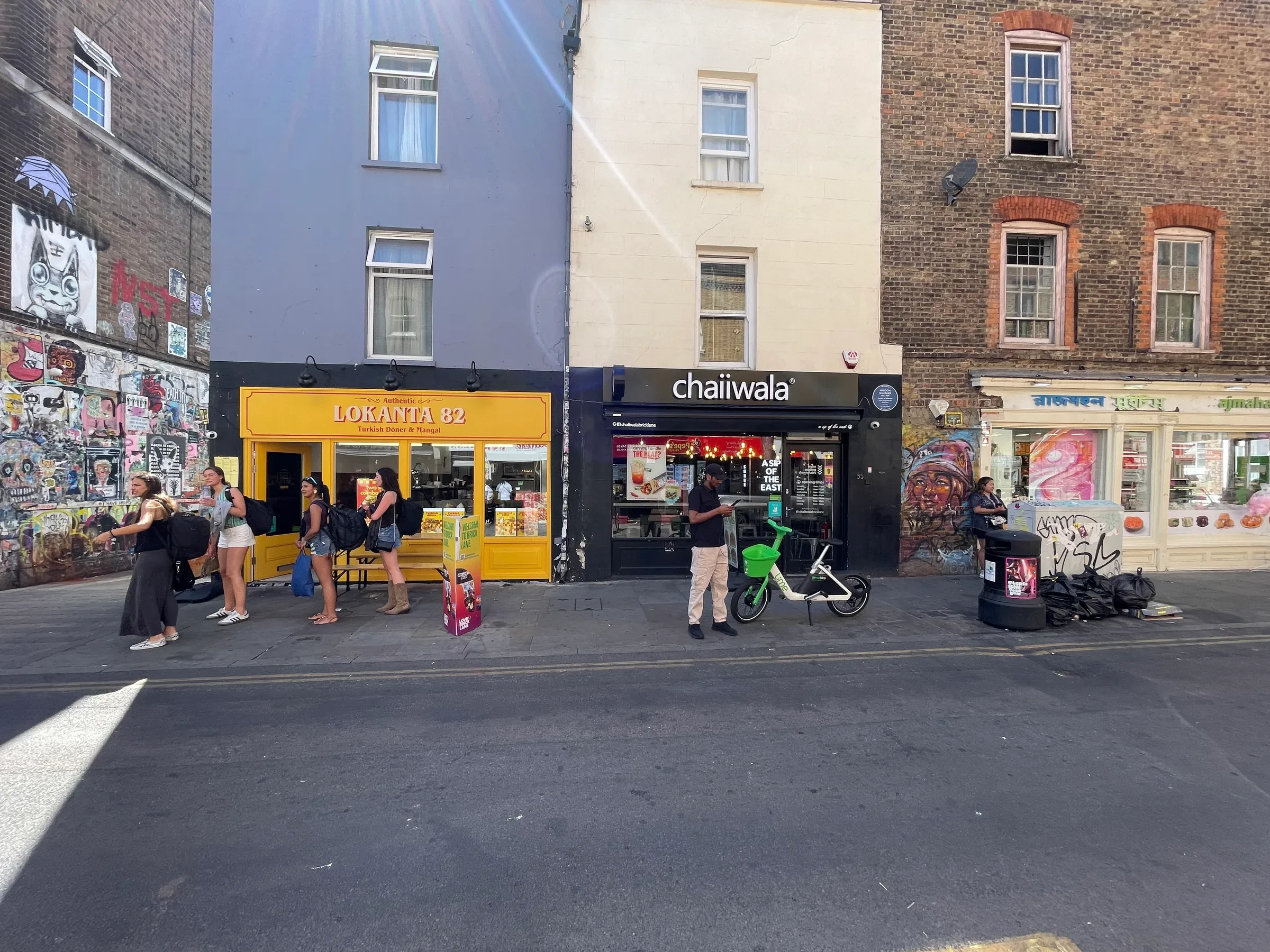
Travel Stories
Whitechapel, Brick Lane and Bangla Town - evolving cultural smorgasbord
London is a melting pot of diverse ethnicities. Nowhere is this more visible than in Whitechapel Station where you see signs in both English and Bangla.
Read story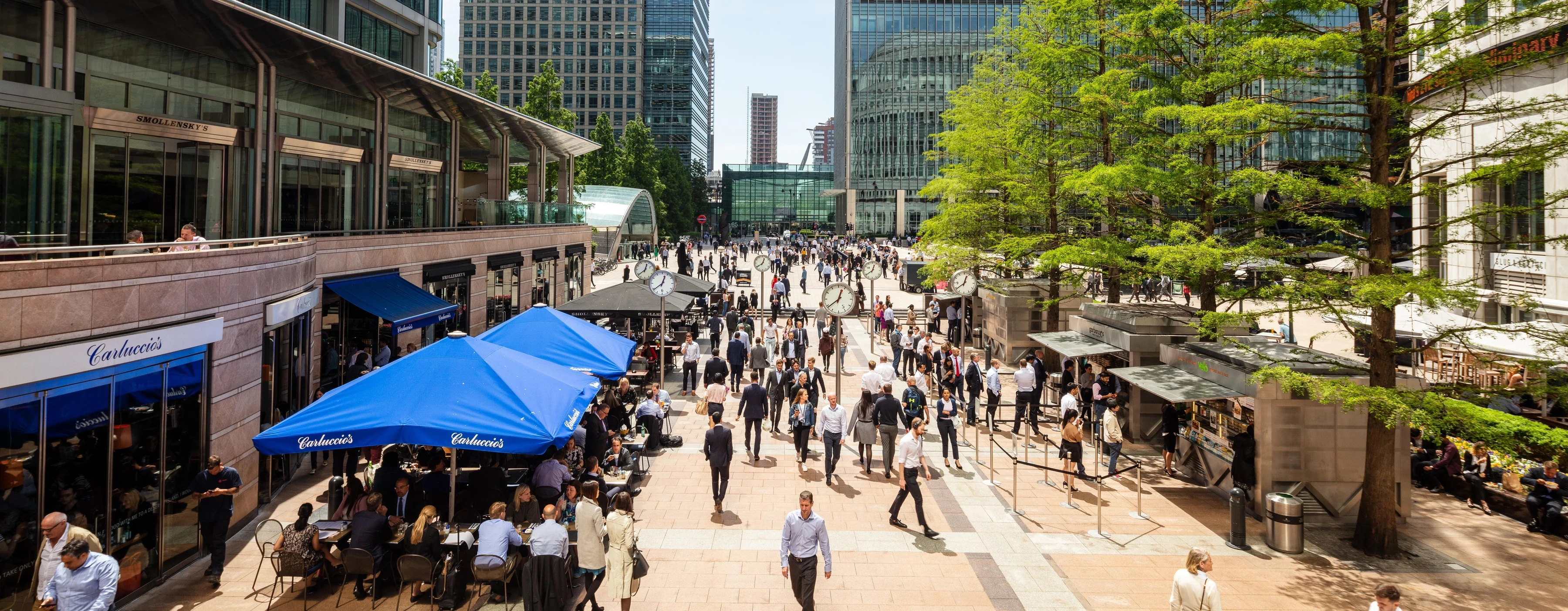
Travel Stories
Halal Restaurants near The House of Gods in London
A Muslim travel route through Canary Wharf, from halal food trucks and polished dine-in restaurants to Docklands Community Centre Masjid.
Read story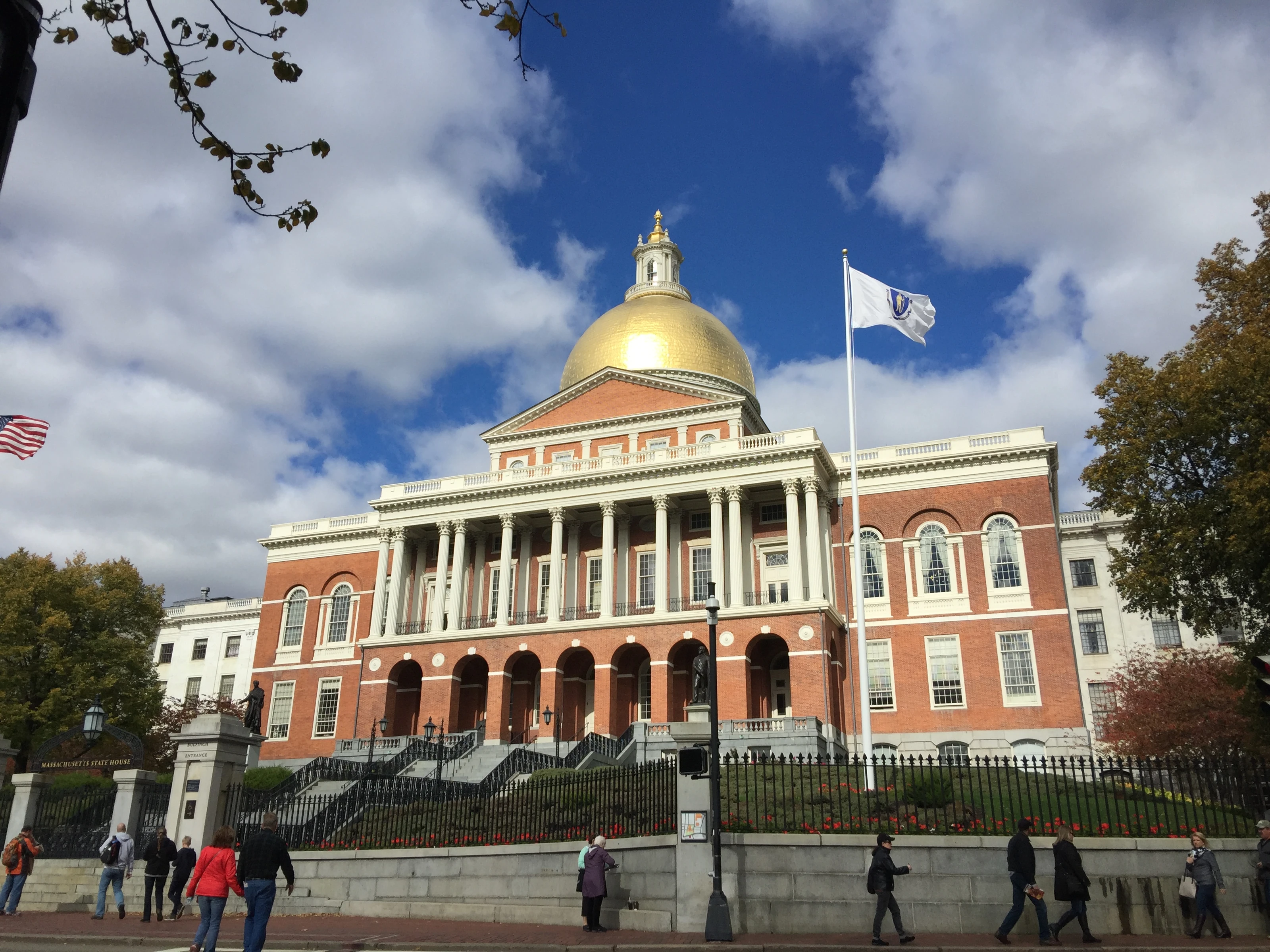
Travel Stories
FIFA World Cup Cities: Boston
The arrival of the FIFA World Cup 2026™ is a perfect opportunity for Boston's sports fans to show how their city revels in a championship contest.
Read story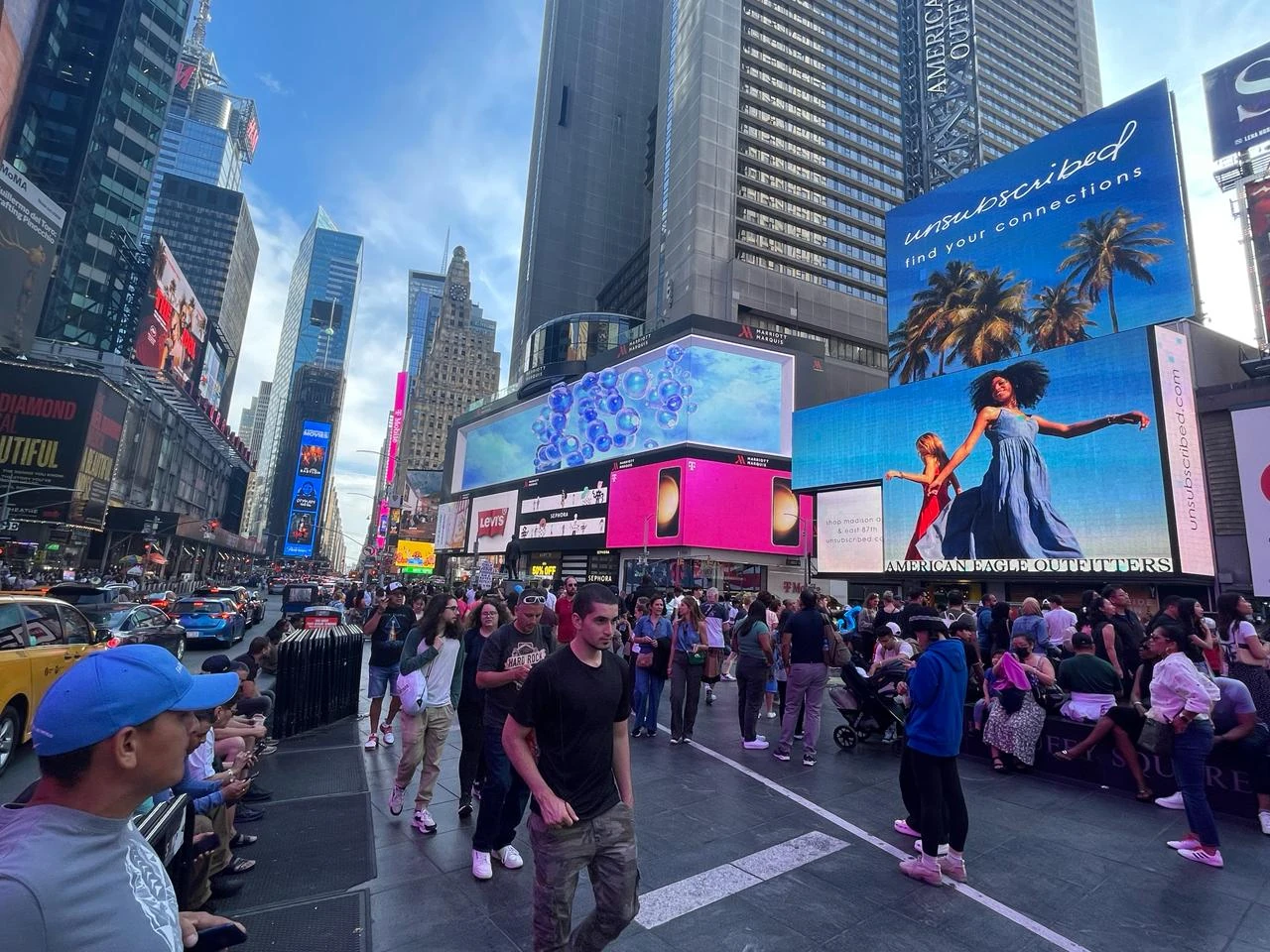
Travel Stories
FIFA World Cup 2026 Cities: New York
International fans visiting New York and New Jersey for the FIFA World Cup 2026™ are bound to find lots to do in addition to attending soccer games.
Read story