Overview & visitor information
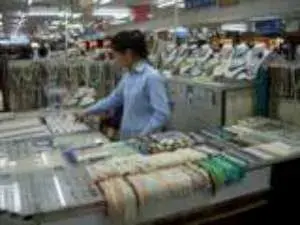
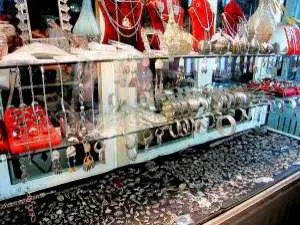
This market is famous for the jewelers who have set up stall here exhibiting their pearl and jade pieces which though pricey are a good buy.
Address: Hong Qiao Lu 16
Tel: 010-6713-3354

This market is famous for the jewelers who have set up stall here exhibiting their pearl and jade pieces which though pricey are a good buy.
This market is famous for the jewelers who have set up stall here exhibiting their pearl and jade pieces which though pricey are a good buy.
Address: Hong Qiao Lu 16
Tel: 010-6713-3354
Keep exploring Beijing.
 beijing
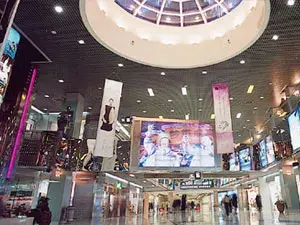
This massive shopping center is arguably the most famous of Beijing's shopping centers. There are several clothes and shoe shops and many designer labels are housed under this roof. A huge Sony shop is also located here.
 beijing
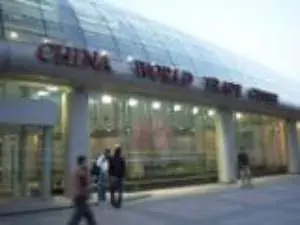
This is another of Beijing's famous shopping malls. A range of international brands have set up shop here including Louis Vuitton. The food court is also very good and there is a Starbucks located here too.
 beijing
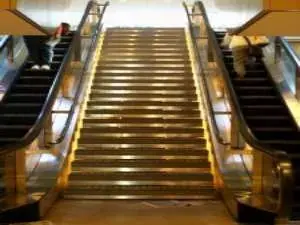
While much of what is sold here is over priced and readily available in other shopping areas, a few of the Arts and Crafts shops are worth the visit. In addition there are a number of wonderful boutiques that have set up shop here- a look at the clothes is worth it. A bookstore and supermarket is also located here.
 beijing
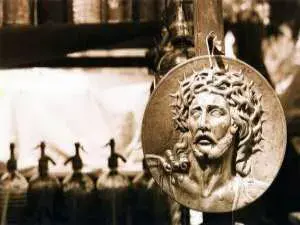
This is a fantastic market consisting of hundreds of stalls and an array of products ranging from jewelry to ceramics, art to antiques, clothes to shoes and bags, Ming and Qing style furniture and goods to religious icons and statues of Buddha etc.
 beijing
For fashion lovers this is definitely the place to head to. Beautiful tops and smart jackets are available here and these clothes reflect a perfect fusion of East meets west. Whilst the cuts are contemporary the look is distinctly Chinese.
 beijing
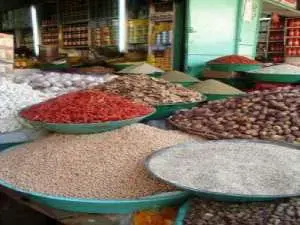
This department store is varied in the shops that have set up and the products that are sold. Locally produced good quality clothes and shoes are available here at extremely reasonable prices.
 beijing
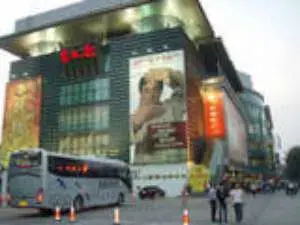
A lot of knock offs of designer goods are available here. A variety of clothes and shoes are sold here.
 beijing
Address: Gongti Bei Lu 58
 beijing
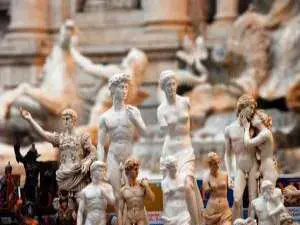
In addition to a lot of Mao memorabilia lots of other souvenirs are available as well.
 beijing
This is the best store to buy antiques- though pricey their antiquity and authenticity are guaranteed. Many of these antiques consist of wooden boxes, carvings, etc.
Keep exploring Beijing.
 beijing
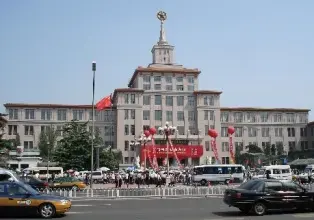
This fascinating museum dedicated to China’s military and its history first opened in 1960. The building’s edifice is a striking example of Socialist Realism. Even before entering the museum, there’s no doubt that it’s related to the military. Outside is a row of artillery cannons and a decommissioned boat. Once you get inside, the main hall is filled with tanks, planes, and a rocket.
 beijing
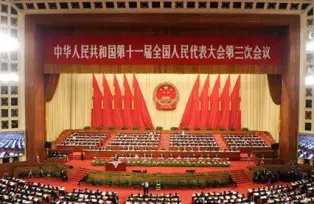
The Great Hall of the People is one of ten buildings (creatively known as the Ten Great Buildings) constructed to honor the tenth anniversary of the People’s Republic of China in 1959. All are around today – among them the National Museum of China, the Beijing Railway Station, and the Chinese People’s Revolutionary Military Museum. All were built in the modernist style, heavily influenced by Soviet architecture. The most important of these is the Great Hall of the People, home to the National People’s Congress, China’s top legislative body.
 beijing
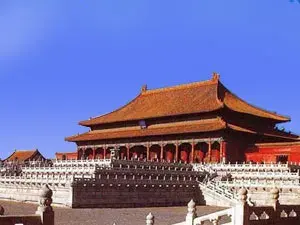
This museum should definitely be visited as it houses some of the most magnificent ruins and remnants of famed Chinese architecture. The halls which store these treasures are themselves historically significant as they were once part of the Altar of Agriculture where Chinese emperors came to pray during plantation and harvesting season and performed rituals pertaining to these. The Hall of Jupiter is amazing and should not be missed.
 beijing
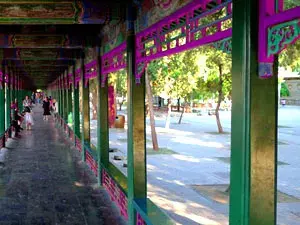
When the Hailingwang Emperor of the Jin Dynasty moved the capital back to Beijing, he needed a new palace to escape the sweltering summers. The site he chose was on Gold Mountain (now Longevity Hill), about 12km northwest of Beijing. The Qianlong Emperor of the Qing Dynasty renovated the palace and the gardens in the 18th century. Kunming Lake was expanded to resemble the famous West Lake in Hangzhou. During the Second Opium War in 1860, the palace was destroyed by British and French forces. Under the Empress Dowager Cixi, the palace was subsequently rebuilt in 1893, only to be destroyed once again during the Boxer Rebellion in 1900. The Summer Palace we see today was the product of another restoration in 1903 (also by Cixi). It was open to the public during the Republic of China and eventually turned into a park.
 beijing
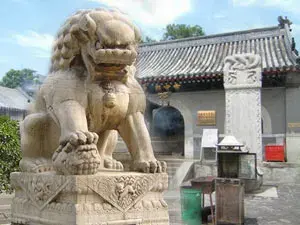
This magnificent and massive temple dates back to 739 A.D. Followers of the Daoist religion come to worship here. Chinese monks in traditional costume also can be seen here. This is an interesting temple to visit.
 beijing
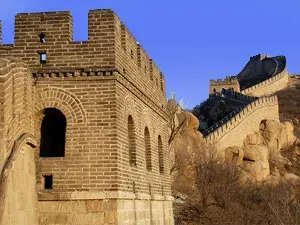
Contrary to popular belief, the Great Wall is not visible from the moon, or even Earth’s orbit. Nevertheless, it is one of mankind’s great engineering achievements. The various kingdoms of ancient China had been no stranger to walled fortifications, and when the Qin Dynasty was established in 221 BC, Emperor Qin Shi Huang ordered several existing walls to be merged together. Succeeding dynasties continued expanding the wall and renovating existing sections.
 beijing
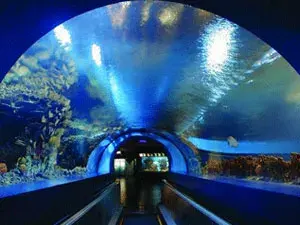
Beijing Aquarium This is an inland aquarium which exhibits numerous species of under water creatures. Dolphin shows take place daily and are a highlight of this aquarium. A panda house is located nearby as well.
 beijing
This is an inland aquarium which exhibits numerous species of under water creatures. Dolphin shows take place daily and are a highlight of this aquarium. A panda house is located nearby as well.
 beijing
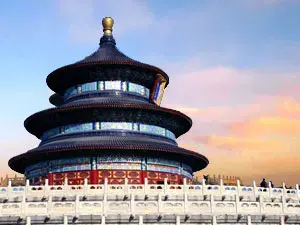
This has to be one of the most stunning edifices in all of Beijing if not in all of China. The hall dates back to the early 1400s. It is made of wood and the roof is absolutely fantastic consisting of blue tiles in intricate design. The pillars that hold it up are also wooden and the number of these is significant since they symbolize time in terms of the number of seasons and the number of months in the year. This imperial structure was burnt to the ground when lightning struck it in the late 1880s but it was rebuilt the following year. This structure is especially dazzling because of the fact that it is approximately 125 feet high and has been built without a single nail being hammered into it!
 beijing
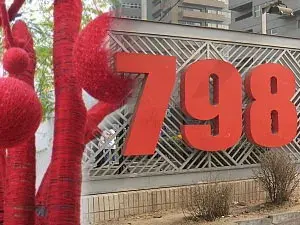
This former weapons factory has now become the hub of Chinese art and culture. This 'factory' comprises of several galleries and rooms showcasing contemporary fashions; art pieces by local and international artists; some stellar photography and some very beautiful hand painted textiles. Viewing these various exhibits is a treat indeed.
Keep exploring Beijing.
 beijing
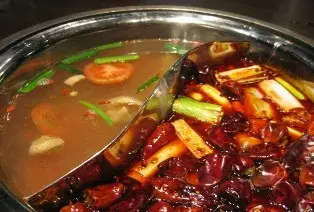
No trip to China is complete without trying hot pot. You start with a cauldron of boiling broth and add whatever meat (usually deli sliced), noodles, and vegetables you want. Traditionally, mutton is used, but pretty much anything you could want is available depending on the restaurant, from the mundane (chicken and beef) to more exotic fare like tripe, fish balls, and even frogs. Many places have a buffet from which you can make a sauce to dip your food in.
 beijing
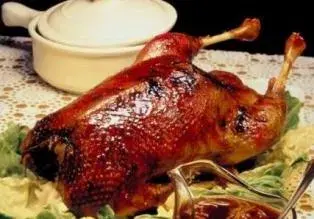
No trip to Beijing is complete without trying the city’s specialty: Peking duck. This delicacy emerged during the Ming Dynasty and was the meal of choice in the Forbidden City. It has been a staple in Beijing cuisine ever since. Pekin ducks are specifically bred for use in the dish. After the duck is slaughtered and de-feathered, air is pumped in through the neck to separate skin and fat. It is then boiled and left to dry, before finally being cooked in a closed or hung oven.
 beijing
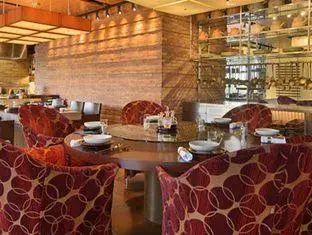
Located in the grand Hyatt Hotel, Made in China offers a variety of authentic Chinese specialties, including Peking duck. As you might expect in such a nice hotel, the décor is opulent and the food delicious. The service is good and the staff is attentive too. If you want the duck, call in advance.
 beijing
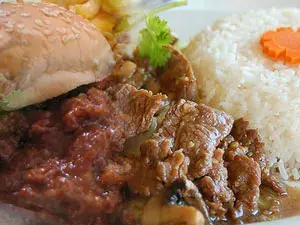
'Down to earth' best describes the atmosphere inside this restaurant. Unpretentious delicious food coupled with reasonable prices makes this a stop worth making. Sea food lovers and vegetarians will both be satisfied by the dishes listed on this menu. The pastas as in any Italian restaurant are delectable.
 beijing
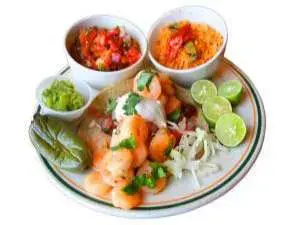
This restaurant is especially interesting because the interior epitomizes Han culture. Han cuisine known as 'Hakka' is at its ultimate here. The shrimp and other sea-food dishes are the specialty. Arguably the best food in all of Beijing is served here.
 beijing
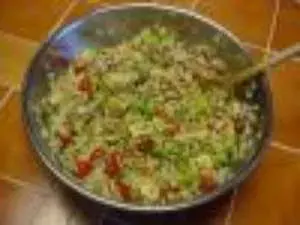
This is a family restaurant. The interior is simple and sparkling clean. Absolutely divine vegetarian dishes are served here. The soups, the broths, salads and rolls are cooked using quality ingredients.
 beijing
Cuisine: Chinese
Cuisine: Pakistani
Cuisine: Chinese
Cuisine: Chinese