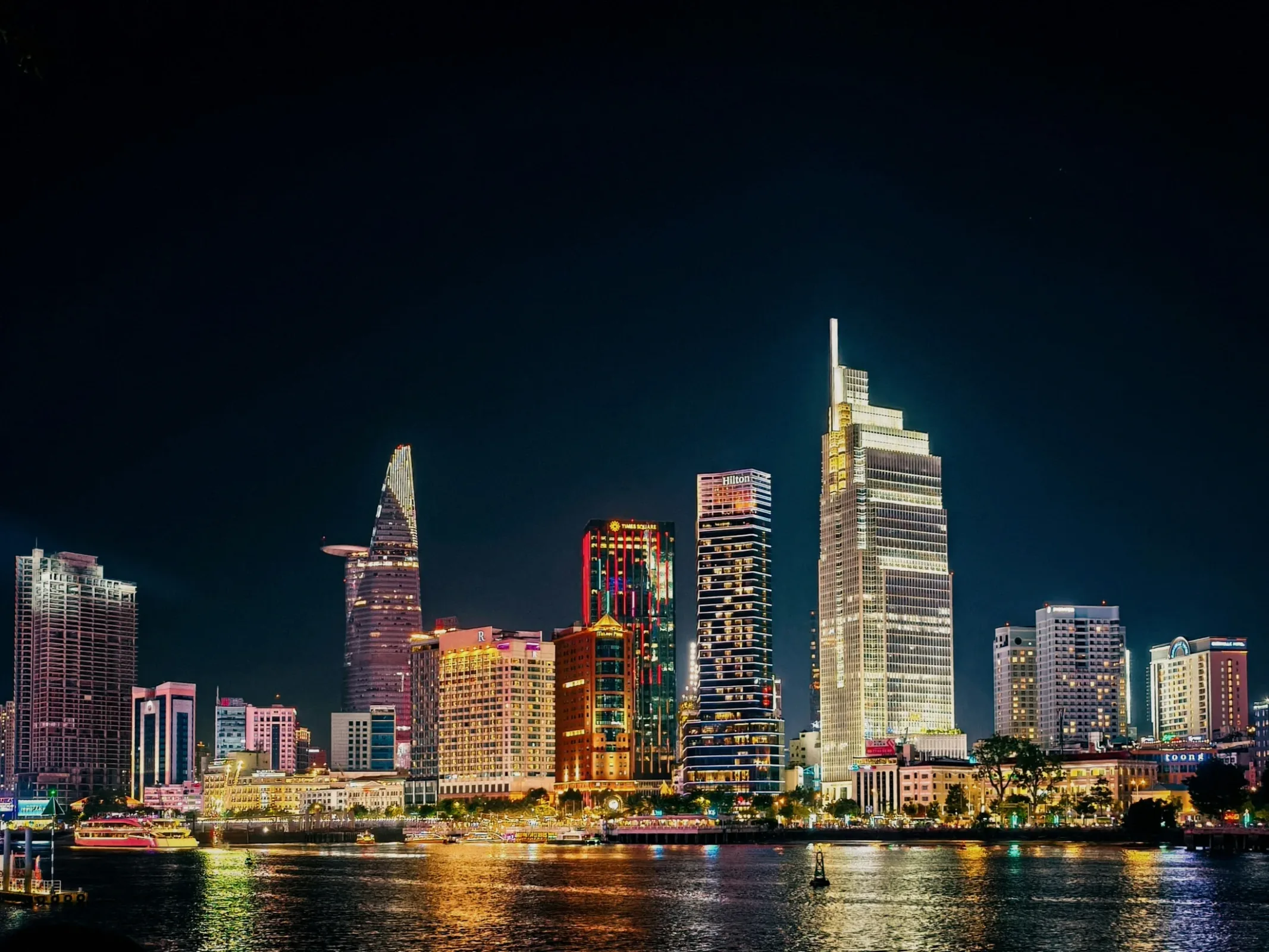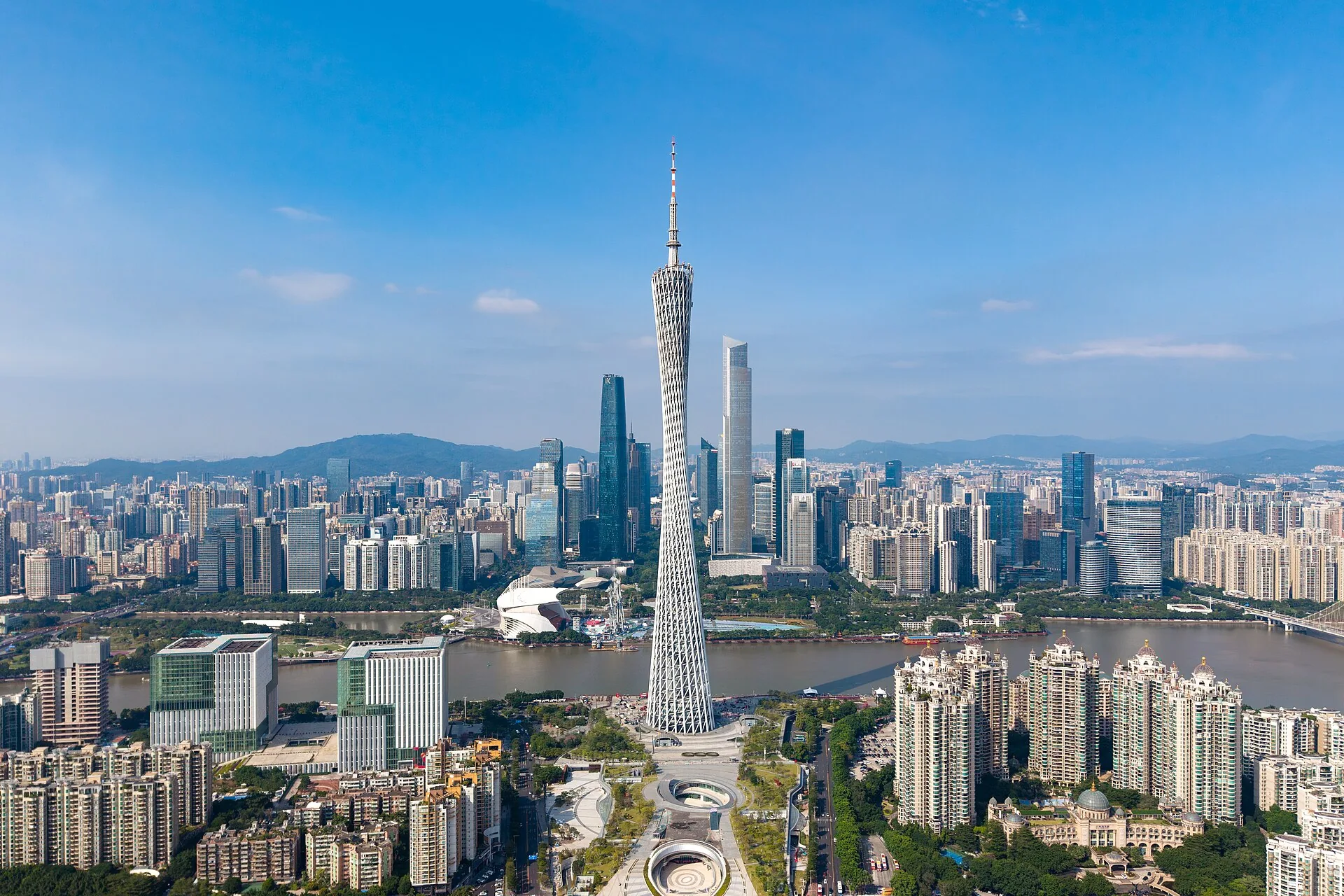
Canton Tower and northern Haizhu
Canton Tower
Guangzhou’s 600-metre twisted tower, with indoor decks at 433 metres, an open-air top deck and a slow sky wheel of glass pods.

Guangzhou, the old Canton, is the capital of Guangdong and southern China’s great trading city on the Pearl River.
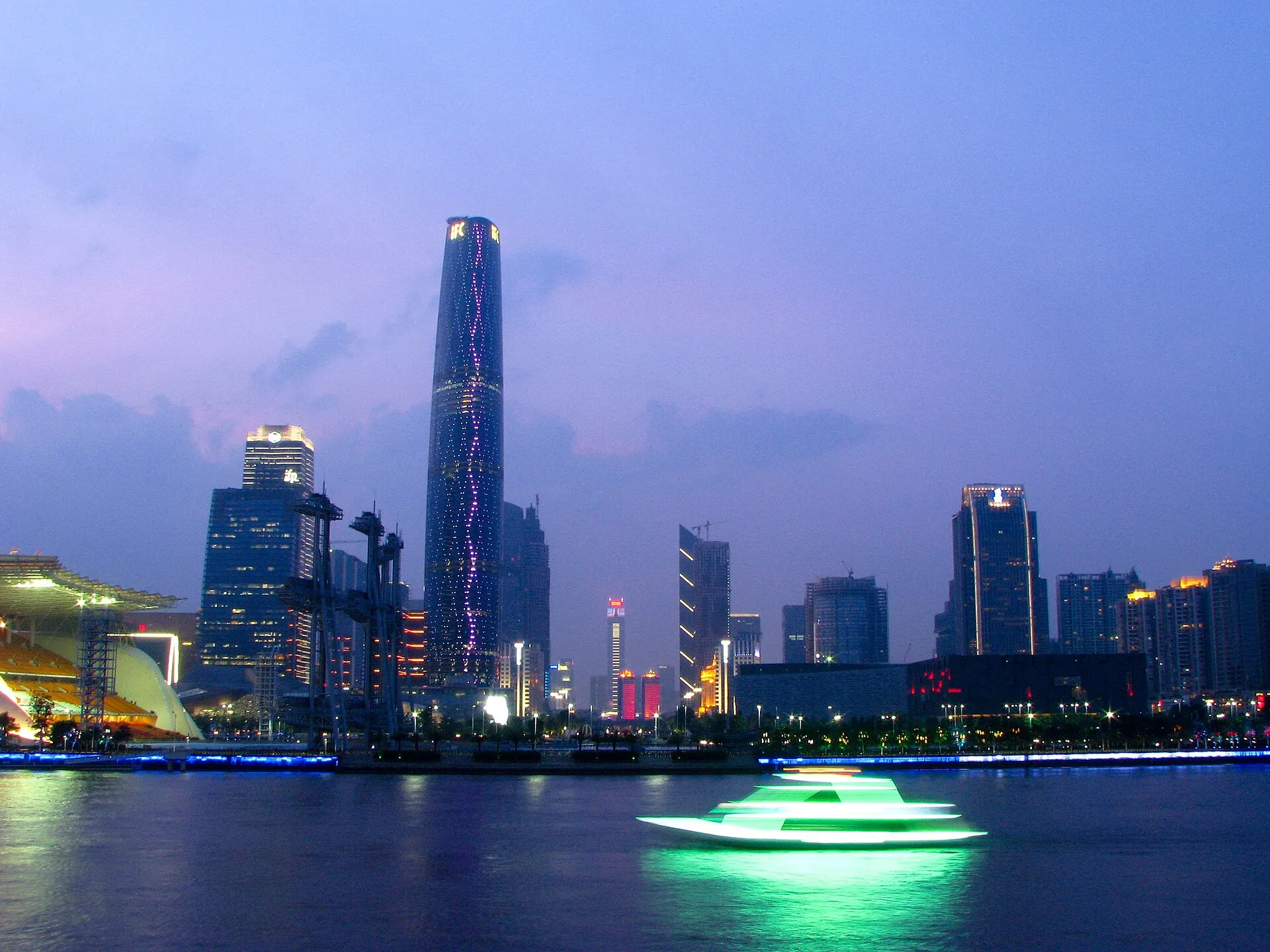
Guangzhou, the old Canton, is the capital of Guangdong and southern China’s great trading city on the Pearl River. Gulf visitors come for the Canton Fair, the wholesale markets and a Muslim story that reaches back 1,300 years to Huaisheng Mosque and the Tomb of Sa‘d. Emirates flies daily from Dubai to Baiyun International Airport, and a clean, cheap metro links the old city, Canton Tower and the Tianhe malls. October to December is the most comfortable time to visit; summers are hot, humid and rainy. Xiaobei, near the old mosques, has the city’s densest cluster of halal restaurants.
Guangzhou’s 600-metre twisted tower, with indoor decks at 433 metres, an open-air top deck and a slow sky wheel of glass pods.
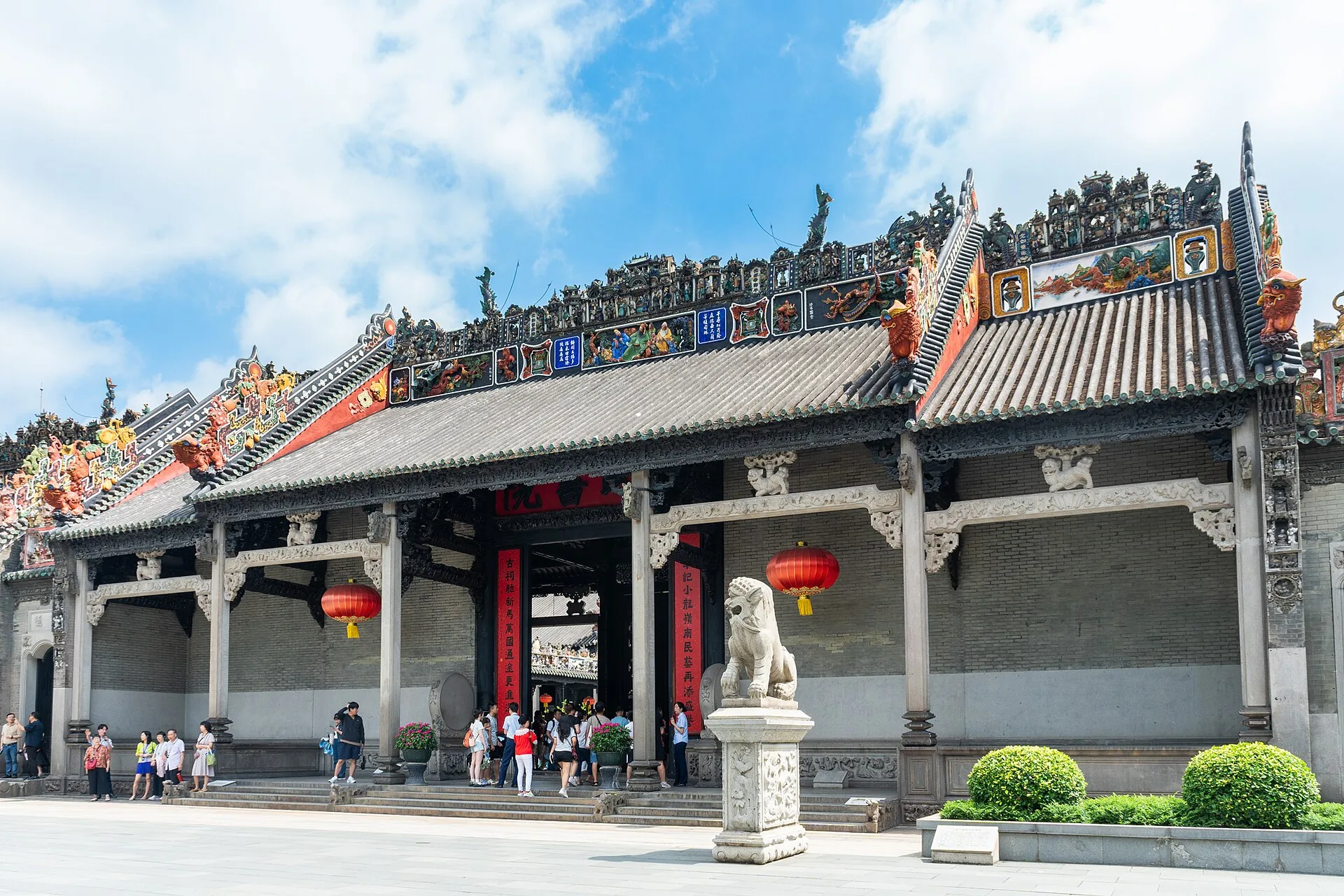
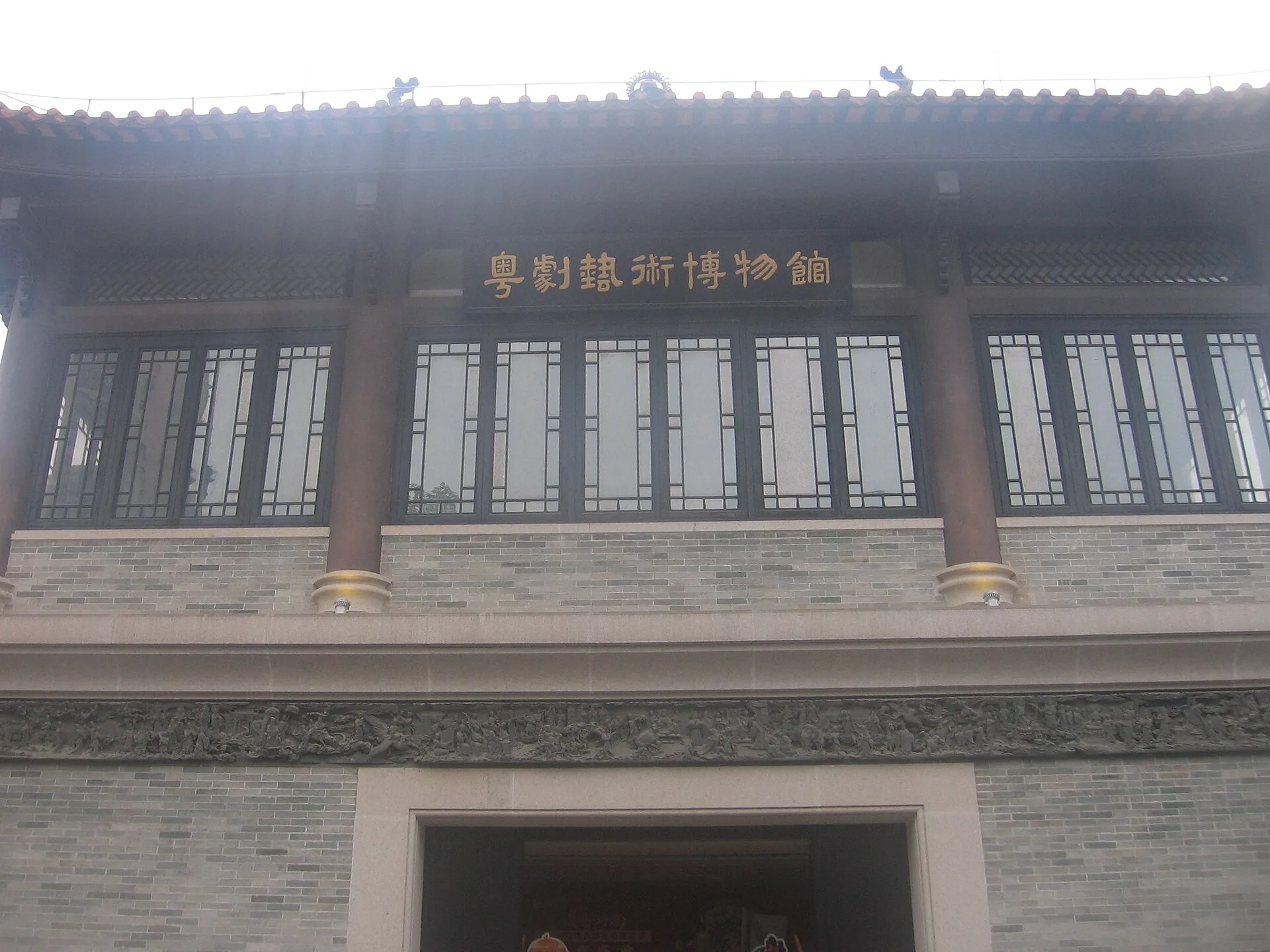
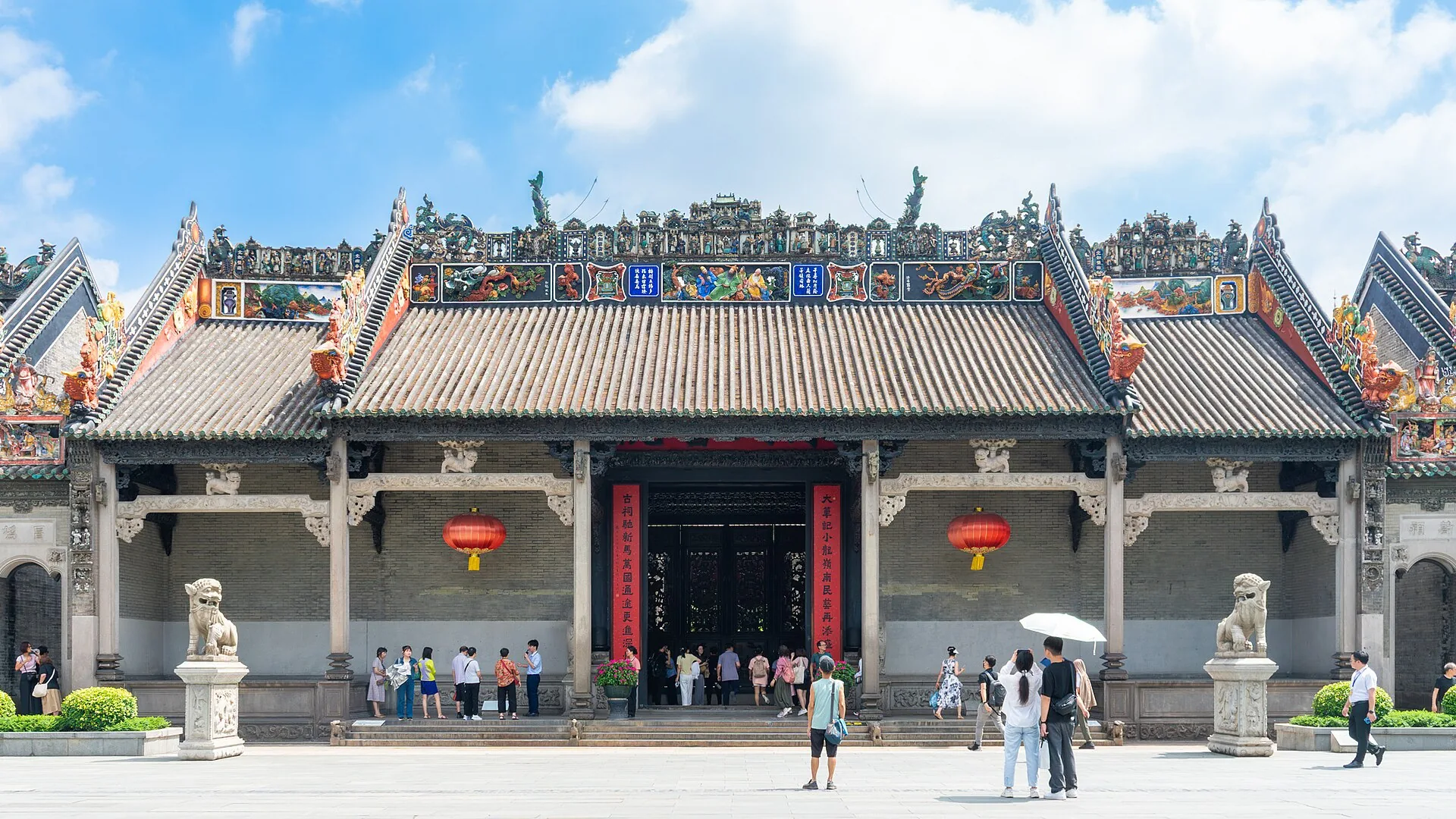
A 19th-century clan academy covered in some of southern China’s finest wood, stone, brick and ceramic carving, now the Guangdong Folk Arts Museum.
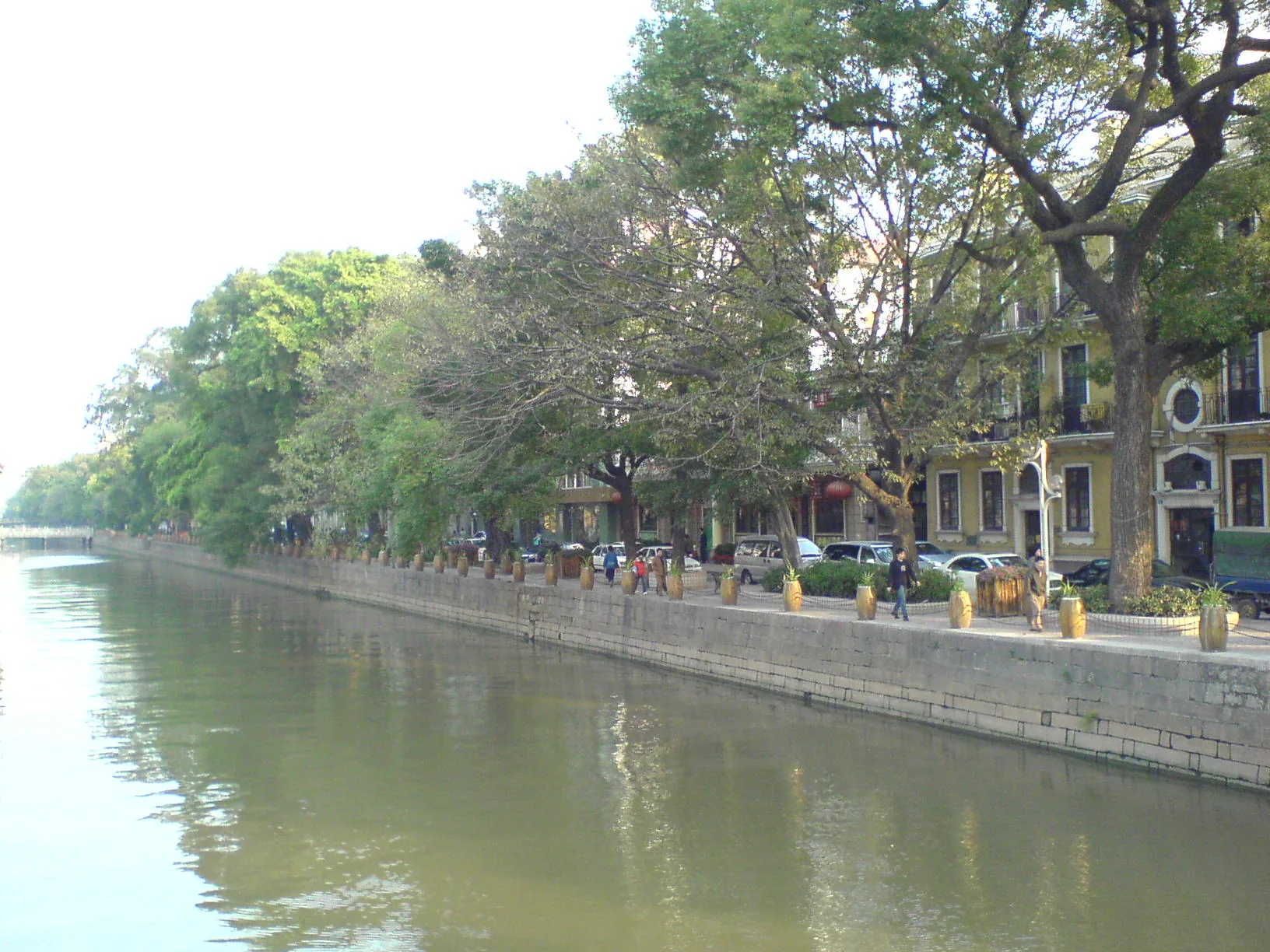
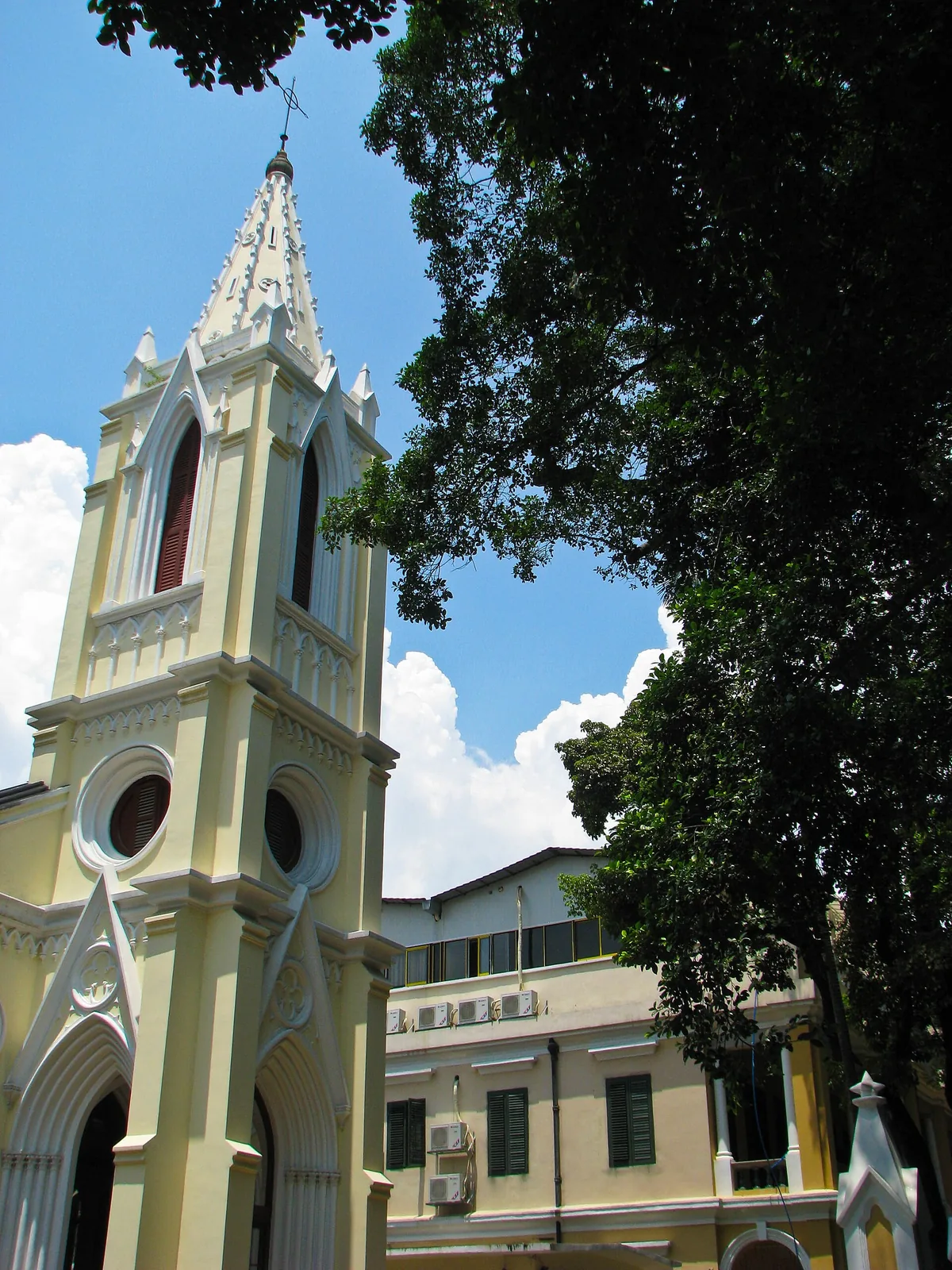
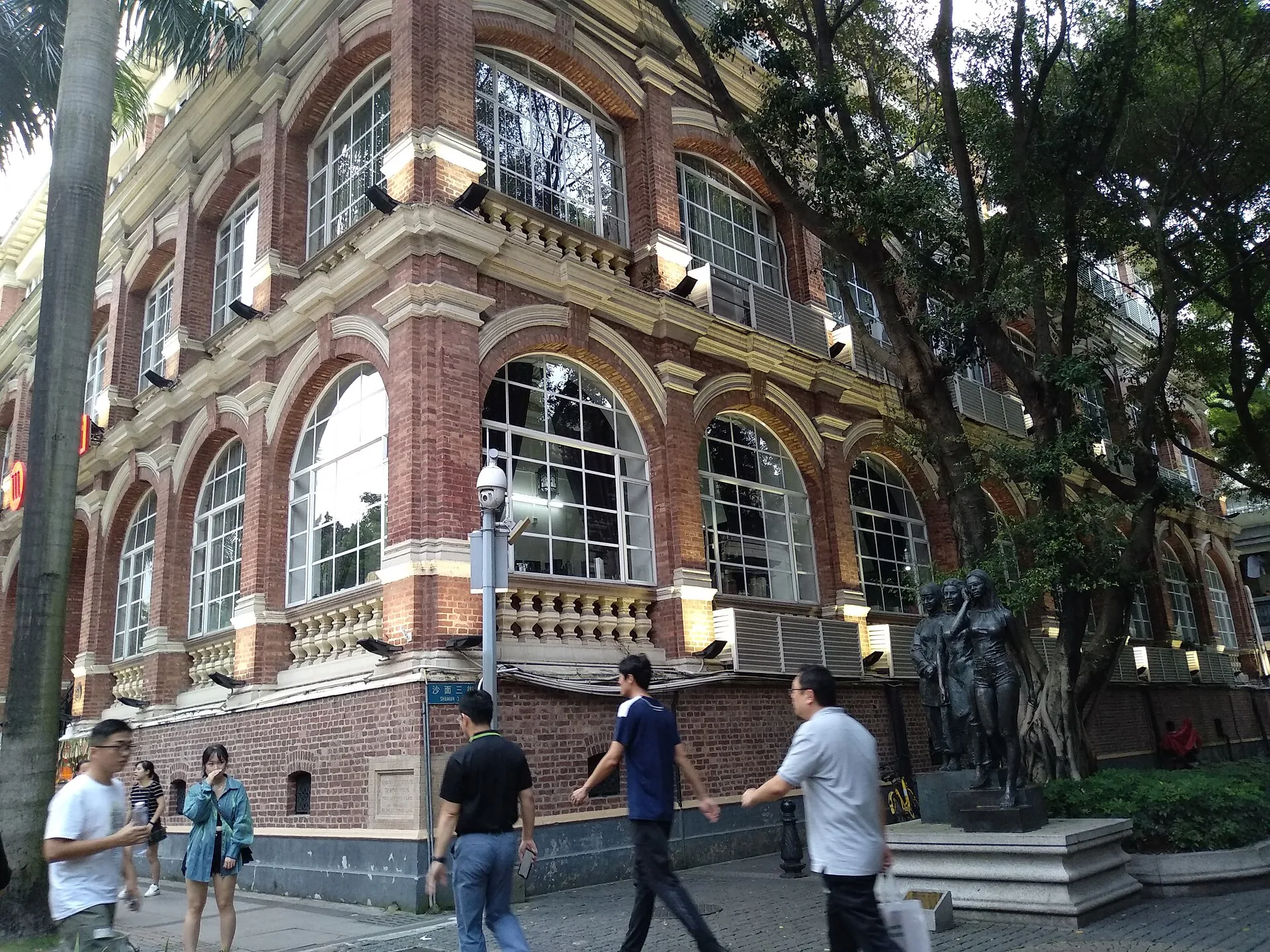
A quiet sandbank island of banyan-shaded avenues and 19th-century European bank, consulate and church buildings on the Pearl River.
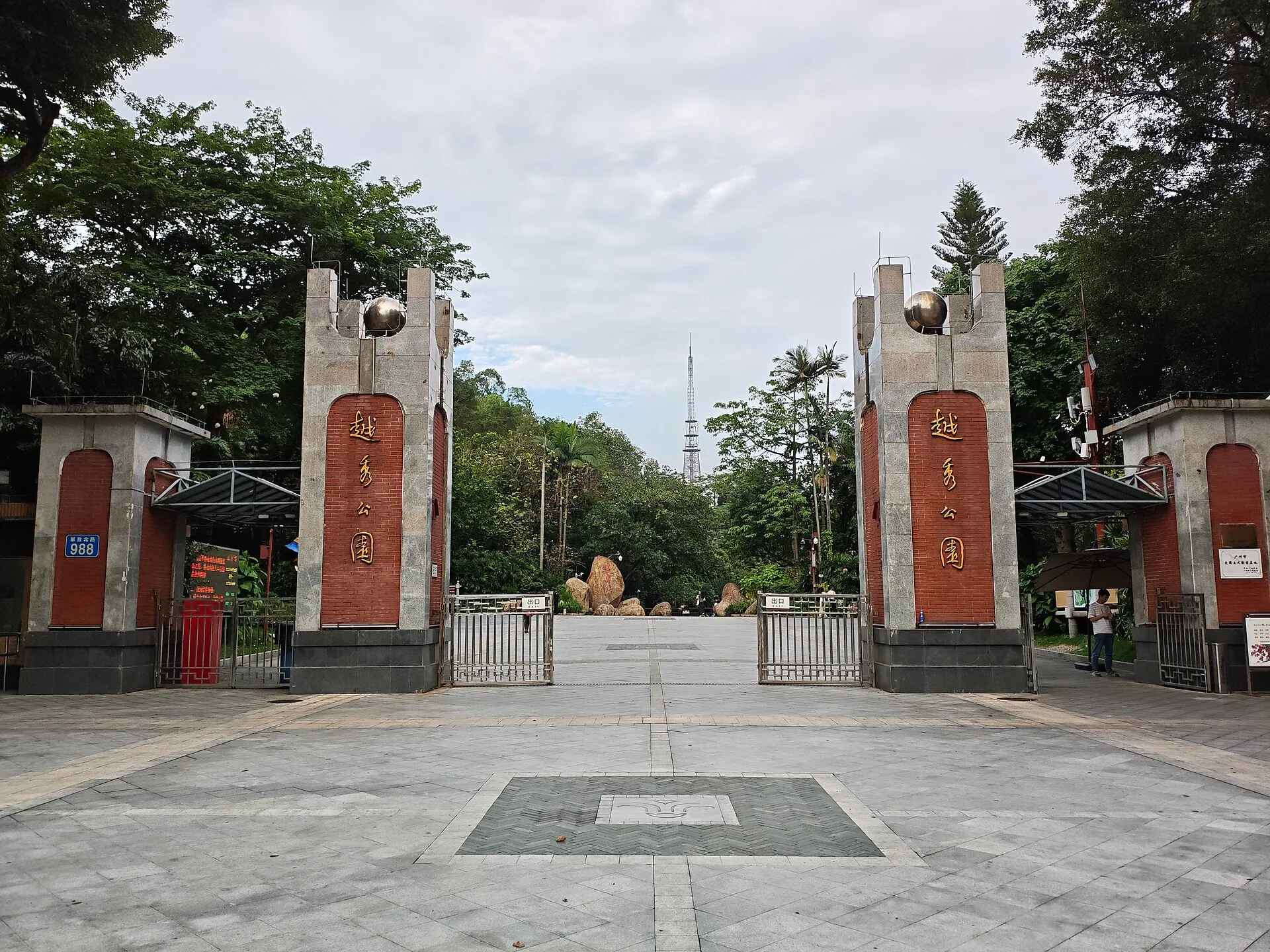
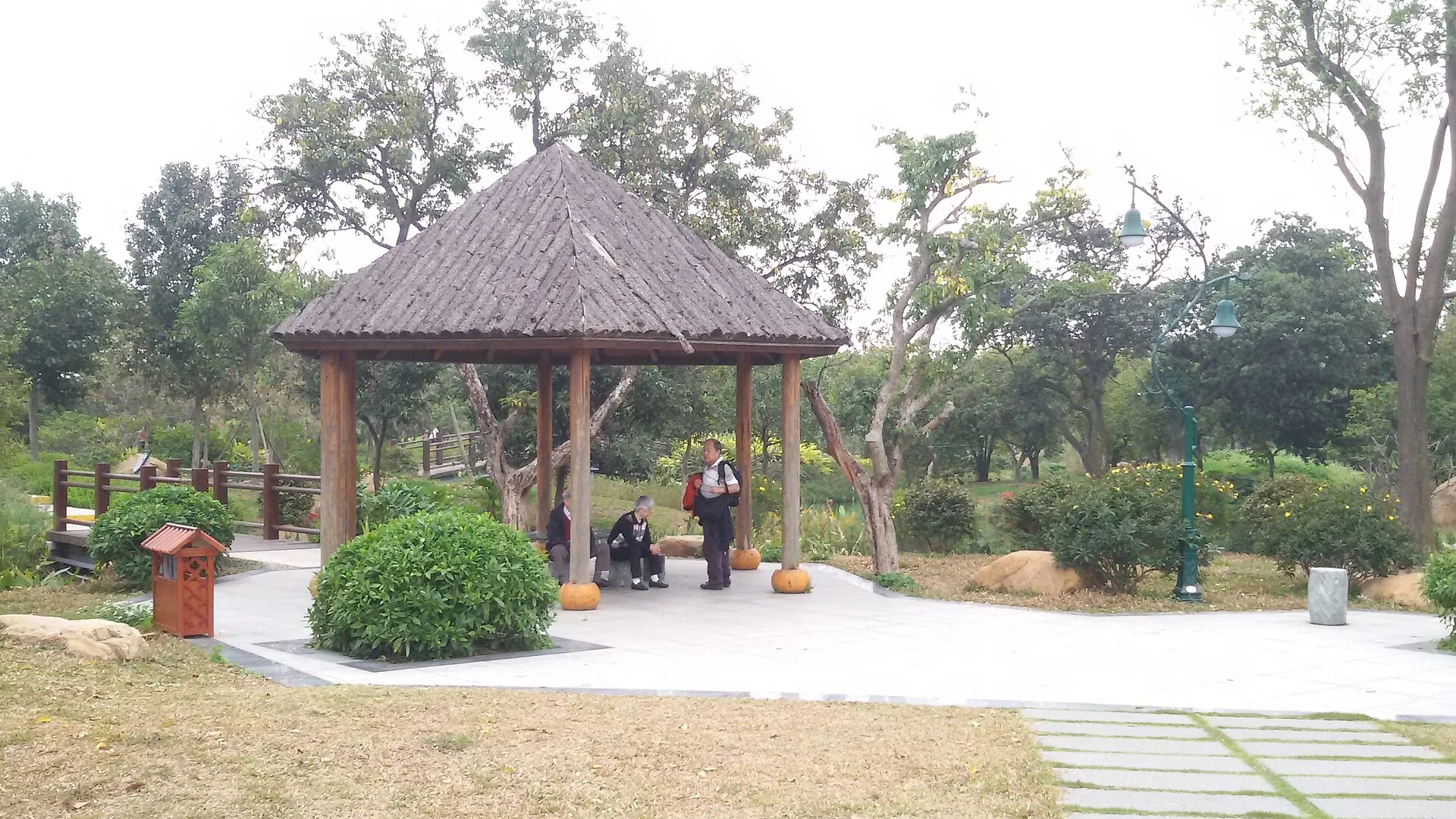
Central Guangzhou’s largest park, with lakes, the Five Rams statue, a stretch of Ming city wall and Zhenhai Tower on its hilltop.
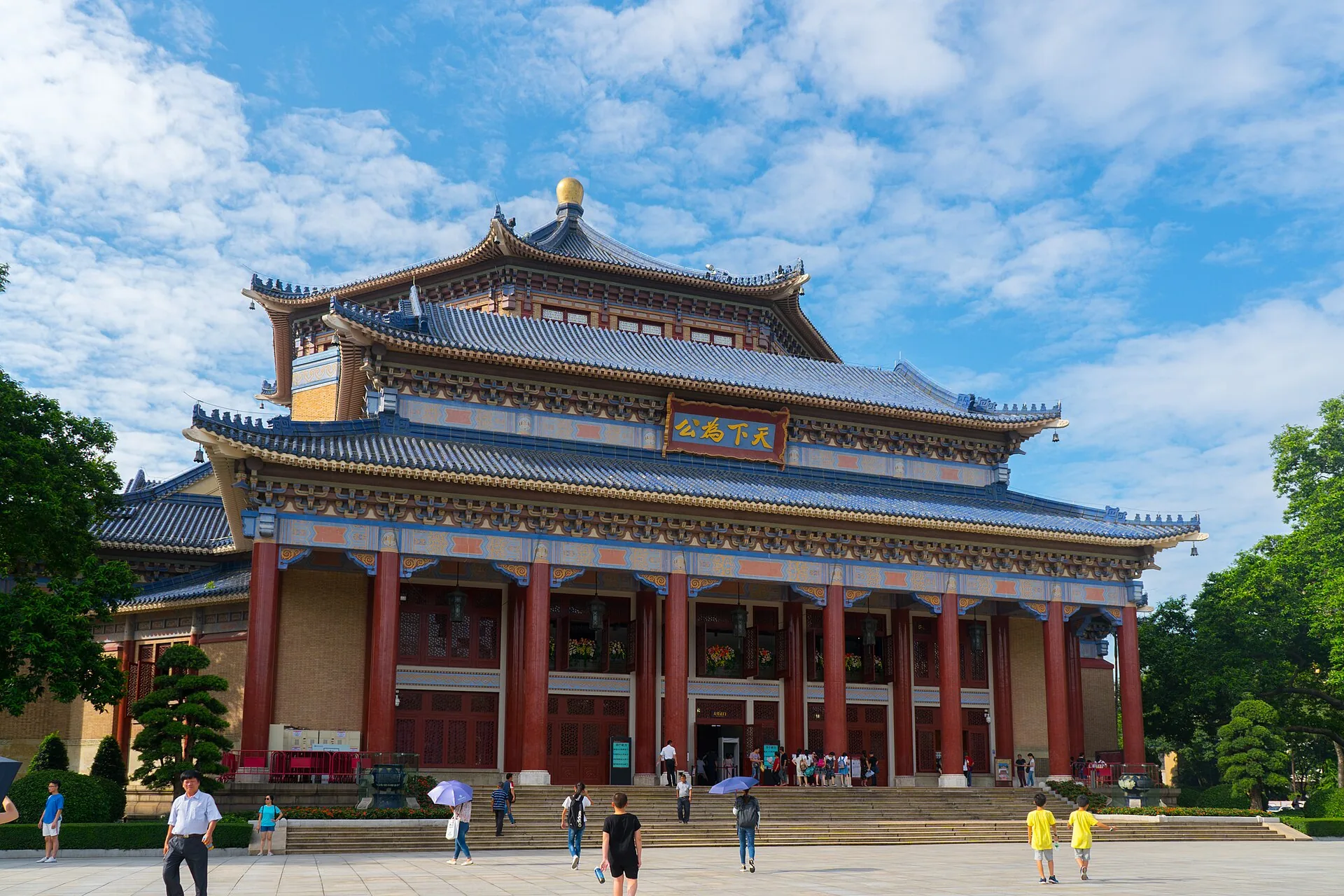
A blue-tiled octagonal hall from 1931, built in memory of the founder of modern China on the spot where he once had his presidential office.
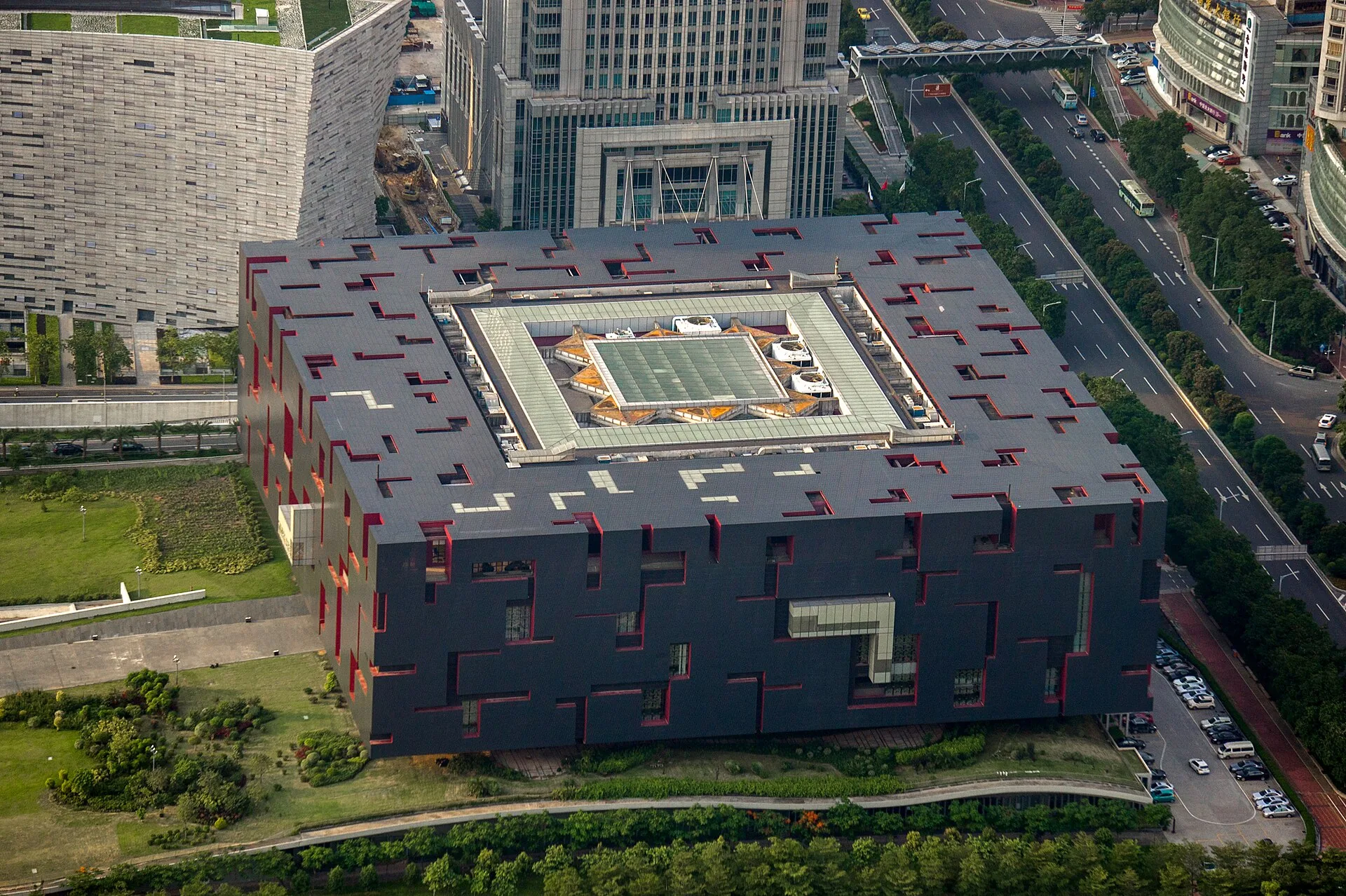
The province’s main museum, a lacquer-box building in Zhujiang New Town with fine Chaozhou woodcarving, Duan inkstones, ceramics and natural history.
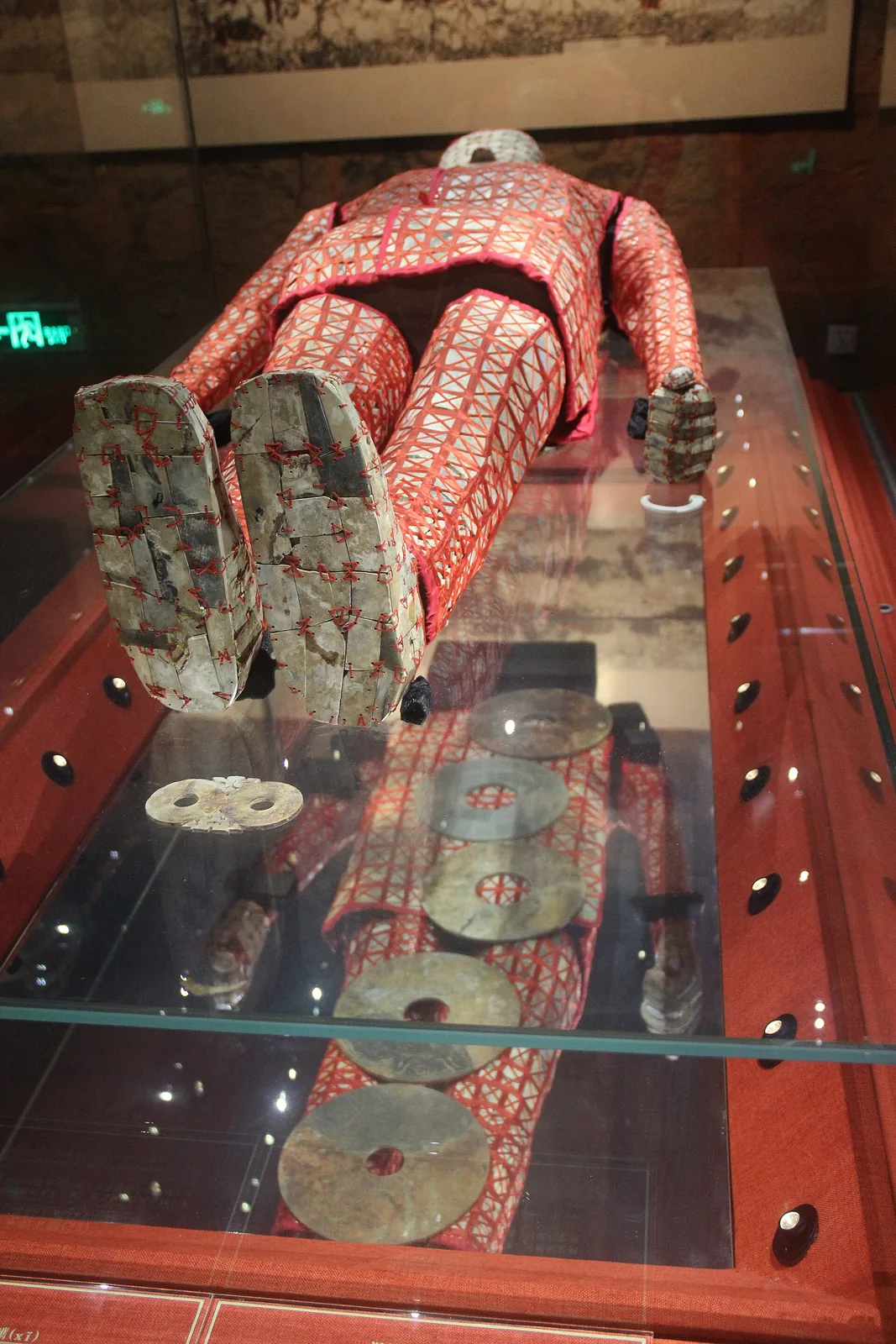
The 2,100-year-old stone tomb of a southern king, found intact in 1983, with his silk-and-jade burial suit and treasures from the ancient sea trade.
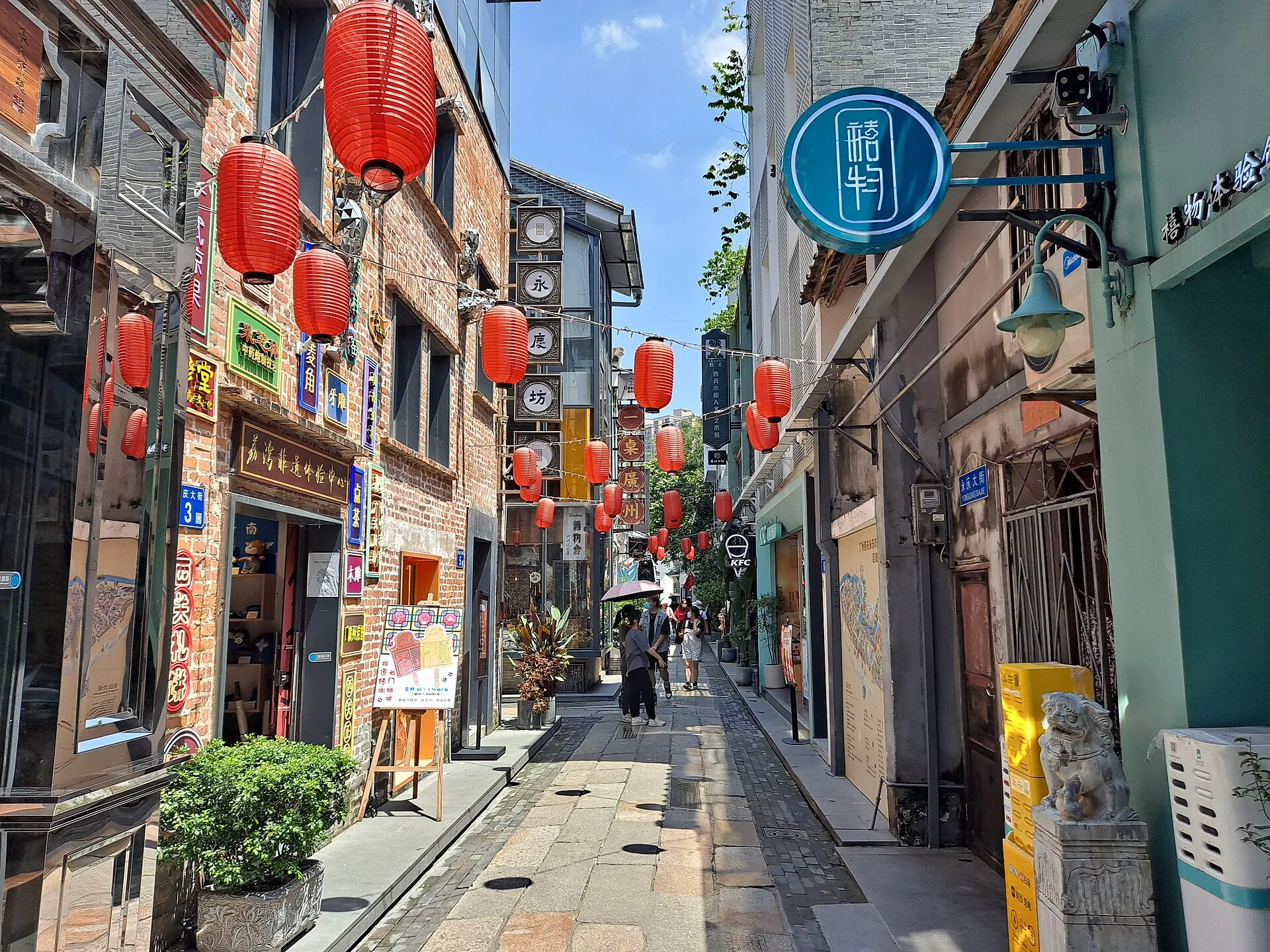
Restored arcade lanes of old Xiguan on Enning Road, with Bruce Lee’s ancestral home, craft workshops, cafés and canal-side corners.
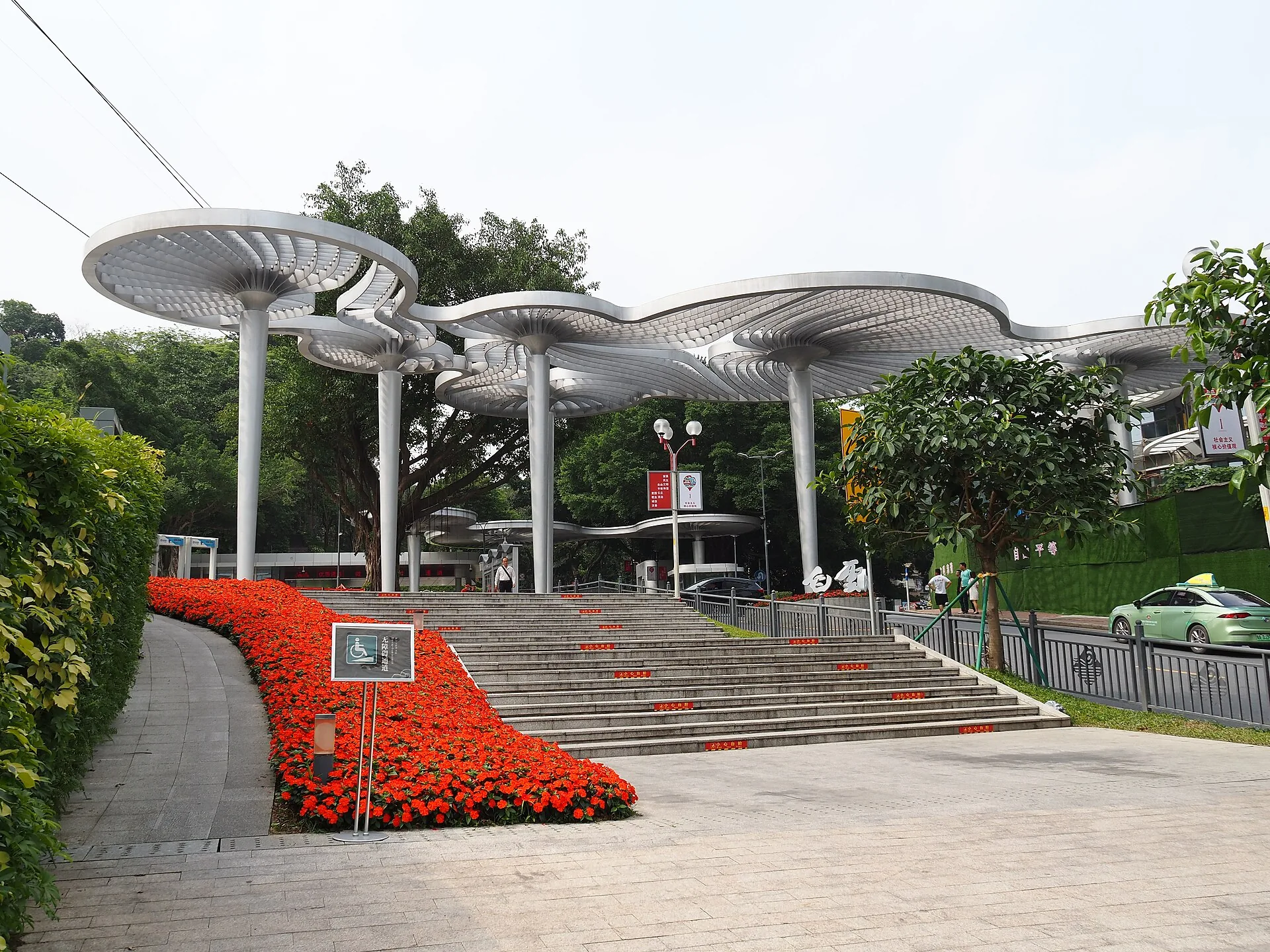
The forested “White Cloud Mountain” on the city’s northern edge, with walking trails, a cable car, gardens and wide views from Moxing Ling.
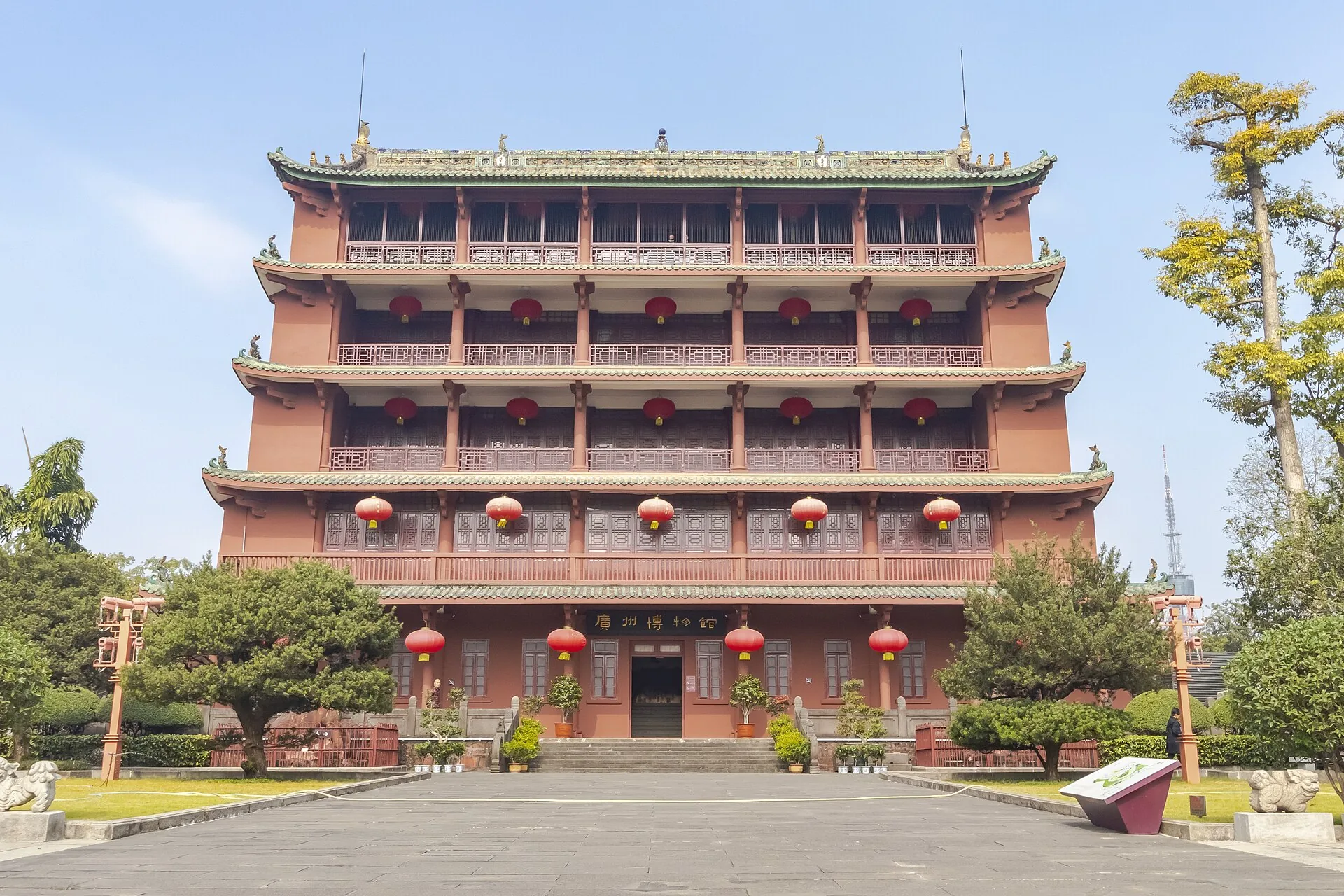
A five-storey Ming watchtower on Yuexiu Hill, built in 1380, now home to the Guangzhou Museum’s exhibition on the city’s 2,200-year story.
Old Canton in the morning, Huaisheng Mosque at Dhuhr, the Chen Clan Ancestral Hall, then Huacheng Square, Canton Tower and a night cruise.
Day one in the historic city with its mosques and museums; day two in Liwan, Shamian and the modern central axis.
The two-day highlights plus a third day for Baiyun Mountain in the morning and shopping in Tianhe in the afternoon.
The Tomb of Sa‘d, Xianxian Mosque, Huaisheng Mosque and the Ming-era mosques of the old city, with halal meals all day.
A full day at Chimelong Safari Park with the evening circus, then a gentler city day at Guangzhou Zoo, Grandview Aquarium and Huacheng Square.
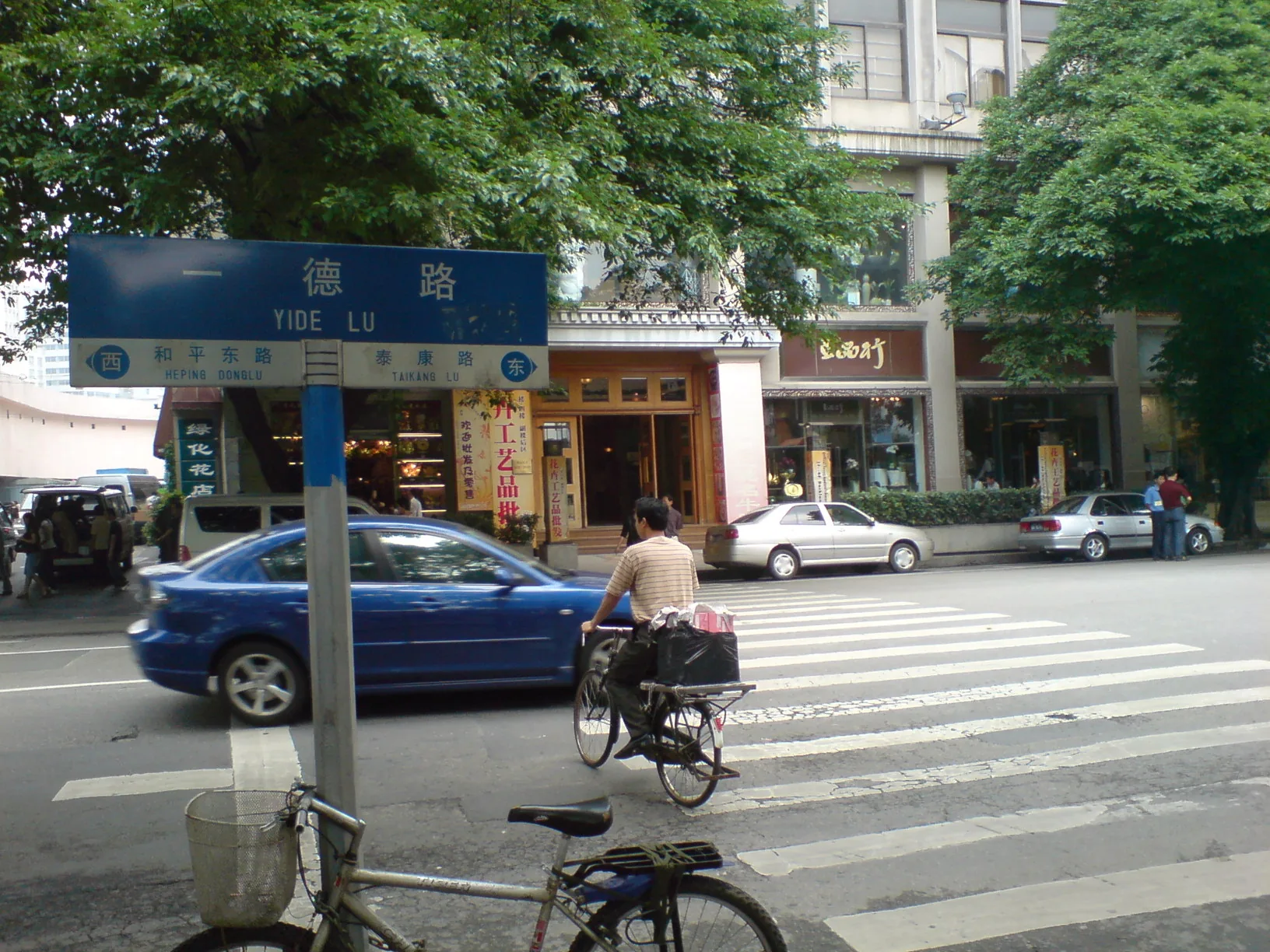
Morning in the wholesale markets of Yide Road and OneLink Plaza, Dhuhr at Haopan Mosque, and the afternoon at the Canton Fair or in the Baima clothing market.
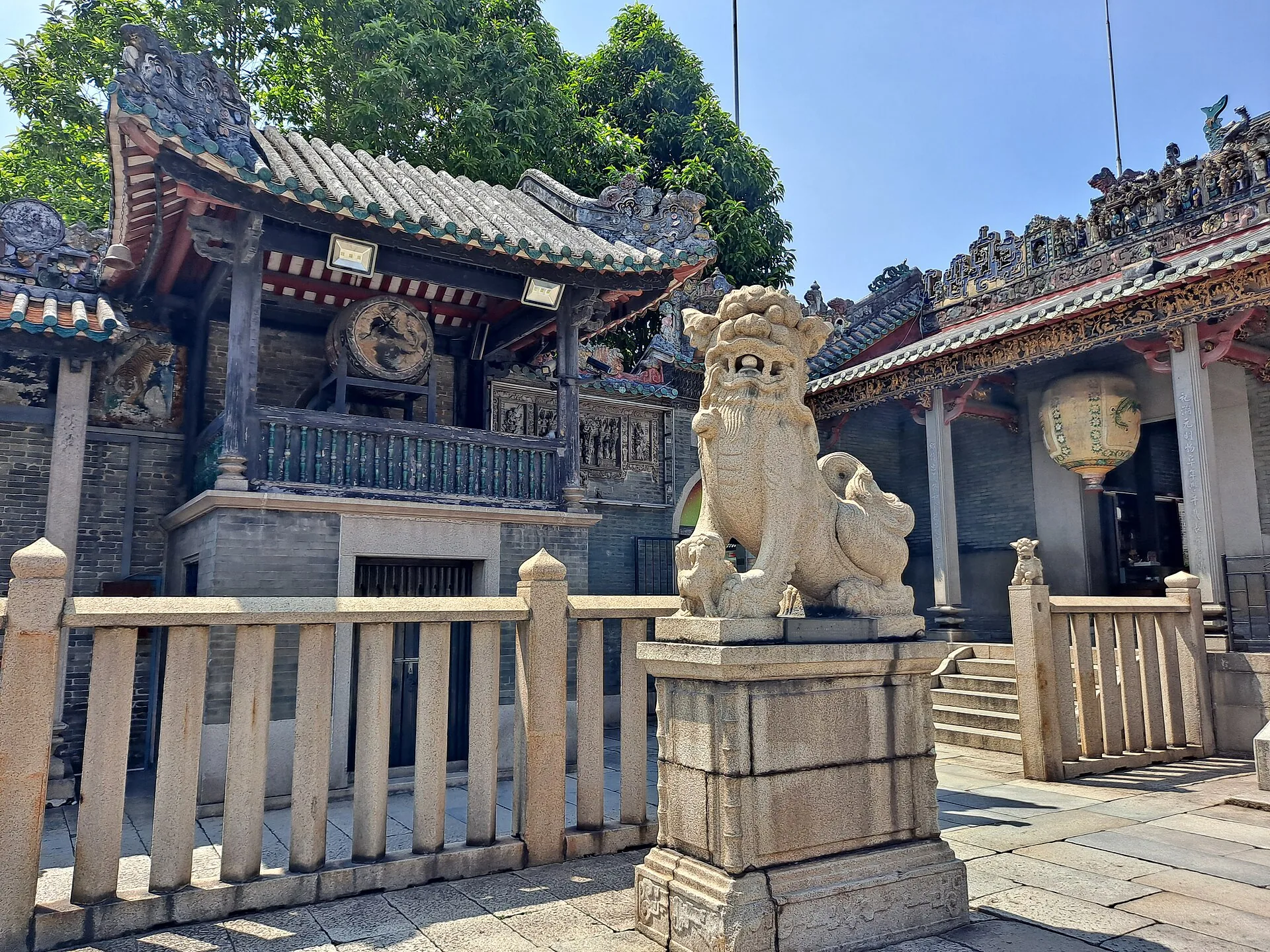
A private day in Foshan with the Ancestral Temple, a lion dance show and the water villages of Shunde, returning for dinner in Guangzhou.
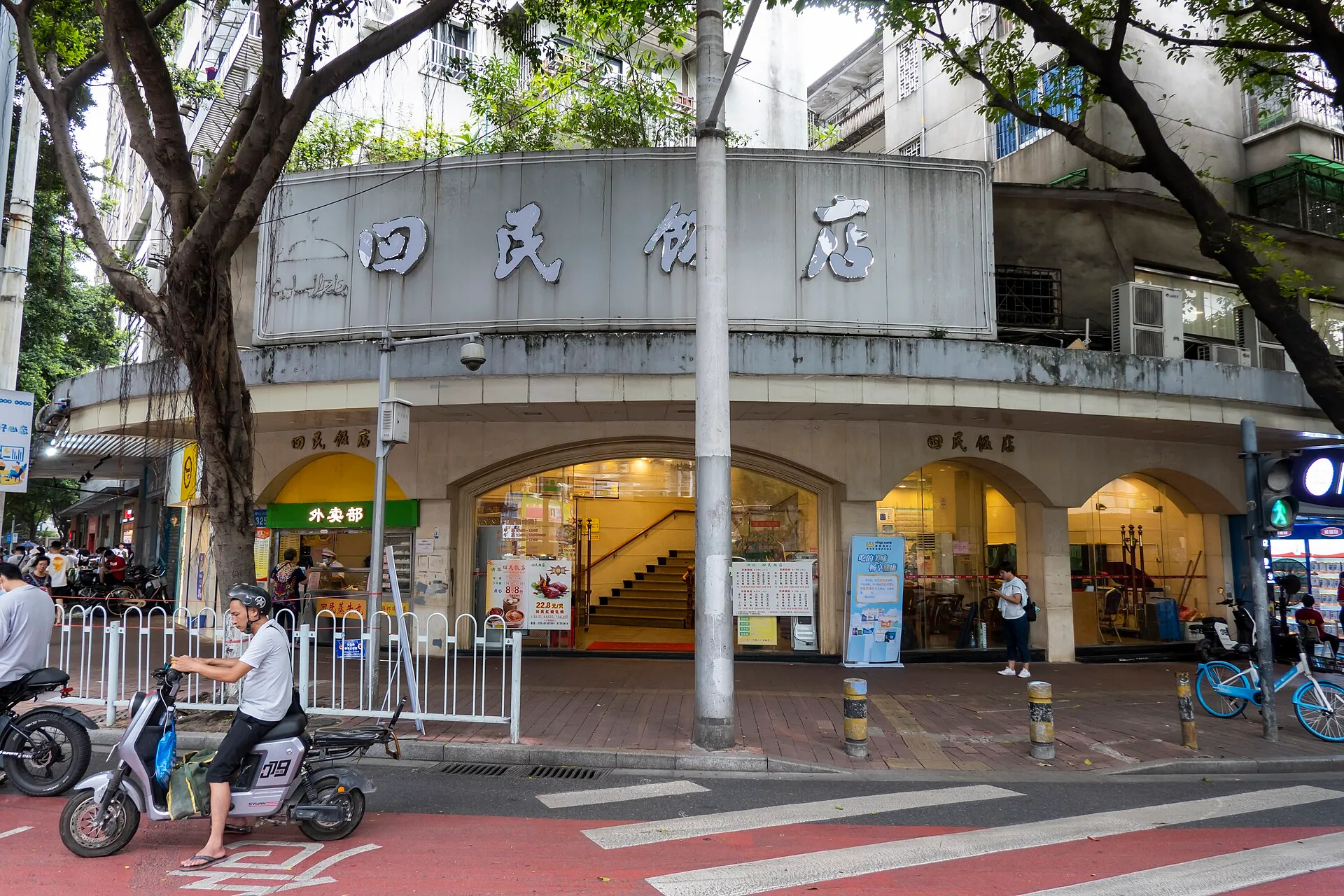
A long-running Hui Muslim restaurant on Zhongshan 6th Road, serving halal dim sum, beef noodles and Chinese stir-fries from early morning.
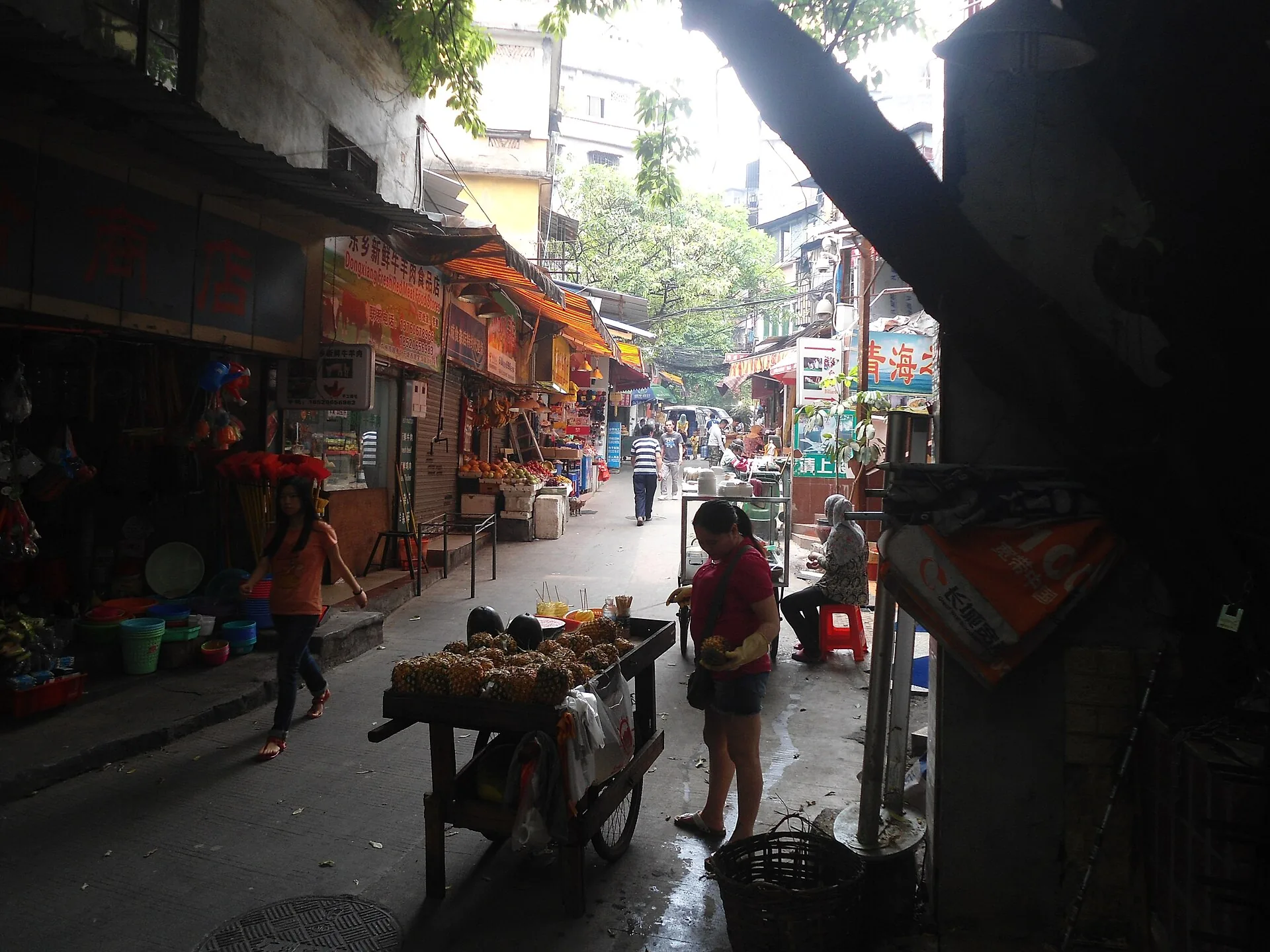
A halal Dongxiang restaurant on Baohan Zhijie, recognised in the Michelin Guide Guangzhou, famous for hand-held boiled lamb.
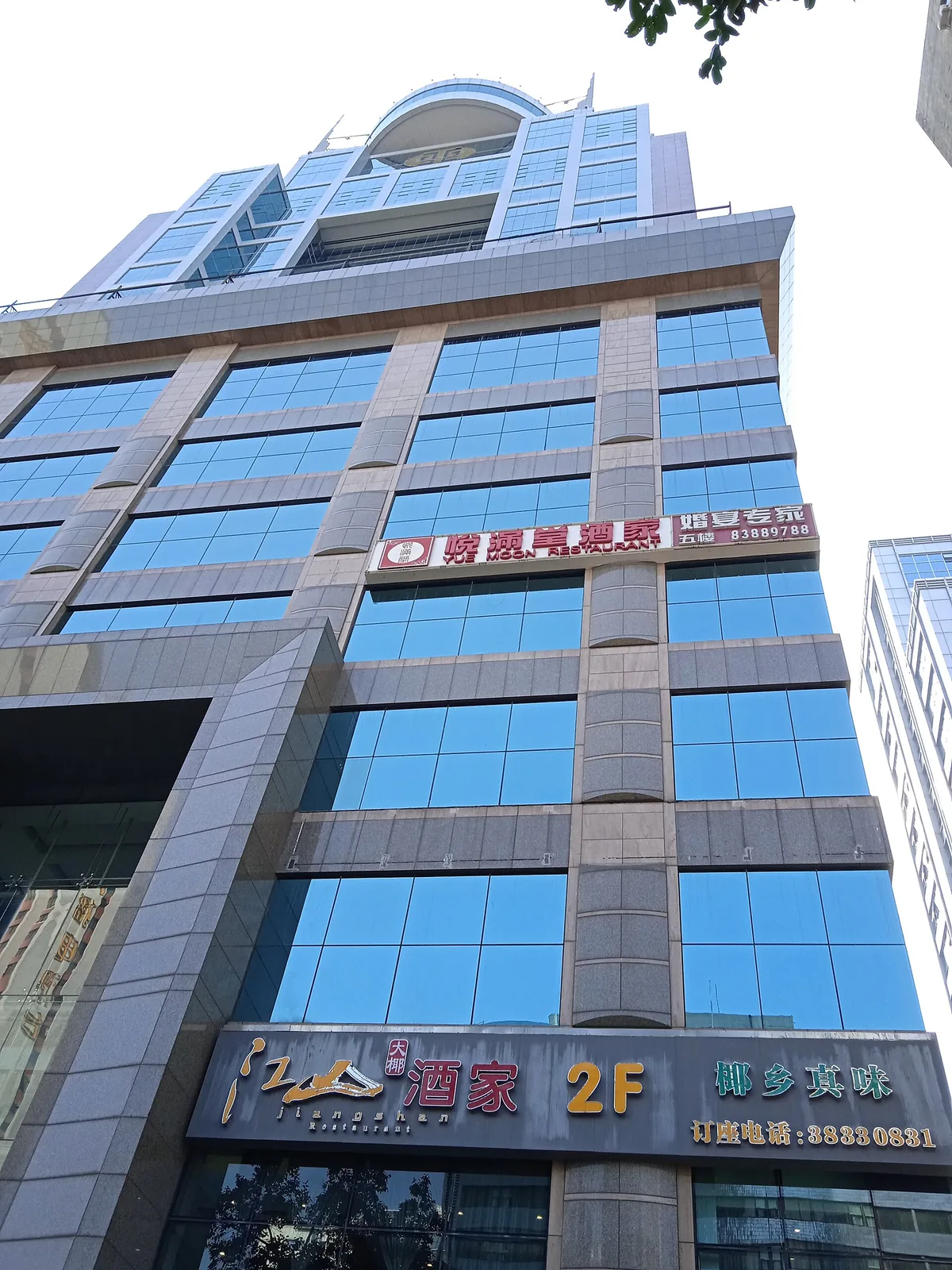
Cantonese morning tea and dim sum in the Zhaoqing Building in Xiaobei.
A halal Xinjiang and Hui restaurant on the ninth floor of the Asia International Hotel, convenient for guests staying around Huanshi East Road.
A busy halal Turkish restaurant on the ground floor of the Zhaoqing Building, open late for grills, mezze and Turkish tea.
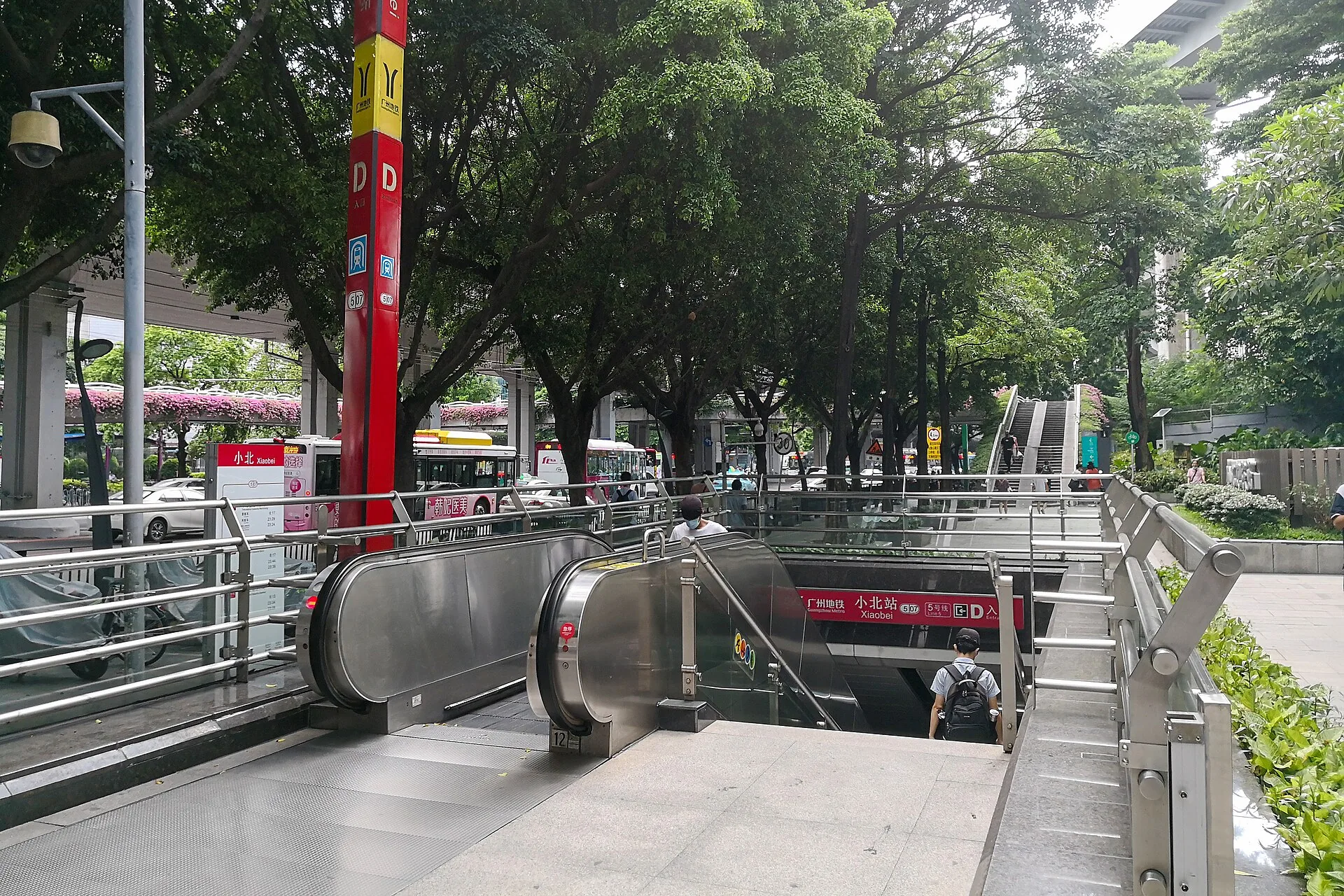
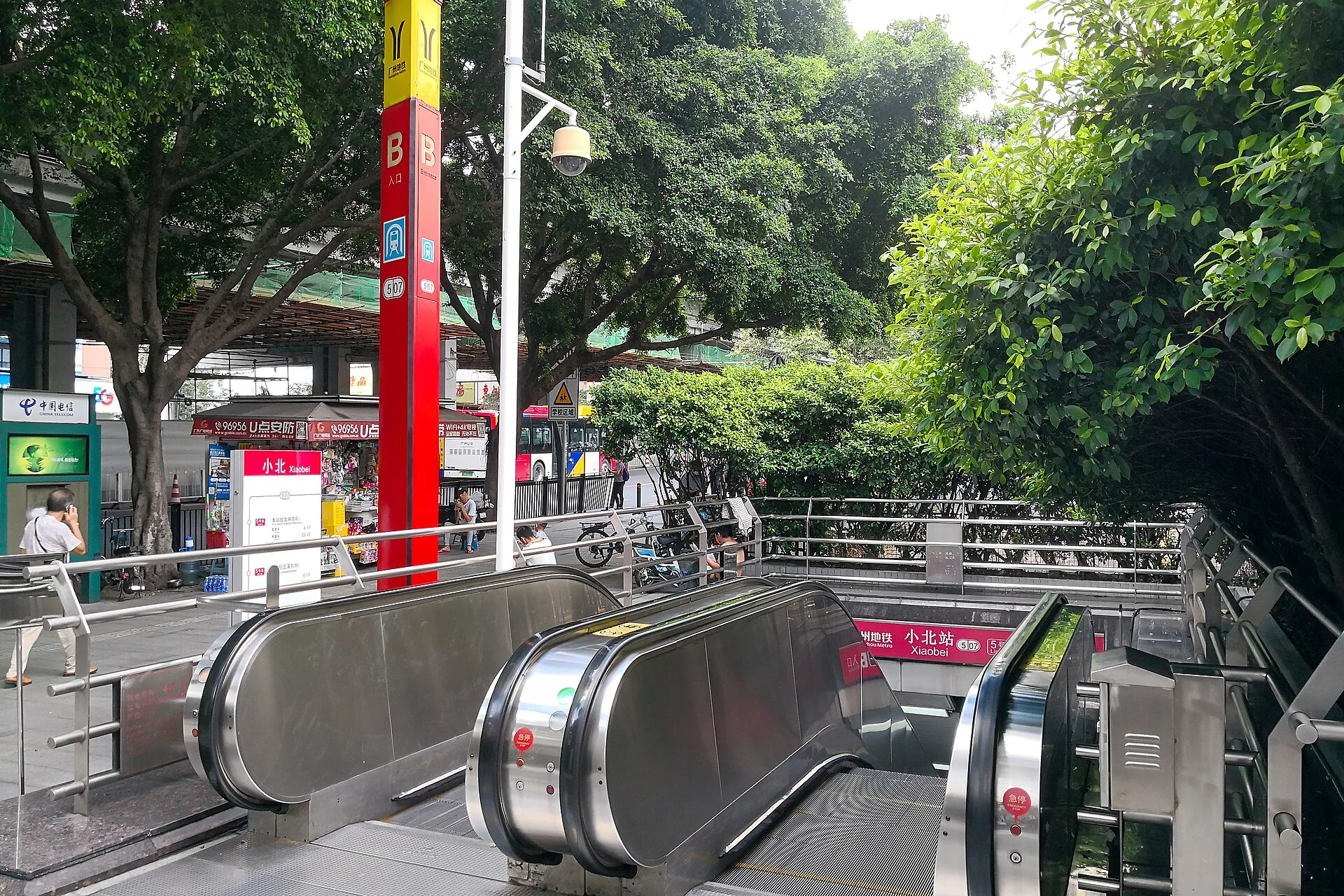
A halal Yemeni restaurant beside Xiaobei station, a taste of home for many Gulf visitors.
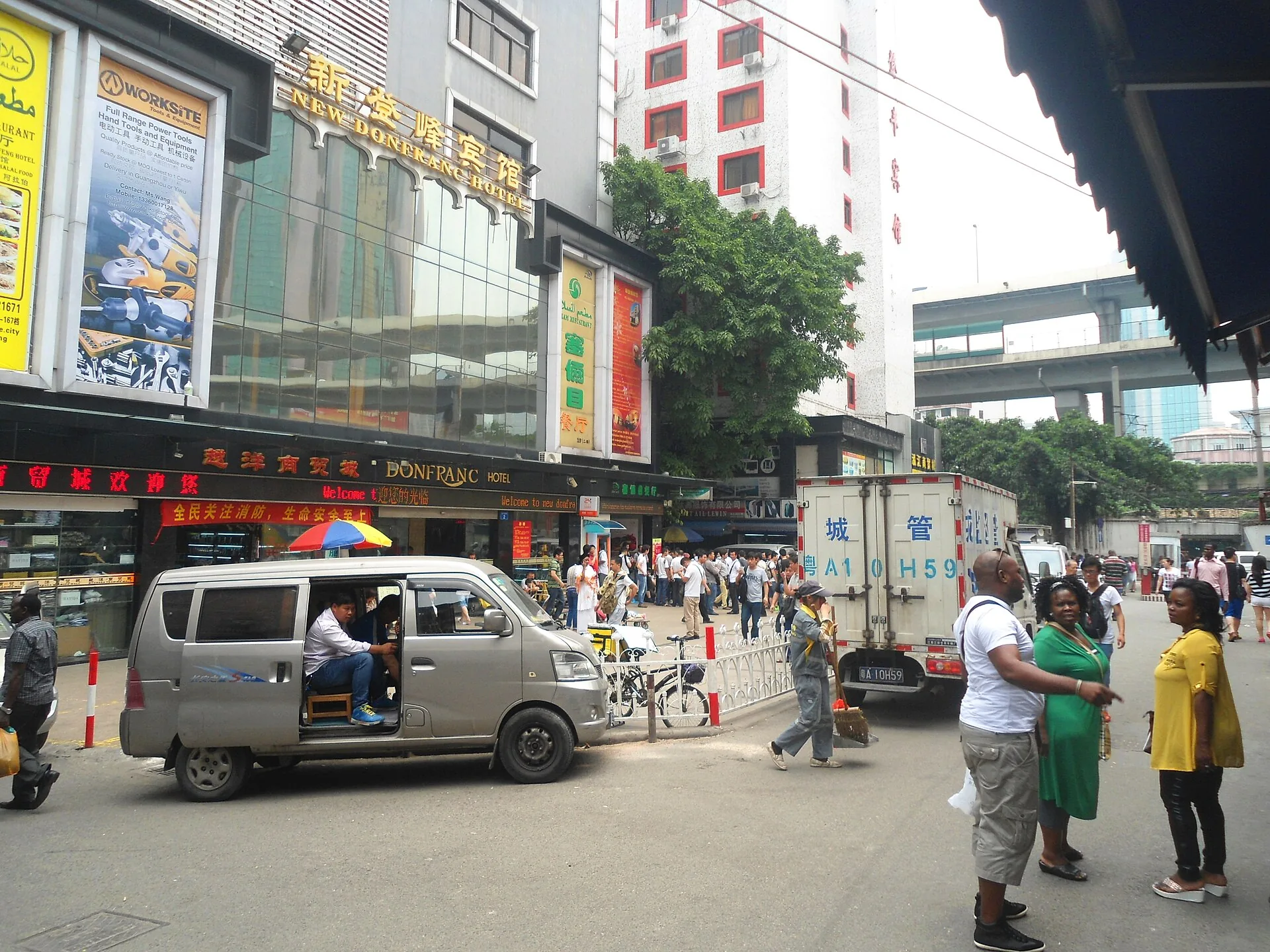
A halal Middle Eastern and Indian restaurant on Baohan Street, in the trading lanes of the Xiaobei area.
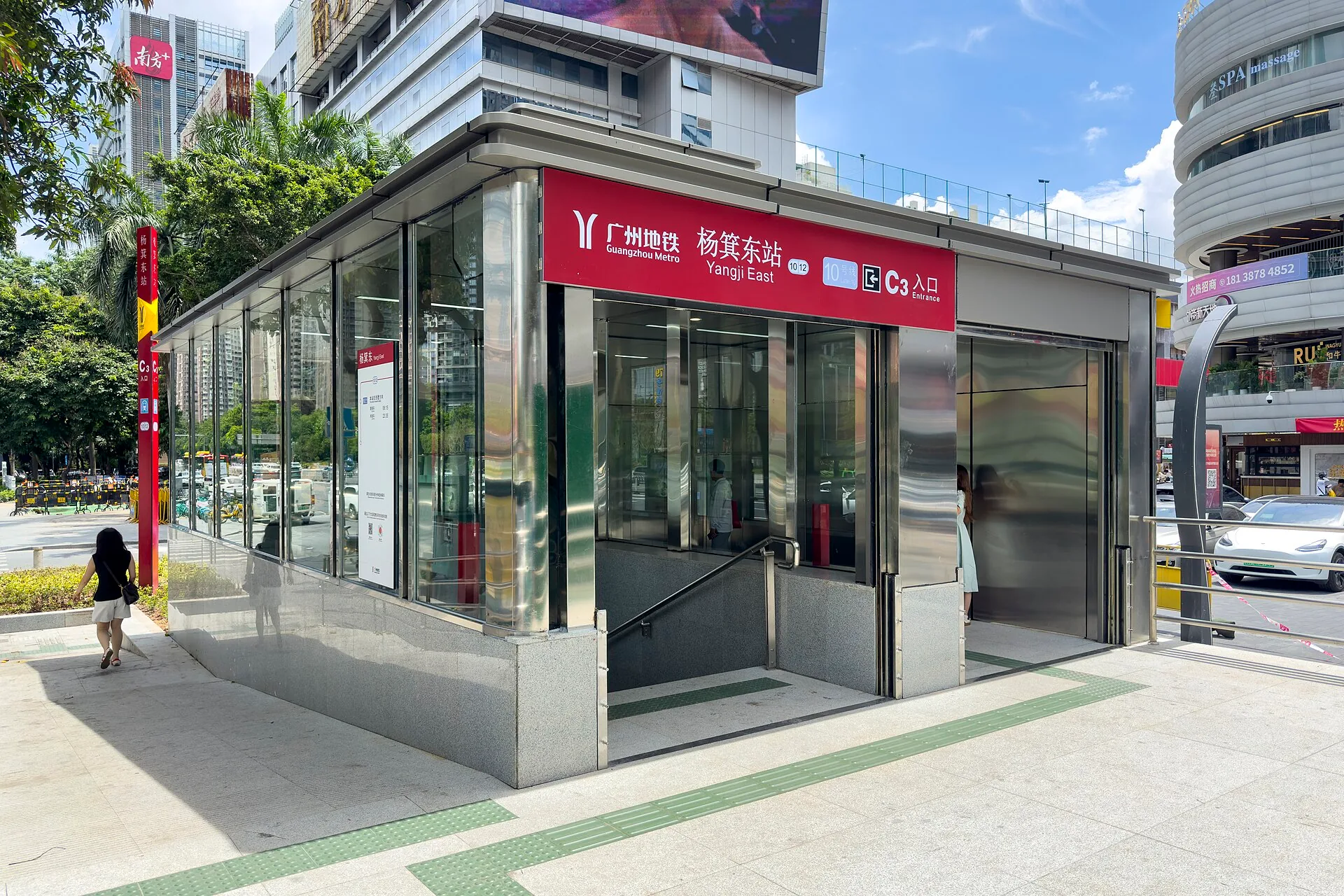
A halal Arabian restaurant on Guangzhou Avenue Middle, a comfortable choice for Gulf-style rice dishes and grills on the Tianhe side of the city.
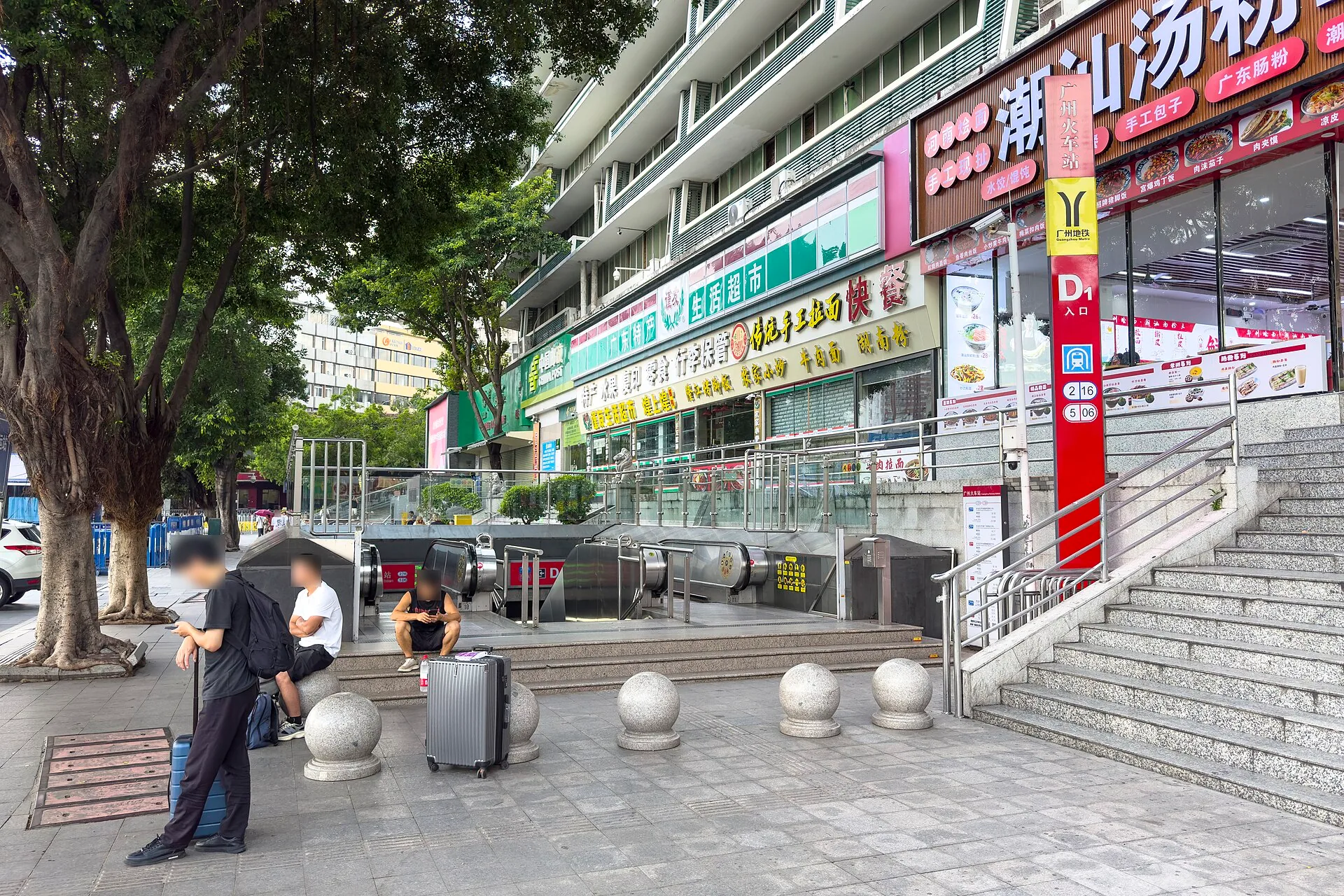
An Afghan restaurant by Guangzhou Railway Station that describes itself as 100% halal, serving Afghan classics such as Kabuli pulao and kebabs.
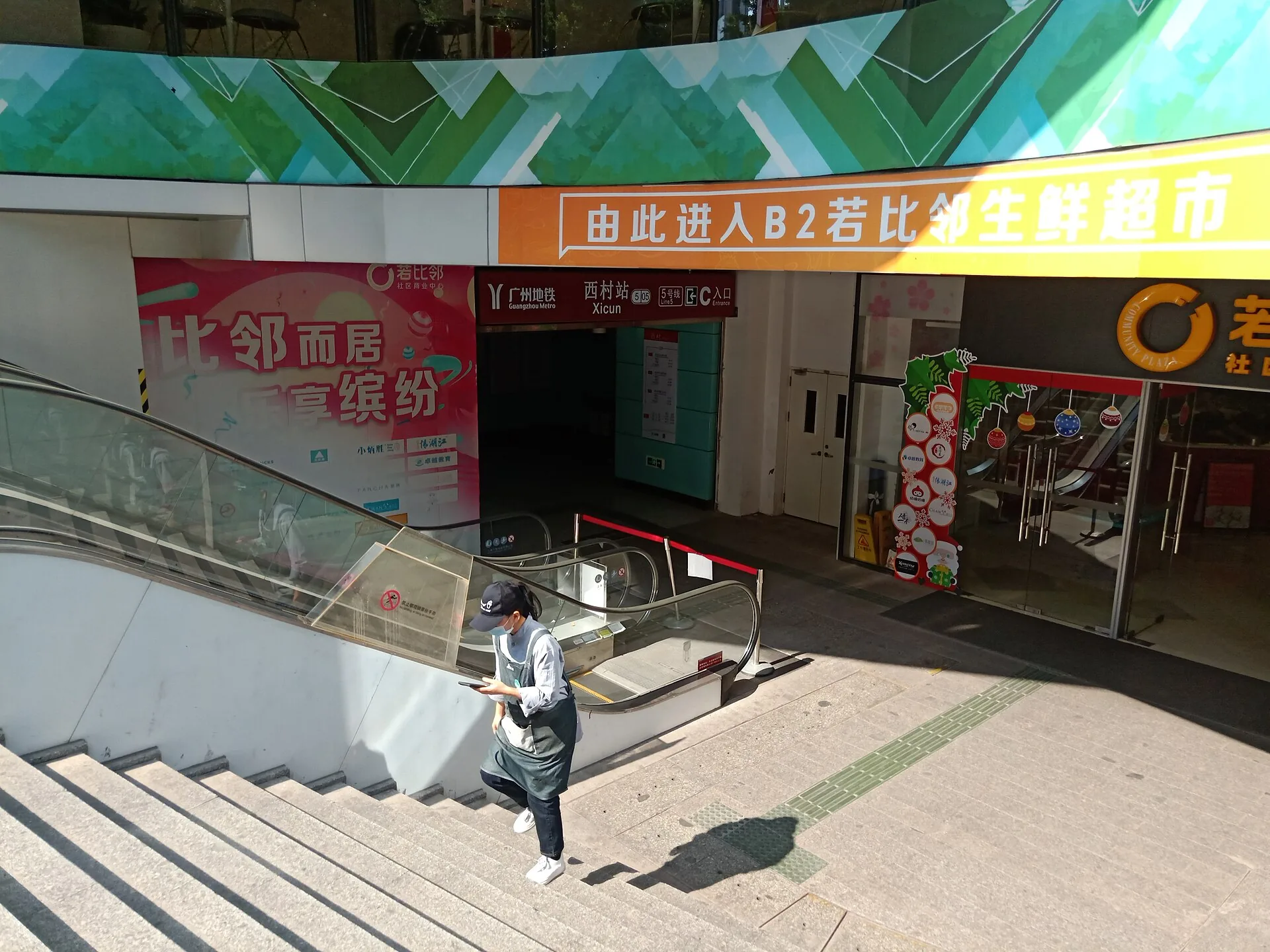
A two-floor Turkish and Middle Eastern restaurant on Xiwan Road that trades under a halal name, open from morning until midnight.
Loading local prayer times…
Calculated times. Confirm congregation times with your local masjid.
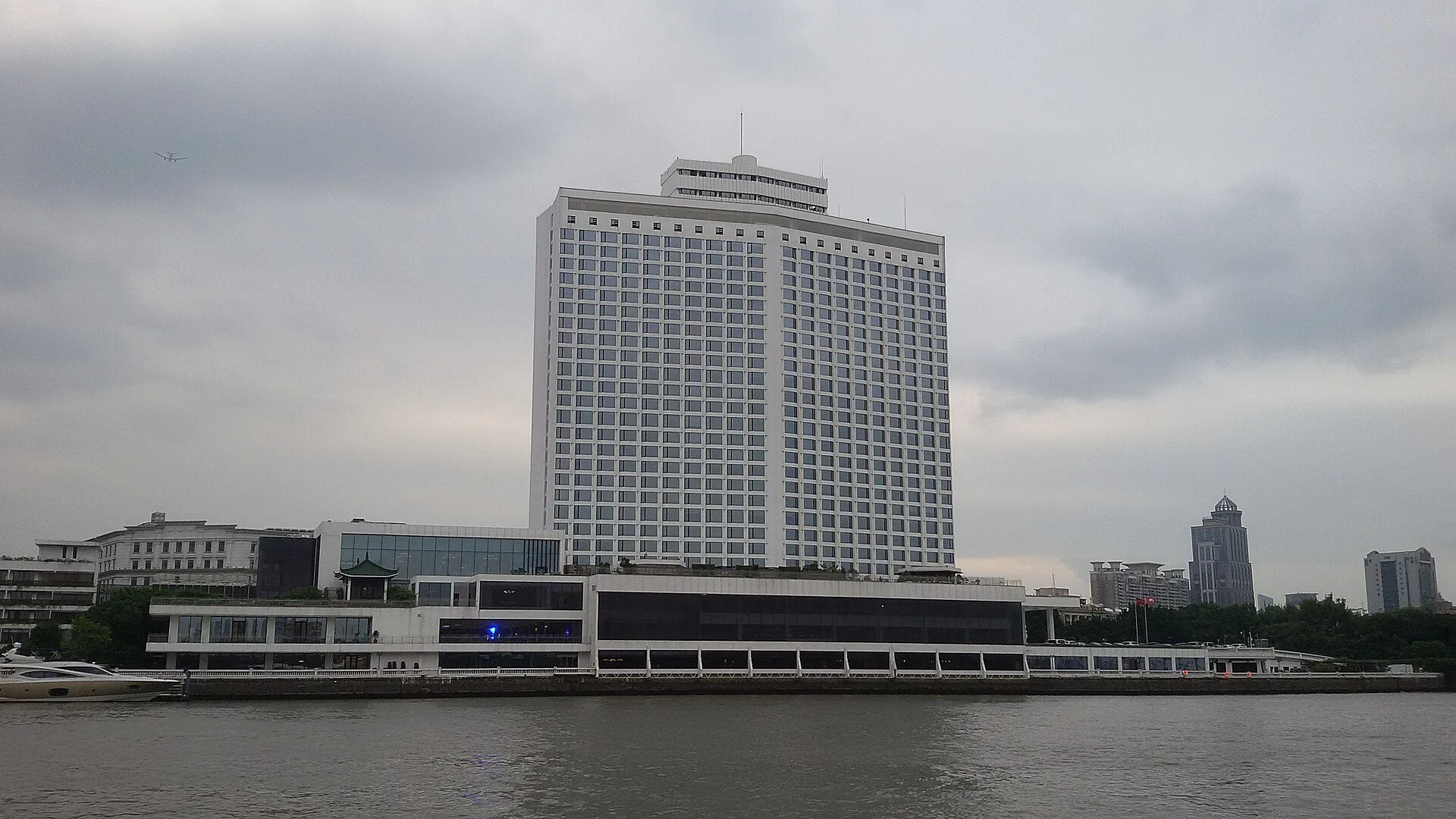
Guangzhou’s landmark riverside five-star on Shamian Island, opened in 1983 and famous for its lobby waterfall garden and Pearl River views.
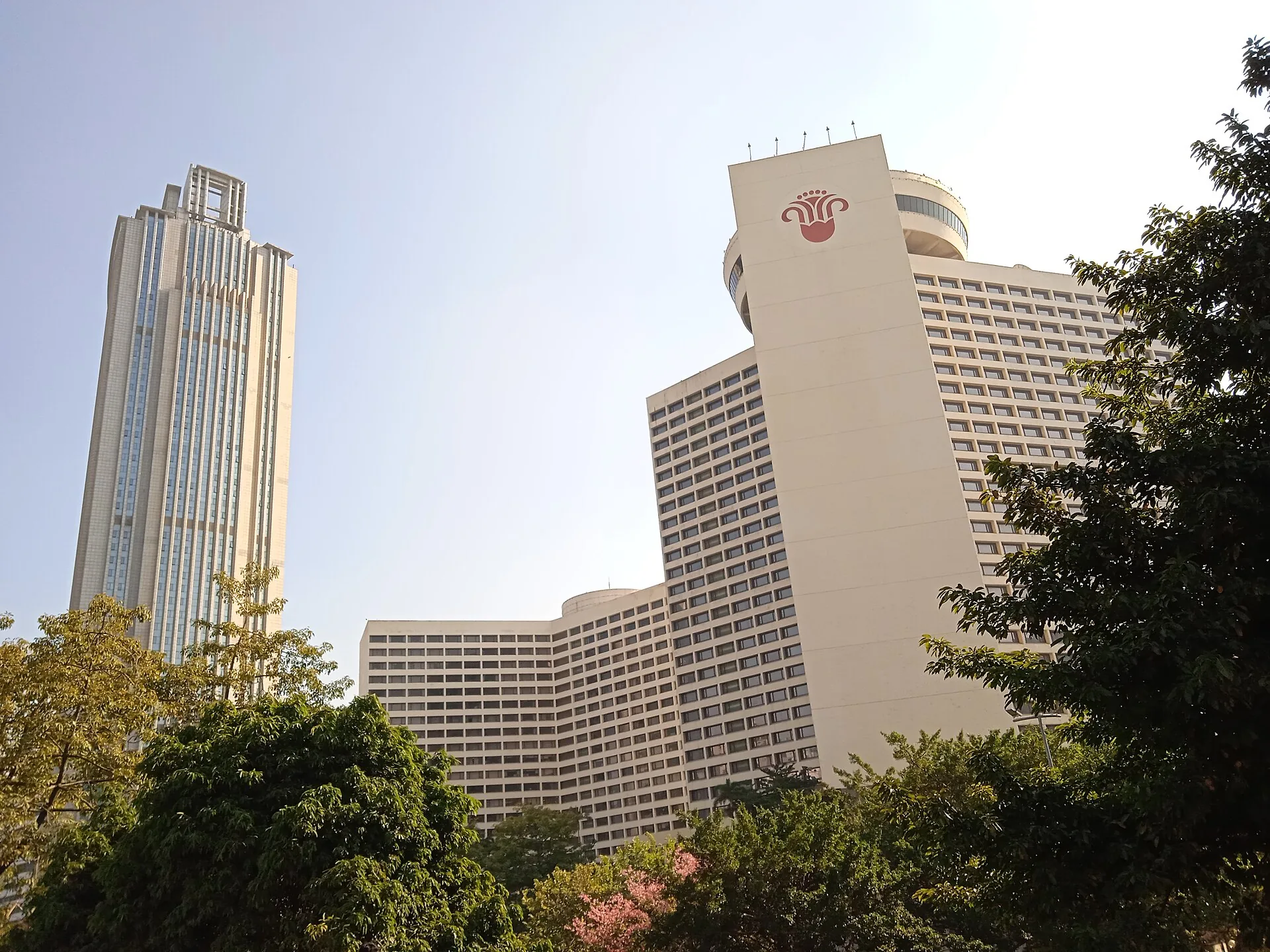
A grand Huanshi East Road classic with a famous waterfall garden, near the Xiaobei halal restaurants and the Canton Fair shuttles.
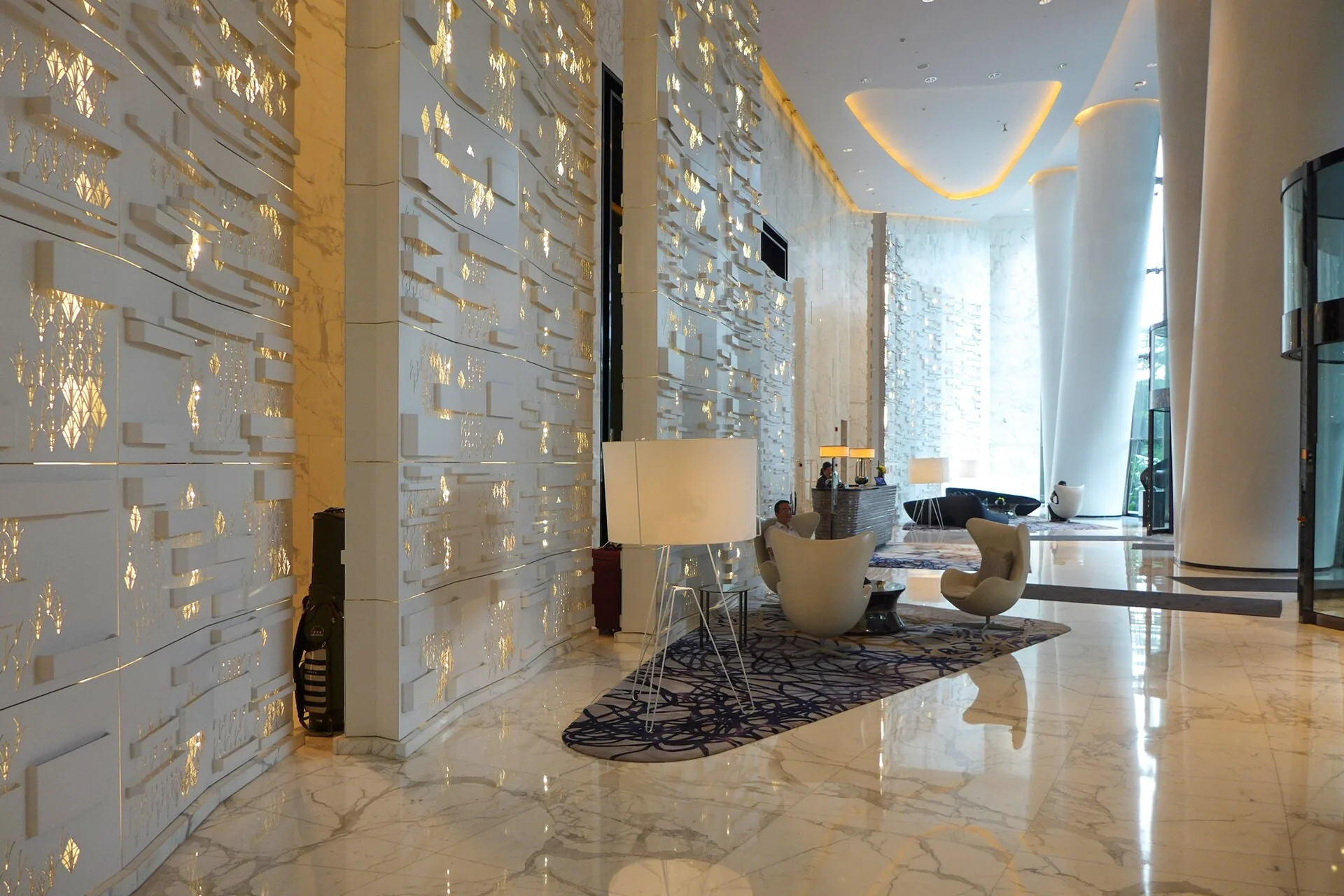
A sky-high luxury hotel in the top floors of the Guangzhou IFC, with a soaring atrium and views straight down to Canton Tower.
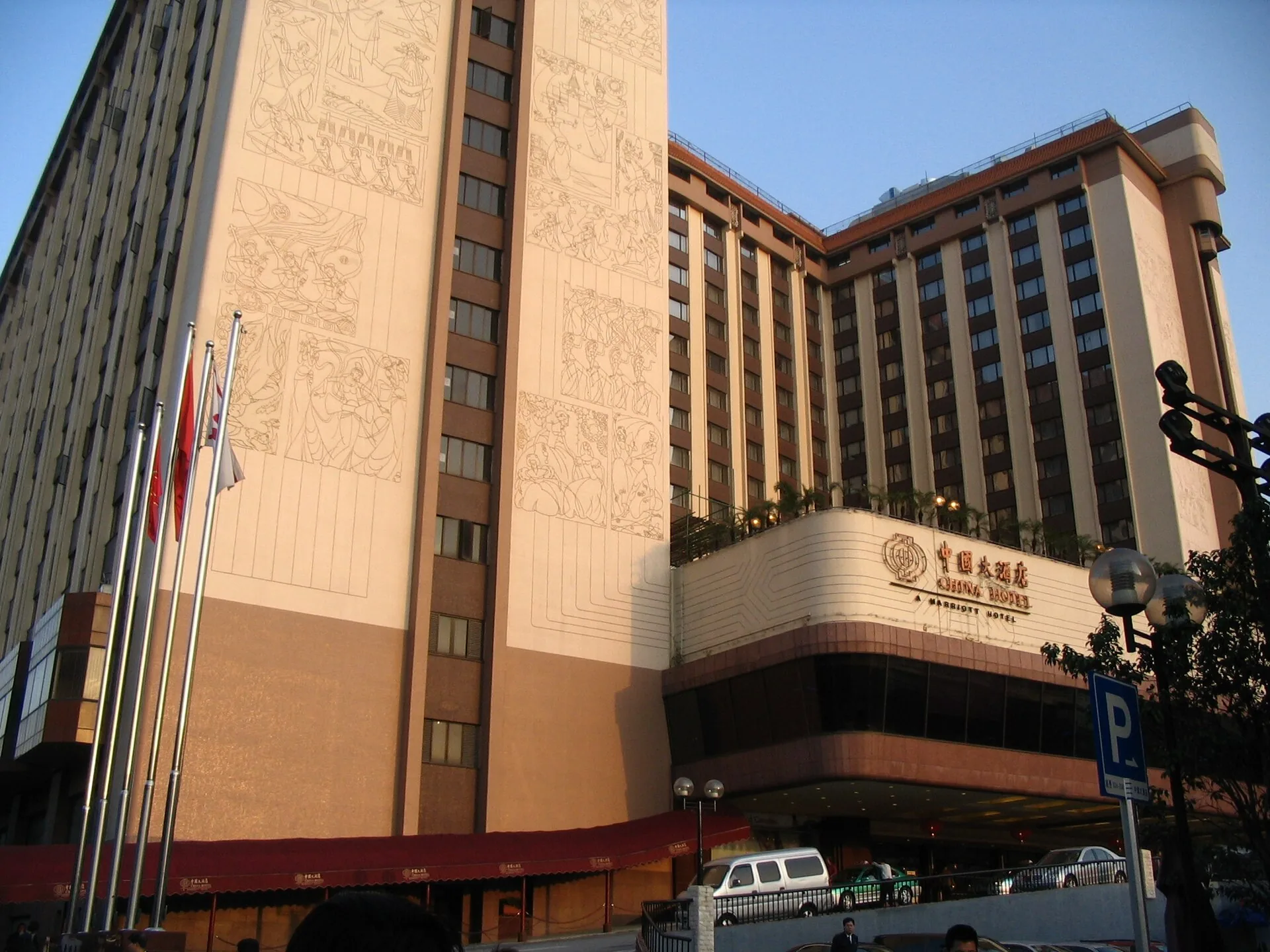
A large, long-established five-star on Liuhua Road opposite Yuexiu Park, close to the garment markets and the old-city mosques.
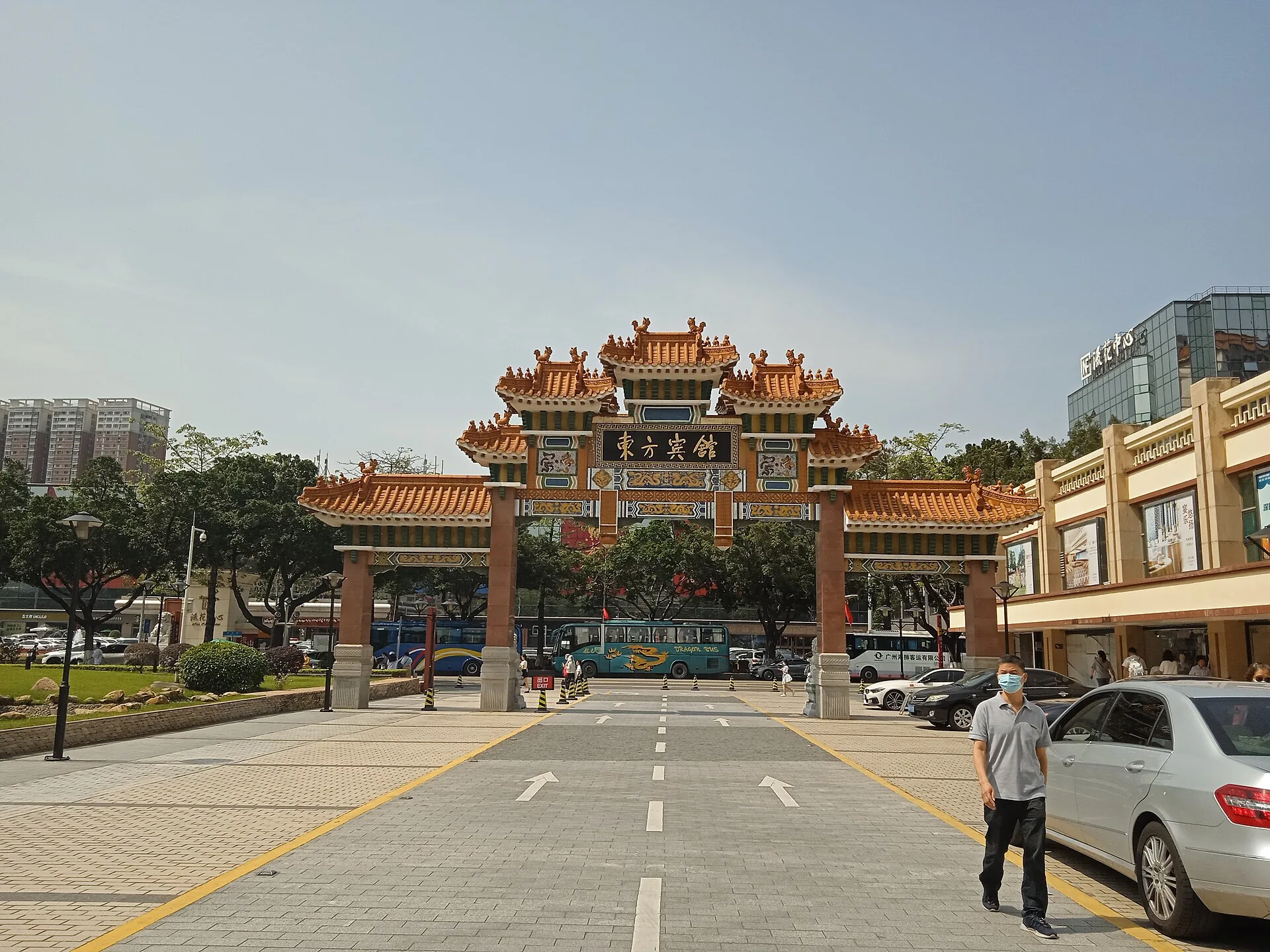
A historic five-star from 1961 with a large Lingnan garden, beside the China Hotel on Liuhua Road and close to Yuexiu Park.
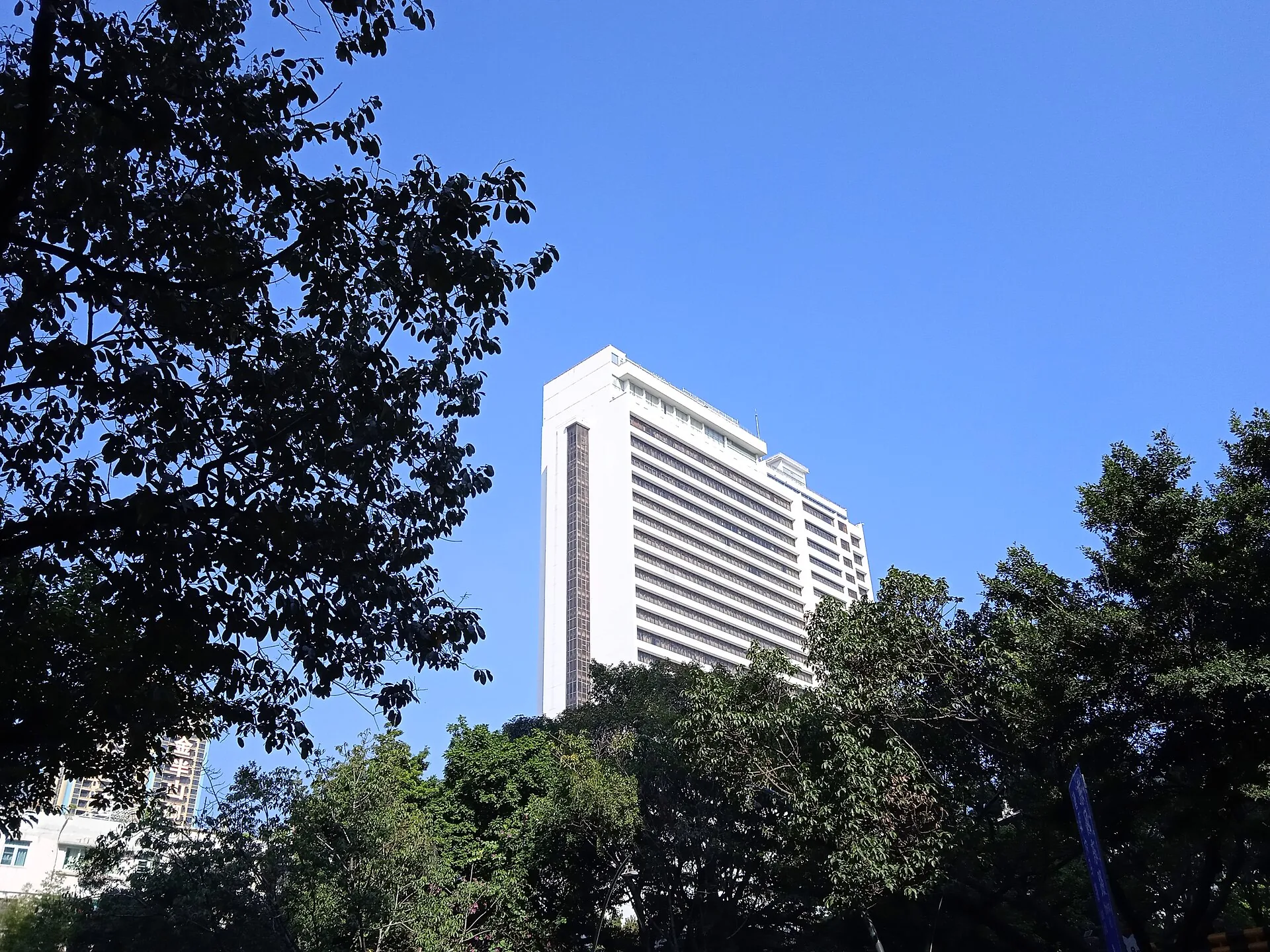
A landmark 1976 tower on Huanshi East Road, once the tallest building in China, now a five-star close to the Xiaobei halal district.
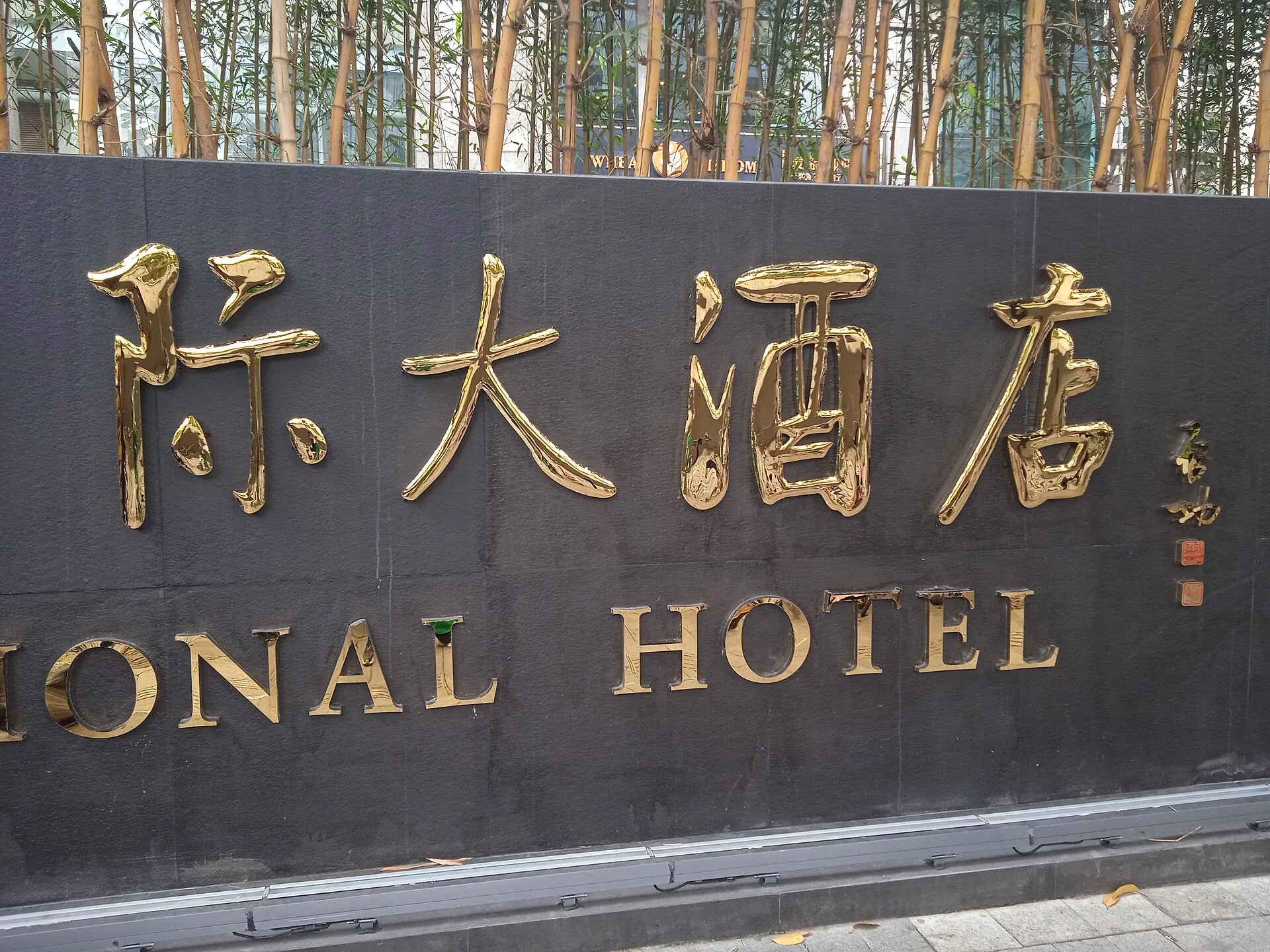
A five-star tower on Huanshi East Road with a halal Xinjiang restaurant on its ninth floor, in the heart of the Xiaobei area.
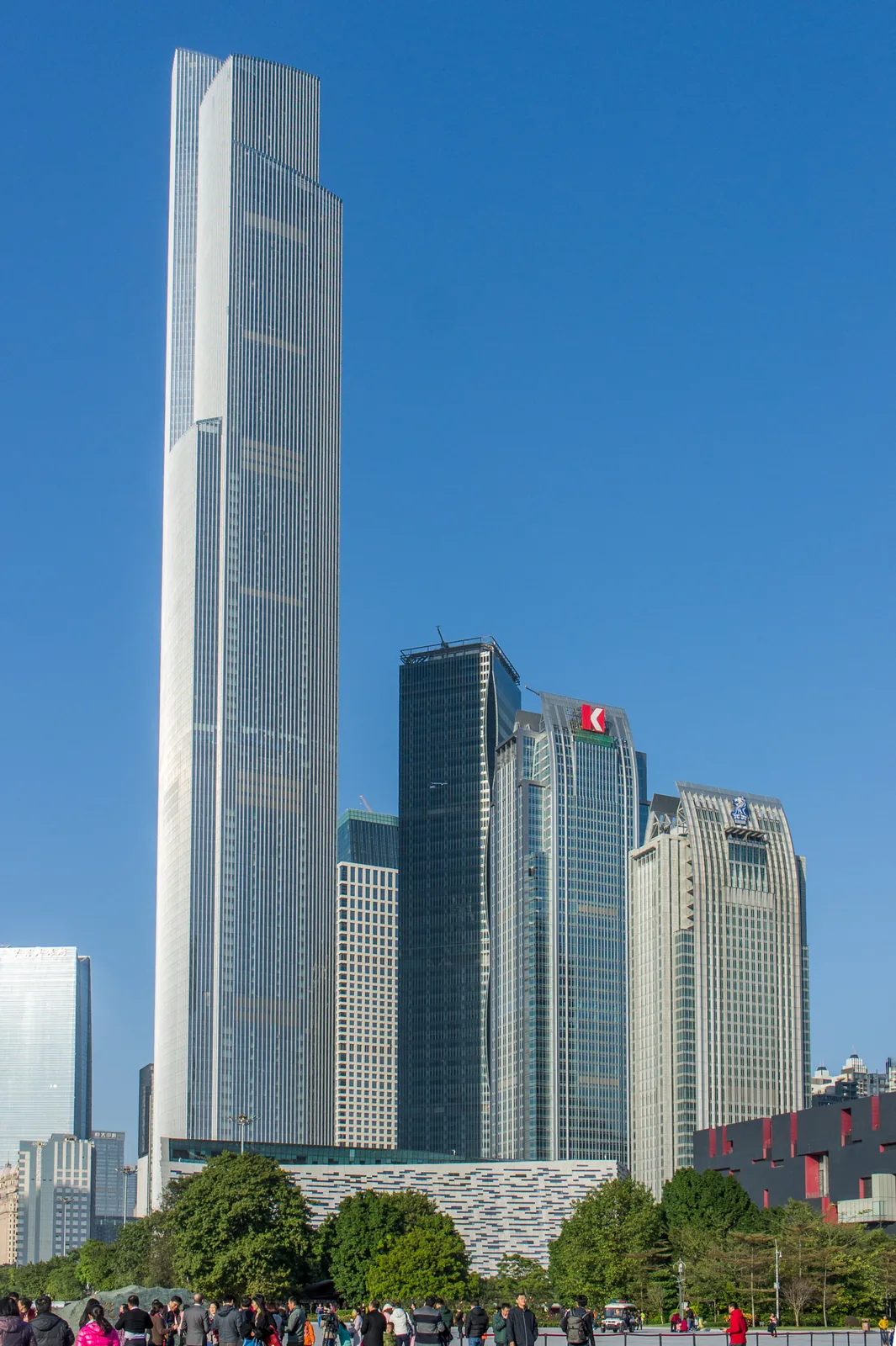
An ultra-luxury hotel at the top of the CTF Finance Centre, among the highest hotels in the world, with sweeping views of the Pearl River.
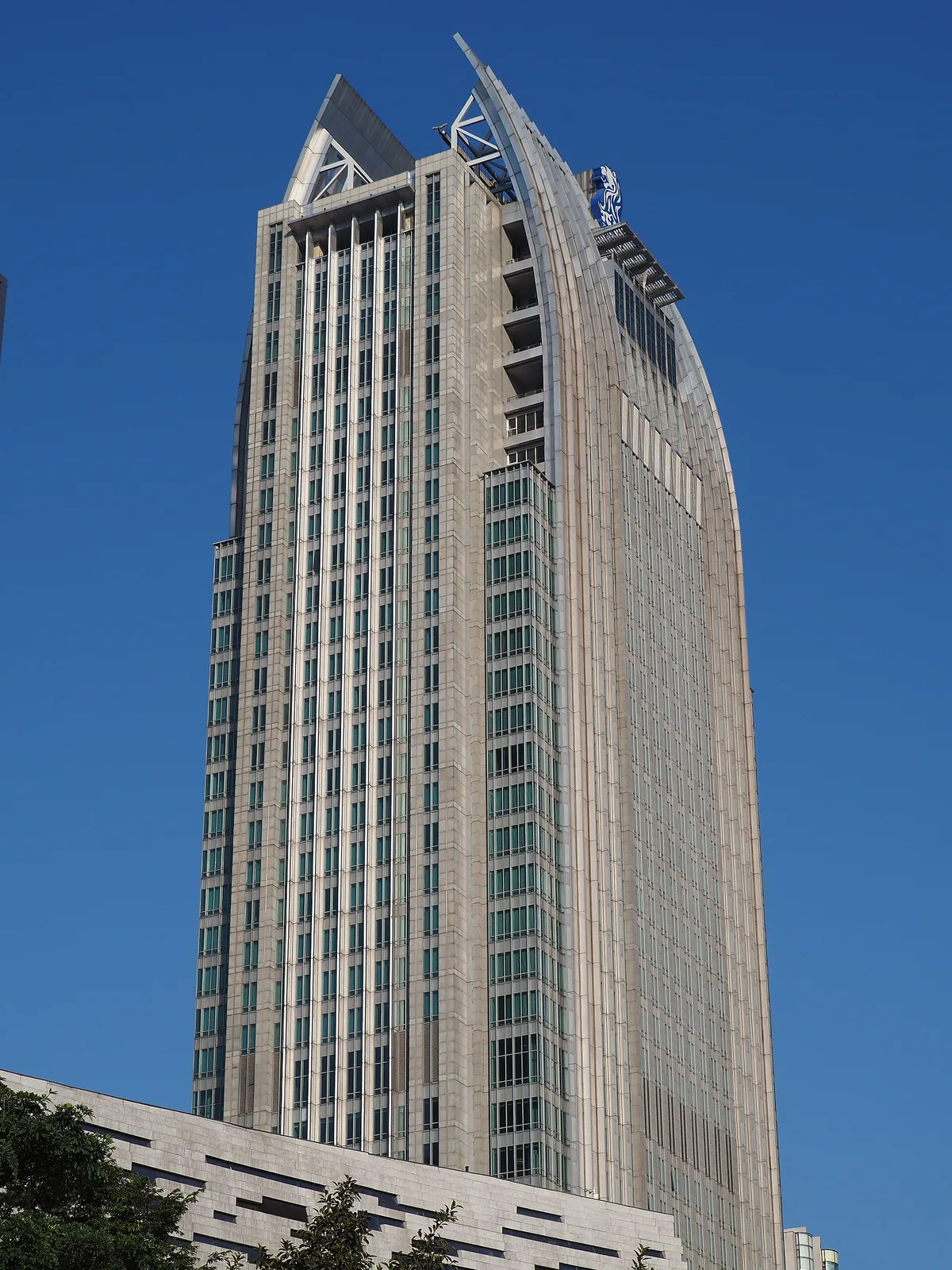
A classic luxury five-star in Zhujiang New Town, a short walk from Huacheng Square, Guangdong Museum and the Opera House.
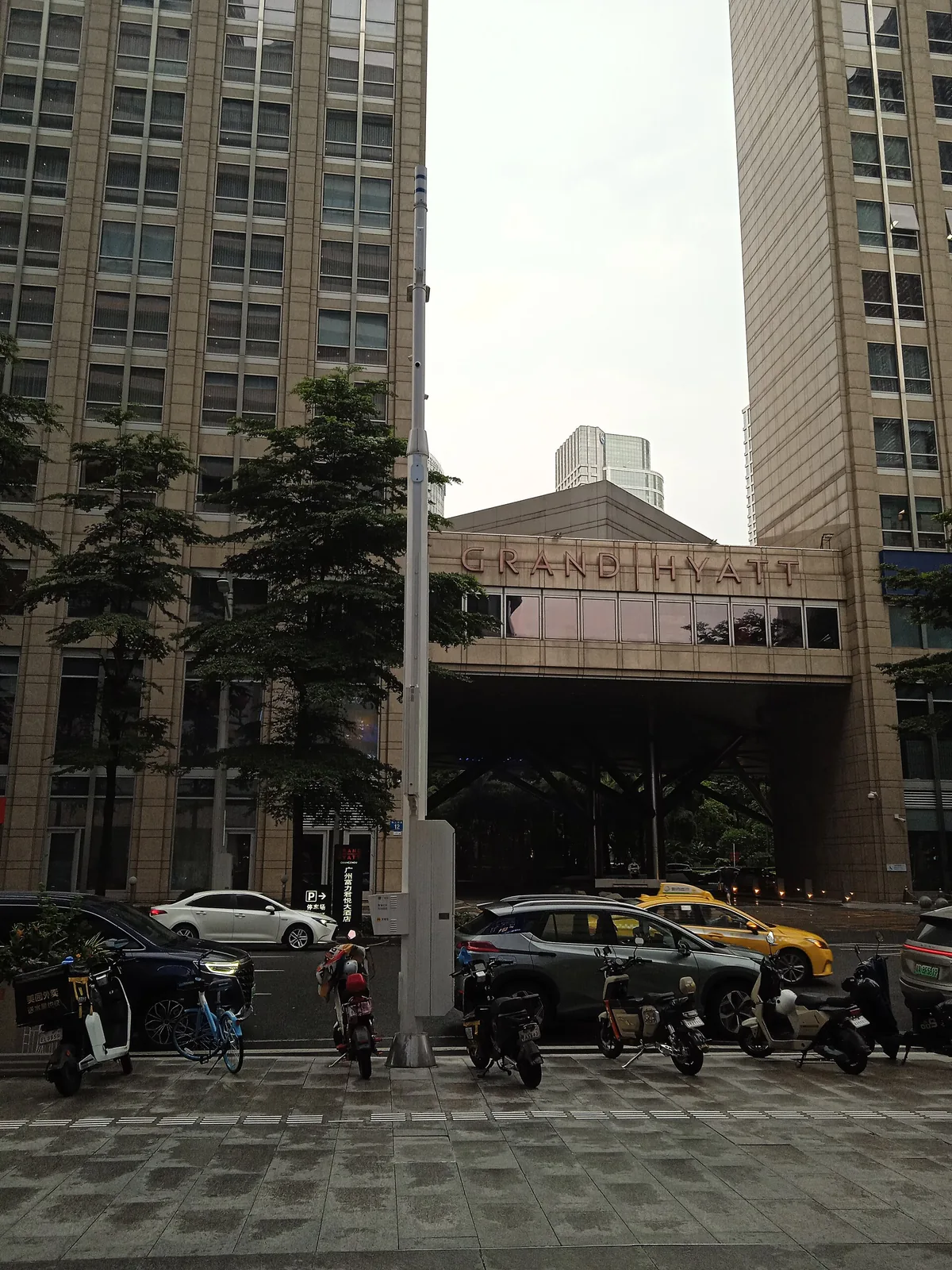
A contemporary five-star on Zhujiang West Road with a high-floor lobby, a large pool deck and easy access to Huacheng Square.
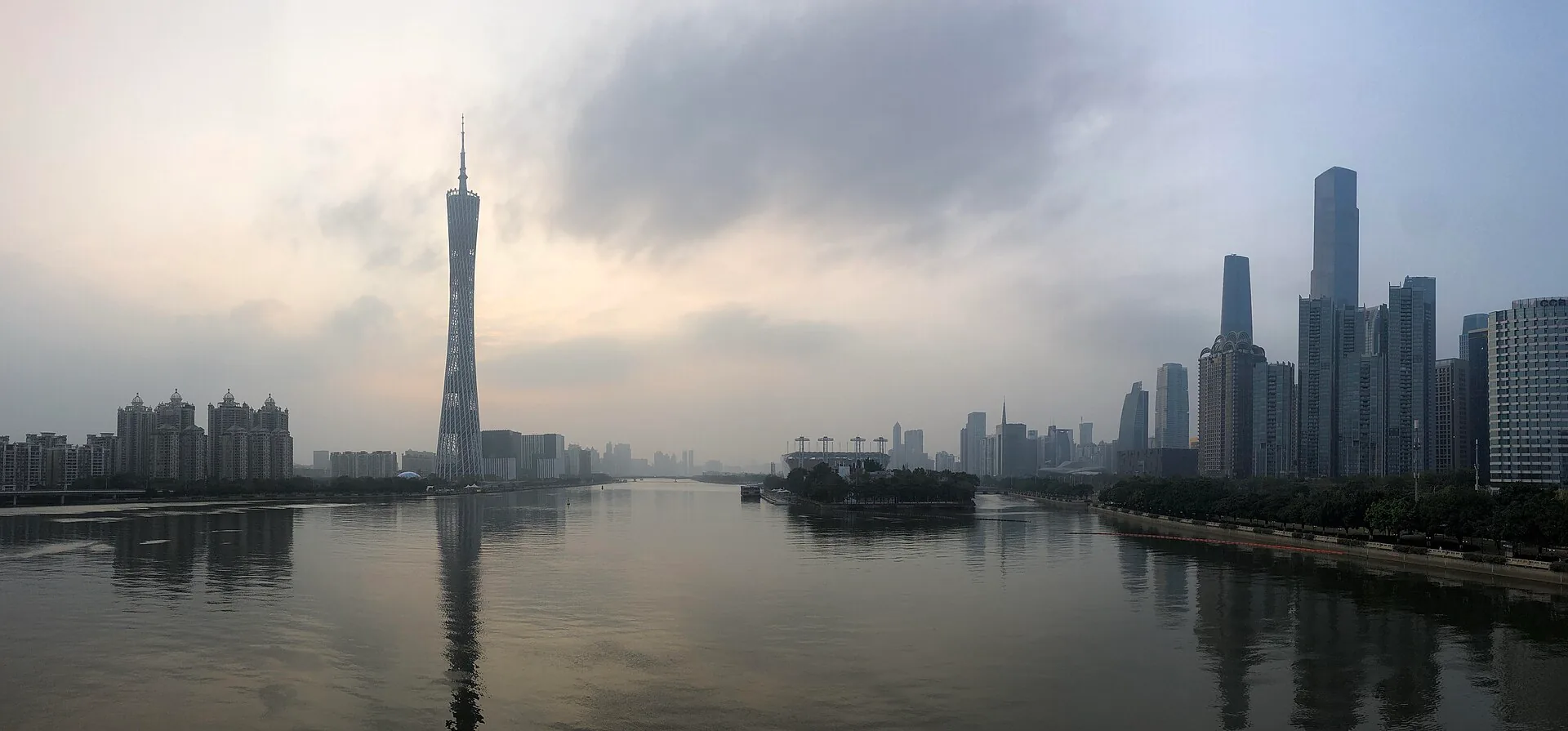
Guangzhou is the capital of Guangdong and the heart of the Greater Bay Area, the cluster of cities around the Pearl River Delta that includes Shenzhen, Foshan, Hong Kong and Macao. The city has nearly 19 million residents across eleven districts, and its economy is built on trade, manufacturing, logistics and services. Twice a year the Canton Fair draws buyers from around the world.
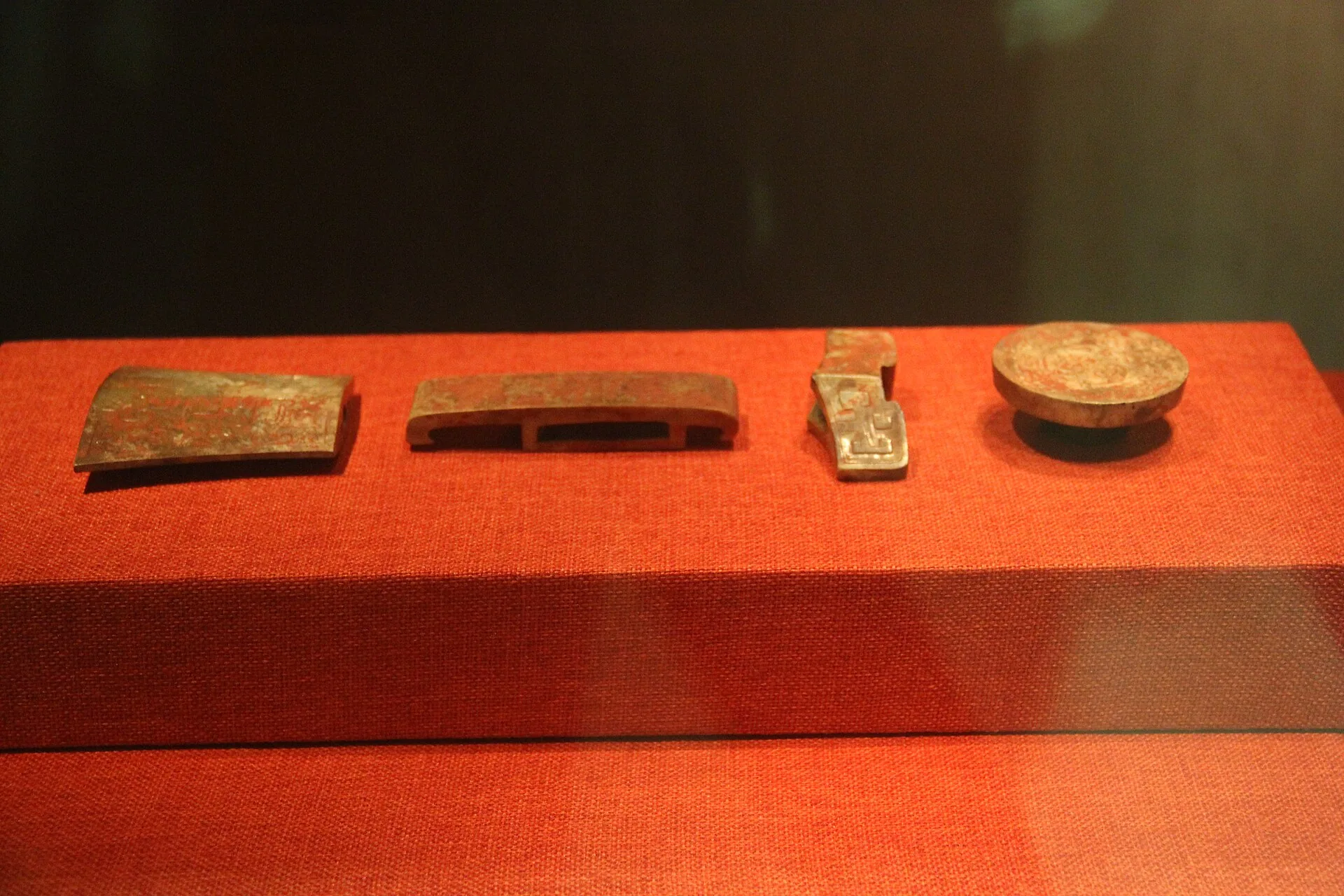
Guangzhou was founded in 214 BC and soon became the capital of the Nanyue kingdom, whose king’s tomb and palace remains can be visited today. Its river port made it China’s great gateway on the Maritime Silk Road. By the Tang dynasty, merchants from Arabia and Persia lived in a foreign quarter near today’s Guangta Road, where, by tradition, Huaisheng Mosque was founded.
Guangzhou’s people are known for being practical, hard-working and passionate about food. Cantonese cooking prizes freshness and lightness, and the morning tea ritual of yum cha, with dim sum and pots of tea, is a family institution. Most dim sum uses pork, so Muslim visitors should look for halal dim sum houses such as those in Xiaobei.
One of the world’s largest wildlife parks, with a drive-through safari, giant pandas, koalas, a rare herd of white tigers and koala-themed play areas.
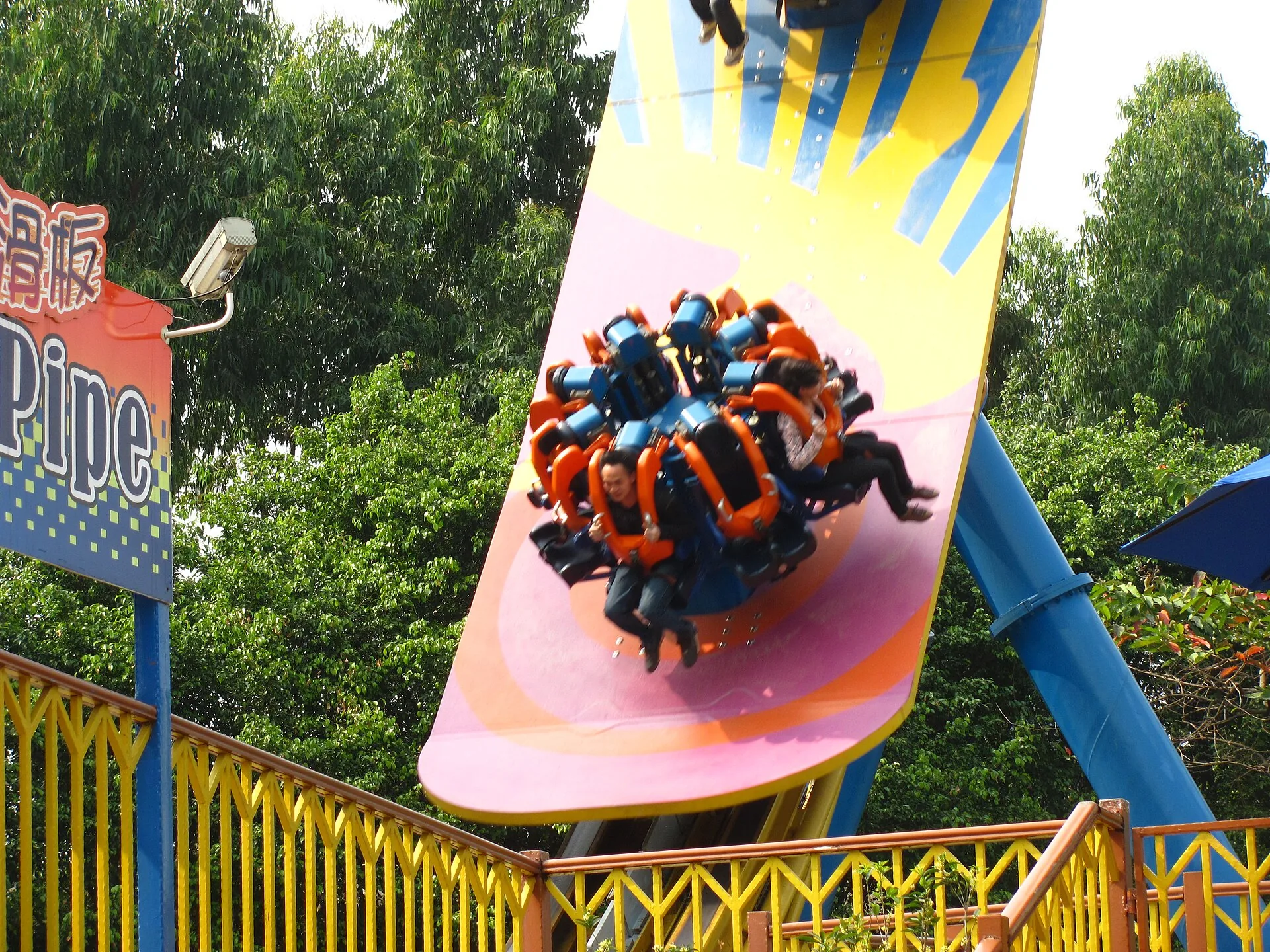
Guangzhou’s big theme park, with record-breaking roller coasters, water rides and gentler zones for younger children.
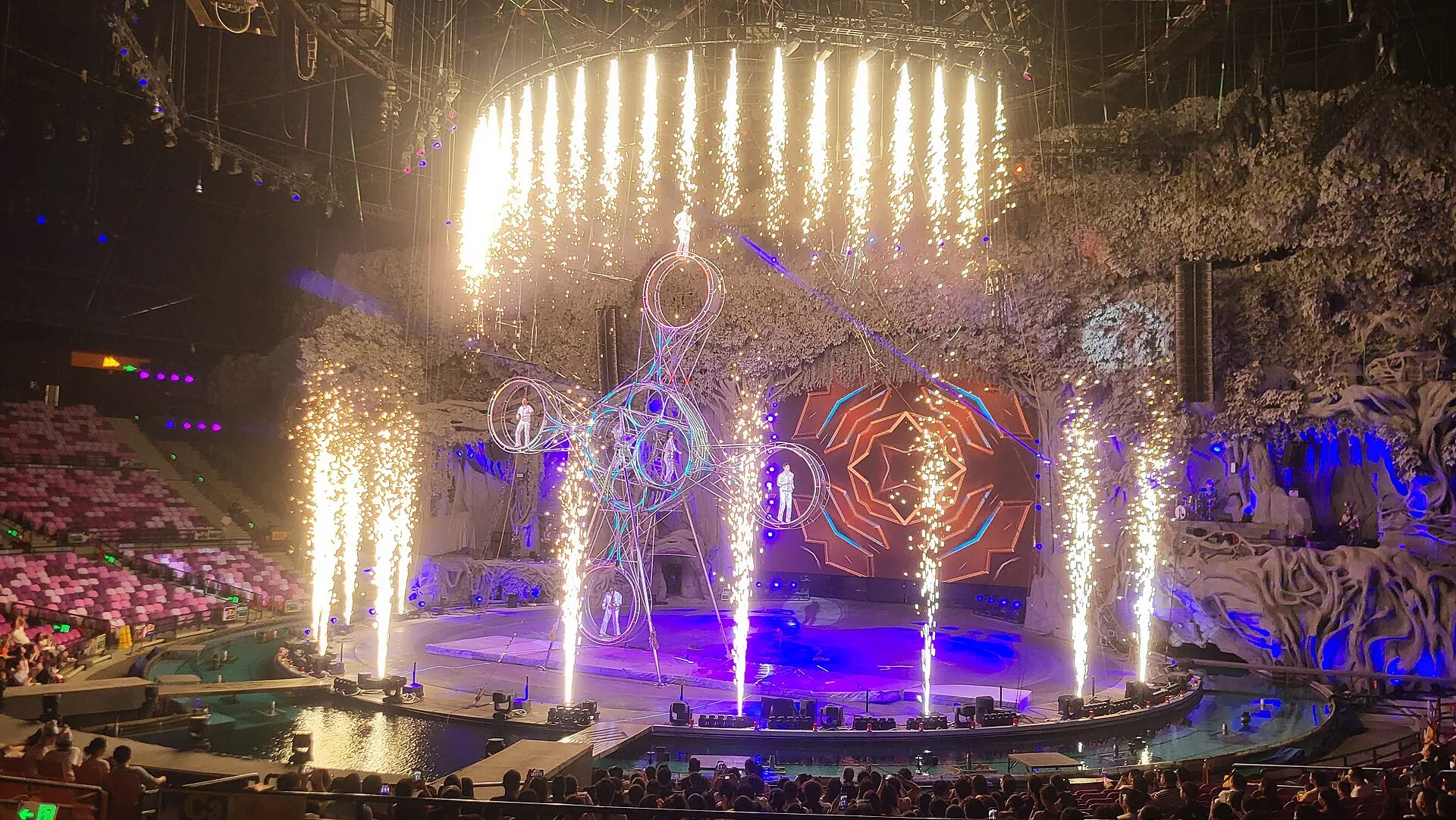
A large-scale evening circus in a purpose-built arena at Chimelong, with acrobats, aerial acts and international performers.
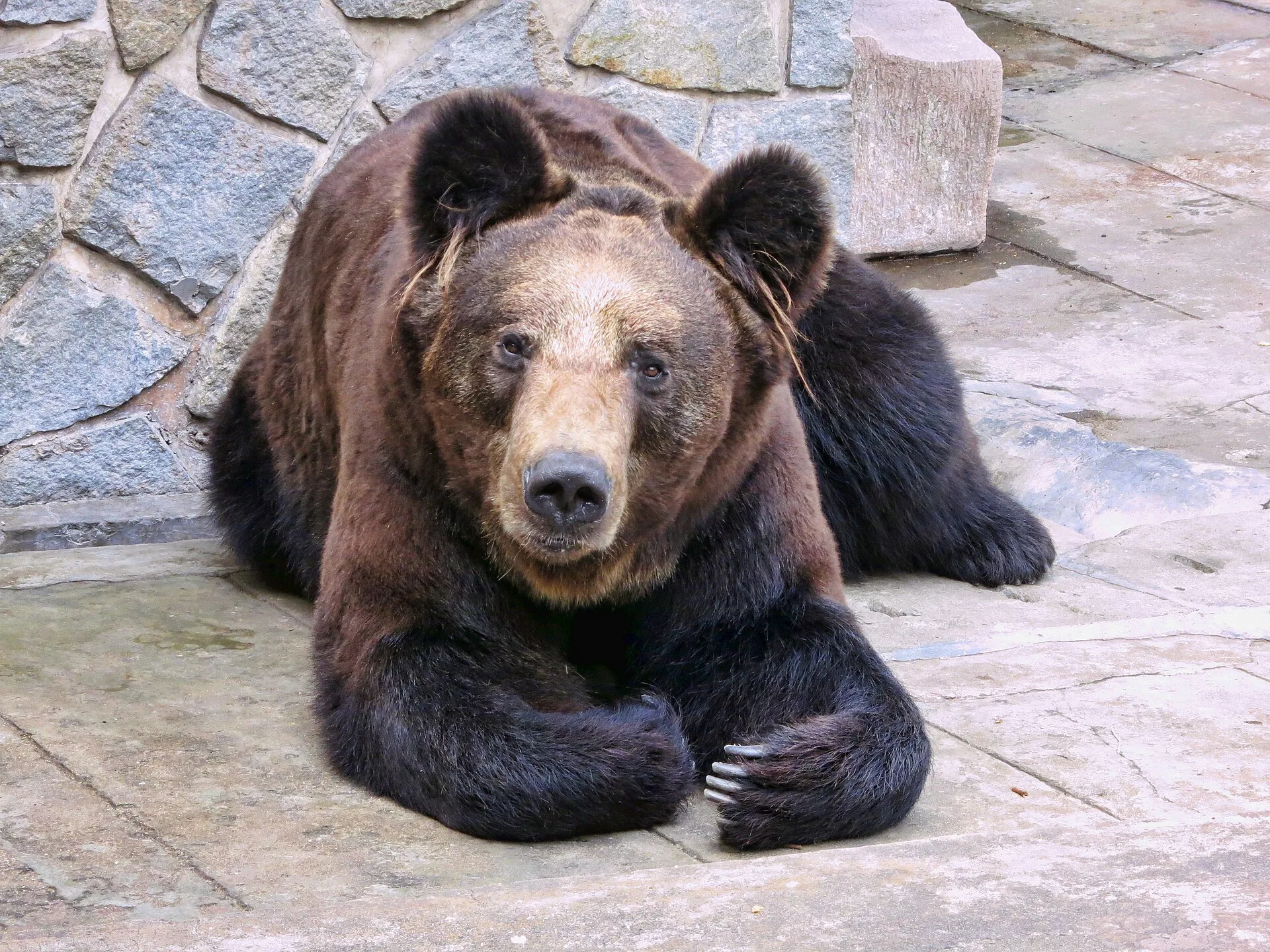
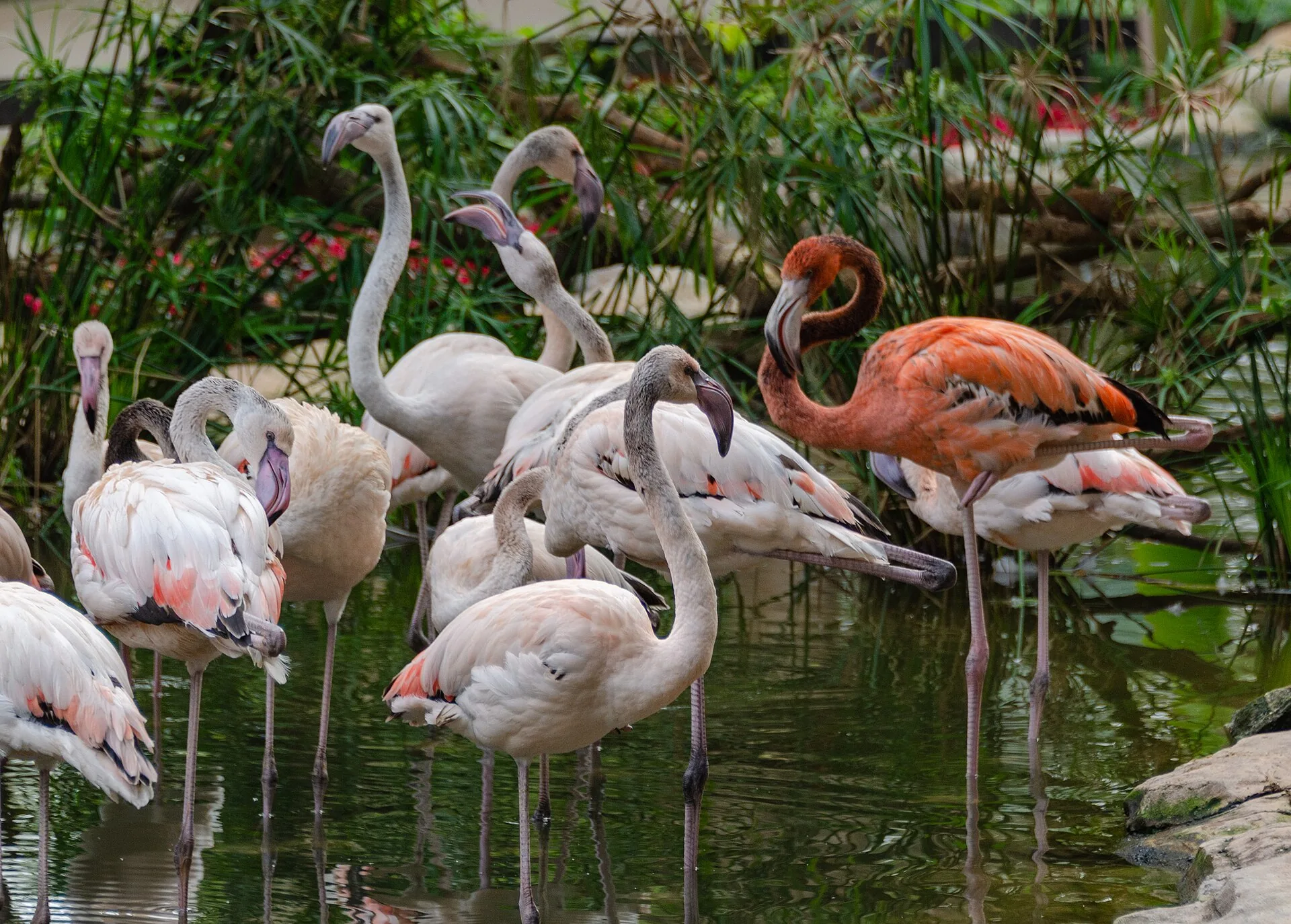
A long-established, inexpensive city zoo near Huanshi Road, with pandas, big cats and an easy half-day of shaded walking.
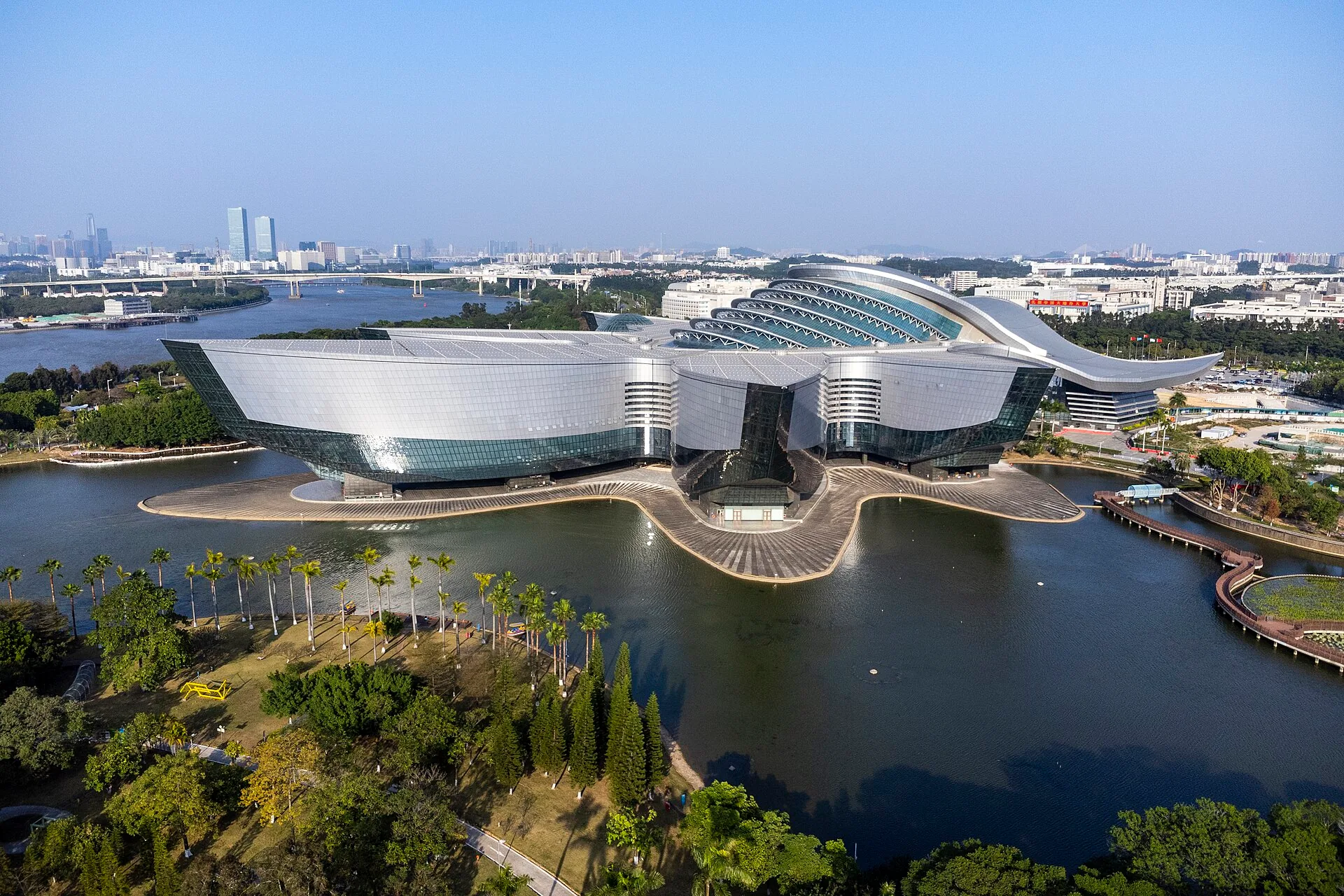
A vast hands-on science museum in the university town of Panyu, with interactive halls, a children’s gallery and large-format cinemas.
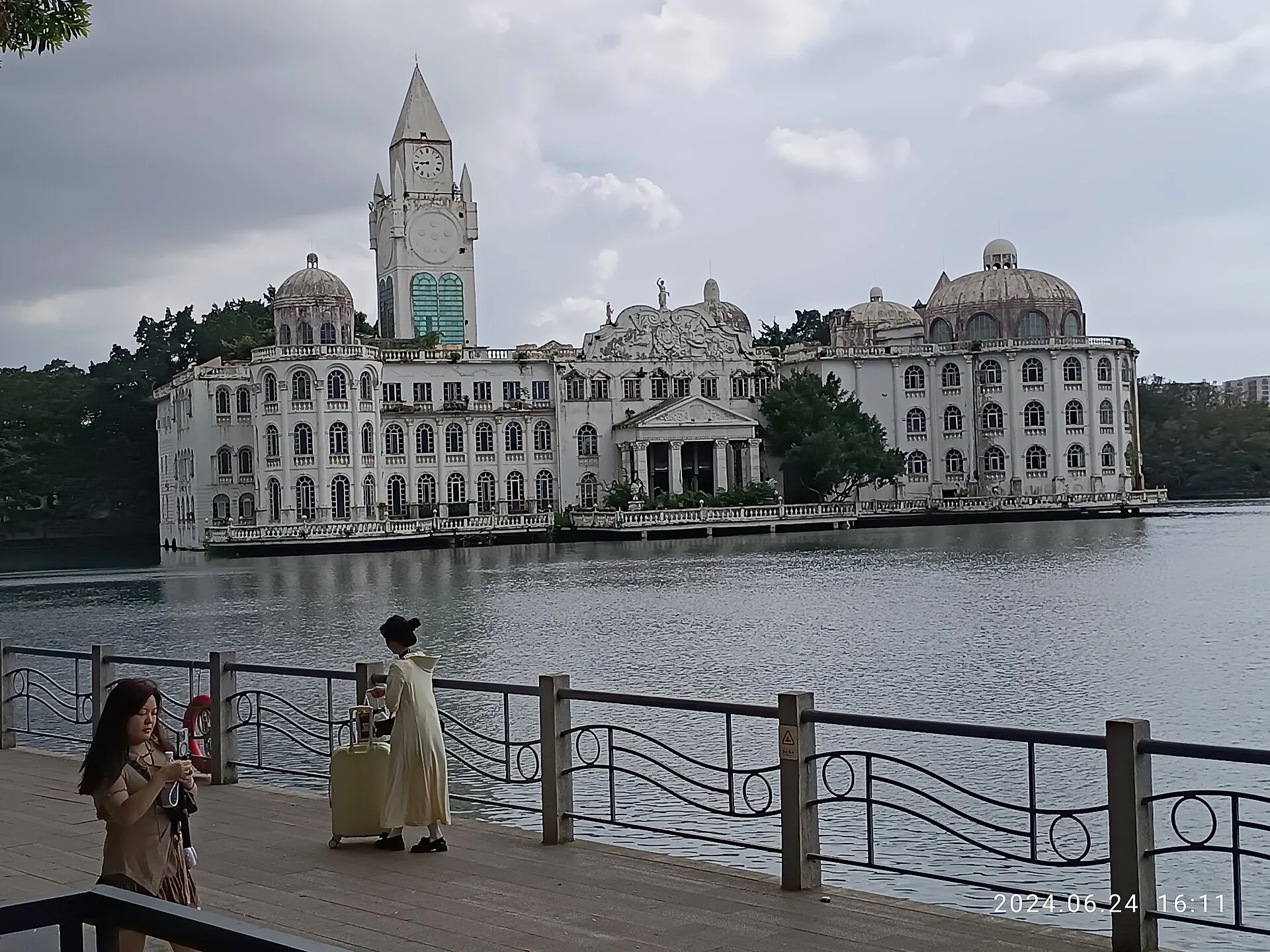
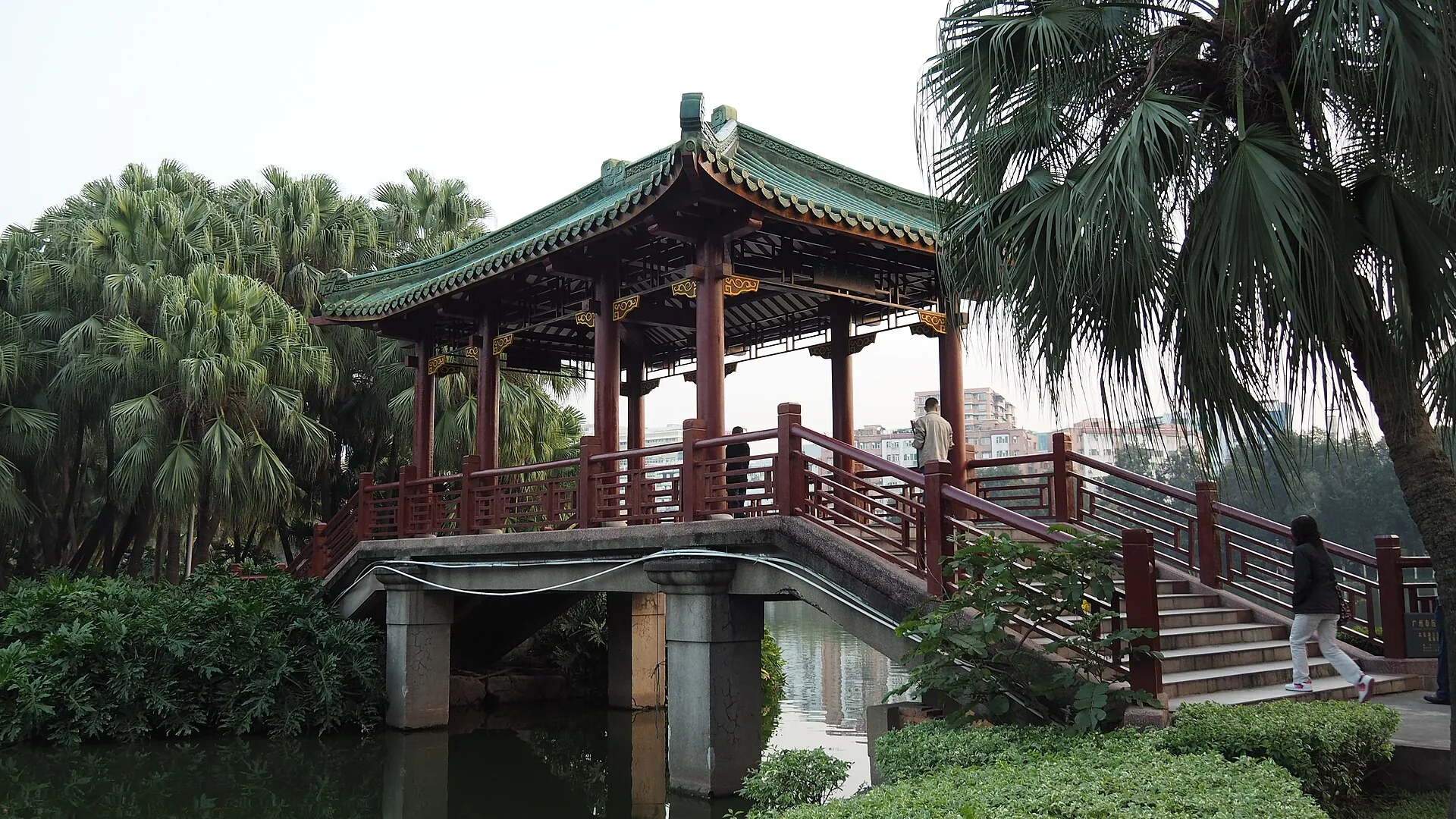
A free, central lakeside park near Yuexiu with palm-lined islands, bonsai gardens, playgrounds and boats for hire.
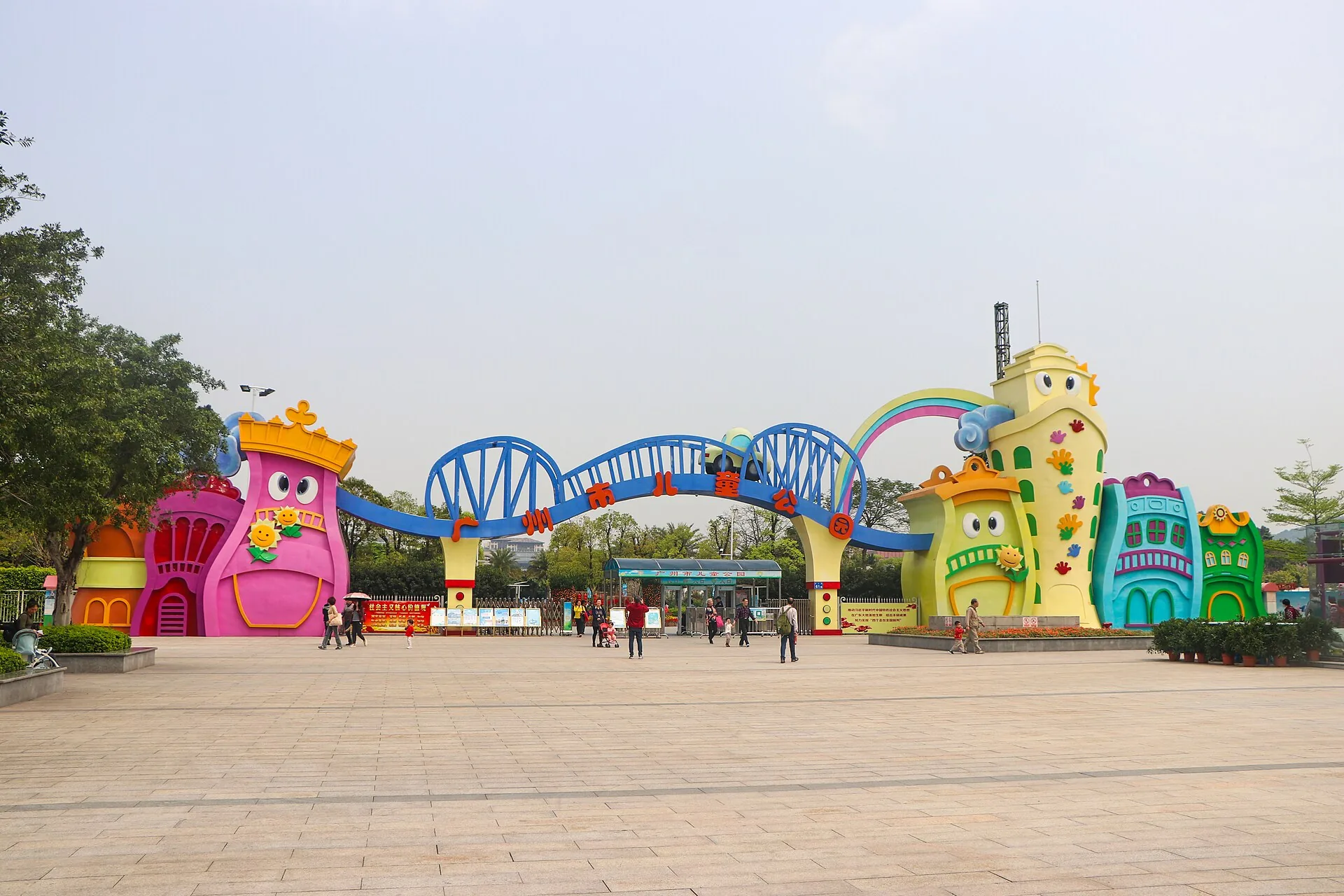
A large free park in Baiyun designed for children, with themed play zones, sand pits, water play and wide lawns.
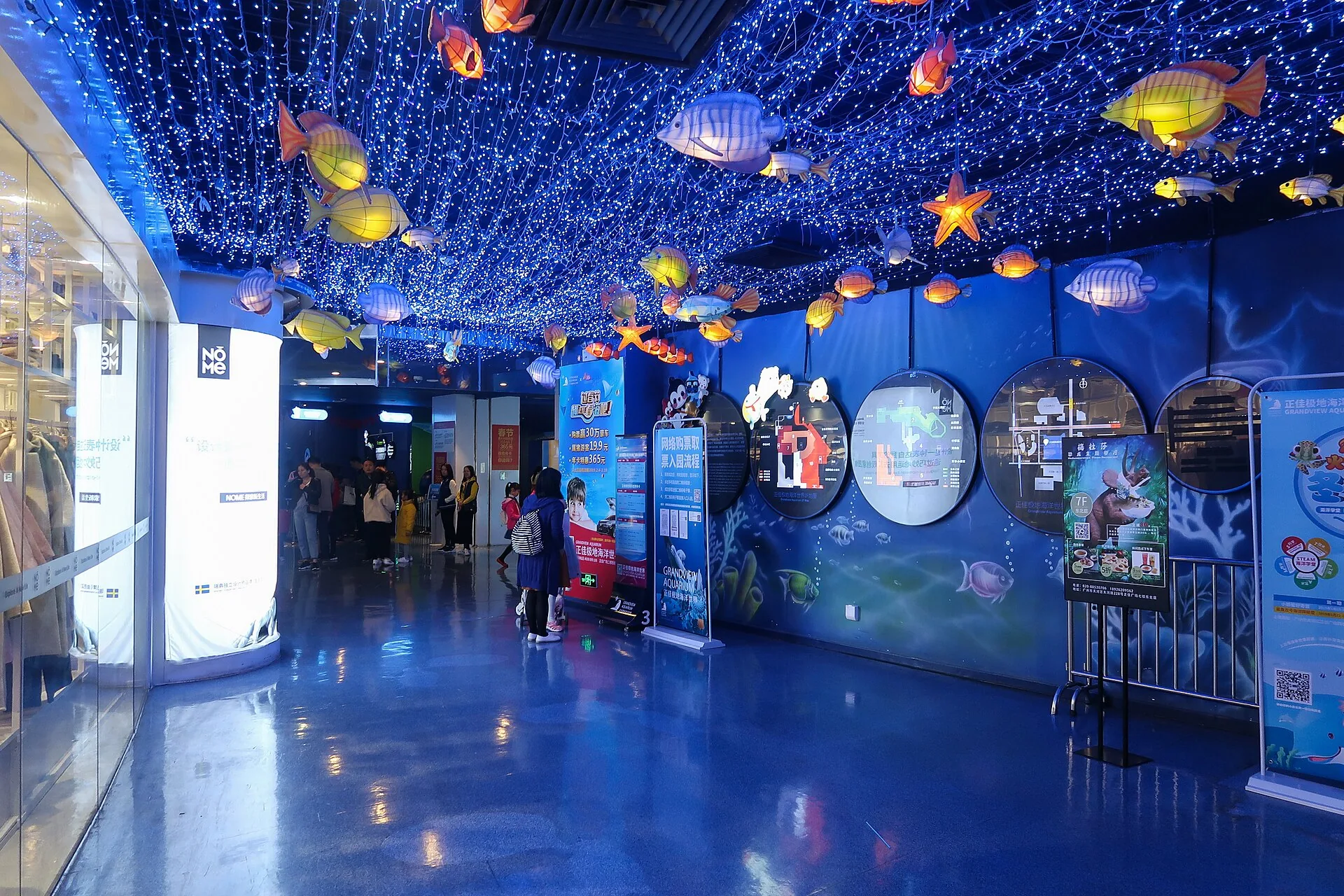
A polar-themed indoor aquarium inside Grandview Mall on Tianhe Road, with penguins, belugas, polar bears and walk-through tanks.
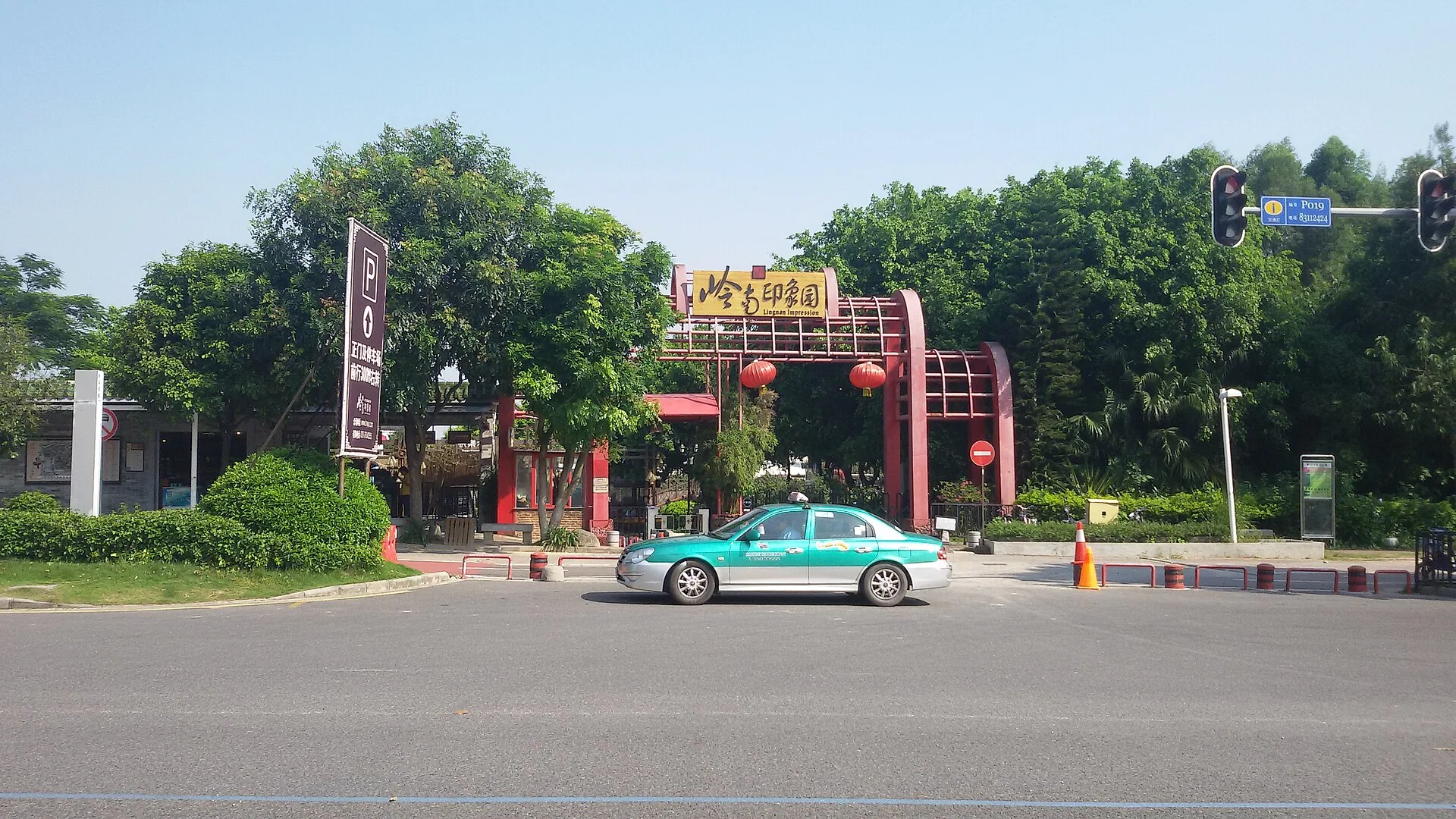
An open-air heritage village in the university town, with rebuilt Lingnan houses, craft demonstrations, folk performances and snack lanes.
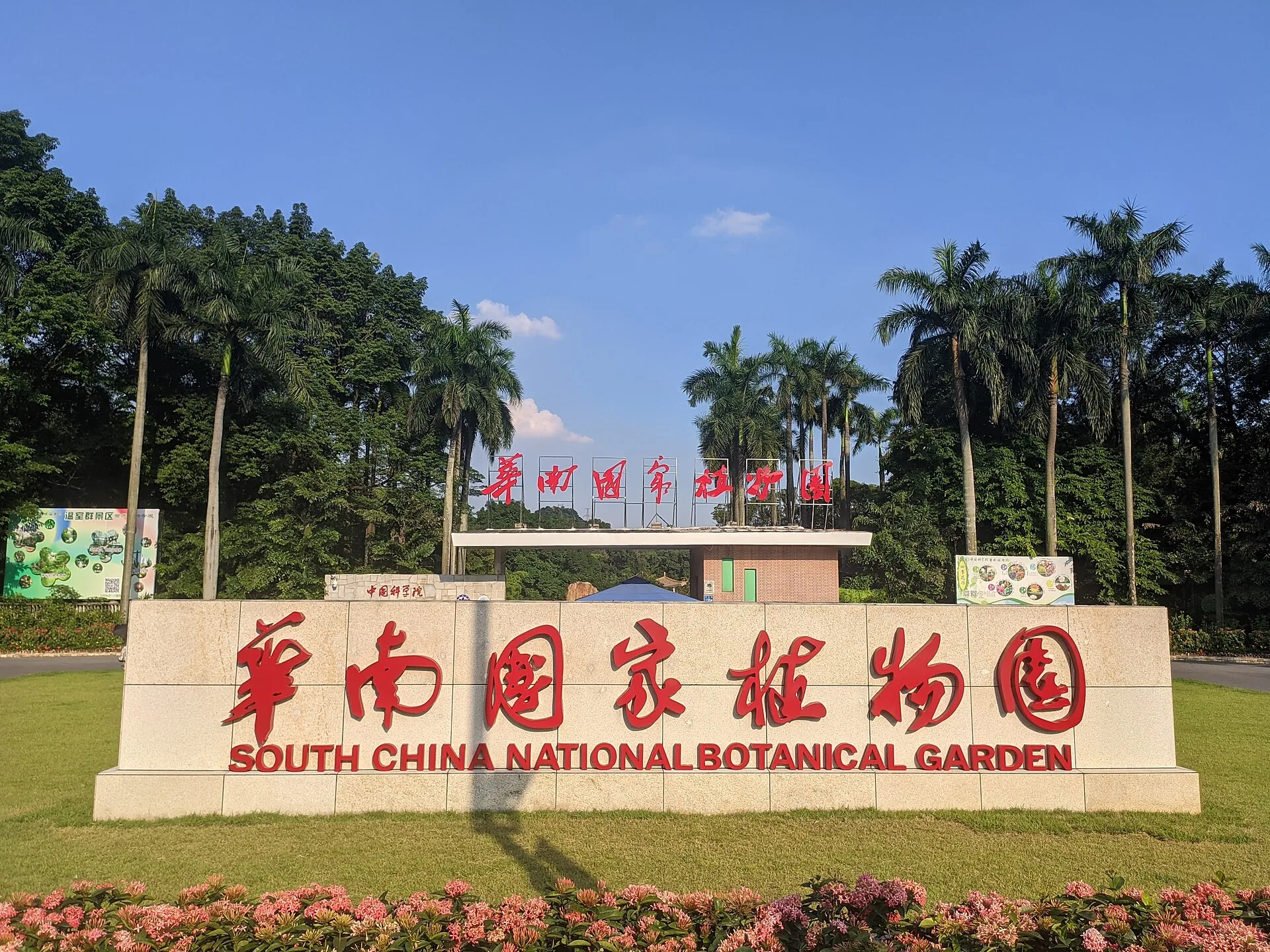
A vast research garden in Tianhe with palm and bamboo collections, lakes, a magnolia garden and large tropical glasshouses.
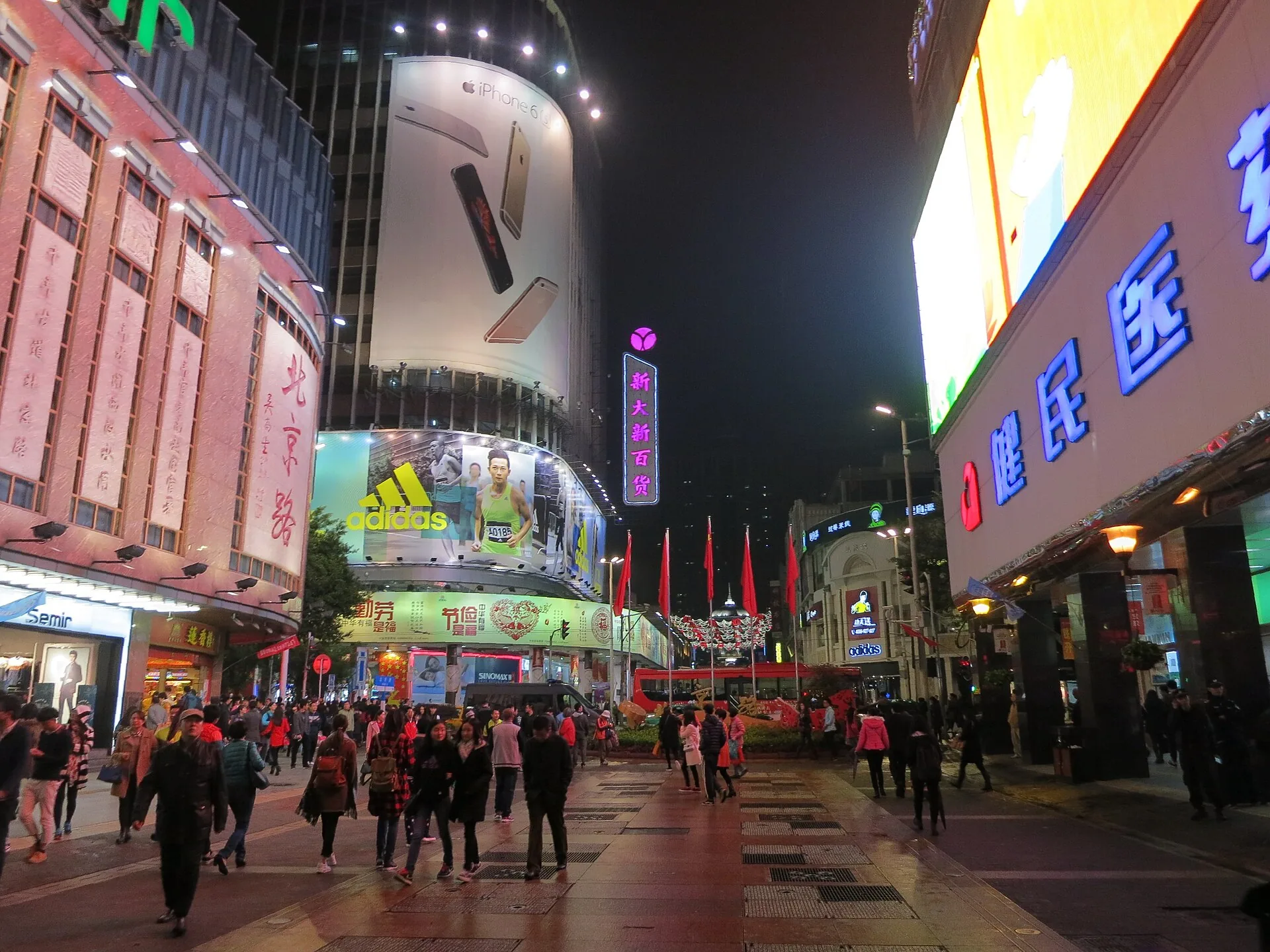
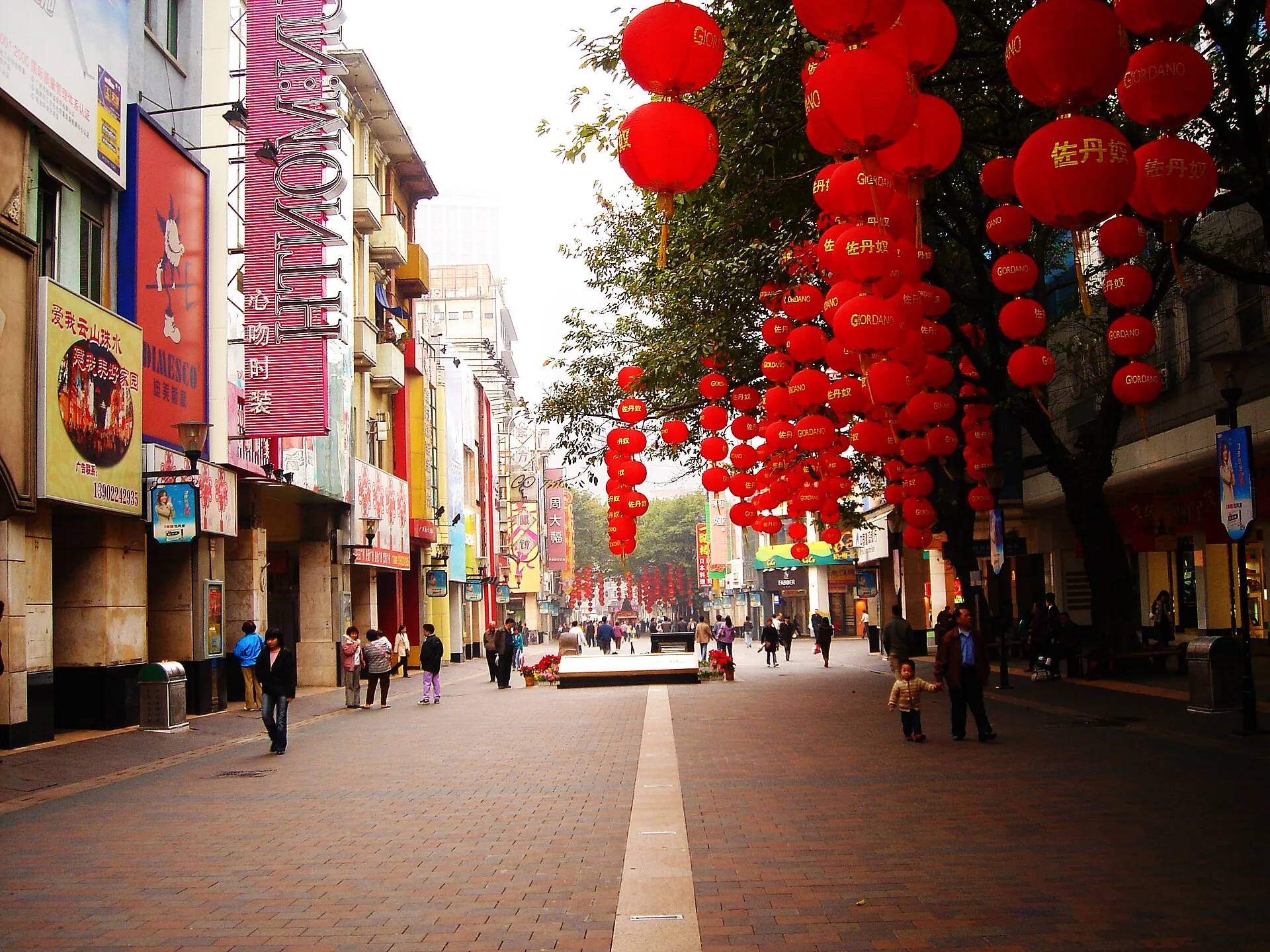
The old city’s busiest shopping street, with chain stores, local brands and glass panels showing roadbeds from a thousand years of history.
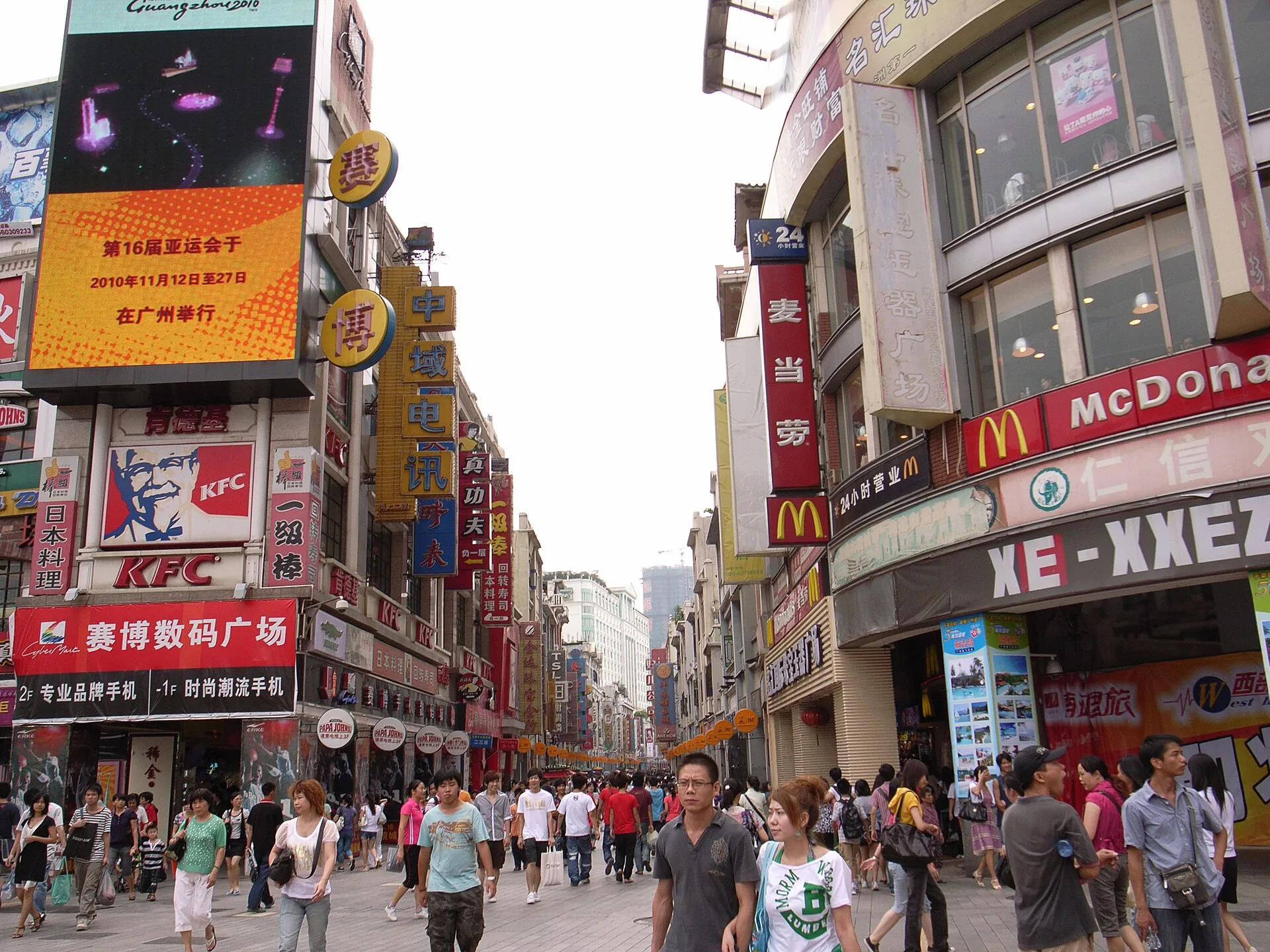
A long arcaded shopping street in old Xiguan, lined with qilou shophouses selling clothes, shoes, jewellery and Cantonese snacks.
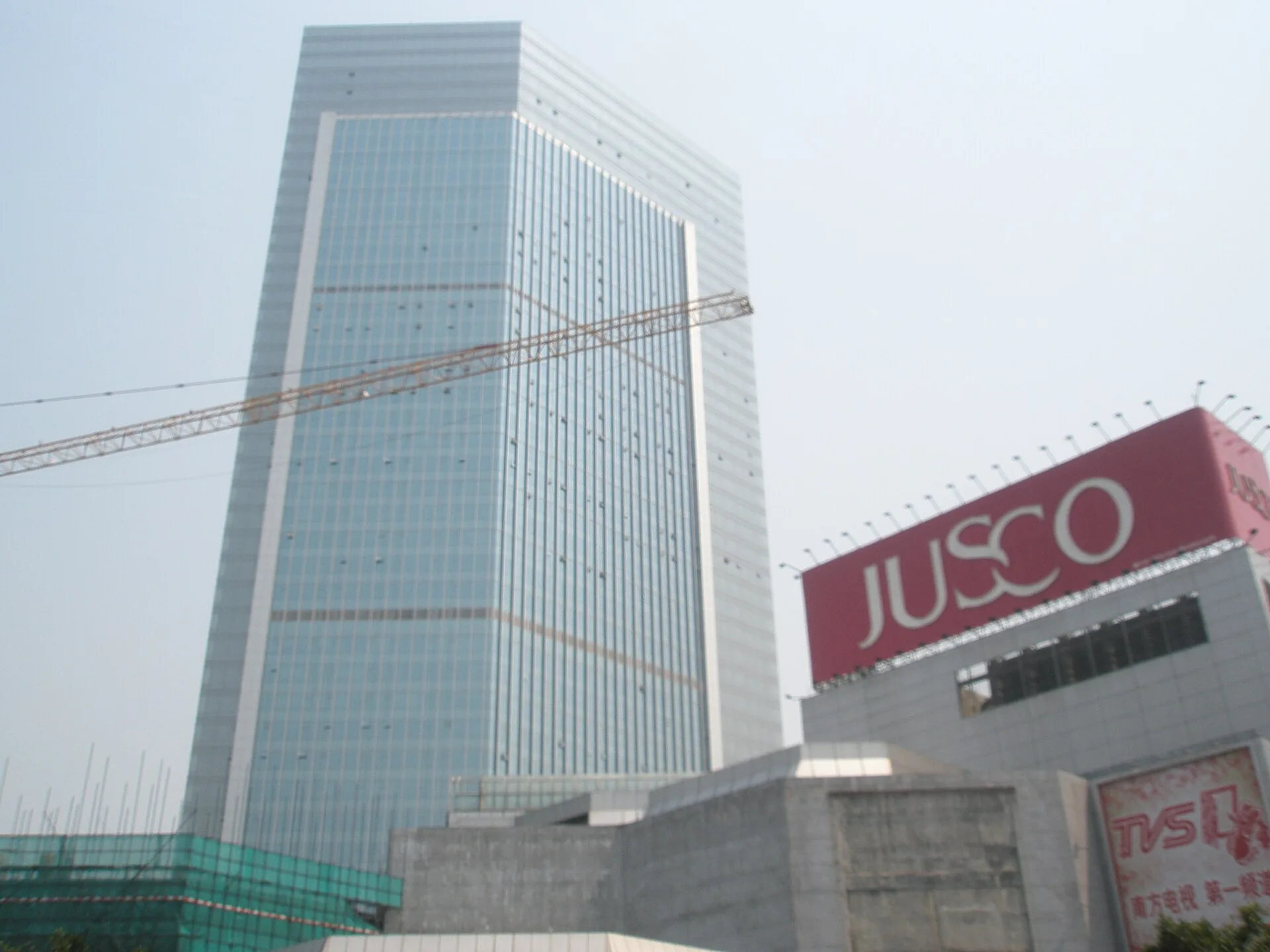
Tianhe’s original big shopping mall, above Tiyu Xilu metro, with mid-range fashion, a department store, cinemas and family dining.
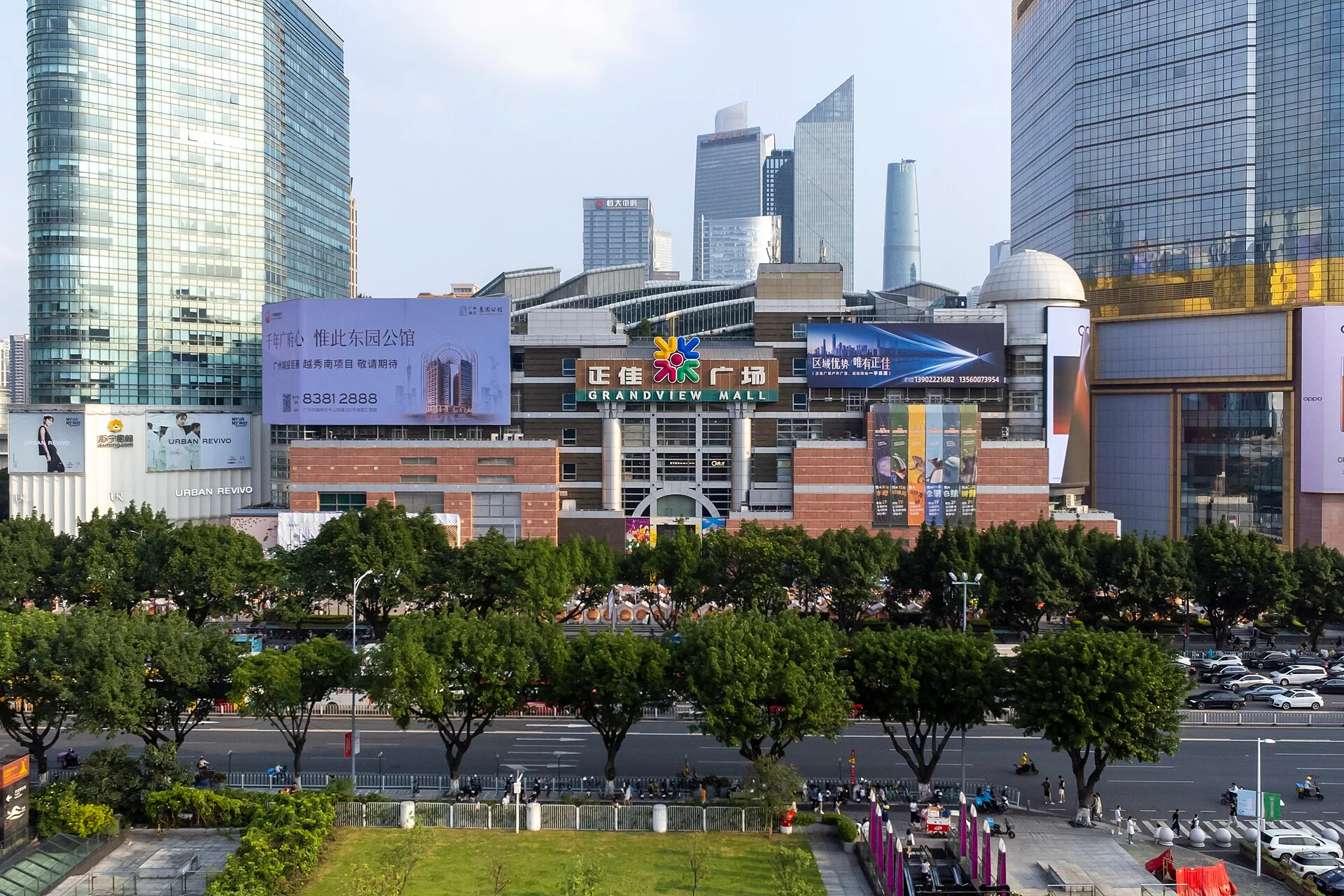
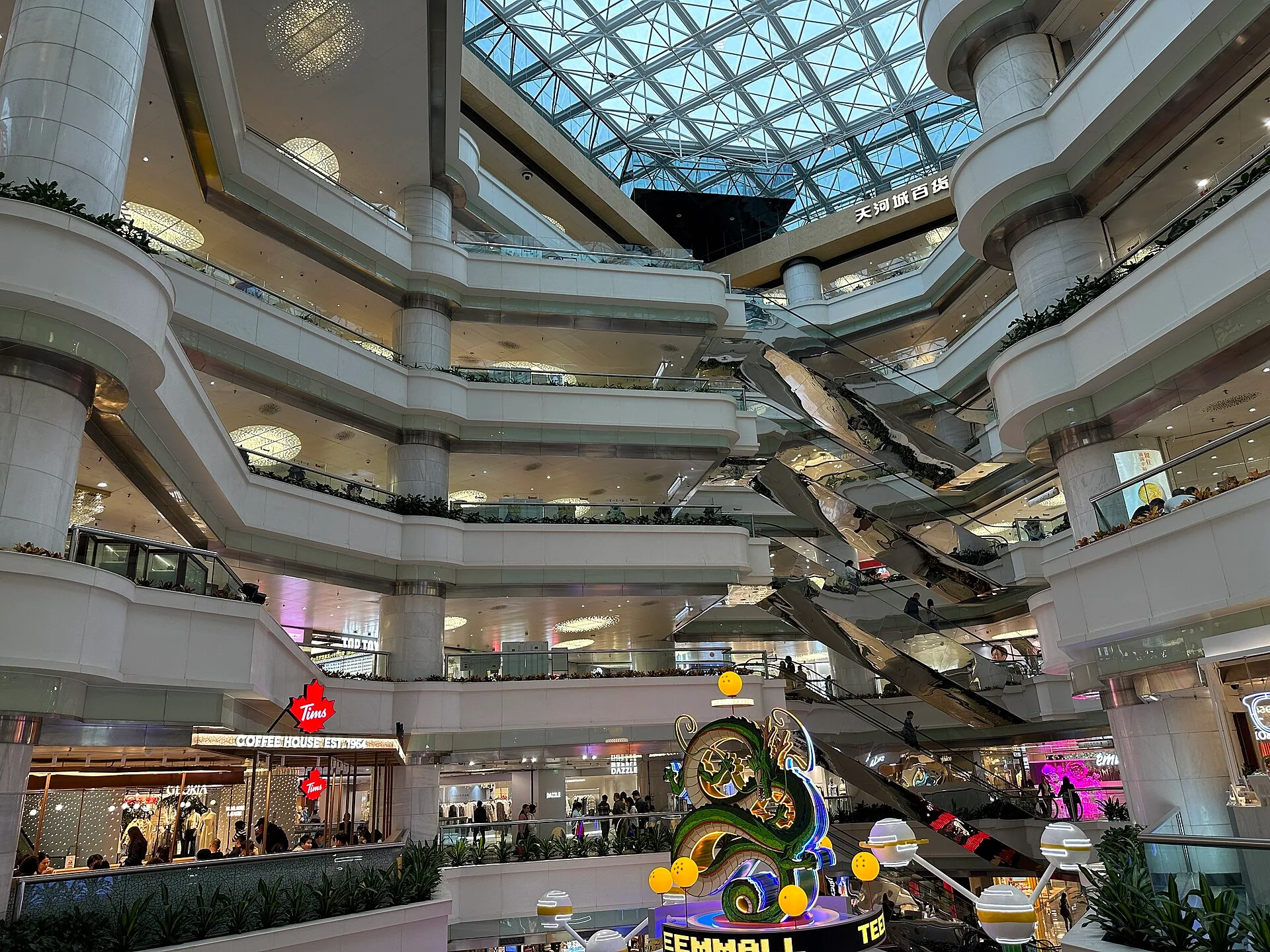
A giant Tianhe Road mall with fashion, a large food court, an indoor aquarium and family entertainment on its upper floors.
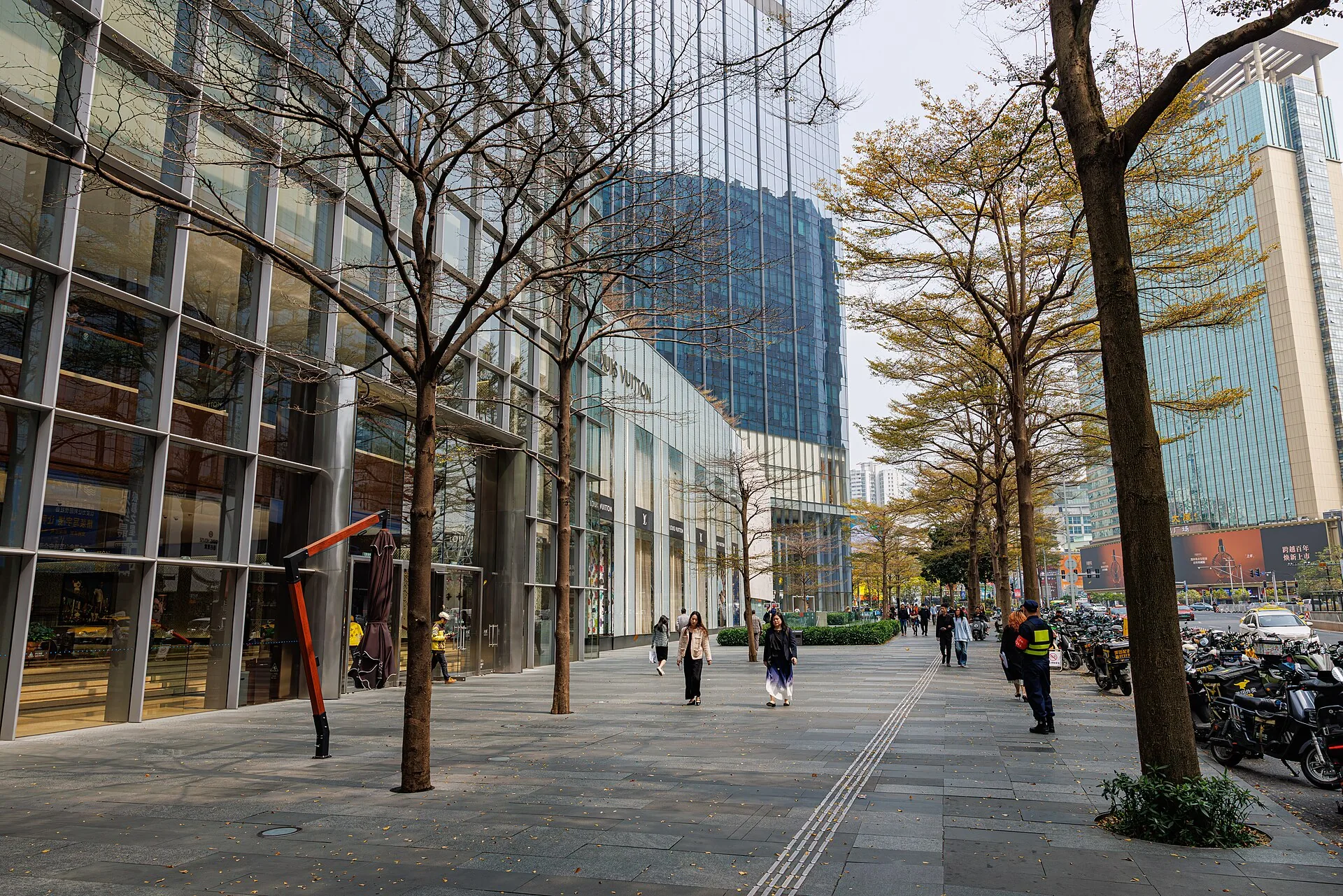
Guangzhou’s leading luxury mall on Tianhe Road, with global designer houses, a bright atrium and direct metro access.
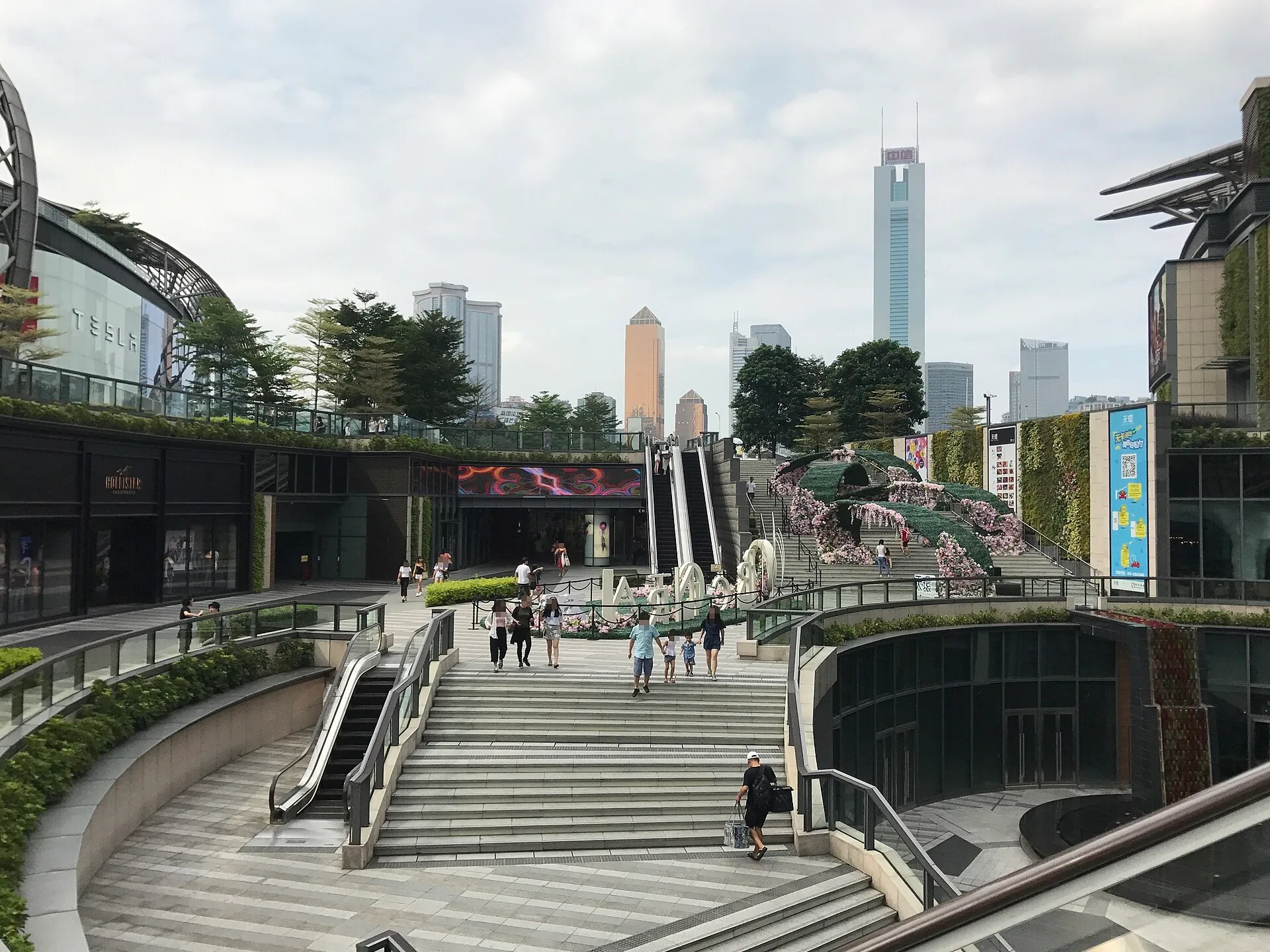
A sunken, park-like mall between Teemall and Grandview, with young fashion labels, lifestyle brands and plenty of cafés.
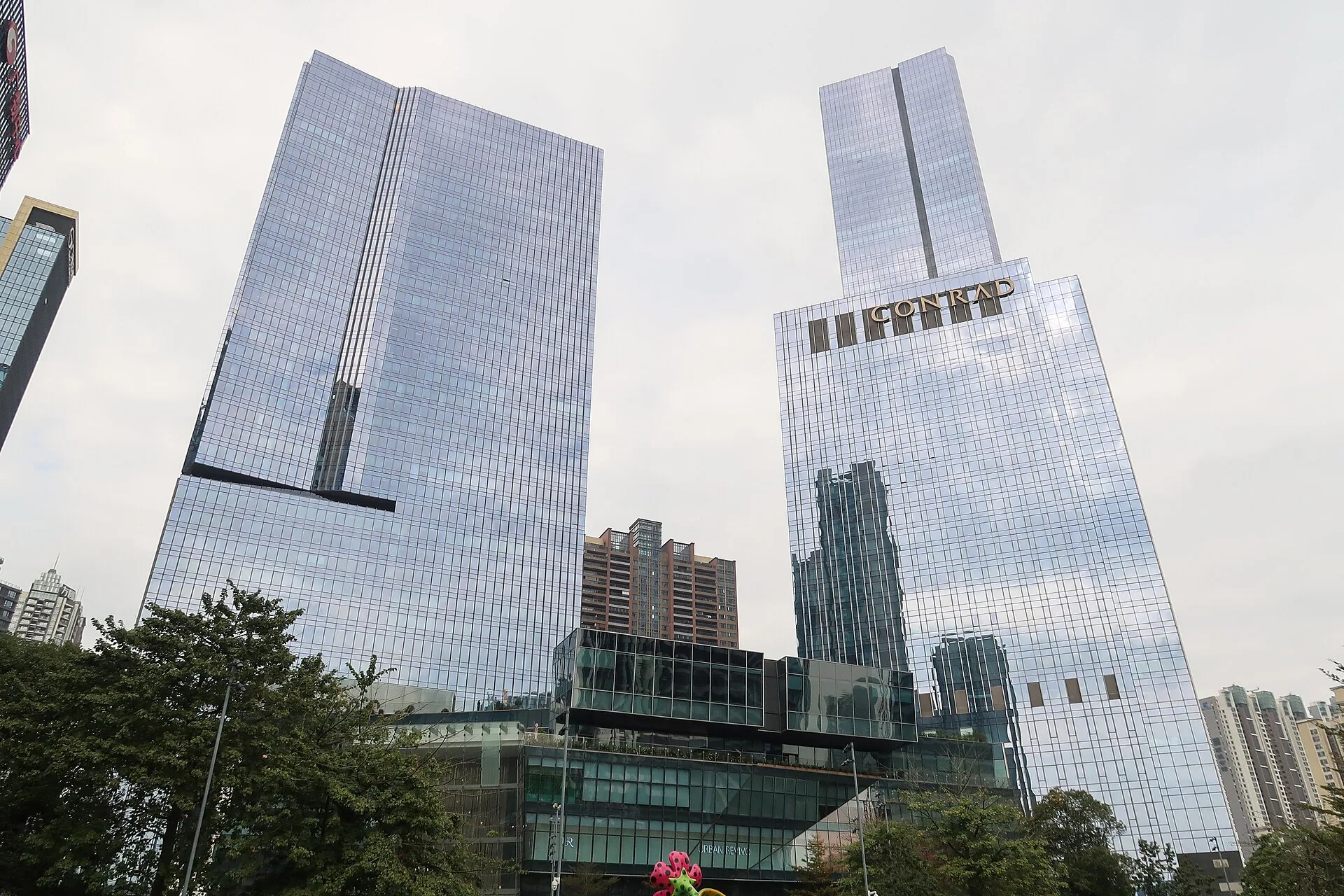
An upscale Zhujiang New Town mall beside Huacheng Square, with premium fashion, a supermarket and many restaurants, home to the Conrad hotel.
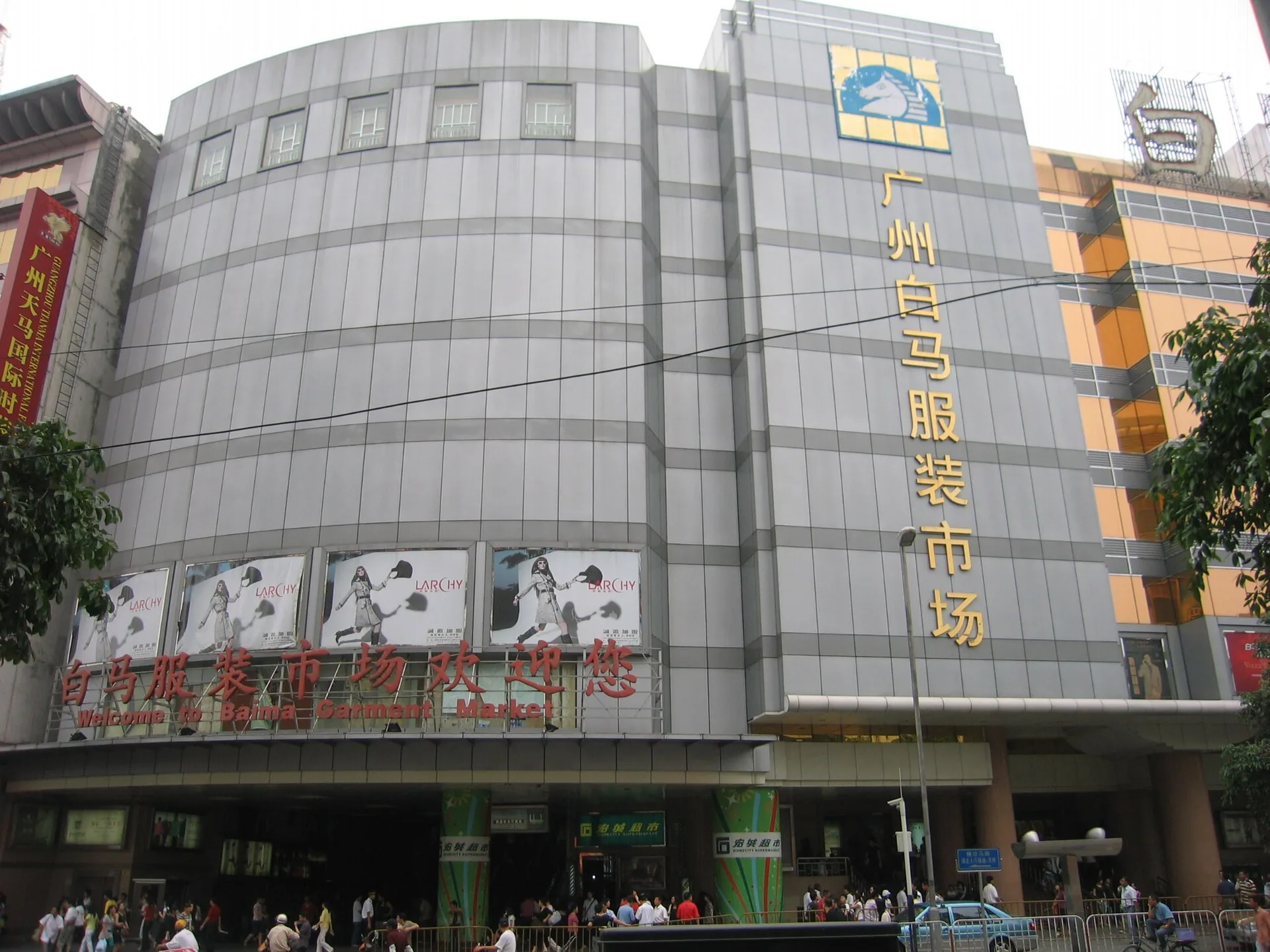
One of Guangzhou’s best-known clothing wholesale markets, opposite the main railway station, with mid-range fashion sold by the piece or the bag.
The old riverside wholesale street for dried seafood, nuts, dates, toys and festive goods, running past Sacred Heart Cathedral.
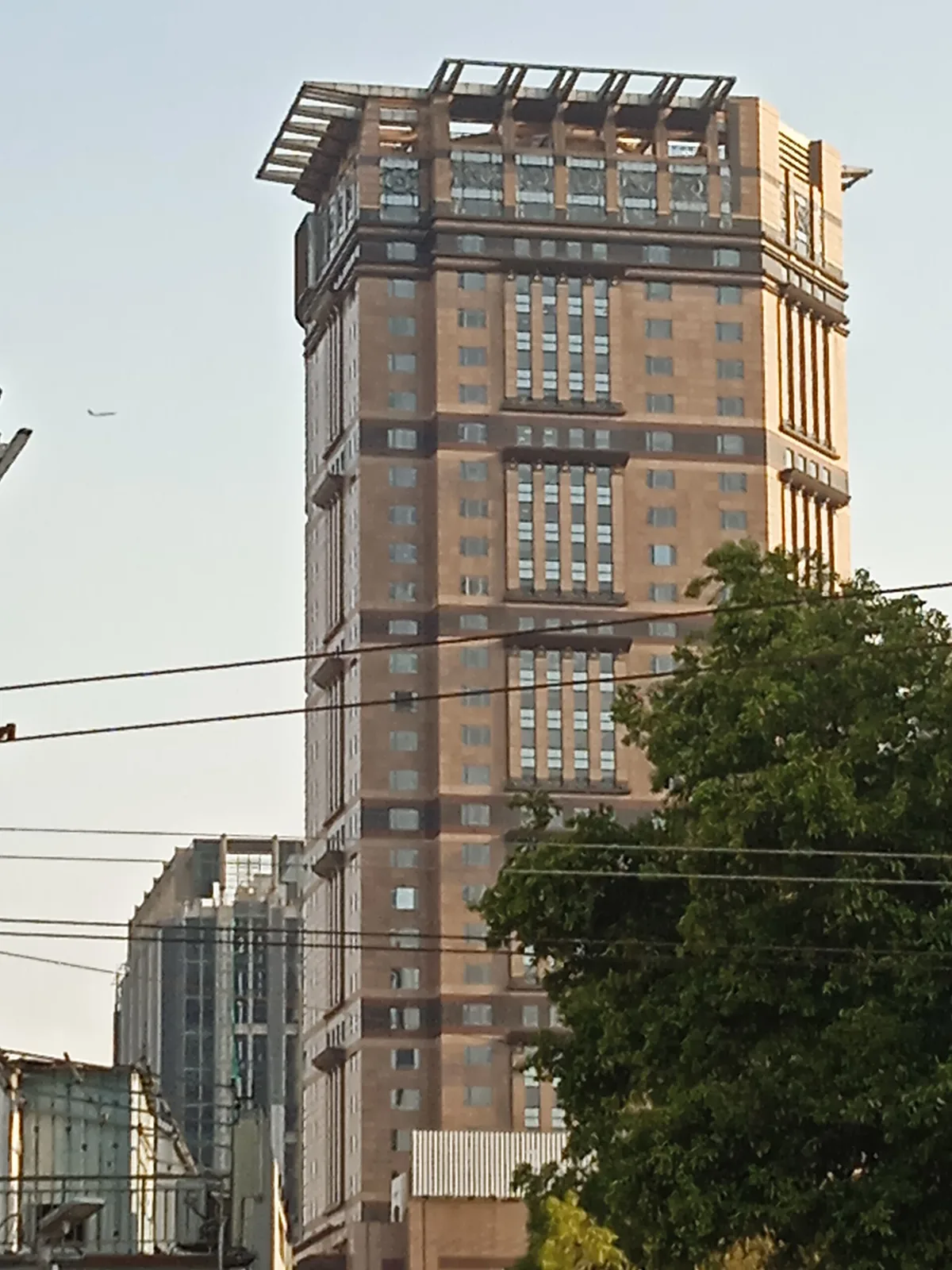
A big wholesale centre for toys, gifts, stationery and home décor on Jiefang South Road, a favourite for party and souvenir stock.
Metro Line 1 (Ximenkou, Gongyuanqian), Lines 2 and 6 (Haizhu Square) and Line 6 (Beijing Road) serve the area. Best explored on foot; lanes are narrow and busy with scooters. Wholesale streets are busiest in the morning and quieten after 17:00. Huaisheng, Haopan and Xiaodongying mosques are all within walking distance of each other.
Metro Line 5 serves Xiaobei and Taojin stations. Busiest in the evening, when the restaurants fill after Maghrib. Traffic on Huanshi Road is heavy at rush hour; walk or take the metro for short hops. Xianxian Mosque is about 10 minutes away by taxi.
Metro Line 2 serves Yuexiu Park station, beside the Nanyue King Mausoleum and a short walk from Xianxian Mosque. The park is hilly; allow time and water in summer. Xianxian Mosque is busiest on Fridays and at Eid.
Metro Lines 2 and 5 serve Guangzhou Railway Station; Line 2 also serves Yuexiu Park. Markets open early and start closing in the late afternoon. Very crowded around the station; watch your belongings.
Metro Line 1 (Chen Clan Academy, Changshou Lu) and Lines 5 and 8 (Xicun) serve the district. Lanes are narrow; walking is best. Weekend afternoons are crowded at Yongqingfang and Shangxiajiu.
Metro Lines 1 and 6 serve Huangsha station, a short walk away. Largely car-free and flat, good for strollers and older travellers. Busy with wedding photographers at weekends.
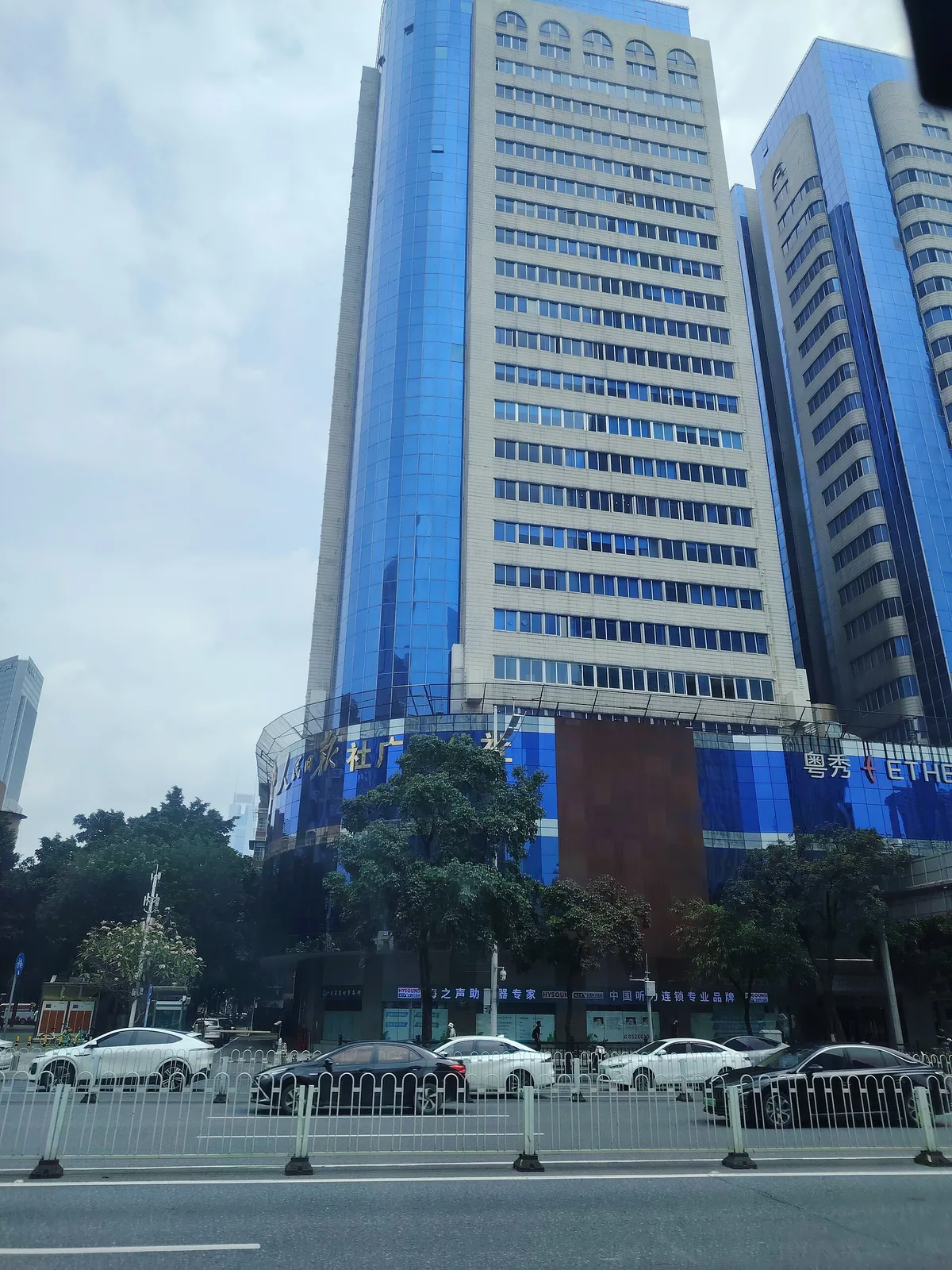
Metro Lines 1 and 3 meet at Tiyu Xilu; Shipaiqiao and Linhexi stations are nearby. Malls are linked by underground passages and footbridges. Very busy at weekends and in the evenings.
Metro Lines 3 and 5 serve Zhujiang New Town station; the APM line runs under the central axis to Canton Tower. Wide, flat pavements and underground walkways make it easy with strollers. Huacheng Square is busiest on evenings and holidays.
Metro Line 3 and the APM line serve Canton Tower station. Sunset and evening are the busiest times at the tower. The wetland park is best in the morning in summer.
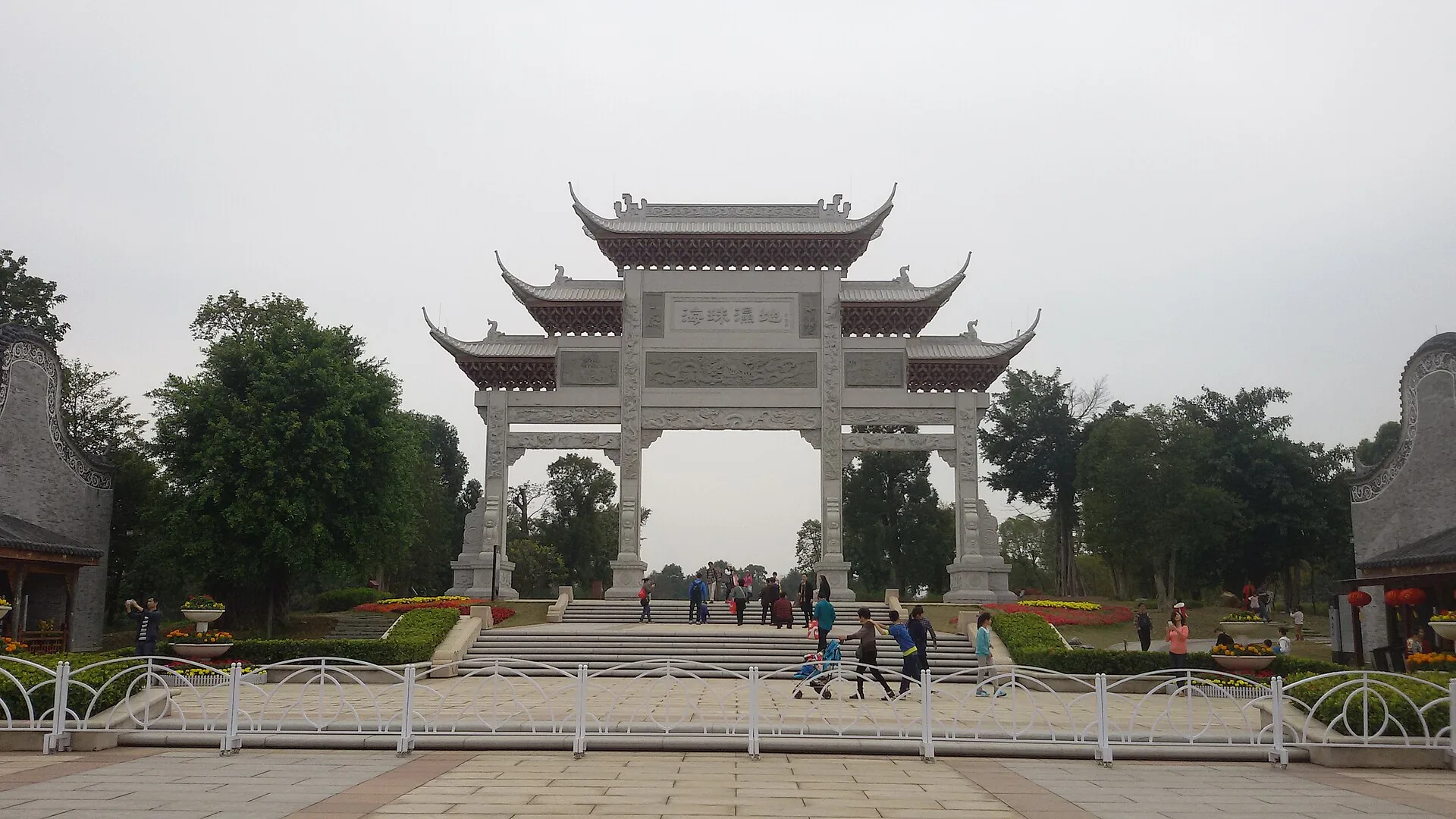
Metro Line 8 serves Xingangdong and Pazhou stations. Extremely busy and expensive during fair phases; quiet otherwise. Allow extra time for taxis at fair opening and closing times.
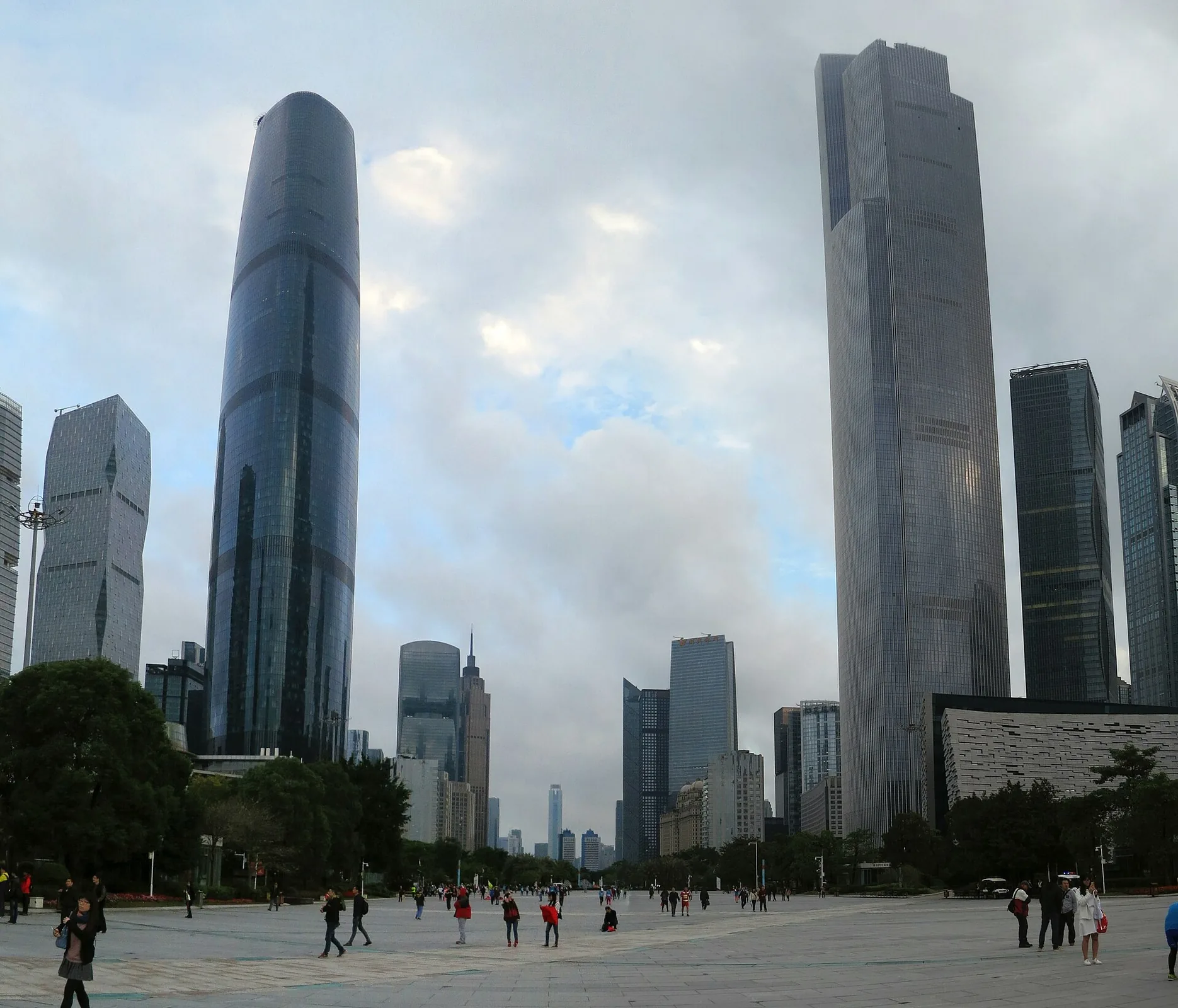
The landscaped central axis of Zhujiang New Town, framed by Guangzhou’s tallest towers and pointing straight at Canton Tower across the river.
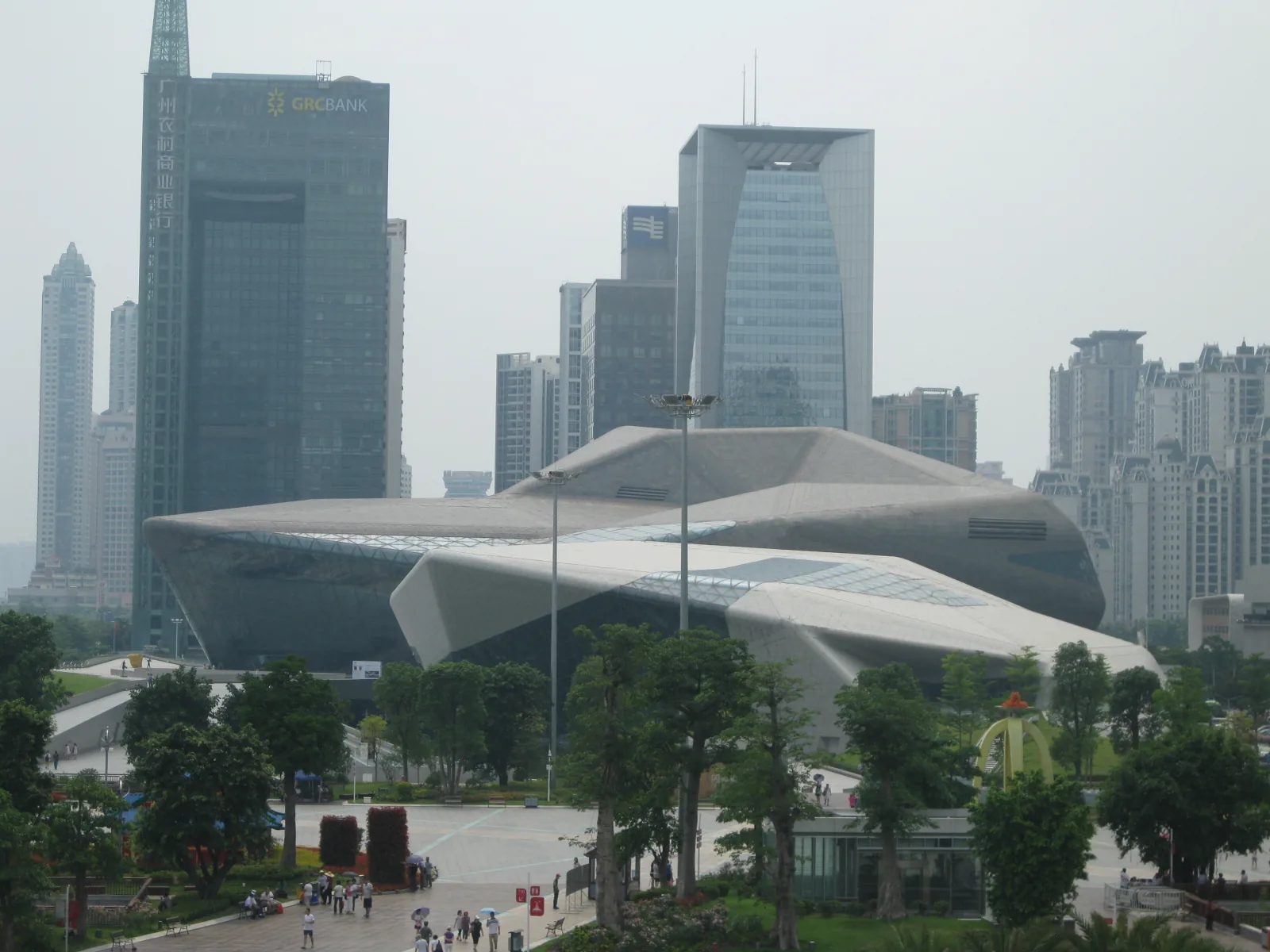
Zaha Hadid’s “double pebble” on the Pearl River, a striking concert and opera venue that also runs short guided building visits.
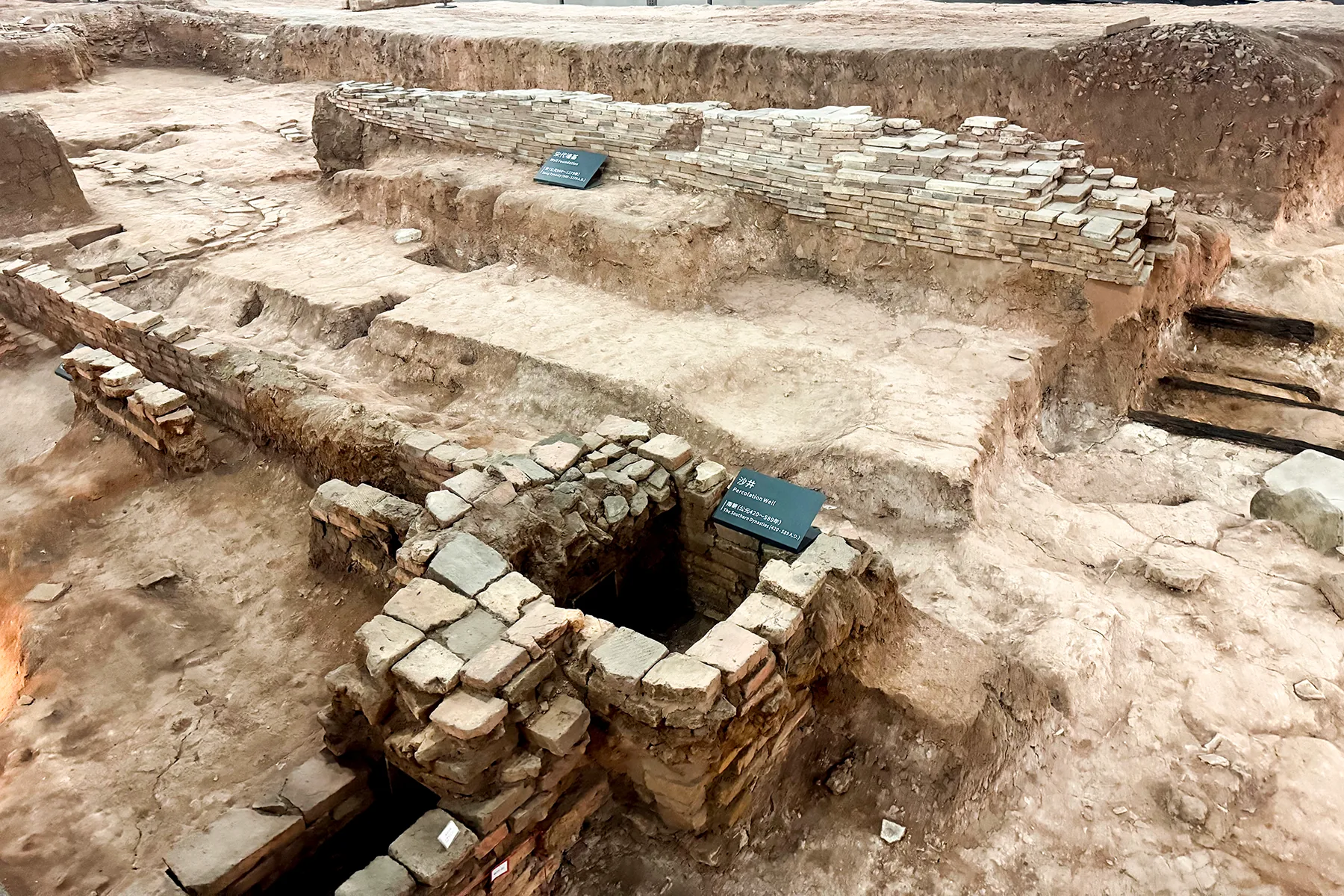
Excavated remains of the 2,000-year-old Nanyue royal palace and garden in the heart of the old city, free to visit near Beijing Road.
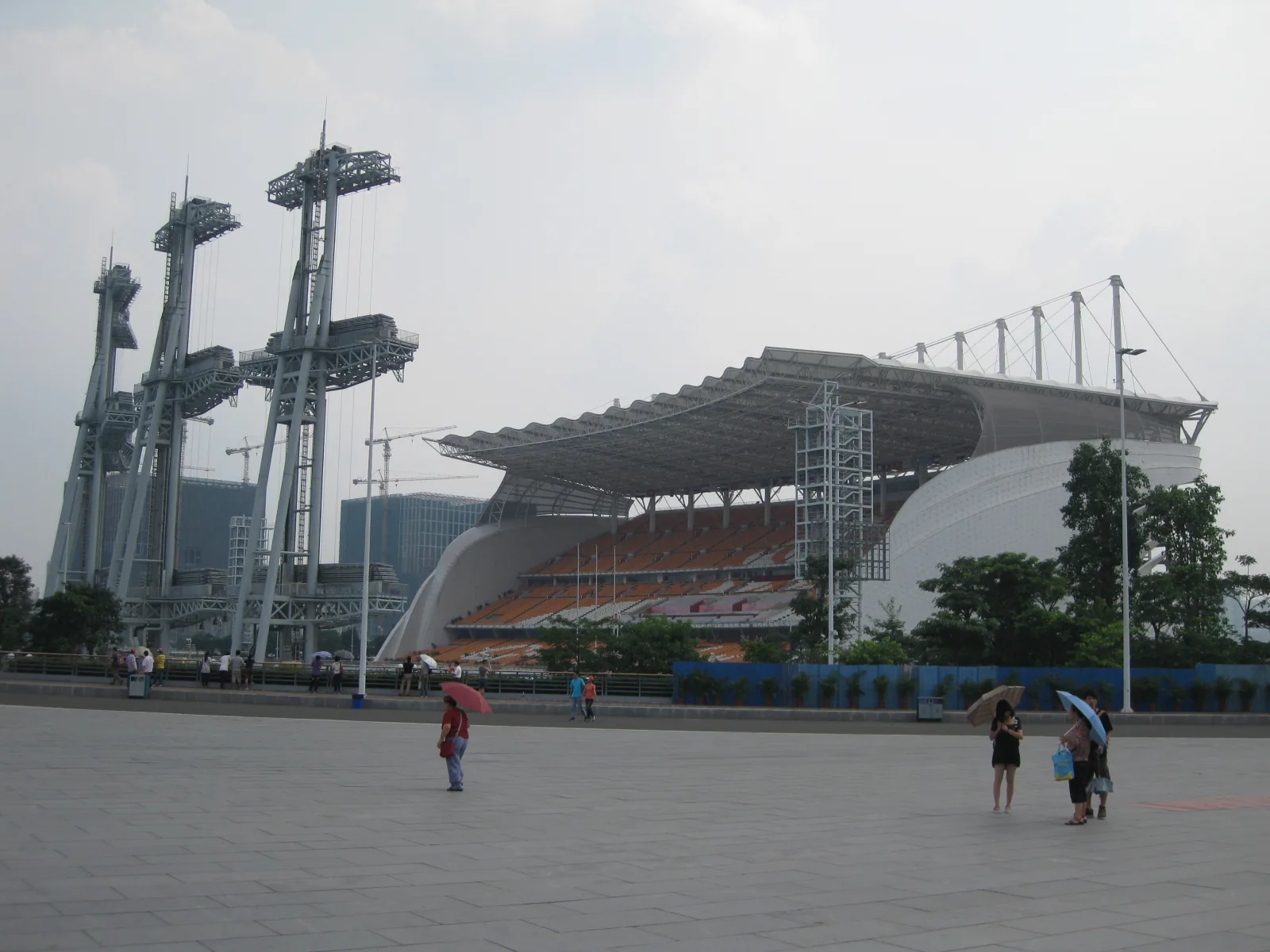
A river island facing Canton Tower, built as the stage for the 2010 Asian Games opening and now a riverside promenade with the city’s classic night view.
A large city-centre wetland of orchards, canals and lakes in Haizhu, good for an easy walk, birdwatching and a break from the traffic.
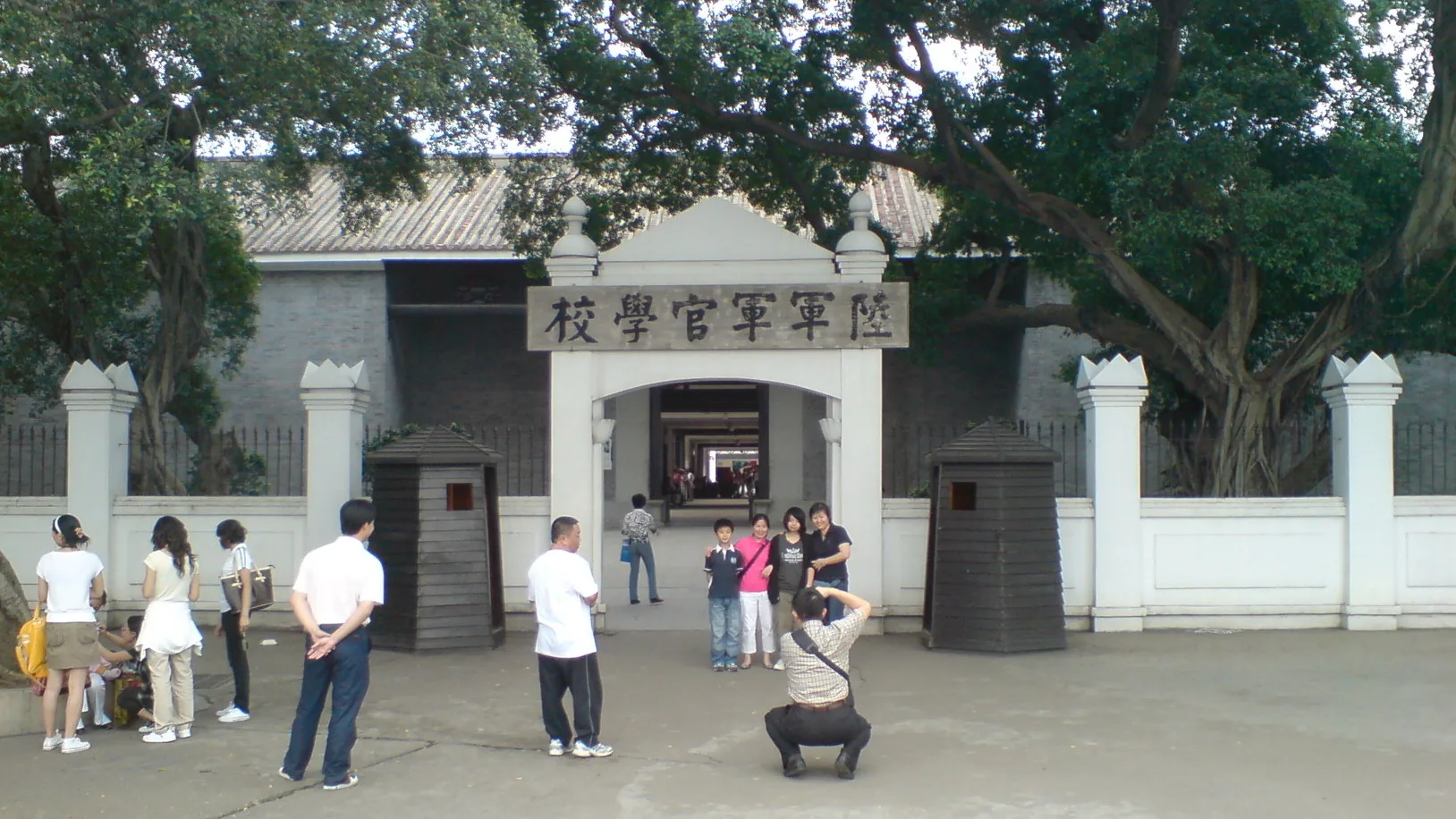
The 1924 officers’ academy founded under Sun Yat-sen on Changzhou Island, reached by a short ferry ride down the Pearl River.
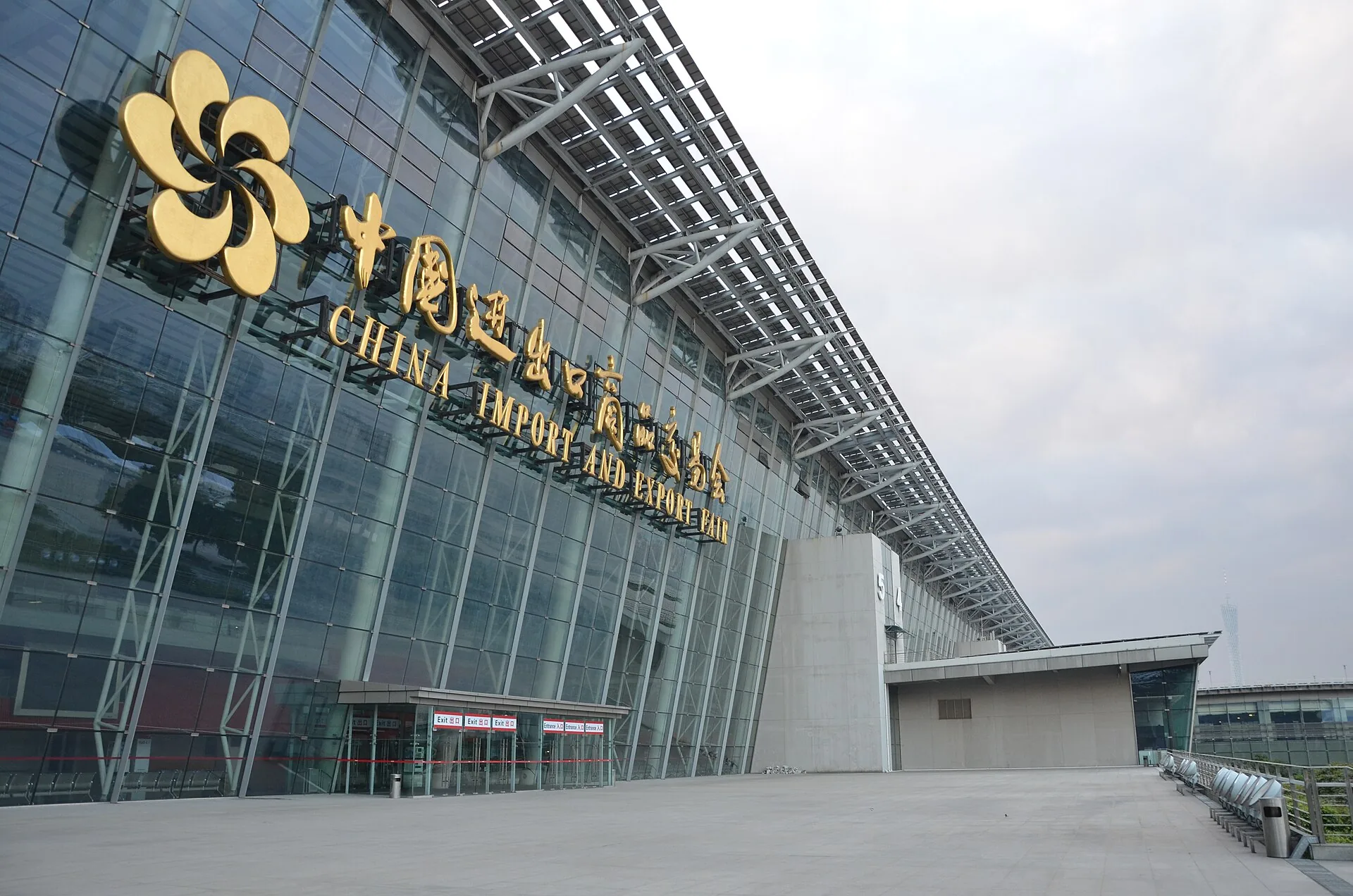
China’s largest trade fair returns to Pazhou in three phases: 15–19 April, 23–27 April and 1–5 May 2027, with a temporary prayer room and halal food on site.
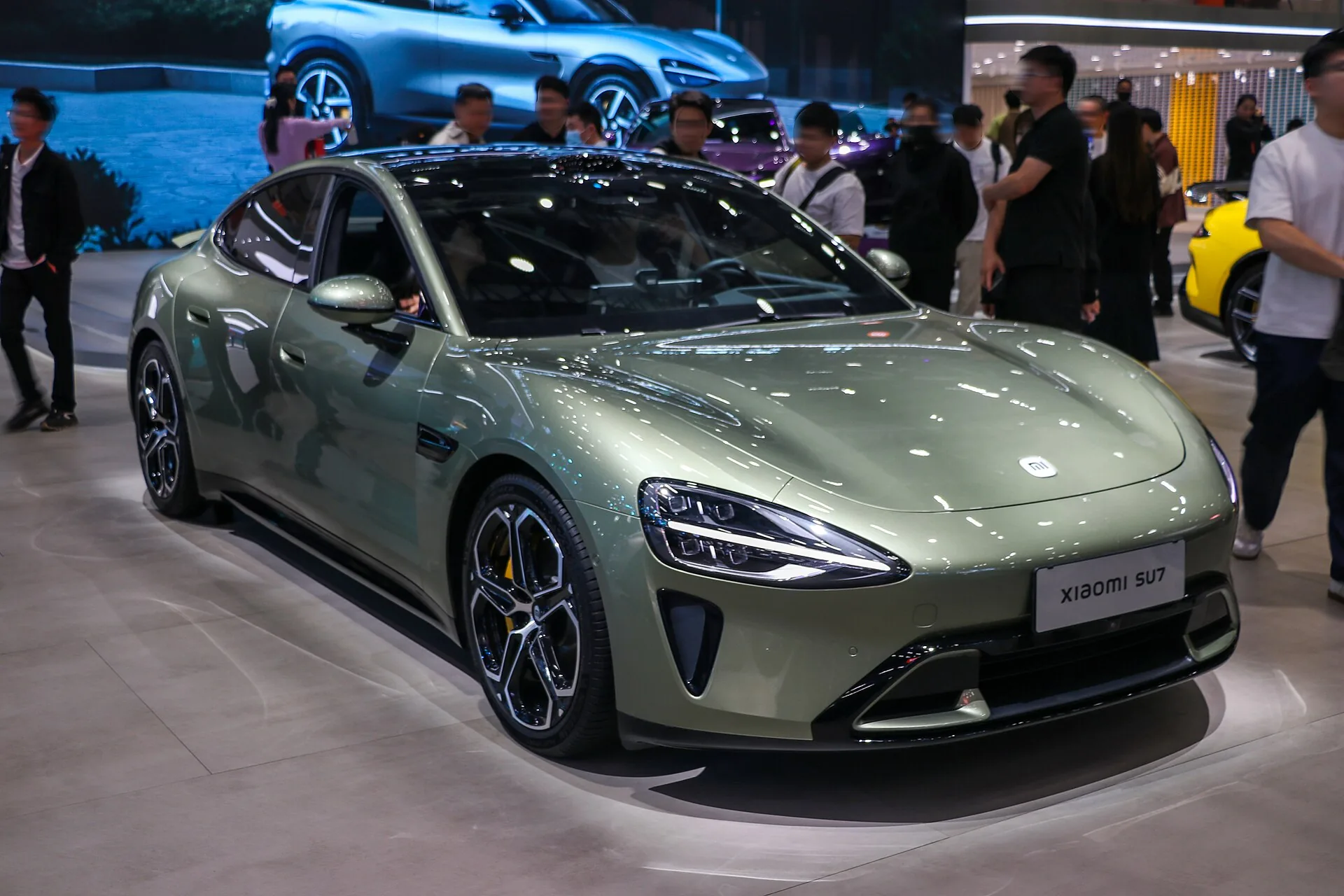
One of China’s biggest motor shows, at the Canton Fair Complex: trade days 28–29 November and public days 30 November to 6 December 2026.
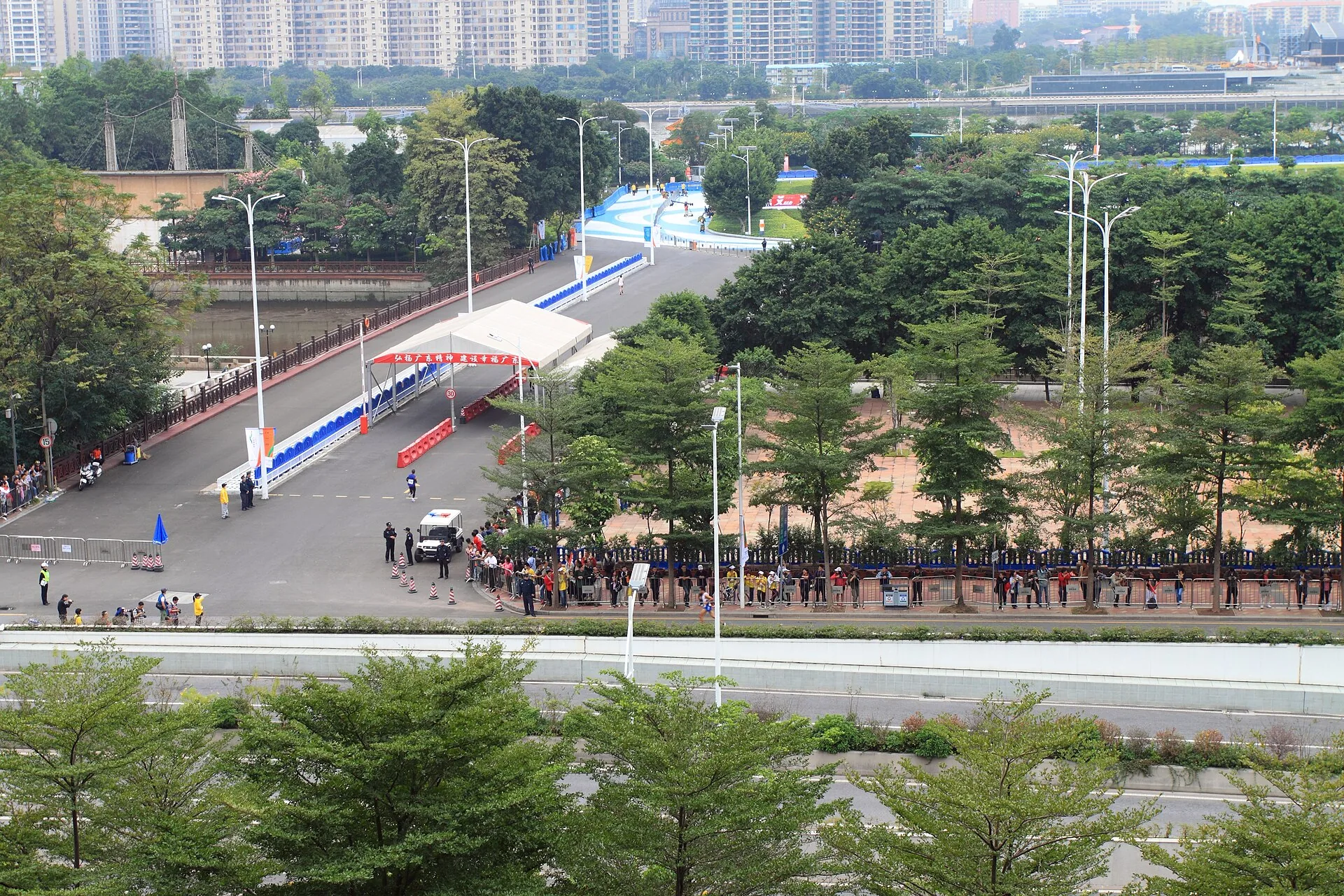
The city’s marathon on Sunday 20 December 2026, from Tianhe Sports Centre to Haixinsha, with road closures along the course.
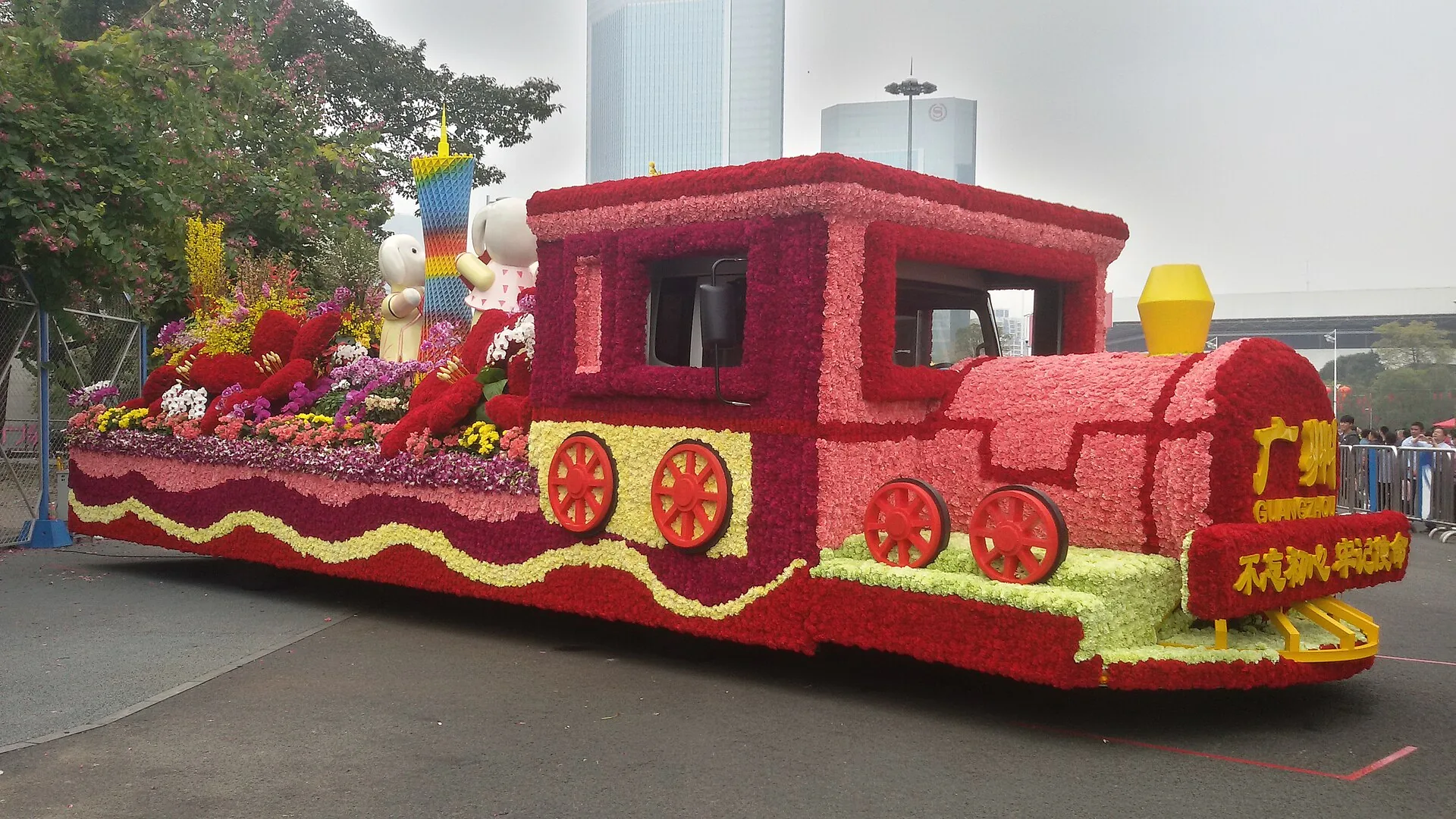
China’s biggest holiday: the public holiday runs 5–13 February 2027, with New Year’s Day on 6 February and working days on 31 January and 14 February.
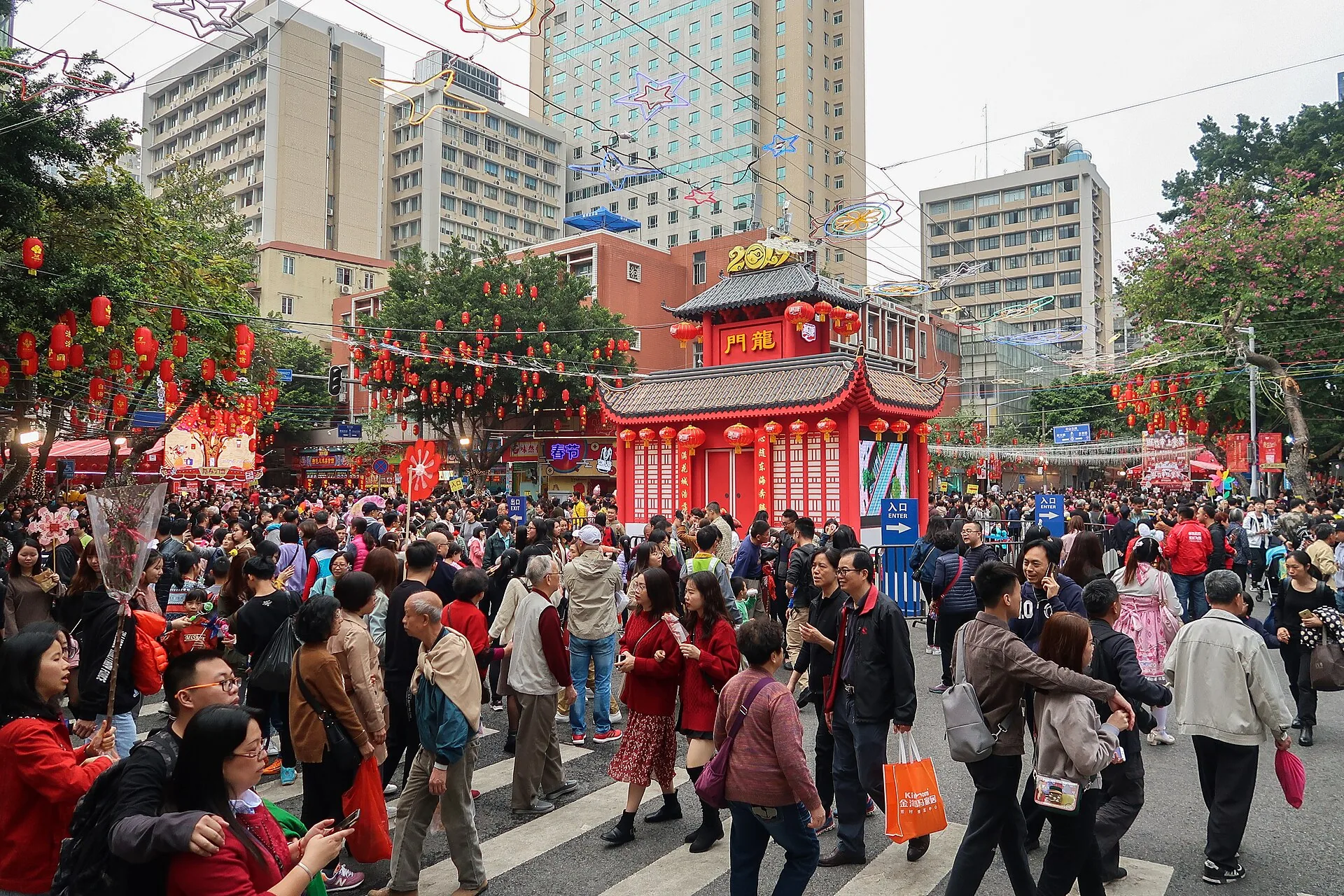
Guangzhou’s best-loved New Year tradition: a night-time flower market on Xihu Road in the days before Chinese New Year’s Eve, expected to end on 5 February 2027.
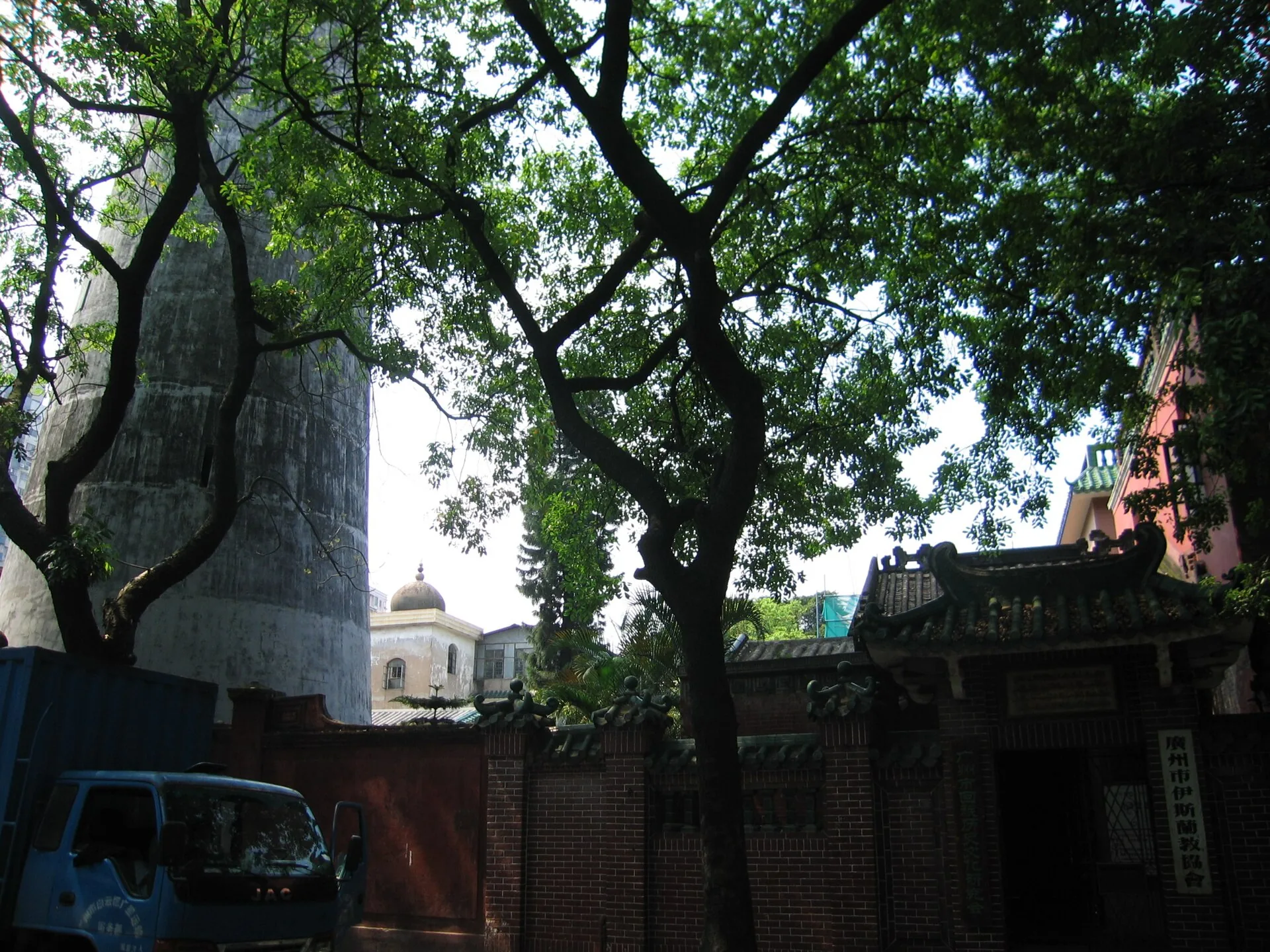
A private ten-hour day with IslamiChina Travel covering Huaisheng Mosque, the Tomb of Sa‘d and the city’s main sights, with a halal lunch included.
A private, prayer-friendly day with a local guide from Janvi Tours, priced per group, with Huaisheng Mosque, the Tomb of Sa‘d and halal meals arranged.
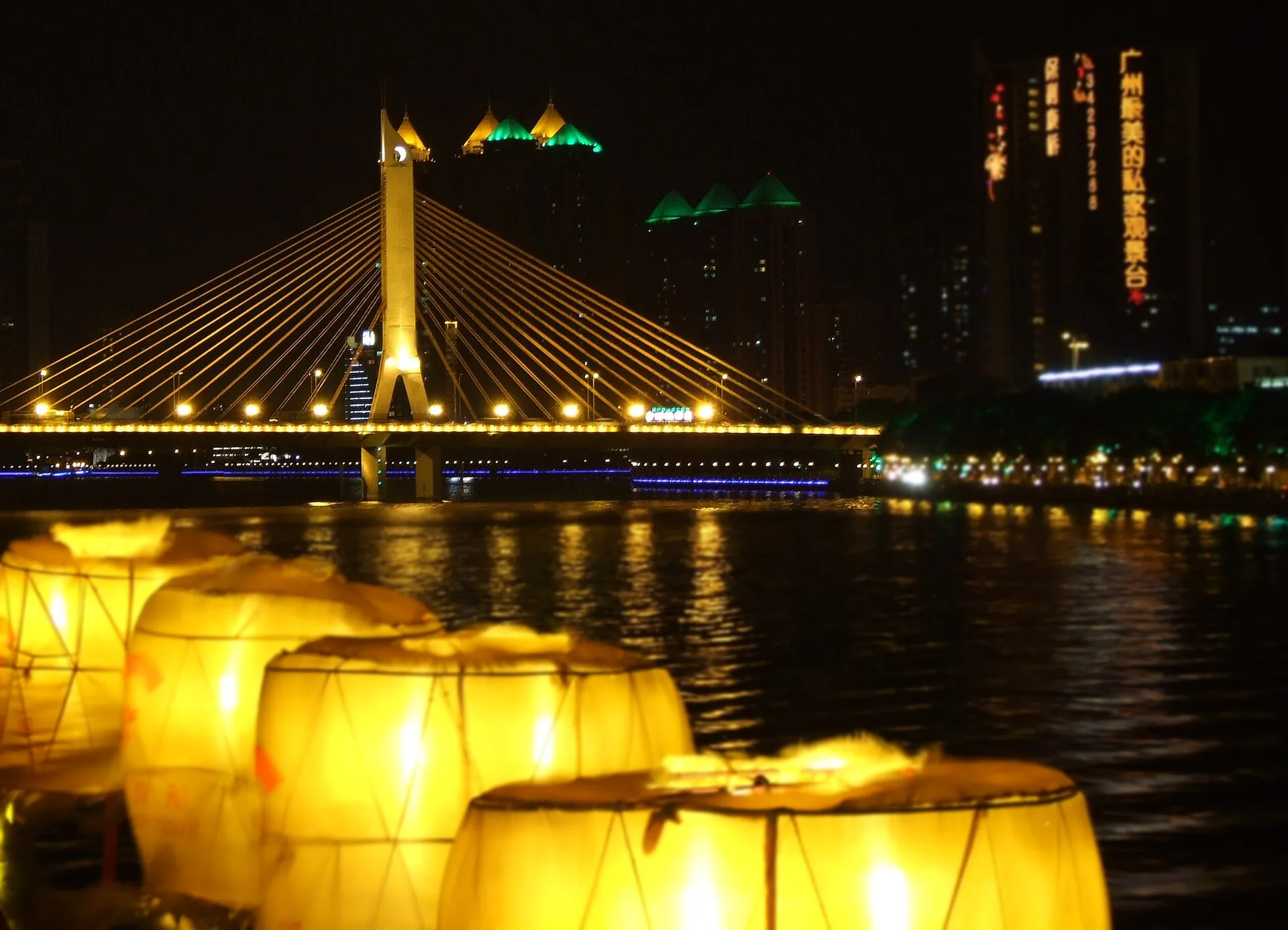
The classic evening boat trip from Tianzi Pier in the old city, passing Ersha Island, Canton Tower and the lit-up bridges, from CNY 98.
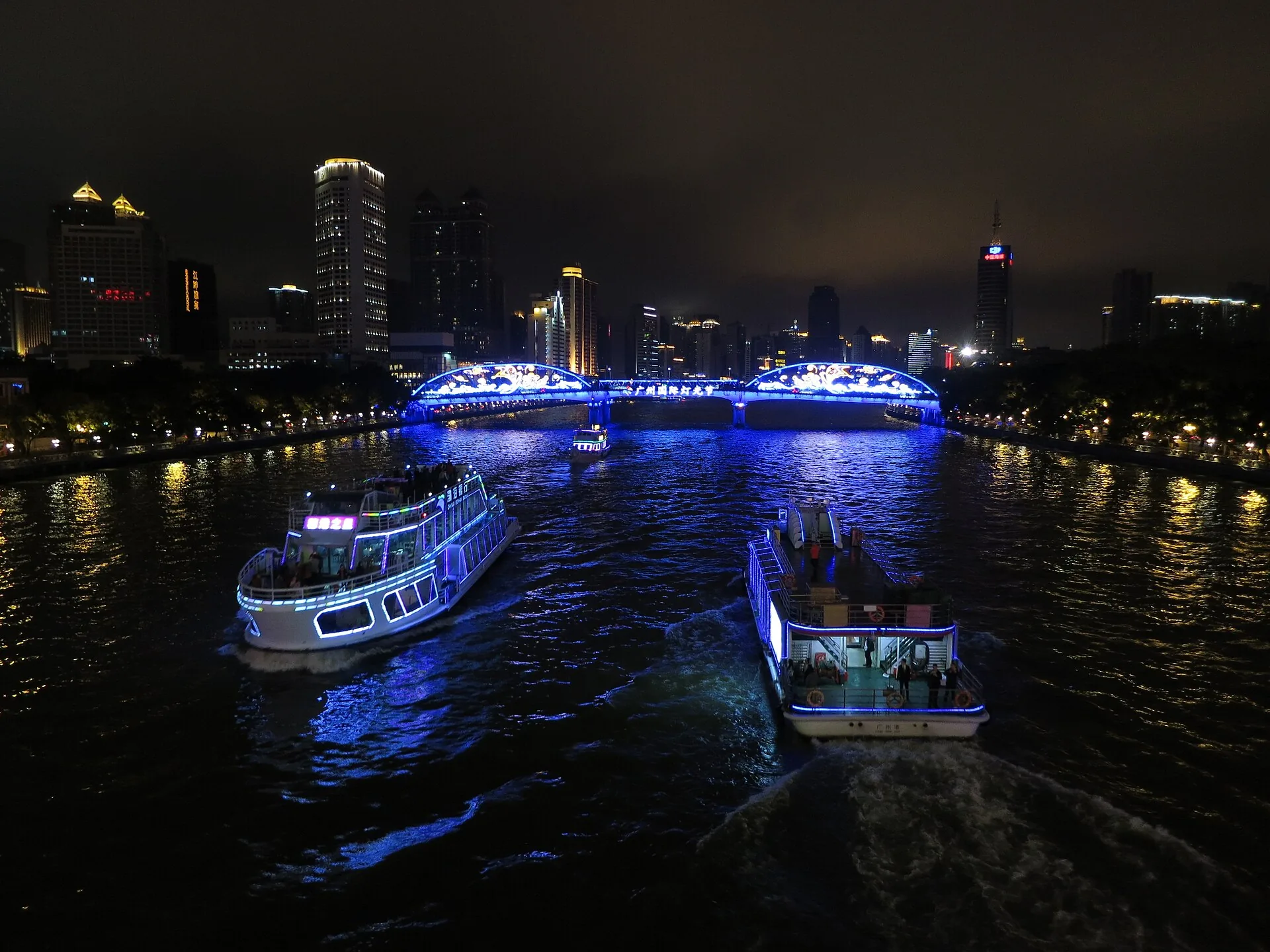
An hour-long evening cruise from the pier at the foot of Canton Tower, easy to combine with a tower visit, for CNY 138.
A ten-hour guided day with CHINA Vistas covering Yuexiu Park, the Chen Clan Ancestral Hall, Shamian and a night cruise, from US$195; the included dim sum lunch is not halal.
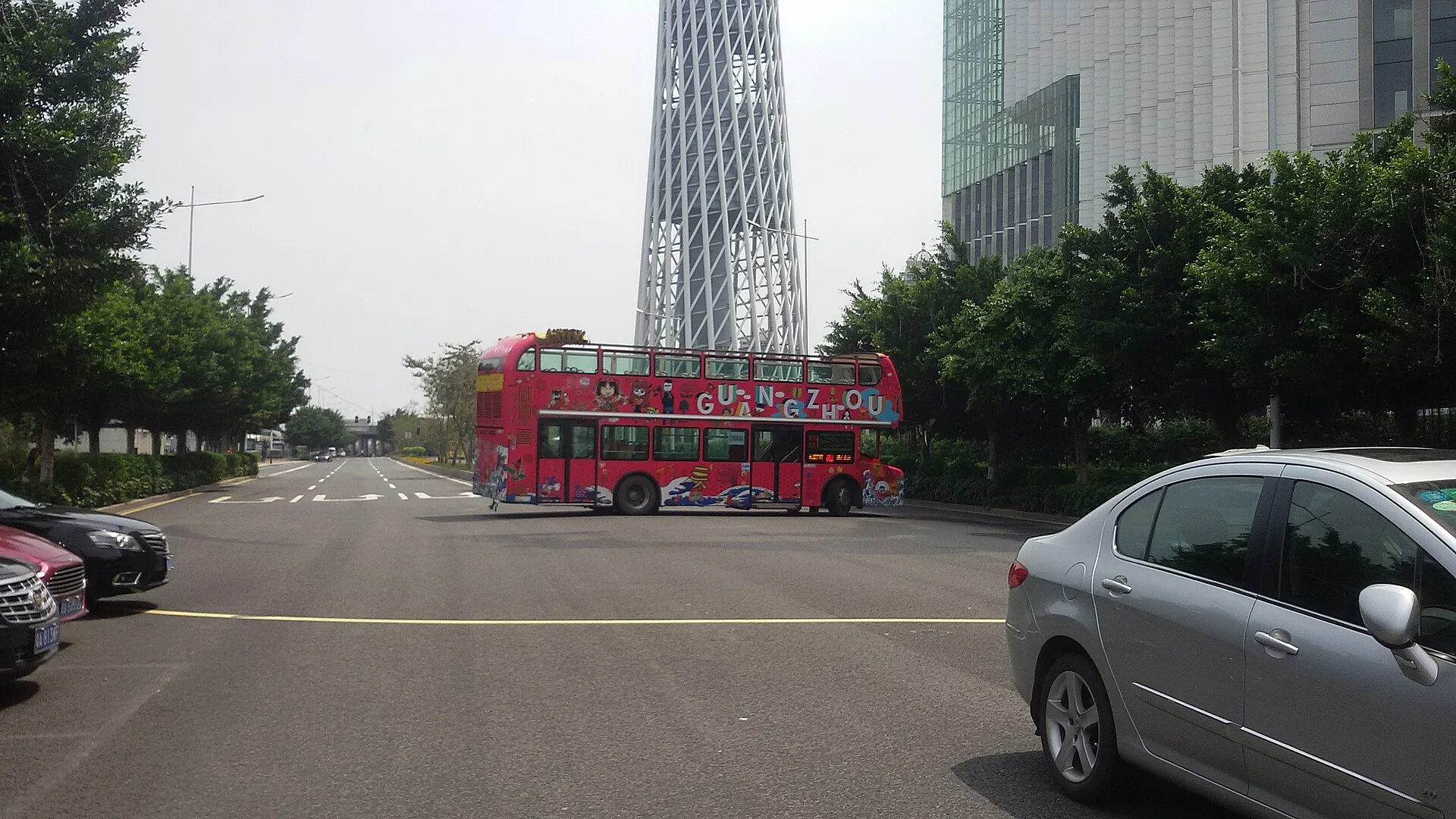
A 24-hour hop-on hop-off ticket on three routes through Xiguan, the old city and the new central axis, for CNY 50, with free rides for small children.
A private day from Guangzhou to Foshan’s Ancestral Temple, a lion dance show and the water villages of Shunde, from US$245 per person.
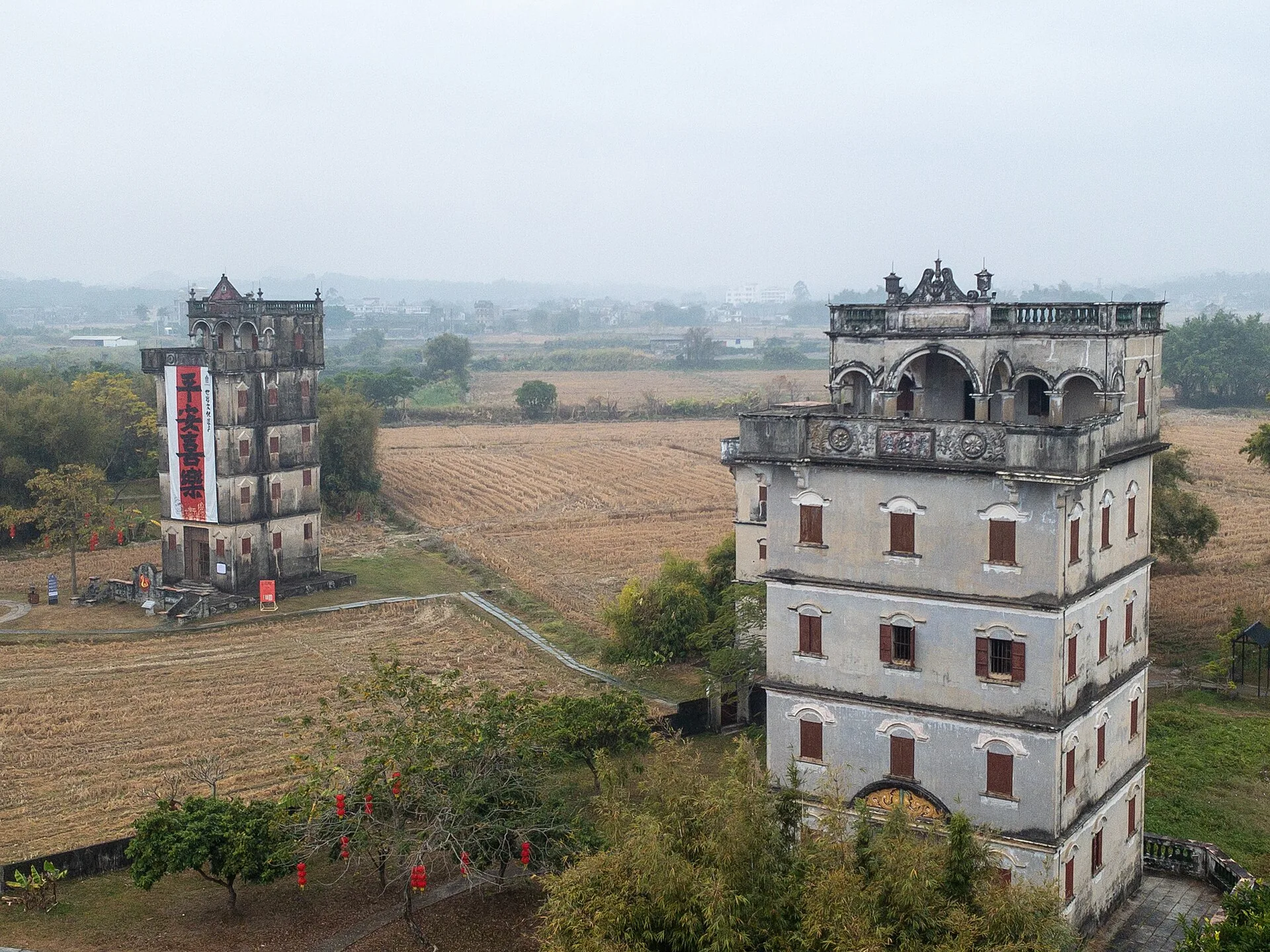
A guided day from Guangzhou to the UNESCO-listed watchtower villages of Kaiping, with admissions and transport included; the lunch is not halal by default.
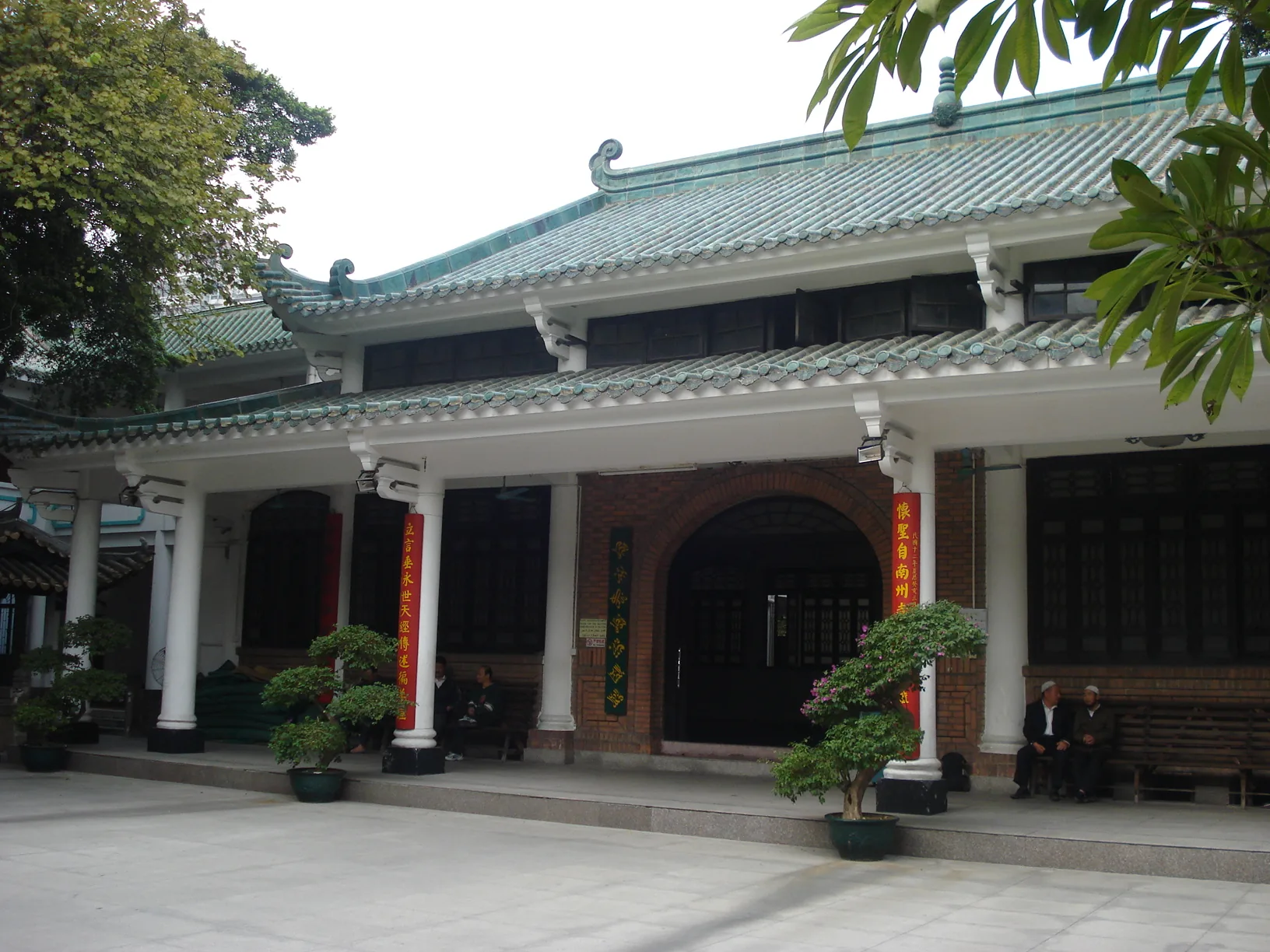
One of the oldest mosques in the world, founded by tradition in the Tang dynasty, with its smooth 36.3-metre Guangta minaret in the heart of old Guangzhou.
The largest mosque in Guangdong, beside the Tomb of Sa‘d by Lanpu Garden, where about 9,000 worshippers gather for Jumu’ah.
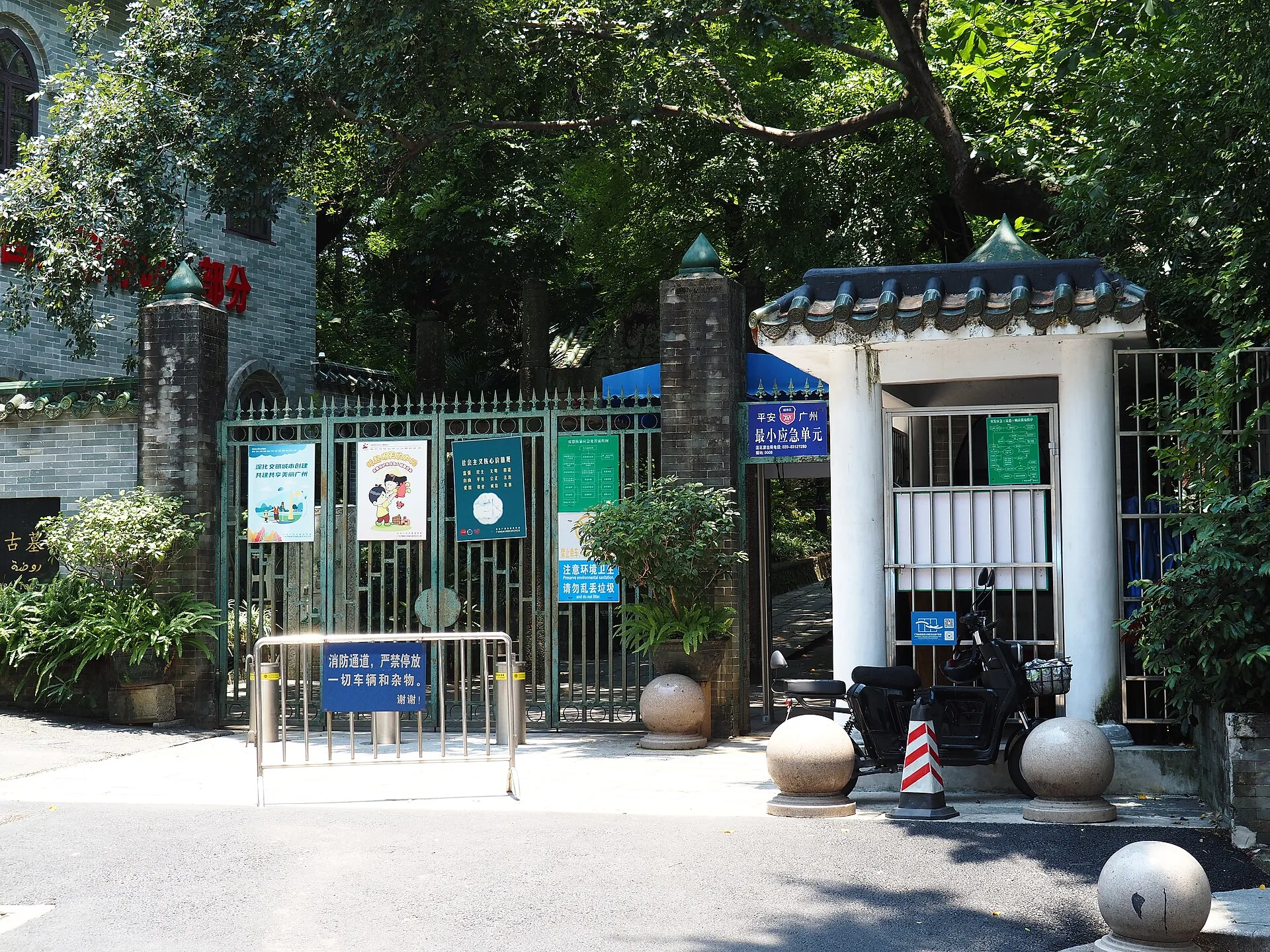
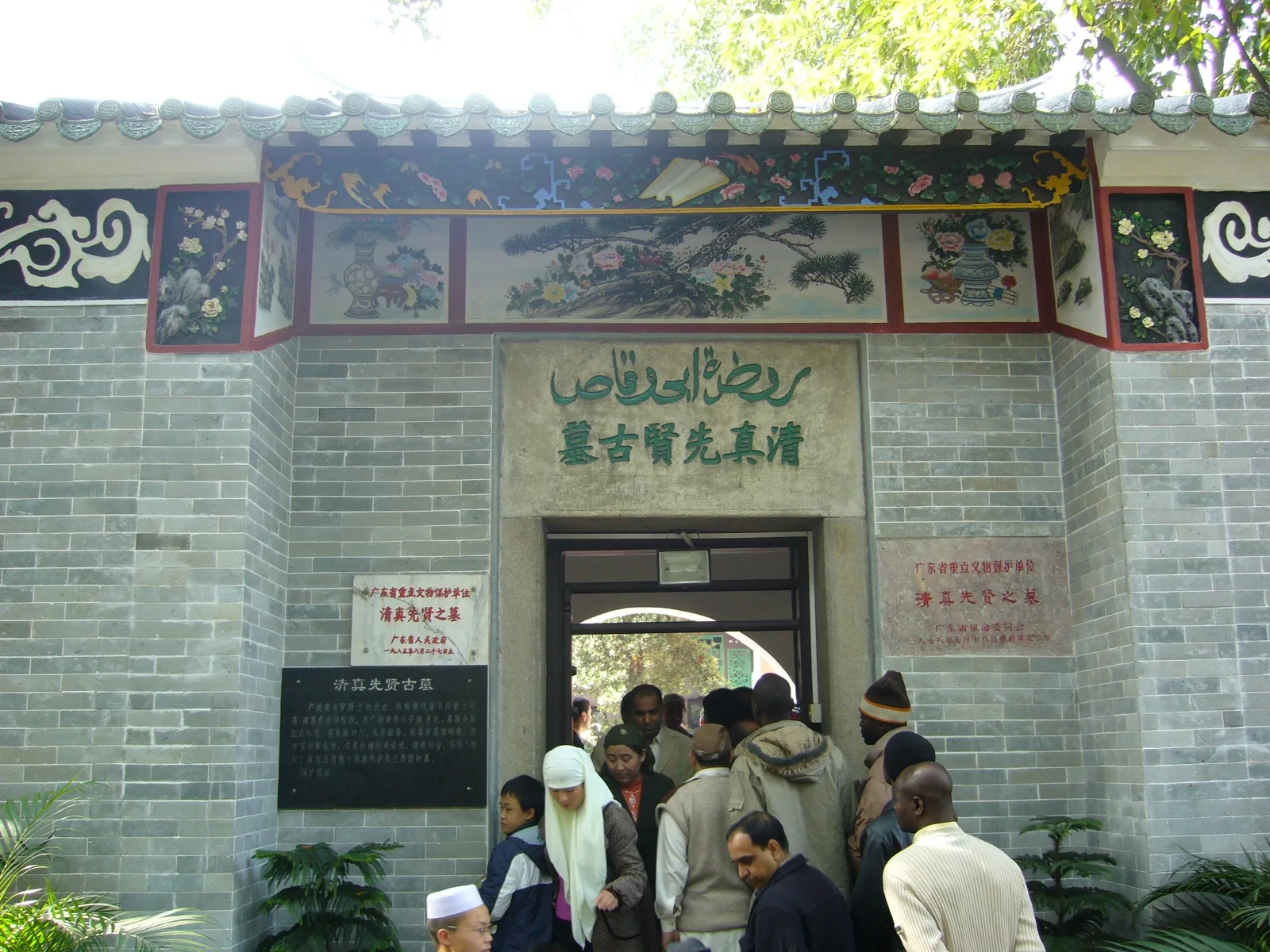
The Xianxian Ancient Tomb, traditionally held to be the resting place of the Companion Sa‘d ibn Abi Waqqas, a national heritage site visited by Muslims from around the world.
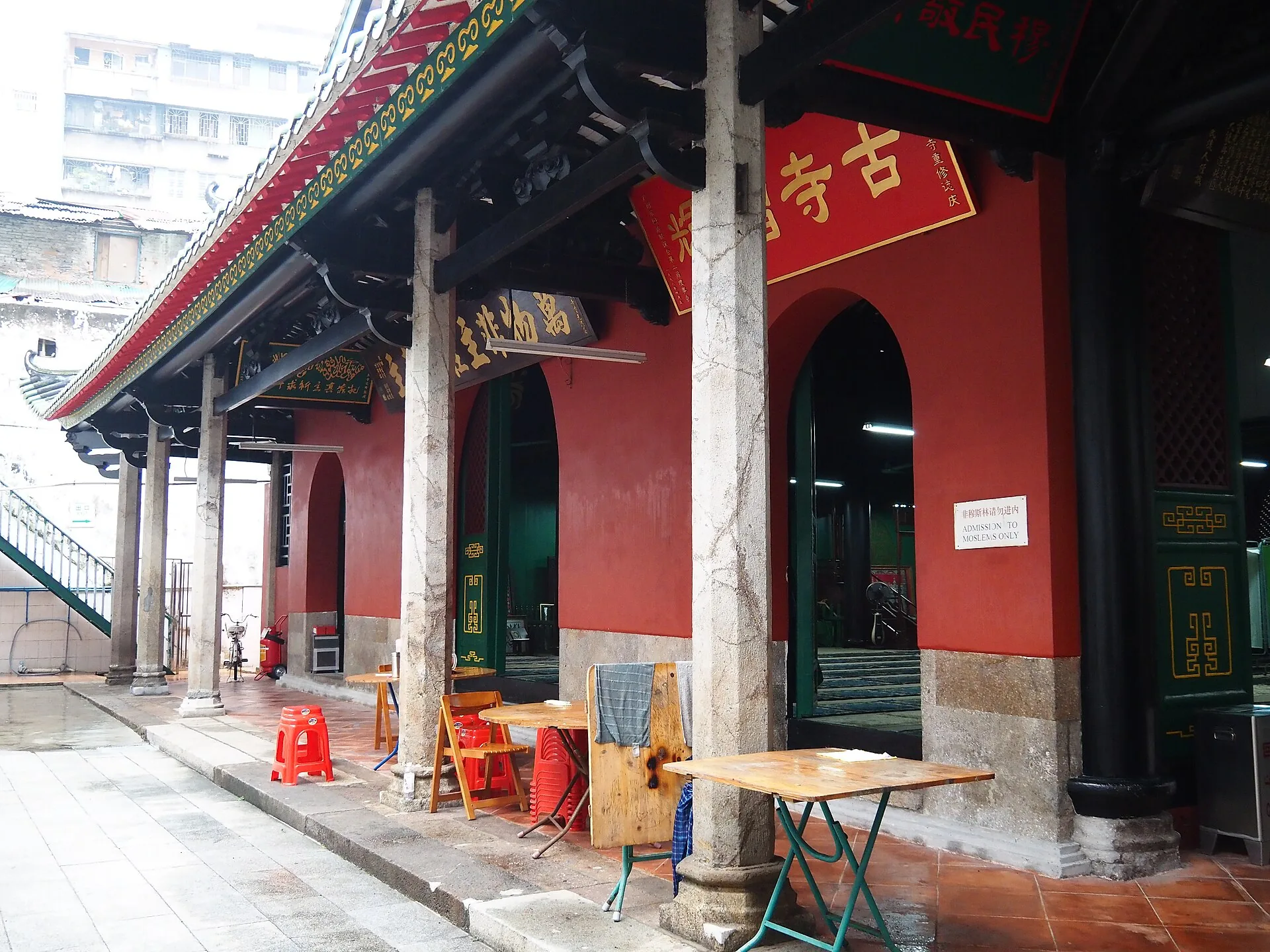
A Ming-dynasty mosque on Haopan Street, over 500 years old, close to the Yide Road wholesale streets.
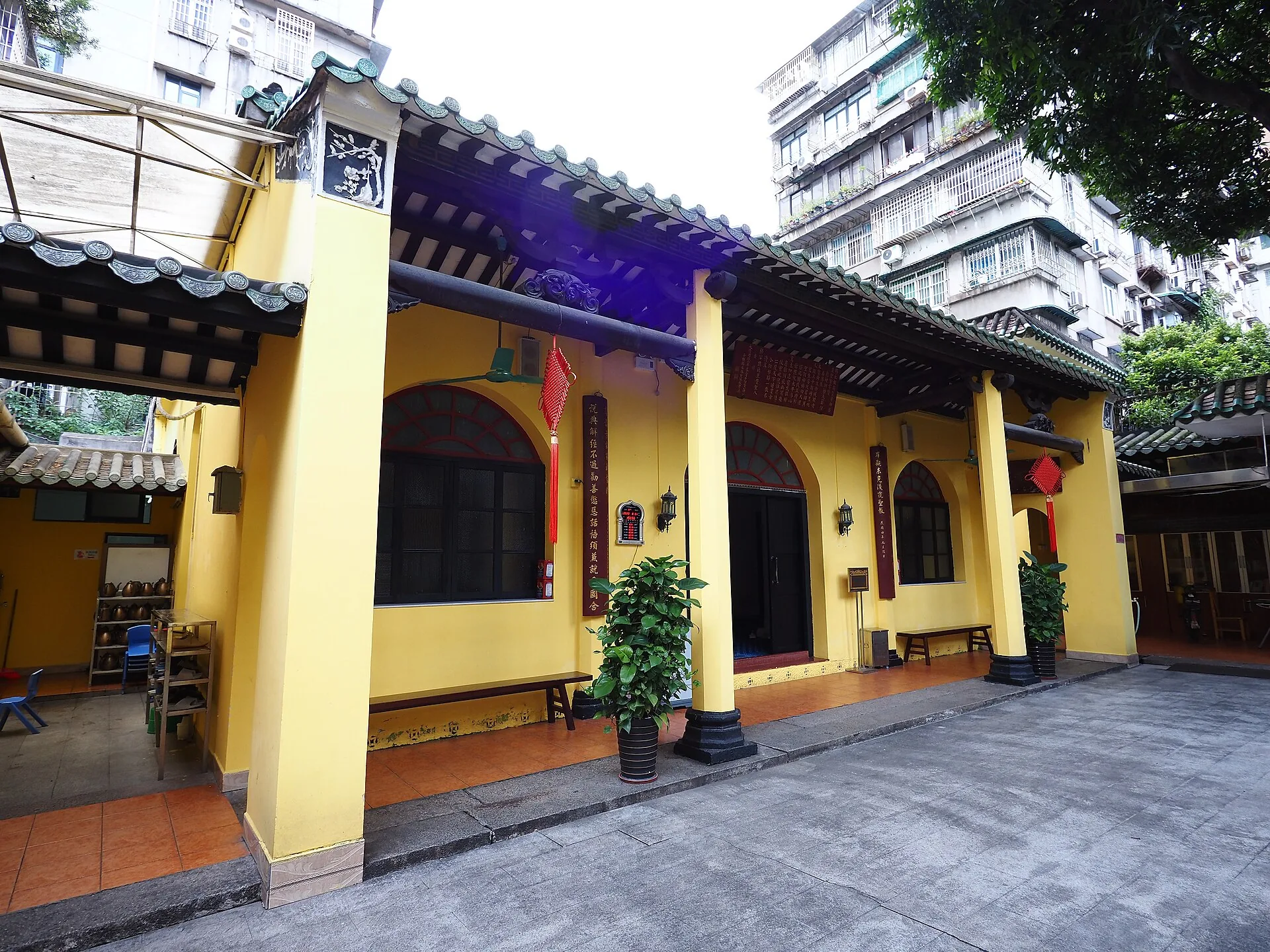
A small Ming-dynasty mosque in a lane off Yuehua Road, more than 500 years old, close to Beijing Road.
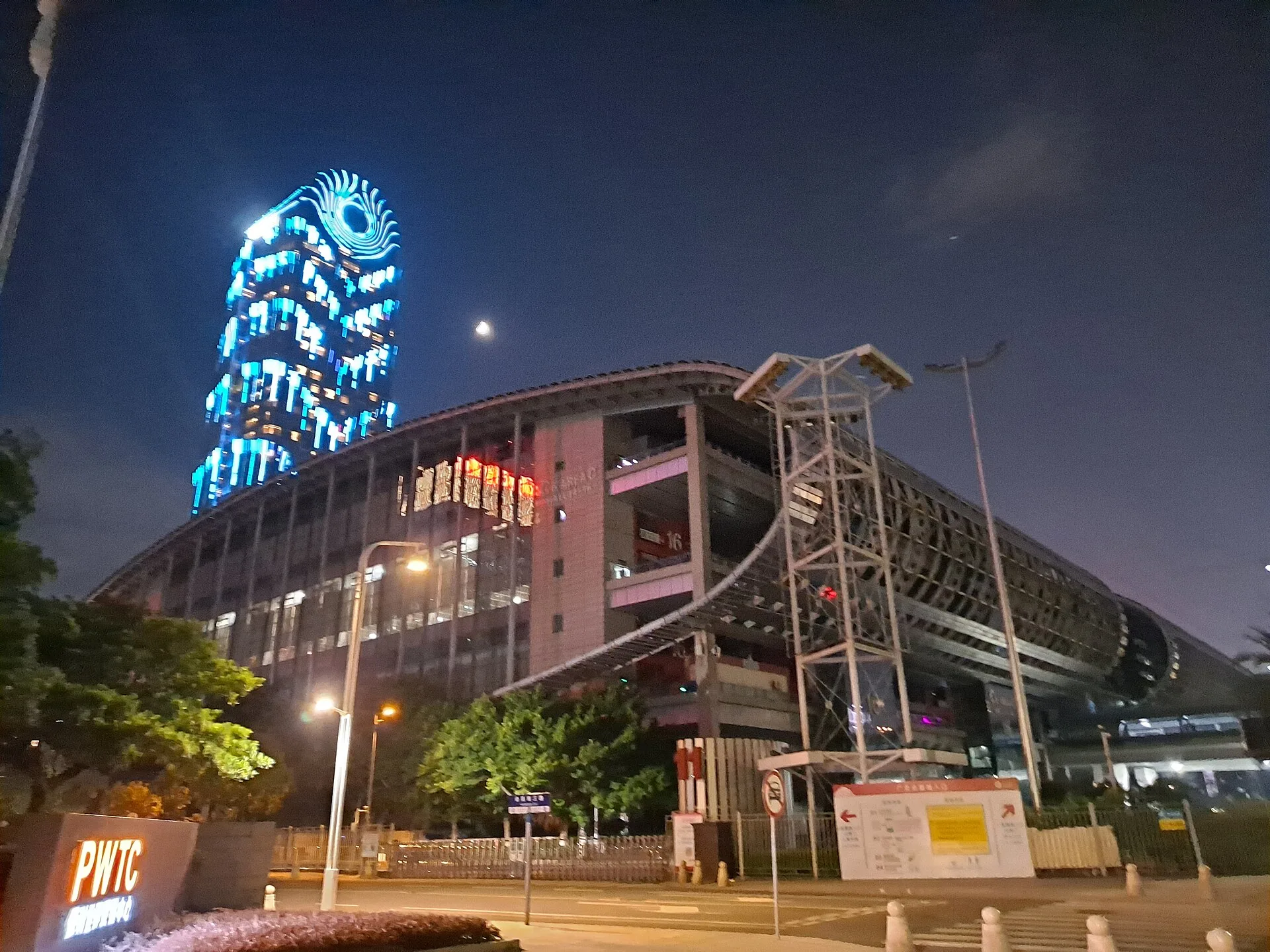
A temporary Muslim prayer room set up inside the Canton Fair Complex during fair phases, alongside halal fast food for exhibitors and buyers.
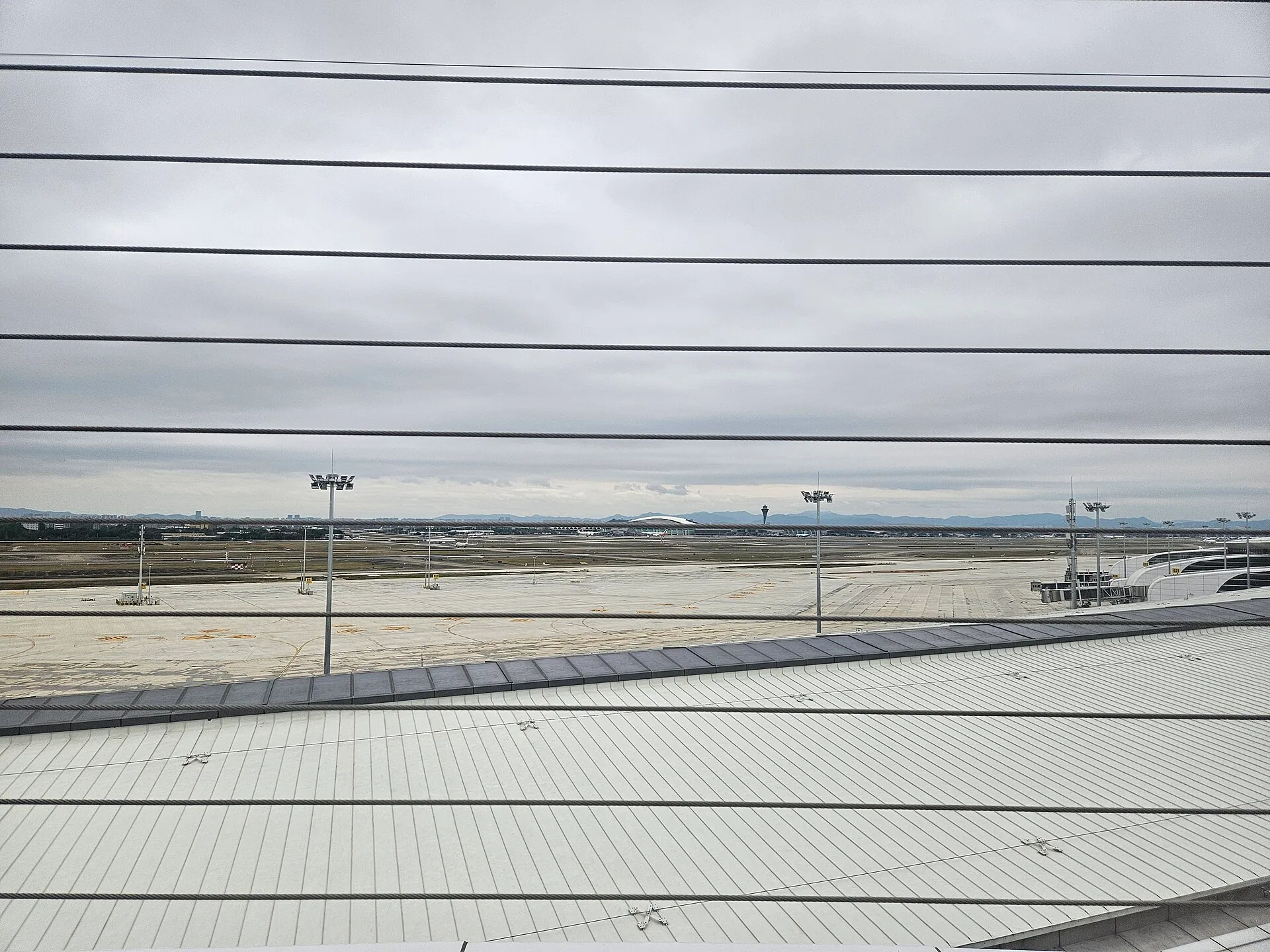
As of November 2026, Emirates flies daily between Dubai and Guangzhou (EK362 and EK363), and China Southern Airlines, which is based in Guangzhou, is scheduled to add Dubai flights from January 2027. Qatar Airways and China Southern connect Guangzhou with Doha.
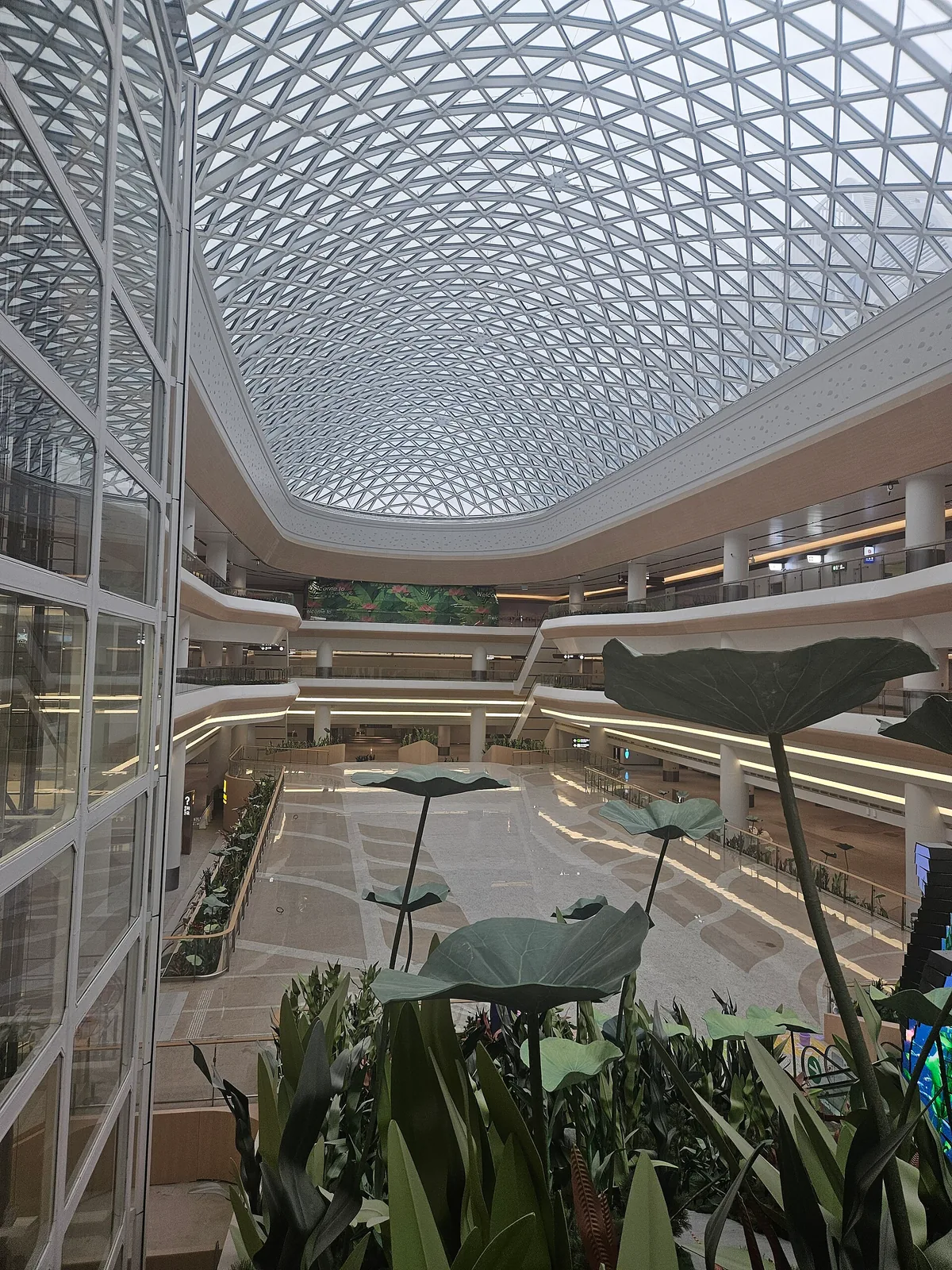
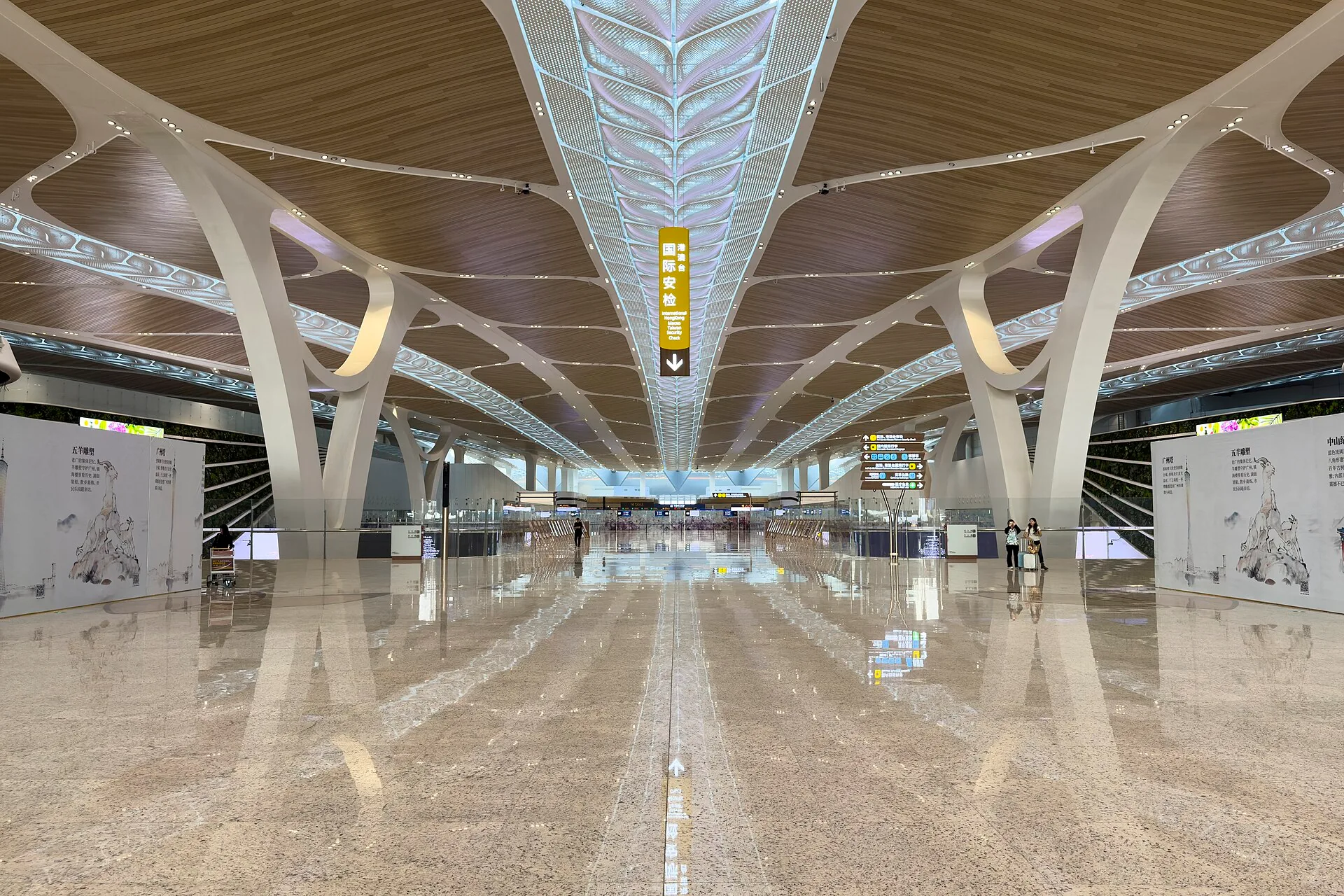
Guangzhou Baiyun International Airport lies about 30 km north of the city centre. As of November 2026, Terminal 1 has been closed since 7 May 2026 and flights use Terminals 2 and 3. A free shuttle bus links T2 and T3 around the clock, taking about 25 minutes, and the intercity train between the two terminal stations costs CNY 4.
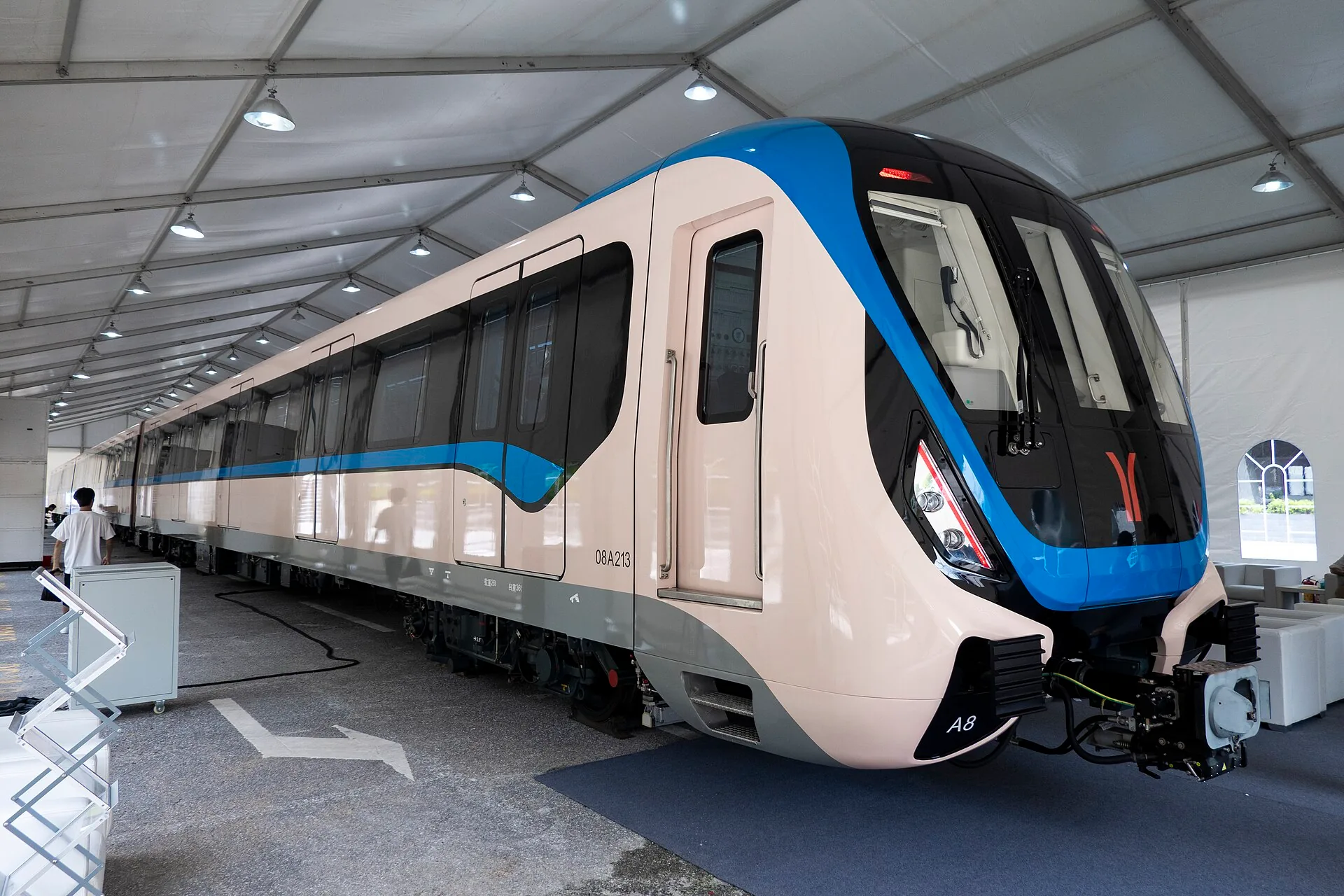
Guangzhou Metro has an extensive network with signs and announcements in Chinese and English. Fares are distance-based, from CNY 2 for the first 4 km up to a maximum of CNY 20, and the APM line under the central axis costs CNY 2. Station security checks bags at every entrance.
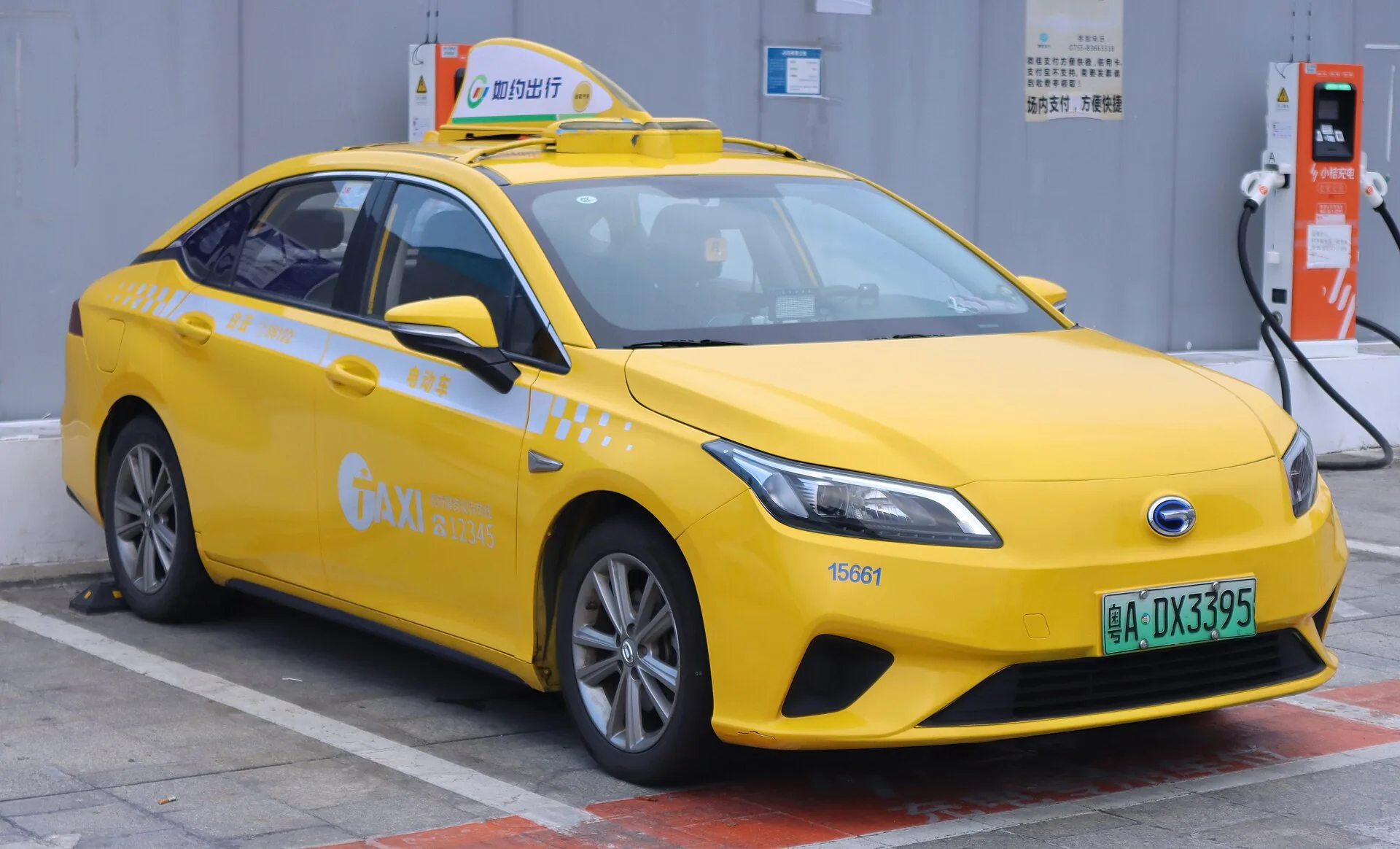
DiDi is China’s main ride-hailing app. It has an English interface, translates chat messages with the driver and accepts payment through a linked international card, Alipay or WeChat Pay. You can also order DiDi rides inside the Alipay app. Choose the pick-up point carefully at big malls and stations, where drivers wait at marked bays.
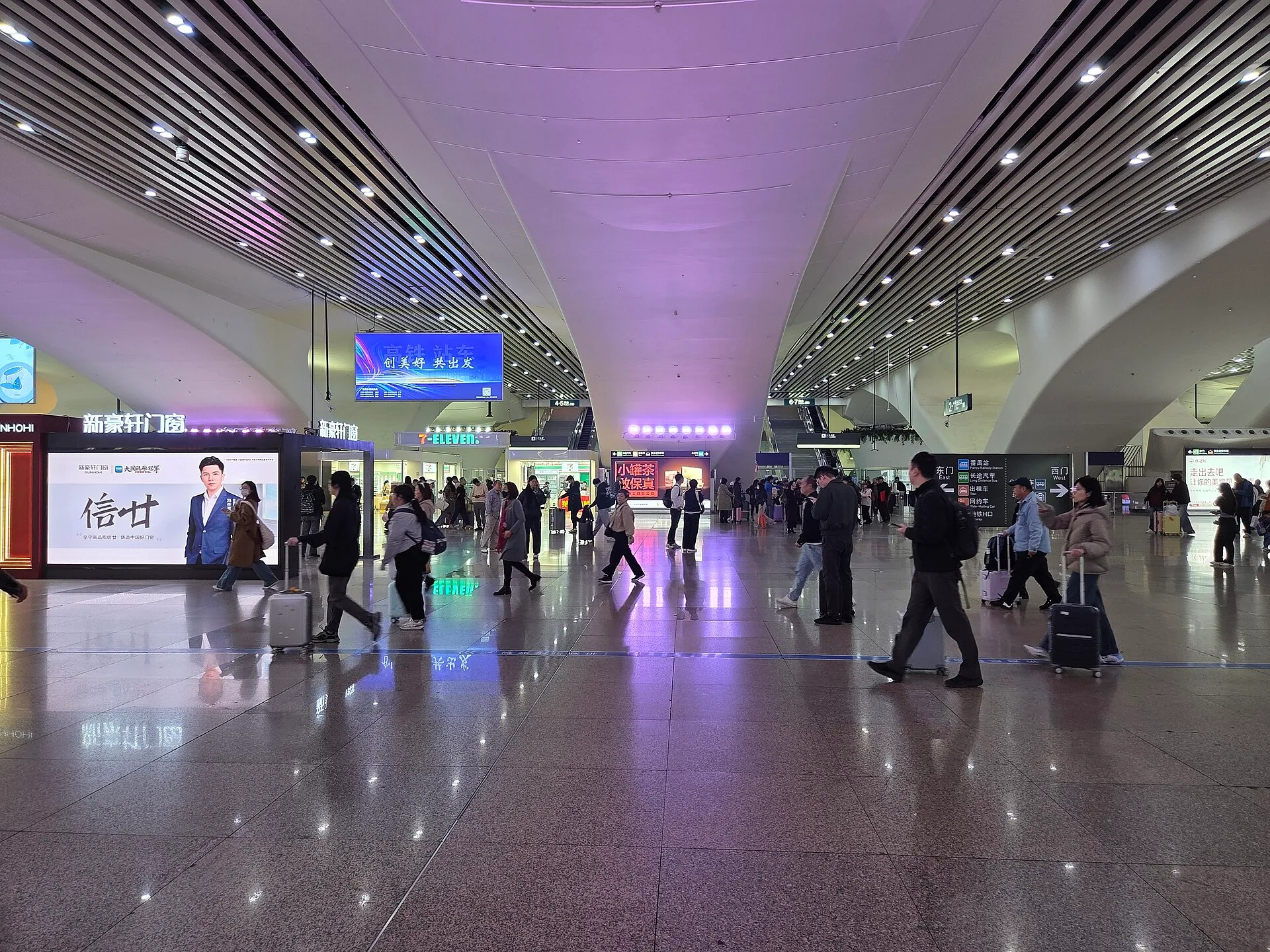
China’s high-speed trains make Guangzhou an excellent base. From Guangzhou South station, the fastest trains reach Hong Kong West Kowloon in 47 minutes, with second-class fares of about CNY 215 as of November 2026 and departures between about 06:32 and 21:28. Remember that Hong Kong has its own entry rules, so check them for your passport before you go.
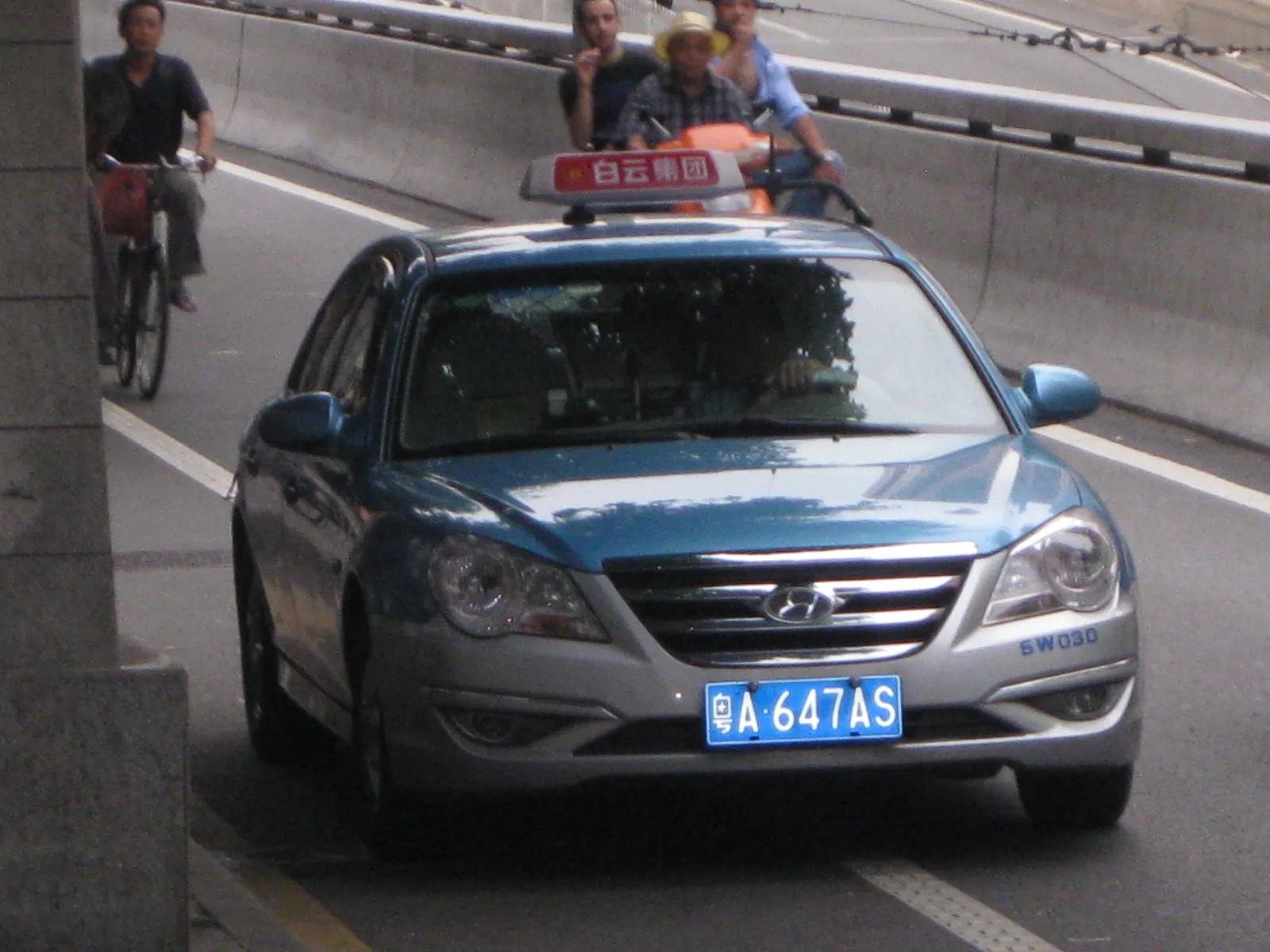
Mainland China does not recognise international driving permits, and driving yourself requires a Chinese driving licence or a temporary permit, which involves paperwork and is rarely worth it for a short stay. City traffic is dense, and signs are mostly in Chinese.
UAE and Qatari citizens benefit from mutual visa exemption agreements with China. Holders of ordinary UAE and Qatari passports can enter visa-free and stay up to 30 days per visit for tourism, business, family visits or transit. The exemption does not cover work, study, journalism or other activities that need prior approval, and stays longer than 30 days need a visa.
For most Gulf visitors, October, November and December are the best months. Days are warm, around 21 to 29°C, the air is drier and rainfall is low, and October has more sunshine than any other month. The autumn Canton Fair falls in October and early November, so hotels are busier then.
The table shows long-term monthly averages for Guangzhou: daytime highs and night-time lows, rainfall, days with at least 1 mm of rain, and total sunshine hours in the month. The wettest months are May and June, when more than 300 mm of rain falls on average, and July is the hottest, with an average high of 33.3°C. Humidity is high from spring to early autumn, so it feels hotter than the figures suggest.
The currency is the Chinese yuan (CNY), also called renminbi. In Guangzhou almost everyone pays by scanning a QR code with Alipay or WeChat Pay, from metro kiosks to street stalls. As of November 2026, both apps let overseas visitors link a foreign Visa, Mastercard, American Express, JCB, Discover or Diners Club card, with a limit of US$5,000 per transaction and US$50,000 a year. Download the app at home, register with your passport and link your card before you travel, and make a small test payment on arrival.
On Chinese mobile networks and Wi-Fi, Google services, YouTube, Facebook, Instagram and WhatsApp are not directly accessible. Roaming on your Gulf SIM, or an international eSIM bought before travel, routes data outside China, and these apps usually keep working; check the price of your roaming package first.
Guangzhou is the home of Cantonese, but Mandarin is understood almost everywhere, and signs in the metro and at major sights are also in English. English is spoken in international hotels and by some staff at big malls and sights, but rarely in taxis, markets or small restaurants. In the Xiaobei and Baohan Street area, many shopkeepers and restaurant staff deal with Arab customers every day.
Electricity is 220 volts at 50 Hz. Sockets usually take flat two-pin (type A), round two-pin (type C) and angled three-pin (type I) plugs, so Gulf three-pin UK-style plugs need an adapter. Most hotels can lend one.
Modest Gulf dress, abayas and headscarves are a familiar sight in Guangzhou, especially around Xiaobei and the Canton Fair, and you can dress as you would at home. From April to October choose light, loose cotton or linen, a hat and sunscreen, because the heat and humidity are intense. Indoor air-conditioning is strong, so carry a light layer.
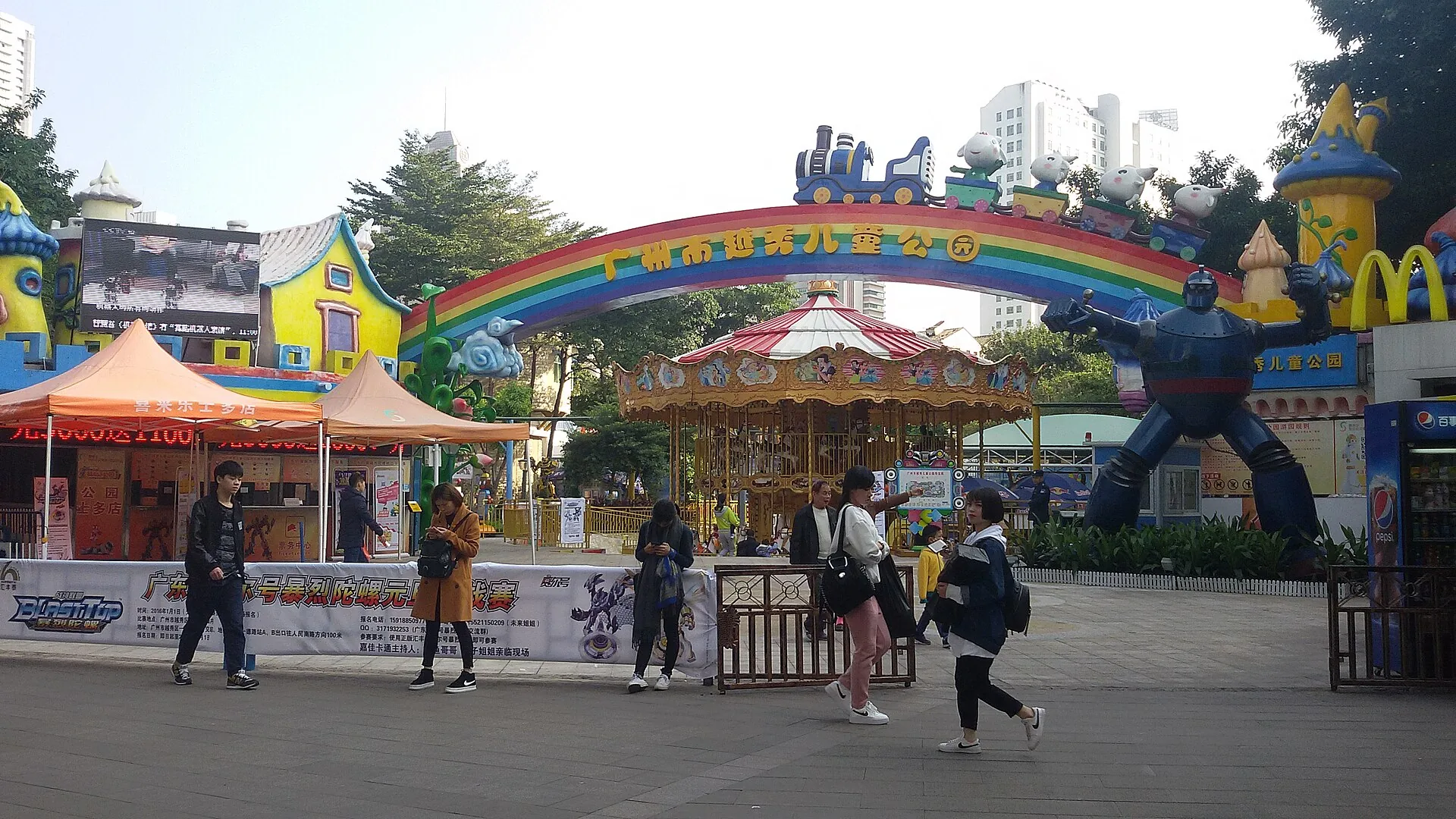
The city works well for families. The metro has lifts at many exits, malls have clean toilets, baby rooms and play areas, and the big family sights, from Chimelong Safari Park to the Grandview aquarium and Guangdong Science Center, are well organised. Children’s tickets are usually based on height rather than age, with common thresholds of 1.2 and 1.4 metres, so carry passports for everyone.
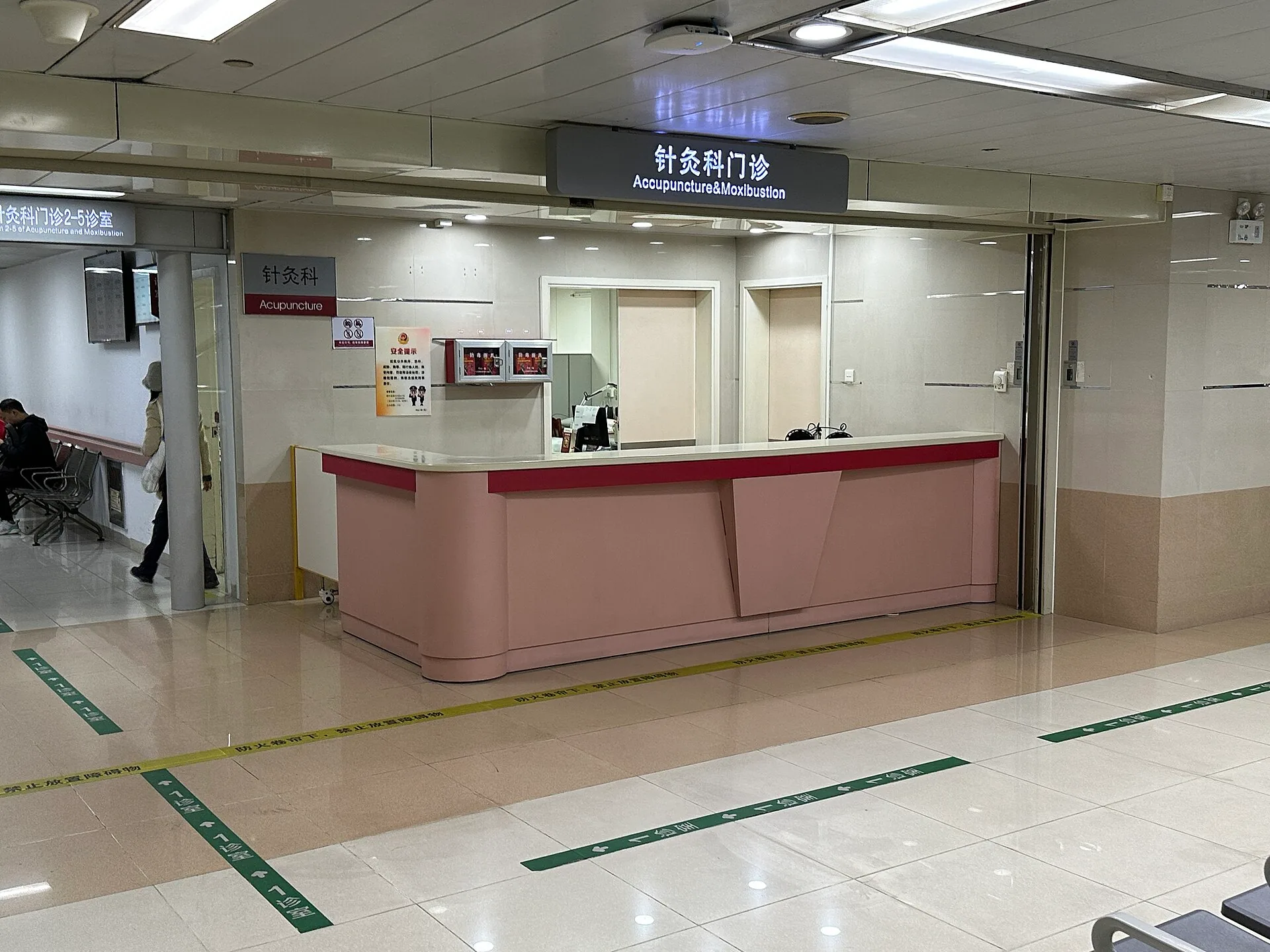
| Service | Number | |---|---| | Police | 110 | | Ambulance | 120 | | Fire | 119 | | Traffic accident | 122 | | Guangzhou foreign-language hotline, 24 hours | 960169 | | Guangzhou city service hotline | 12345 |
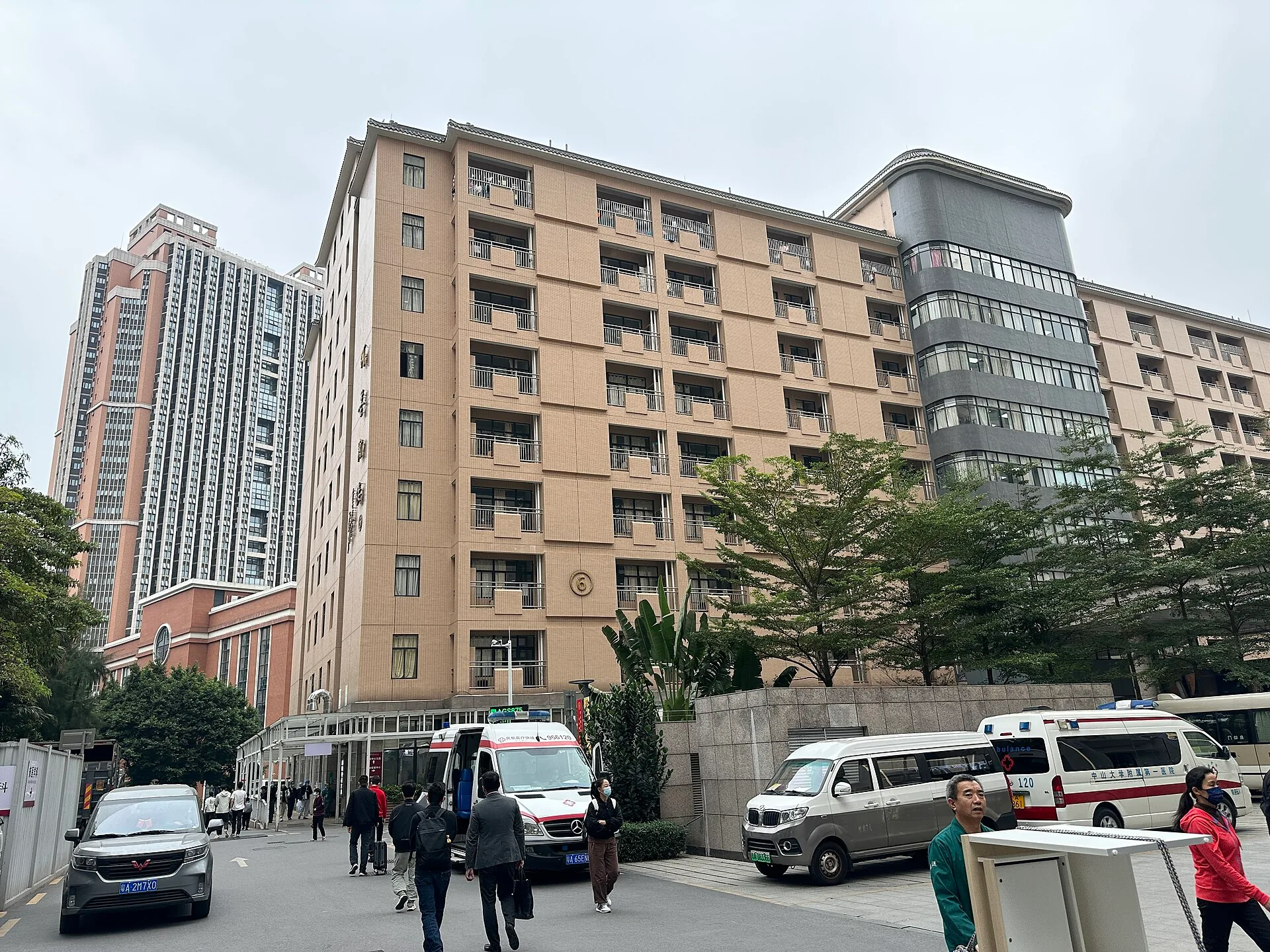
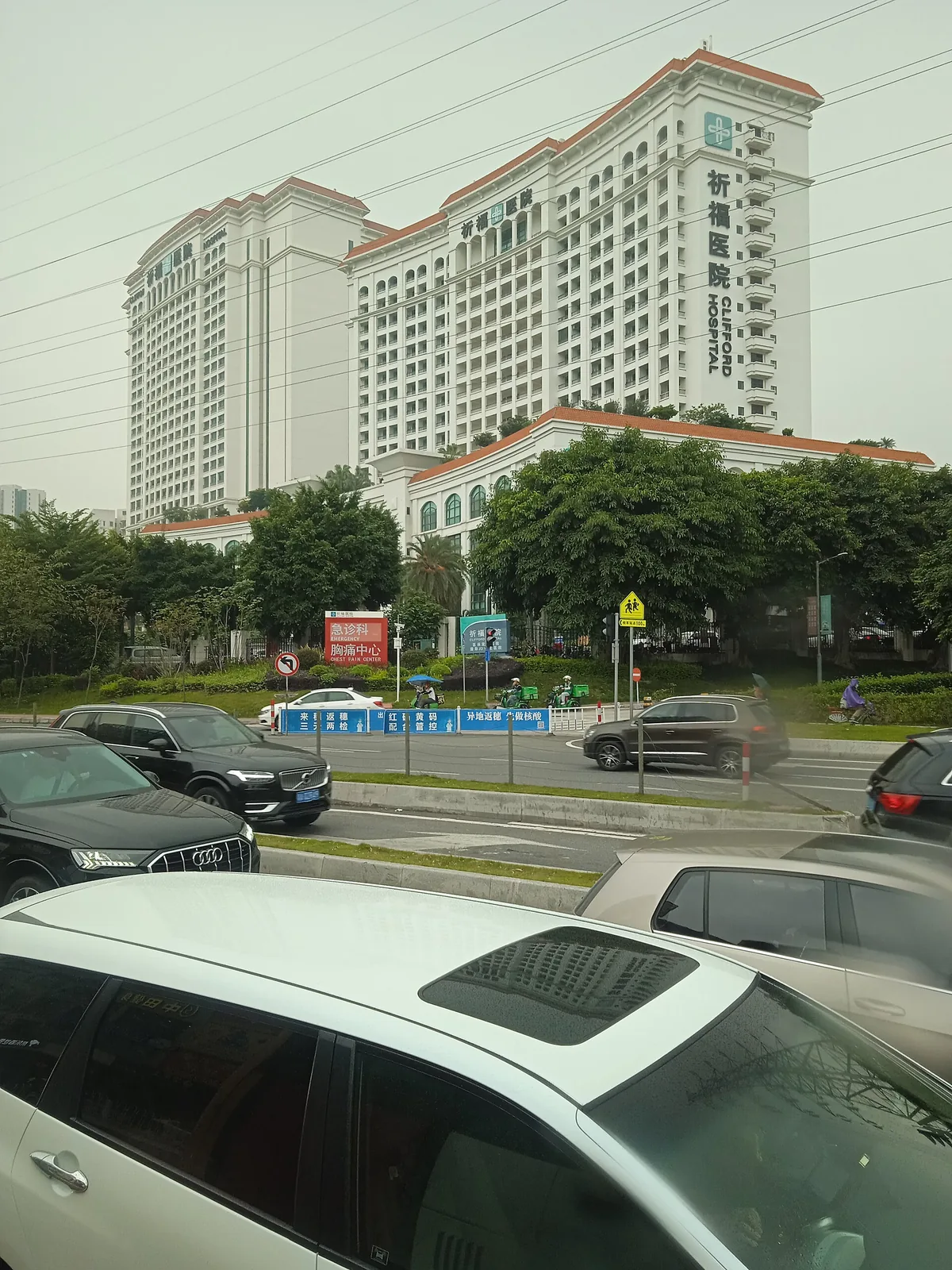
Guangdong Provincial People’s Hospital, at 106 Zhongshan 2nd Road in Yuexiu, is one of the province’s largest hospitals, with a 24-hour emergency department; call +86 20 8382 7812. Nearby, the First Affiliated Hospital of Sun Yat-sen University, at 58 Zhongshan 2nd Road, has an international medical centre on +86 20 8733 2200 extension 8225.
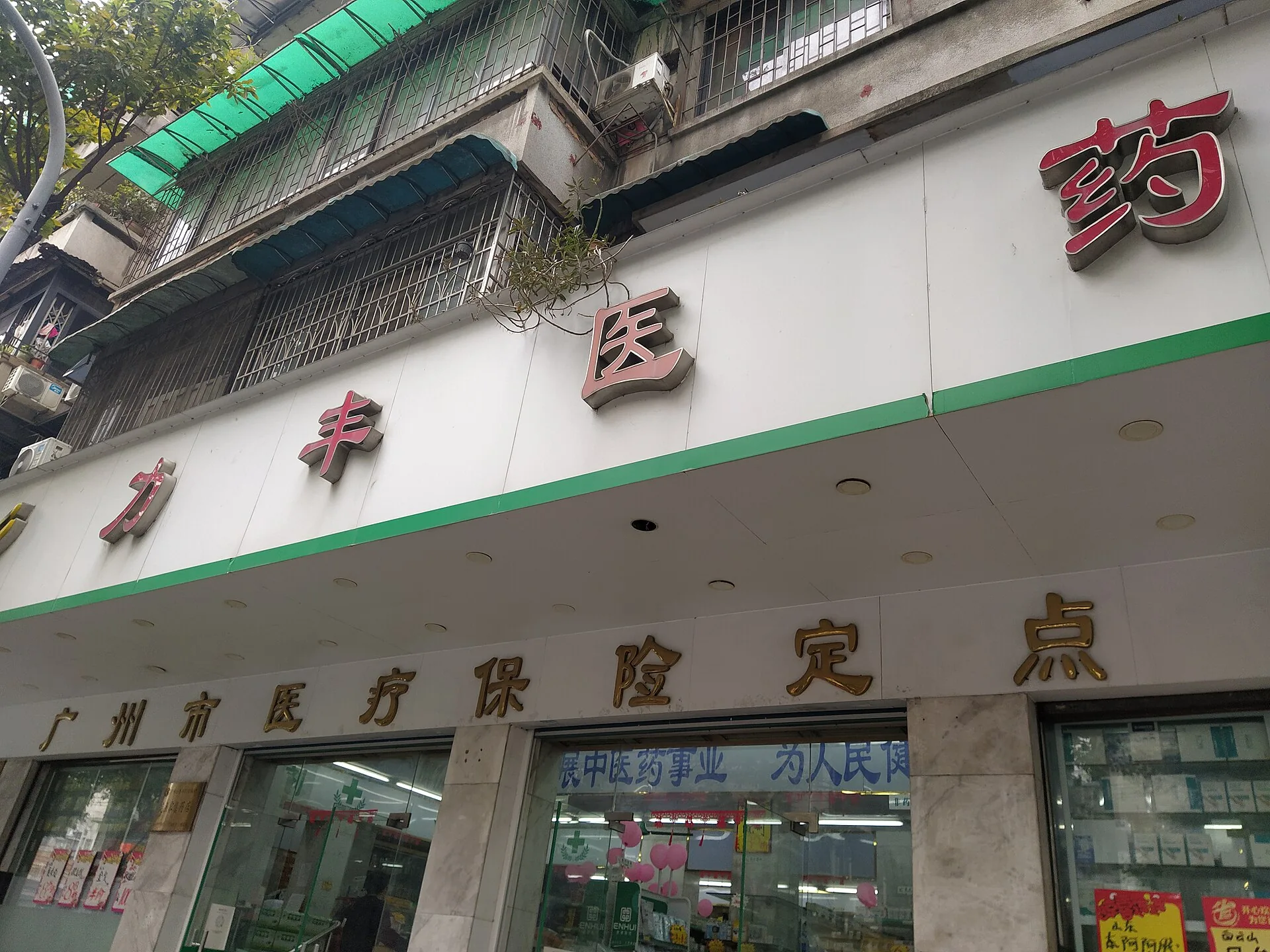
Pharmacies, marked 药房 (yàofáng) or 药店 (yàodiàn), are found on almost every main street and in many malls and metro stations, and they sell both Western and traditional Chinese medicines. Staff rarely speak English, so show the generic name of the medicine or a photo of the box, and use a translation app.
Violent crime against visitors is rare in Guangzhou, and the city centre is busy and well lit late into the evening. Petty theft is the main concern: keep your phone and wallet secure in crowded places such as Beijing Road, the railway stations, the metro at rush hour and the wholesale markets.
Your Gulf health insurance may not cover treatment in China, so buy travel insurance with medical and evacuation cover before you travel, and check that it covers any activities you plan, such as theme-park rides or day trips. If you travel during typhoon season, check whether the policy covers flight cancellations caused by weather.
Tap water in Guangzhou is not for drinking. Hotels provide bottled water or a kettle, and bottled water is sold everywhere.
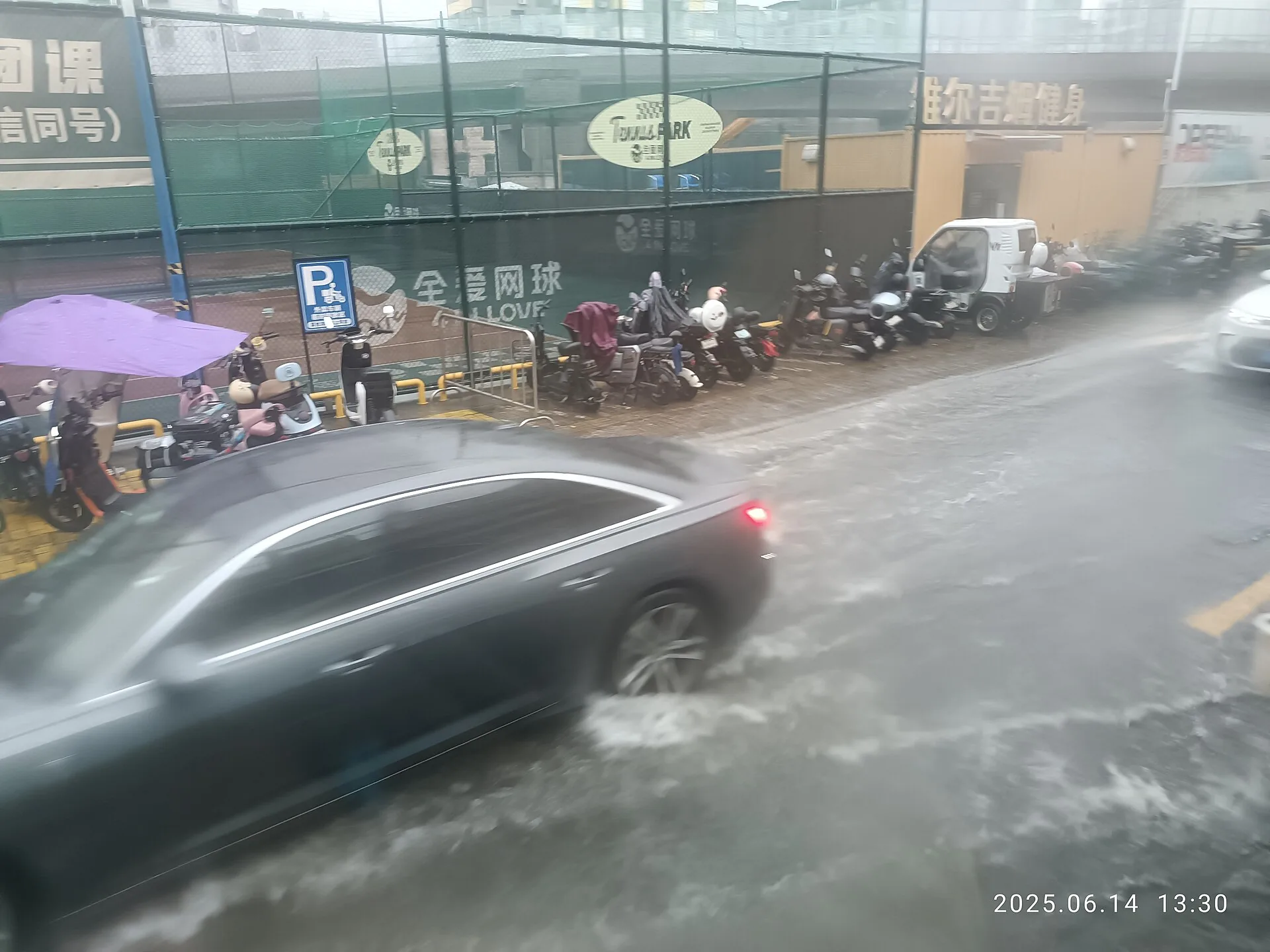
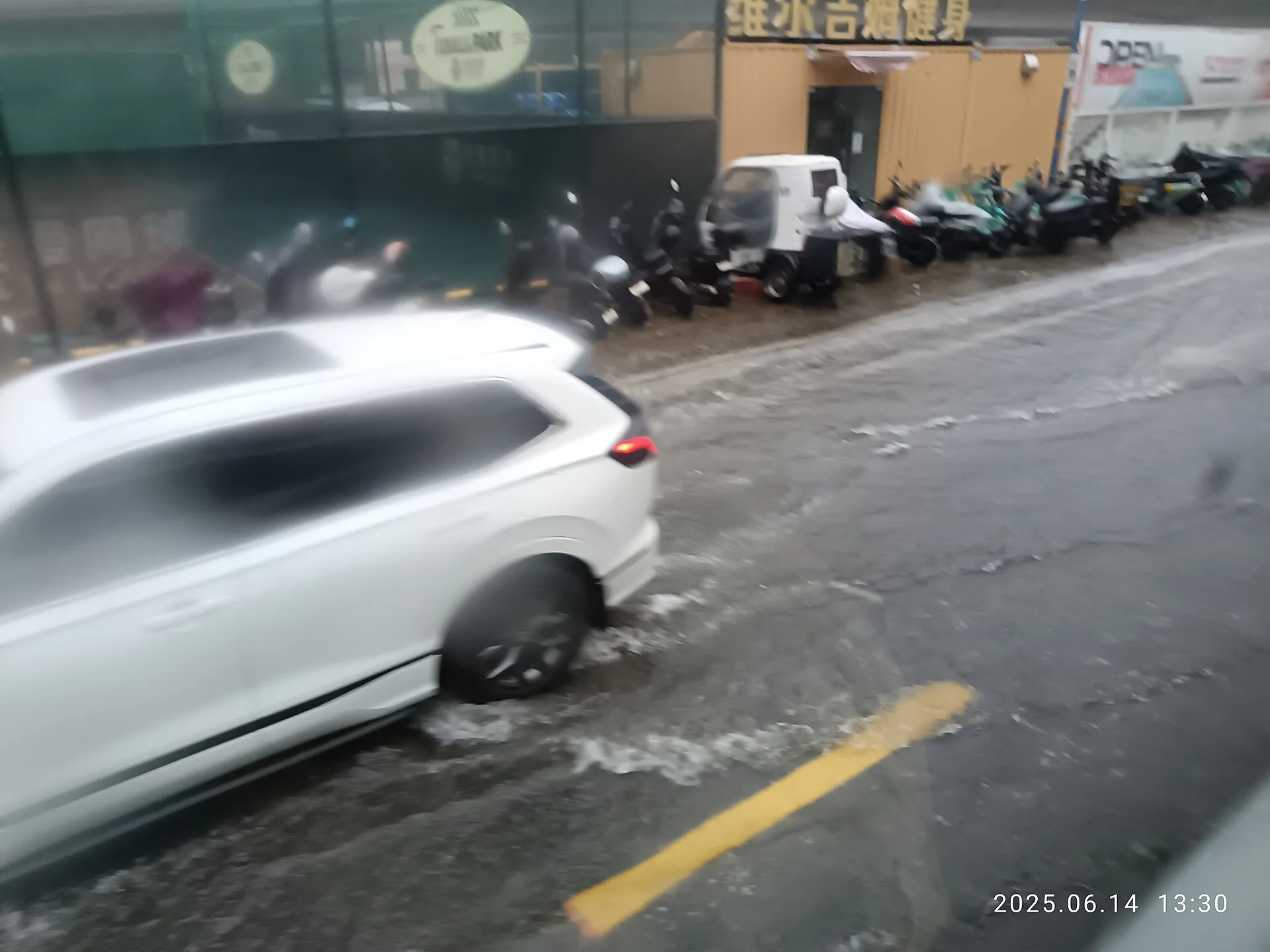
Typhoons can affect Guangzhou from about July to September, and heavy rainstorms are common from April onwards. China uses colour-coded warnings for both typhoons and rainstorms, in rising order blue, yellow, orange and red. Warnings appear on phone weather apps and on screens in the metro and malls.
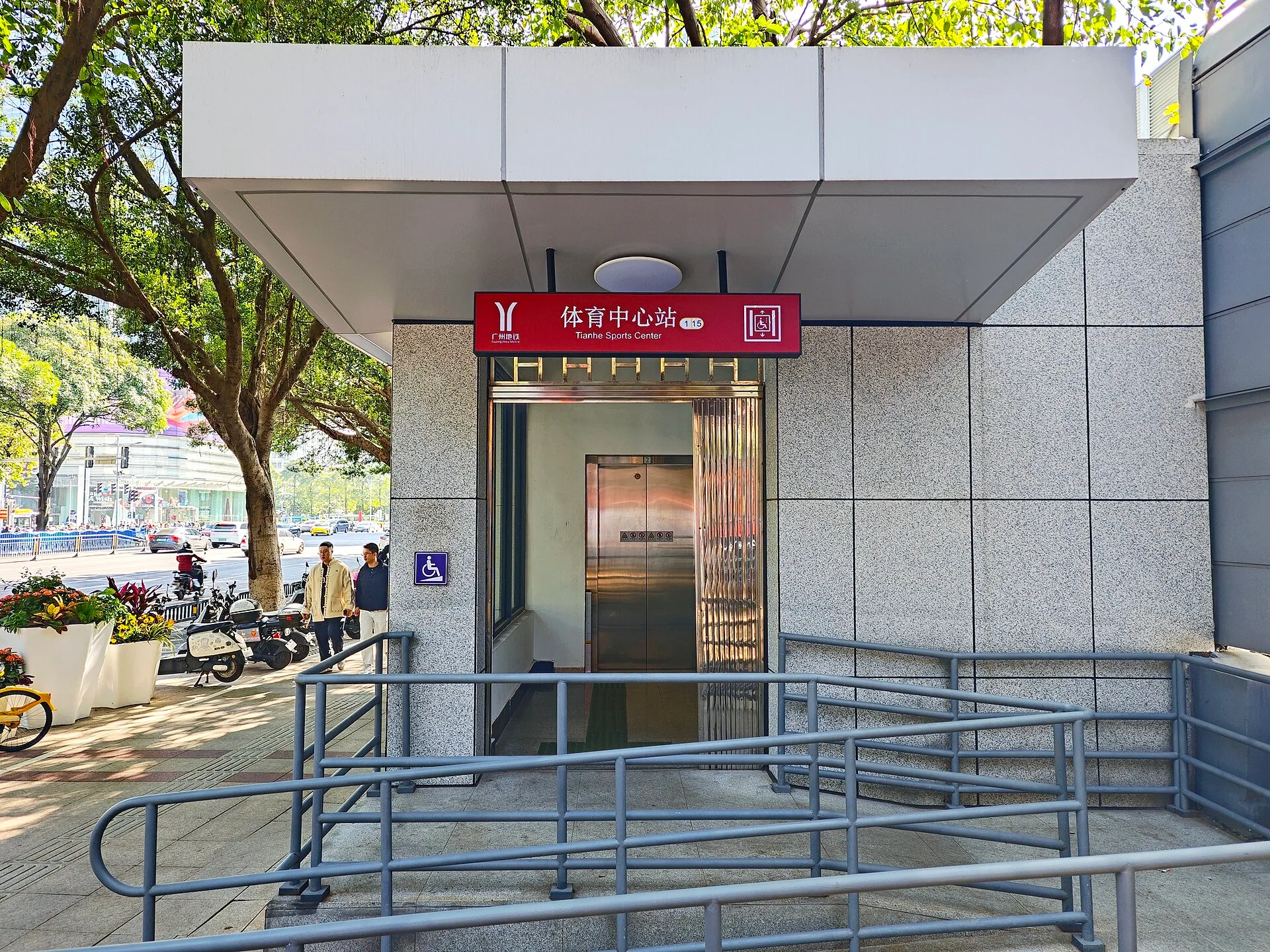
Guangzhou’s newer infrastructure is generally accessible. Many metro stations have lifts at some exits, marked on station maps, and staff can help with wheelchair access to platforms. Modern malls, museums such as Guangdong Museum, and major hotels have lifts, ramps and accessible toilets.