Jebel foothills
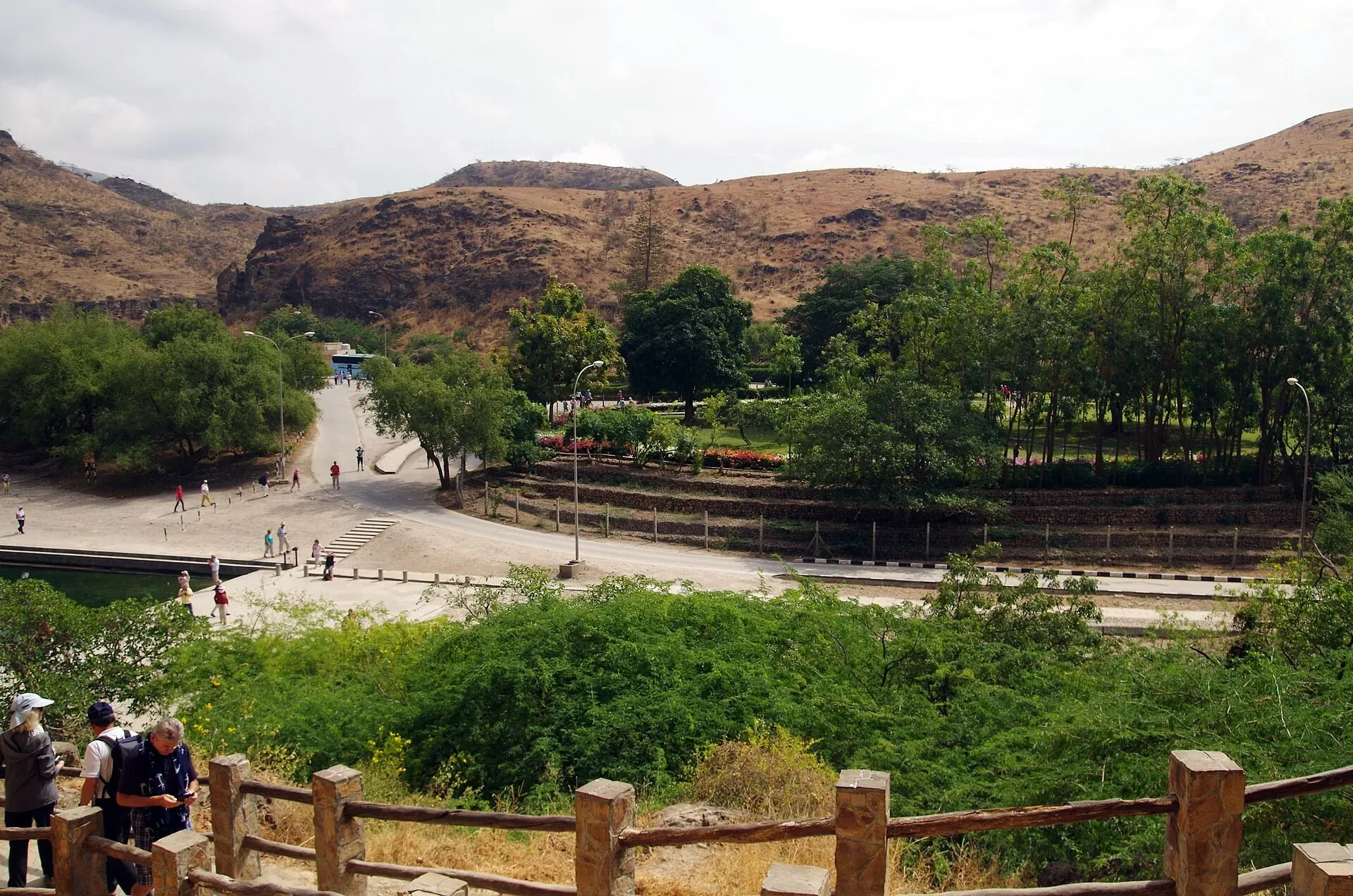
Ayn Razat
The city's favourite spring — clear pools, gardens and picnic lawns in the foothills.

Salalah is Arabia as Gulf families rarely see it: in summer the Khareef monsoon wraps Dhofar in mist, the hills turn green and waterfalls run, while the rest of the Peninsula swelters. The rest of the year it is a sunny city of coconut palms, banana gardens, frankincense souqs and white beaches. Add two UNESCO-listed frankincense ports, mountain viewpoints and warm Dhofari hospitality, and Salalah rewards both a long weekend and a full family week.
The city's favourite spring — clear pools, gardens and picnic lawns in the foothills.
Six kilometres of white sand under limestone cliffs, with a bird-rich lagoon behind.
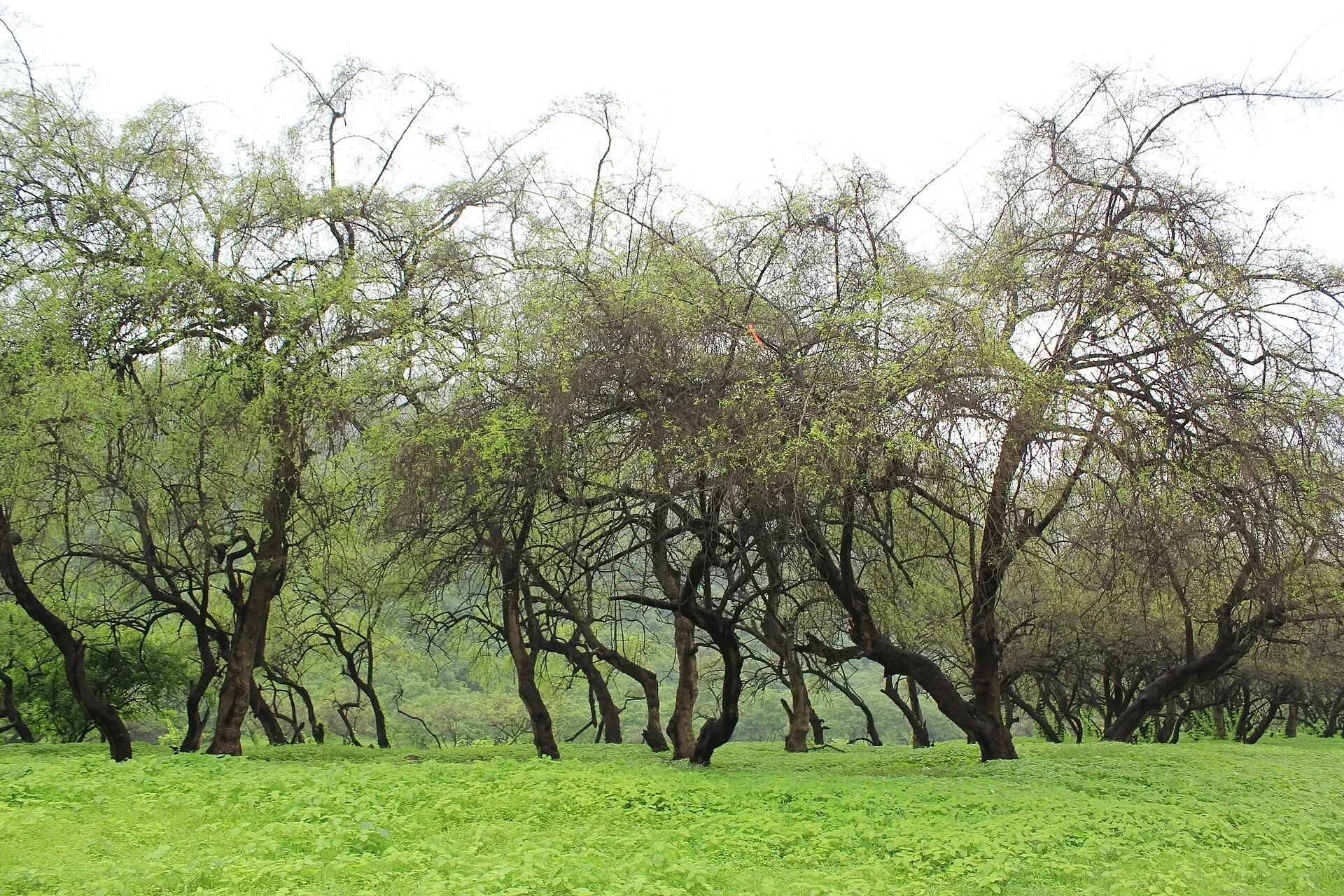
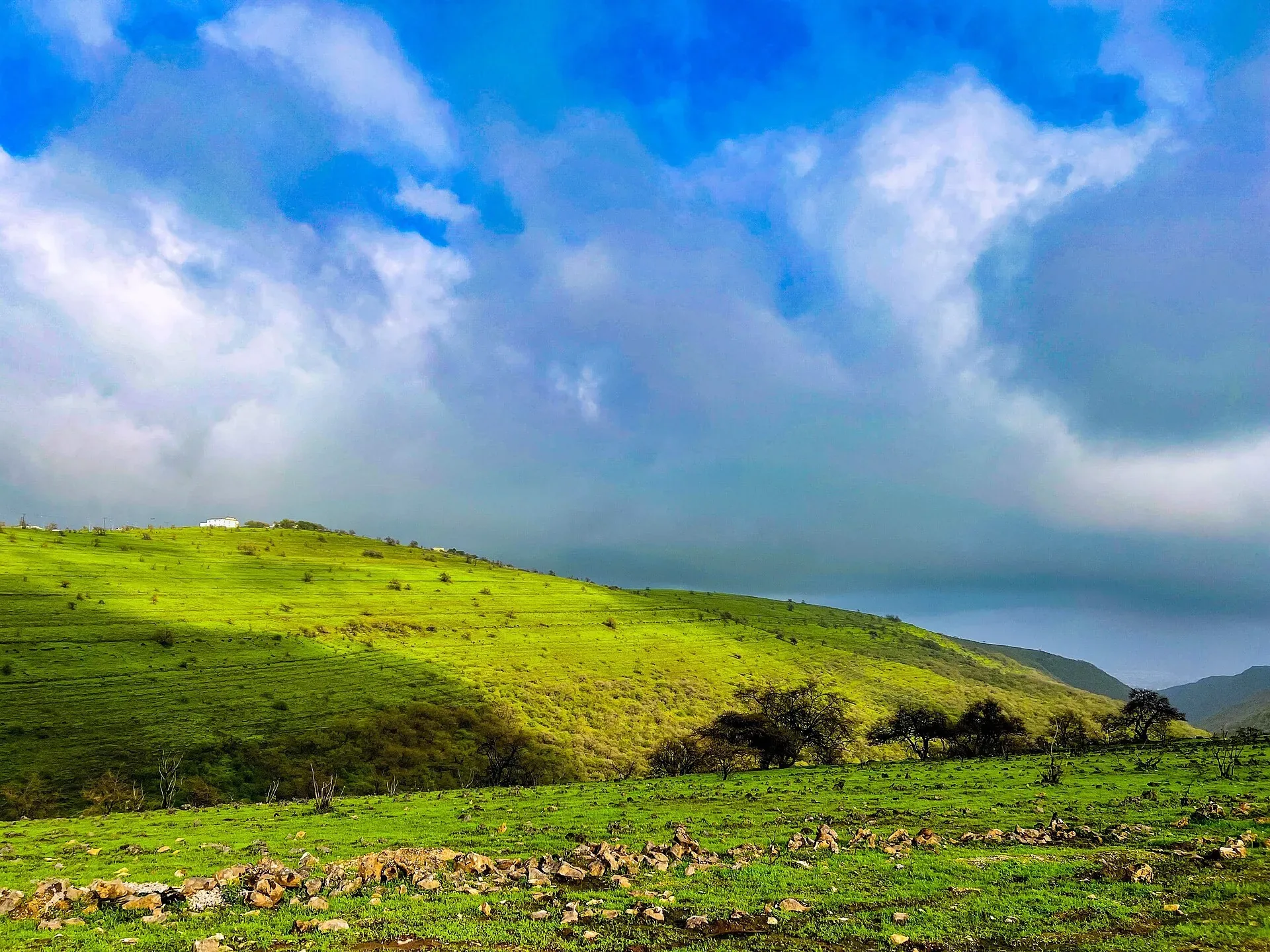
Dhofar's beloved green valley — lakes, grazing herds and, in Khareef, a waterfall over a towering cliff.
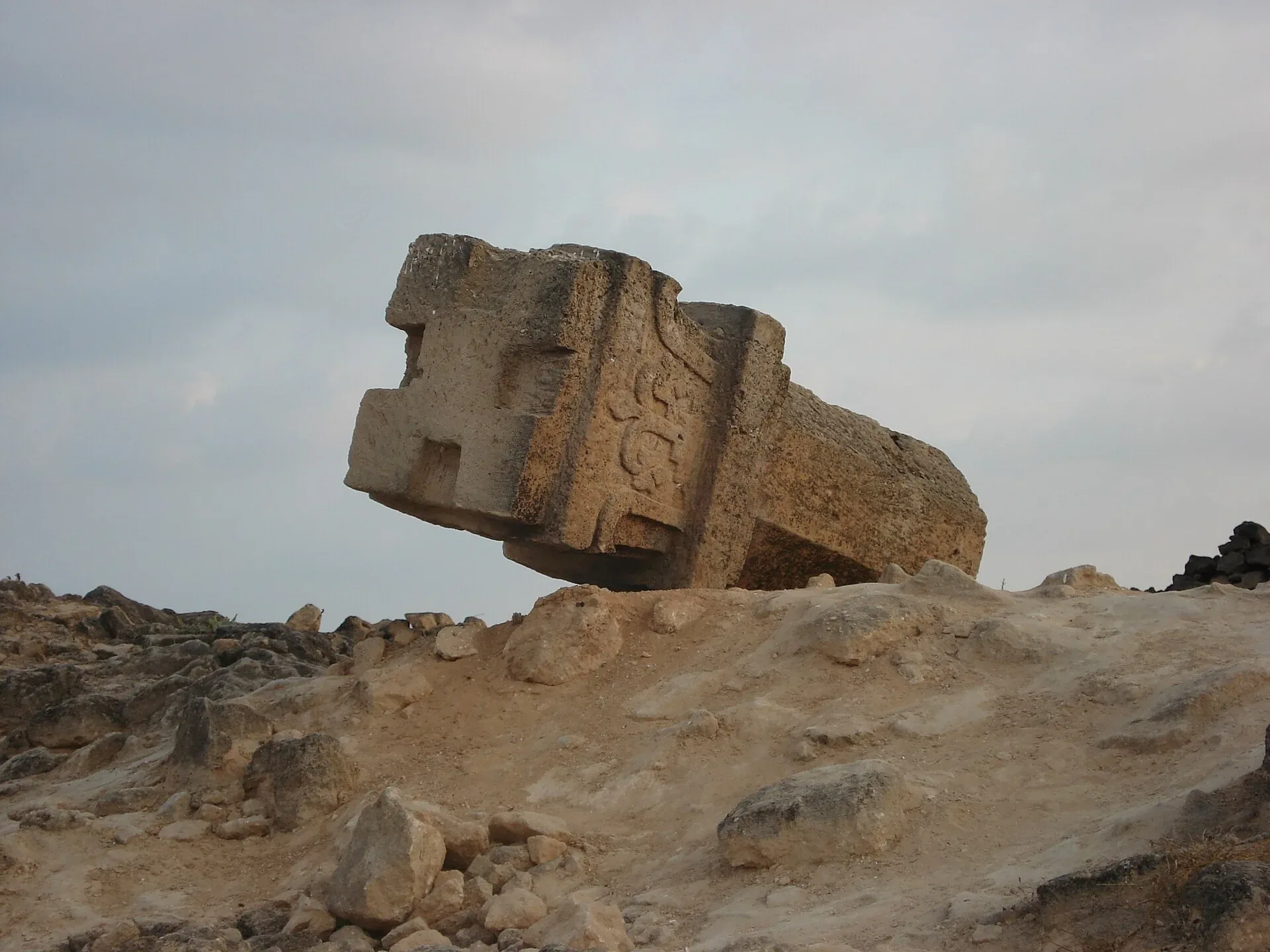
The ruins of Zafar, the medieval frankincense port that gave Dhofar its name — Salalah's essential heritage visit.
The festival plain at the mountain's foot, and the road that climbs from it into the green.
Giant African baobabs growing wild in a Dhofar wadi — a botanical surprise.
The famous stretch of road where cars seem to roll uphill — a fun family stop.
A long, local beach on the eastern corniche — morning walks and sunset football.
The city's own beach — coconut palms, evening walks and the souq behind you.
A first visit through Salalah’s frankincense heritage, central mosque, souq and waterfront.
Spend your first day in Salalah and your second among the waterfalls and historic sites east of the city.
Explore Salalah’s city heritage, then spend a day east of the city and another in the foothills and on the west coast.
Plan a picnic, an easy visit to Al Baleed and an afternoon that fits where you’re staying.
A day of mosques, heritage sites and the frankincense souq, with time for prayer.
Shop for frankincense and local gifts in the morning, then visit two malls after lunch.
Choose a full day in Mirbat and the mountains, among the frankincense trees and desert ruins, or along Dhofar’s far-eastern coast.
The Anantara's seafood evenings by the lagoon showcase Dhofar's catch at resort polish: oysters of the season, grilled lobster and fish cooked to order.
The Al Saada mall's dining floor serves the northern hotels: fast family lunches, coffee for drivers and desserts after shopping.
The Awqad mall's food court and cafés are the city's reliable rainy-day family feed: familiar Gulf chains, coffee and desserts steps from the shops and prayer rooms.
The marina promenade's cluster of restaurants and cafés gives Hawana families a week of easy dinners without leaving the resort town: seafood, grills, pizza and coffee over the water.
An Indian restaurant on 23rd July Street with private family cabins and a loyal following for mutton mughlai and prawn curries.
Alila's farm-to-table dinner restaurant, cooking Arabian and Mediterranean dishes inspired by the frankincense traders.
Alila's sea-facing restaurant near Mirbat: local seafood and Southeast Asian flavours beside Wagyu and Angus from the grill, in an airy room over the bay.
The Anantara's flagship dining room, known for themed buffet nights and polished service beside the lagoon.
Hawana's seafood address, liked for fresh fish and friendly service: choose the catch and how it is cooked.
A calm Turkish restaurant and sweet shop built for sharing: order the mixed family grill or baiti kebab, then choose Turkish sweets to take back to the hotel.
Loading local prayer times…
Calculated times. Confirm congregation times with your local masjid.
Self-catering villas and apartments along the Dahariz seafront.
Apartment space in the centre for families who cook and stay longer.
A modern, efficient hotel in Al Saada for road-trippers and business stays.
A full-service resort in Mirbat for east-coast touring without the luxury price.
Dhofar's design-led luxury escape, on a wild bay near Mirbat.
A large, modern resort hotel in Al Saada, built for Khareef crowds.
A classic beach resort west of the centre, handy for Mughsail days.
A green, garden resort on the Dahariz beachfront, close to the city.
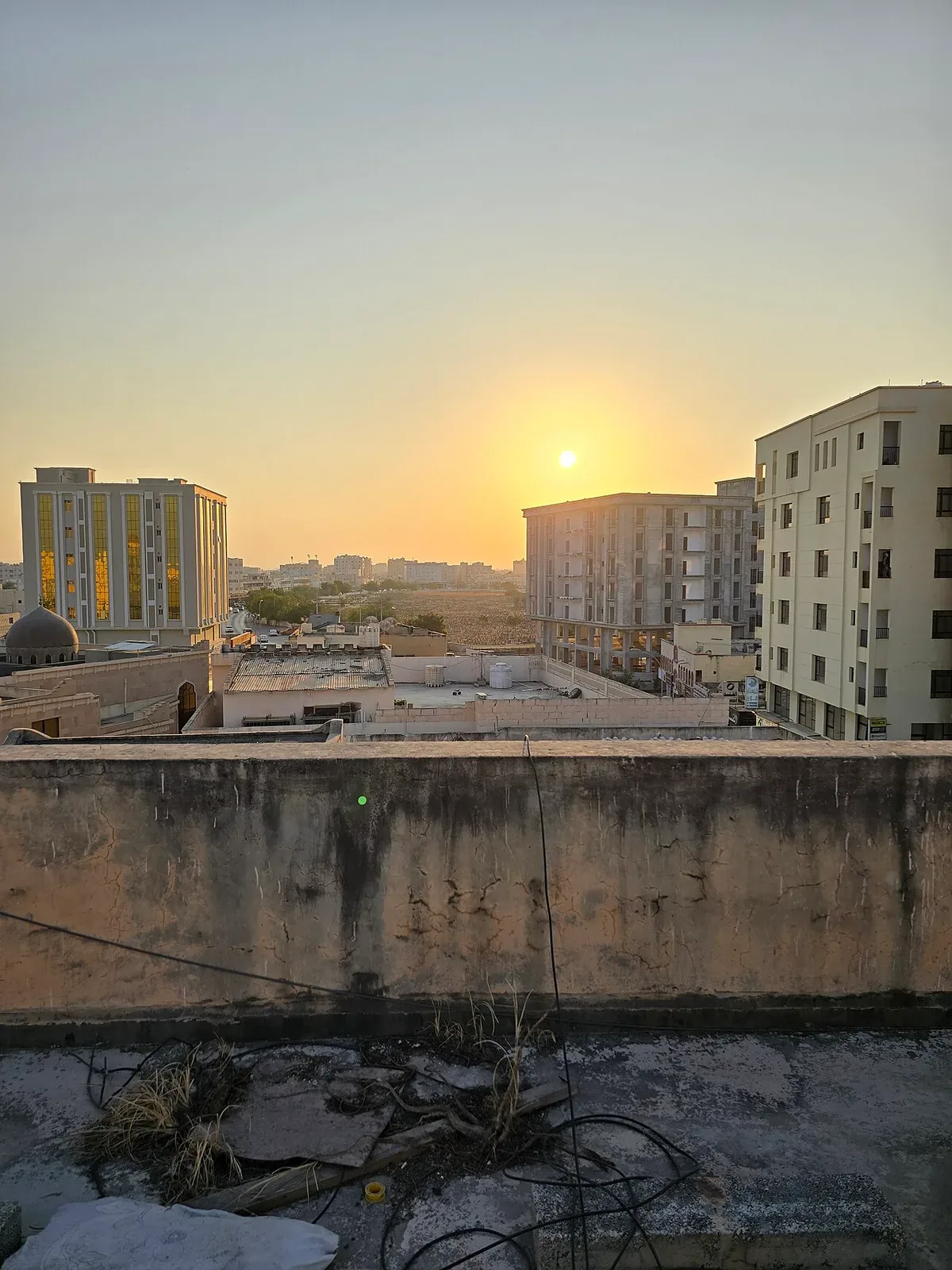
Salalah is the capital of Dhofar, Oman's largest and southernmost governorate, and home to one of Arabia's busiest container ports at Raysut. For visitors it feels like two cities: a calm, low-rise town of mosques, souqs and coconut groves for most of the year, and a festival city of more than a million Khareef visitors each summer. Tourism, the port, agriculture — bananas, coconuts, papaya — and frankincense still shape its economy, and its pace stays unhurried even in peak season.
Dhofar's wealth was frankincense. The resin of trees growing in its dry inland wadis was worth more than gold in the ancient world, carried by camel to Arabia's ports and shipped from Sumhuram — founded around the 3rd century BC above Khor Rori lagoon — and later from Zafar, the medieval port whose ruins lie at Al Baleed and which gave Dhofar its name. Marco Polo wrote of the region's incense around 1300. The frankincense lands were inscribed by UNESCO in 2000, and the trade's story is told at the Museum of the Frankincense Land inside Al Baleed park.
Dhofaris are known across Oman for warmth and for a culture distinct from the north: mountain communities speak Shehri alongside Arabic, herding traditions survive in the Jebel, and the kitchen leans on rice, grilled meats, seafood and coconut. Frankincense still burns in every majlis — you will smell it in souqs, hotels and homes — and the thobe, the embroidered cap and the jambiya at celebrations mark a Dhofari identity worn with quiet pride. Visitors who learn even a few words and accept the coffee and dates offered will be met halfway everywhere.
What to Do with Children in Tow
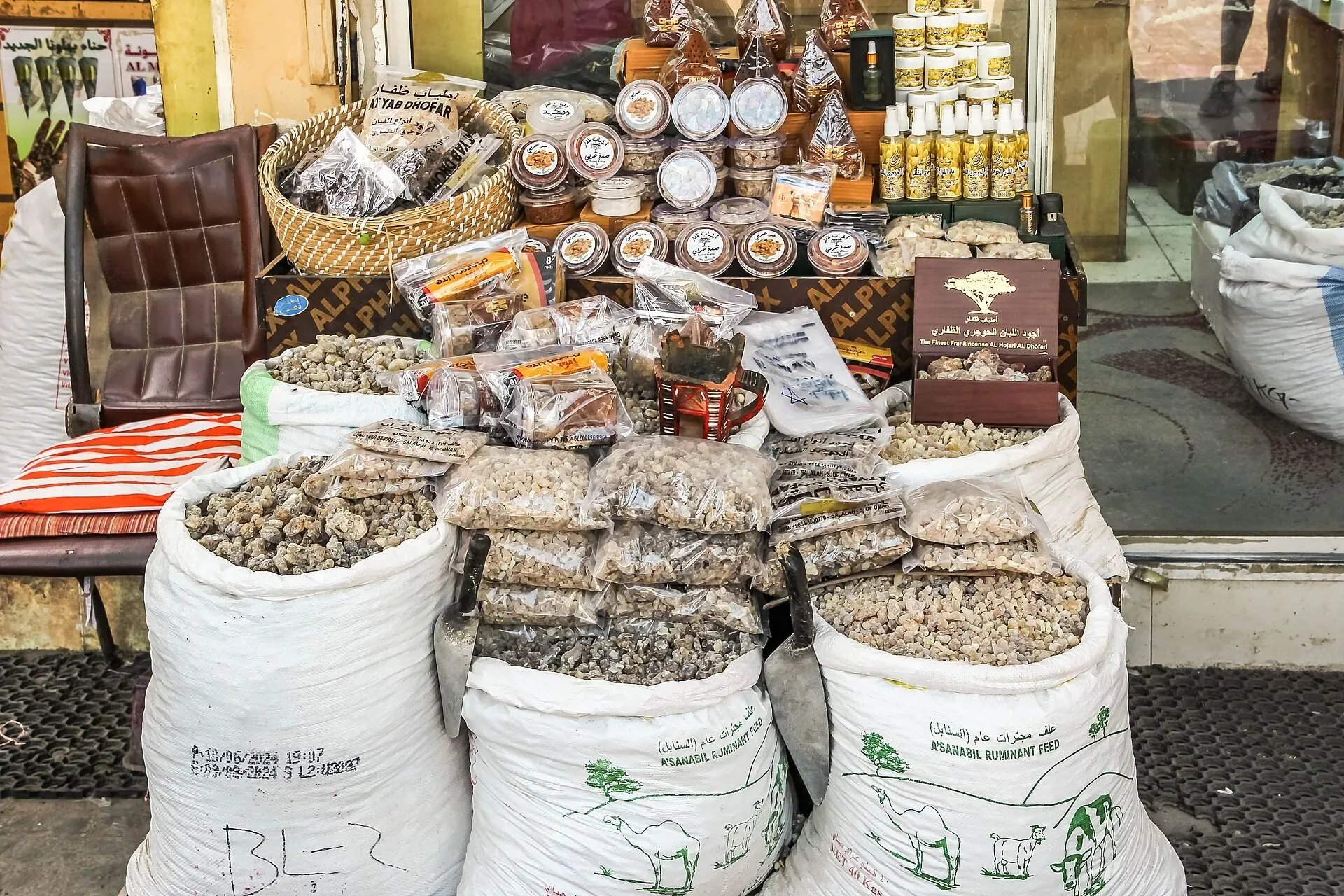
Salalah's frankincense souq — the place to buy luban, perfumes and Dhofari crafts.
The Gulf family's familiar hypermarket — picnic, baby and villa supplies in one stop.
A small-town market for honey, dried fish and daily needs, under Darbat.
Salalah's working market — fruit, vegetables, dates and the city's daily catch.
The city's established mall in Awqad — family shopping, cinema and a food court by the garden.
Salalah's historic heart by the sea: Al Husn Souq, the Sultan's palace exterior, the corniche and coconut stalls, with Al Baleed park a short drive east. Best for first-timers who want to walk to the frankincense souq and eat where locals eat.
The working centre: banks, exchanges, Bin Ateeq and the classic Omani restaurants, mid-range hotels and the Sultan Qaboos Mosque nearby. Best for value stays, business and anyone touring by hired car in every direction.
Springs, gardens and picnic lawns in the green foothills northeast of the city, busy with local families every Khareef weekend. Best as a half-day base rather than a sleeping district — stay in town and drive up.
The quiet strip beside the archaeological park and its lagoon, home to the Anantara resort and evening walks between ruins and sea. Best for couples and heritage lovers who want Salalah's most storied address.
A fishing town 30 minutes east with a castle, cliff viewpoints, a corniche and Om Ayman's famous kitchen, under the Darbat plateau. Best as a touring base for the east: Darbat, Sumhuram and Mirbat without the daily city drive.
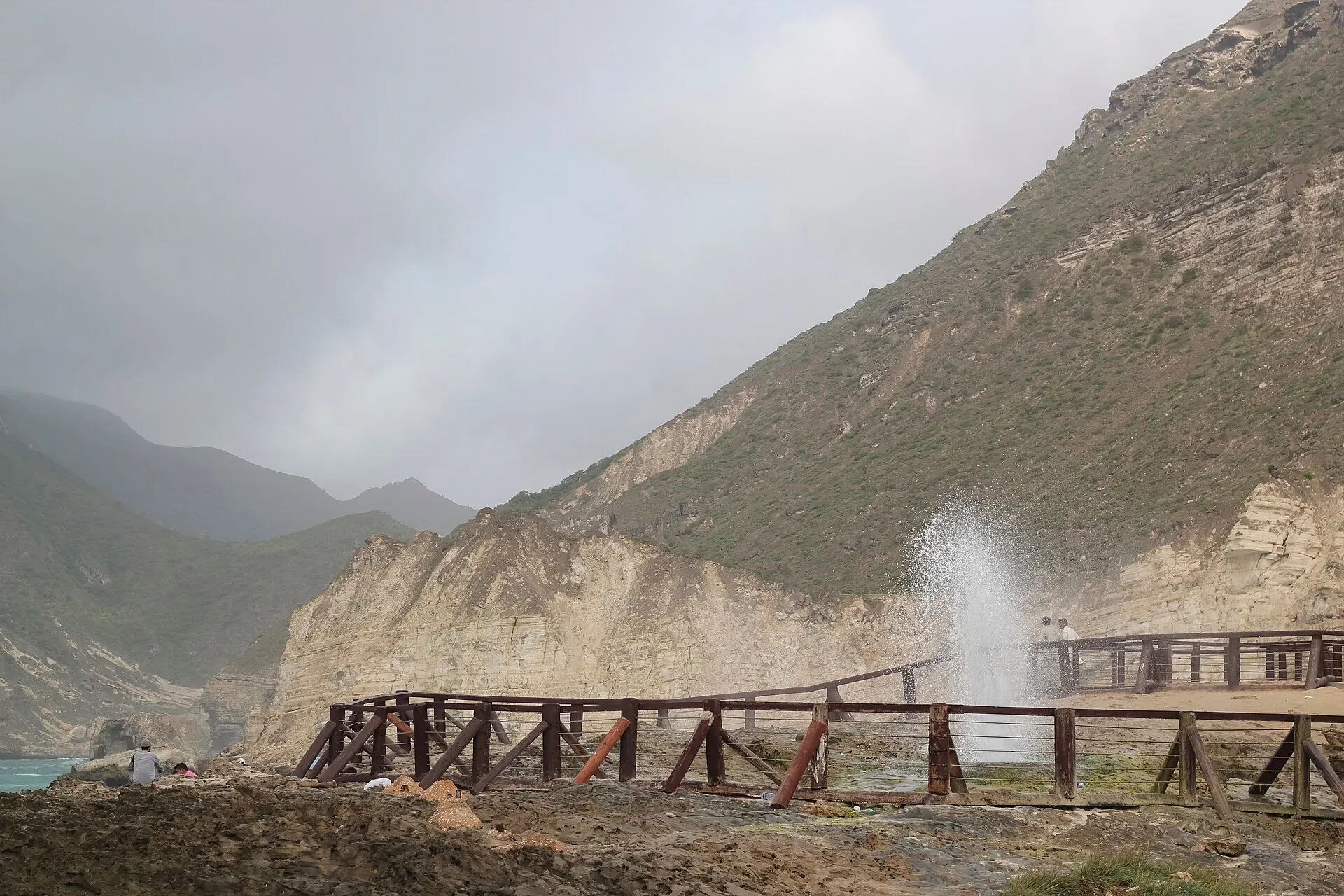
The dramatic western shore, 45 minutes from town: Mughsail's blowholes, Fizayah's hidden beach and frankincense trees on the Yemen road. No real sleeping base — visit by day from the city or Hawana.
Salalah's calendar turns on one great season — Khareef — and the Sarb weeks that follow it. Dates below are for the coming cycle; Hijri festivals move each year and are confirmed by moon sighting.
Tours earn their fee in three places: the mountains in mist, the desert edge, and the sea. Everything else in Salalah a confident driver can do alone — but these eleven are the ones Gulf families actually book.
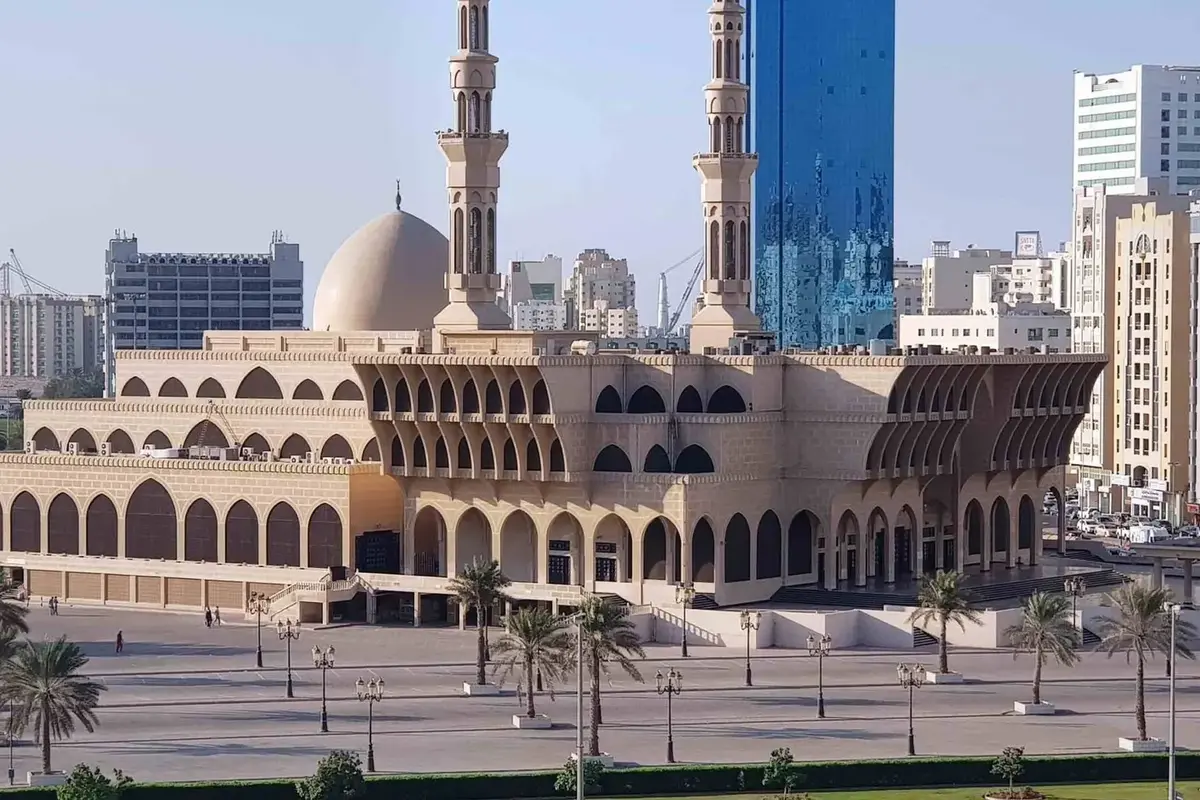
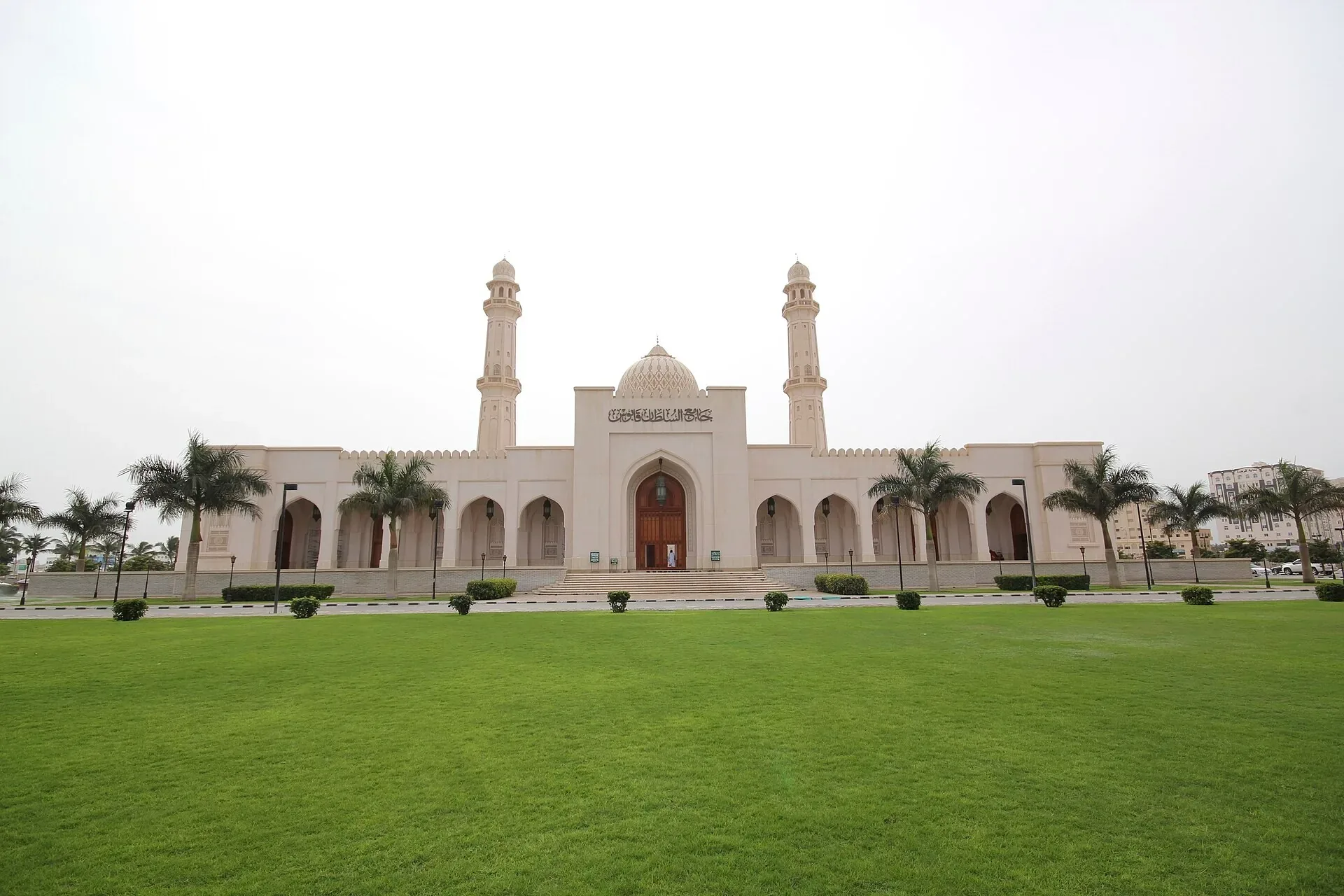
Salalah's grand mosque — white domes, twin minarets and the city's Friday heart.
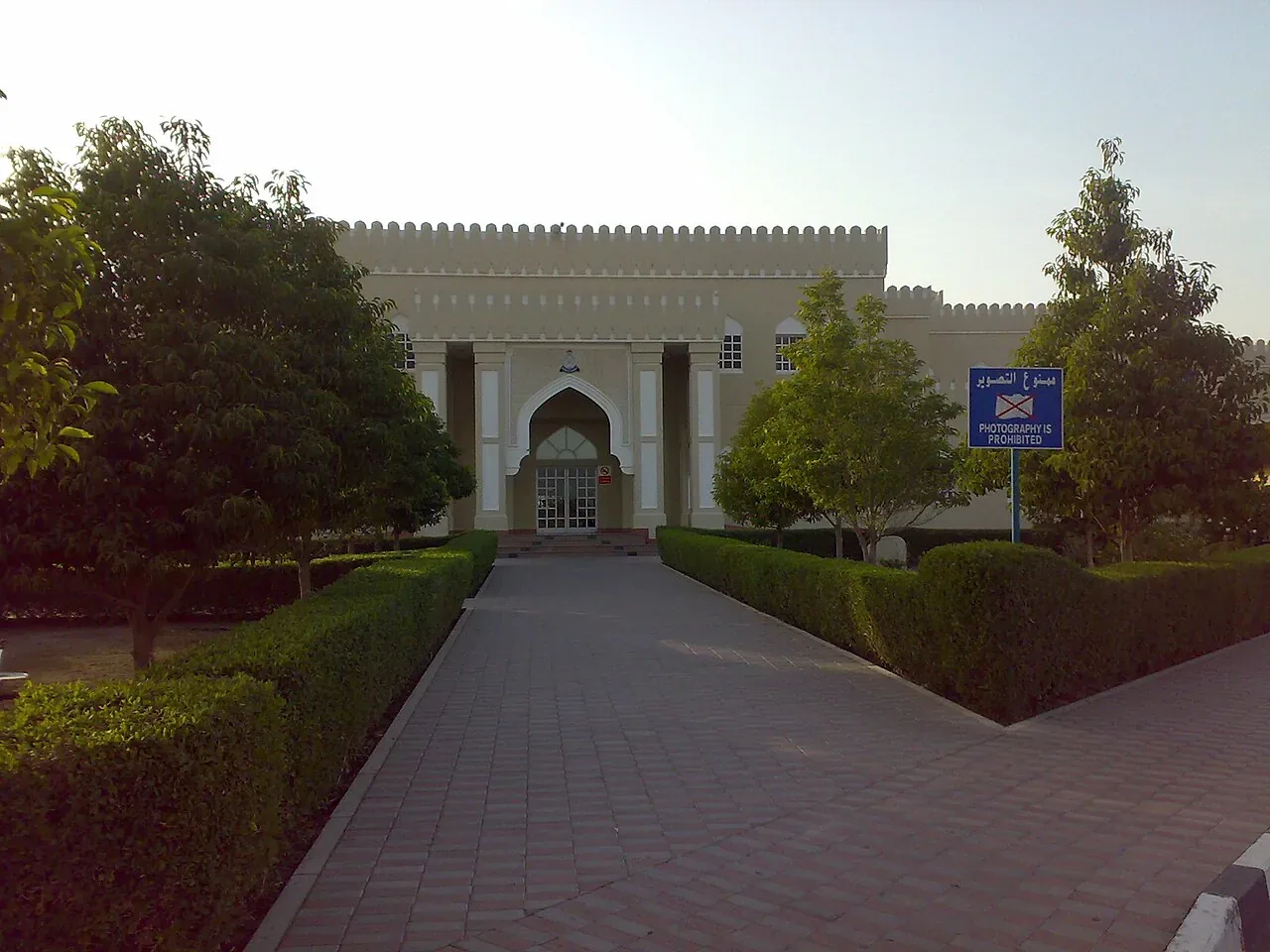
Citizens of Saudi Arabia, the United Arab Emirates, Qatar, Kuwait and Bahrain do not need a visa to enter Oman, and Omani citizens are at home. Travel with a passport or, where the crossing allows it, a national identity card, and keep vehicle documents ready if you drive. Family members travelling on other passports follow different rules: citizens of more than 100 countries can stay visa-free for up to 14 days, and eligible GCC residents can use the GCC resident visa through the Royal Oman Police eVisa portal. Rules change, so every non-GCC passport in the car should be checked on that portal before departure.
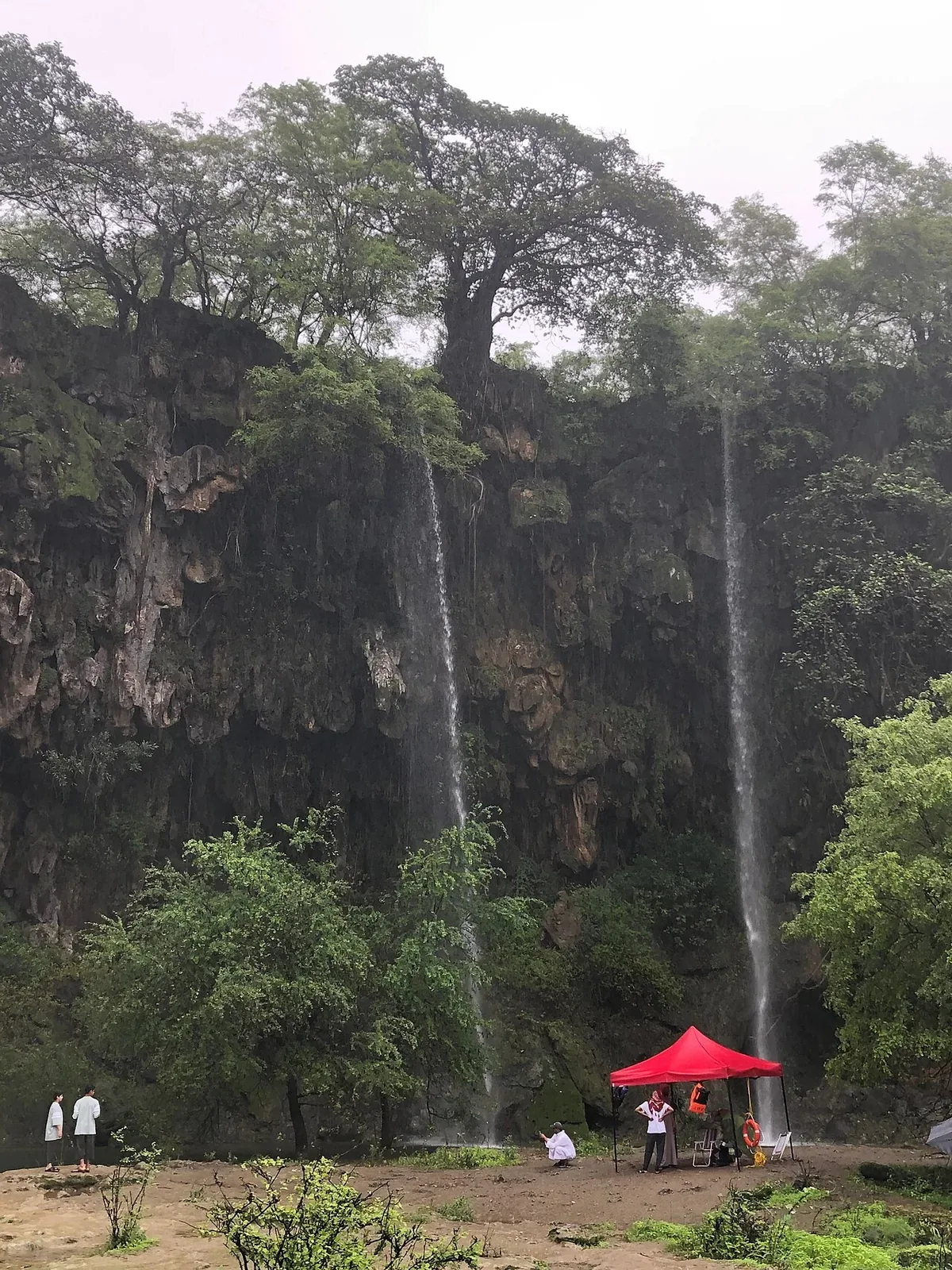
Choose your Salalah by season. For the famous green Khareef, come between 21 June and 21 September, with the fullest green, flowing waterfalls and the Dhofar Khareef programme from mid-July to mid-August — and the biggest crowds, so book flights, hotels and cars months ahead, especially around Gulf school summer holidays. For the same green hills under blue skies, come in the Sarb weeks just after the monsoon, from late September into October. For beaches, boat trips and clear mountain views, October to April is sunny and dry. May and early June are the hottest, driest weeks and suit only travellers who stay near the sea and sightsee early and late.
Averages are climate normals for Salalah (1991–2020). Sea temperatures are typical monthly averages and fall to their lowest in August, when monsoon upwelling cools the water even as the air feels mild. In Khareef the rain is mostly fine drizzle and mist rather than heavy downpours, but mountain roads become slippery and wadis can fill quickly.
The currency is the Omani rial (OMR), divided into 1,000 baisa. Cards are accepted in hotels, malls and larger restaurants; carry cash in rials for souqs, roadside fruit and coconut stalls, small cafés and Khareef-season stalls, where card machines can be unreliable. ATMs are common in the city and at the airport. Exchange Gulf currencies at banks and exchange houses in the city centre and malls.
Arabic is the language of daily life, and Dhofar also has its own heritage languages, including Shehri (Jibbali), spoken in the mountains. English is widely understood in hotels, the airport, car-hire desks and main sights. A few Dhofari courtesies go far: Salaam alaikum for hello, Shukran for thank you, and Qahwa for the cardamom coffee you will be offered with dates.
Omantel and Ooredoo Oman both sell visitor SIM and eSIM options at Salalah Airport and in city malls; bring your passport to register. Coverage is good in the city and along the main coastal roads east and west, and thinner in the mountains and desert interior, so download offline maps for Jebel Samhan, the Empty Quarter fringe and the road to Mirbat before you set out.
Oman uses Type G three-pin plugs — the same as the UAE, Saudi Arabia, Qatar, Kuwait and Bahrain — at 240 volts, so Gulf travellers need no adapter. Salalah keeps Gulf Standard Time (UTC+4), identical to the UAE and Oman and one hour ahead of Saudi Arabia, Qatar, Kuwait and Bahrain, so adjust prayer and flight timings when you cross from those countries.
The weekend in Oman is Friday and Saturday. Government offices close on both days; malls and souqs trade daily, with many souq stalls closing around Friday prayer and reopening in the afternoon. Archaeological parks and castles keep daytime hours and can close earlier in heavy Khareef mist. Tipping is appreciated rather than expected: round up taxi fares, and leave a small tip for good service in restaurants and for hotel porters and guides.
Pack for two climates in Khareef: light layers, a waterproof jacket, shoes with grip for wet mountain paths, and a light sweater for misty evenings in the hills. Outside Khareef, pack summer clothes, sun protection and swimwear for hotel and resort beaches. Oman dresses modestly in public: cover shoulders and knees in souqs, villages and religious sites, and women carry a headscarf for mosque visits. Drivers heading inland in any season should carry water, a phone charger and a full tank — distances are long and services are sparse beyond the coastal plain.