City Information
Explore city history, fast facts, climate and practical visitor information for Bucharest.
City Information
When to go?
City Information
Fast Facts
• Location: Bucharest is located in the southeastern part of Romania on the bank of the famous River Dambovita. Its location is strategic as, being the 6th largest city in the European Union; it is an industrial and transportation hub for Eastern Europe. • Dialing codes: +40(international code), 21(area code) • Emergency: Police, Ambulance, Fire fighters, 112 • Airport Enquiry: Bucharest Henri Coanda Airport +40 21 204 1200 Bucharest Baneasa International Airport +40 21 2320020 • Population: 2 million in the City proper and 2.4 million in the urban areas. • Density: 8,510/km2 • Language: The official language of the city is Romanian however, the urban elite prefer speaking English. In other small parts of the city, Chinese, Arabic, French and Spanish are also spoken well by the natives and previous immigrants to Romania. • Time Zone: UTC+2, April to October UTC+3 • Annual Rainfall: 530mm • Highest summer temperature: 40 degrees • Lowest winter temperature: -6 degrees • Exchange rates: Lei (code: RON)
Read full articleCity Information
Public Holidays
1st January: New Year’s Day 2nd January: Second Day celebration of New Year 4th April: Orthodox Easter 1st May: Labor Day 23rd May: Pentcost 15th August: Dormition of the Virgin Mary 1st December: National Day 25th December: Christmas 26th December: Second Day of Christmas
Read full articleCity Information
Annual Temperature
Month Min Temp ° Max Temp ° January: -6 0 February: -5 3 March: 0 9 April: 6 18 May: 11 24 June: 15 28 July: 17 30 August: 16 30 September: 13 26 October: 8 18 November: 4 10 December: -3 3
Read full articleCity Information
Bucharest Residents
Romanians are ranked as one of the friendliest people in the world. They are recognized as cheerful, fun loving, warm, hospitable and witty. These characteristics explain the tremendous nightlife that Bucharest has in the form of bars and night clubs. However, the rich history that the country is tied to has led the locals to have a strong belief in ethics, culture and traditional values. Bucharest has also bred great sportsmen, artists and heroes of the likes of Constantin Brancusi, Angela Gheorghiu, Nadia Comaneci and Eugen Ionesco to name a few. Bucharest has a growing population of youth and teens that is well educated and urbanized. It is these people who are the future for Bucharest and will carve its way for higher ranks among tourism and economics.
Read full articleCity Information
Bucharest Today
Located between the Transylvanian Mountains and the Black Sea, Bucharest is mistakenly an overlooked tourist destination. Its true beauty hidden behind old communal buildings requires tourists to dig deeper into the city’s colourful history and culture to discover the famous ‘Little Paris’. With a steady pace of development underway, Bucharest has become a busy metropolis and the center of all economic and social life in Romania. Wide boulevards lined with luscious trees, cafes, bars, shopping plazas and wide parks have lifted Bucharest out of the old times and made it come to the standards expected of a European capital. Rejoining the EU in 2007 has initiated a number of development projects in the city to further increase tourism and boost the economy.
Read full articleCity Information
Bucharest History
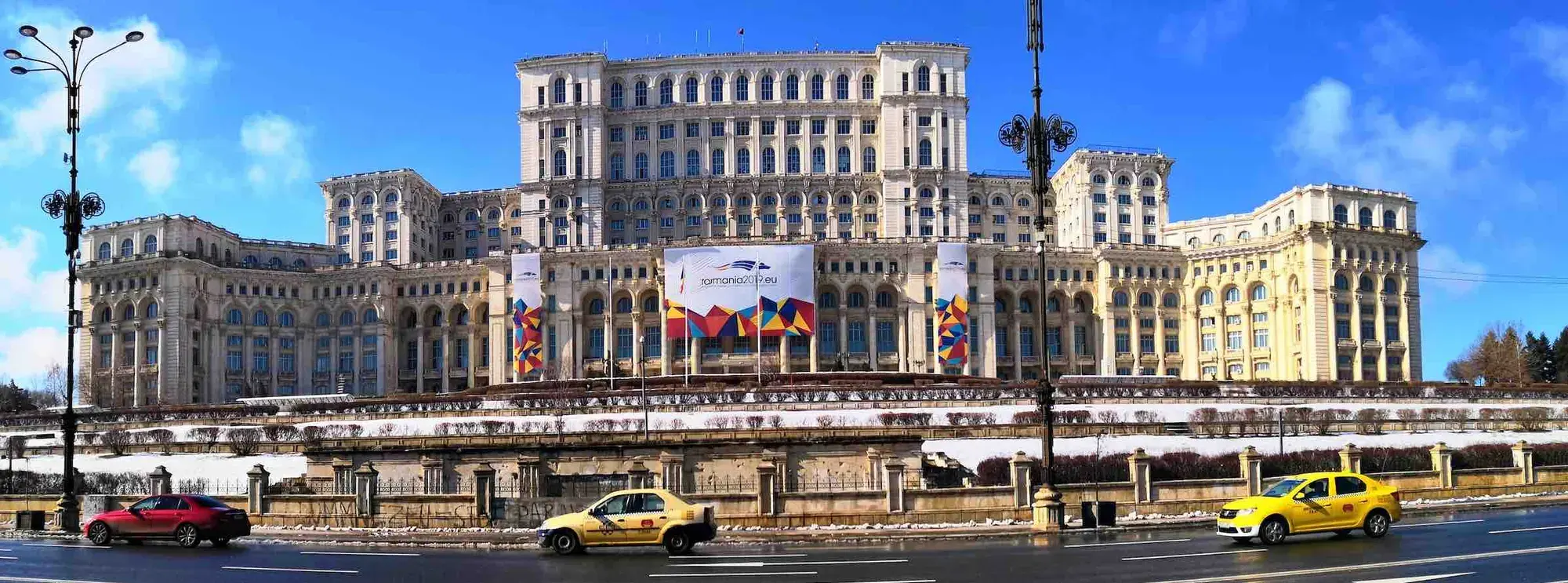
Romanian legend narrates vivid accounts of a shepherd named ‘Burr’ (joy) after whom Bucharest was named. The shepherd was famous for the wine he sold from the city’s vineyards and the melodious tunes he played on his flute. He created a small settlement which was later named Bucharest. In the early years, Bucharest had French styled buildings and houses which were later remodeled in the 19th century. With good architecture and infrastructure, the city had become a commercial center for trading and development until it was taken over by the communists. Several years down the road the only reminder of the communist regime is the “House of People” now known as the Palace of Parliament. The House was built magnificently with locally produced materials over an area that stands second largest in the world after the Pentagon. Over the years post Independence War (1877), Bucharest underwent many changes in its infrastructure. Electric systems were installed in major buildings; roads like the Podul Mogosoaiei were widened. The first cinema was built along with theaters and art schools. However, the Second World War had a devastating effect on the infrastructure of the city and reformation had to start anew.
Read full articleKeep exploring Bucharest
More places in Bucharest
Keep exploring Bucharest and add more stops to your plan.
More restaurants in Bucharest
Keep exploring Bucharest and add more stops to your plan.



More hotels in Bucharest
Keep exploring Bucharest and add more stops to your plan.