Skip to content
Irhal · Your guide to the world
Irhal
العربية

Search for a city, hotel or experience

City guide article

Caracas Today

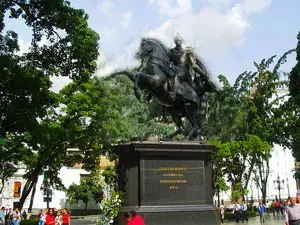
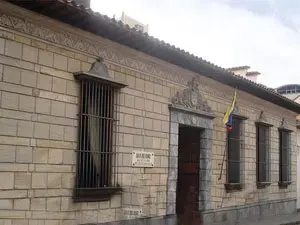
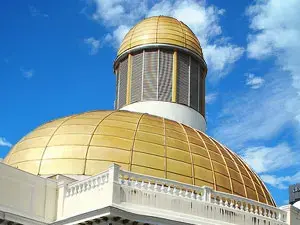
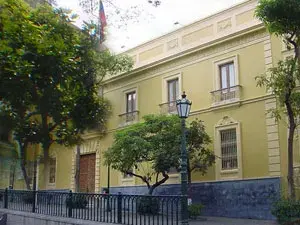
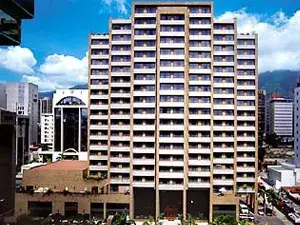
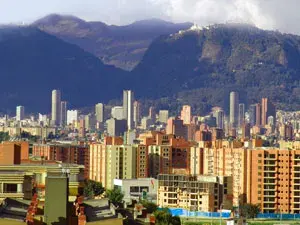
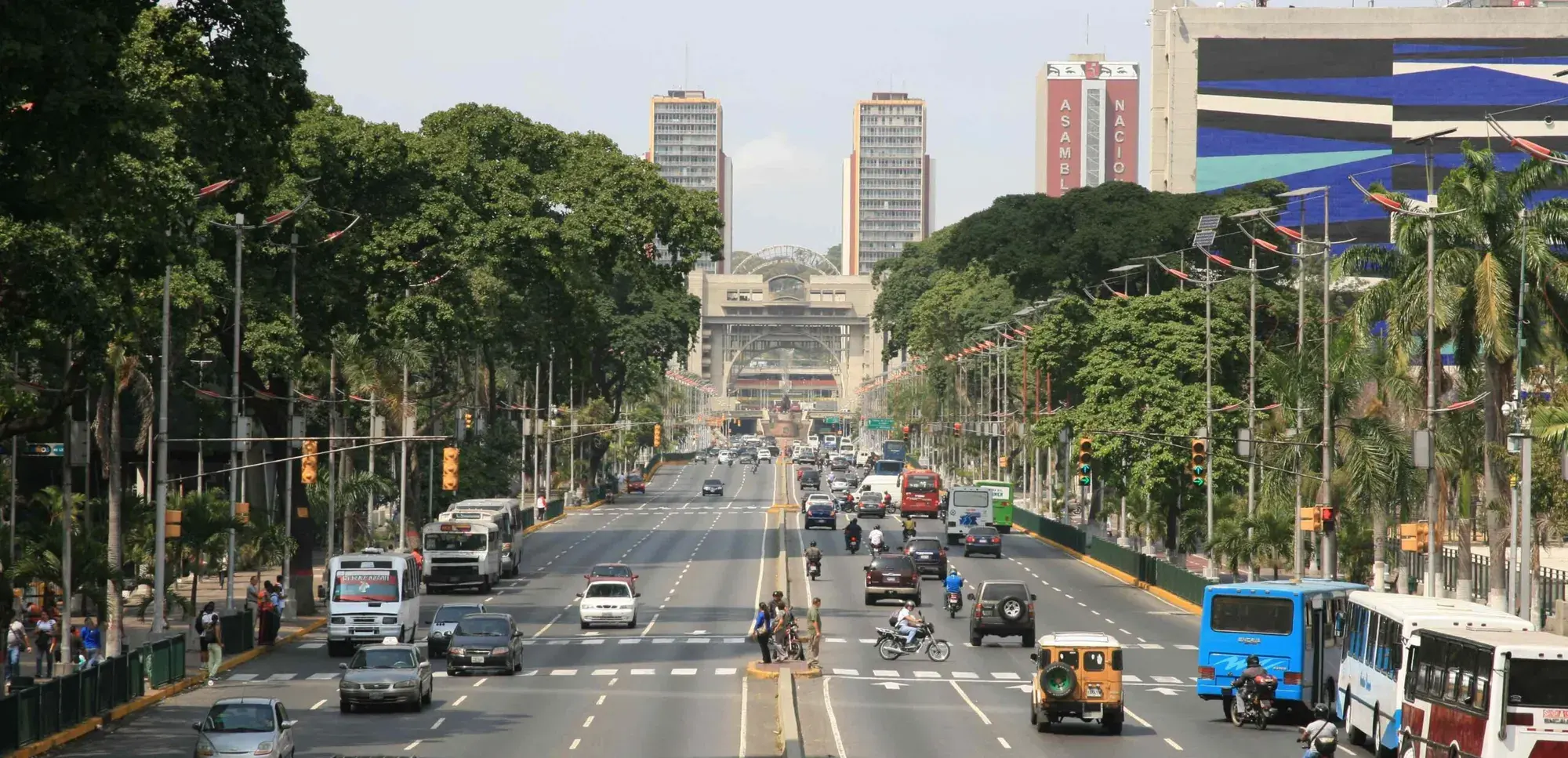
After the establishment of an independent colony in the early 1800s, Caracas continued to grow through the 19th century at a modest rate as new settlers moved in from Europe, and traders discovered that the cocoa it produced was some of the finest around the Caribbean. It was only in 1914 with the revelation of the presence of oil around the Maracaibo region and the surge in the international demand for oil that Caracas gained tremendous importance on a global scale. The economy shifted from a primarily agrarian one to one based on oil production and import. With all the money from importing oil, Caracas started to develop rapidly, attracting a large influx of rural immigrants every year. As a result, the city expanded considerably along its linear east-west axis. As the economy boomed, Caracas became an international transit hub that connected Europe to South America. During the 1950s, Caracas started to undergo modernization parallel to other cities of the developing world. Corporate companies were set up, and new kinds of architecture began to emerge. Urban housing schemes for middle income workers were initiated, elite colonies were set up at advantageous localities, and the ever increasing number of rural settlers was forced to put up their own shantytowns in random locations all over the city. This was, however, looked into, and a regulated slum belt, the “rancho”, and other low income settlements, known as “barrios”, were restricted to the southwest and the west of the city, as most of the elite development occurred to the east. The presence of oil also meant that locally manufactured gasoline was available at very cheap prices. This led to a rapid increase in the number of road vehicles and the development of supporting commuter infrastructure. Today, Caracas has a wide road network, but the large number of vehicles still renders it unsuitable for quick and efficient traveling. Caracas today is one of the cities that pride their selves as contributors to the rich cultural history of Latin America. You can see remains of ancient architecture in the backdrop of new urban centers, a dense mix of ethnicities and languages, and a variety of intellectual, educational, and artistic expressions throughout the city.
Overview

Caracas Today

After the establishment of an independent colony in the early 1800s, Caracas continued to grow through the 19th century at a modest rate as new settlers moved in from Europe, and traders discovered that the cocoa it produced was some of the finest around the Caribbean. It was only in 1914 with the revelation of the presence of oil around the Maracaibo region and the surge in the international demand for oil that Caracas gained tremendous importance on a global scale. The economy shifted from a primarily agrarian one to one based on oil production and import. With all the money from importing oil, Caracas started to develop rapidly, attracting a large influx of rural immigrants every year. As a result, the city expanded considerably along its linear east-west axis. As the economy boomed, Caracas became an international transit hub that connected Europe to South America. During the 1950s, Caracas started to undergo modernization parallel to other cities of the developing world. Corporate companies were set up, and new kinds of architecture began to emerge. Urban housing schemes for middle income workers were initiated, elite colonies were set up at advantageous localities, and the ever increasing number of rural settlers was forced to put up their own shantytowns in random locations all over the city. This was, however, looked into, and a regulated slum belt, the “rancho”, and other low income settlements, known as “barrios”, were restricted to the southwest and the west of the city, as most of the elite development occurred to the east. The presence of oil also meant that locally manufactured gasoline was available at very cheap prices. This led to a rapid increase in the number of road vehicles and the development of supporting commuter infrastructure. Today, Caracas has a wide road network, but the large number of vehicles still renders it unsuitable for quick and efficient traveling. Caracas today is one of the cities that pride their selves as contributors to the rich cultural history of Latin America. You can see remains of ancient architecture in the backdrop of new urban centers, a dense mix of ethnicities and languages, and a variety of intellectual, educational, and artistic expressions throughout the city.

Continue reading

More from City Information

Caracas History

City Information

Caracas History

City Information

Exchange Rates

The currency used is the Venezuela bolívar fuerte (VEF). This replaced the Venezuela Bolivar (VEB) with effect from 1st January 2008. This was due to unprecedented rises in inflation over the years. 1 VEF = 1000 VEB. The VEB, however, is obsolete currency. The banknotes used are in denominations of 2, 5, 10, 20, 50 and 100 bolívares. Coins are available in of 1, 5, 10, 12½, 25, 50 céntimos, and 1 bolívar denominations. The 1 céntimo coin is rarely used, as prices are usually calculated in 5 céntimos progressions. 1 VEF = 0.232558 U.S. dollars 1 U.S. dollar = 4.30000 VEF
Read full article

City Information

Visa Information

A passport that is valid for at least six months is needed when visiting Venezuela, even as a tourist. The visa process is generally hassle free, and takes around 2-3 weeks during the off-tourist season, that is the winter months. The embassy would provide the required forms and the guidelines to filling out these forms. There are several kinds of visas that can be issued. The most common one is a visit/tourist visa, valid for up to 90 days of stay, and for a single entry and exit only. The business visa however can be used for multiple exits and entries, and is also valid for 90 days. Student visas are dealt with on a case to case basis, depending on the kind of program and the institution. For acquiring a student visa, please consult the embassy in person. It is recommended that you have at least 2 unused pages of your passport remaining when you apply for a visa to Venezuela. Once in Venezuela, always be sure to carry your passport along with some other form of ID around, as you may be asked to produce these by officers of the law. There is no need to worry though, as this is normal procedure.

Read full article

City Information

When to go

Caracas enjoys mild weather all year round, due to its tropical location, its proximity to the sea, and its altitude (800m above sea level). December to April is a generally less humid season, constituting a magical autumn transforming into a blossoming spring. This is the time when tourist crowds are at their peak. All the major festivities around town, including Carnaval, Christmas, and Semana Santa, occur during this season. You will experience all the excitement of the Caraqueño street life and culture up close and personal when you visit during these months. However, this is also the season when shopping malls and restaurant owners decide to go all Beverly Hills on their prices. Apart from a few really generous sales, shopping during the high season is not at all recommended unless you know how to haggle well! The months from May to October are usually not that popular with tourists, meaning air fares are much lower. So are the prices on local amenities and services. If you are on a budget, this is a great time for you to head to Caracas, as you can still catch some of the most exciting, though less crowded, festivals around town, in addition to the wonders of shopping, window-shopping, and all in between!

Read full article