Skip to content
Caracas
Caracas

Top places to visit

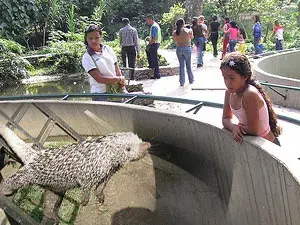
Caracas loves children! Apart from the many family-oriented public parks, like the Parque del Este and the Parque Los Caobos, which offer countless hours of fun with the lush landscaping, the serene water bodies, the alluring all-year-round floral displays, and the regularly organized family activities, the city contains two large public zoos that are also a big hit with Caraqueño children.

30 results

City overview
alt

Caracas loves children! Apart from the many family-oriented public parks, like the Parque del Este and the Parque Los Caobos, which offer countless hours of fun with the lush landscaping, the serene water bodies, the alluring all-year-round floral displays, and the regularly organized family activities, the city contains two large public zoos that are also a big hit with Caraqueño children.

alt

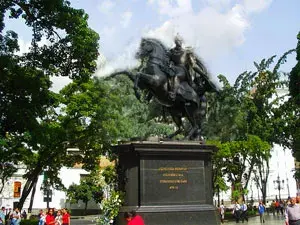
The main public square in Caracas, dedicated to the man whose relentless struggles bought the nation independence. The plaza is large open space used frequently by the citizens for public gatherings, political processions, open-air festivals and concerts, and as the starting point of numerous annual parades. The plaza contains impressive monuments, including statues of Bolivar, and is surrounded by government buildings and offices, all echoing with colonial architectural accents.

alt

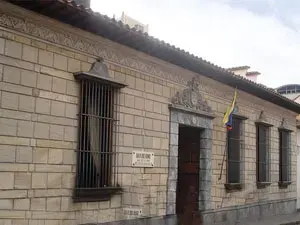
Address: between Esqs San Jacinto and Traposos Cathedral Phone: +28 212 541 2563 Timings: Tuesdays to Fridays 9am to 4pm, Saturdays and Sundays 10am to 430pm. Admission free of charge This is the birthplace of El Liberator Simón Bolívar, the most highly esteemed national hero in Venezuela. It has been restored as a national museum with the utmost attention to detail. Constructed originally as a colonial style mansion in the 17th century but starting to undergo significant degradation over the years, the house has been completely restored and now functions as a permanent exhibition space that depicts scenes from the life of Bolívar and his family, including classic living room furniture, formal attires, banners and weaponry, and full-wall paintings.

alt

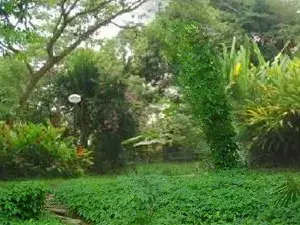
Address: Paseo El Calvario, Urbanización El Silencio, Caracas Timings: open daily 7am to 10pm Go for stroll though these lush gardens containing an enchanting chapel and a brilliant white stone arch, all of which were built to emulate the city of Paris. The park contains classical elements out of the gardens at Versailles, including delicate metalwork benches, gazebos, statues of eminent personalities, and fountains. Located on a hill overlooking the city, this is the ideal place to spend your last evening in the city as you sit back and take one last, lingering look at Caracas from above.

alt

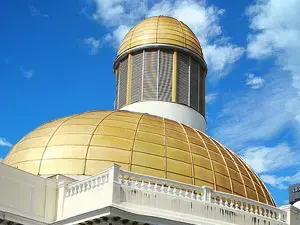
Constructed in 1872, and having serviced many administrative departments since, including the Federal Court, the Legislative Court, and currently acting as the Seat of Congress, the Capitol Building, also known as the Elliptic Hall, is a stunning whitewashed building with golden domes that today contains some of the most important legislative documents and manuscripts of the Republic of Venezuela. Although visitors are not allowed inside, they can observe the building for its traces of rich colonial legacy in the elements and embellishment techniques used. The building is an authentic architectural marvel from the regime of the Spanish monarchy.

alt

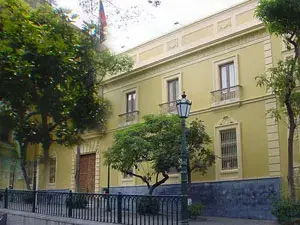
Address: Centro, western edge of Plaza Bolívar Originally a prison cum sanitarium in the 17th century, Casa Amarilla is also known popularly as the Yellow House because of the shade of lemon yellow given to it after the country’s independence. Casa Amarilla is a treat to the eyes – or whatever you can catch of it today, as it is currently the Foreign Affairs office and visitors are generally not allowed inside. But get a glimpse of it as you pass the Plaza Bolívar, and you will see a very well-preserved example of a colonial manor with many small projecting balconies forming a rhythmic façade.

alt

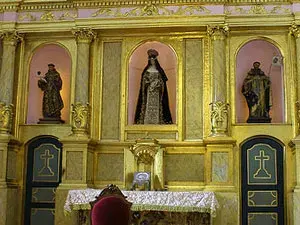
Address: west of Concejo Municipal, south of Plaza Bolívar This chapel marks the exact location where Venezuela was declared as an independent sovereign state in 1811 – although it took 10 more years for this goal to be achieved. However, the chapel has been held in high reverence ever since, and has recently been restored with classic décor and furniture from Venezuela’s cultural past. Great photo ops inside!

alt

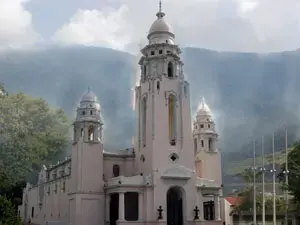
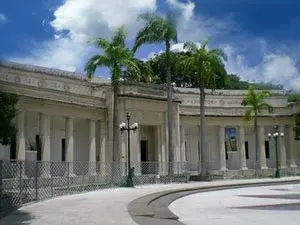
Address: north of Plaza Bolivar Timings: open daily (including holidays) Originally constructed as a majestic church, the National Pantheon was converted in 1874 to act as the last resting place for many of Venezuela’s prominent personalities, based on their outstanding achievements in fields of politics, warfare, social service, and education and science. The central, focal space within the pantheon is reserved for Simon Bolivar’s remains. The ceiling contains murals depicting scenes from Bolivar’s life. The body itself is contained within a sarcophagus of bronze housed within a polished marble niche, and the burial chamber reeks of immortal grandeur. More than a hundred other notable personalities are buried within the Pantheon, all the chambers designed with special attributes and elements that had significant symbolic meaning to the person buried within. Overall, the Pantheon is a genuine example of neo-colonial baroque style architecture, with pale pink paint, overly done columns, intricate arches, and grand cupola-topped towers.

alt

Address: south of Plaza Bolívar Timings: Tuesdays to Fridays 9pm to 430pm, Saturdays and Sundays 10am to 4pm. Admission free A museum dedicated to the legendary independence hero Simon Bolivar. Situated in a renovated colonial style building, the Bolivar Museum contains exhibits with historic documents, formal dresses from Bolivar’s era, a collection of weapons used during the colonial wars, and a number of paintings from the political and personal life of Simon Bolivar.

alt

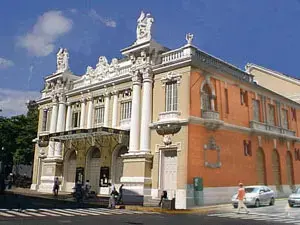
Also known as the Municipal Theatre, this public amenity is a splendid work of art in itself. Since its first live performance in 1881, an opera that received national recognition, the theatre has successfully continued to lure music and art lovers to its rather commendable performances. The interior is ornamented in tones of opulent luxury, with velvets and fine silks and an added sprinkle of gold. A large central dome over the performance area attempts to re-create the ambience of a 19th century opera performance. The theater usually has one or more ongoing shows throughout the year, and you are sure to catch one any time you drop by. Splurge on traditional Venezuelan and South American ballets, musicals, and operas. Tickets are quite reasonable, and they are seldom sold out to the full.

alt

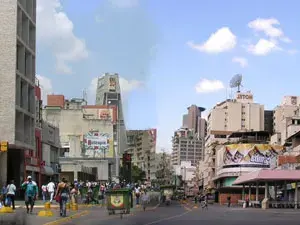
The city’s most popular pedestrianized area, the Sabana Grande is focused on a one-mile long boulevard. Absolutely no vehicular entry is allowed – a law that is strictly imposed only in this locality in Caracas. The boulevard is popular for its many chic boutiques dotted along here and there – lots of variety, plenty of bargains, and quite a number of pickpockets! The eateries and coffee shops that line the boulevard, like the Gran Café, are favorite hangout spots for intellectuals and artists who meet and discuss from the most trivial of issues to the wildest of theories and ideas. The Suma Bookshop is also a place where you can find, apart from an interesting variety of reasonably priced reading material, groups of intellectuals just hanging around, talking about subjects you probably might never even have heard of – that is, if you can make out the language they are communicating in. The Sabana Grande is very crowded even on weekdays – weekends are especially hectic for a day of shopping, but a fun experience, nevertheless, for observing the wild pace of life in Caracas.

alt

Address: between Esqs Bárcenas and Piedras The CenterCalle Londres, Las Mercedes Phone: 0212 481 1915 Timings: Tuesdays to Sundays 9am to 12noon, 2pm to 4pm Situated south of the historic core of the city, in a location that at the time of Simón Bolívar formed the uncongested suburbs of Caracas, this is a summer residence in which the revered Venezuelan leader spent his youth. Masterfully constructed and beautifully landscaped, this charming residence has been restored to function as a modern museum adorned on the interior with rustic vintage furniture, classical wooden décor, and accents from El Liberator’s colonial times.

alt

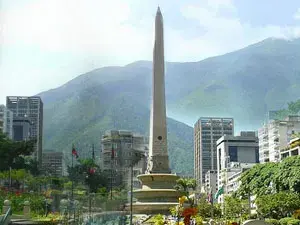
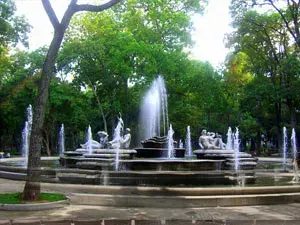
Also called the Plaza Francia, this is a large public square that is immensely popular with locals of all ages during summer evenings and winter afternoons. The plaza features a majestic obelisk and a refreshing water fountain, two prominent features that make it stand out as more of a photo op than any other public square in Caracas. It also contains a number of stalls offering foodstuff, souvenirs, and toys for children. There is nothing like having an ice cream on a lazy summer’s day while watching passively as citizens walk around, having their own ice creams! Families and couples flock to the plaza on weekends, when special events or activities are organized for the citizens. The place becomes a little crowded, but enjoyable nevertheless.

alt

Originally a colonial style coffee house owned by Bolivar’s family more than two centuries ago, La Estancia is currently a small but attractive museum nestled between splendid gardens. The museum contains some striking works of modern art – photography, 3D animations, graphics arts, industrial technology design, all inside rooms with traditional hacienda décor and illumination. The museum also offers guided tours. After the adventure inside, rest your feet and your mind on the external porch as you sip on hot tea or coffee, listening to live music that is often played there on weekends.

alt

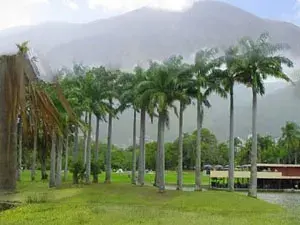
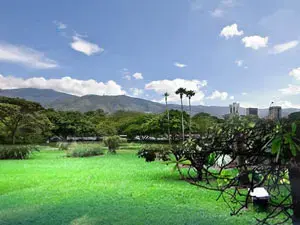
A spot for rest and recreation, Parque del Este forms the largest open public green space within the city. It is thronged with visitors every day, especially in the evenings. The park offers a serene escape to the Caraqueños from the bustle and noise of a congested city life. Apart from being a favorite hangout space for the young and the old alike, the park also offers activities geared at education, entertainment, and adventure. The park contains a mini zoo with a native variety of animals, a terrarium that contains from small rodents to middle sized land-roaming mammals, a herbarium with charming floral displays, an aviary with exotic species of tropical birds, quite a slimy a reptiles section, and an exceptionally splendid cactus garden (watch out for the thorns!). The park even has a planetarium which puts on special weekend shows for the whole family. Up for a little adventure? Grab a rowing boat for rent at one of the nine lakes within the park, pick a partner from amongst your friends, and off you go a-sailing! Park del Este has a life-size model of Columbus’s original boat, the Santa Maria, which discovered America in 1492. It is also possible to have a guided tour of the boat’s interior for a small ticket. Take a walk inside the park early morning and you can catch exercise sessions, yoga practitioners, energetic joggers, and local schoolchildren chanting poems at open-air assemblies. Go in the evening to find aspiring public speakers, religious choirs, Caraqueño children frolicking around playing soccer, and romantic newlyweds having tea picnics. At any time of the day of the week you visit, Parque del Este will provide you with that much-needed breathing space that you will eventually require after spending a couple of days in Caracas.

alt

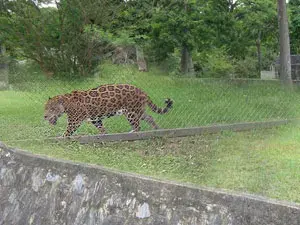
Address: southwest from El Centro, in the Curacao district Begun in 1944, El Pinar Zoo was the first public zoo in Venezuela. Although relatively small, only on a 7 acre plot of land, the zoo has succeeded in drawing a large number of curious kids and adults to its enchanting collection of nature’s visual treats. The zoo contains many local species of animals – some dangerous ones are caged, but most of the tamed ones just walk around freely through an already existing natural landscape. Another delight is the many flocks of tropical birds that can often be seen flying around from one tree to another, chirping and squawking their hearts out, or hopping towards you to peck up seeds that you sprinkle on the ground. This makes the atmosphere of the zoo a very lively, interactive one, as you get to see animals up close without fences or barriers – this makes El Pinar an exciting experience for toddlers and teens. The zoo is famous for its section on mounted insects which features a very comprehensive, categorized collection of creepy crawlers (all dead) that is the largest in South America.

alt

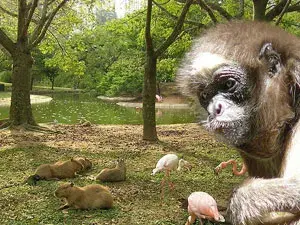
Address: located further along the southwest highway, onwards from El Pinar Zoo The main zoo of Caracas currently covers 88 acres of land, more than ten times that of El Pinar, reclaimed from a very large sprawling estate, a 1550 acre coffee plantation. Further expansion of the zoo is under way. The zoo contains a much richer biodiversity on display than El Pinar. Hundreds of species of animals from around the tropical rainforests, the savannah, and practically all around the world, from the slimiest slithery reptiles to the most graceful avian beauties, from the most vicious to the most passive, laidback creatures ever to walk the planet, Caricuao has it all. Peacocks and flamingos can usually be found innocently prancing around in the open, their colorful feather-work on display. Other animals can be a bit naughty, however, especially monkeys – watch out for your handbags, as monkeys often snatch and carry them away in search of food, and leave them hanging on impossible-to-reach tree branches. Animals like large cats and reptiles are usually caged, but even their enclosures are marvelously landscaped to resemble their own natural habitats. The zoo premises also houses walking tracks, picnic spots, and a sports center. A small petting zoo is also available, which makes for an exciting experience for kids as they scurry around trying to “tame” animals by feeding them little pieces of bread or nuts while gently stroking them.

alt

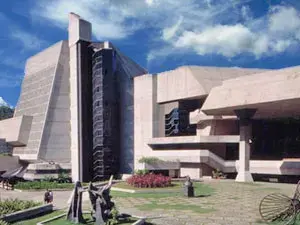
Address: Parque Central The Cultural Complex of Teresa Carreño is the pinnacle of artistic expression within the city. The place contains performance spaces for all forms of art, including theatrical auditoria, exhibition halls and galleries, dance stages, concert spaces, and ballet set-ups. Every year the place attracts a large number of local and foreign performers who come delight Caraqueños with beautifully choreographed dances, gracefully synchronized ballet scenes, and heart-throbbing beats of music. But that is merely what the programs inside are about. Even if you miss a performance, the architecture alone is sure to blow your minds away. The complex consists of a huge, massive form that looks like a hybrid between a medieval fort and a futuristic space station, very formally and elegantly embellished with modern architectural vocabulary, including treatments in glass, concrete, and steel. Sculptures in various materials are scattered around the charmingly landscaped spaces inside, and the Teresa Complex in itself is a must-visit for any enthusiast of the city’s landmarks.

alt

A smaller complex located close by to the Teresa Carreño complex, containing a cinema, a pleasing art gallery with works of local artists on display, a number of small theaters, a decent bookstore, and a rather splendid cafeteria offering finger-licking local delights! The Ateno Theatre is home to some of Latin America’s best theatrical performances every April, during the International Theatre Festival in Caracas.

alt

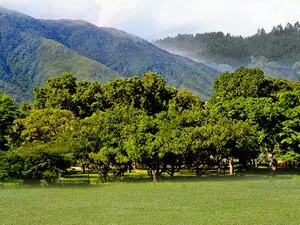
Address: east of the Parque Central Complex One of the oldest parks in Caracas, the Parque Los Caobos is known widely for its enchanting mahogany trees from which the park derives its name. A walk through the park, on its gently winding trails lined with hedges in fresh bloom, is a relaxing way to let go of the day’s troubles and rejuvenate your mind and body for the next day. The park is usually full of families, couples, and children, and is quite a safe venue. A local group organizes fun weekend activities for kids, including puppet shows and clown performances. December sees the park as a venue for depicting huge sets from the Nativity series.

alt

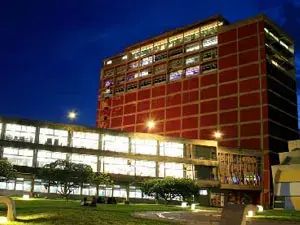
Address: east of Parque Central Complex The UCV is the central university in Caracas, attracting students from all over the country as well as Latin America. The campus is stunningly beautiful, being declared a UNESCO World Heritage Site in 2000. The architecture generally speaks of modernist themes from the 1950’s and 60’s era, but the campus is a living example of art – everywhere you go you will see sculptures, murals, and installations that will widen your views on art, and the perception of art. That, combined with the beautiful landscaping, makes the university campus no less than a park cum cultural piazza cum live exhibition gallery, sure to take up a full day of sightseeing. Then, you always have a small cafeteria at every corner!

alt

Address: northwest of UCV, east of Parque Central Complex, south of Pak Los Caobos Timings: open daily 830am to 430pm. Tickets: VEF 1 A very large, sprawling botanical garden that also serves as a live study field for the adjoining University, the botanical garden is a treat for the eyes of the flora-crazy. A splendid collection of plants, from small shrubs and flowering hedges to towering, decades-old trees, the garden makes for a pleasant evening stroll or two when you are in the neighborhood. The garden also contains a few refreshing water bodies, and several greenhouses that contain plants being nurtured under special control environments. You might be allowed to go inside one of them, depending on the time of the year. Sit back, jog, lie down, or meditate, amidst blossoming tropical beauties. Remember to stick to the southern periphery of the park, as the north side tends to become noisy due to the highway that runs right next to it!

alt

Address: inside Parque Los Caobos, near the Museum of Fine Arts and the National Art Gallery Tickets: admission is free of charge for all The Museum of Natural Science is a scientific facility that aims to educate Caraqueños about the process of evolution that the Venezuelan hinterland has gone through, and the vast natural treasures that their land holds for them. The section containing fossils and archaeological excavations is quite popular, as this gives an insight into the cultural history of the city. It also displays pre-Columbian era tools and clothes. The main attraction within the museum, one that makes it especially popular with children, is its series of grand exhibits containing stuffed animals propped up in their very realistically rendered natural habitats.

alt

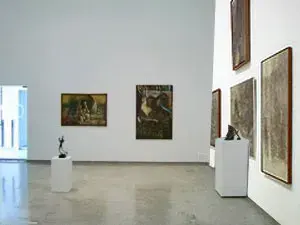
Located right next to the Museum of Natural Sciences, the National Art Gallery contains four centuries of artwork from all around Venezuela, housing over 400 individual samples.