Gateway of India
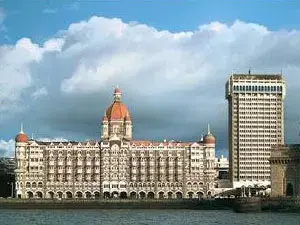
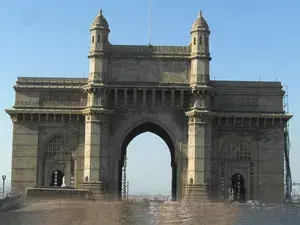
The Gateway of India is the landmark of the city and its most identifiable building. It is located on the waterfront on the southern part of Mumbai.

Search for a city, hotel or experience
Live suggestions could not load. Press Search to view results.
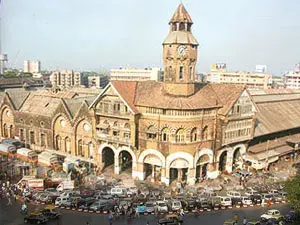
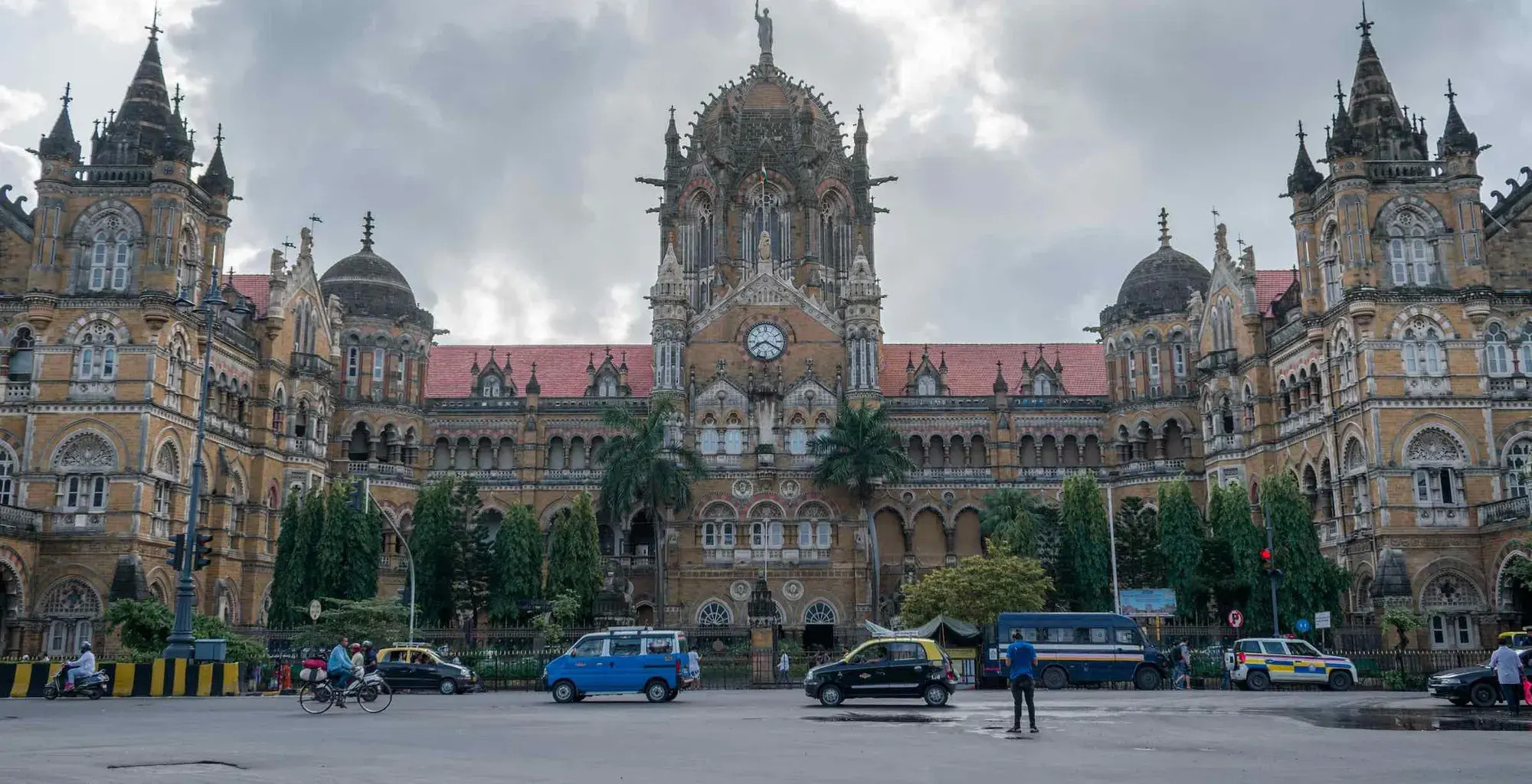
Chhatrapati Shivaji Terminus (CST), a railway station earlier known as Victoria Terminus (VT), is a marvelous piece of Victorian Gothic architecture. The station is positioned on the suburban railway tracks of Mumbai. CST also serves as the headquarters of the Central Railways of India. Built in 1888, this spectacular structure took ten years to complete. Replete with spectacular stained glass windows, stone domes, turrets, pointed arches and an unusual ground plan, the station is unlike any with traditional Indian architecture. It is worth taking a look also for its fine interiors like wood carvings, tiles, ornamental iron, brass railings, etc. This building is a perfect marriage of British architecture with Indian craftsmanship. In 2004, this majestic building was declared a World Heritage Site by UNESCO.
City guide section
Showing 1–24 of 24 places
Browse the highlights below, then open any place for maps, area notes, and practical details.
The Gateway of India is the landmark of the city and its most identifiable building. It is located on the waterfront on the southern part of Mumbai.
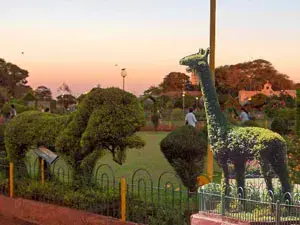
This picturesque garden, also named Ferozeshah Mehta Gardens after a famous barrister of the yesteryears, is laid out in terraces on the slopes of Malabar Hill.
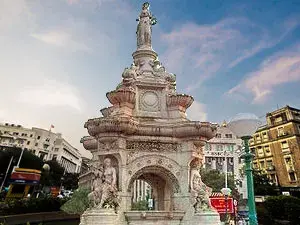
Flora Fountain is located in the Fort business district of South Mumbai. Its name originates from Flora, the Roman goddess of flowers. This stone fountain was built of imported Portland stone in the year 1864.
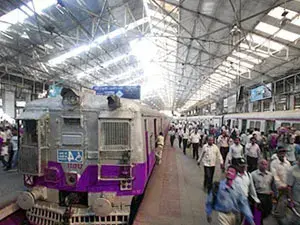
Churchgate, South Mumbai’s downtown business district is a busy area filled with several banks and offices. This area gets its name from Churchgate Railway Station, a very busy and focal point as it is the term
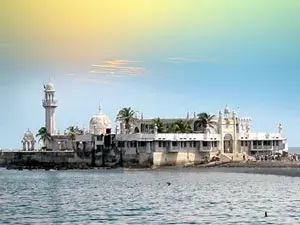
Haji Ali Dargah is a mosque and shrine on an island off the coast in Worli. It was built in memory of Haji Ali, a rich Muslim merchant who gave up all worldly pleasures before embarking on a pilgrimage.
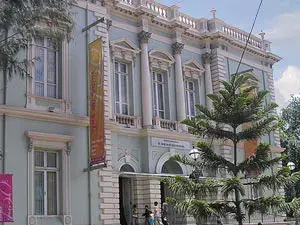
Victoria and Albert Museum, built in 1872, is the oldest museum in Mumbai. It has now been named as Dr. Bhau Daji Lad Museum.
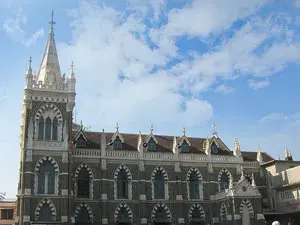
Mount Mary’s Church, a Roman Catholic church, is probably Mumbai's most famous church. It is visited by people of all faiths. Perhaps the oldest church in Mumbai, it was built by the Portuguese around 1640 AD.
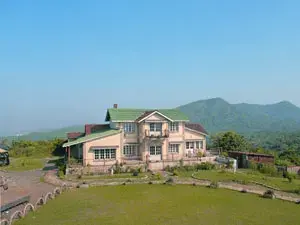
Want to see your favorite stars in flesh and blood? Then head to Film City of India, the venue for the shooting of many Bollywood movies.
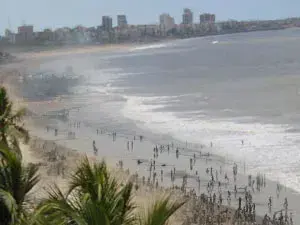
Juhu Beach is located in the central suburb of Mumbai. The beach is clean and the waters are a beautiful shade of turquoise blue which turn into shades of red and orange as the sun dips into the Arabian Sea.
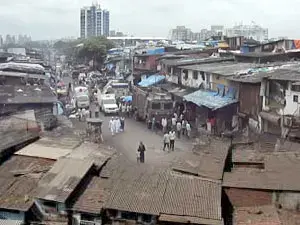
Dharavi, slated to be Asia’s biggest slum, lies on prime property right in the middle of Mumbai. Some travel operators offer guided tours through Dharavi showing the residential as well as the industrial parts.
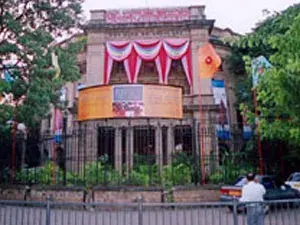
The National Gallery of Modern Art (NGMA) is the premier institute in the country that houses modern and contemporary Indian art.
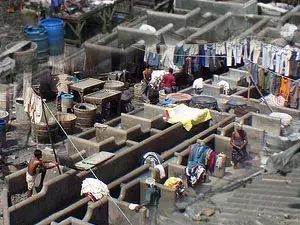
Mahalaxmi Dhobi Ghat is Mumbai’s 136 years old laundry. It is an amazing sight to see the city’s dirty laundry being washed in row upon row of open-air troughs.

Esselworld is Mumbai’s favorite amusement park with 34 exciting rides and games. The Water Kingdom, a part of this complex, is a delight for those who love water sports.
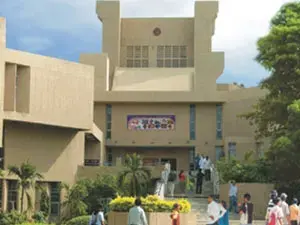
Nehru Science Center is the perfect place where children can unravel the mysteries of science through interactive exhibits and games.
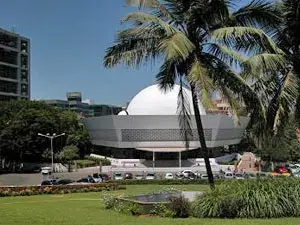
Nehru Planetarium is a landmark building in Mumbai. Its honeycomb, cylindrical shaped building also features art gallery, restaurant, library, cultural center and a 14-gallery exhibit called Discovery of India.

This unique state-of-the-art showroom is full to the brim with the best acoustic guitars in town, handpicked by professional musicians right from the factories.
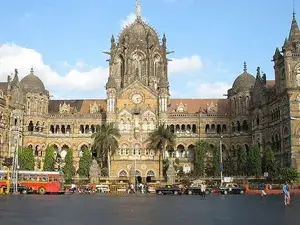
Chhatrapati Shivaji Terminus (CST), a railway station earlier known as Victoria Terminus (VT), is a marvelous piece of Victorian Gothic architecture.
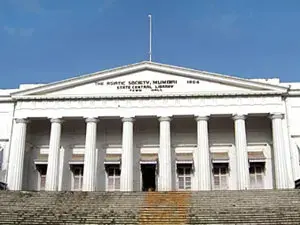
Town Hall, located in the Fort area has been influenced by Greek and Roman architecture and is one of the heritage buildings of Mumbai. The massive pillared edifice with eight Doric pillars is impressive.
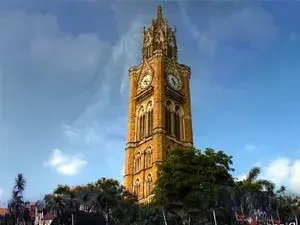
It was designed by an English architect, Sir Gilbert Scott, and was based on the tower in London housing the Big Ben.
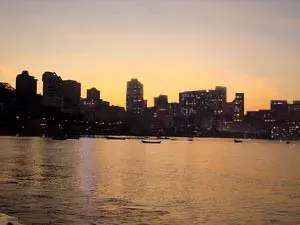
Malabar Hills is an elite and posh residential area of Mumbai. It also has a few places of tourist interest like Walkeshwar Temple, Banganga Tank, Parsi Tower of Silence, Hanging Gardens, etc.
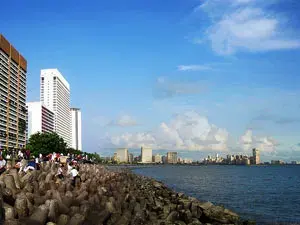
It sweeps down from Malabar Hill to Nariman Point and is lined by grand Victorian buildings, art-deco apartment blocks and luxuriant palm trees.
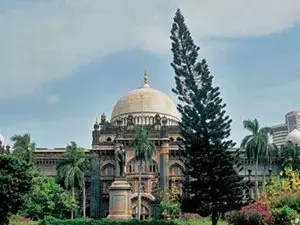
Mumbai’s biggest and best museum, the Prince of Wales Museum, is housed in a grand building set amidst luxurious gardens.
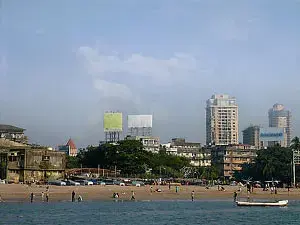
Mumbai’s Chowpatty Beach at the northern end of Marine Drive is where the citizens and tourists alike head to for an evening of fun and frolic.
Here you can see many rare and endangered species of birds and animals apart from tigers, lions, elephants, bears and many migratory birds as well as native birds.
Keep exploring Mumbai
Keep exploring Mumbai and add more stops to your plan.
Keep exploring Mumbai and add more stops to your plan.
Keep exploring Mumbai and add more stops to your plan.