Skip to content
Mumbai
Mumbai

Festivals and Annual Events

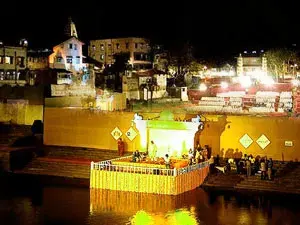
Every year, in the month of January, the picturesque Malabar Hills comes alive with the sound of music. The Banganga Festival brings to Mumbai each year, performances by leading Indian classical maestros. This is a must see event for all culturally inclined music enthusiasts. The festival owes its name to Banganga Tank, a sacred tank in the complex of  Walkeshwar temple. The whole area is lit up and decorated with flowers during the festival.

19 results

City overview
Banganga Music Festival

Every year, in the month of January, the picturesque Malabar Hills comes alive with the sound of music. The Banganga Festival brings to Mumbai each year, performances by leading Indian classical maestros. This is a must see event for all culturally inclined music enthusiasts. The festival owes its name to Banganga Tank, a sacred tank in the complex of Walkeshwar temple. The whole area is lit up and decorated with flowers during the festival.
Mumbai Marathon

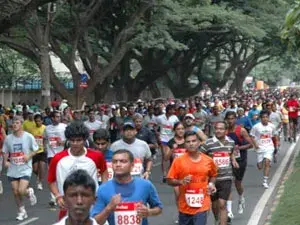
The Standard Chartered Mumbai Marathon is India’s biggest marathon run. Started in 2004, it is the single largest fundraising event in India to date. Registrations for Mumbai Marathon generally start six months in advance of the event, i.e. in July, and due to the high demand for running places all the available slots are filled in within two or three weeks, a proof of its popularity. The race categories for this run are as follows: Marathon - 42.195 km; Half Marathon – 21.097 km; Dream Run – 6 km; Senior Citizen’s Run – 4.3 km and Wheelchair Event – 2.5 km.

Elephanta Music and Dance Festival

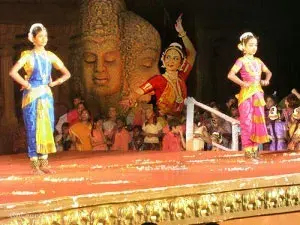
Elephanta Festival, one of the most popular festivals of Mumbai, is celebrated every year under the patronage of the Maharashtra Tourism Development Corporation (MTDC). It is organized in the month of February, with the aim of showcasing the rich culture of Maharashtra, through dance and music performances by artists from the state. Elephanta Island, sited at a distance of approximately 10 km from Mumbai harbor, serves as the venue of the Elephanta Dance Festival. Folk dances performed by the local fisherman have become a popular feature of the event, besides other performances. One also gets a chance to sample local food at this festival. The huge idol of Lord Shiva which is illuminated at this time is also an added attraction and adds to the ambience of the festival.

Kala Ghoda Arts Festival

This festival is Mumbai’s nine-day extravaganza celebrating all forms of art. It is an expression of the inclusiveness of art where all gather in a joyous spirit of celebration of the finest talents producing momentous and uplifting work. The festival includes children’s events, cinema, dance, food, heritage walks, literature, music, street festival and visual arts. Contests, workshops and seminars also form part of this event. The festival attempts to create ‘One soul, one sound, one taste, one color, one step, one beat and ONE WORLD’ to entertain and enrich everyone who visits.

Gudhi Padwa

Gudhi Padwa is celebrated all over the state of Maharashtra. It falls on the first day of the Hindu month of Chaitra (March-April) and marks the beginning of the Hindu New Year. It is celebrated with much gaiety and festivity with people adorning their houses with colorful ‘rangoli’ (intricate design made on floor with colored powder) and bamboo staffs (gudhi) decorated with silk and crowned with a brass goblet. This ‘gudhi ’ is said to protect people from evil forces.

Mango Festival

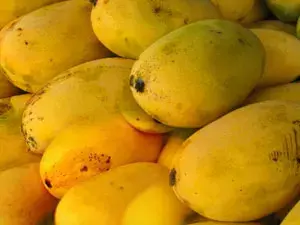
Organized on a yearly basis, this immensely popular festival is eagerly looked forward to by Mumbaikars who get a chance to savor all varieties of mango, the king of fruits, to their heart’s content. This festival, organized by the Konkan Prathistan Sanstha, aims at giving an opportunity to farmers to make maximum profit without going through middlemen. Buyers also are exposed a wide variety of the fruit which they normally would not have been. Some of the famous varieties are Alphonso, Ratnagiri, Sindhudurd, Raigad. Stalls are set up and the best quality of each variety is available at reasonable rates.

Maharashtra Day, 1 May

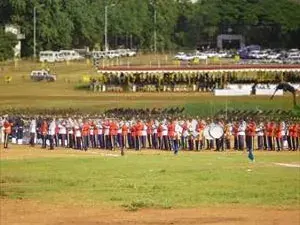
Maharashtra Day commemorates the attainment of statehood of Maharashtra on I May 1960. The state government organizes the main function in Mumbai which is held at Shivaji Park in central Mumbai. A ceremonial parade is part of the celebrations comprising members of the State Reserve Police Force, Brihanmumbai Commando Force, Home Guards, Civil Defense, Fire Brigade and City Police. The Governor of the state takes the salute at the ceremonial parade.

Khota chiwadi Festival

This festival is a celebration of Indian arts and local crafts. Art exhibitions are held, local arts and crafts are on sale, there are plenty of games and of course lots of tasty food on offer. Declared a heritage precinct, the Khotachiwadi area is a small street of 65 Portugese-style houses in Mumbai. Providing a glimpse of the early Portugese lifestyle, the annual Khotachiwadi street festival is held to promote home industry schemes and raise funds.

Nag Panchami (Snake Day)

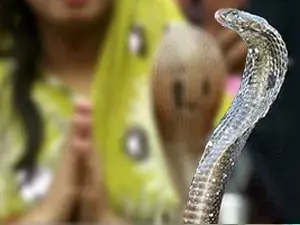
This festival is celebrated late July/early August and involves the worshipping of snakes all around Mumbai. Cobras are worshipped and fed sweetened milk. Snake charmers can be seen dotting the streets and tourists can get a chance to experience a little cobra-feeding too.

Parsi New Year

Parsi New Year falls in the month of August-September. It is on this day that the Shahenshahi Zoroastrian community landed in India upon migration from Persia. This festival is celebrated at the fire-temple. People meet and greet friends and relatives and partake of sumptuous feasts.

Nariyal Purnima

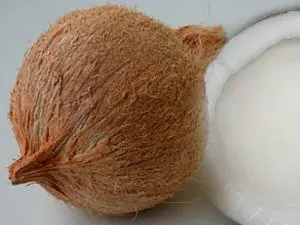
This festival, dedicated to a coconut (nariyal), celebrates the end of monsoon season. Essentially a fisherman’s festival, this signifies their return to the sea. It is mainly celebrated by the Kolis, the original natives of Mumbai. The fisher folk paint their boats and decorate it with lighted diyas (small clay lamps filled with oil). Coconuts are broken against the bows for good luck. Garlands are offered to the sea to ensure the safety of those who venture into the waters to fish. The Koli community living along the sea front illuminate their homes and celebrate with singing and dancing.

Janamashtmi

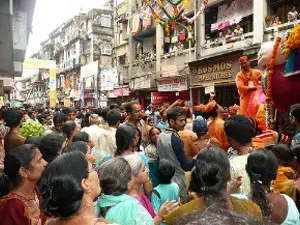
Janamshatmi celebrates the birthday of Lord Krishna, a popular Hindu diety. Bhajans (religious songs) in praise of Lord Krishna are sung all over the city at special functions; temples dedicated to this god are decorated with lights. An interesting activity takes places on this day. Lord Krishna, it is said, was extremely fond of curd and butter and would go to any extent to steal them. In a replica of this activity, clay pots full of curd and coins are suspended on ropes across the city. Young men form human pyramids to break the clay pots, not just to get the curd, but also take their share of the coins that tumble forth.

Eid-ul-Fitr

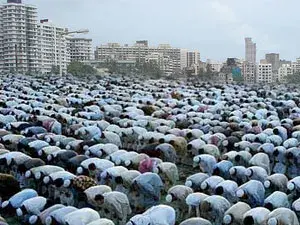
Eid is celebrated quite largely in Mumbai as this city has a sizable Muslim population. Eid-ul-Fitr marks the end of Ramadan, the holy month of fasting. People go to the Idgah and various masjids across the city to offer special Eid salah (prayers). They wear new clothes and decorate their homes and feast. The main dish of this festival is a milk-based sweet dish made with vermicelli called sivaiyan.

Bandra Fest

Bandra Fest is celebrated in the month of September and is the feast day of Virgin Mary. This week long festival starts on the Sunday closest to the birthday of the Virgin Mary (8 September). A huge fair is held with Ferris wheels, rides, games, bands and shows.

Ganesh Chaturti

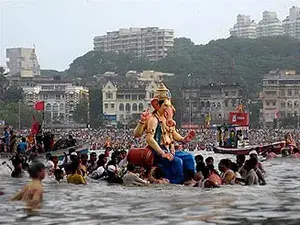
Ganesh Chaturthi is perhaps the main festival of Mumbaikars and is celebrated with great gusto and pomp throughout the city. Celebrations carry on for a period of 10 days where statues of elephant-god Ganesh are set up and worshipped. On the last day, massive statues of Ganesh or Ganpati are carried out in huge processions accompanied with music and chanting of “Ganpati Bappa Moriya”. These statues are then taken to the seaside and immersed. Chowpatty Beach is a spectacle worth seeing this day.

Navratri and Dussehra

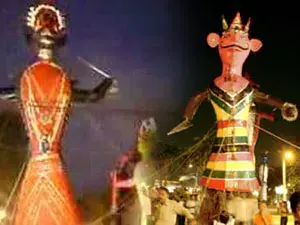
This is a 10 day festival, where nine of the nights are spent in worship and entire Mumbai swings to the rhythm of Garba and Raas dances of Gujarati community. The tenth day, Dussehra, celebrates the victory of good over evil, the victory of Lord Ram over his enemy, the ten-headed demon king Ravan. Effigies of Ravan are burnt throughout the city to commemorate this event. Also on this day, the diety Durga, who is worshipped for 9 days, is immersed.

Diwali

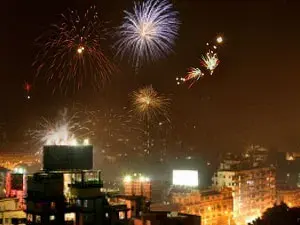
Diwali or Deepavali is one of the major festivals of the Hindus and is celebrated throughout the country. Also known as festival of lights, it signifies the victory of good over evil. It is said that Lord Rama returned to his homeland Ayodhya on this day after a 14 year exile period, after killing demon king Ravana. Goddess Lakshmi, the goddess of wealth and prosperity, is worshipped on this day. People clean and paint their houses and offices in preparation for this festival and decorate with lights, flowers and rangoli. Sweets and gifts are exchanged among family and friends. The highlight of the evening is the burning of firecrackers and fireworks which are enjoyed by all, young and old alike.

Prithvi Theatre Festival

This festival sees the performance of several plays by some of India’s leading theater groups. The focus of this festival varies from year to year.

Christmas

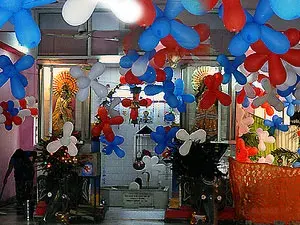
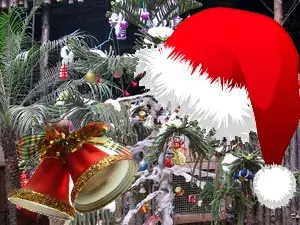
Christmas is popularly celebrated in Mumbai. Streets are decorated with strings of lights and stars and Nativity scene is recreated on many street corners. Christmas trees are decorated throughout the city. Celebrations take place at home and at restaurants.