City Information
Explore city history, fast facts, climate and practical visitor information for Muscat.
City Information
Annual Temperature
City Information
Public Holidays
1st January- New Year; March- the Prophet’s Birthday *: April- Easter 23rd July- Renaissance Day September- Eid-ul-Fitr * 24th November- National Day 25th November- HRH Sultan Qaboos’ Birthday December- Eid-ul-Azha * December- Hijri (Islamic) New Year * 25th December- Christmas Day 26th December- Boxing Day (* moveable, subject to sighting of the moon)
Read full articleCity Information
Fast Facts
-Location: Muscat is located in the North East of Oman. To the North and the West of the city lies the Arabian Sea. To the south lie the plains of the Dakhiliya Region. To the East lies the Ash Sharqiya Region.; -Dialing code: +968; -Emergency numbers: Police- 999
Read full articleCity Information
When to go
The best time to visit Muscat is from November to April, when the weather is perfect for a nice vacation. Winters in Muscat are not cold, but comfortable-the summer, on the other hand, can be unbearable. During the summer, temperatures balloon to 45 degrees Celsius (and occasionally more), which is only exacerbated by the humidity of the city.
Read full articleCity Information
Visa Information
There are a number of different visas available for those wishing to travel to Muscat; these include the express visa, the single entry visa and the multiple entry visa. The government of Oman has categorized countries into 2 types: those included in list 1; and those included in list 2.
Read full articleCity Information
Muscat’s Residents
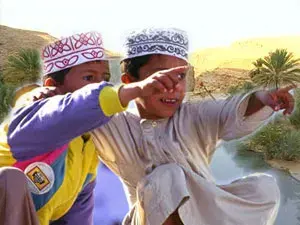
Muscat has a population of almost 600,000 people. Locals constitute only 60 percent of the population whilst expatriates account for a sizeable 40 percent of it. Muscat’s residents have experienced improvement in their standards of living and have shared in the wealth the city has generated as a result of the numerous construction and development projects, as well as the burgeoning tourism industry. The majority of the residents are Muslims, although there are many Christians as well as Hindus. The city boasts of a number of Mosques, churches as well as two Hindu temples and minorities are allowed to practice their religion without the interference of the state. A number of languages are spoken in Muscat including Arabic, English, Hindi, Urdu and Swahili. The population is truly a salad bowl of various nationalities. The residents are hospitable and friendly, as well as tolerant.
Read full articleCity Information
Muscat History
The roots of Muscat’s seafaring heritage run all the way back to the 6th millennium BCE, when fishermen inhabited its rocky coast on the Arabian Sea. Already established as a well-known port in the 1st century CE, the port of Muscat was referred to as Cryptus Portus by Ptolemy. For much of its history, the valuable port has been conquered by invading empires and reconquered by local tribes. The port was invaded by Sassanid Empire in the 3rd century and the city converted to Islam in the 7th century. After Persian rule, warring local tribes within Oman allowed the Abbasids of Baghdad to gain control before they were driven out by the Yahmad tribe. Power continued to shift as the Portuguese arrived in 1506, attacking, pillaging and massacring as they went. The Turks and the Portuguese waged battles over Muscat until 1650, when the Portuguese were driven out definitively by the army of the Imam.
Read full articleCity Information
Muscat today
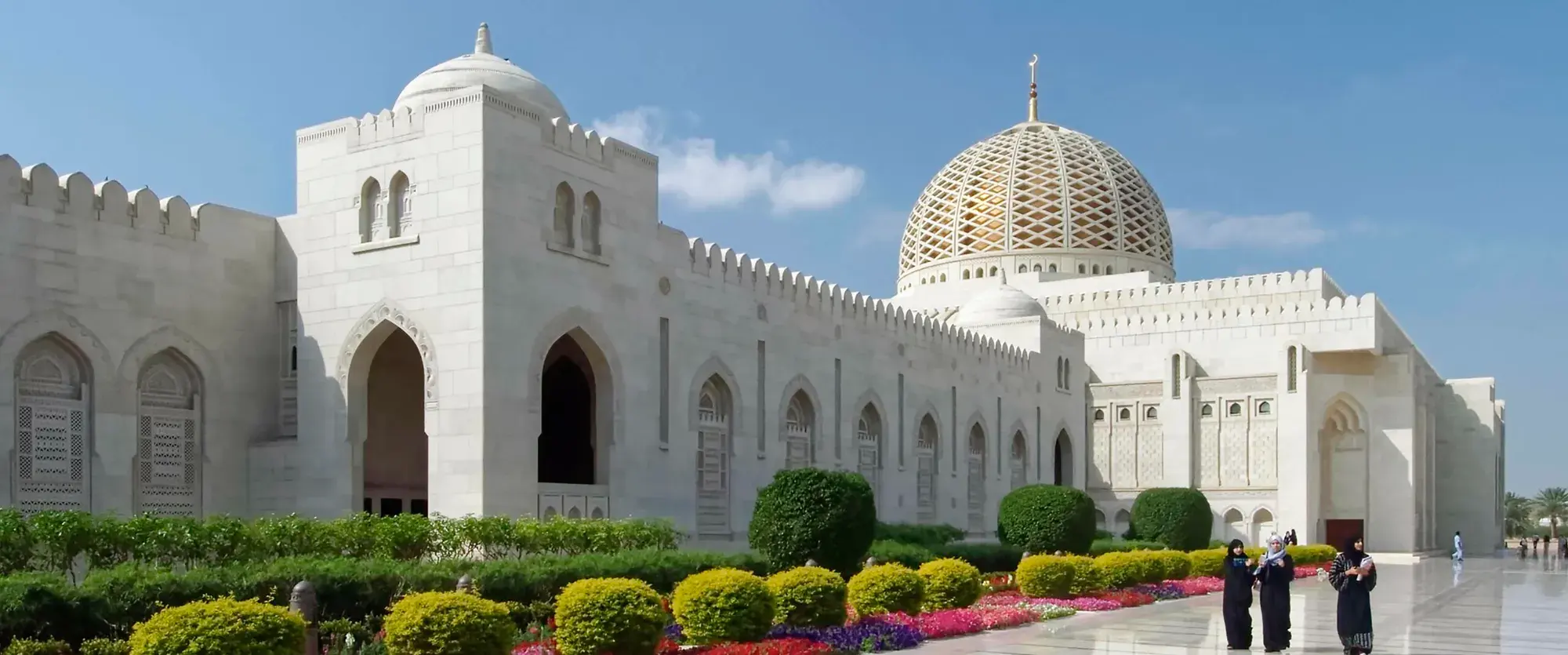
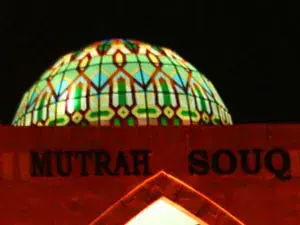
Muscat is the capital and largest city in Oman, with a population slightly exceeding one million people. The city has a rich history and is located on the eastern coast of the Sultanate of Oman. The city has long-been a trading outpost, largely due to its geographic location near the Strait of Hormuz; this has had a large impact on the development of the city to its modern day form. Today, Muscat’s port still drives much of the economy of the city. Muscat lies tucked in the rolling hills and mountains of Oman, and retains much of the historical charm the city acquired during its time as a military outpost and trading post during periods of both Persian and Portuguese rule. Since the ascension of Sultan Qaboos bin Said to the throne in 1970, the city has developed rapidly into a more modern city. Large malls and city centers are a common sight, and while there are very few high rise buildings within the city (an attempt to retain the cultural heritage of the country), buildings are modern and the city has become a sprawling metropolis with plenty to see and do. The city also lives its culture-the fish market is still a daily staple of the local diet, and the Mutrah Souk mixes old and new in a classic Arabian market. With beaches, amazing natural destinations nearby, and a lively populace, Muscat has painted itself as a vibrant place to visit or live.
Read full articleKeep exploring Muscat
More places in Muscat
Keep exploring Muscat and add more stops to your plan.
More restaurants in Muscat
Keep exploring Muscat and add more stops to your plan.


More hotels in Muscat
Keep exploring Muscat and add more stops to your plan.