
7 - The Winter Palace – St. Petersburg, Russia
Published by Irhal
From the Irhal archive. This page preserves the original article; details may have changed since publication.
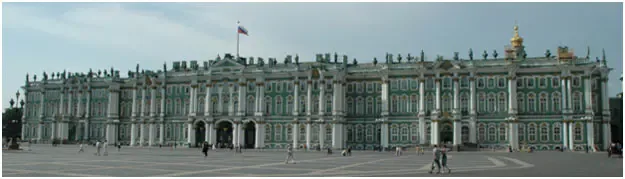
From 1732 to 1917, the Winter Palace was a home for the Russian Tsars. Architect Bartolomeo Rastrelli designed the elaborate palace in the Baroque and Rocco style for Grand Duchess Elizabeth, the daughter of Peter the Great, as a symbol of the might of imperial Russia. During her reign, Catherine the Great expanded the Winter Palace and commissioned the addition of a new wing called the Hermitage and filled the palace with a large collection of artwork. After Catherine’s death, Nicolas I opened the Hermitage to the public as the first art museum in Russia. The assignation of Alexander II in 1881 led the royal family to fear for their security and from then on, the Winter Palace no longer served as the true residence of the Tsars. Instead, the Romanovs moved to the more secure palace at Tsarskoe Selo and used the Winter Palace for administrative purposes. In the early decades of the turbulent 20 th century, three of the major turning points in Russian history took place in the Winter Palace. The first was the Bloody Sunday massacre in 1905, when 1,000 unarmed protesters who were unaware that the Tsar no longer lived in the Winter Palace were killed by the Tsar’s troops. The controversy surrounding the event motivated the establishment of the Russian parliament, the Duma in 1906. After heavy Russian losses in the First World War, Nicolas II abdicated and he and his family were executed at Yekaterinburg. In October, 1917, the Bolsheviks stormed the Winter Palace and pillaged the palace, removing precious artifacts and looting the valuable wine cellar. Once a symbol of a powerful Russian monarchy, the enormous palace, which is three stories high and has 1,500 rooms, 1,945 windows, 1,786 doors and 117 staircases, now serves as a museum.
More Travel Stories
All travel stories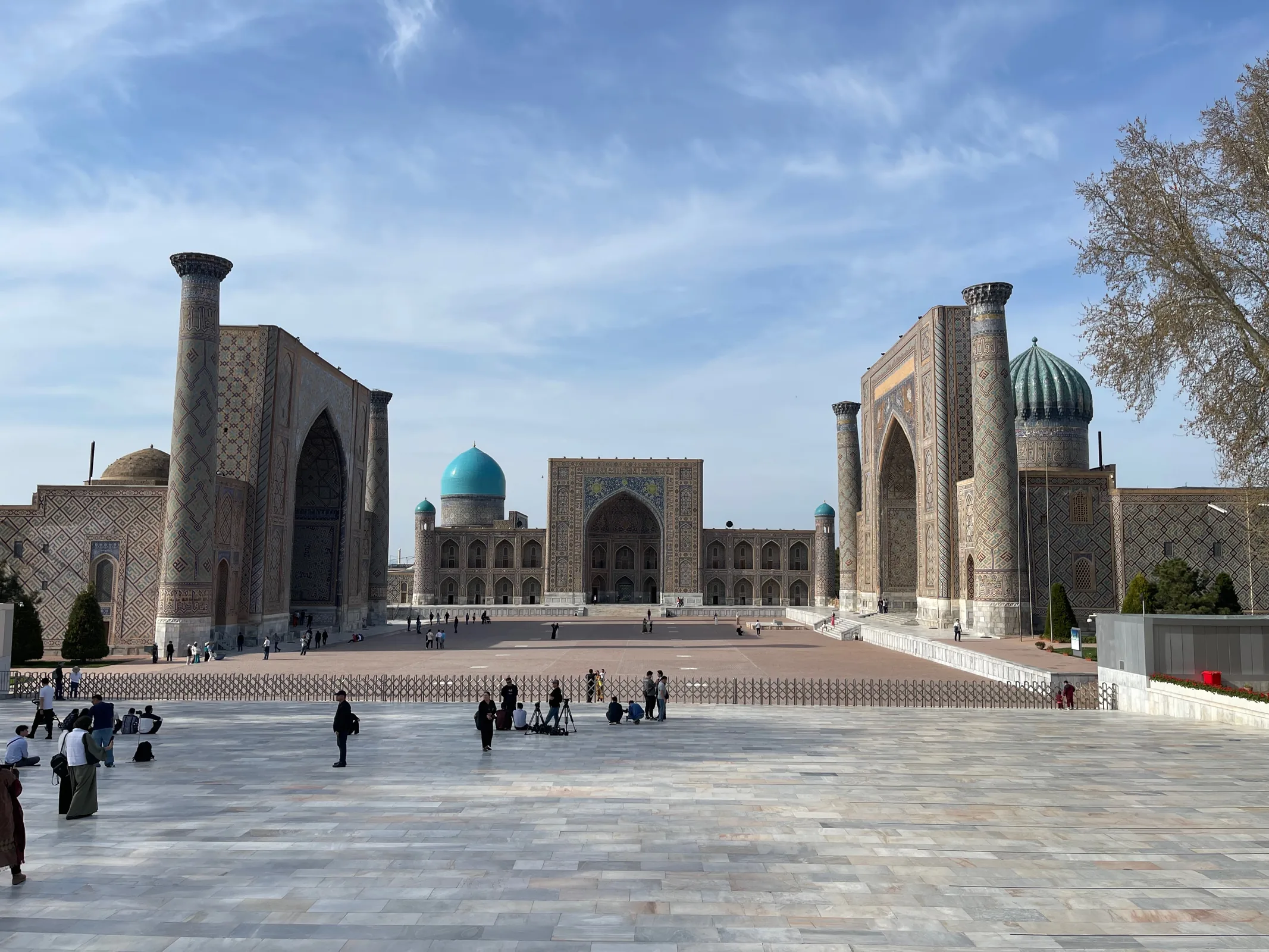
Travel Stories
Madrasahs of Registan Square, Samarkand, Uzbekistan
Samarkand, a city that lies at the heart of the ancient Silk Route is steeped in Islamic architecture. The three turquoise domed monuments to a gloried past in Registan Square are fascinating examples of a history that is being carefully restored to captivate the awe and admiration of tourists from around the world who are now discovering this ancient city of Uzbekistan.
Read story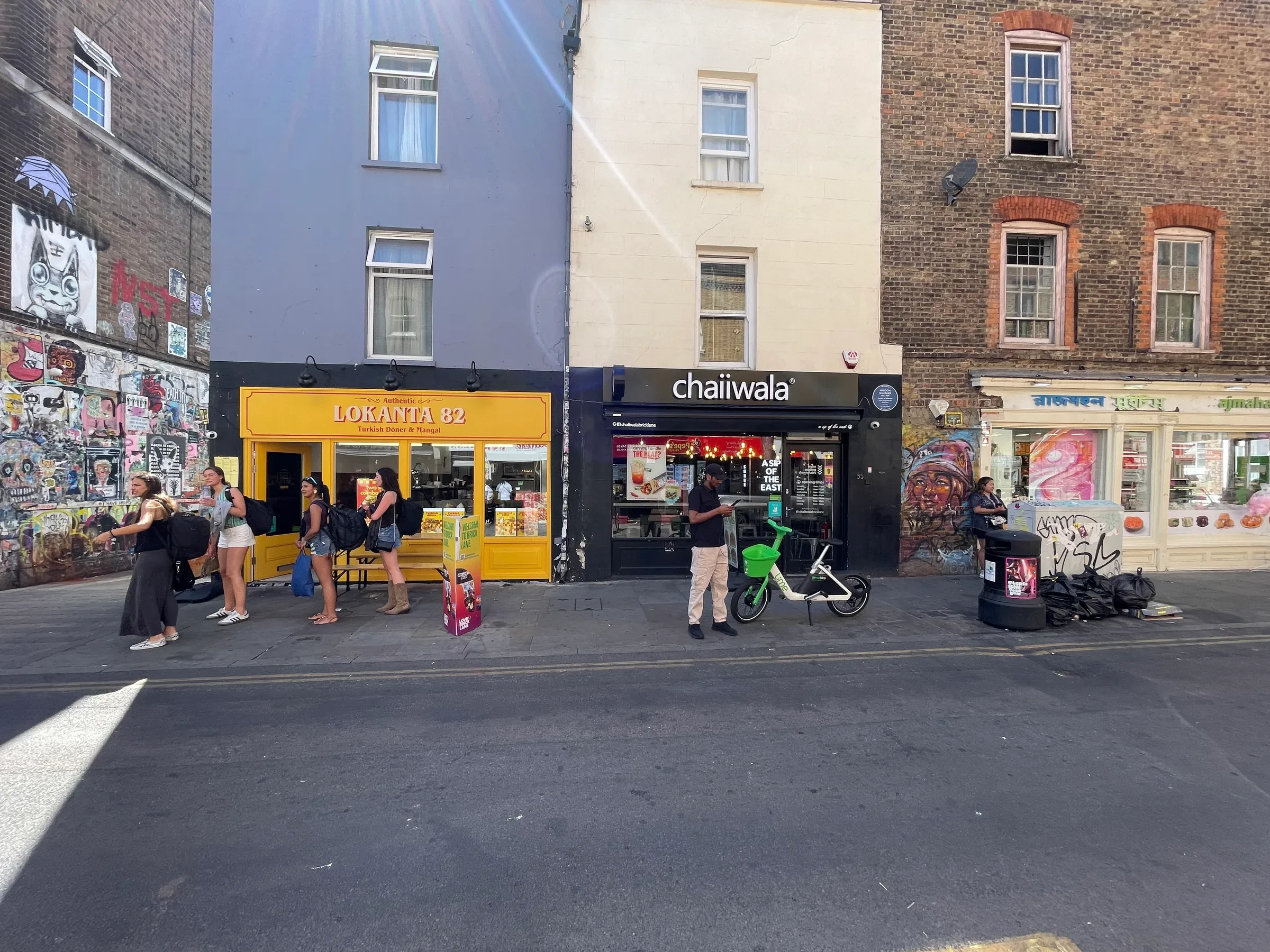
Travel Stories
Whitechapel, Brick Lane and Bangla Town - evolving cultural smorgasbord
London is a melting pot of diverse ethnicities. Nowhere is this more visible than in Whitechapel Station where you see signs in both English and Bangla.
Read story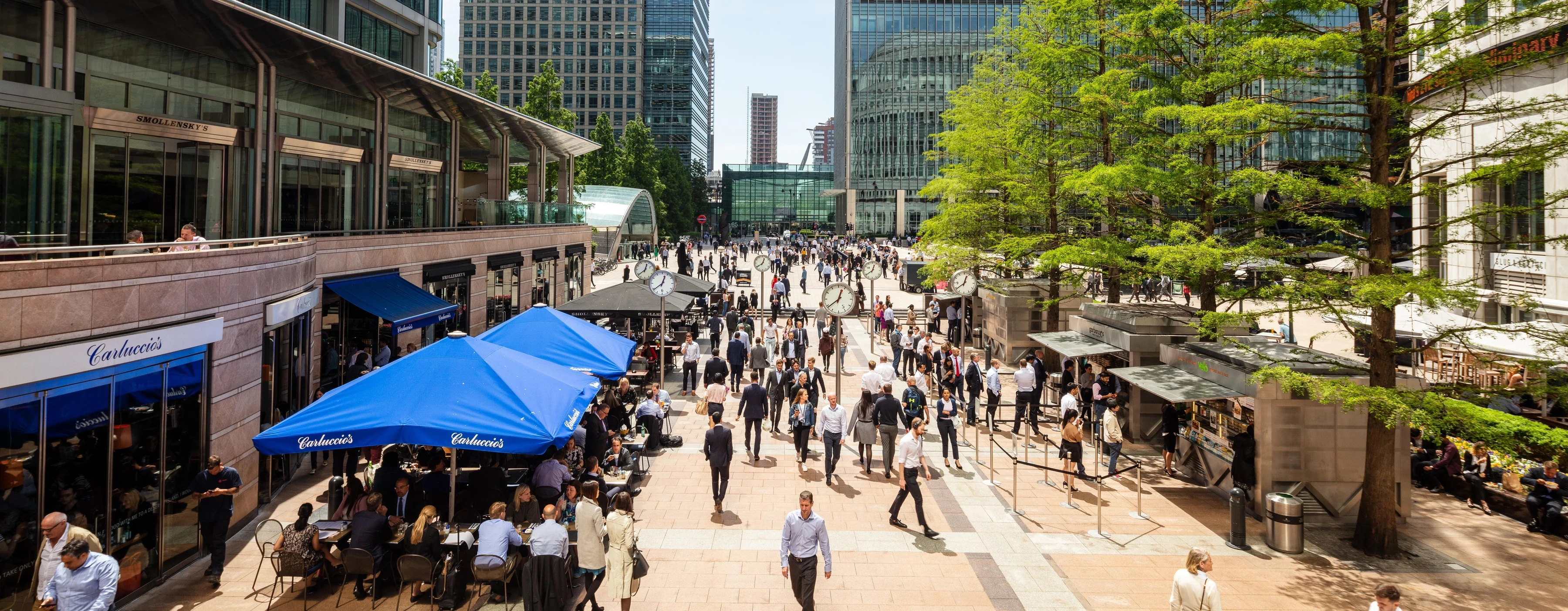
Travel Stories
Halal Restaurants near The House of Gods in London
A Muslim travel route through Canary Wharf, from halal food trucks and polished dine-in restaurants to Docklands Community Centre Masjid.
Read story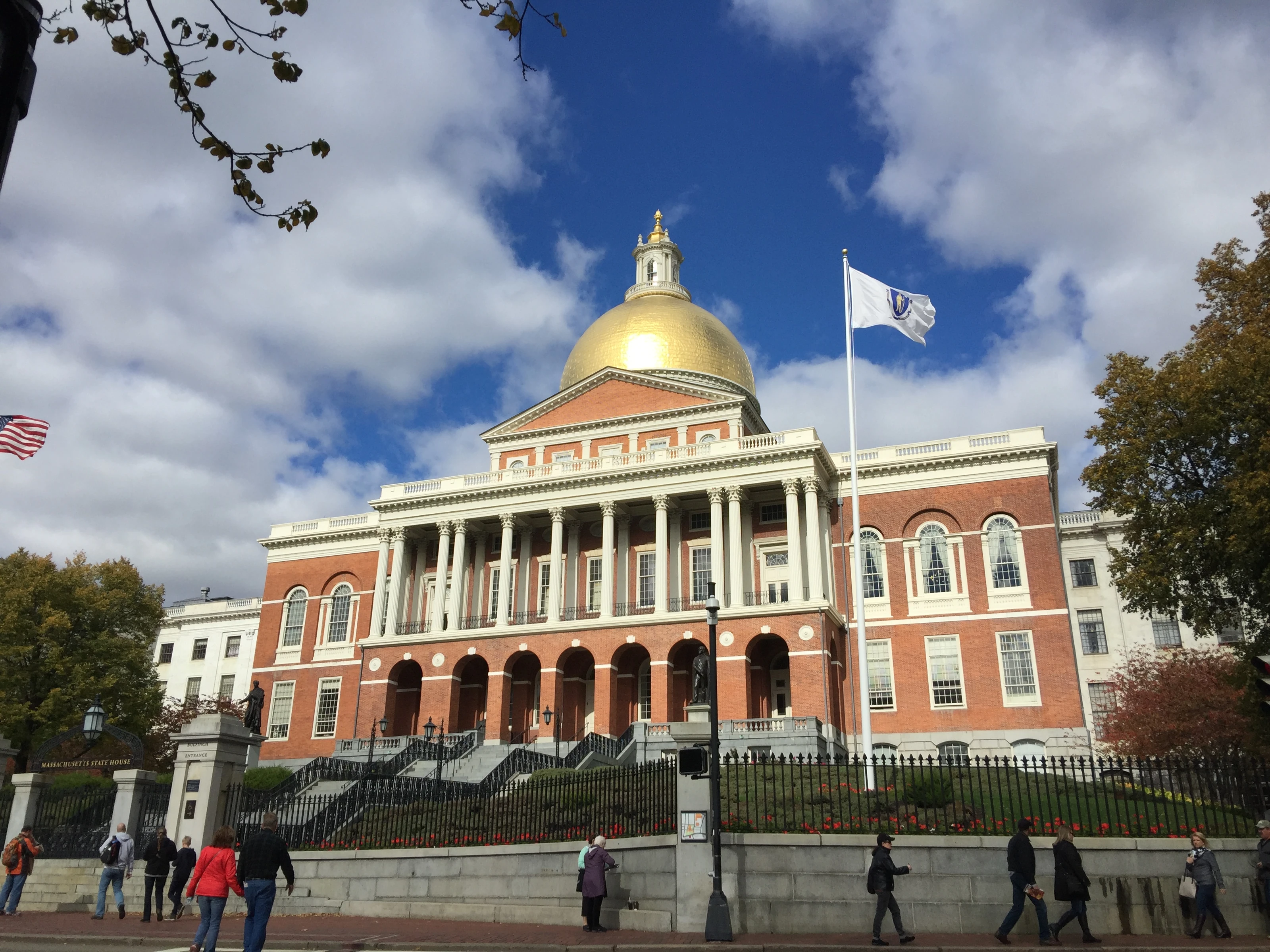
Travel Stories
FIFA World Cup Cities: Boston
The arrival of the FIFA World Cup 2026™ is a perfect opportunity for Boston's sports fans to show how their city revels in a championship contest.
Read story