The Airport Express runs from terminals 1 and 2 to Baku Railway Station at 28 May. The airport lists departures every 20 minutes from 06:00 to 23:15 and every 45 minutes overnight. The airport lists a fare of AZN 1.30 with a BakıKart and a price of AZN 2 for the card itself. A taxi or Bolt to Fountain Square typically takes 25 to 40 minutes.
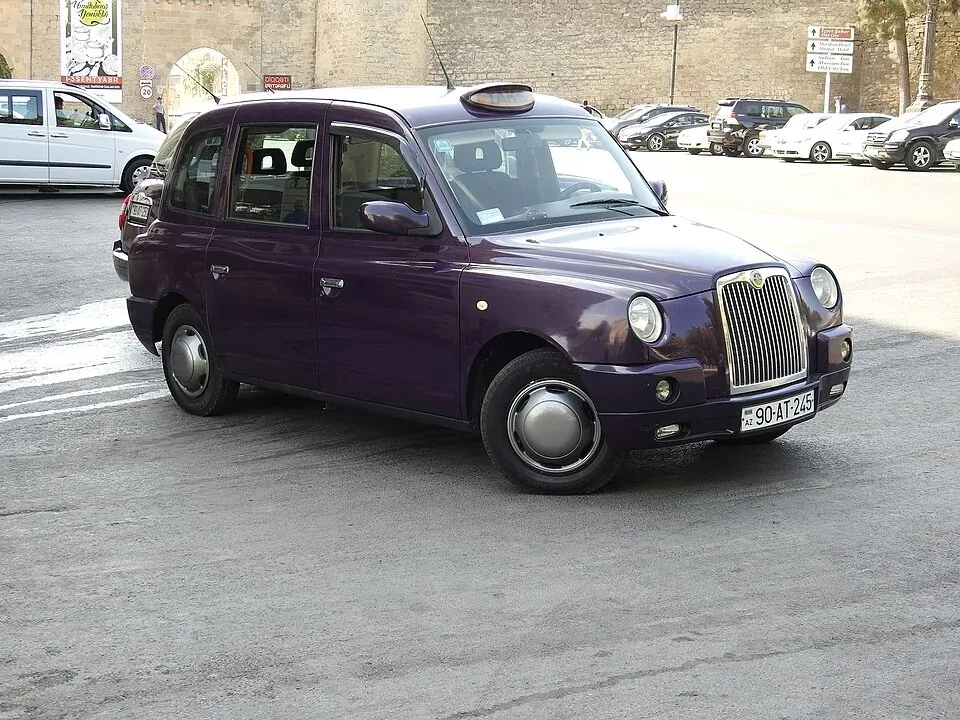
Use an app for most trips in the city: Fountain Square to the Heydar Aliyev Centre is about 10 to 15 minutes, to Heydar Mosque about 20 to 25 minutes, to Ateshgah or Yanar Dag about 30 to 40 minutes, and to the northern beaches about 40 to 50 minutes. From the airport, official taxi ranks and pre-booked transfers are the calmest options if you do not want to open an app on arrival.
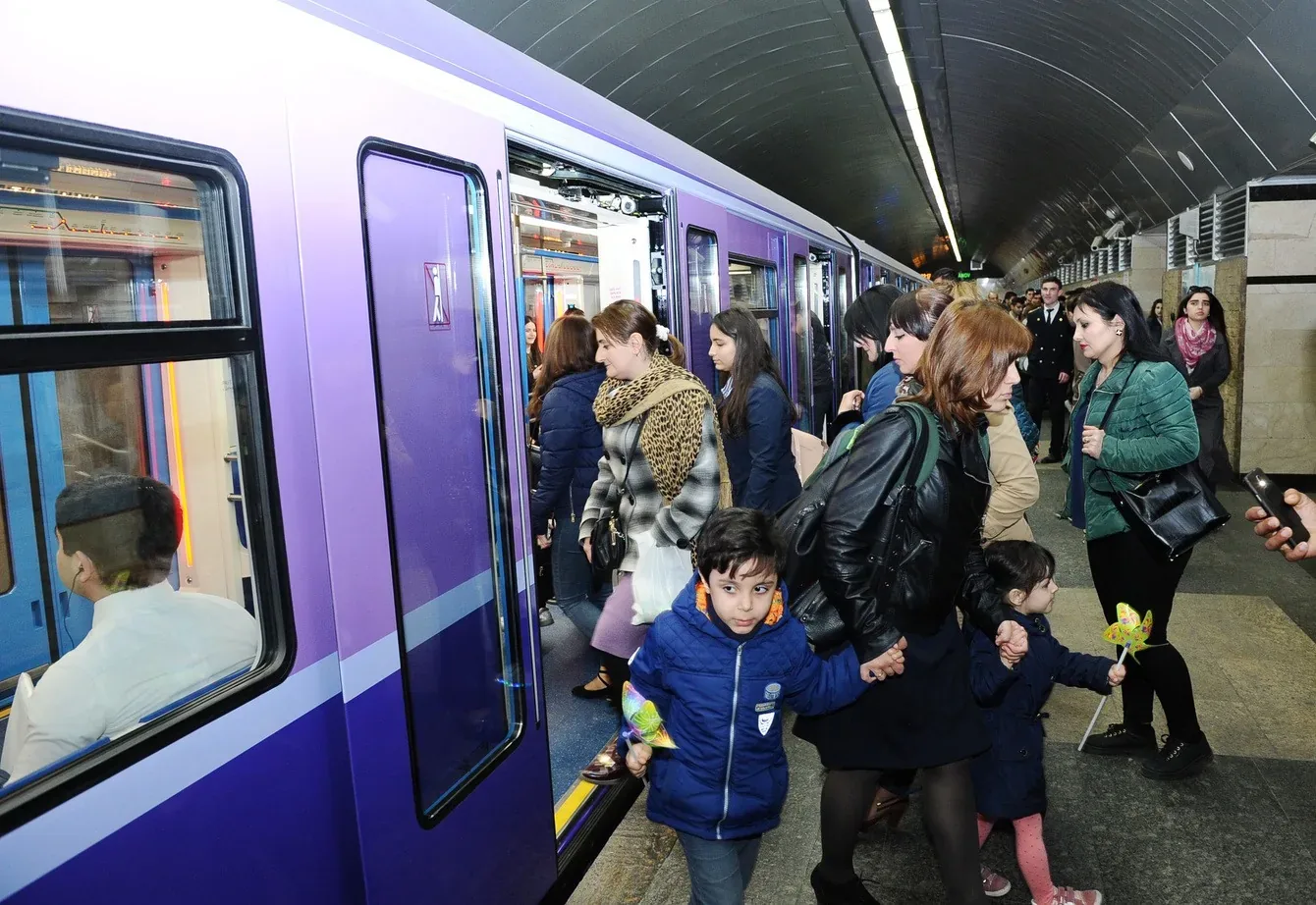
Useful stations include Icherisheher, Sahil, 28 May, Ganjlik and Khatai. Buy a BakıKart for AZN 2 at a station ticket machine. Baku Metro lists replacement buses between 28 May and Nizami during construction. Check the operator’s station map and transfer notices before travelling.
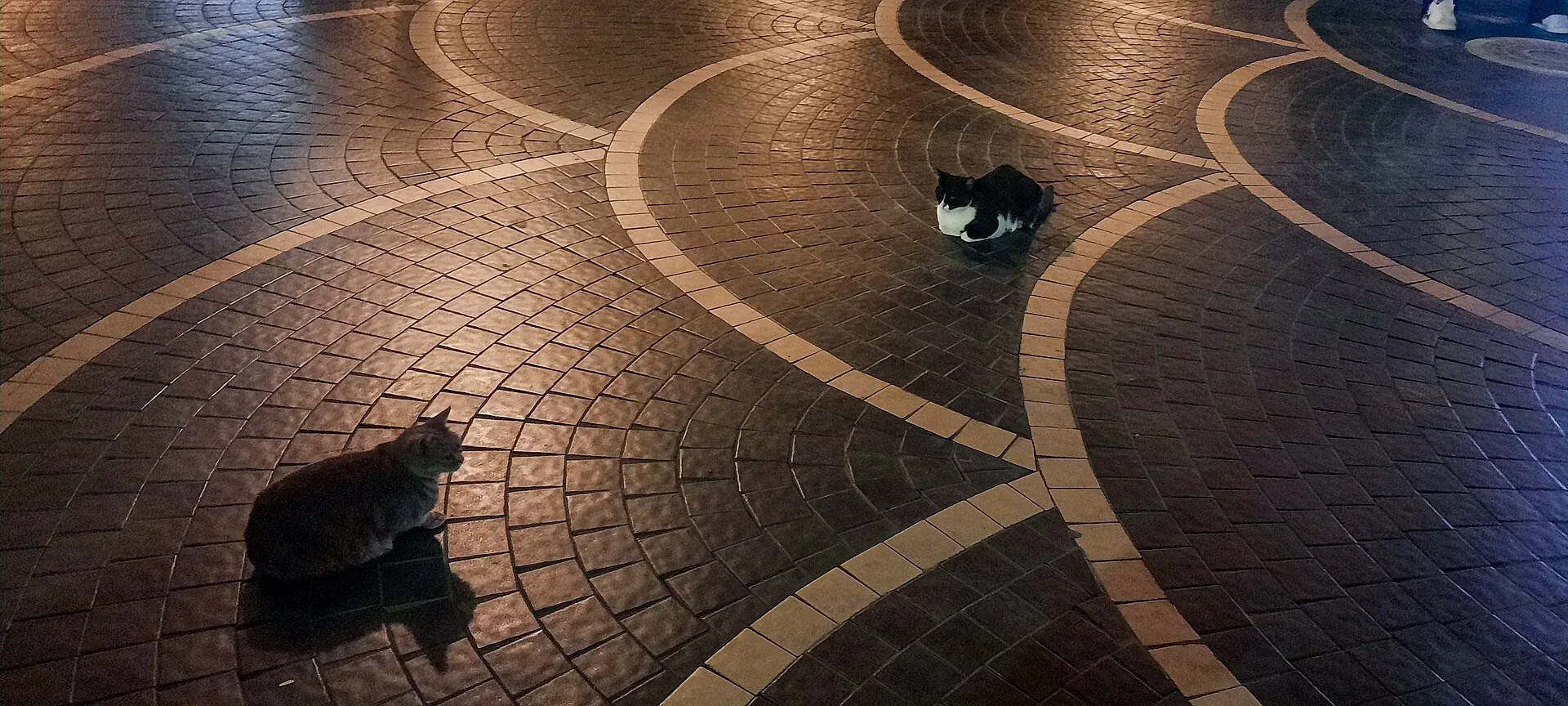
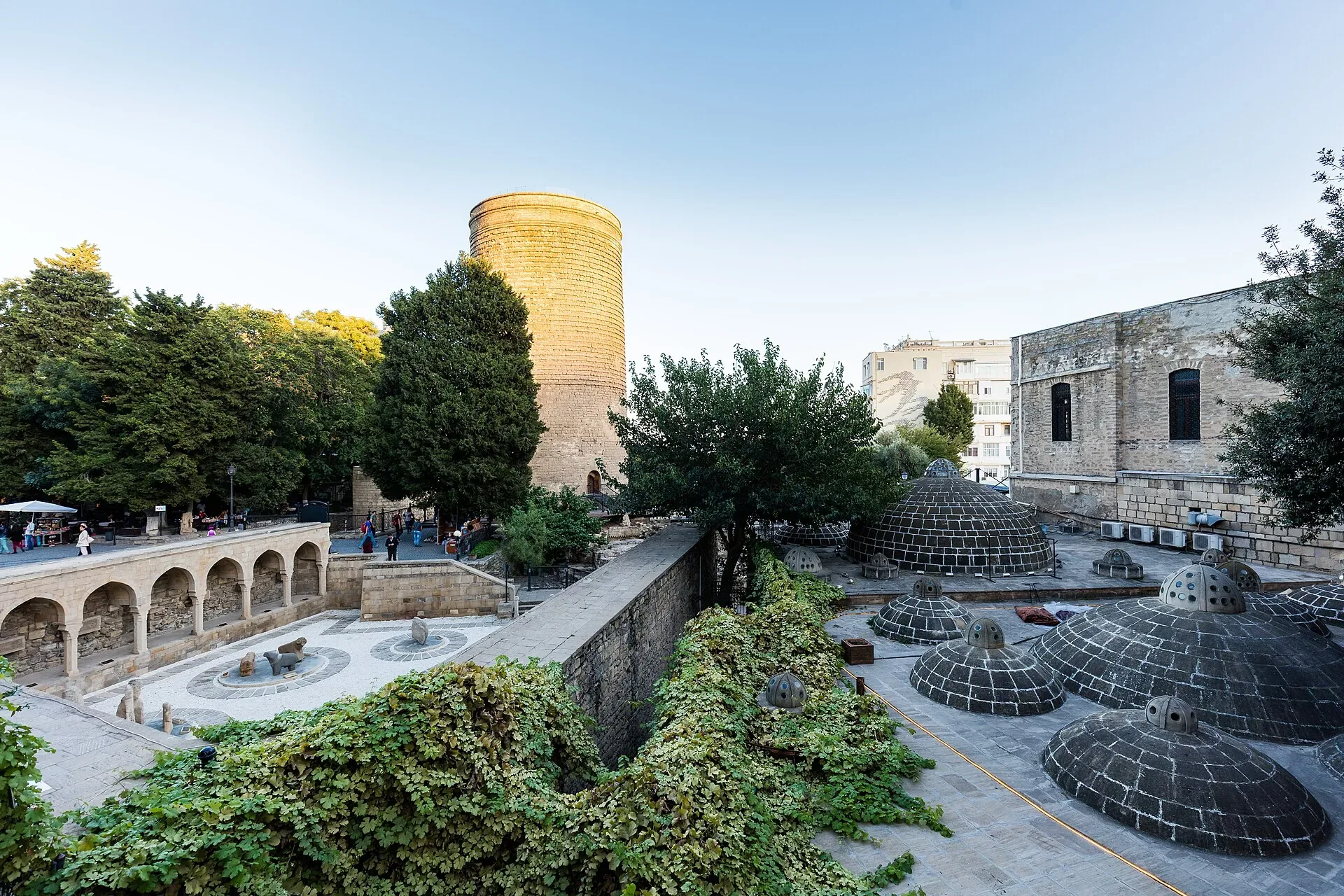
Wear stable shoes for the uneven, sometimes steep lanes inside the walls. The Boulevard is mostly flat and easier with children and strollers. Highland Park is a climb, or a short funicular ride, from the waterfront. Taxis drop at an Old City gate; you walk the last metres.
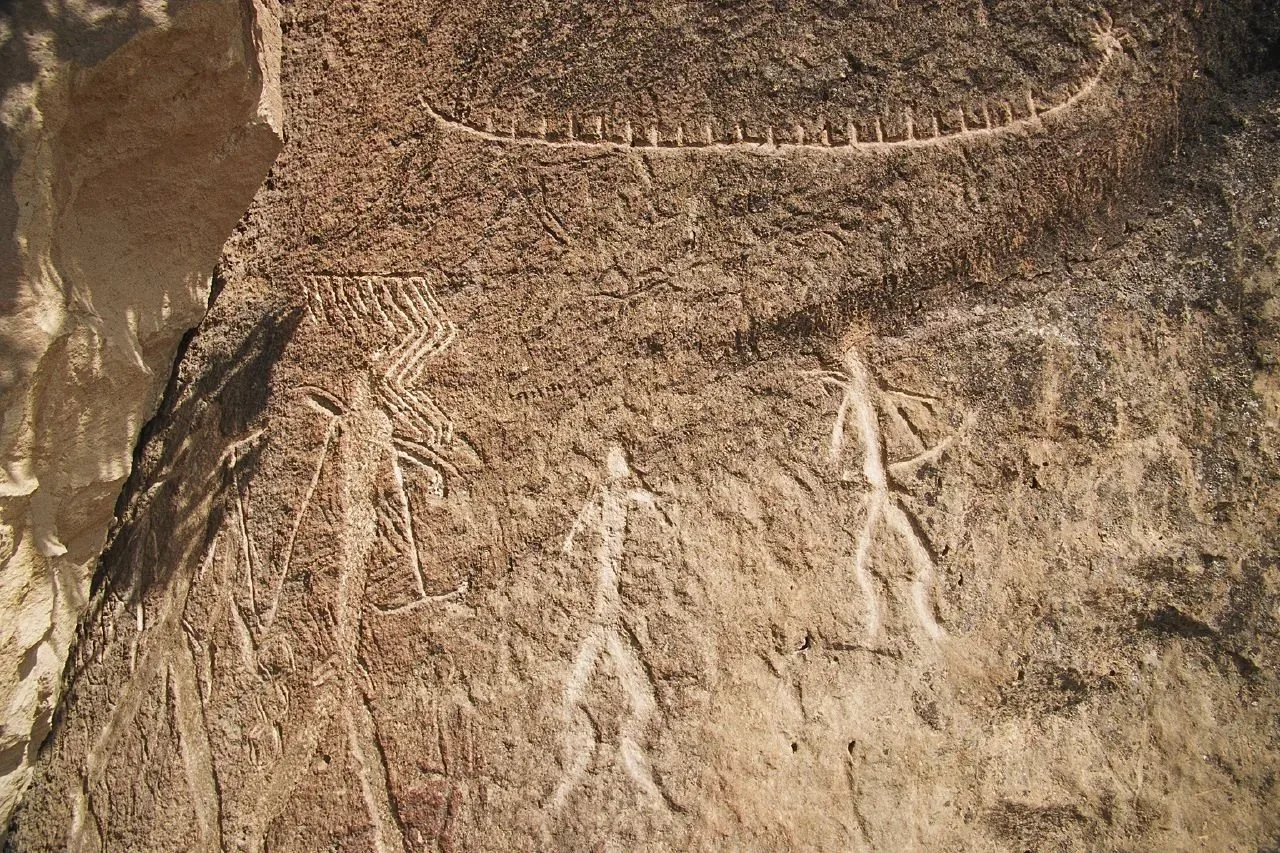
A taxi, private driver or organised tour is the practical way to do these trips. Start early in summer, especially for Gobustan, which is open, rocky and lightly shaded. Mountain roads to Gabala and Shahdag are slower in winter weather; travel in daylight and consider an overnight rather than a dawn-to-night return.