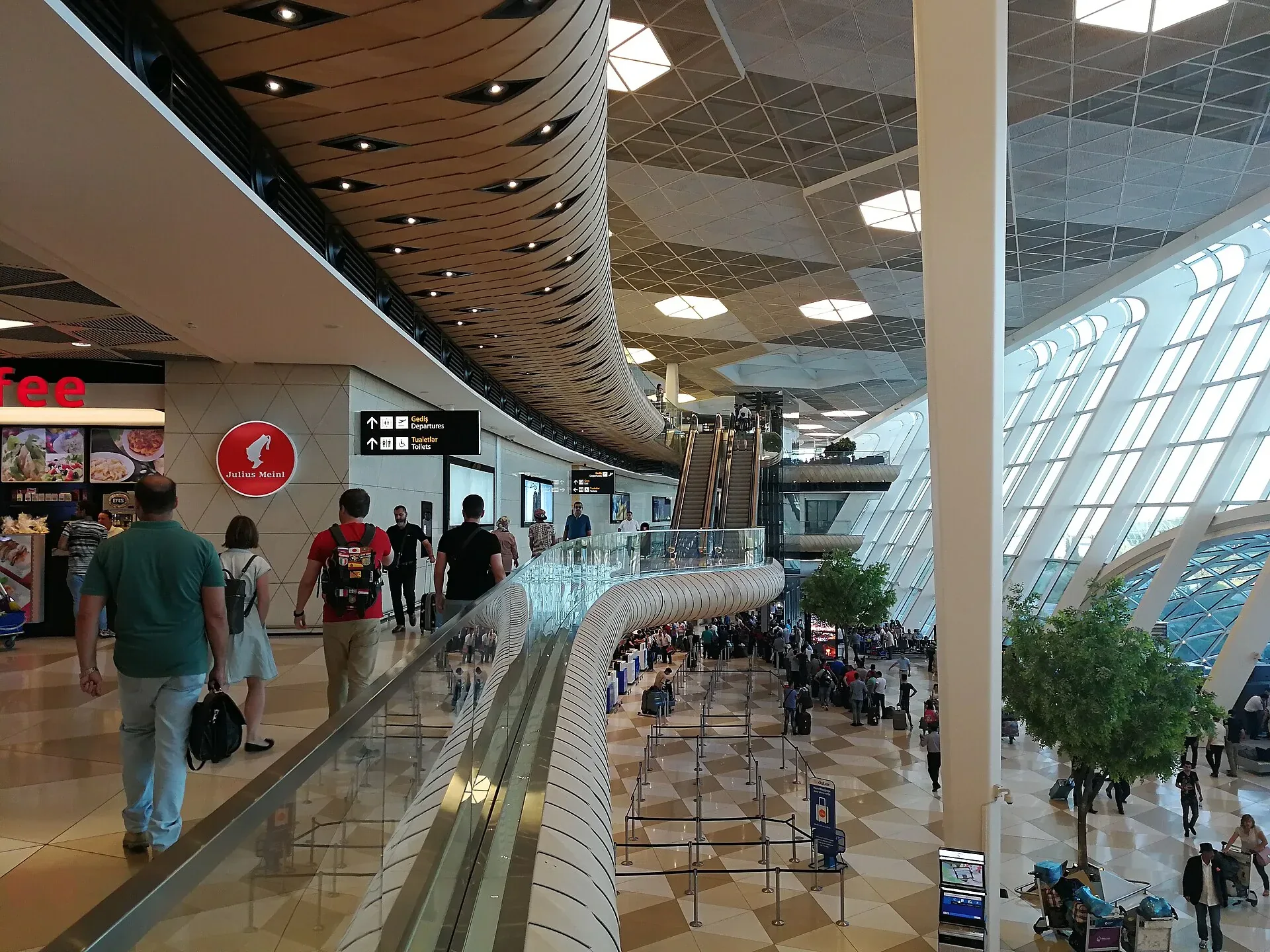
Visa and entry
The Azerbaijan State Tourism Agency and UAE Ministry of Foreign Affairs list visa-free tourist stays of up to 90 days for UAE passport holders. If you travel on another passport, check the entry rules for that passport.

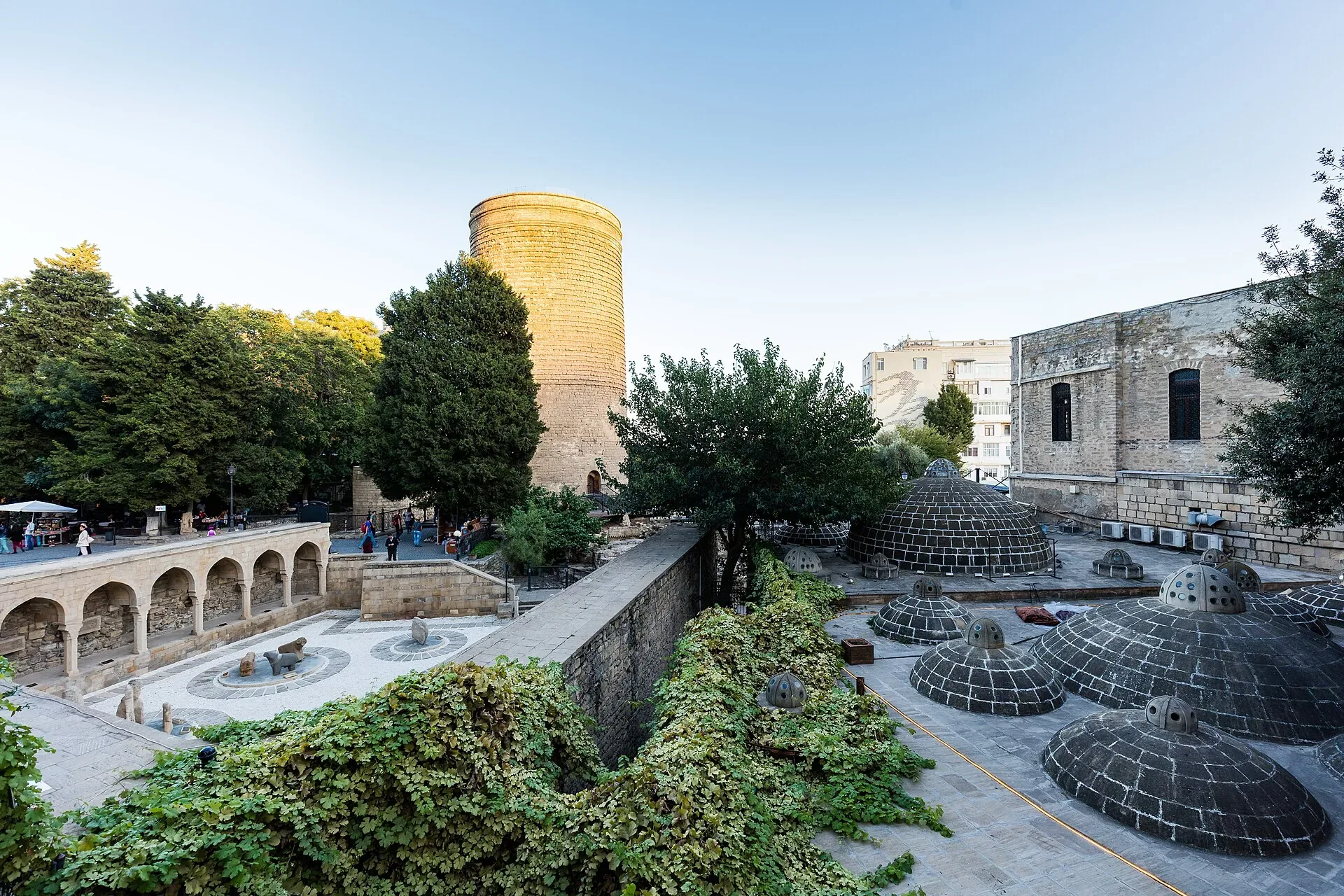
Visa rules, weather, money, packing, and the everyday facts you need before a first visit to Baku.
11 results
City overviewThe Azerbaijan State Tourism Agency and UAE Ministry of Foreign Affairs list visa-free tourist stays of up to 90 days for UAE passport holders. If you travel on another passport, check the entry rules for that passport.
July and August are hot and dry, with average highs around 31°C in July. They are the months when a Caspian beach day on the Absheron coast makes most sense, if you walk the city in the morning and rest indoors in the afternoon. November is the wettest month on average, and January and February are cool and better for museums, malls and, if you have time, Shahdag.
The figures below are long-term monthly averages for Baku: typical daytime and night-time temperatures, rainfall, the number of days with rain, and average daily sunshine. November’s average high is 13.5°C. July is the hottest, driest month, with an average high of 30.6°C and very little rain.
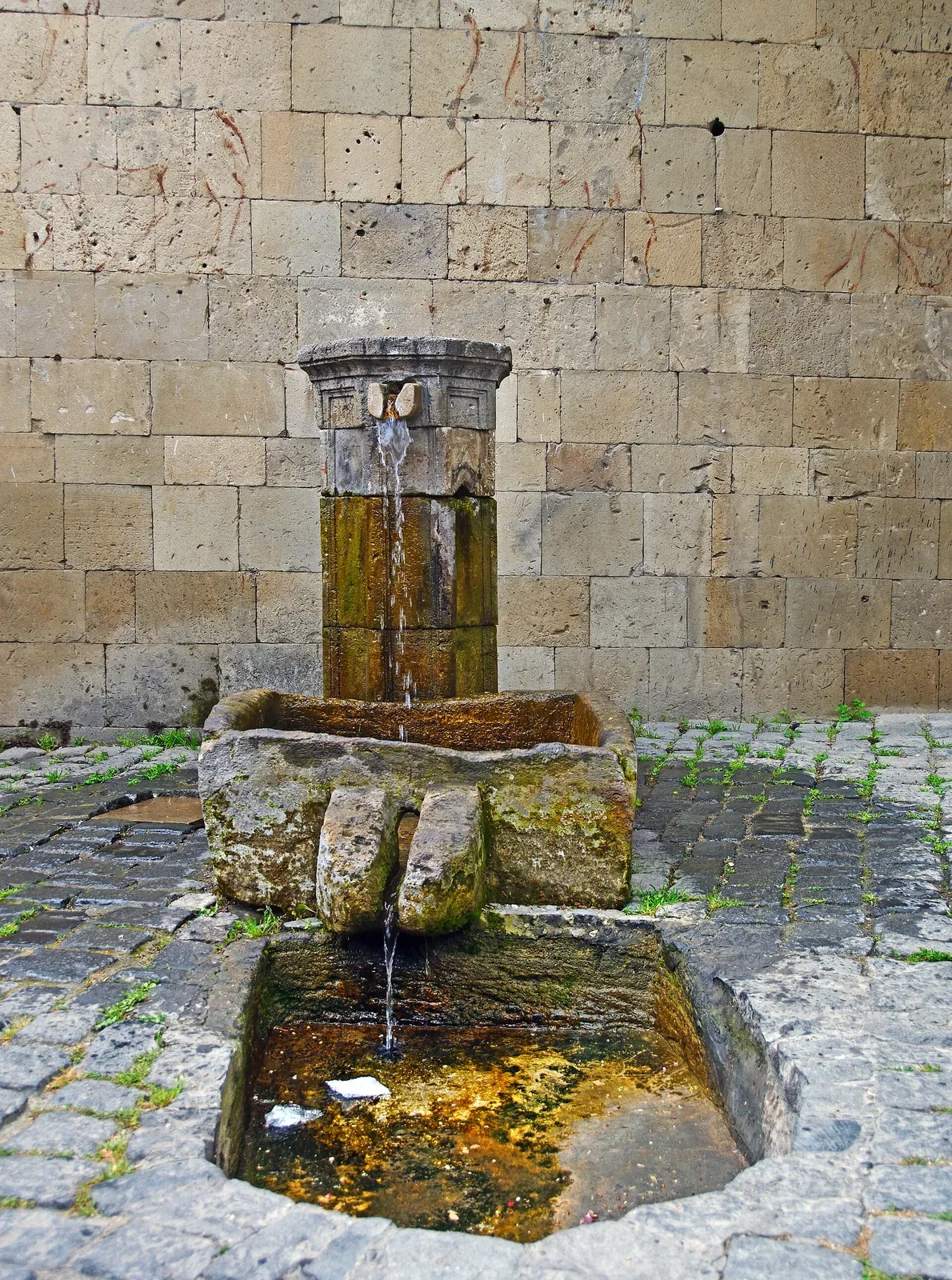
In July and August you need sun protection, light fabrics and a hat; the Caspian wind can still make evenings feel cooler than midday. In November to March, bring a warm coat and a rain layer: these months are cooler and wetter, with average January highs around 7°C. A scarf or shawl is useful for women visiting mosques, and men should avoid shorts inside prayer halls.
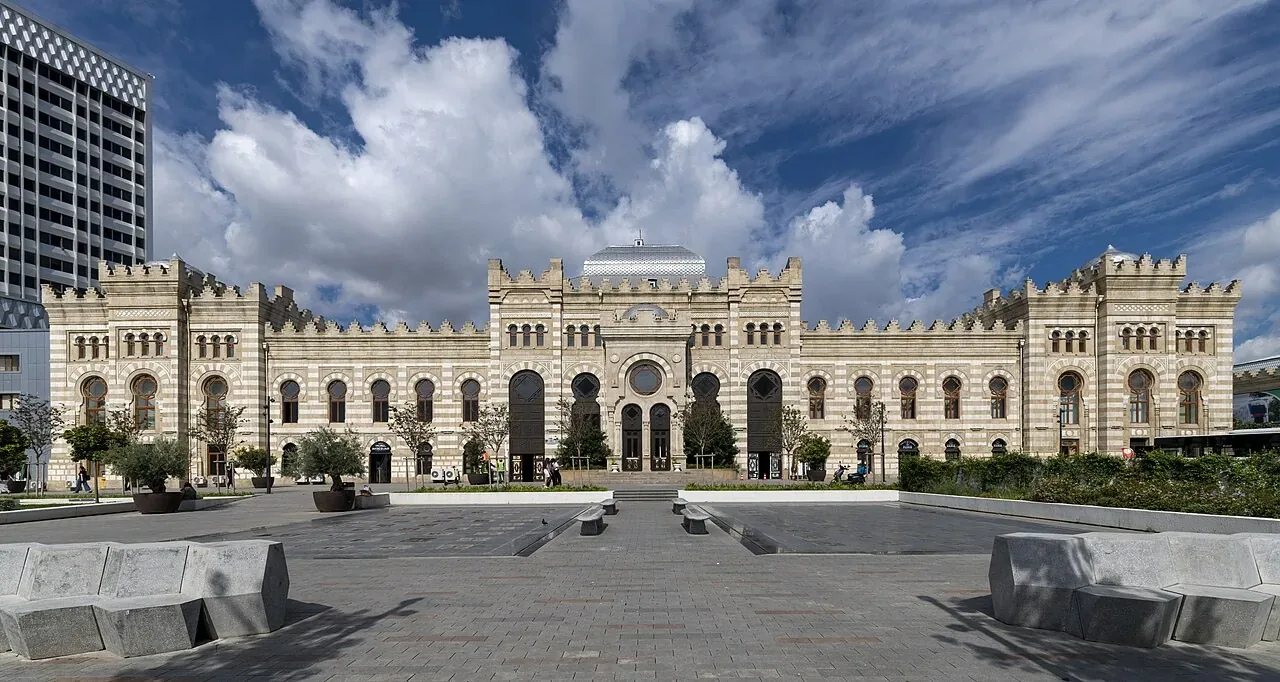
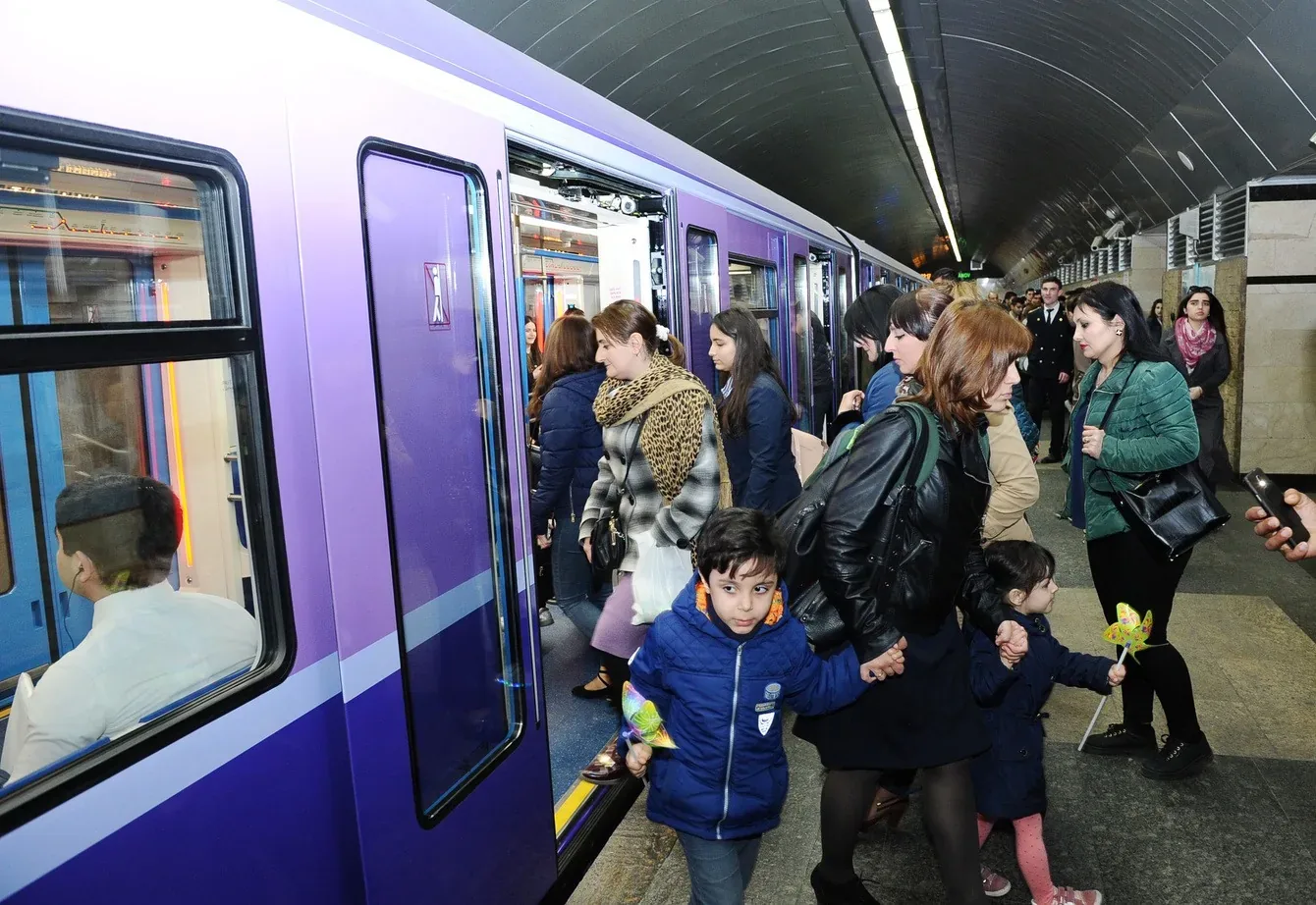
The Baku Metro operates from 06:00 to midnight and a standard trip costs 60 qəpik. The Airport Express runs to Baku Railway Station at 28 May. The airport lists departures every 20 minutes from 06:00 to 23:15 and every 45 minutes overnight. The airport lists a fare of AZN 1.30 with a BakıKart and a price of AZN 2 for the card itself. Tipping in restaurants is commonly about 5 to 10 percent when a service charge is not already included.
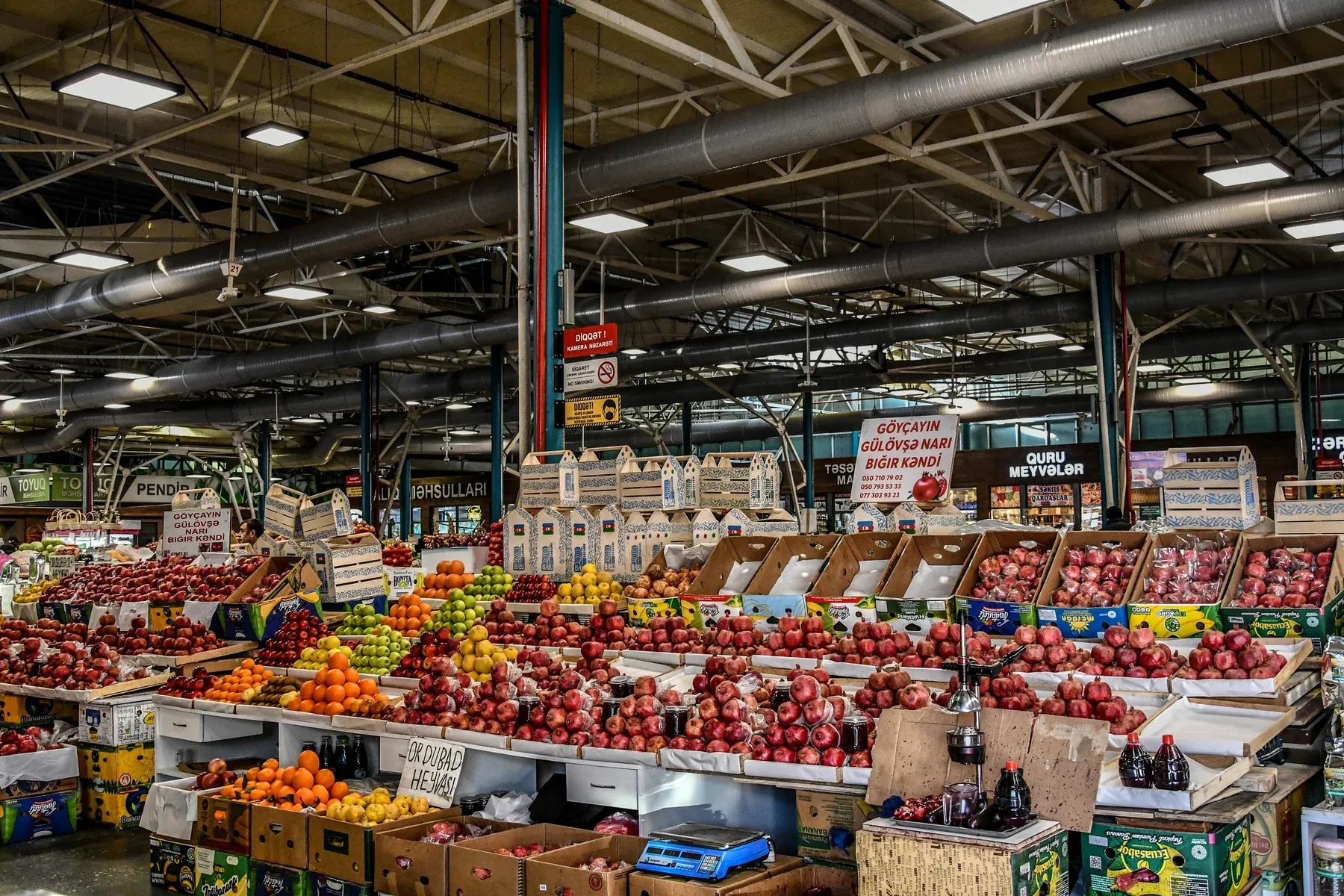
You can change money at the airport and at banks and exchange offices in the centre. ATMs are common in the historic core, on Nizami Street and in malls. Prices in this guide are in AZN where a tariff has been published, as of November 2026.
The everyday language is Azerbaijani; Russian is widely understood, and English is common in hotels and central restaurants. The emergency number is 112; 102 is the police and 103 is the ambulance service.
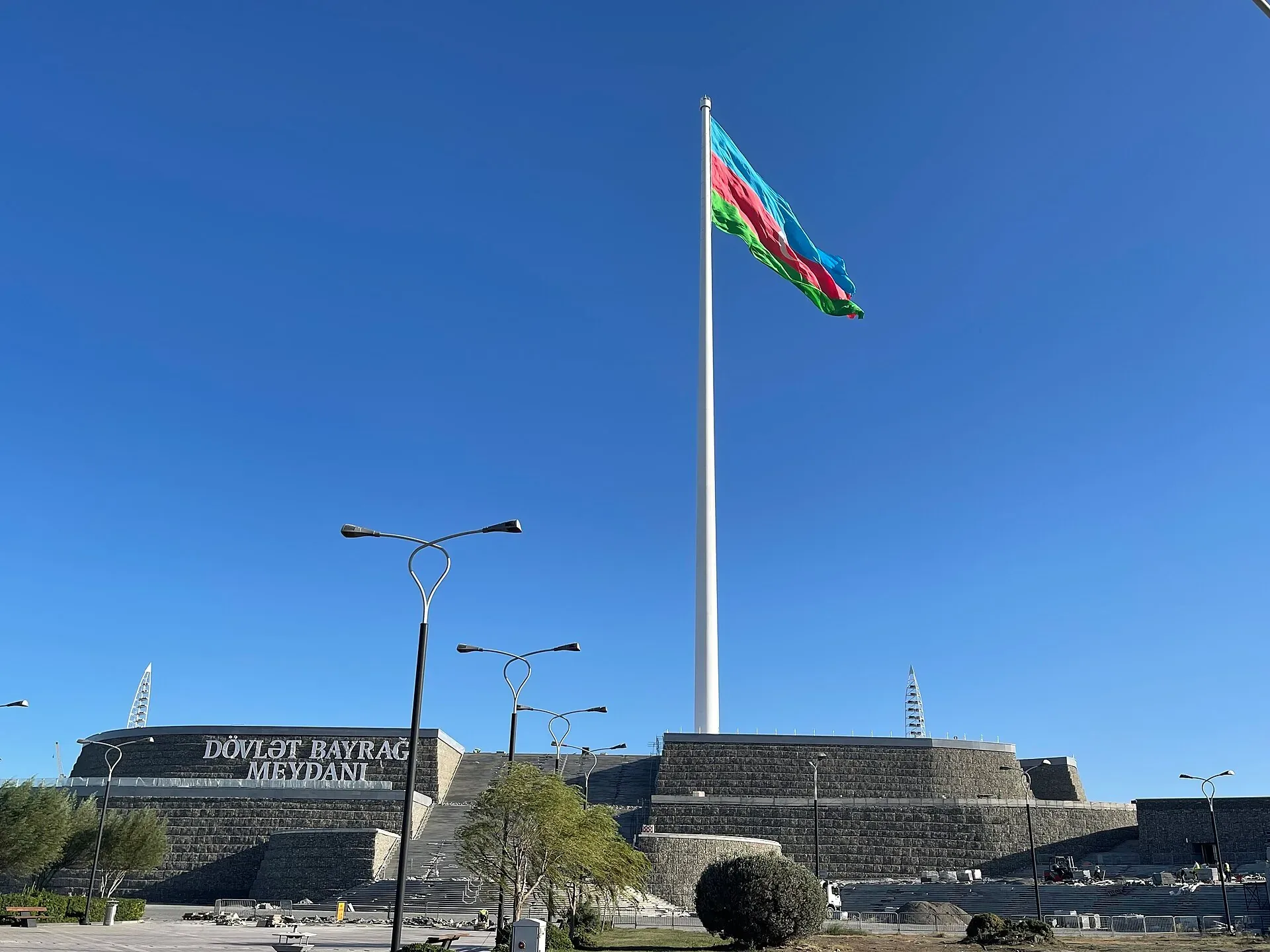
Novruz, the spring New Year, falls in late March, with public holidays around 20 March and festive evenings in parks and on the Boulevard. Some shops and offices close or run shorter hours. Eid al-Fitr and Eid al-Adha follow the lunar calendar, so their dates change each year; mosques are busy in the morning, and restaurant tables fill later in the day.
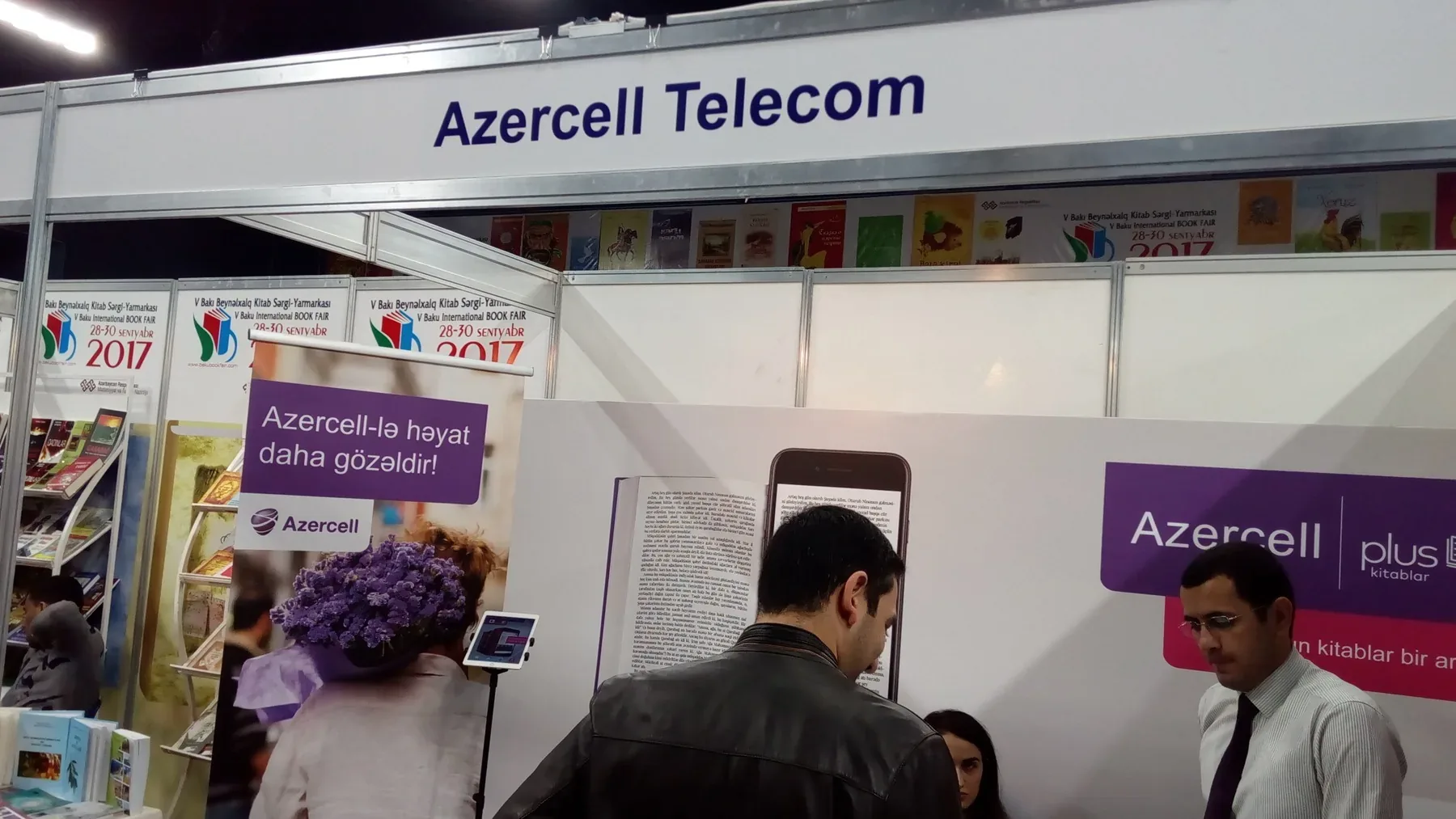
Heydar Aliyev International Airport lists local SIM sales on the first floor of Terminal 1. Check current plans directly with Azercell, Bakcell and Nar. Azercell and Nar offer tourist eSIMs. Azercell also lists city shops that sell tourist plans. Bring the passport you used to enter Azerbaijan if you plan to obtain a package in person. If you intend to use a local SIM in a phone you brought from abroad, check the airport’s device registration guidance and confirm the requirements with customs before leaving the terminal.
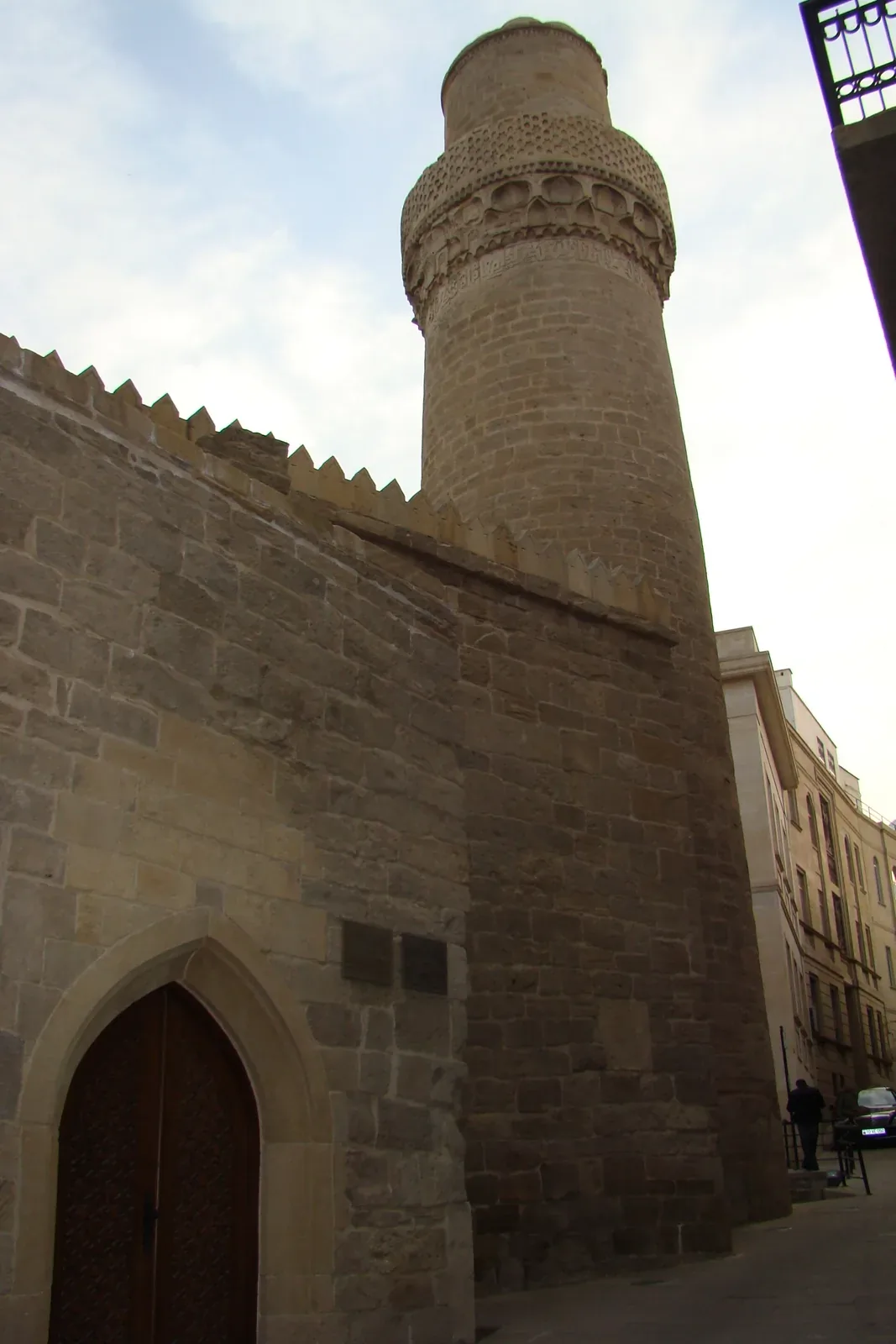
Remove your shoes in a mosque, keep voices low and follow the congregation. Ask before taking photographs inside, especially at prayer times. In the Old City, leave space for other people in narrow lanes.
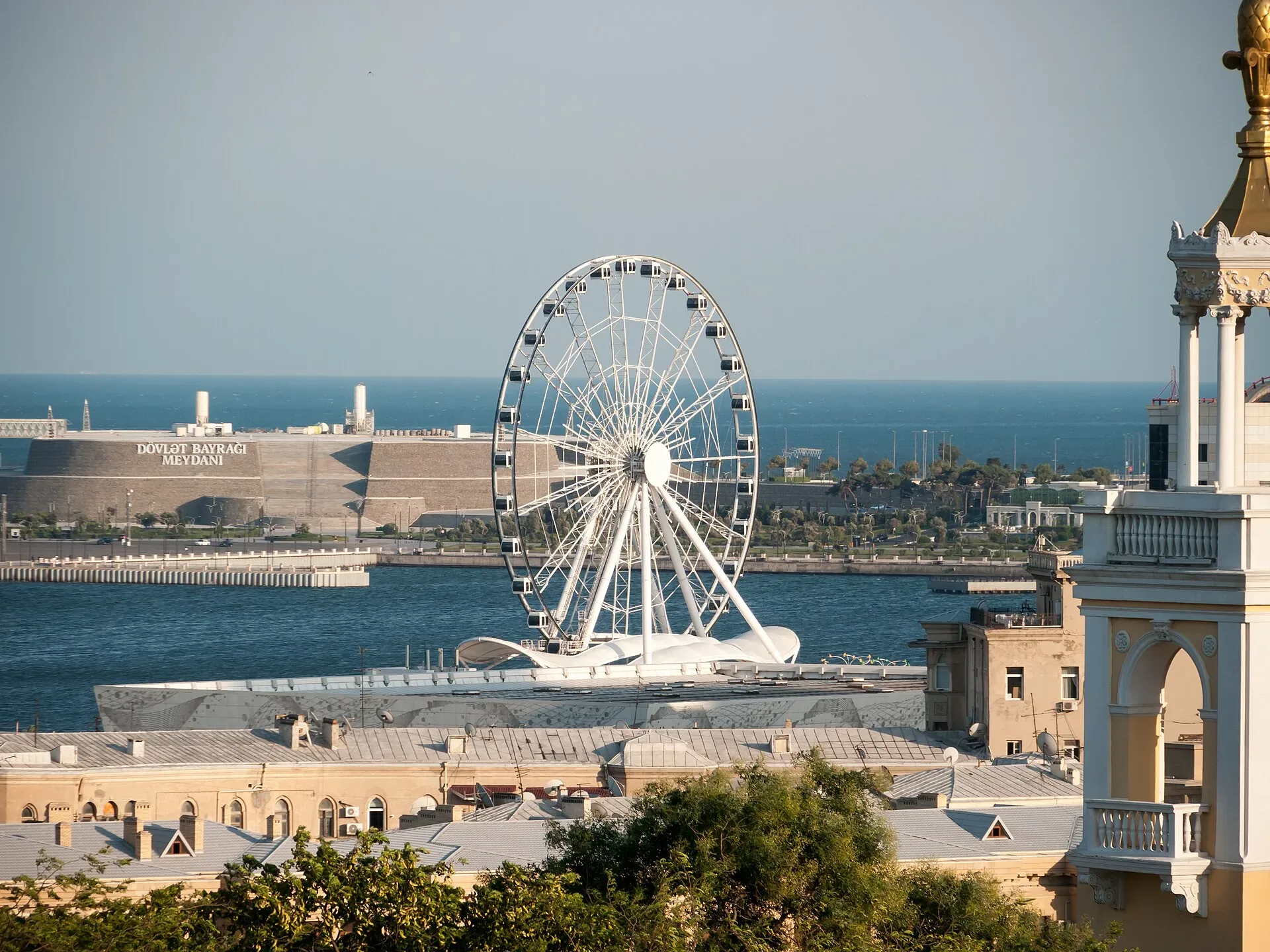
Icherisheher rewards children who can walk on uneven stone, but it is tiring with a stroller; keep a first visit short and use Fountain Square as your meeting point. The Maiden Tower suits older children who can climb a tight stair. Gobustan and the mud volcanoes are better for older children, with little shade and rocky ground. A beach day is mainly a mid-to-late-summer outing, 40 to 50 minutes from the centre.